
How Long Does Water Paint Take to Dry
You’ll usually get a surface-dry water‑based paint in about 20–60 minutes, but it won’t always be ready for recoating or handling that soon. Thin coats in warm, dry, well‑ventilated conditions dry fastest; thick coats, cool or humid air, and porous surfaces slow things down. Recoat windows commonly span 1–6 hours and full cure can take days to weeks. Keep layers thin and test a small area first — more tips ahead to help you plan.
Water-Based Paint: Quick Drying Timelines
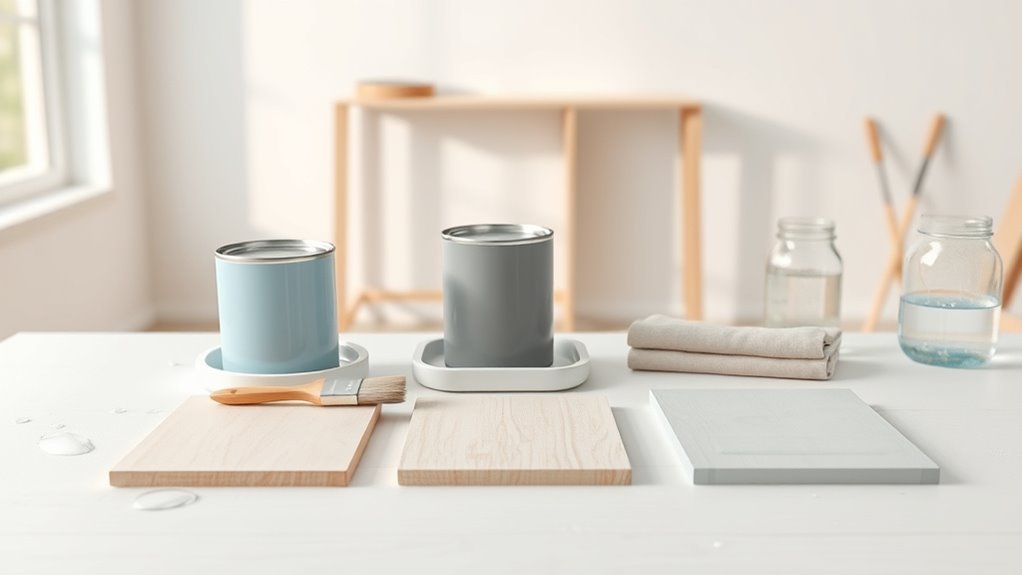
When you use water-based paint, it dries far faster than oil-based alternatives—often becoming touch-dry within 30 minutes to an hour under ideal conditions. You’ll notice drying speed varies with temperature, humidity, coat thickness, and ventilation.
Thin coats dry quickly; thicker ones take longer. During color mixing, use water sparingly to avoid overly thin layers that affect coverage and drying.
Choose brush types suited to the finish: synthetic brushes for smooth application, foam for minimal texture. Work efficiently so coats set evenly, and test a small area first to confirm timing before proceeding with larger surfaces.
When to Recoat, Handle, or Finish Painted Surfaces
After a coat feels dry to the touch, you’ll want to know exactly when it’s safe to recoat, handle, or apply finishes—because surface dryness doesn’t always mean it’s ready for the next step.
Surface-dry isn’t ready—confirm recoat and handling times to avoid lifting or uneven finishes.
Wait recommended recoat intervals on the can rather than guessing; premature work can cause lifting or uneven sheen.
For Paint touch ups, test a small area first.
Consider light handling times versus full cure before heavy use or sealing.
- Check manufacturer drying time guidelines.
- Do a fingerprint test in an inconspicuous spot.
- Sand lightly before recoating if necessary.
- Allow full cure before heavy use or varnish.
How Temperature, Humidity, Paint Type, Coat Thickness & Surface Affect Drying
Because drying is a chemical and physical process, temperature, humidity, paint chemistry, coat thickness, and the surface you’re painting all change how quickly a coat sets and cures.
You’ll speed drying in warm, dry conditions and slow it in cool, humid air; avoid painting at extremes. Thicker coats take much longer to set, so apply thin, even layers.
Porous or rough substrates absorb water and alter drying—surface preparation matters to guarantee a uniform cure.
Store paint correctly between sessions; proper paint storage prevents skinning and chemical changes that affect drying.
Adjust timing and environment rather than forcing premature handling.
How Long Common Water-Based Paints Actually Take (Latex, Acrylic, Craft, Primer)
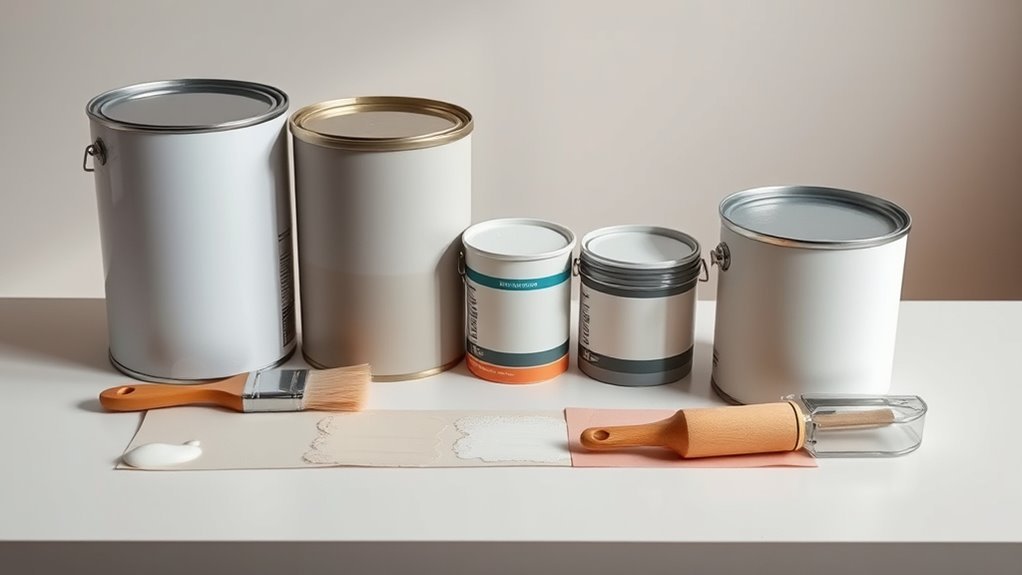
Having considered how environment and application affect drying, let’s look at typical drying times for common water-based paints so you can plan your schedule more precisely. You’ll find ranges below; remember paint adhesion depends on surface prep and drying time factors like temp, humidity, and coat thickness.
- Latex: surface-dry 30–60 minutes, recoat 4–6 hours; full cure weeks.
- Acrylic: surface-dry 20–40 minutes, recoat 2–4 hours; good flexibility aids adhesion.
- Craft (student-grade): surface-dry 10–30 minutes, recoat 1–2 hours; thinner coats dry faster.
- Primer (water-based): surface-dry 30–60 minutes, recoat 1–4 hours; promotes final coat adhesion.
Speeding Up Drying : And When to Slow It Down
If you want paint to dry faster, adjust the environment and your technique. Increase airflow, raise temperature slightly, and lower humidity to speed evaporation.
Use thin coats and unload excess on a palette so each layer sets quickly. Fast drying helps tidy layering but can hinder smooth color blending; work wet-on-wet when gradual matters.
Choose synthetic brushes for quicker application; clean, shorter strokes and proper brush techniques reduce drag and uneven thickness.
When detail or blending is essential, slow drying with retarders or misting gives you time to smooth edges.
Balance speed versus control based on the piece’s needs.
Frequently Asked Questions
Can Water-Based Paint Be Safely Used on Metal Without Primer?
You can, but you shouldn’t: metal surface preparation matters, and without primer water based paint durability drops. You’ll need thorough cleaning, rust removal, and a suitable adhesion promoter to guarantee lasting results on metal.
Is Painted Furniture Child-Safe After Drying?
You can’t assume painted furniture is child-safe immediately; coincidentally, a wiped-smile and dry touch show it looks fine. Check child safety: cure time, non-toxic finish, and paint durability—retest edges and hardware before use.
Can You Paint Over Oil-Based Paint With Water-Based Paint?
Yes, you can, but you’ll need to prep properly: sand and degloss oil based paint, use a good primer, then apply water-based paint. Expect altered drying time depending on surface and conditions, so plan accordingly.
Do Water-Based Paints Freeze During Shipping or Storage?
Yes — water-based paints can freeze during shipping or storage if paint temperature drops below freezing; you’ll prevent damage by controlling storage conditions, keeping containers insulated, heated, and above the manufacturer’s recommended minimum temperature.
How Long Do Paint Fumes Remain Noticeable After Drying?
You’ll notice paint odor for a few hours to several days after drying; fume duration depends on ventilation, paint type, and temperature. You should ventilate, use fans, and avoid occupancy until strong fumes dissipate.
Conclusion
So you want the thrilling finale: water-based paint usually dries before your tea gets cold, but don’t act like a hero—wait the recommended recoat times or you’ll invent modern art by accident. Temperature, humidity, and coat thickness are the real drama queens, so bribe them with warmth and ventilation or appease them with patience. Speed it up if you must, slow it down if you’re indecisive, and try not to mistake “tacky” for “done.”
