
How Much to Paint 2500 Sq Ft House Exterior
You’ll typically need about 10–15 gallons of topcoat for two finish coats on a 2,500 sq ft house exterior, plus a primer gallon or two and roughly 10% extra for touch-ups and waste. Measure perimeter × wall height and subtract windows, doors, and gables to get accurate square footage. Textured siding, dark colors, or intricate trim will raise needs and time. Keep proper tools and prep in mind — more details ahead if you want specifics.
Quick Answer: Gallons Needed for a 2,500 Sq Ft Exterior
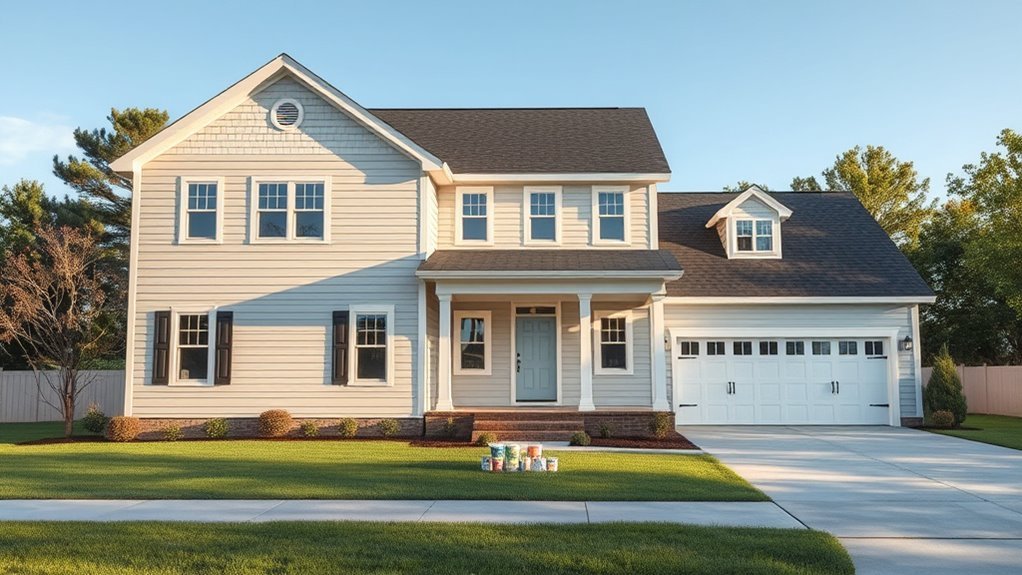
If you’re painting a 2,500 sq ft house exterior, you’ll generally need about 10–15 gallons of paint for two coats, assuming average wall height and moderate trim area.
You’ll pick based on color options and durability—lighter shades may need fewer coats than deep, saturated hues. Compare paint brands for coverage, finish, and UV resistance; premium brands often cover more square footage per gallon.
Factor trim, doors, and accents separately but modestly. Buy a bit extra (about 10%) for touch-ups and errors.
Ultimately, choose a reliable brand and colors you’ll want to live with long term.
Calculate Wall Area for a 2,500 Sq Ft House (Subtract Windows, Doors, Gables)
To figure paintable surface, start by converting the 2,500 sq ft footprint into total wall area using the house perimeter and wall height.
Subtract the square footage of windows, doors, and any gables or dormers so you don’t overestimate.
With those numbers you’ll have a precise wall area to calculate paint and primer needs.
House Footprint Versus Wall Area
When you’re estimating paint for a 2,500 sq ft home, don’t confuse the house’s footprint with the actual wall area you’ll need to cover; the footprint tells you living-space square footage, not the vertical surfaces.
You’ll measure perimeter and wall height to get gross wall area, then plan for trims and overhangs. Think about color schemes and aesthetic choices early, since darker hues or multiple colors can change coat counts and labor.
Use consistent units, sketch elevations, and calculate each exterior face separately. That precise wall-area figure guides paint quantity, cost estimates, and scheduling—don’t rely on footprint alone.
Subtract Openings And Gables
Because openings and gables remove significant surface area, you should subtract them from your gross wall measurements before ordering paint. Measure each window and door, multiply height by width, and total those areas.
For gables, calculate the triangular area (base times height divided by two) and deduct it unless you’ll paint them separately. Subtracting accurately prevents wasted cans and helps estimate coats for trim versus field surfaces.
That precision also influences color selection and paint textures—smooth finishes cover differently than heavy-bodied spatter textures—so factor the effective square footage by finish type when converting area into required gallons.
Account For Wall Height
If you want an accurate paint estimate, start by converting the house’s 2,500 sq ft footprint into wall area using its wall height. Multiply the exterior perimeter by the wall height, then subtract the total area of windows, doors, and any gables you’ve already measured.
Measure wall height at corners, average if varied, then calculate each elevation. Subtract openings you tallied earlier to get net paintable area.
Use that figure to estimate gallons and labor. As you plan, test color schemes with paint chips on sample walls to confirm effects at different heights and light, ensuring your calculations match the finished look.
Choose Exterior Paint & Primer: Finishes, Coverage, and Real-World Yield
You’ll pick between acrylic, latex, oil-based paints and matching primers based on substrate and durability needs.
Check the manufacturer’s coverage per gallon, then adjust for real-world yield—rough surfaces, multiple coats, and primer can cut advertised coverage by 20–40%.
Use those adjusted numbers to estimate how many gallons and primer cans you’ll actually need.
Paint And Primer Types
When choosing exterior paint and primer for a 2,500 sq ft house, think about finish, coverage, and real-world yield so you can balance look, durability, and cost.
You’ll pick primers (alkyd for bare wood, acrylic for repaired stucco) to seal surfaces and prevent stains.
For paint, choose 100% acrylic latex for flexibility and UV resistance; use satin or eggshell for siding, semi-gloss for trim.
Match color schemes to architectural style and climate; darker colors absorb heat.
Compare paint brands for warranty, fade resistance, and VOC levels.
Buy quality primer and topcoat—it saves time and maintenance.
Coverage Per Gallon
Because actual coverage varies with surface texture, color change, and application method, don’t rely solely on the label’s “up to” numbers—plan using realistic yields.
You’ll typically expect 250–400 sq ft per gallon for exterior primers and 350–450 sq ft for topcoats on smooth surfaces. Rough siding lowers that.
Factor multiple coats for drastic color schemes and areas with heavy weathering.
Higher-quality paints often cost more per gallon but improve paint durability and may need fewer coats.
Always match finish to surface and application tool, and compare manufacturer specs plus your project’s specifics before ordering gallons.
Real-World Yield Adjustments
How much paint will you actually need once you account for surface texture, weathering, and the finish you choose? You’ll start with theoretical coverage, then adjust for rough siding, weathered patches, trim complexity, and the sheen that affects spread. Your color selection can change coat count—deep or bright hues often need extra coats.
Prioritize paint durability to reduce future recoat frequency. Measure areas carefully, add 10–25% for waste and texture, and test a small area to confirm coverage. Plan for primer where needed; it saves paint and improves adhesion.
- Fear of underbuying
- Relief in extra prep
- Pride in lasting results
Estimate Coats and Total Gallons (Including Primer and Touch-Ups)
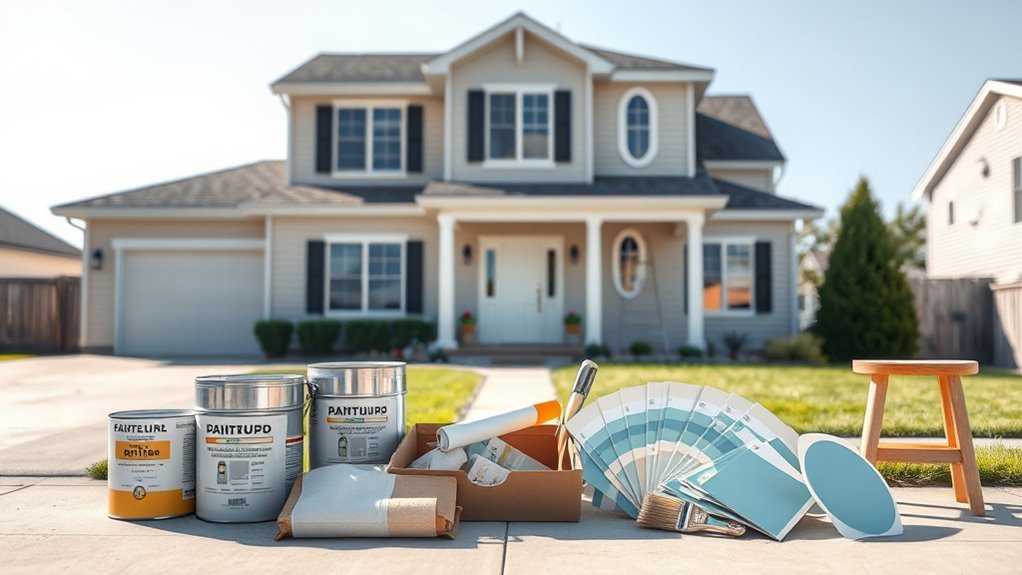
If you’re covering a 2,500 sq ft house exterior, start by deciding how many coats you’ll apply—most jobs need one primer coat (if surface is bare or patched) and two finish coats for durable, even coverage.
Calculate gallons by dividing square footage by the paint’s coverage (usually 300–400 sq ft/gal), then multiply by coats. Allow extra for touch-ups and texture: add 10–15% more.
Divide the area by paint coverage, multiply by coats, then add 10–15% for touch-ups and texture.
Choose colors and color schemes carefully—darker hues may need extra coats for uniform opacity.
Prioritize high-quality paint for better paint durability; it reduces future recoats and touch-up frequency.
Materials and Tools Checklist for an Exterior Paint Job
Now that you’ve estimated coats and gallons, gather the right materials and tools so the job goes smoothly and safely. You’ll want quality exterior paint, primer, and sealant; brushes, rollers, extension poles, and metal scrapers; plus ladders, scaffolding, drop cloths, and PPE.
Mix samples for color coordination and test on small areas, especially if you’re respecting historical preservation guidelines. Keep caulk, wood filler, and rust inhibitor handy. Plan cleanup materials and proper disposal.
- A sturdy ladder and scaffolding to protect your nerves.
- Reliable brushes and rollers to restore pride.
- Quality paint and primer to honor legacy.
DIY vs. Pro: Time, Labor, and Cost for a 2,500 Sq Ft House
When you weigh DIY against hiring pros for a 2,500 sq ft exterior, focus on time, labor intensity, and true cost—not just the paint price.
If you DIY, expect weekends of work, rental equipment, and steep physical effort. You’ll control scheduling and color coordination decisions but risk uneven application that can shorten paint durability.
Pros finish faster, with crews, ladders, and expertise that often extends finish life and handles tricky areas safely.
Cost-wise, DIY saves labor but can cost more in mistakes and time.
Get quotes, check warranties, and compare final appearance plus longevity before deciding.
Common Surprises That Raise Paint Needs (Trim, Texture, Repairs, Weather)
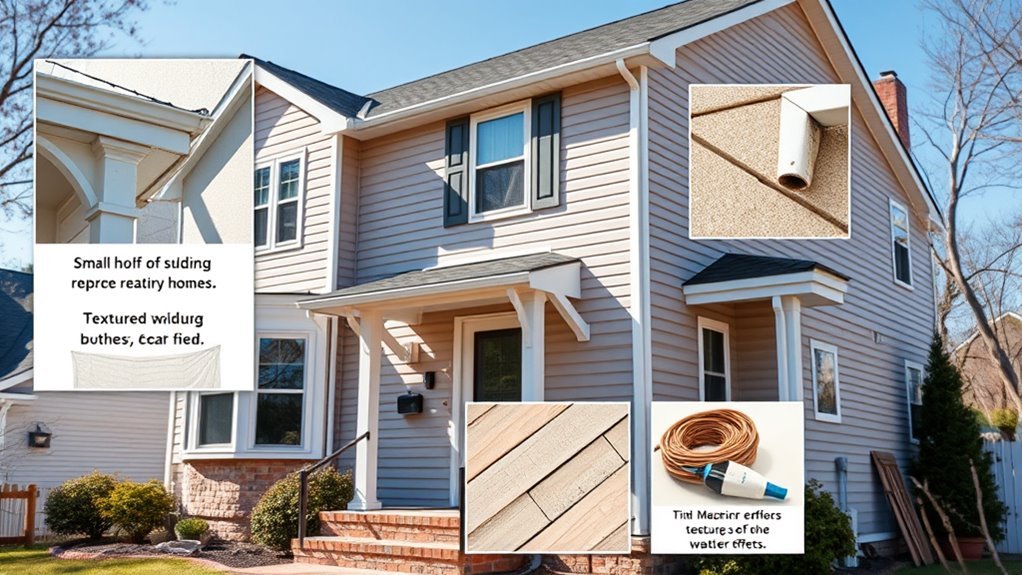
Because unexpected details can quickly multiply the work, you should plan for extras beyond basic wall square footage. You’ll face trim complexity, textured surfaces that drink paint, repair needs, and weather delays that add coats and time. Pick color schemes wisely—contrast and trims add square footage and labor. Opting for eco friendly paints can influence cost and coat count. Prepare a buffer for hidden rot, deeper textures, and touch-ups after storms. Expect price and time shifts; being ready saves stress.
- Trim: intricate profiles demand steady hands and more paint.
- Texture: rough surfaces absorb heavily.
- Repairs/weather: delays multiply coats.
Frequently Asked Questions
How Long Does Exterior Paint Typically Last on a 2,500 Sq Ft House?
You’ll typically get 5–10 years from exterior paint on a 2,500 sq ft house, but longevity varies with paint color, exterior textures, climate, prep quality, and maintenance; lighter colors and smoother textures often last a bit longer.
What Environmental Regulations Affect Exterior Paint Disposal?
Think of old paint as a ticking storm cloud: you’ll follow paint disposal regulations that forbid pouring leftovers down drains, require hazardous-waste dropoffs for oil-based paint, and consider environmental impact through proper recycling and containment.
Can Color Choices Impact Home Resale Value Locally?
Yes — you’ll boost resale by choosing colors that appeal locally; color psychology helps attract buyers, and buyers trust paint brand reputation for durability, so pick neutral, well-reviewed brands to maximize curb appeal and perceived value.
How Do Historical Homes Affect Paint Choice and Permits?
Like stepping into a museum, you’ll face stricter historical preservation rules: you’ll need to follow approved colors and materials, and secure permit requirements before work begins. You’ll coordinate with review boards and expect longer timelines.
Are There Eco-Friendly Paint Options With Comparable Durability?
Yes — you can choose eco friendly paints that match traditional options; you’ll get a solid durability comparison showing modern low-VOC and zero-VOC formulas resist fading, peeling, and mildew nearly as well while reducing toxins and odors.
Conclusion
You can realistically paint a 2,500 sq ft house exterior with about 10–18 gallons, depending on surfaces and coats—but don’t let that scare you. If you’re worried about buying too much paint, buy one fewer full gallon and a small quart for touch-ups; most pros will agree it’s better to have a little extra than run out mid-job. With basic prep, the right primer, and one good topcoat, you’ll save time and avoid costly redo.
