
How Long Is Exterior Paint Good for
Expect exterior paint to last anywhere from about 5 years for flat or low‑quality coatings to 10–15 years for good acrylic latex, and 15+ years for premium oil‑based or elastomeric systems if you prep and maintain properly. Climate, sun, salt, moisture, and surface type shorten life, and darker colors fade faster. Regular washing, prompt touch‑ups, and proper primer can add years. Keep going to see how materials, prep, and upkeep change those timelines.
Quick Answer: Typical Exterior Paint Lifespans by Type
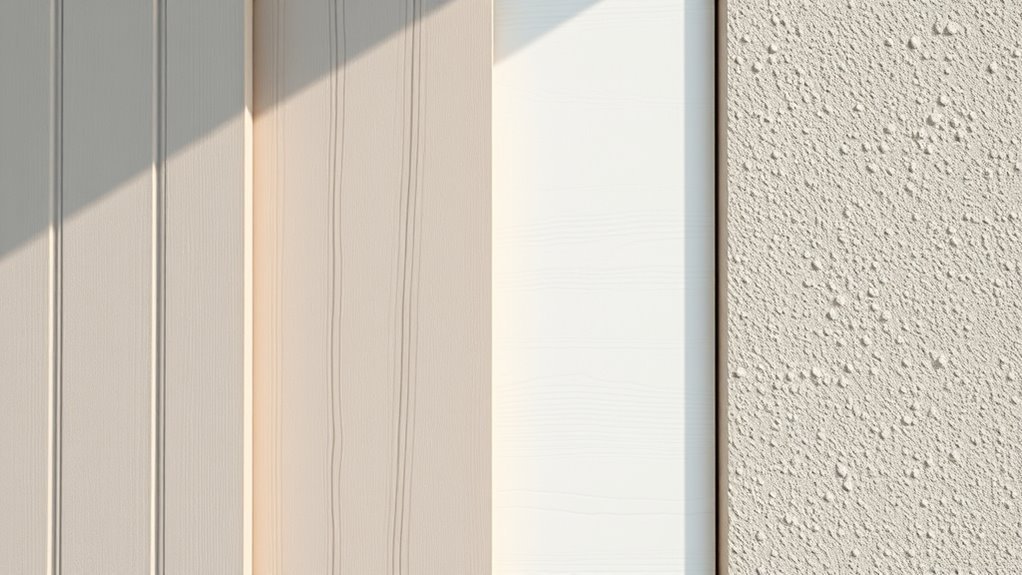
While actual longevity depends on climate and prep, you can expect most exterior paints to last within a predictable range: 5–7 years for flat and matte finishes, 7–10 years for satin and eggshell, 10–15 years for high‑quality acrylic latex, and 15+ years for premium oil‑based or elastomeric coatings when applied and maintained properly.
You’ll notice cheaper or older finishes show color fading sooner and may experience paint peeling along edges. Choose higher‑quality formulations for durability, guarantee proper surface prep and primer, and monitor vulnerable areas like trim and eaves so you can address early deterioration before it spreads.
How to Estimate When Your House Needs Repainting
If you want to know whether it’s time to repaint, start by inspecting both visible and high‑stress areas for clear signs of wear—fading, chalking, cracking, peeling, blistering, or mildew—and note where they occur and how extensive they are.
Check trim, eaves, and siding junctions for paint cracking and areas where color fading is pronounced. Tap surfaces to detect loose sections and press edges for lift.
Map problem spots by severity: touch‑up, partial repaint, or full repaint. Factor in how many years since last coat and whether defects spread; prioritize repairs to prevent substrate damage.
How Climate (Sun, Cold, Humidity) Affects Exterior Paint
Sun exposure breaks down paint binders and fades color faster than you might expect, so UV protection matters.
Freezing and thawing cycles cause expansion and contraction that can crack or peel coatings over time.
High humidity promotes mildew and adhesion problems, so you’ll want mildew-resistant formulas and proper drying conditions.
UV Light Damage
Because UV rays break down paint polymers and pigments over time, prolonged sun exposure is one of the toughest challenges for exterior finishes.
You’ll notice UV exposure causes binder breakdown, so paint becomes brittle and chalky, reducing adhesion. Direct sun accelerates pigment fading, leaving colors dull and uneven.
Lighter shades resist heat but still fade; darker hues show damage faster.
You can extend life by choosing UV-resistant formulations, applying high-quality primers, and keeping surfaces clean.
Regular inspections let you catch early chalking or color loss so you can touch up or repaint before more extensive deterioration occurs.
Freeze-Thaw Stress
When temperatures swing between freezing and thawing, paint and the substrates beneath it expand and contract at different rates, and that repeated movement forces coatings to crack, peel, or lose adhesion over time. You’ll notice hairline fractures and faster color fading where cycles are frequent; gloss retention suffers as the film becomes brittle. Addressing substrate preparation and flexible formulations helps, but expect accelerated wear in freeze-thaw zones. Use durable primers and elastomeric or acrylic exterior paints designed for movement. Monitor problematic areas after winter and spot-repair to prevent moisture intrusion and spreading damage.
| Issue | Effect |
|---|---|
| Cracking | Moisture ingress |
| Peeling | Loss of adhesion |
| Brittle film | Poor gloss retention |
| Fading | Color fading |
| Edge lift | Accelerated decay |
Humidity And Mildew
Freeze-thaw cycles can crack coatings and let moisture in, which sets the stage for humidity-driven problems like mildew and mold. You’ll notice paint chalking, peeling, or dark spots in persistently damp areas.
To combat humidity issues, keep gutters clear, guarantee proper grading, and allow airflow around siding. Choose a breathable, mildew-resistant exterior paint and apply it to a dry surface after repairing damage.
Regularly wash shaded or north-facing walls with a mild detergent to remove spores. Promptly address leaks and trimmed vegetation to reduce moisture.
These steps extend paint life and aid effective mildew prevention.
Comparing Acrylic, Latex, Oil, and Elastomeric Paint Lifespans
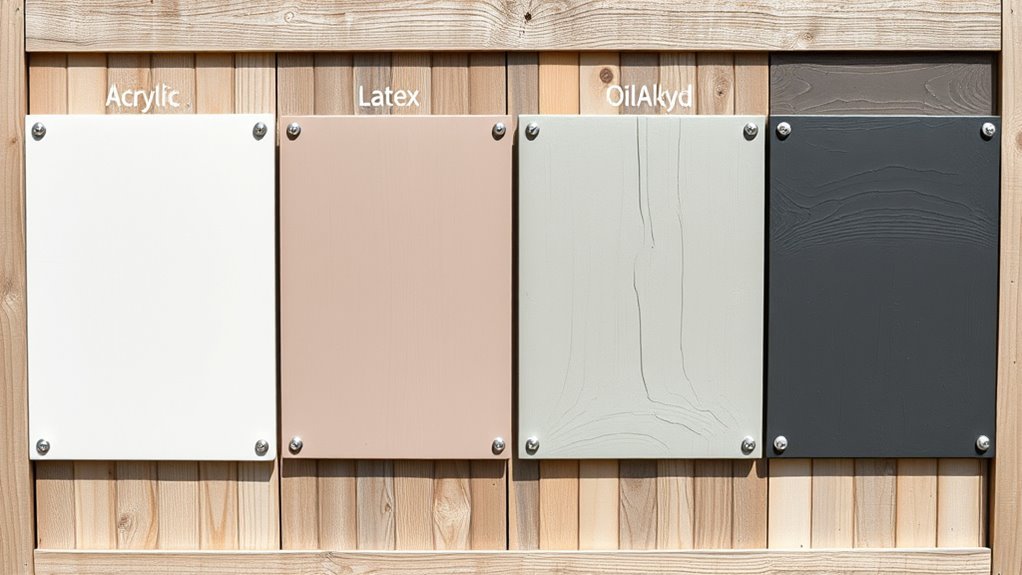
Although climate and surface prep play big roles, the binder type largely determines how long exterior paint lasts, so you’ll want to pick wisely for your project.
Acrylic offers strong UV resistance and resists color fading well; you’ll see good gloss retention and flexible film that endures decades with proper application.
Latex (water-based) is easy to maintain, resists cracking, and lasts 10–15 years in many climates.
Oil-based paints provide durable hardness and adhesion but can yellow and lose sheen over time.
Elastomeric coatings bridge gaps on masonry, stretch to prevent hairline cracks, and can outlast others on porous surfaces.
Primer Choice and Its Effect on Exterior Paint Durability
Because primer creates the first line of defense between your substrate and the topcoat, choosing the right type and applying it correctly directly affects how long exterior paint will last.
Primer is your first defense—pick and apply the right type to ensure longer-lasting exterior paint.
You should pick a primer formulated for your surface—masonry, wood, metal, or previously painted areas—to maximize primer adhesion and reduce moisture intrusion. A compatible primer helps topcoats resist peeling, mildew, and premature breakdown, which together slow color fading.
Use stain-blocking or bonding primers where needed, and follow manufacturer recoat windows.
When you match primer and paint chemistry, you extend finish life and get truer, longer-lasting color.
Surface Preparation and Exterior Paint Lifespan
Before you paint, you’ll extend the life of your exterior finish by thoroughly cleaning surfaces to remove dirt, mildew, and chalking.
You’ll also want to choose a primer that matches the substrate so the topcoat can bond properly.
Proper cleaning plus the right primer guarantees better adhesion and longer-lasting paint.
Proper Surface Cleaning
How clean is your surface right now? You should remove dirt, mildew, chalking, and loose paint because surface contamination speeds color fading and shortens paint life.
Start by washing with a mild detergent or a 1:3 bleach-to-water mix for mildew, scrubbing with a stiff brush. Rinse thoroughly and let the substrate dry completely before painting.
Sand rough or glossy areas to promote uniform adhesion, and scrape peeling paint to sound edges. Check for oil or sap spots and clean with a solvent if needed.
Thorough cleaning guarantees the new coat performs as a purposefully designed and lasts longer.
Primer And Adhesion
When you want paint to last, primer is the bridge between a cleaned surface and durable adhesion. You’ll apply a quality primer to seal porous areas, block stains, and create a uniform base so topcoat pigments sit evenly.
Good primer adhesion reduces peeling and helps slow color fading by preventing moisture and UV from undermining the finish. Match primer type to substrate—wood, metal, or masonry—to maximize bond.
Sand glossy spots and remove loose material before priming. Let primer dry fully, then inspect for missed areas.
Proper priming extends exterior paint life and keeps color truer longer.
Wood, Vinyl, Stucco, Brick, and Metal: Material Lifespan Differences
Although paint behaves differently on every substrate, you’ll get the longest life when the coating and material are matched. You’ll choose based on exposure, maintenance, and aesthetic shifts like color trends, while trusted paint brands offer compatible formulas. Consider how surfaces accept coatings and how often you’ll refresh them.
Match coatings to substrates for longest life—consider exposure, maintenance, and how often you’ll refresh finishes.
- Wood: absorbs and needs priming; expect repainting every 5–10 years with regular upkeep.
- Vinyl: holds color well but can fade; 8–12 years typical, heat can warp finishes.
- Stucco/Brick/Metal: masonry lasts 10–20 years; metal needs rust-resistant systems and can vary by climate.
How Paint Quality and Pigment Concentration Impact Longevity
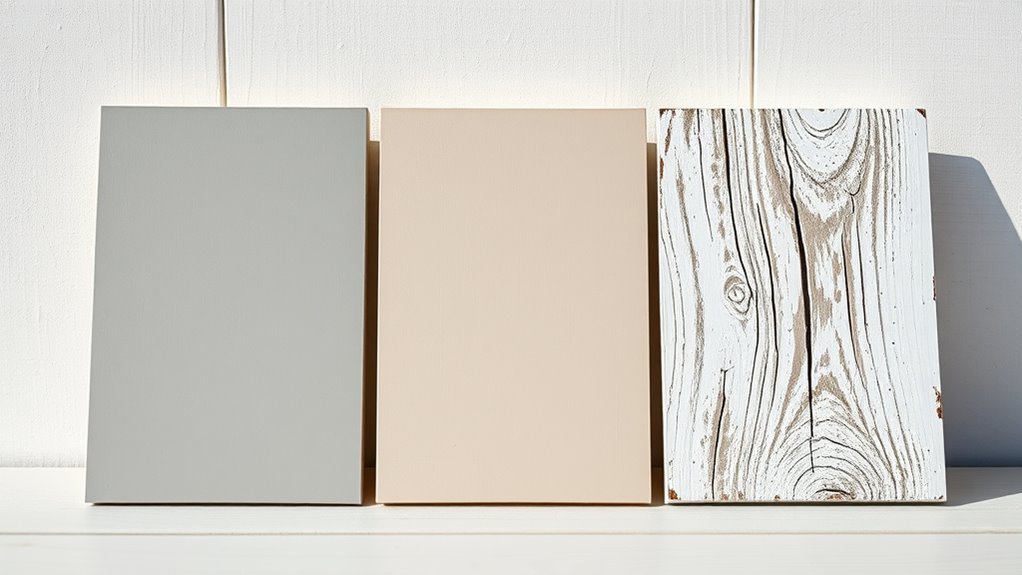
When you’re choosing exterior paint, pay attention to pigment volume concentration because it directly affects opacity and durability.
The quality of the binder matters too—strong binders hold pigments and resist chalking so the film lasts longer.
Also look for UV-resistant formulations to minimize fading and maintain color over time.
Pigment Volume Concentration
A paint’s pigment volume concentration (PVC) tells you how much pigment is packed into the binder, and that ratio directly affects durability. You’ll notice high PVC can boost opacity but may increase pigment fading if the binder can’t protect particles.
Lower PVC keeps pigments better encapsulated, improving color stability and weather resistance. When choosing exterior paint, balance PVC with expected exposure so you don’t trade longevity for coverage.
- High PVC: great coverage, higher risk of pigment fading.
- Low PVC: superior color stability, thinner hiding power.
- Mid PVC: practical compromise for most climates and surfaces.
Binder Quality Matters
Because the binder is the glue that holds pigments and solids together, its quality directly determines how long exterior paint stands up to sun, rain, and temperature swings. You’ll notice better adhesion, less cracking, and slower color fading when binders resist moisture and pollution. Higher-quality binders also stabilize paint sheen over time, so surfaces stay uniform. Check technical data for binder type and durability ratings.
| Binder Type | Typical Benefit |
|---|---|
| Acrylic | UV and water resistance |
| Alkyd | Tough finish, slower chalking |
| Silicone | Extreme weather durability |
UV Resistance And Fade
Although sunlight quietly breaks down paint films over time, you can slow fading by choosing higher-quality formulas and higher pigment concentrations. You’ll notice color fading less when pigments are dense and lightfast; cheaper paints lose vibrancy faster.
UV protection additives and reflective resins help the binder resist breakdown, so pick products labeled for exterior UV protection. Proper application and maintenance also matter—thin coats or missed primer reduce durability.
- Dense pigments resist color fading longer.
- UV protection additives shield binders from sun damage.
- Regular cleaning and timely touch-ups preserve appearance and lifespan.
How Application Method (Brush, Roller, Sprayer) Influences Durability
When you choose between brushing, rolling, or spraying, the way paint goes onto the surface directly affects how long the finish will last. You’ll find each application technique changes film thickness, coverage uniformity, and texture, which all influence paint adhesion and durability.
Brushes suit edges and get paint into crevices but may leave visible strokes. Rollers give consistent coats on flat areas. Sprayers produce thin, even films that need controlled overlap to avoid runs.
You should match method to substrate and environmental conditions, apply correct technique, and maintain manufacturer-recommended dry times to maximize the coating’s lifespan.
Sun, Salt, and Humidity: How Each Speeds Paint Failure
You’ll notice that direct sunlight breaks down paint binders through UV exposure, causing fading and chalking long before the paint technically expires.
Coastal salt accelerates coating corrosion and pulls moisture into tiny cracks, which humidity then worsens by swelling substrates and promoting mold.
Understanding how UV, salt, and moisture interact helps you choose and maintain paints that actually last.
Sunlight UV Damage
Ever noticed how paint that once looked vibrant fades to a chalky wash under relentless sun? You’ll see color fading first on south- and west-facing walls; UV breaks binders, reducing interior durability and causing chalking. You can slow damage by choosing UV-resistant formulas and proper surface prep.
Consider these effects:
- Pigment breakdown: hues lose vibrancy, requiring earlier repainting.
- Binder degradation: film becomes brittle, lowering longevity and interior durability.
- Surface chalking: powdery residue signals need for cleaning or recoating to restore protection.
Act promptly when you spot these signs to preserve finish and avoid costly repairs.
Salt And Moisture
Although sun and humidity each strain exterior paint on their own, combine them with salty air and you get a much faster breakdown of pigments, binders, and adhesion.
You’ll notice salt buildup crusting on trim and siding, drawing moisture from the air and causing blistering. Moisture intrusion follows, lifting paint and promoting corrosion on metal surfaces and rot on wood.
To slow this, rinse coastal exteriors regularly, use corrosion-resistant primers, and pick high-quality, marine-grade topcoats. Inspect seals and flashing frequently to prevent tiny leaks.
If you act quickly, you’ll extend paint life despite harsh salt-and-moisture conditions.
Signs Your Exterior Paint Is Failing and Needs Repainting
When paint starts cracking, flaking, or peeling away from siding, trim, or stucco, it’s a clear sign you need to repaint soon. You’ll also notice chalky residue, fading from sun exposure, and moisture stains indicating failure. Even modern Color trends and advances in paint technology can’t hide physical breakdown — so act when appearance or protection drops.
- Cracks and peeling paint exposing substrate.
- Uneven color, heavy chalking, or dulled finish.
- Blisters, mold streaks, or water stains on surfaces.
Address these signs promptly to protect materials and maintain curb appeal.
Quick Exterior Paint Condition Inspection: A 7-Step Check
Before you start any repairs, walk the perimeter and check the surface integrity for cracks, rot, or loose siding that could undermine the paint.
Then scan the paint film for uniformity—look for peeling, blistering, fading, or patchy gloss that signals adhesion problems.
These quick observations will tell you whether a spot repair, full repaint, or just a touch-up is needed.
Exterior Surface Integrity
Curious how hardy your siding and trim really are? Check surface integrity quickly: look for color fading and paint peeling first, then feel for soft spots or flaking. You’ll want to note moisture damage and exposed substrate so you can plan repairs before repainting.
- Visible issues: large peeled areas, chalking, or streaks showing substrate.
- Tactile checks: press wood or stucco—spongy or powdery means compromise.
- Moisture signs: mold streaks, efflorescence, or rust near joints indicate leaks.
Document findings, prioritize structural fixes, then decide if paint touch-up or full recoat is needed.
Paint Film Uniformity
Although paint may look intact from a distance, you should inspect its uniformity up close to catch issues that signal a failing film. Run your hand gently to feel for rough patches, peeling edges, or blistering that break continuity.
Look for color fading across exposed and sheltered areas; uneven hue often precedes adhesion loss. Check gloss retention by angling your view toward light—patchy shine indicates weathering or incompatible layers.
Note thin spots where substrate shows through or where previous repairs stand out. Record locations and severity to decide cleaning, spot-priming, or full repainting before deterioration accelerates.
When Peeling or Blistering Signals Moisture or Structural Problems
When paint starts peeling or forming blisters, it’s often more than a cosmetic issue—you’re likely seeing signs of trapped moisture or underlying structural problems that need attention. You should inspect siding, trim, and seams for leaks, failing flashings, or rot.
Pay attention to whether fading or poor adhesion follows a color change—Paint color shifts can mask early decay. Also review your application tools and technique; improper priming or using wrong tools can worsen failures.
Look for:
- Bubbling near joints or windows indicating moisture intrusion.
- Flaking over soft or spongy wood.
- Continuous peeling after touch-ups signaling bigger defects.
Spot Repairs vs. Full Repaint: When to Choose Each
Not every peeling patch or blister means you need to repaint the whole house—sometimes targeted spot repairs will fix the problem and save time and money. You’ll choose spot repair when damage is isolated, substrate is sound, and color durability won’t be compromised. Opt for full repaint when widespread fading, inconsistent texture matching, or multiple coats fail. Match primers and prep carefully for repairs, and test a small area. Consider long-term maintenance and resale value when deciding.
| When to Spot Repair | When to Repaint Entire Surface |
|---|---|
| Isolated damage | Widespread wear |
| Sound substrate | Multiple failures |
| Good color durability | Texture mismatch |
| Quick fix | Long-term consistency |
Color and Sheen: How They Affect Visible Aging and Fading
Because darker, bolder colors absorb more sunlight, they’ll heat up and fade faster than lighter hues, so pick tones with that trade-off in mind. You’ll notice color fading sooner on south- and west-facing walls, and high-UV regions accelerate it.
Darker, bolder paints absorb more sun, heat up, and fade faster—expect quicker fading on south- and west-facing walls.
Sheen deterioration shows as loss of gloss, chalking, or patchy reflectivity that changes how color reads across surfaces. Consider finish and pigment quality when choosing paint so you don’t get surprises.
- Dark colors: faster UV-driven color fading.
- Light colors: hide wear, show grime differently.
- Higher sheen: resists staining but shows imperfections more.
Cleaning, Touch-Ups, and Routine Maintenance to Extend Life
Color choice and sheen only get you so far; regular care is what actually keeps paint looking good and lasting longer. You should wash siding annually with a soft brush and mild detergent to remove dirt, pollen, and mildew that accelerate wear.
Inspect for small cracks or peeling after storms and touch up quickly with matching paint to prevent moisture intrusion. Keep gutters clean and trim plants to reduce dampness and abrasion.
When updating, consider color psychology and current paint color trends so touch-ups blend; subtle changes can refresh appearance without a full repaint, extending the finish’s lifespan.
Choosing a Paint System for Long-Term Durability
When you want a finish that truly lasts, pick a complete paint system — primer, topcoat, and appropriate surface prep — rather than shopping for a single “durable” can. You’ll extend service life by matching primer type to substrate, choosing UV-resistant topcoats to limit color fading, and sealing vulnerable joints to prevent moisture that causes paint peeling.
Consider these components as a coordinated approach:
- Surface prep: clean, repair, and use a compatible primer.
- Topcoat: UV-stable acrylic or polyurethane for your climate.
- Details: flashings, caulks, and regular inspections to stop problems early.
Cost vs. Longevity: Is Premium Paint Worth It?
You’ll notice premium paints cost more upfront, so compare that sticker price to basic options before buying.
They often offer better durability and performance, meaning fewer touch-ups and less frequent repaints.
Over time, that durability can make premium paint the smarter long-term value if you factor in labor and maintenance.
Upfront Cost Comparison
Ever wondered whether shelling out more for premium exterior paint actually saves you money down the road? You’ll weigh upfront price against maintenance, factoring color selection and exterior trends that might push you to repaint sooner.
Think about coverage, gallons needed, and whether a pricier tinting service reduces coats.
- Calculate total project cost: paint, primer, tools, and labor.
- Estimate maintenance frequency tied to trends and fade-prone hues.
- Compare per-year cost by dividing upfront expense by expected years before repaint.
This lets you decide if the premium premium upfront aligns with your budget.
Durability And Performance
Although premium paints cost more up front, they usually give you better resistance to fading, chalking, and mildew, so you’ll often repaint less frequently and spend less on repairs and maintenance over time.
You should weigh initial expense against measurable durability: thicker formulas, UV inhibitors, and advanced binders resist weathering, keeping surfaces intact longer.
Check independent tests and reviews from paint brands to compare performance and warranty coverage.
Also consider color options—some pigments hold up better in sun than others.
If you want fewer touch-ups and more consistent finish, choosing higher-grade paint usually makes practical sense.
Long-Term Value
Having covered how premium formulas resist fading, chalking, and mildew, let’s look at whether that improved performance justifies the higher price over time. You’ll weigh upfront cost against fewer repaints, better protection, and consistent paint colors that keep curb appeal high.
Premium paint can lower maintenance and preserve interior finishes if surfaces connect to exterior elements.
- Longer intervals between full repaints reduce lifetime labor and material costs.
- Better adhesion and UV resistance prevent premature touch-ups and color drift.
- Higher-quality pigments maintain coordinated paint colors for years, aiding resale.
Warranties vs. Reality: Interpreting Manufacturer Claims
When you read an exterior paint warranty, don’t assume the claim covers every scenario—manufacturers often limit coverage to specific failures like blistering or peeling and exclude issues caused by poor surface preparation, improper application, or environmental extremes. You should check what’s covered, for how long, and whether labor is included. Warranties rarely cover normal color fading or minor changes in paint sheen. Keep records, photos, and receipts to support claims. Know that resale, mixed batches, or DIY thinning can void coverage. Use the table to compare typical exclusions and obligations before you buy.
| Warranty covers | Typical exclusions |
|---|---|
| Film failure | Color fading |
| Labor terms | Paint sheen change |
Seasonal Timing: Best Months to Paint for Maximum Lifespan
Warranties can protect you from certain failures, but proper timing has a bigger impact on how long exterior paint actually lasts. You should paint when temperatures stay between 50–85°F and humidity is low so coatings cure properly.
Consider color trends for resale, but prioritize seasonal conditions over fashion. Choose paint finishes that suit exposure—satin or semi-gloss for trim, flatter finishes for broad walls—and apply in dry, calm weather.
Prioritize seasonal conditions over color trends; pick finishes by exposure—satin or semi-gloss for trim, flatter for broad walls.
- Spring (late): mild temps, lower pest activity, quick curing.
- Summer (early): warm, but avoid hottest midday sun.
- Fall (early): stable temps, lower humidity, good for latex.
Common DIY Mistakes That Shorten Exterior Paint Life
Why did that fresh paint peel within a year? You skipped surface prep, painted over damp wood, and ignored primer — all cut paint longevity.
You chose trendy hues without considering color psychology effects on perceived fading, then applied too-thin coats to rush the job.
You mixed paints with different paint chemical composition, creating adhesion failures.
You painted in extreme heat or cold, trapping solvents or preventing cure.
You used cheap tools, leaving drips and uneven film thickness.
You neglected gutters and trim, letting water undermine edges.
Fix these habits and your exterior finish will last far longer.
When to Hire a Pro: Signs You Need Professional Prep or Application
If you spot visible structural damage—rot, large cracks, or shifting siding—you should call a pro to assess and repair before painting.
Likewise, when surfaces need complex prep like extensive scraping, priming bare wood, or meticulous caulking, a professional’s skill will protect your paint’s lifespan.
Trying to skip those steps can cut years off the finish and cost more in the long run.
Visible Structural Damage
When you spot cracked siding, sagging eaves, rotten trim, or large gaps in the substrate, don’t assume paint will fix it — these are signs you need a pro for structural repair before any paint goes on. You’ll want someone who assesses structural integrity and addresses visible damage so paint isn’t masking failure. A pro can recommend replacement, reinforcement, or moisture control.
Typical red flags you shouldn’t ignore:
- Floor or wall movement near exterior openings.
- Wide separations at joints, flashing failures, or exposed rot.
- Sagging rooflines, bowed siding, or crumbling supports.
Fix those first; paint comes after.
Complex Surface Preparation
Once structural issues are repaired, focus shifts to surface prep—this is where many DIY projects stall and pros earn their pay. If siding has multiple layers, rotten sections, or lead-risk paint, you should call a pro. They strip, sand, fill, and prime correctly so finish lasts.
Uneven substrates, complex trim, and tricky moisture problems demand experience and tools you mightn’t possess. Pros also advise on color psychology and paint symbolism when choosing hues that suit architecture and neighborhood context.
Hiring prevents costly redo, ensures warranty coverage, and maximizes the effective life of your exterior paint job.
Eco-Friendly and Low-VOC Paints: Lifespan Trade-Offs
Although eco-friendly and low-VOC paints reduce indoor toxins and environmental impact, they can sometimes sacrifice durability compared with conventional formulations. So you should weigh health benefits against potential lifespan differences.
You’ll find that eco friendly paints and VOC reduction efforts change binder and pigment choices, which can affect fade resistance, adhesion, and washability. Consider these trade-offs:
- Reduced solvent content may mean slower curing and slightly less toughness over years.
- Natural or recycled pigments can fade sooner in harsh sun.
- Choose premium low-VOC lines and proper application to close the gap with conventional paints.
Maintenance Schedule Checklist to Maximize Paint Life
If you want your exterior paint to last, stick to a simple, regular maintenance schedule that catches problems while they’re small. Inspect annually for peeling, cracking, mildew, and chalking; touch up chips and caulk gaps each spring.
Clean surfaces with a soft wash every year and trim plants that brush siding. Repaint trim and high-wear areas every 5–7 years; full repainting varies by product and exposure.
Keep records of colors and finishes — color psychology and paint symbolism matter if you match or update hues. Use quality materials and timely repairs to extend life and preserve curb appeal.
Budgeting for Repainting: Planning Long-Term Costs
When you plan repainting, factor in more than just the cost of paint — include labor, surface prep, materials, permits, and a contingency for unexpected repairs so your budget won’t get blindsided.
You’ll estimate costs over years, weigh paint branding for warranties and quality, and consider color psychology if resale or curb appeal matters.
Prioritize durable coatings and smarter prep to lower long-term spend.
Track expenses and set aside a repaint fund.
- Estimate labor and prep separately.
- Choose branding with solid warranties.
- Reserve 10–20% contingency for repairs.
Repaint Intervals: Quick Reference by Material, Paint, and Climate
Because exterior lifespan depends on what your house is made of, the paint type, and local weather, a one-size-fits-all schedule won’t work — this quick-reference guide breaks down typical repaint intervals by substrate (wood, fiber cement, stucco, metal, and masonry), coating (latex, oil, elastomeric, and specialty finishes), and climate stressors (sun, salt, humidity, freeze-thaw).
| Substrate | Typical Interval | Major Concern |
|---|---|---|
| Wood | 3–7 yrs | Color fading, moisture |
| Fiber cement | 7–15 yrs | Primer adhesion |
| Stucco | 7–10 yrs | Cracking, mold |
| Metal | 5–8 yrs | Rust, peeling |
Adjust for high UV or salt exposure.
Quick Takeaways: How to Make Your Exterior Paint Last Longer
While proper prep and smart product choices won’t eliminate maintenance, they’ll stretch the life of your exterior paint by years. You’ll protect surfaces, cut repaint frequency, and use color psychology to pick hues that age gracefully in sunlight. Avoid harsh paint removal unless necessary; gentle cleaning and spot repairs help coatings last.
- Clean and inspect yearly: remove mildew, dirt, and loose paint to prevent spread.
- Choose quality primer and UV-resistant finish: they bond better and resist fading.
- Trim vegetation and manage drainage: reduce moisture exposure and physical abrasion.
Frequently Asked Questions
Can Exterior Paint Affect Home Resale Value Long-Term?
Yes — you’ll boost resale value by choosing quality finishes; exterior durability and paint longevity signal good maintenance, attract buyers, and justify higher offers, while neglected, fading paint will lower curb appeal and weaken perceived home value.
Can Painting Hide Structural Defects or Termite Damage?
Like a painted mask on a cracked statue, you can’t hide structural defects or termite damage long-term; if you don’t do proper surface preparation, paint durability won’t matter, and hidden problems will soon reappear despite cosmetic cover.
Do Color Trends Impact How Often Homes Get Repainted?
Yes — you’ll repaint more often when trends change; color psychology drives choices, and bold hues shift tastes quickly. You’ll also combat seasonal fading, prompting touch-ups or full repaints to keep curb appeal current.
Can Gutter or Roof Issues Invalidate Paint Warranties?
Yes—you can void warranties: neglect gutters causes water damage, neglect roofs causes leaks, and neglect both invites failures. Keep up gutter maintenance and schedule roof inspections, or manufacturers may deny paint warranty claims.
Is Repainting Required After Major Landscaping or Tree Removal?
Not always — you’ll only repaint if landscape cleanup or tree trimming caused damage, stains, or exposed bare wood; otherwise you can touch up spots and defer full repainting until paint shows widespread wear or failure.
Conclusion
Think of your home like a well-loved novel: give its cover the right care and the story stays vivid. With smart choices—matching paint to material and climate, priming properly, and doing simple upkeep—you’ll stretch paint life and save money over time. Keep an eye on trouble spots, schedule touch-ups, and plan repainting with the seasons. Do that, and your house will keep turning heads, page after painted page.
