
Is Exterior Paint Latex or Oil Based?
Most exterior paint today is latex, and you’ll choose it for most siding, trim, and fences because it’s water-based, dries fast, and flexes with the surface to resist cracking and UV damage. Oil-based formulas still work well for high-wear trim, metal, or stained wood where toughness and gloss matter, but they have stronger odors and higher VOCs. Keep going and you’ll find guidance on picking, prepping, and applying the right option for your project.
How to Use This Guide: Quick Decision Checklist
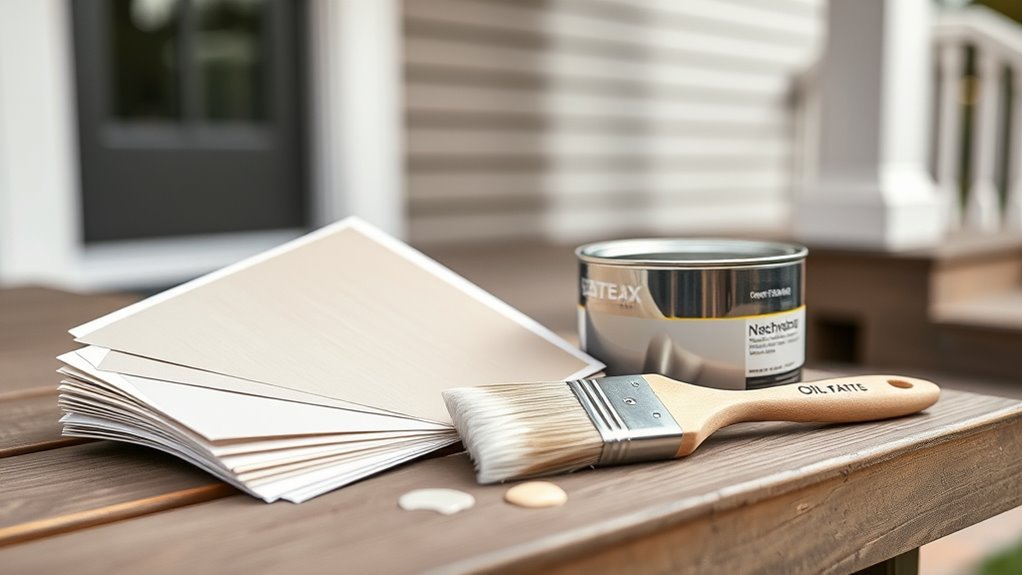
Before you start comparing products, use this quick checklist to match your project to the right paint type.
First, identify substrate and exposure: wood, metal, or masonry and whether surfaces face sun, rain, or humidity.
Next, note drying time needs and cleanup preferences so you’ll know if faster drying or solvent cleanup matters.
Check finish and durability expectations, then consider color mixing requirements — some pigments blend better in specific bases.
Finally, plan paint storage for leftovers and seasonal projects to preserve performance.
Use these points to narrow choices before diving into technical specs and pros/cons.
Quick Answer: Latex vs Oil Exterior Paint
If you want a quick comparison, consider durability and weather resistance first since oil paints often hold up longer.
Modern latex resists cracking and UV damage well.
Remember drying time differences too: latex dries fast so you can recoat sooner, while oil needs more curing time.
Also factor surface preparation—oil tolerates imperfect surfaces better, but latex needs clean, well-primed substrates for best adhesion.
Durability And Weather Resistance
Though both latex and oil-based exterior paints protect your home, they do so differently: latex resists cracking, chalking, and UV damage better over time, while oil-based formulas initially provide a harder, more abrasion-resistant finish that can hold up to impact and staining.
You’ll choose latex for flexible coats that expand and contract with siding, reducing peeling in varied climates. Oil stays tough on trim and high-contact areas but can yellow and crack sooner under UV.
Consider color matching and eco-friendly options—many modern latex products offer low-VOC, fade-resistant pigments so you get durability and greener credentials.
Drying Time Differences
Want a quick rule of thumb? Latex dries much faster than oil—often touch-dry within an hour and recoatable in 4–6 hours.
Oil can take 6–8 hours to feel dry and 24–48 hours to recoat. Faster latex drying speeds up projects and reduces dust pickup, but you’ll need to watch humidity and temperature for proper curing.
Oil’s slower drying gives longer working time and a smoother finish on tricky areas.
For color matching, faster latex allows quicker touch-ups. For eco-friendly options, many modern latex formulas minimize VOCs compared with traditional oil-based paints.
Surface Preparation Needs
Faster drying affects how you prep surfaces, so you’ll adjust steps depending on latex or oil. You’ll clean, sand, and scrape differently: latex needs a thoroughly dry, dust-free surface; oil tolerates slight moisture but demands deglossing.
Consider primer choice for adhesion and color matching — oil primers hide stains better; latex primers resist yellowing. Choose brush types accordingly: synthetic for latex, natural-bristle for oil.
Follow this quick checklist to visualize prep:
- Wash and remove mildew, let fully dry.
- Scrape loose paint; sand glossy areas.
- Spot-prime stains with appropriate primer.
- Verify color matching before final coats.
Choosing by Outcome: Durability, Flexibility, Cleanup
When you pick paint, focus on the outcomes you need—durability for high-traffic areas, flexibility for surfaces that expand and contract, and cleanup ease for busy projects. You’ll weigh color blending and texture effects alongside longevity. Choose oil for tough abrasion resistance; pick latex for elasticity and easy water cleanup. Consider primers and coatings to balance looks and performance. Match finish to exposure: satin for washability, flat for hiding flaws. Use this quick comparison:
| Outcome | Latex | Oil |
|---|---|---|
| Durability | Good | Excellent |
| Flexibility | Excellent | Fair |
| Cleanup | Water | Solvent |
Latex Paint: How It Works on Exteriors
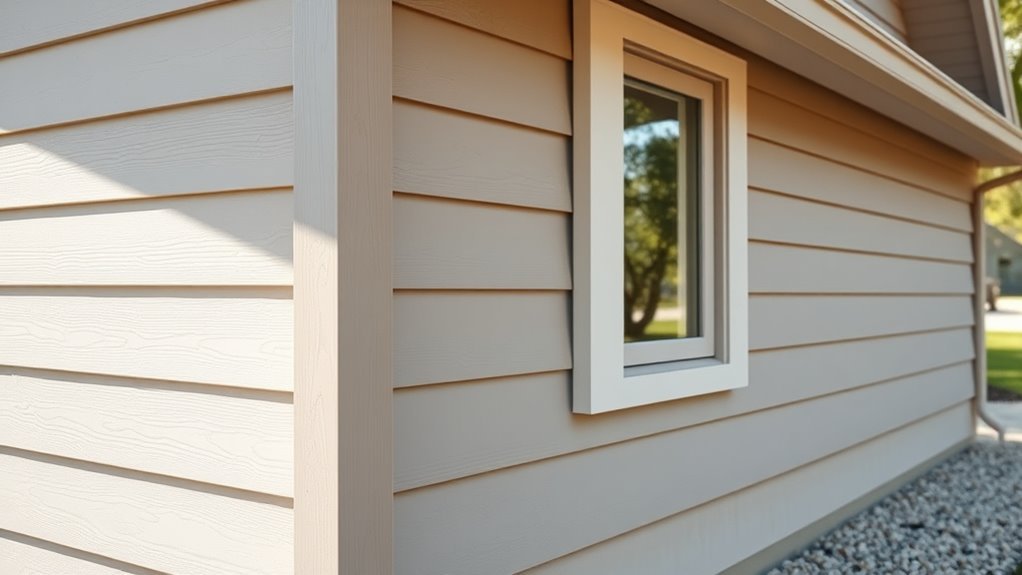
Although water is its carrier, latex paint forms a durable film by coalescing polymer particles as the water evaporates. That process gives you flexibility and quick drying on exterior surfaces. You’ll notice: it resists cracking, stretches with temperature shifts, and dries fast so recoat windows are shorter.
Although carried by water, latex paint coalesces into a flexible, fast-drying film that resists cracking and eases recoating.
You get better mildew resistance with acrylic blends and less color fading under UV compared to older formulations. Consider these practical effects:
- Fast recoats for tight schedules.
- Flexible film reduces flaking.
- Cleaner water cleanup and lower odor.
- Formulations offer improved mildew resistance and color retention.
Oil-Based Paint: How It Works Outdoors
Because oil-based paints cure by a chemical reaction rather than by evaporation alone, they build a hard, durable film that stands up well to abrasion and long-term exposure on exterior surfaces.
You’ll notice smoother leveling and fewer brush marks when you use proper brush selection—natural-bristle brushes work best for oil formulas.
Outdoors, oil coatings resist moisture penetration and provide longer-lasting gloss retention, so you can expect less frequent repainting.
For repairs or matched trims, plan color matching carefully; oil paint holds pigment differently than latex, so test swatches in sunlight.
Clean-up requires solvents, and drying times are longer, so schedule accordingly.
Key Chemistry: What’s in Latex vs Oil Paints
Shifting from how oil paints perform outdoors to what’s actually inside each formula will help you choose the right product for a job. You’ll look at chemical composition and paint formulation differences that drive handling and cleanup. Consider these core components:
- Binder: latex uses acrylic/synthetic polymers; oil uses alkyd resins.
- Solvent: water for latex, organic solvents (mineral spirits) for oil.
- Pigments/additives: both use similar pigments; dispersants, UV stabilizers differ.
- Fillers/extenders: control viscosity, opacity, and cost.
Knowing these elements lets you match product to surface and conditions without guessing.
Performance Overview: Durability, Adhesion, Flexibility
When you evaluate exterior paints, focus on three linked performance traits—durability, adhesion, and flexibility—because they determine how well a coating resists weather, stays bonded to the substrate, and moves with seasonal expansion and contraction.
You’ll judge durability by resistance to UV, moisture, and abrasion; adhesion by how firmly the film clings to wood, metal, or masonry; and flexibility by the coating’s ability to tolerate substrate movement without cracking.
Choose formulations that balance these traits for your surface. Also consider color matching accuracy and eco-friendly options, since long-lasting, low-VOC systems save maintenance and reduce environmental impact.
Flexibility & Movement: Why Latex Expands and Contracts Better
If your siding or trim is going to expand and contract with temperature and moisture, latex paints handle that movement better because their acrylic-based binders remain flexible after curing, so the film stretches instead of cracking. You’ll notice less peeling and reduced color fading because the coating moves with the substrate.
Latex also preserves surface breathability, letting moisture escape and reducing blistering. Consider practical benefits:
- Reduced cracking on joints and seams.
- Longer-lasting finish under thermal cycling.
- Easier touch-ups without edge lifting.
- Better resistance to moisture-driven failure.
You get a resilient, low-maintenance exterior that endures movement.
Adhesion: When Oil-Based Grips Stronger
Because oil-based binders penetrate and chemically bond to many older finishes and porous woods, they often achieve stronger initial adhesion than latex on challenging substrates. You’ll notice oil’s tack helps it cling to slick, chalky, or previously stained surfaces where latex may bead.
That doesn’t mean oil’s always best: prep, sanding, and primers still matter. If you’re matching tones, color mixing behaves differently in oil carriers, yielding deeper glazes but slower drying.
Also consider eco-friendly additives available now that improve oil formulas and reduce VOCs. Choose based on substrate, dry time tolerance, and your environmental priorities.
Weather Resistance: Rain, UV, Freeze–Thaw
You’ll want paint that keeps rain out, resists UV fading, and survives repeated freeze–thaw cycles without cracking.
Consider how latex and oil formulations handle water-shedding, pigment stability in sunlight, and flexibility when temperatures swing.
We’ll compare their performance so you can pick the best fit for your climate.
Rainwater Protection
How will your exterior paint stand up when rain, sun, and freezing cycles all attack the surface? You’ll pick coatings and paint finishes that shed water, seal seams, and repel mildew. Consider substrate prep and guttering, since runoff concentrates exposure.
- Choose breathable primers to avoid trapped moisture.
- Select topcoats rated for wet climates and lasting adhesion.
- Favor darker exterior color sparingly where condensation and freeze–thaw stress occur.
- Inspect and maintain caulked joints yearly to prevent water infiltration.
Latex formulas generally flex and dry faster; oil systems can seal but may crack under repeated freeze–thaw.
UV Fade Resistance
After you’ve addressed water intrusion and freeze–thaw stresses, consider how sunlight will fade color and break down binders over time. You’ll want paint with UV protection to preserve color stability and prevent chalking. Latex formulations often resist UV by flexing; oil tends to amber and lose pigments faster unless modified. Apply light-stable pigments, proper primers, and reflective topcoats. Maintain by cleaning and recoating when gloss drops.
| Surface | Best Choice | Why |
|---|---|---|
| Wood | Latex with UV additives | Flexes, resists cracking |
| Metal | Oil/primer combo | Bonds, prevents rust |
| Trim | High-quality latex | Retains color stability |
Freeze–Thaw Durability
When temperatures swing above and below freezing, paint must flex and shed moisture without cracking or delaminating. Choose formulations that tolerate repeated expansion-contraction cycles and resist water absorption so coatings stay intact through freeze–thaw events.
You’ll want coatings that remain elastic, block water, and limit color fading so your siding keeps its look season after season. Consider these practical attributes:
- High-elastomer binders that recover after freeze-induced strain.
- Low-permeability films to prevent trapped moisture and blistering.
- Mildewcide and adhesion additives for repeated cycles.
- Eco-friendly options with low VOCs that still deliver durability.
Climate Fit: Humid, Coastal, Hot, and Cold Regions
Living in a humid, coastal, hot, or cold region changes what you should expect from exterior paint—each climate stresses coatings differently, so you’ll want a formula that resists the specific challenges your location throws at it.
In humid or coastal areas, pick paints with mildew resistance and salt-spray tolerance to protect finish and aid color matching over time.
In hot, sunny climates, UV-stable pigments and flexible binders prevent fading and cracking while texture enhancement helps hide imperfections from thermal movement.
In cold zones, choose films that remain pliable through freeze cycles to avoid flaking.
Match formulation to local exposure for lasting results.
Wood Surfaces: Latex vs Oil Performance
Because wood soaks up and breathes differently than masonry or metal, you’ll want to match paint type to the species and condition. You’ll choose latex for flexible, breathable finishes on siding and trim, but oil can seal old, tight-grained pieces. Consider Color matching for repairs; latex holds color better over time, oil deepens tones. Think about Eco friendly options like low-VOC latex when sustainability matters.
- New softwoods: primer + latex for movement.
- Weathered hardwood: oil for penetration.
- Painted clapboard: latex for repainting.
- Decorative trim: oil for smooth finish.
Metal & Rust-Prone Surfaces: Best Choices
If you’re dealing with metal or rust-prone surfaces, choose a system that stops corrosion first and looks good second. You’ll start by removing rust, applying a rust converter or zinc-rich primer.
Then pick a topcoat formulated for metal—oil-based enamels give adhesion and toughness, while modern latex-metal paints offer quicker dry times and easier cleanup.
Consider color matching to blend repairs seamlessly and ask about eco-friendly options with low VOCs or waterborne alkyds.
Follow manufacturer prep instructions and use compatible primers and topcoats; that combo prevents rust recurrence and keeps finish integrity longer.
Masonry, Stucco & Concrete: Coatings That Work
When you’re painting masonry, stucco, or concrete, prioritize breathability and moisture management so trapped water won’t cause peeling or efflorescence. You’ll choose mineral or breathable acrylic elastomeric coatings that resist cracking while letting vapor escape.
Use masonry primers where needed, test for salts, and pick formulations compatible with substrates. Consider color matching for a uniform appearance and eco-friendly pigments to reduce VOC impact.
Test masonry for salts, use compatible primers and formulations, and choose color-matched, eco-friendly pigments to lower VOCs.
- Clean and etch surface
- Repair cracks with mortar-compatible filler
- Apply breathable primer
- Topcoat with elastomeric or silicate finish
Follow manufacturer instructions and recoat only when fully dry.
Previously Painted Surfaces & Recoating Rules
After handling masonry and stucco’s breathability, check how existing paints will affect your next coat. You’ll inspect adhesion, gloss level, and surface defects; scrape loose areas and sand glossy finishes to promote mechanical keying.
Determine whether the current coating is latex or oil—solvent tests help—and note paint branding or leftover cans for matching. Avoid heavy color mixing without samples; mismatched undertones betray texture and age.
Follow manufacturer recoat windows on labels to prevent sealing issues, and only recoat when surfaces are clean and dry. Proper prep extends life and guarantees whichever topcoat you choose performs as expected.
Primer Choices for Latex and Oil Topcoats
When choosing a primer, you’ll want one that’s chemically compatible with your latex or oil topcoat to prevent adhesion and curing problems.
Prepare the surface thoroughly—clean, sand, and remove loose paint—so the primer can bond properly.
The right primer and prep together give your topcoat a durable, long-lasting finish.
Primer Compatibility With Topcoat
Because the primer forms the bridge between substrate and topcoat, choosing one that’s compatible with your latex or oil finish is essential to durability and appearance. You want a primer that prevents color fading and boosts mildew resistance while matching topcoat chemistry.
Consider these practical choices:
- Latex primer for latex topcoats — flexible, resists cracking.
- Oil/alkyd primer under oil topcoats — seals tannins, improves adhesion.
- Bonding primer when switching types — adheres to difficult surfaces.
- Stain-blocking primer for severe stains — prevents bleed-through.
Match primer and topcoat chemistry, and you’ll avoid adhesion failures and premature wear.
Surface Prep And Bonding
If you want a topcoat to last, prep the surface so paint can bond—clean, sand, and prime with chemistry that matches both the substrate and your chosen finish. You’ll strip contaminants, feather edges, and choose primers formulated for wood, metal, or previously painted surfaces.
Match primer chemistry to latex or oil topcoats: use oil-based or bonding primers under oil finishes, and high-adhesion or acrylic primers under latex. Check paint branding recommendations for best pairing and for color matching guides when switching brands.
Apply thin, even coats, allow full cure, then scuff-sand before your final topcoat for reliable adhesion.
Prep for Latex Exteriors: Steps That Matter
Before you open the can, inspect and repair the surface so your latex paint will adhere and last. Start by cleaning mildew, dirt, and chalk with a mild detergent, then sand peeling areas and fill cracks.
Choose color palettes that suit light exposure and neighborhood style; sample paint brands on small patches.
Protect trim and landscaping, and prime bare wood or patched areas with a latex primer.
- Clean surfaces thoroughly
- Sand and scrape loose paint
- Patch, caulk, and prime as needed
- Test samples in sunlight
Work in mild, dry weather for best curing and durability.
Prep for Oil-Based Exteriors: Steps That Matter
Switching from latex to oil-based paint means you’ll change your prep routine to account for stronger adhesion, longer drying times, and different cleanup. Start by cleaning surfaces with a solvent-compatible cleaner, remove chalking with a stiff brush, and sand glossy areas to promote bonding.
Repair and prime bare wood with an oil-based or compatible primer, matching solvent types to avoid adhesion issues. When buying, consider paint branding and request manufacturer guidance on thinners and primers.
Keep color mixing records—oil formulas tint differently than latex. Mask and protect hardware, and ventilate thoroughly; dispose of solvent-soaked rags safely.
Application Windows: Drying Time and Recoat Schedules
You’ll need to plan around drying time differences between latex and oil-based paints, since latex usually dries faster while oil stays tacky longer.
Follow manufacturer recoat timing guidelines—often 2–4 hours for latex and 24 hours or more for oil—adjusting for temperature and humidity.
Knowing those windows helps you schedule coats to avoid runs, tackiness, or adhesion problems.
Drying Time Differences
How long will your paint take to set so you can recoat or use the surface? You’ll notice latex dries to the touch fast, while oil waits longer; that affects color matching and how texture options appear under different curing stages. Consider these typical differences:
- Latex: touch dry 1–2 hours.
- Latex: recoat 4–6 hours in good conditions.
- Oil: touch dry 6–8 hours.
- Oil: recoat 24–48 hours or longer.
You’ll plan around humidity, temperature, and film thickness. Faster latex lets you test color matching sooner; oil’s slow cure can deepen sheen and alter texture options as it fully hardens.
Recoat Timing Guidelines
When should you recoat to get a durable, even finish? You’ll follow recoat windows based on paint type, temperature, and humidity.
For latex, wait until tack-free—typically 2–4 hours—and recoat within 24 hours to avoid adhesion problems and uneven paint sheen.
For oil-based, wait 24–48 hours; full curing can take days, so don’t rush.
If you miss recommended windows, sand lightly before recoating to prevent color fading or gloss issues.
In cool or humid conditions, extend intervals.
Always check manufacturer instructions and perform a small test patch to confirm adhesion and final appearance before completing the job.
Finish & Sheen: Options for Latex vs Oil
Although sheen doesn’t change color, it shapes how you see paint—latex and oil finishes offer different levels of gloss, durability, and surface hiding that affect both aesthetics and performance. You’ll pick finish options based on exposure and texture: latex often comes in matte, eggshell, satin, and semi-gloss; oil tends toward higher gloss and smoother leveling.
Sheen won’t alter color, but it shapes appearance—latex and oil offer different gloss, durability, and surface hiding.
Sheen differences influence cleaning, hiding imperfections, and longevity; gloss hides less but wipes easier. Consider these points when choosing:
- Matte/flat: latex hides flaws, low washability.
- Satin: balanced sheen, good for siding.
- Semi-gloss: durable, easy to clean.
- High-gloss oil: very durable, shows imperfections.
Color Retention & Fading: Long-Term Differences
Because sunlight, moisture, and pollutants attack pigments over time, you’ll see noticeable differences in how latex and oil paints hold color.
Latex resists UV breakdown better, so brighter hues and modern eco-friendly options often stay truer longer with less yellowing.
Oil offers rich saturation initially, which can suit historical accuracy projects, but it tends to darken or yellow over years, especially in warm tones.
Your choice should weigh expected exposure, maintenance willingness, and color matching needs.
For long-term vibrancy with lower environmental impact, high-quality acrylic latex with UV inhibitors usually performs best.
Mildew & Mold Resistance: Which Defends Better
You’ll want paint that resists mold and mildew, especially in damp climates where spores thrive.
Latex formulas usually breathe better and let moisture escape, which helps prevent growth on siding and trim.
Oil-based paints can form a harder barrier but may trap moisture on some substrates, so choice depends on your surface and ventilation.
Mold And Mildew Resistance
Wondering which paint stands up better to mildew and mold? You’ll find latex often resists mold because it dries faster and sheds moisture, while oil-based films can trap dampness. Consider these practical points:
- Surface prep: scrub, prime, use mildew cleaners.
- Additives: mildewcide boosts both latex and oil performance.
- Finish: satin and semi-gloss shed water better than flat.
- Maintenance: regular cleaning prevents regrowth; consider color matching when touching up.
You can pick eco friendly options with mildewcide-compatible formulas and low-VOC labels.
Choose based on climate, maintenance willingness, and whether quick drying or film durability matters most.
Surface Breathability Effects
How does surface breathability change mildew and mold resistance? You’ll find paint permeability essential: breathable surfaces let trapped moisture escape, reducing mold risk. Latex paints tend to offer higher surface breathability than traditional oil, so you’ll often get better mildew resistance when moisture can move. Choose coatings with balanced permeability—too much and you lose protection; too little and moisture stays, feeding mold. Consider substrate, climate, and maintenance.
| Paint Type | Breathability | Mold Risk |
|---|---|---|
| Latex | Higher | Lower |
| Oil-based | Lower | Higher |
| Specialty | Tunable | Variable |
Maintenance & Touch-Ups: Ease and Frequency
Because latex cures and resists dirt better, it generally needs less frequent touch-ups than oil-based paint, so you’ll spend less time scraping and repainting. You’ll still monitor wear, check seams, and spot-fix chips promptly.
Color matching is easier with stable latex batches, but sun-faded areas may need broader blending. Choose appropriate brush types for small repairs to match texture.
- Inspect annually for chips or mildew.
- Tackle small spots within weeks to avoid peeling.
- Repaint larger faded sections every 5–7 years (latex) or sooner for oil.
- Keep a labeled leftover can for perfect matches.
Cleanup and Tools: Water vs Solvent Workflows
After you finish spot-fixing or repainting a faded section, cleanup and tools are the next practical concern. Latex jobs let you rinse brushes, rollers, and trays with water and mild soap, while oil-based paints force you to use mineral spirits or turpentine and dedicated disposal containers.
You’ll prefer latex if you want fast cleanup, easy color mixing, and fewer containment worries. For oil, plan for respirators, sealed cans, and solvent-sturdy rags. Decorative finishes may demand specialty brushes and slower-drying oils for blending, but that means more solvent handling.
Choose tools that match your workflow and disposal rules to avoid headaches.
Odor, VOCs & Safety for Outdoor Projects
When you’re choosing between latex and oil-based paints, consider how much odor you can tolerate—oil usually smells stronger and longer.
Check VOC labels to understand off-gassing and environmental impact, since latex often has lower VOC content.
Always work with good ventilation, wear appropriate PPE, and keep kids and pets away until fumes have cleared.
Odor Levels Compared
Although both latex and oil-based exterior paints protect and beautify your home, they differ sharply in odor and VOC levels. You’ll notice paint odor fades faster with latex; oil-based smells are stronger and linger.
For a quick smell comparison and practical expectations:
- Latex: low initial odor, dissipates within hours to days.
- Oil-based: strong solvent scent, can persist days to weeks.
- Wind and sun: speed odor dissipation for both.
- Proximity and sensitivity: impact how bothersome smells feel.
You can choose latex if you want minimal nuisance, or oil-based if durability outweighs temporary odor.
VOC Content Explained
Odor gives you a quick clue about a paint’s volatile organic compound (VOC) content, but smell alone doesn’t tell the whole story; VOCs are the chemicals that off-gas from paint and affect air quality and health.
You’ll want to check labels for certified low-VOC or zero-VOC formulations, since VOC regulations vary by region and can limit allowable concentrations.
Latex paints generally offer lower VOCs than traditional oil-based options, but some waterborne alkyds blur the line.
Choose eco-friendly paints when possible, verify third-party certifications, and compare technical data sheets for exact VOC numbers before you buy.
Safety Precautions Outdoors
Curious how to keep your outdoor painting project safe and comfortable? You’ll want to manage odor and VOCs, choose low-VOC latex when possible, and plan ventilation even outside. Keep children and pets away, and watch weather for temperature and wind.
- Wear respirator and gloves for strong odors.
- Set up windbreaks to limit drift and debris.
- Follow label rules for color mixing—avoid improvised solvents.
- Secure paint storage in shaded, ventilated spot; seal cans tightly.
You’ll minimize exposure, prevent spills, and protect finished work by following these precautions.
Environmental & Disposal: VOCs, Recycling, and Rules
When you choose between latex and oil-based paints, consider more than finish and drying time—you’re also choosing different environmental impacts and disposal rules.
You’ll note oil-based paints emit higher VOCs, harming air quality; latex has lower VOCs and water cleanup.
For environmental impact, pick lower-VOC latex when possible and use proper containment to prevent runoff.
Follow local disposal regulations: many areas ban pouring paint down drains or into landfills.
Take leftover oil-based to hazardous-waste centers; many communities accept latex at recycling or paint-exchange programs.
Label cans, dry small amounts for trash if allowed, and never burn paint.
Cost Comparison: Upfront Price and Lifetime Value
Beyond environmental and disposal concerns, cost can sway your choice between latex and oil-based paints. You’ll pay less upfront for latex; it dries faster and needs fewer coats, lowering labor.
Oil-based often costs more initially but can last longer on high-wear trim.
- Upfront price: latex usually cheaper per gallon.
- Labor/time: latex saves on drying time and recoats.
- Longevity: oil-based may reduce repaint frequency on trims.
- Extras: color matching costs and eco friendly options can affect total.
Weigh material, labor, color matching, and long-term repaint cycles to find lifetime value.
When to Pick Oil-Based Paint Despite Drawbacks
Although oil-based paints come with stronger fumes and stricter cleanup, you should still reach for them when you need exceptional durability, a hard, smooth finish on trim or doors, or superior adhesion over difficult surfaces like previously gloss-coated wood. You’ll pick oil for high-traffic exterior trim, metal railings, or historic restoration where authentic interior finishes match exterior appearance. Balance that with ventilation and proper disposal, and consider eco friendly options only when available in modified formulations. Visualize choices:
| Surface | Benefit | When to choose |
|---|---|---|
| Trim | Hard, smooth | High wear |
| Metal | Adhesion | Rust-prone |
| Historic wood | Authentic sheen | Restoration |
When Latex Is the Better Choice for Most Homeowners
When you want an easier cleanup, latex wins because you can wash brushes and spills with just water.
It also stays more flexible as temperatures change, which helps prevent cracking and peeling on wood and siding.
For most homeowners who value simple maintenance and durability, latex is often the smarter choice.
Easier Cleanup With Water
If you value quick, low-fuss cleanup, latex paint makes life easier because you can wash brushes, rollers, and spills with nothing more than soap and water—no harsh solvents or special disposal needed.
You’ll appreciate eco friendly formulations and reduced odor, though be mindful that intense sun can speed color fading over years.
Cleanup is straightforward:
- Rinse tools immediately under warm water.
- Use mild soap and a brush comb for fibers.
- Squeeze excess paint into container for proper disposal.
- Wipe spills promptly with a damp cloth.
This saves time, lowers costs, and keeps your workspace pleasant.
Flexible Surface Coating
Besides easier cleanup, latex gives you a big advantage on surfaces that move or flex: its acrylic binders stay flexible as wood, trim, and siding expand and contract with temperature and moisture changes. You’ll prefer latex when you want durable, chip-resistant finishes that follow movement without cracking. It also helps with precise color matching and consistent paint texture, so repaired spots blend. Picture choices in a simple chart:
| Surface | Movement | Finish |
|---|---|---|
| Wood siding | High | Smooth |
| Trim | Moderate | Satin |
| Shutters | Low | Semi-gloss |
Choose latex for forgiving, long-lasting exterior coverage.
Specialty Options: Elastomeric, Acrylic-Modified, Alkyd Hybrids
Although standard latex and oil paints cover most jobs, specialty formulations like elastomeric, acrylic-modified, and alkyd-hybrid coatings give you targeted performance—stretch and crack-bridging from elastomerics, enhanced adhesion and weathering from acrylic-modified blends, and the leveling and durability of alkyd hybrids.
You’ll choose based on substrate, exposure, and goals like eco-friendly finishes or historical accuracy. Consider:
- Elastomeric: excellent for stucco, fills hairline cracks, highly flexible.
- Acrylic-modified: bonds to challenging surfaces, resists UV and chalking.
- Alkyd-hybrid: smooth finish, superior flow for trim.
- Maintenance: expect differing recoating windows and prep needs.
Historic Homes: Period-Correct Paints & Regulations
When restoring a historic home, you’ll need paints that match period appearance while meeting today’s safety and performance standards. You’ll balance historical preservation rules, local landmarks commission guidelines, and modern VOC limits.
Choose formulations—traditional oil or modern alkyds and high-quality latex—that reproduce sheen and texture appropriate to the era. Research paint color trends from the period and provide documentation to approval boards; test panels help prove authenticity.
Use breathable primers on old wood and avoid incompatible solvent-based coats over newer latex without proper prep. Work with preservationists to guarantee finishes, colors, and methods respect both authenticity and code.
How to Test Existing Exterior Paint: Latex or Oil?
Before you strip or paint, identify whether the existing exterior coat is latex or oil so you can choose compatible primers and avoid adhesion problems. You can test quickly with household items and visual checks. Rub a cotton ball with denatured alcohol, then mineral spirits on separate spots.
- Alcohol softens latex; wipe tests reveal tackiness.
- Mineral spirits affect oil-based finishes, leaving residue changes.
- Scrape lightly; flexible film suggests latex, brittle flakes suggest oil.
- Check manufacturer labels, leftover cans, or consult paint brands for records.
Document results for accurate color matching and primer selection before repainting.
Troubleshooting Latex Exteriors: Peeling, Chalking, Blistering
When you spot peeling, start by checking adhesion and the substrate so you can strip or sand and reseal properly.
If the surface looks powdery, follow simple steps to confirm chalking and remove it before repainting.
To prevent blisters next time, control moisture, heat, and choose the right primer and paint for the job.
Peeling Causes And Fixes
Peeling paint on latex exteriors usually means the coating failed to bond, and you’ll want to diagnose the cause before repainting. Check adhesion, moisture, and surface prep; poor color mixing or incompatible eco-friendly additives can also weaken the film.
To fix peeling:
- Scrape loose paint and sand to sound edges.
- Test for moisture and repair leaks or rot.
- Prime with a quality acrylic primer suited to the substrate.
- Recoat using the recommended latex system, avoiding excessive tinting or additives that alter the formula.
Follow manufacturer’s instructions and allow proper cure time to prevent repeat peeling.
Chalking: Identification Steps
After you’ve repaired peeling areas, you’ll also want to check for chalking, a common weathering issue that can make paint look faded and leave a powdery residue on your hands.
Walk the exterior in bright light and rub a cotton cloth across different sections; visible chalk residue means chalking. Note whether the cloth shows pigment across siding, trim, or gutters.
Compare areas with recent paint peeling—chalking often precedes or follows poor adhesion. Check high-exposure walls first.
Take photos and mark affected zones so you can decide if thorough cleaning and a suitable primer or a repaint are needed to restore uniform coverage.
Blistering Prevention Methods
To prevent blisters from forming in latex exterior paint, identify and eliminate the moisture and heat causes before you prime or repaint. Inspect surfaces for leaks, trapped moisture, or sun-heated substrates. Use proper drying times, breathable primers, and avoid painting in direct midday sun. Consider eco-friendly additives that improve adhesion and flexibility without compromising breathability. Match new paint for color matching to avoid visible repairs. Follow this checklist:
- Fix leaks, improve drainage, and ensure substrate is dry.
- Remove loose paint, sand, and clean surfaces.
- Apply a breathable primer compatible with latex.
- Use quality topcoat, avoiding painting in heat.
Troubleshooting Oil Exteriors: Cracking, Yellowing, Adhesion Loss
When oil-based exterior paint shows cracking, yellowing, or poor adhesion, you’ll want to diagnose the root cause quickly so repairs don’t get worse. Check for moisture, old incompatible coatings, or sun damage. Test adhesion with a tape pull; sand and prime where needed. Yellowing often comes from oil oxidation or low-quality color mixing; consider modern eco friendly formulations that resist ambering. Address cracking by removing loose paint, feathering edges, and using proper primer. Use the table below to compare common causes and fixes.
| Symptom | Likely Cause | Quick Fix |
|---|---|---|
| Cracking | Age/rigid film | Strip, sand, prime |
| Yellowing | Oxidation/incompatibility | Recoat with stable formula |
| Peeling | Poor adhesion | Clean, prime, repaint |
Tool & Application Tips for a Pro-Quality Finish
If you want a pro-quality exterior finish, start with the right tools and use them correctly. You’ll prep surfaces, sand smooth, and clean dirt and mildew so latex or oil-based coatings adhere.
Choose brushes and rollers rated for your paint type; use a quality sprayer for large areas. Pay attention to color matching and pick eco-friendly formulations when possible.
Select brushes and rollers matched to your paint, consider a quality sprayer, and choose accurate, eco-friendly color formulations.
- Tackle trim with angled brushes for crisp lines.
- Use a 3/8–1/2″ nap roller for siding texture.
- Thin oil-based sparingly; follow manufacturer ratios.
- Maintain wet edges; work in manageable sections.
Hire a Pro: When Paint Choice or Conditions Warrant Contractors
If your home needs extensive surface prep—like rotted wood repair, heavy sanding, or lead paint stabilization—you’ll want a pro who knows the right techniques.
Contractors also handle hazardous materials and disposal safely, and they can bring specialized equipment for large or time-sensitive jobs.
If the scope or timeline feels beyond your skills or schedule, hiring a contractor typically saves headaches and ensures a durable finish.
Complex Surface Preparation
Because complex surface prep can make or break a job, you should consider hiring a contractor when substrate damage, extensive repairs, or specialized coatings are involved. You’ll save time and avoid mistakes when fascia, trim, or old leaded layers need skillful repair, color matching, or specific brush types.
Pros assess adhesion, rot, and moisture, and they pick primers and sealers to suit latex or oil-based systems. Expect clear estimates and timelines.
- Rotten wood replacement
- Extensive sanding/grinding
- Specialty primers or fillers
- Feathering and texture matching
Hazardous Material Handling
Repairing rot or matching textures often uncovers hazards that go beyond routine preparation, so you should consider hiring a pro when lead, asbestos, or large quantities of old oil-based paint are involved.
You’ll want specialists who follow containment, testing, and disposal rules to limit exposure and environmental impact. Pros carry certifications, respirators, and proper waste manifests, and they’ll advise whether oil-based removal affects historical accuracy or if conservation methods suit heritage surfaces.
Hiring contractors reduces your liability and speeds compliance with regulations. Get written estimates, check references, and confirm hazardous-material insurance before you commit to any remediation work.
Large Or Time-Sensitive Jobs
Need the job done fast or on a large scale? You should hire a pro when timelines, logistics, or finishes leave no margin for error. Pros handle complex color mixing, coordinate paint storage, and manage crew workflow so work finishes on time.
- Rapid scheduling and crew deployment
- Professional color matching and color mixing accuracy
- Secure, climate-controlled paint storage and inventory control
- Weather contingency planning and fast-touch repair teams
You’ll avoid costly delays, mismatched finishes, and storage mistakes. For commercial or deadline-driven exterior projects, hiring contractors protects your timeline, aesthetic outcome, and long-term durability.
Real-World Case Studies: Successful and Failed Choices
When you’re choosing between latex and oil-based exterior paint, real-world examples show how climate, surface prep, and application matter more than brand claims.
Choosing latex or oil for exteriors? Real-world results show climate, prep, and technique beat brand promises every time.
You’ll read about a sunbaked stucco job where latex with proper primer and careful color mixing lasted a decade, resisting chalking and fading.
In a coastal case, oil-based blocked moisture for six years until poor prep caused peeling.
You’ll see an Eco friendly formulations trial where low-VOC latex outperformed expectations on wood after sanding and mildew treatment.
These cases prove your prep, timing, and technique often decide success more than paint type alone.
Quick Reference: Which Paint to Pick by Surface and Climate
If you’re matching paint to a surface and climate, focus on adhesion, flexibility, and moisture control first; the chart that follows will give a fast recommendation for common combinations. You’ll pick based on substrate, weather extremes, and maintenance needs. Consider color customization and eco-friendly options when choosing sheens and additives.
Quick guide:
- Wood, wet/cold climates: high-quality latex with primer for flexibility, mildew resistance.
- Metal, humid/coastal: oil-based or rust-inhibiting primer + semi-gloss latex for corrosion control.
- Stucco/brick, hot/dry: elastomeric latex for crack bridging and breathability.
- Trim/doors: alkyd or hybrid for durability and crisp lines.
Frequently Asked Questions
Can I Mix Latex and Oil-Based Paints in the Same Can?
No — you shouldn’t mix latex and oil-based paints in the same can. You’ll compromise paint adhesion, cause inconsistent drying times, and create finish problems; stick to one type or use a compatible primer and repaint instead.
Do Paint Warranties Differ Between Latex and Oil Exterior Products?
Yes — warranties often vary: you’ll find oil-based formulas offer longer paint durability promises while latex warranties emphasize color retention and flexible coatings; check label fine print, because coverage, exclusions, and required prep can differ widely.
How Do Primers Affect Lead Paint Encapsulation Vs Removal?
Primers help if you’re encapsulating lead paint by sealing chips and reducing dust, but they don’t remove hazards; removal eliminates lead but raises safety concerns, so you’ll need containment, testing, and certified abatement.
Are There Allergy or Health Differences Beyond VOCS for Occupants?
About 15% of adults report paint-related sensitivities; you’ll notice Indoor air can trigger symptoms. You’ll have more skin or respiratory paint allergies with oil-based formulas, but individual reactions vary, so test and ventilate thoroughly.
Can Pressure Washing Damage Cured Oil-Based Exterior Paint?
Yes — you can damage cured oil-based exterior paint with excessive pressure washing; you’ll strip paint, harm paint adhesion, and undo proper surface preparation, so you should use lower pressure, wider nozzle, and gentle technique to protect the finish.
Conclusion
You’ve got the brush in hand and the house before you — picture paint drying like skin on a sun-warmed rock. Choose latex when you want easy cleanup, flexibility, and weatherproof resilience; pick oil when you need hard, glossy protection on trim or metal. Match paint to surface and climate, prep well, and stop to call a pro if surfaces are rotten or conditions are tough. Make your finish last like a coat of armor.
