
Is Semi Gloss Good for Exterior Paint? Explained
Yes — semi-gloss is a strong pick for many exterior surfaces because it gives you a durable, easy-to-clean finish that resists moisture, stains, and light abrasion. It makes trim, doors, and window frames pop and sheds dirt so you’ll repaint less often. Be aware it can highlight surface flaws, so prep well and pick UV-resistant formulas. Keep going and you’ll learn where it works best, how to apply it, and how to maintain it.
Quick Answer: Is Semi-Gloss Good for Exterior Paint?
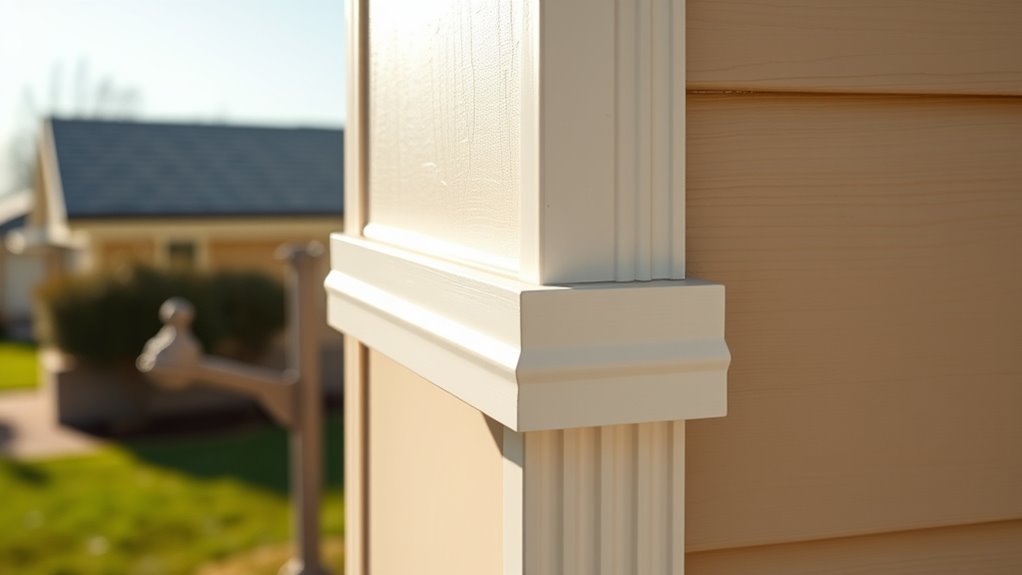
If you want a durable, easy-to-clean finish, semi-gloss is a strong choice for exterior paint. You’ll get resilient protection against moisture and stains, and it resists fading better than flatter sheens.
Semi-gloss highlights surface texture, so you’ll notice imperfections more than with satin or matte. That sheen also affects color perception: hues can read slightly brighter and cooler under direct light.
Use semi-gloss on trim, doors, and areas needing frequent washing, but avoid large expanses if you want to hide flaws. Overall, it’s practical and attractive when you match sheen to substrate and exposure.
Who This Guide Is For and How to Use It
This guide is for homeowners, painters, and DIYers who want durable, easy-to-clean exterior finishes with a subtle sheen. You’ll find practical advice on when semi-gloss is the smart choice, what surfaces it suits best, and how to prep and apply it.
Use the step-by-step tips and quick-reference sections to match your project size, skill level, and weather conditions.
Who Benefits Most
Who do you get the most from semi-gloss exterior paint? You’ll if you want durable, easy-to-clean surfaces that also deliver color enhancement and boost overall aesthetic appeal.
Homeowners with trim, doors, shutters, or siding that need protection but still show off vibrant hues benefit most.
Contractors and renovators working on high-traffic exteriors appreciate its scuff resistance and faster maintenance cycles.
If you prioritize crisp accents, weather resistance, and visuals that pop without heavy upkeep, semi-gloss is a smart choice.
It’s less ideal for hiding imperfections, so choose it where smooth, prepared surfaces exist.
How To Use
Because you’re about to work on exterior trim, doors, shutters, or siding that needs durable, easy-to-clean protection, this guide targets homeowners, contractors, and renovators who want practical, step-by-step instructions for using semi-gloss exterior paint.
You’ll learn surface prep, priming, and choosing brushes or rollers for smooth application techniques. Follow recommended drying times and light sanding between coats to avoid lap marks and enhance adhesion.
Test color effects on a small area to confirm sheen and contrast in sunlight. Use proper caulking and flashing details, clean tools promptly, and store leftover paint per label instructions for touch-ups.
How Semi-Gloss Affects Durability and Weather Resistance
You’ll find that semi-gloss provides enhanced surface protection, forming a tougher layer that resists chipping and staining.
It also creates a more weatherproof finish that sheds water and holds up against sun and wind.
Together, those benefits mean less frequent touch-ups and longer-lasting curb appeal.
Enhanced Surface Protection
How does semi-gloss paint boost a surface’s durability and weather resistance? You get a tougher outer layer that resists scuffs, mildew, and light abrasion, preserving surface texture and prolonging substrate life.
Its denser film reduces moisture penetration, so wood and trim swell less and metal resists superficial corrosion longer. Because semi-gloss sheds dirt easily, maintenance becomes quicker, keeping aesthetic appeal intact with minimal effort.
You’ll notice fewer touch-ups and longer intervals between repainting. While not a substitute for specialized sealants, semi-gloss offers practical, everyday protection that balances longevity with a clean, attractive finish.
Weatherproof Finish Benefits
When you choose semi-gloss for exterior surfaces, you get a finish that actively shields against weather and wear while staying easy to maintain. You’ll notice rain beads and dirt slides off, reducing moisture intrusion and mildew risk.
The tougher film resists chipping and abrasion, so your siding and trim last longer between recoats. Adjusting paint thickness during application improves coverage and UV resistance, while proper priming prevents peeling.
Semi-gloss reflects light, so pick Color options carefully to avoid glare on large areas. Overall, semi-gloss boosts durability and weather resistance when applied with attention to technique.
How Does Semi-Gloss Handle Moisture, Mildew, and Sun?
Because semi-gloss has a harder, smoother finish than flatter paints, it sheds water and resists mildew better on exterior surfaces, so you’ll see fewer stains and easier cleaning in damp climates. You still need proper prep and breathable primers to avoid trapped moisture.
Sun exposure affects gloss retention and can fade pigments, so pick UV-resistant formulas and expect some sheen loss over years. Use color contrast and texture variation thoughtfully to hide wear.
- Water beads and runs off, reducing soak time
- Mildew scrubs away with mild cleaners
- UV stabilizers slow fading
- Inspect seals and caulking regularly
Best Exterior Uses for Semi-Gloss: Trim, Doors, Windows
Given semi-gloss’s moisture resistance and UV protection, it makes an excellent choice for exterior trim, doors, and window frames where durability and easy cleaning matter most.
You’ll find it highlights architectural lines, aiding color coordination between trim and siding while resisting scuffs on high-traffic doors. On windows, semi-gloss sheds water and dirt, simplifying maintenance and preserving caulk joints.
Use it to create contrast or unify elements; bold door colors pop without sacrificing longevity. It subtly emphasizes smooth profiles, offering slight texture enhancement on milled trim without exaggerating flaws.
Apply with proper prep for best adhesion and finish.
When Not to Use Semi-Gloss: Siding and Textured Surfaces
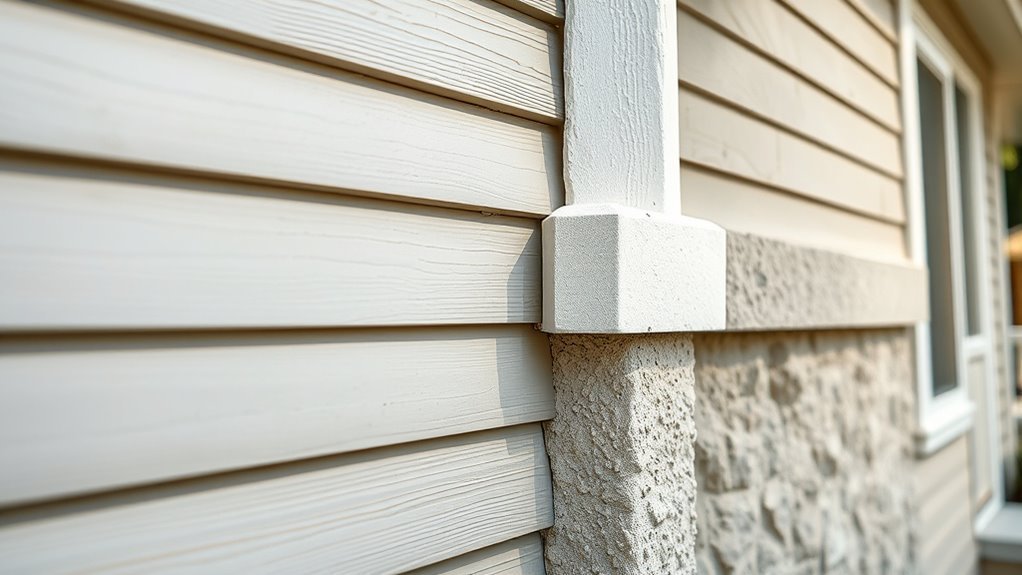
If your siding or textured surfaces have irregularities, semi-gloss can highlight those high and low spots with uneven shine.
You may also run into adhesion problems on rough or porous textures, causing peeling or flaking over time.
For those reasons, you’ll want to evaluate lower-sheen or specialty coatings for these areas.
Uneven Surface Shine
While semi-gloss can highlight architectural details, it tends to exaggerate irregularities on siding and textured surfaces. You’ll often see blotchy or patchy shine where the surface isn’t perfectly smooth.
You’ll notice how surface texture and reflective sheen make flaws pop, drawing attention instead of hiding them. Before choosing semi-gloss, consider these practical points:
- Raised grain and seams catch light unevenly.
- Stucco and rough clapboard produce glare hotspots.
- Weathered boards show inconsistent shine.
- Repairs and touch-ups contrast more under gloss.
If you want a uniform appearance on textured exteriors, pick a lower sheen.
Paint Adhesion Problems
Have you noticed paint peeling or flaking on textured siding? You’ll want to avoid semi-gloss on rough, chalky, or poorly prepared surfaces because its smooth finish highlights adhesion issues.
Semi-gloss won’t hide gaps, loose fibers, or uneven porosity; it can actually worsen peeling when paint durability is already compromised. If you’re considering semi-gloss, prioritize thorough surface preparation: remove loose paint, clean, sand, and prime with a compatible primer that bonds to the substrate.
For heavily textured or brittle siding, choose a flatter, more flexible exterior formula that tolerates movement and guarantees longer paint durability.
Semi-Gloss vs. Satin, Gloss, and Flat for Exteriors
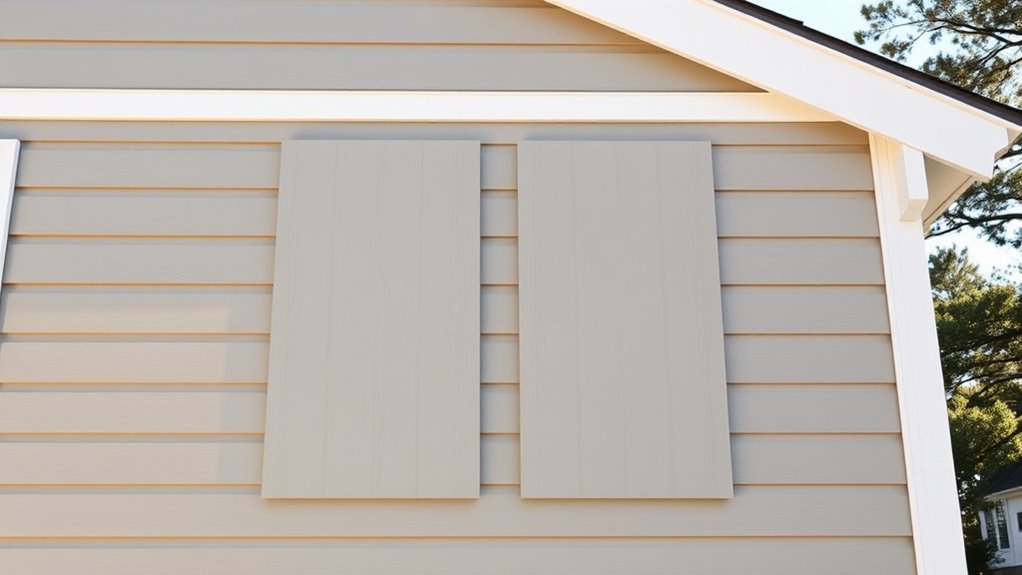
When you’re choosing exterior paint, knowing how semi-gloss compares to satin, high-gloss, and flat will help you match finish to surface and maintenance needs. You’ll weigh durability, cleaning, and color impact on visual depth and aesthetic appeal while selecting a finish that suits trim, siding, or accents.
- Semi-gloss: durable, easy to clean, highlights trim details.
- Satin: moderate sheen, hides minor imperfections, good for siding.
- High-gloss: maximum shine, shows flaws, best for doors and accents.
- Flat: minimal reflection, conceals texture, lower washability.
Choose based on exposure, desired contrast, and upkeep.
Prep and Application Tips for a Smooth Semi-Gloss Finish
Before you paint, get the surface right: clean dirt and mildew, sand glossy or rough spots, repair cracks and loose caulk, and prime bare wood or patched areas so the semi-gloss adheres evenly and shows no blemishes.
Choose compatible primers and high-quality brushes or rollers designed for semi-gloss to avoid brush marks.
Work in mild, dry weather and apply thin, even coats; sanding lightly between coats helps a flawless sheen.
Test color options on small panels to confirm appearance in sunlight.
Consider low-VOC formulations to reduce environmental impact while maintaining durability and easier cleanup.
Cleaning, Maintenance, and Touch-Ups for Semi-Gloss Exteriors
Because semi-gloss sheds dirt and resists moisture better than flatter sheens, you can keep it looking fresh with straightforward cleaning and timely touch-ups. You’ll want to wash annually, inspect for chips, and store leftover paint from the same paint brand for exact matches. Consider how your chosen color options age in sunlight when planning maintenance.
- Rinse siding with a soft brush and mild detergent.
- Spot-sand and scuff glossy areas before touching up.
- Use small brushes or spray touch-ups to blend edges.
- Label leftover cans with date, surface, and batch code for future matching.
Routine care preserves sheen and extends life.
How Semi-Gloss Changes Color Perception and Shows Flaws
You’ve learned how to keep semi-gloss looking good; now consider how its sheen affects appearance and reveals imperfections. You’ll notice color vibrancy increases in sunlight, edges pop, and details seem sharper. That same sheen boosts flaw visibility — brush marks, uneven patches, and surface blemishes catch light and draw attention. You should inspect surfaces from different angles and under varied lighting before finishing. Use proper prep and consistent application to minimize defects. Visualize contrasts:
| Light Angle | Effect |
|---|---|
| Direct | Brighter color vibrancy |
| Low | Highlights texture |
| Oblique | Emphasizes flaws |
| Diffuse | Softens sheen |
| Shade | Muted tones |
Cost vs. Lifespan: When Semi-Gloss Saves Money
When you weigh upfront price against long-term performance, semi-gloss often cuts total cost because it resists dirt, scuffs, and moisture better than flatter sheens, so you repaint less frequently and spend less on touch-ups. You’ll save on labor and materials over time, especially on trim, doors, and high-traffic areas.
Consider Color options—some pigments hold up better—and factor maintenance frequency into lifecycle cost. Also think about environmental impact: fewer repaints mean lower VOC emissions and waste.
- Longer intervals between repaints
- Easier cleaning reduces repair spends
- Better wear lowers labor costs
- Less frequent disposal of paint
Quick Decision Checklist: Choose the Right Exterior Sheen
If you need a quick, practical way to pick an exterior sheen, use this checklist to match performance to the job. Decide based on surface type, desired durability, and maintenance frequency. Consider Color options for aesthetic goals and note Environmental impact of VOC levels. Ask: high-traffic areas? Moisture exposure? Trim vs. siding?
| Area | Recommended Sheen | Notes |
|---|---|---|
| Trim | Semi-gloss | Durable, easy to clean |
| Siding | Satin | Hides imperfections |
| Doors | High-gloss | Accent, very durable |
| Porch | Eggshell | Low sheen, slip-safe |
Follow this and you’ll choose smartly.
Frequently Asked Questions
Can Semi-Gloss Be Used on Painted Exterior Masonry Like Brick or Stucco?
Yes — you can use semi-gloss on painted exterior masonry like brick or stucco, but you’ll prep and prime properly. You’ll gain exterior durability and enhanced color versatility, though texture and breathability need careful consideration.
Does Semi-Gloss Require a Special Primer for Metal Surfaces?
You do — by and large. Like a Renaissance clockmaker, you’ll need metal-specific primer after thorough surface preparation; don’t confuse it with interior sheen choices, since proper priming guarantees adhesion, rust blocking, and lasting semi-gloss finish.
Will Semi-Gloss Exterior Paint Yellow or Chalk Over Time?
Yes — semi-gloss exterior paint can yellow or chalk over time if exposed to UV and pollutants, but you’ll get better cleaning durability and slower degradation than flatter interior sheen options when you choose quality formulations.
Can Semi-Gloss Hide Hairline Cracks or Require Flexible Coatings?
Crack-concern? You’ll notice semi-gloss won’t hide hairline cracks well; it’s glossy and rigid, so you’ll need flexible coatings or elastomeric finishes. Mention interior sheen trade-offs and prioritize surface flexibility for lasting protection.
Is Semi-Gloss Safe for Use on Wooden Playsets or Decks?
Yes — you can use semi-gloss on wooden playsets and decks, but you’ll need proper prep and regular Deck maintenance; semi-gloss boosts Playset durability and cleans easily, though it can show imperfections and may need flexible touch-ups.
Conclusion
Semi-gloss works great for many exterior jobs: it’s durable, sheds moisture, and cleans up easily, so you’ll want it on trim, doors, and window frames. For example, imagine repainting a seaside cottage’s white trim—you’ll see fewer stains, less peeling, and easier cleaning after salty storms. Pick semi-gloss when you need toughness and a crisp look, but avoid it on large, imperfect walls where it’ll highlight flaws. Use satin or flat there.
