
What Does Satin Mean in Paint? Finish Guide Explained
Satin paint gives you a low‑luster, mid‑sheen finish that sits between eggshell and semi‑gloss, offering a soft, velvety glow with moderate reflectivity. It’s tougher and easier to clean than flat or eggshell, so it’s great for hallways, kitchens, bathrooms, trim, and kids’ rooms where scuffs and moisture are common. Satin hides minor flaws while still bouncing light for subtle depth, and if you keep going you’ll find tips on application, care, and troubleshooting.
What “Satin” Means for Paint Finishes
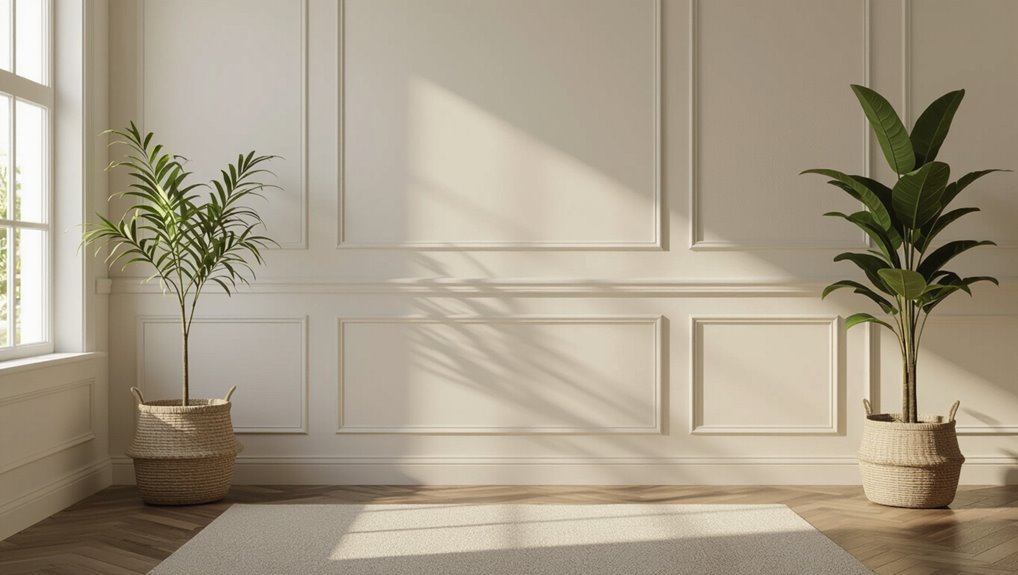
Satin refers to a mid-sheen paint finish that sits between eggshell and semi-gloss, giving walls a soft, velvety look with a subtle luster.
You’ll learn satin terminology quickly: it denotes moderate reflectivity and better durability than flat.
Note the sheen characteristics—visible light bounce without high gloss—so you can choose satin when you want subtle depth, easy cleaning, and forgiving surface concealment.
Quick Answer: Is Satin Right for Your Room?
If you want a finish that stands up to cleaning and wear, satin is a strong candidate because it’s more durable than flat or eggshell.
Think about traffic and moisture—hallways, kitchens, and bathrooms handle better with satin, while low-traffic bedrooms and ceilings mightn’t need it.
Consider your cleaning habits and the room’s function to decide if satin fits your needs.
Durability And Maintenance
Because satin sheens resist scuffs and clean up easily, they’ll often be the practical choice for high-traffic rooms like kitchens, bathrooms, hallways, and kids’ spaces.
You’ll appreciate simple cleaning techniques—mild detergent, soft cloths, and gentle scrubbing.
For longevity, follow maintenance tips: touch up chips promptly, avoid abrasive cleaners, and spot-clean spills quickly to keep the finish looking fresh.
Room Suitability Guide
When you need a balance of durability and subtle sheen, satin often fits the bill for most living spaces.
You’ll pick satin for hallways, kitchens, and family rooms where cleanability matters. Consider satin color choices and proper application techniques to match mood and traffic.
- Hallways: durable, hides marks.
- Kitchens: wipeable, resists moisture.
- Bedrooms: soft sheen, cozy.
Satin vs Flat, Eggshell, and Semi‑Gloss
Although satin often gets lumped in with other sheens, it actually occupies a distinct middle ground between flat, eggshell, and semi-gloss—offering more durability and slight sheen than flat or eggshell, but a softer, less reflective look than semi-gloss. You’ll notice satin texture comparison and satin finish advantages in high-traffic rooms.
| Sheen | Look | Use |
|---|---|---|
| Flat | Matte | Ceilings |
| Eggshell | Low sheen | Living rooms |
| Satin | Subtle sheen | Hallways |
| Semi-gloss | Shiny | Trim |
How Sheen Level Affects Durability and Appearance
When you choose a sheen, you’re balancing scuff resistance, how much light the surface reflects, and how well it hides imperfections.
Higher sheens tend to resist scuffs and wipe clean more easily but show flaws and reflect more light.
Lower sheens hide texture and flaws better but can be less durable in high-traffic areas.
Sheen Versus Scuff Resistance
Because sheen affects how a surface handles wear, you’ll notice that higher-sheen paints resist scuffs and clean up more easily than flatter finishes.
You’ll use a sheen comparison to choose durability vs. subtlety. Consider:
- Satin: balanced scuff resistance, washable.
- Semi-gloss: higher scuff resistance, shows imperfections.
- Matte: low scuff resistance, hides texture but needs touch-ups.
Light Reflection And Hiding
Light reflection and hiding determine how your paint looks and how long it lasts: glossier sheens bounce more light and hide less, while flatter sheens absorb light and mask surface imperfections.
In a sheen comparison, satin balances moderate light absorption with decent durability, so you’ll get easier cleaning and subtle glow.
Choose based on traffic, blemishes, and desired maintenance.
How Satin Reflects Light vs Other Sheens
Although satin sits between flat and semi-gloss on the sheen scale, it gives you a subtle, velvety glow rather than a shiny mirror finish.
You’ll notice balanced light diffusion and clear sheen comparison cues when choosing finishes:
- Flat: absorbs light, minimal reflection.
- Satin: soft reflection, hides texture while boosting depth.
- Semi-gloss: strong reflection, highlights details and edges.
Why Satin Hides Imperfections Better Than Gloss
When you choose satin over gloss, the finish scatters light instead of bouncing it straight back, so surface irregularities don’t jump out the way they do with a mirror-like sheen.
You’ll notice a satin finish softens bumps, brush marks, and minor texture because diffuse reflection reduces contrast.
In a gloss comparison, flaws become highlighted; satin conceals them, creating a more forgiving, even appearance.
Typical Home Uses for Satin Paint
Satin works great in about five common spots around the house: kitchens, bathrooms, hallways, trim, and children’s rooms.
You’ll enjoy satin color that’s forgiving and easy to clean. Use it where durability and sheen benefits matter most.
- High-traffic walls
- Door and window trim
- Playroom and nursery walls
Satin for Kitchens: Pros and Cons
If you’re choosing paint for a kitchen, satin gives you a strong balance of durability and cleanability so splatters and grease wipe off more easily.
You’ll also get a soft sheen that highlights color without the glare of gloss, though it can show imperfections more than flat finishes.
Consider whether you want that subtle luster for aesthetics versus the slightly higher maintenance of surface prep.
Durability And Cleanability
Because kitchens get a lot of wear, you’ll want a finish that stands up to scrubbing and spills—and satin usually does.
You’ll like satin performance for resistant, washable walls. Follow simple maintenance tips to avoid damage.
- Wipe spills promptly with mild soap.
- Use soft cloths, not abrasive pads.
- Recoat high-traffic areas every few years.
Sheen And Aesthetics
One of the biggest visual benefits you’ll notice with a satin finish is its soft, low-luster sheen that hides minor surface imperfections better than higher glosses while still reflecting enough light to keep kitchens feeling bright and lively. You’ll appreciate satin’s balance between sheen types and aesthetic appeal: easy to clean, forgiving on walls, subtly modern yet warm.
| Pro | Con |
|---|---|
| Hides flaws | Shows scuffs |
| Reflects light | Requires upkeep |
Satin in Bathrooms and High‑Moisture Areas
When you choose satin for bathrooms and other high‑moisture areas, you get a durable, easy‑to‑clean finish that stands up to humidity and frequent wiping; its low‑to‑medium sheen hides minor imperfections better than gloss while still resisting moisture-related wear.
Choose satin for bathrooms: a durable, easy‑to‑clean, low‑sheen finish that resists humidity and hides minor flaws.
- Use satin finish application for walls near showers to maximize satin moisture resistance.
- Wipe splashes promptly.
- Recoat high‑traffic spots annually.
Satin for Living Rooms and Bedrooms
Satin works well in living rooms and bedrooms because it gives walls a soft, velvety sheen that reflects light gently without shouting, and it cleans more easily than flat paint so you can wipe away fingerprints and marks without redoing the whole wall. You’ll love satin color palettes and satin texture options for cozy, lived-in spaces.
| Warmth | Calm |
|---|---|
| Touch | Glow |
| Nest | Rest |
When to Choose Flatter or Glossier Finishes
Think about how you’ll use the room—high-traffic areas need tougher, glossier finishes while low-traffic spaces can work with flatter sheens.
Remember that glossier paints make imperfections more visible, so flatter finishes can hide uneven walls.
Also weigh durability and cleaning: glossier surfaces wipe clean easier, but flatter ones may need touch-ups sooner.
Room Function Matters
Because different rooms get different kinds of use, you should match finish to function: choose glossier paints for high-traffic or moisture-prone spaces where durability and ease of cleaning matter, and flatter sheens for low-traffic areas where you want to hide imperfections and maintain a softer, more subtle look.
- Kitchens: prioritize functionality balance, easy wipes.
- Bedrooms: favor room aesthetics, calm matte feel.
- Bathrooms: pick moisture-resistant satin for longevity.
Surface Imperfections Visibility
You’ve already matched sheen to room use; now consider how finish highlights wall flaws.
For imperfection management, choose flatter sheens to hide bumps, dents, and texture, while glossier paints will spotlight unevenness.
Do a surface evaluation under different lights before you buy sheen.
Patch and prime noticeable defects if you prefer a glossier finish, or accept a flatter option to mask minor issues.
Durability And Maintenance
Durability matters: glossier finishes resist scuffs, stains, and frequent cleaning better than flatter ones, so pick satin or semi-gloss for high-traffic areas like kitchens, bathrooms, trim, and hallways.
You’ll balance satin longevity with appearance and upkeep.
Maintenance tips:
- Wipe spills promptly with mild soap.
- Use soft cloths to avoid sheen loss.
- Recoat high-use zones every few years.
Satin on Trim, Doors, and Moldings
When you want trim, doors, and moldings to stand out without screaming for attention, satin is a smart choice: it balances a subtle sheen with easy cleaning, hides minor imperfections better than high-gloss, and still reads as refined against flat walls.
You’ll enjoy satin finish for trim aesthetics, satin durability, easier door maintenance, precise molding application, satin contrast, and flexible trim colors.
Satin for Hallways and Staircases
For hallways and staircases, you’ll appreciate satin’s durability and washable surface that stands up to frequent traffic and scuffs.
It gives you an easy way to clean marks without redoing the whole wall.
Plus, satin hides minor imperfections better than glossier finishes, so your high-traffic areas look neater longer.
Durable And Washable
Because hallways and staircases see constant traffic, satin finishes are a smart choice—you’ll get paint that stands up to scuffs, wipes clean easily, and keeps trim and walls looking fresh with minimal maintenance.
Use satin characteristics and simple cleaning techniques to maintain them:
- Spot-clean with mild detergent.
- Rinse and dry to prevent streaks.
- Recoat high-wear areas as needed.
Highlights Imperfections Less
A satin finish softens surface flaws so your hallway and staircase walls look smoother without calling attention to every bump or patch; it reflects light gently, which helps conceal minor dents, brush marks, and uneven texture while still giving a slight sheen that reads as clean and modern. You’ll notice reduced imperfection visibility and improved surface smoothness, making maintenance easier and spaces feel polished.
| Area | Benefit | Tip |
|---|---|---|
| Hallway | Less glare | Use warm light |
| Staircase | Conceals dents | Sand before painting |
| Trim | Slight sheen | Clean regularly |
Best Surfaces for Satin: Drywall, Plaster, and Wood
When you want a durable, easy-to-clean finish with a soft sheen, satin works especially well on drywall, plaster, and wood.
You’ll appreciate satin texture and simple application techniques for a uniform look.
Consider:
- Drywall — hides light flaws, easy to touch up.
- Plaster — smooths fine details, resists moisture.
- Wood — highlights grain, wipes clean.
How Satin Changes Color Perception
How does satin affect the way you see color?
Satin subtly smooths surfaces, letting hues appear more even and cohesive; you’ll notice color psychology at work as rooms feel calmer or more inviting.
It reflects light softly, adding visual warmth without flashy gloss.
You’ll interpret tones with slightly softened edges, which can influence mood and perceived texture while keeping finishes practical and refined.
Does Satin Make Colors Look Darker or Brighter?
Curious whether satin makes colors look darker or brighter? Satin often balances sheen and subtle reflection, altering color perception without huge shifts.
Consider:
- Satin reduces harsh glare, so hues can read richer.
- It reflects moderate light, lowering perceived light absorption versus flat.
- In low light, satin may seem darker; in bright light, it can appear slightly brighter.
Choosing Satin Sheen Levels Across Brands
When you compare satin sheen percentages between brands, you’ll notice the numbers don’t always match up.
Check each brand’s finish chart to understand their specific gloss range and test samples on-site.
Then pick the sheen that best suits the room’s traffic and lighting so you get the right balance of durability and appearance.
Comparing Sheen Percentages
Because sheen percentages aren’t standardized, you’ll want to compare labeled satin levels between brands before you buy; a 25% “satin” from one manufacturer can look noticeably flatter or glossier than a 35% satin from another.
Use sheen comparison and consider your aesthetic choices:
- Swatch sample on drywall.
- View at different angles and lighting.
- Prefer higher percent for durability and subtle shine.
Brand-Specific Finish Charts
After you’ve compared satin samples by eye, consult brand-specific finish charts to understand how each manufacturer defines their satin range.
You’ll see clear brand specific comparisons showing labeled sheen percentages, typical uses, and gloss levels.
Note finish sheen variations between lines—one brand’s satin may equal another’s low semi-gloss.
Use charts to pick the closest match rather than assuming identical satin across manufacturers.
Matching Sheen To Use
If you want a satin finish that stands up to daily wear, match the sheen level to the room’s traffic and cleaning needs rather than the label alone.
You’ll compare satin compatibility and do careful sheen selection across brands. Consider:
- High-traffic: pick higher-sheen satin for durability.
- Low-traffic: softer satin hides imperfections.
- Bathrooms/kitchens: choose moisture-resistant satin for easy cleaning.
Matching an Existing Satin Finish
Matching an existing satin finish takes a careful eye and a few tests to get right; you’ll want to compare sheen, color, and surface texture before buying paint.
Use color coordination tips: view samples in different light, test small patches, and let them cure.
Note texture contrast considerations—satin shows imperfections differently—so match tools and application technique to blend seamlessly with the surrounding finish.
Surface Prep Steps for Satin Paint
Because satin highlights surface details more than flat paints, you’ll need to prep carefully to get an even, durable finish.
Follow these satin paint preparation steps and surface cleaning techniques:
- Clean: degrease, remove dust, rinse, and let dry.
- Repair: fill holes, sand smooth with fine grit.
- Scuff: lightly sand existing sheen, tack cloth, then prime appropriate areas.
Best Primers Under Satin Finishes
Now that your surface is clean, repaired, and scuffed, pick a primer that promotes adhesion and hides imperfections so the satin topcoat lays down smoothly.
Choose best bonding options—latex for general use, oil-based for stain-blocking, or shellac for severe stains.
Match primer types to substrate: drywall, wood, metal.
Apply per label, allow full cure before satin to guarantee uniform sheen and durability.
Brushing, Rolling, and Spraying Satin Paint
When you’re ready to apply satin, choosing the right brush, roller nap, or spray tip will make the finish smoother and cut down on touch-ups.
Each method requires different techniques—steady, long strokes with a high-quality synthetic brush, a short-nap roller for even coverage on walls, or overlapping passes with a sprayer to avoid orange peel.
I’ll walk you through tool choices and method-specific tips so you can pick the best approach for your project.
Best Tools For Application
Choosing the right tools makes applying satin paint faster and gives you a smoother, more uniform finish.
You’ll want quality items tailored to satin application techniques and best brushes for edges. Use:
- Angled natural-bristle brushes for trim and detail.
- Short-nap microfiber rollers for walls to reduce lint.
- HVLP or airless sprayers for even coverage on large surfaces.
Technique Differences By Method
With the right tools in hand, you’ll also want to adapt your technique to how you apply satin paint—brushing, rolling, or spraying each demand different strokes, speeds, and handling to get that smooth, low-sheen look. Use paint application techniques, sheen application methods, and satin layering techniques correctly to control satin texture differences and application method effects.
| Method | Tip |
|---|---|
| Brushing | Smooth, long strokes |
| Rolling | Light pressure, nap choice |
| Spraying | Even passes, thin coats |
| Result | Finishing techniques comparison |
How Many Coats of Satin You Need
Most interior walls need two coats of satin to get even coverage and a durable finish.
You’ll plan coat application and use simple layering techniques to avoid streaks. Assess surface porosity and color change to decide if a third coat helps.
- Prime porous surfaces
- Apply two thin coats
- Add third only if needed
Dry Time and Recoat Windows for Satin
Before you recoat satin, let the first layer dry to the touch and tack-free—usually 1 to 4 hours for water-based satin and 6 to 24 hours for oil-based—so you won’t lift or streak the finish.
Check the paint’s specified dry time, then plan your recoat window accordingly. Cooler or humid conditions extend dry time, so wait longer to guarantee proper adhesion and smooth results.
Common Satin Painting Mistakes to Avoid
Knowing when to recoat helps prevent lift and streaks, but other common mistakes can still ruin a satin finish.
You’ll avoid problems if you follow satin application tips and watch for common satin errors:
- Overworking wet paint causes lap marks.
- Using wrong nap rollers leaves texture.
- Skipping proper surface prep leads to peeling.
Apply carefully and inspect between coats.
Cleaning and Maintaining Satin Walls
You’ll keep satin walls looking fresh by setting up a simple regular cleaning routine with a soft cloth and mild detergent.
For tougher marks, you can spot-treat stains using a gentle scrub pad and a baking soda or diluted bleach solution as appropriate.
Test any cleaner in an inconspicuous area first and wipe dry to prevent water spots.
Regular Cleaning Routine
A simple weekly wipe-down keeps satin walls looking fresh and prevents dirt build-up from dulling their soft sheen.
You’ll follow satin maintenance tips and do regular dusting before washing.
Quick routine:
- Dry dust with a microfiber cloth.
- Wipe gently with mild soap and water.
- Rinse and dry to avoid streaks.
Do this weekly to maintain sheen without overworking the finish.
Stain Removal Tips
Once you’ve kept up with the weekly dusting and gentle washes, you’ll occasionally face tougher spots that need targeted care.
Identify stain types—grease, crayon, scuff, or mildew—then choose removal techniques accordingly.
Test a microfiber cloth and mild detergent first, try baking soda paste for scuffs, diluted bleach for mildew, and rubbing alcohol for ink.
Rinse, dry, and retouch paint if necessary.
Touching Up Satin Without Visible Patches
When you touch up satin, match sheen and sheen alone — stains, pigments and gloss all affect how patches show, so focus on blending finish rather than piling on paint.
When touching up satin, match the sheen — blend finish, not paint, so patches disappear.
Use touch up techniques and blending methods to hide spots. Follow steps:
- Feather edges with a damp sponge.
- Apply thin coats, matching sheen.
- Blend with cross-hatch strokes, then dry and inspect.
Scuff Resistance and Durability of Satin
You’ll find satin offers moderate scratch resistance, so it holds up better than flat finishes but won’t be as tough as semi-gloss.
It resists moisture and stains well, making spills and splashes easier to clean. That balance of durability and subtle sheen makes satin a smart choice for high-traffic areas.
Moderate Scratch Resistance
Satin offers a practical middle ground in scratch and scuff resistance: it’s tougher than flat finishes but won’t stand up to the heavy wear that semi-gloss or gloss handle.
You get moderate durability and decent scratch resistance for everyday rooms.
Consider:
- Light traffic areas benefit.
- Gentle cleaning preserves finish.
- Avoid abrasive tools or sharp impacts.
Moisture And Stain Tolerance
Although not as impermeable as high-gloss sheens, satin handles moisture and stains better than flat paints, so you can wipe splashes and marks away without much damage.
You’ll get useful moisture resistance for kitchens and bathrooms and improved stain prevention compared with matte finishes.
Satin’s finish tolerates light scuffs and regular cleaning, but heavy abrasion or persistent spills may still wear the surface over time.
Ideal For High-Trafficareas
1 key reason homeowners pick satin is its balance of scuff resistance and durability in high-traffic areas.
You’ll get a pleasing satin sheen that hides minor marks while standing up to wear.
Choose satin when you want both looks and function.
- Easy to clean
- Resists scuffs
- Offers high traffic durability
VOCs and Health Considerations for Satin Paints
When you paint with a satin finish, the solvent and resin choices determine how many volatile organic compounds (VOCs) will off-gas and for how long.
It’s important to understand the health implications before you start a project. Check VOC regulations, read paint ingredients, and weigh health impacts and environmental concerns.
Use ventilation tips, fume safety, and other safety measures to limit chemical exposure and long-term effects.
Water‑Based vs Oil‑Based Satin: Pros and Cons
Understanding VOCs and safety helps you choose between water‑ and oil‑based satin finishes, because their chemical makeup affects durability, appearance, drying time, and cleanup.
You’ll weigh water based benefits against oil based drawbacks; pick based on project needs.
- Faster drying, easy cleanup (water based benefits).
- Harder finish, longer cure (oil based drawbacks).
- Touch-up and recoating considerations.
Cost Comparison: Satin vs Other Sheens
Budget matters, and satin often lands in the middle of the price spectrum between flat/matte and higher-sheen finishes like semi-gloss or gloss.
When you do a cost analysis, factor paint quality, surface prep, and durability. Satin usually costs more than flat but less than semi-gloss; a clear price comparison helps you decide whether the slightly higher upfront cost saves on touch-ups and maintenance.
Satin for Rentals and Resale Value
Because satin strikes a balance between durability and appearance, you’ll often find it the smart choice for rentals and resale staging—it’s tough enough to handle cleaning and scuffs yet still reflects enough light to make rooms look fresh and well cared for.
Satin offers durable, low-maintenance walls that subtly brighten rooms—ideal for rentals and resale staging.
- You get a satin finish that hides minor flaws.
- You boost rental appeal with easy maintenance.
- You present move-in ready spaces to buyers.
Styling Rooms With Satin Walls and Trim
When you paint walls and trim in satin, you get a soft sheen that ties spaces together while still hiding minor imperfections.
Use satin color psychology to set mood—warm tones feel cozy, cool hues feel calm.
Balance shine with matte furnishings to create satin texture contrast.
Keep trim slightly lighter or deeper than walls for definition, and rely on natural light to reveal subtleties.
Using Satin With Washes, Glazes, and Faux Finishes
After balancing sheen between walls and trim, you can enhance depth and texture by pairing satin with washes, glazes, and faux finishes.
Use satin techniques to control light and reflectivity, and practice satin layering for subtle variation.
Consider these satin applications:
- Satin washes for soft, translucent color.
- Satin glazes to add depth.
- Satin faux for realistic textures.
When to Hire a Pro for Satin Jobs
If your project involves large areas, complex textures, or tricky color-matching, hire a pro — they’ll save you time and prevent costly mistakes by delivering consistent satin coverage and smooth shifts.
You’ll want professional painter benefits when timelines, prep, or specialty tools matter. A pro applies satin application tips, handles repairs, and guarantees an even, durable finish so you don’t worry about redoing work.
Troubleshooting Brush Marks, Lap Lines, and Sheen Variation
Because satin reflects light more noticeably than flat paints, brush marks, lap lines, and sheen variations stand out—but you can fix them.
Satin shows brush marks and lap lines more easily than flat paint—but these visible flaws can be corrected.
Use these focused steps for brush mark remedies and lap line solutions:
- Sand lightly between coats, wipe dust, and apply thin, even coats.
- Maintain a wet edge; work in consistent lighting.
- Use high-quality brush or roller and thin paint when needed to blend sheen.
Satin Paint Project Checklist and Quick Decision Guide
1 simple checklist will keep your satin paint project on track: confirm surface prep, choose the right satin formula, gather quality brushes/rollers and sanding supplies, and plan your coat sequence and dry times.
Before you start, list tasks, verify ventilation and tack-free times, practice satin paint application on a scrap, and compare finishes when choosing satin brands so you’ll finish efficiently and confidently.
Frequently Asked Questions
Can Satin Paint Be Used on Exterior Surfaces in All Climates?
Yes — you can use satin paint on exteriors, but its satin paint durability depends on climate and exposure, and you’ll need meticulous satin surface preparation; in harsh or humid areas choose high-quality exterior satin and regular maintenance for best results.
Does Satin Require Different Caulk or Sealants Than Other Sheens?
No — satin doesn’t force special caulk, but you should check caulk compatibility and sealant types: you’ll want paintable, flexible latex or silicone-latex hybrids that bond well, or they’ll crack and ruin your smooth, low-sheen finish.
Can Satin Finishes Be Color-Matched Across Different Paint Brands?
Yes — you can color match satin finishes across paint brands, but results vary; you’ll need a sample, tint adjustments, and sometimes a spectrophotometer. Expect slight sheen or undertone differences between paint brands despite color matching attempts.
How Does Satin Perform on Metal or Concrete Surfaces?
On metal you’ll see smooth sheen but need primer for strong metal adhesion; on concrete satin masks texture yet needs sealers for concrete durability, so you’ll prep, prime, and expect moderate sheen with improved longevity.
Will Satin Yellow or Discolor Over Time in Sunlight Exposure?
Satin durability resists minor yellowing, but prolonged sunlight effects can slowly cause slight discoloration; you’ll see gradual fading or ambering on some pigments, so use UV-resistant coatings or pigment-stable formulations to minimize change.
Conclusion
Satin’s velvety low‑luster makes it a versatile choice — easy to clean yet forgiving of imperfections. If you’re undecided, note that 68% of homeowners choose satin or eggshell for living spaces because they balance durability and appearance. Use satin in moderate‑traffic rooms, avoid high‑gloss needs, and touch up carefully to prevent sheen variation. For tricky walls or large projects, consider hiring a pro to guarantee even coverage and a smooth, consistent finish.
