
Can We Use Exterior Paint for Interior
You can use exterior paint indoors in very limited cases, but you should be cautious: exterior formulas have stronger VOCs, tougher binders, and UV additives that give off more odor and may look or behave differently inside. It’s reasonable for metal, masonry, closets, or short-term touch-ups if you ventilate, mask off areas, and test a patch first. For living spaces, pick low‑VOC interior paint for safety and color accuracy—keep going to learn when and how to do it safely.
Can You Use Exterior Paint Indoors?
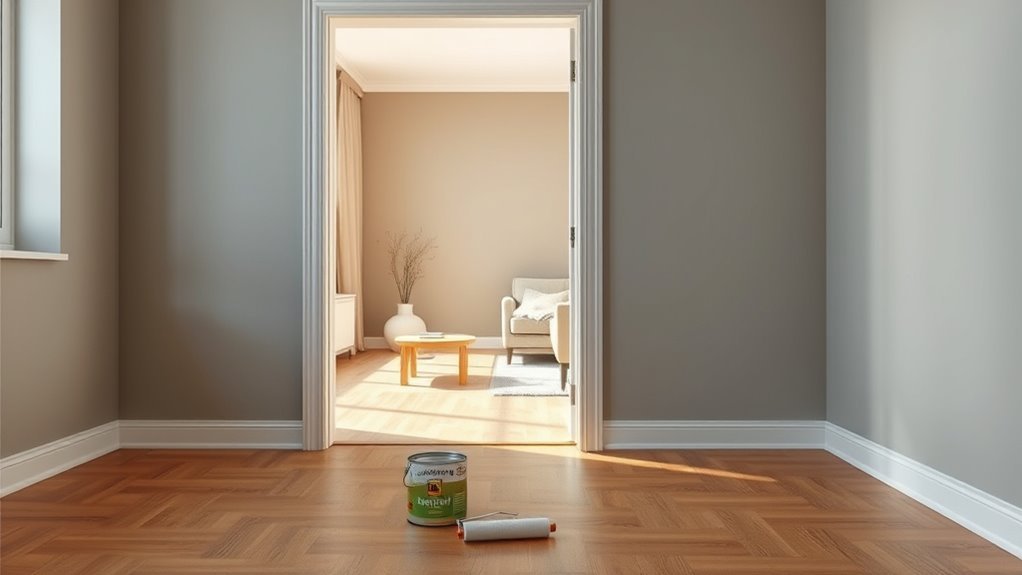
Because exterior paint’s formulation prioritizes weather resistance and adhesion to rough surfaces, you shouldn’t assume it’s interchangeable with interior paint.
Exterior paint is formulated for weatherproofing and rough surfaces, so don’t assume it will substitute for interior paint
You’ll notice differences in VOC levels, finish feel, and odor that matter indoors. Color matching can be trickier because exterior pigments and binders reflect light differently under indoor lighting, so samples are essential.
Paint durability is excellent against moisture and UV, but that toughness can compromise application smoothness on drywall or trim.
If you use exterior paint inside, ventilate well, test a small area, and weigh odor and finish trade-offs before committing to larger surfaces.
Quick Answer: When Exterior Paint Is Acceptable Indoors
You can use exterior paint indoors only in limited situations: think low-traffic rooms like closets or storage areas.
Make sure the space is well-ventilated while you work and for a day or two afterward to clear fumes.
It’s best reserved for short-term projects rather than everyday living spaces.
Low-Traffic Areas Only
When might it make sense to use exterior paint inside? You can opt for exterior paint in low-traffic areas like closets, attics, or seldom-used guest rooms where durability and moisture resistance matter more than frequent touch.
Check color matching carefully—exterior formulas can look different under indoor light—so test swatches. Consider finish options too; exterior paints often come in flatter, more weatherproof sheens that may suit muted interiors but won’t stand up to scrubbing.
Use exterior paint sparingly indoors, knowing it’s best where wear is minimal and protection is prioritized over washability and indoor-specific VOC formulations.
Well-Ventilated Spaces
If your space has strong ventilation—open windows, cross-breezes, or a powerful exhaust fan—you can accept exterior paint indoors for short projects like priming or touch-ups, since the fumes and higher VOCs will disperse more quickly.
You should still weigh risks: exterior paint formulations focus on outdoor durability, with additives and binders that resist weather but can off-gas more indoors. Wear a respirator, ventilate continuously, and keep people and pets away until odors fade.
Use minimal amounts, work in well-ventilated zones, and test a small area first to check adhesion and finish before committing to larger indoor use.
Short-Term Projects
Strong ventilation can make short indoor jobs feasible with exterior paint, but you should limit those uses to quick fixes—small priming tasks, isolated touch-ups, or painting an exterior-facing door hung outside then reinstalled.
For brief projects, you’ll weigh durability against fumes: exterior formulas resist moisture and wear, but they off-gas more and may smell longer. Use exterior paint indoors only when you can ventilate, avoid occupied rooms, and apply minimal coverage.
Check color matching carefully, since exterior pigments and gloss levels differ; sample a small area. Consider finish options that mimic interior sheens to reduce visual mismatch.
Risks of Using Exterior Paint Inside (Appearance, Durability, Odor, Health)
Although exterior paint can seem like a convenient shortcut, using it indoors comes with several clear risks you should weigh. You’ll struggle with color matching because exterior finishes weather differently, and paint durability focused on outdoors won’t behave the same inside. Strong odors linger longer, adhesive additives can smell harsh, and VOCs may exceed indoor-safe levels. Surfaces might look blotchy or glossy in wrong light, and finishes can trap odors. Your health and comfort matter—kids, pets, and sensitive people are at greater risk.
| Risk | Feeling | Consequence |
|---|---|---|
| Appearance | Frustration | Mismatched tone |
| Durability | Disappointment | Peeling sooner |
| Odor/Health | Anxiety | Lingering VOCs |
When Exterior Paint Can Work Indoors: Safe Exceptions and Surfaces
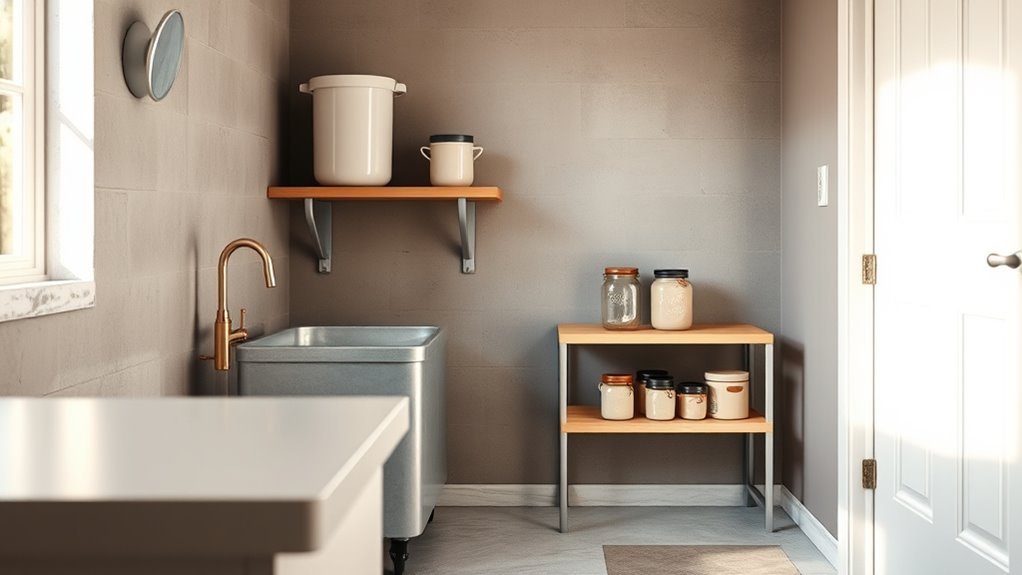
If you’re painting a small, unoccupied area like a garage closet or storage nook, exterior paint can be acceptable because ventilation and limited exposure reduce odor and fume concerns.
It also works well on metal or masonry surfaces indoors—such as pipes, concrete floors, or brick walls—where its formulation resists rust and moisture better than typical interior paints.
Still, you should guarantee good ventilation during application and let the space air out thoroughly before regular use.
Small, Non-Lived-In Spaces
Wondering when exterior paint is okay to use indoors? For small, non-lived-in spaces—like storage closets, attics, or garage interiors—you can sometimes use exterior formulas.
You’ll want to check color matching carefully; exterior batches may differ in sheen and UV-stable pigments, so test a swatch. Paint durability is a benefit: exterior coatings resist moisture and wear, so they suit seldom-visited areas prone to damp or rough use.
Ventilate while painting, cure fully before storing items, and avoid applying where people spend time. For living spaces, stick with interior paints for safety and finish consistency.
Metal And Masonry Surfaces
Storage areas aside, exterior-grade paints can also be appropriate for certain interior metal and masonry surfaces where toughness and moisture resistance matter. You can choose exterior paint for basements, utility rooms, or metal staircases if you consider chemical composition and ventilation. Check for low-VOC formulas to limit environmental impact indoors. Prep surfaces: clean, etch, and prime metal or masonry to guarantee adhesion. Test a small patch first. Expect stronger binders and additives tailored for durability; weigh benefits against indoor air quality. Use appropriate respirators during application and allow full cure before regular use.
| Surface | Benefit | Prep |
|---|---|---|
| Metal | Rust resistance | Degrease, prime |
| Masonry | Moisture control | Clean, etch |
How Exterior vs. Interior Paints Differ and Why It Matters
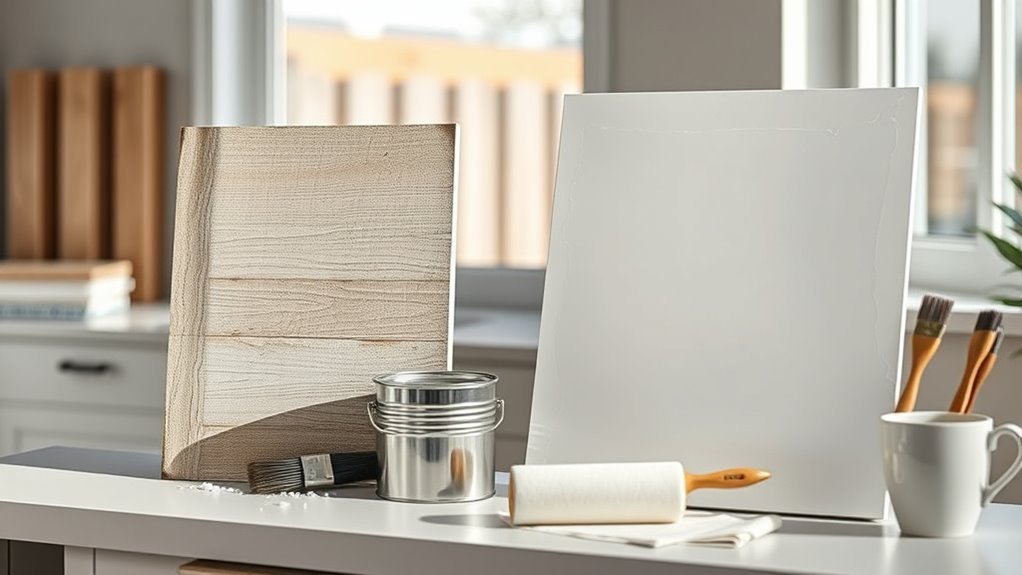
Because exterior and interior paints face very different challenges, they’re formulated with distinct ingredients that affect durability, finish, and safety. You’ll notice color consistency varies: exterior pigments resist UV fade and weathering, while interior formulas prioritize stable hues under artificial light.
Exterior and interior paints use different formulations—exterior pigments fight UV and weathering, interior colors stay true under artificial light
Finish types differ too—exteriors lean toward satin or semi-gloss for washability and moisture shedding; interiors offer flat to high-gloss for aesthetics and scrubbability.
Binders, additives, and VOC levels are tuned for each environment, so using exterior paint indoors can impact odor, emissions, and adhesion.
Choose products designed for the designated space to guarantee performance and safety.
How to Prep and Apply Exterior Paint Safely Indoors
If you must use exterior paint indoors, prepare the space and yourself before you open the can. Ventilate thoroughly: open windows, run fans, and create cross-breeze.
Wear an N95 or respirator, gloves, and eye protection.
Mask furniture and floors with drop cloths and tape seams; remove or seal HVAC vents.
Test adhesion and color matching on a hidden patch; allow full cure before evaluating sheen.
Thin or adjust with a manufacturer-recommended additive if needed for smoother application.
Apply thin, even coats with proper brushes or rollers, sanding between coats when recommended.
Dispose of residues per local regulations.
Decision Checklist: Choose Interior Paint or Use Exterior
When you’re deciding whether to use interior paint or an exterior formula indoors, weigh the room’s ventilation, occupant sensitivity, surface type, and finish requirements against the paint’s durability and VOC profile; make the safer, code-compliant choice whenever possible. You’ll check VOC limits, odor tolerance, required durability, and any color matching needs. Consider substrate and whether exterior additives help adhesion without raising risks. Review paint formulation details and labels, test a small area, and prefer interior products when in doubt. Use the checklist below to compare options quickly.
| Factor | Interior Paint | Exterior Paint |
|---|---|---|
| VOCs | Low | Often higher |
| Durability | Moderate | High |
| Odor | Lower | Stronger |
| Color matching | Easier | Variable |
Frequently Asked Questions
Will Exterior Paint Void My Home Insurance or Warranty?
Usually it won’t automatically void your home warranty or insurance coverage, but you should check terms; using exterior paint indoors could risk claims if it causes damage or violates Home warranty conditions, so document and confirm first.
Can I Use Exterior Paint on Indoor Furniture or Cabinets?
Yes — you can, but contrast matters: exterior toughness meets indoor finesse. You’ll get superior indoor durability, yet check surface compatibility first; exterior paints can off-gas, feel rough, or fail adhesion on cabinets and fine furniture.
Does Exterior Paint Affect Indoor Humidity Control or Condensation?
Yes — exterior paint won’t control humidity or condensation; you’ll still manage moisture with ventilation and dehumidifiers. It can worsen indoor air quality temporarily due to stronger paint odor, so ventilate until fumes dissipate.
Are There Environmental Disposal Rules for Leftover Exterior Paint?
Yes — you must follow paint disposal rules: you’ll obey local environmental regulations for leftover exterior paint, use hazardous-waste drop-offs or recycling programs, never pour it down drains, and label containers for proper disposal or donation.
Can Exterior Paint Interfere With Smoke Detectors or Alarms?
Yes — you might unintentionally “spice the air”; paint fumes can temporarily desensitize smoke alarms or clog sensors, and poor surface adhesion causes flaky particles that may interfere mechanically, so you shouldn’t risk it indoors.
Conclusion
Think of painting indoors like inviting a guest: exterior paint can sometimes work, but it’s like bringing a winter coat to a summer party—overkill and potentially uncomfortable. You can use exterior paint for trim, basements, or damp areas if you vent well and accept stronger odor and sheen differences. For living spaces, health and finish matter more: choose interior formulas. When in doubt, pick the right paint and avoid surprises.
