
Can You Paint Exterior Window Trim
Yes — you can paint exterior window trim yourself if you prepare properly. Start by checking for rot, loose paint, or failing caulk and repair or replace damaged sections. Clean, sand, prime bare or stained areas, then use a quality exterior acrylic-latex or enamel and apply two thin coats in mild, dry weather for best adhesion. Work with proper masking and safety for high trim, and keep maintenance tips in mind as you learn more about the full process.
Can You Paint Your Exterior Window Trim Right Now?
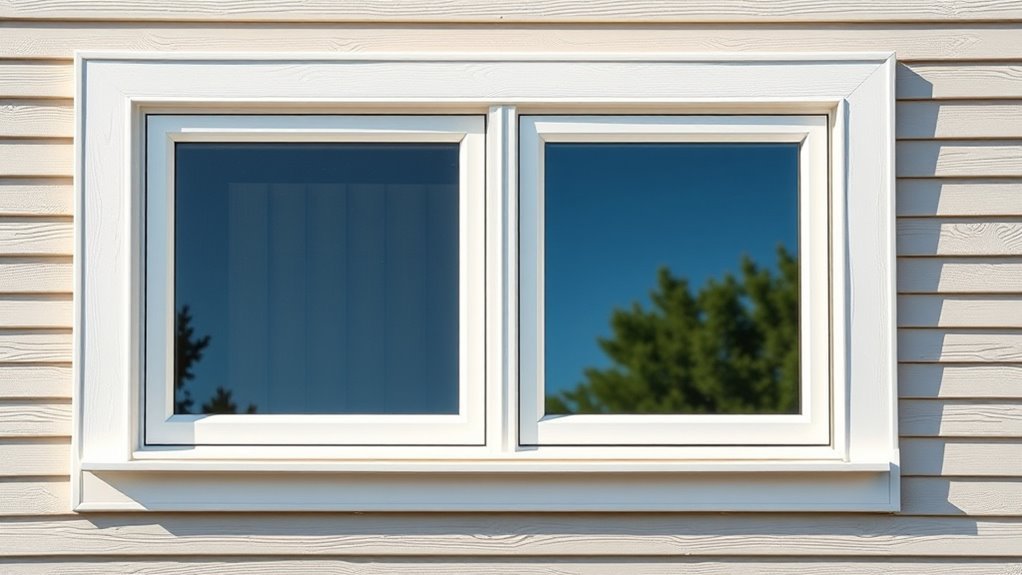
Whether you can paint your exterior window trim right now depends on a few key factors: the weather, the condition of the trim, and the paint’s dry times.
Painting exterior window trim depends on weather, trim condition, and paint dry times—check all three before starting.
You’ll first inspect the wood or PVC for rot, loose caulk, or peeling paint; address repairs before painting.
Choose colors with color coordination in mind—match trim to siding and accents to doors or shutters.
Test a small patch to confirm adhesion and final hue.
Pick paint formulated for exteriors and plan decorative accents like thin stripes or corner blocks once the base coat’s fully cured.
Work when conditions meet product guidelines.
How Weather Affects Exterior Window Trim Paintability
How does the weather affect your ability to paint exterior window trim? You’ll need to take into account temperature, humidity and precipitation because weather impact changes drying, adhesion and finish.
Paints cure poorly below recommended temperatures and won’t bond on damp surfaces, so wait for dry days and stable forecasts. Wind can blow debris into wet paint; direct sun can cause blistering.
Also think about Material compatibility—some substrates react differently to rapid moisture or heat swings, altering primer choice and prep. Plan painting during a multi-day window of mild, dry conditions, and check product specs for acceptable weather ranges.
Which Exterior Trim Materials Can Be Painted?
Curious which exterior trim you can paint? You can paint wood, MDF, fiber cement, vinyl with compatible primers, and metal; each responds differently to prep, color coordination, and trim installation choices. Choose paints for flexibility and adhesion, match hues to siding and accents, and plan installation details to minimize seams.
| Material | Feel | Reaction |
|---|---|---|
| Wood | Warm | Emotive nostalgia |
| MDF | Smooth | Cares quietly |
| Fiber cement | Solid | Steady trust |
| Vinyl | Plastic | Surprising resilience |
Pick materials you love, prime appropriately, and paint with intent.
When Trim Needs Repair Before Painting
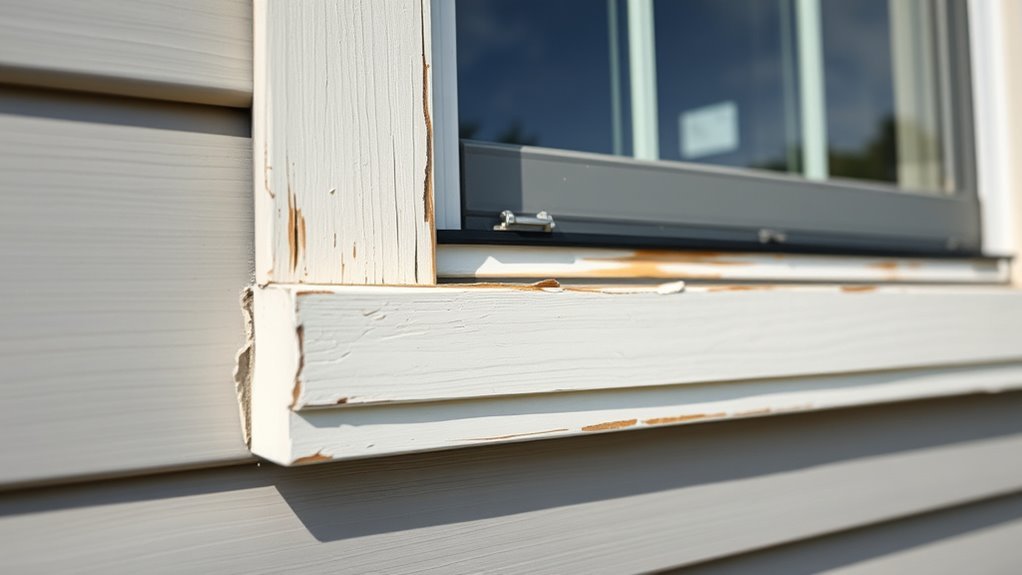
Before you paint, check for rot and soft spots so you know what needs repair.
You’ll want to prep any paintable surfaces by removing loose paint, sanding, and filling gaps to guarantee adhesion.
If damage is extensive, such as structural rot or pieces that won’t take filler, you’ll need to replace the trim.
Rot Damage Assessment
When should you call a trim beyond simple sanding? You’ll know when soft spots, crumbling edges, or deep grooves suggest rot has eaten through the wood. Tap suspect areas with a screwdriver; give up when the tool sinks or the paint flakes like old garden furniture left in rain.
Look for discoloration, split seams, or gaps where water pooled against interior walls. If structural shape’s lost, replace sections.
- Sponge-soft corner under sash
- Chalky, powdery paint falloff
- Deep, dark streaks along grain
- Hollow sound when tapped
- Bulging or misshapen profiles
Paintable Surface Preparation
If the trim shows any soft spots, gaps, or failed joints, you’ll need to repair those areas so paint will adhere and last. Scrape loose paint, sand to sound wood or composite, and treat minor rot with epoxy consolidant.
Fill gaps and seams with exterior-grade caulk, and replace deteriorated fasteners. Prime bare wood and patched spots with a bonding primer compatible with your chosen topcoat.
Match primer and topcoat to guarantee consistent paint sheen across surfaces. Consider color coordination with surrounding siding and trim to keep transitions seamless.
Allow full cure before final sanding and applying two topcoats for durability.
Trim Replacement Indicators
How do you know the trim needs more than a touch-up? You’ll spot signs that demand replacement before painting: rot, structural gaps, or warped profiles that ruin color coordination and compromise historical accuracy on period homes. Don’t paint over moisture damage or insect holes.
- Crumbling wood at corners, soft to the touch
- Deep cracks splitting the profile line
- Visible mold or long-standing water stains
- Trim pulling away from the frame, leaving gaps
- Missing decorative elements or mismatched pieces
Replace affected sections to restore fit, protect the window, and ensure paint adheres and the final look is true to style.
How to Check for Rot in Wooden Trim
Start by doing a close visual surface check for peeling paint, soft spots, and dark stains that can signal rot.
Then use a screwdriver or awl to probe suspect areas—rotten wood will feel spongy or crumble.
Tap the trim and listen for a hollow or dull sound to confirm hidden decay before you repair or replace.
Visual Surface Checks
Before you touch a tool, give the trim a careful visual once-over to spot signs of rot. You’ll look for subtle cues before deciding if paint can hide problems or if replacement’s needed. Check paint lines and note color blending where old coats fade into raw wood; that can mask soft spots.
Assess finish durability—flaking, chalking, or bubbling tells you moisture’s been active. Imagine specific defects:
- Peeling paint curling away from edges
- Dark streaks beneath the finish
- Cracked corners where joints meet
- Soft-looking, discolored patches
- Fine fungal threads or tiny fruiting bodies
Trust your eyes; mark areas for closer inspection.
Probe And Sound Tests
Want to know whether the trim is solid or rotten? Use a screwdriver or awl to probe suspect areas gently; solid wood resists, while soft, crumbly spots indicate decay.
Tap along the trim with a hammer or the handle of a tool—hollow, dull sounds can reveal internal rot.
Mark compromised sections for repair or replacement rather than repainting; superficial fixes hurt paint durability.
After addressing rot, prep surfaces so new coatings match existing color matching and sheen.
Document findings and test multiple points around the window, prioritizing joints and sills where moisture concentrates to prevent recurring damage.
How to Spot Failing Caulk and Seals
Even if the paint looks fine, failing caulk and seals can let water and drafts in, so you’ll want to inspect them carefully. You’ll check joints, corners, and glazing lines for gaps, brittle strips, and discoloration.
Prioritize caulk maintenance and note sealant durability—UV cracking and sagging mean failure. Press gently; soft or powdery caulk won’t protect. Use a flashlight to spot hidden gaps where trim meets siding.
Prioritize caulk upkeep—watch for UV cracking, sagging, or powdery texture; press and flashlight-check trim joints.
Replace compromised sealant before painting to guarantee adhesion and weatherproofing.
- hairline cracks along the bead
- peeling or detached edges
- chalky, crumbly texture
- gaps at corner joints
- hardened, shrunken runs
When to Replace Trim Instead of Painting
If damage goes beyond surface wear, you should replace the trim rather than paint over it. You’ll replace rotted, warped, or structurally compromised trim to guarantee weatherproofing and safety. If insect damage or deep decay exists, painting won’t stop future failure. For Historical preservation, you’ll consult specialists to match profiles and materials. When Artistic ornamentation is irreparably damaged, replacement by a skilled craftsperson preserves style. Use the table to weigh urgency and action:
| Condition | Recommended Action |
|---|---|
| Surface peeling | Repaint after prep |
| Minor rot | Repair and paint |
| Structural rot | Replace trim |
| Lost ornament detail | Recreate/replace |
When to Replace Window Glazing, Sashes, or Hardware Before Painting
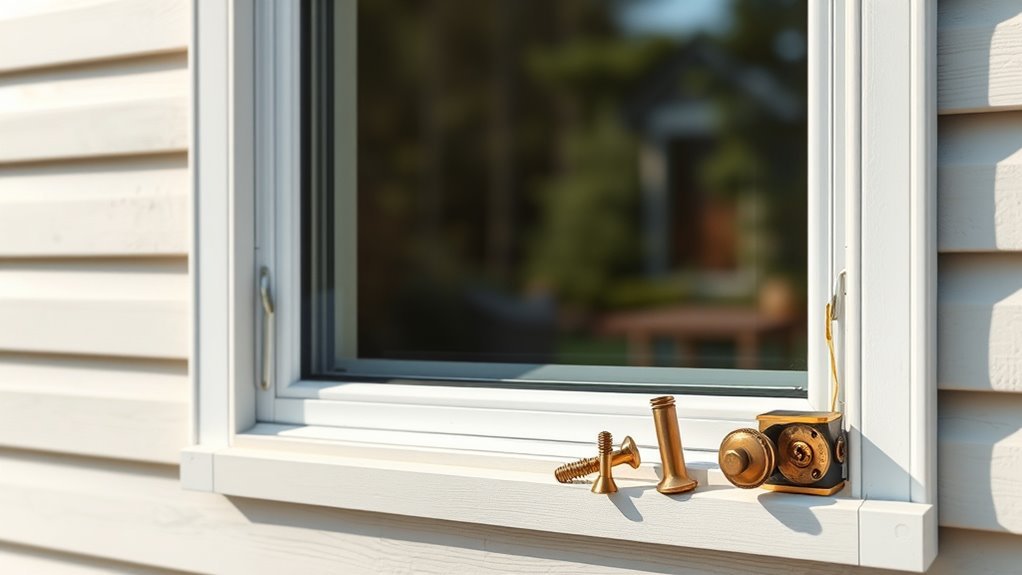
Replacing badly damaged trim often exposes problems with the windows themselves, so before you paint, check whether the glazing, sashes, or hardware need replacement. You’ll want sound glazing to seal against drafts, solid sashes for smooth operation, and working locks and casements for safety.
Consider historical preservation if windows are original; repairs should respect period details rather than erase them. If ornate moldings or artistic embellishments are present, preserve or replicate them.
Replace components when rot, warped frames, broken panes, or failing mechanisms compromise function or appearance—then paint for protection and aesthetic unity.
- cracked glass catching light
- swollen sash sticking
- rusted hinges
- missing latch detail
- flaking putty around panes
How Temperature and Humidity Change Drying Times
Because paint dries through chemical reactions and solvent evaporation, temperature and humidity directly control how fast those processes happen, so you’ll see noticeably different drying times on hot, dry days versus cold, humid ones.
You should plan drying and recoating around conditions: warmer temperatures and lower humidity speed curing, while cold or damp air lengthens tack time and increases dust pickup risk.
If you’re matching color options or preserving historical accuracy, extended curing can affect gloss and final tone, so test small samples under anticipated conditions.
Monitor forecasts, avoid painting before rain, and allow extra time for full hardness.
Best Seasons to Paint Exterior Window Trim
When you pick the right season, painting exterior window trim goes faster and lasts longer. You’ll aim for mild, dry weather—usually spring or fall—so paint adheres well and cures evenly.
Consider Color coordination with foliage and house tones; pick a time when natural light reveals true hues. If your home needs Historical accuracy, choose the season that lets you compare colors against original materials.
Plan around pollen, rain, and heat spikes to avoid rework. Visualize the result:
- crisp trim against budding spring leaves
- warm autumn light on restored sash
- clear blue-sky painting days
- dew-free mid-mornings
- dust-free calm afternoons
How to Choose Exterior Paint for Window Trim
When choosing paint for exterior window trim, you’ll want to pick the right type—typically a high-quality acrylic latex or an oil-based enamel for really durable surfaces.
Consider weather resistance next: look for formulas labeled UV-resistant, mildew-resistant, and flexible enough to handle temperature swings. Those two factors will determine how long your trim looks good and how often you’ll need to repaint.
Paint Type Selection
Choosing the right paint for exterior window trim will determine how well it resists weather, hides imperfections, and keeps its finish over time. You’ll pick between oil-based and acrylic latex; acrylic dries faster, resists cracking, and works with most primers.
Consider satin or semi-gloss for easy cleaning and to highlight trim lines. Use color matching for coordinated accents, and look into eco-friendly paints to reduce VOCs. Match paint type to substrate—wood, PVC, or metal—and follow manufacturer cure times.
- Sunlit porch with crisp white trim
- Rain-sheened dark-painted sills
- Smooth PVC corners
- Repaired wood grain seams
- Metal latch highlights
Weather Resistance Considerations
Because your trim faces sun, wind, rain, and temperature swings, pick a paint system that blocks moisture, resists UV breakdown, and stays flexible as materials expand and contract.
You’ll prioritize paint durability: choose high-quality exterior acrylics or elastomeric coatings that resist cracking, chalking, and peeling. Check labels for mildew resistance and UV inhibitors.
Match finish and color matching carefully—test samples on trim and view at different times of day to ensure consistent appearance after weathering.
Prep and primer matter: seal bare wood, fill gaps with flexible caulk, and apply recommended coats.
Regular inspections and touch-ups preserve protection and appearance.
When to Use an Exterior Primer First
Wondering whether to prime your exterior window trim first? You should when surface stains, bare wood, or drastic color changes threaten paint durability and when color coordination matters for curb appeal. Priming evens absorption, blocks tannins, and gives topcoat a consistent base so you use less paint.
- Sun-faded oak needing a fresh white trim
- New pine with sap streaks after milling
- Dark-to-light color switch for contrast
- Peeling old paint with exposed patches
- Trim near rooflines where weather hits first
Prime whenever substrate or color change risks finish failure or uneven sheen.
Which Primer Types Work for Different Trim Materials
If your trim is wood, metal, or PVC, pick a primer designed for that substrate so the coating bonds and resists moisture and tannin bleed-through. You’ll choose based on material and desired color contrast while maximizing paint durability.
| Material | Recommended Primer |
|---|---|
| Wood | Oil-based or stain-blocking latex |
| Metal | Rust-inhibiting metal primer |
| PVC/Composite | Adhesion-promoting bonding primer |
| Previously painted | High-adhesion or shellac primer |
Apply per label, sand between coats, and spot-prime bare areas. Matching primer to substrate prevents peeling and reduces bleed-through, so your trim keeps a uniform color contrast and long-term paint durability.
How Sheen and Finish Affect Durability
Once you’ve matched primer to the substrate, pick a finish that balances appearance with protection. You’ll notice sheen variation changes how weather beads, hides brush marks, and resists abrasion. Higher sheen boosts Finish durability and makes cleaning easier, while lower sheen masks imperfections and reduces glare.
Choose based on exposure: sills and corners need tougher sheens; sheltered trim can use flatter looks. Consider maintenance schedule too—more durable finishes extend intervals between repainting.
- Rain pounding glossy casings, water sliding off
- Sun bleaching matte profiles, color softening
- Dirt sheeting on semi-gloss ledges
- Scrape-resistant corners after hail
- Touch-up patches blending sheen
How to Pick a Color That Hides Imperfections
Although you want the trim to complement the house, pick colors that minimize visible flaws: mid-tones hide dings and uneven surfaces better than extremes. Softer, less reflective hues disguise brush marks and patchy repairs.
You’ll balance aesthetics and practicality by testing swatches in daylight and shade. Consider color psychology—calming neutrals read as subtle, while muted contrasts draw attention away from chips.
Keep historical accuracy in mind on period homes; authentic palettes can still be chosen in mid-value tones. Sample large areas, view from typical sightlines, and choose the option that masks imperfections without looking muddy.
Brush, Roller, or Sprayer: Best Method for Trim?
When deciding between brush, roller, or sprayer for your exterior window trim, weigh speed, control, and finish—each method has clear trade-offs that affect durability and appearance. You’ll choose based on trim profile, nearby siding, and desired look.
Brushes give crisp edges and are forgiving for small repairs; rollers save time on flat sections; sprayers deliver the smoothest finish but need masking. Consider how your color schemes interact with texture and test with sample panels.
Pick reputable paint brands for weather resistance and coverage. Match method to skill level and cleanup willingness.
- crisp brush strokes on detailed moulding
- smooth sprayed sheen across frames
- quick roller passes on flat trim
- taped edges protecting siding
- rinsed brushes and masked windows
How to Prepare Trim Surfaces for Paint
Prepping trim properly guarantees paint adheres and lasts, so start by cleaning, sanding, and repairing every surface before you open a can.
Remove dirt, mildew, and chalk with a mild detergent, then rinse and let the wood dry.
Scrub away dirt, mildew, and chalk with a mild detergent, rinse thoroughly, then allow the wood to dry completely.
Sand glossy or rough spots to feather edges and create a key for primers.
Fill gaps and nail holes with exterior-grade filler, then sand smooth.
Prime bare wood and patched areas to guarantee uniform absorption and improve paint durability.
When choosing a finish, consider color matching to existing trim or siding so touch-ups blend seamlessly.
Work in dry, moderate temperatures.
How to Remove Old Peeling Paint Safely
Before you start scraping, make sure you follow lead-safe prep if the house was built before 1978, like sealing the area and using a HEPA vacuum to catch dust.
Choose a paint removal method—hand scraping and sanding with proper protection, chemical strippers rated for exterior use, or a heat gun—and match it to the trim material and condition.
Work in small sections, keep dust and debris contained, and dispose of waste according to local regulations.
Lead-Safe Prep
Although old peeling paint can look like a small cosmetic problem, it can hide lead hazards that you must address carefully; use lead-safe prep to protect yourself, occupants, and the environment. You’ll test surfaces for lead, seal off the area, and work wet to reduce dust before any paint removal.
Wear an N100 respirator, disposable coveralls, and gloves. Contain and bag debris, label waste, and never dry-sweep or use a regular vacuum. Notify occupants, especially children and pregnant people, and keep them away until cleanup’s complete.
Follow local disposal rules to avoid contaminating soil or waterways.
- taped plastic barriers
- dampened peeling chips
- labeled disposal bags
- suited worker in respirator
- wet wipe surface cleanup
Paint Removal Methods
When you remove old, peeling paint from exterior trim, pick a method that controls dust and waste so you don’t reintroduce lead hazards or spread contaminated chips. You’ll choose between wet scraping, chemical strippers labeled for exterior use, or a HEPA-equipped sander or vacuum system.
Wet methods reduce dust; solvents loosen stubborn layers. Test a small area first, wear PPE, and contain debris with plastic and drop cloths.
Remove paint down to sound wood, then prime to maximize paint durability. Consider how your chosen color schemes interact with primer and topcoat; proper prep ensures lasting, attractive trim.
When to Sand Versus Chemically Strip Trim
Deciding whether to sand or chemically strip trim comes down to the existing finish, the wood’s condition, and how much time you want to spend. You’ll choose sanding for light wear, thin coats, or when you want texture for paint to grip.
Sanding works for light wear and thin coats; stripping suits multiple layers, intricate profiles, or lead concerns.
Pick chemical stripping for multiple layers, lead concerns, or intricate profiles. Consider color psychology when restoring period palettes and historical accuracy if you’re renovating an older home. Protect surrounding glass and plants either way.
- A hand sander smoothing sun-faded wood
- Stripper gel pooling in carved corners
- Dust drifting from scraping
- Fresh grain revealed after sanding
- Tape shielding glass edges
How to Clean Exterior Window Trim Before Painting
Before you paint, remove loose debris like cobwebs, peeling paint, and dirt with a stiff brush or scraper.
Then wash the trim with a mild detergent solution to break down grime and mildew without harming the surface.
Rinse thoroughly and let everything dry completely before priming or painting.
Remove Loose Debris
Since paint won’t stick to dust, cobwebs, or peeling flakes, start by brushing away all loose debris with a stiff-bristled brush or a putty knife, working from top to bottom so gravity helps carry the mess away.
Use appropriate cleaning tools for careful debris removal: gloves, eye protection, and a drop cloth make cleanup easier.
Scrape only loose paint; don’t gouge wood. Vacuum or sweep chips promptly.
Check corners, joints, and window sills for trapped grit.
Visualize what you’re removing:
- flaky paint raining down
- dusty spiderwebs in corners
- gritty sash tracks
- crumbling caulk edges
- tiny wood splinters and chips
Clean With Mild Detergent
Want cleaner trim that lets new paint bond properly? Grab basic cleaning tools: a soft-bristle brush, sponge, bucket, and a pair of gloves.
Mix a solution of mild detergents and warm water—use just enough to cut grime without harming wood or caulk. Scrub trim gently, focusing on corners and joints where dirt accumulates, and loosen mildew with a brush rather than harsh chemicals.
Use a putty knife or scraper carefully to remove remaining flaky material you missed earlier. Work methodically across each section so the surface is evenly clean and ready for the next step.
Rinse And Dry Thoroughly
After scrubbing, rinse the trim thoroughly with clean water to remove detergent residue and loosened grime. A garden hose with a spray nozzle works well for broad areas, while a low-pressure rinse or a damp sponge suits delicate corners and caulk lines.
Let water run until it’s clear, then blot excess moisture with lint-free towels. You’ll want trim bone-dry before priming to avoid adhesion problems and altered paint sheen.
Drying also reveals true color contrast between old and new materials so you can spot repairs.
Visualize the surface:
- beads of water sliding off cedar
- a towel wiping along miters
- dry caulk seams
- sunlight showing grain
- smooth, ready trim
How to Mask Windows and Surrounding Siding Properly
Before you start cutting in, take time to mask windows and the surrounding siding carefully so you protect glass, hardware, and adjacent surfaces from paint and drips.
Start by cleaning the window frame and nearby siding material so tape adheres. Use painter’s tape along the glass edge, pressing firmly to seal, then cover the pane with kraft paper or plastic.
For adjacent siding, overlap protection onto the wall to catch splatter without pulling siding finish. Remove or loosen storm-window hardware if needed, masking fully.
When painting’s done, pull tape while paint is slightly tacky for crisp lines and minimal lift.
How to Caulk Gaps for a Weatherproof Finish
Before you caulk, you’ll clean and dry gaps so the sealant sticks.
Pick a paintable, exterior-grade caulk that matches movement and substrate.
Apply steady beads, then smooth and tool each joint for a neat, weatherproof finish.
Prep The Surface
When you’re patching and sealing trim, clean, dry surfaces are nonnegotiable—dirt, old caulk, and loose paint keep new caulk from bonding and let water sneak in. You’ll scrape loose paint, wash residue, and sand glossy spots so caulk and paint adhere.
Mask edges for crisp lines and remove dust with a tack cloth. Check for rot and replace damaged wood before sealing. Think about color blending and artistic accents when planning final coats so your prep supports the look.
- metal scraper glinting against old paint
- damp sponge wiping grime away
- fine sandpaper dusting edges
- clean rag removing particles
- straight painter’s tape lining trim
Choose Right Caulk
Now that your trim’s clean, dry, and free of rot, pick a caulk that will actually hold up to the elements and the paint you’ll use. Choose a high-quality exterior acrylic-latex or silicone blend for flexibility and paintability. Match caulk color for Color coordination or use paintable white and blend with Decorative accents later. Apply in continuous beads to seal gaps and prevent water infiltration; check product specs for movement tolerance and UV resistance.
| Caulk Type | Best Use |
|---|---|
| Acrylic-latex | Paintable, easy cleanup |
| Silicone blend | Durable, flexible |
| Specialty (paintable) | For trim with Decorative accents |
Smooth And Tool Joints
Once you’ve run a consistent bead of caulk along the joint, smooth it while it’s still wet to create a watertight seal and a clean look. You’ll press the caulk into corners with a damp finger or a caulking tool, keeping steady pressure for uniform depth.
Wipe excess with a rag and clean water before it skins over. Let it cure fully, then sand lightly if needed for paint adhesion.
Use matching paint for subtle color blending or add artistic accents after sealing for visual interest.
- damp fingertip gliding the bead
- neat rounded joint edge
- rag wiping a smear
- sanded smooth seam
- painted trim with subtle highlight
How Many Coats of Paint Does Trim Need?
Curious how many coats your exterior window trim needs? You typically apply two coats: a primer (if needed) and two finish coats for color coordination and paint durability. Two finish coats give even coverage, hide previous colors, and resist weathering. If trim is new or porous, prime first. For worn wood, strip or repair before painting. Check coverage after the first finish coat; touch spots rather than overcoating entirely.
| Trim Condition | Recommended Coats | Reason |
|---|---|---|
| New/porous | Primer + 2 | Seals and evens |
| Previously painted | 2 | Coverage, durability |
| Damaged | Repair + 2 | Long-term protection |
How Long Should You Wait Between Coats?
How long you wait between coats depends on the paint type, temperature, humidity, and how thick you applied the previous coat. You’ll typically wait 2–4 hours for latex and 6–24 for oil-based, but check the label.
Shorter waits risk tackiness; longer lets solvents escape for better paint durability. If you’re balancing fast work with proper finish, test a small trim area.
Also consider color coordination—later coats can slightly shift hue, so keep samples handy.
- morning light on fresh white trim
- raindrops beading on a cured coat
- a stopwatch and paint can label
- taped edges, waiting patiently
- sample swatches drying
How to Avoid Lap Marks and Brush Strokes
Keep a wet edge as you work so each new stroke blends into the last before the paint starts to set.
Use long, even brush strokes and don’t overload the brush to minimize visible brush marks.
If you spot a lap or ridge, gently rework it immediately with light, feathering strokes.
Wet Edge Maintenance
When you work on exterior trim, maintaining a wet edge prevents visible lap marks and uneven brush strokes by ensuring each new pass blends seamlessly with the last; that means keeping your paint edges wet and working methodically across sections so the finish dries uniformly. You’ll plan by grouping faces by sun exposure, use consistent paint load, and time strokes to overlap wet areas.
Color coordination helps hide gradual shift during drying, while artistic techniques guide rhythm and pace. Work in manageable zones, wipe drips promptly, and keep tools clean so each lap disappears into the next.
- sunlit sill glint
- damp brush tip
- even paint ribbon
- soft overlap seam
- smooth drying edge
Smooth Brush Technique
A steady, well-loaded brush and deliberate strokes will help you eliminate lap marks and visible brush texture on exterior trim. Work in sections, maintaining a wet edge and brushing with the grain.
Load the brush evenly, tap excess, and use long, unbroken strokes from one end to the other. If you blend colors for matching, practice color mixing on scrap wood to avoid rework.
Lightly tip off the final stroke to smooth ridges. Choose high-quality exterior paint and proper primer—better paint durability reduces the need for heavy passes.
Clean and replace brushes when they splay to stay precise.
When to Use Rust Inhibitors on Metal Trim
If your exterior window trim includes any exposed metal, you’ll want to apply a rust inhibitor before painting or reinstalling it. You’ll do this whenever you spot bare metal, surface rust, scratches through old coatings, or if the trim sits where water pools.
Rust prevention is simple: clean, treat, and seal. Metal maintenance extends life and guarantees paint bonds properly.
- Pitted screw heads at the sill
- Scraped edges after removal
- Discolored flashing near gutters
- Trim near sprinklers or drip lines
- Areas where primer has flaked off
Treat promptly and follow product instructions.
How to Paint Exterior Vinyl or PVC Trim Without Cracking
Because vinyl and PVC expand and contract with temperature, you’ll need to choose paints and prep methods that move with the material to avoid cracking.
Clean thoroughly with a mild detergent, rinse, and let dry.
Clean surfaces with a mild detergent, rinse well, and allow to dry completely before painting.
Lightly scuff with fine-grit sandpaper or use a deglosser to promote adhesion.
Apply a high-quality flexible primer formulated for vinyl/PVC.
For topcoat, pick a latex acrylic paint designed for exterior use—prioritize paint durability and ultraviolet resistance.
Consider color selection carefully: lighter shades reduce heat absorption and stress.
Apply thin, even coats, allow full cure between layers, and avoid painting in extreme temperatures.
How to Paint Aluminum or Metal Exterior Window Trim
Want your aluminum or metal window trim to look fresh and resist corrosion? You’ll prep, prime, and paint carefully for long-lasting results.
Clean with degreaser, sand lightly to scuff, and use a metal-etching primer.
Choose exterior-grade acrylic or alkyd paint, consider color matching to existing trim, and pick an appropriate paint sheen for durability.
Apply thin, even coats and allow full drying between layers.
- A bucket of warm, soapy water rinses grime away
- Fine-grit sanding creates a tooth for primer
- Rust-treated spots look smooth before priming
- Crisp edges tape off with painter’s tape
- Thin brushes prevent drips and runs
How to Maintain Painted Exterior Window Trim After Installation
Now that your aluminum or metal trim has a clean, primed, and freshly painted finish, you’ll keep it looking good and protected by performing simple, regular maintenance.
Inspect seals, caulking, and paint edges quarterly, wiping dirt with mild soap and water to prevent buildup. Touch up chips promptly with compatible primer and paint to stop corrosion. Reapply clear protective coatings where recommended.
Check seals and paint quarterly; clean with mild soap, touch up chips promptly, and reapply protective coatings as needed.
When choosing touch-up colors, consider color psychology for curb appeal but respect historical accuracy on period homes.
Keep drainage paths clear and trim vegetation away. Document maintenance dates and materials so future care stays consistent and efficient.
How Often Exterior Window Trim Typically Needs Repainting
You’ll usually need to repaint exterior window trim every 5 to 10 years, depending on the paint quality and local weather.
Watch for peeling, cracking, chalking, or exposed bare wood—those are clear signs you should repaint sooner.
Regular inspections let you catch problems early and extend the life of your trim.
Typical Repaint Frequency
Although conditions vary, most exterior window trim needs repainting every 5 to 10 years, depending on paint quality, exposure, and maintenance. You should plan intervals based on color matching needs and paint durability—high-UV or coastal exposure shortens life, while premium coatings last longer.
Regular cleaning and touch-ups extend cycles, and consistent color matching keeps the house cohesive.
- Sun-faded trim along southern elevations
- Salt-sprayed wood on coastal cottages
- Shaded eaves with slower wear
- High-traffic entryway trim scuffed by doors
- Newly replaced trim starting fresh with primer
Signs You Should Repaint
When your window trim shows checking, peeling, or bare wood, it’s time to repaint—these visible failures let moisture and UV damage accelerate, shortening the life of the underlying material.
You should also watch for flaking at joints, chalky surfaces, or rust stains from fasteners; these warn that adhesion’s failed.
Tap trim and listen for hollow sounds indicating rot.
If paint color fades unevenly, or gaps reveal substrate, schedule repainting.
For older homes, prioritize historical restoration standards and match original hues.
Use repainting as a chance to explore creative color palettes that both protect and refresh your exterior.
How to Spot Paint Failure Early and Fix It
If you catch paint failure early, you can stop minor issues from becoming costly repairs. Inspect trim for cracking, bubbling, or chalky residue; press to test adhesion. Look for moisture stains or mold at joints and sills.
When you spot flaking, scrape loose paint, sand edges, prime bare wood, and repaint with a product rated for paint durability. Match the original hue closely—color matching protects appearance and resale.
Keep a maintenance log and check after harsh weather.
- Tiny hairline cracks along the corner
- White chalk on the surface
- Blistered bubbles near the sill
- Damp stains under the paint
- Patches where paint peels away
When DIY Painting Is Realistic for Homeowners
You can handle most exterior window trim jobs yourself if you have the right tools and materials—good brushes, caulk, primer, and exterior paint.
Consider the time and skill required: simple sanding and one-coat repainting are manageable, but extensive prep, rot repair, or multi-day projects may need more experience.
Be honest about your limits so you don’t end up with extra costs or rushed work.
Tools And Materials
Before you set up ladders or open a can of paint, gather a compact set of reliable tools and quality materials so the job goes smoothly and looks professional. You’ll pick trim paint chosen with color psychology in mind, respecting historical styles if your home demands authenticity. Include primers and sealants for weather protection.
Choose brushes, rollers, and caulk that fit narrow trim profiles. Inspect fasteners and replacement wood before you start.
- Angled sash brush for crisp edges
- Small foam roller for smooth coverage
- Exterior primer and topcoat
- Paintable exterior caulk
- Replacement trim boards and stainless screws
Time And Skill Requirements
When tackling exterior window trim, plan on a few weekends for a typical house—shorter if you’re only touching up one or two windows, longer if you’re replacing rotted boards or working on multiple stories. You’ll assess skill: basic scraping, caulking, and steady brushwork are doable for most, while carpentry or ladder work may need pros. Learn simple color mixing to match old trim and label leftover cans for paint storage to avoid waste. Schedule around dry weather. Use the table below to gauge time and skill quickly.
| Task | Skill level |
|---|---|
| Touch-up | Beginner |
| Full repaint | Intermediate |
| Repair/replace | Advanced |
When You Should Hire a Pro Painter
If your trim is badly cracked, rotted, or the existing paint keeps peeling despite previous touch-ups, it’s time to hire a pro painter. You should call one when damage is structural, when you need precise color matching for historic or complex schemes, or when you prefer contractors who can source eco-friendly paints and handle disposal safely.
Pros also save you time and reduce risk on ladders.
- Flaking layers stripped to bare wood
- Narrow, intricate moldings needing steady hands
- Multiple stories with scaffold access
- Tight schedules before bad weather
- Trim near delicate landscaping
How to Vet Contractors for Exterior Trim Painting
Before you hire anyone, make sure they’re properly licensed and carry insurance so you’re not liable for accidents or code violations.
Ask for references and photos of recent exterior trim jobs to confirm the quality and longevity of their work.
If something looks off, get multiple bids and compare details like prep work, paint brands, and warranty.
Check Licenses And Insurance
Because a licensed, insured contractor protects both your property and your wallet, you should always verify credentials before hiring anyone for exterior trim painting. Ask for license numbers and insurance certificates, confirm coverage with providers, and insist on written proof. Check that their liability and workers’ compensation match project size so you’re not liable for accidents.
Discuss safety precautions they follow and ask about tool recommendations for your job. If something feels off, get another quote. Trust but verify: call the licensing board and insurer, and keep copies of documents with your contract for peace of mind.
- Ladder secured against wind
- Painter in harness
- Covered plants and porch
- Drop cloths taped down
- Proper brushes and sprayers
Verify Past Work Quality
When you’re vetting contractors, inspecting their past exterior trim work tells you more than promises ever will. Go see finished jobs in person to check color matching across different surfaces and under natural light. Look for clean lines, crisp edges, and consistent coverage without drips or missed spots.
Ask about products used and verify paint durability by noting any peeling, cracking, or mildew on older projects. Request references and contact recent clients about longevity and responsiveness.
If a contractor resists site visits or can’t explain techniques and materials, move on to someone who stands behind their work.
Typical Costs to Paint Exterior Window Trim (Homeowner Estimate)
If you’re budgeting for a trim repaint, expect most homeowners to pay between $20 and $75 per window for a pro to prep and paint exterior trim, with DIY costs usually running $5–$30 per window for materials and supplies.
You’ll pay more for complex trim, premium exterior color matching, or a specific paint sheen. Labor, ladder work, and surface repairs drive pro rates; caulk, primer, and quality acrylic paint drive DIY totals.
Factor in disposal and minor hardware replacement.
- Rolling wide trim in bright white
- Scraping flaking paint on second-floor sills
- Taping delicate muntins
- Replacing cracked caulk
- Brushing narrow crevices
How to Estimate Materials and Time for a Trim Job
Estimating materials and time for an exterior window trim job starts with measuring each window’s trim area and listing needed supplies—paint, primer, caulk, brushes/rolls, sandpaper, and masking tape—so you can convert surface area into paint volume and labor into hours.
Calculate square footage, factor two coats plus primer, and account for waste. Add caulk and filler per linear foot.
Estimate drying times between coats and realistic hourly painting rates for prep, sanding, and detail work.
Consider trim design complexity and color coordination choices that may require multiple paints or tester samples.
Round up materials and add contingency time.
Safety Tips for Painting High or Hard-to-Reach Trim
Because working on high or awkward trim raises fall and injury risks, you should prioritize secure access, stable footing, and proper protective gear before you ever touch a brush. Use a sturdy ladder or scaffolding, tie off tall ladders, and wear non-slip shoes and a harness when warranted.
Prioritize secure access and stable footing—use sturdy ladders or scaffolding, non-slip shoes, and a harness when needed.
Keep tools organized and avoid overreaching; think of how garden maintenance tools sit neatly to prevent trips. Coordinate with a helper to hold ladders and hand up supplies.
Even if you’re focused on interior decorating details, exterior trim safety matters—plan, secure, and proceed deliberately.
- A stable A-frame ladder on level ground
- A helper spotting and handing tools
- Safety harness clipped to an anchor
- Non-slip footwear and gloves
- Tidy tool belt and paint tray
Eco-Friendly Products and Disposal Tips for Trim Painting
When you choose low-VOC paints, water-based primers, and recycled or responsibly sourced trim materials, you cut both indoor air pollution and landfill impact while keeping your project high-quality and durable.
Use eco friendly primers to seal wood and reduce solvent runoff; they dry fast and clean up with soap and water.
Buy only what you’ll use; store leftovers for touch-ups in labeled, airtight containers.
For disposal, follow local hazardous-waste guidelines for old oil-based products and empty cans.
For recycling tips, rinse and separate metal lids, and take unusable paint to community recycling centers.
Compostable brushes and reclaimed trim minimize waste.
Frequently Asked Questions
Can Painted Trim Affect Energy Efficiency Around Windows?
Yes — painted trim can affect energy efficiency around windows. You’ll choose color selection and Weather considerations carefully; darker trims absorb heat and expand, lighter trims reflect sunlight, reducing thermal stress and helping seals perform better.
Can Painting Trim Void Window or Siding Warranties?
Yes—you can void warranties if coatings alter original materials or hide manufacturer labels. Picture paint pooling like a spill over factory specs; choose paint durability and color selection carefully, and check warranty terms before painting.
How Soon After Installation Can New Trim Be Painted?
You can paint new trim once it’s fully cured—usually 24–72 hours for most materials. Check trim material and follow proper painting techniques, like priming, sanding, and using compatible exterior paint for lasting adhesion and finish.
Can Insect Infestations Influence Paint Adhesion on Trim?
Yes — insect infestations can ruin adhesion like termites undermining a foundation; insect damage creates loose, contaminated surfaces, so you should fix affected wood and practice pest prevention before priming and painting for a durable finish.
Are There Local Codes or HOA Rules About Exterior Trim Colors?
Yes—you should check local codes and HOA rules, since they often dictate color coordination and may include historical restrictions; you’ll need approvals for specific palettes, finishes, or changes in historic districts before painting exterior trim.
Conclusion
Before you pick up the brush, remember your window trim is like a frame around a portrait—what you do matters. If weather, material, or rot don’t cooperate, the picture won’t last. Choose the right coatings, fix damage first, and follow safety and eco-friendly steps. Done well, a fresh coat protects and renews your home’s expression; do it thoughtfully, and your windows will keep smiling through every season.
