
How Long Does Washable Paint Take to Dry
You can expect washable paint to be touch‑dry in about 30–60 minutes and be safe for a light recoat in 2–4 hours, though full cure for regular use or cleaning usually takes 1–14 days depending on paint type, coat thickness, temperature, and humidity. Thin coats, good ventilation, and moderate warmth speed drying; high humidity or thick layers slow it. Keep handling light until cured, and stick around to learn tips for faster, trouble‑free results.
Quick Answer: Typical Washable Paint Drying Times
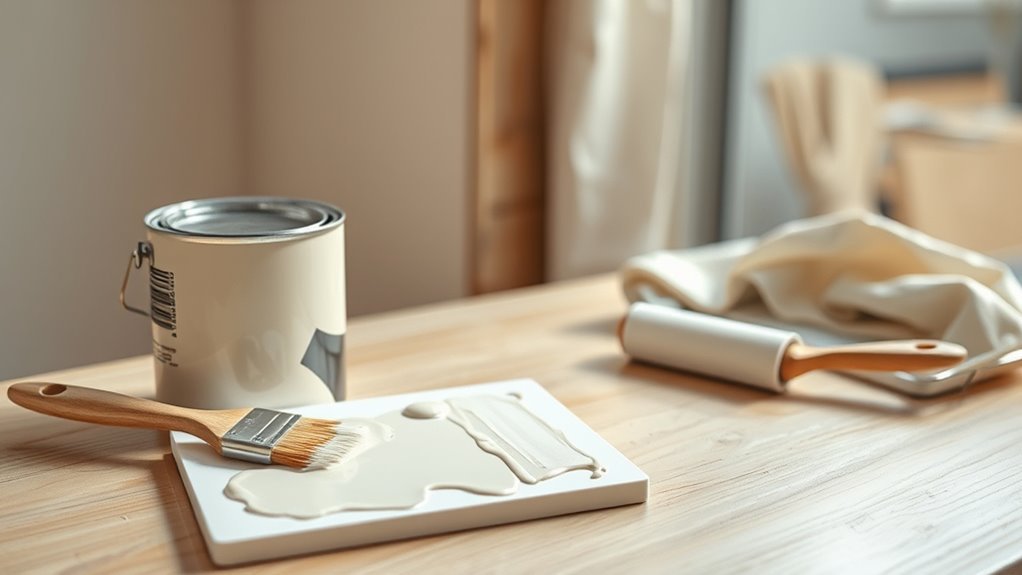
While exact times vary by formula and conditions, washable paint usually becomes touch-dry in 30 minutes to 1 hour and fully cures within 24 to 48 hours.
You’ll find light coats dry faster; thicker layers extend curing. Expect longer times in high humidity or low temperatures.
If you’re blending colors, allow initial drying to prevent muddy color blending unless you want wet-on-wet effects.
Test small areas to confirm texture adhesion before applying heavier layers or topcoats.
For projects needing quick handling, choose fast-dry formulations and thin applications.
Always follow manufacturer guidance for best results and safe rehandling intervals.
Surface Dry vs. Fully Cured: What Each Means
Because surface dryness only tells you the paint won’t feel tacky, it doesn’t mean the coating has reached its full strength or chemical stability. Surface dry lets you touch or recoat lightly, but curing involves solvents evaporating and polymers crosslinking.
You’ll notice cured paint resists scuffs, cleans better, and maintains color fading resistance over time. Until cure completes, scrubbing or heavy use can dent gloss retention and shorten lifespan.
Temperature, humidity, and thickness affect cure speed, so follow manufacturer instructions and wait longer if conditions are cool or humid. Treat surface-dry paint as delicate until fully cured.
Typical Timelines: Latex, Acrylic, and Enamel Washable Paints
When you’re choosing washable paints, know that drying and curing times vary by formula. You’ll plan projects differently depending on latex, acrylic, or enamel, especially if you use creative techniques or color blending. Expect surface dry first, then longer cure for durability.
- Latex: Dries to touch in 1–2 hours, recoatable in 4–6; full cure in ~2 weeks.
- Acrylic (water-based): Surface dry 30–60 minutes, recoat 2–4 hours; cures in 1–2 weeks, great for layered color blending.
- Enamel (water or oil-modified washable): Surface dry 6–8 hours, recoat 24 hours, full cure 1–4 weeks.
How Sheen (Matte, Eggshell, Gloss) Affects Drying
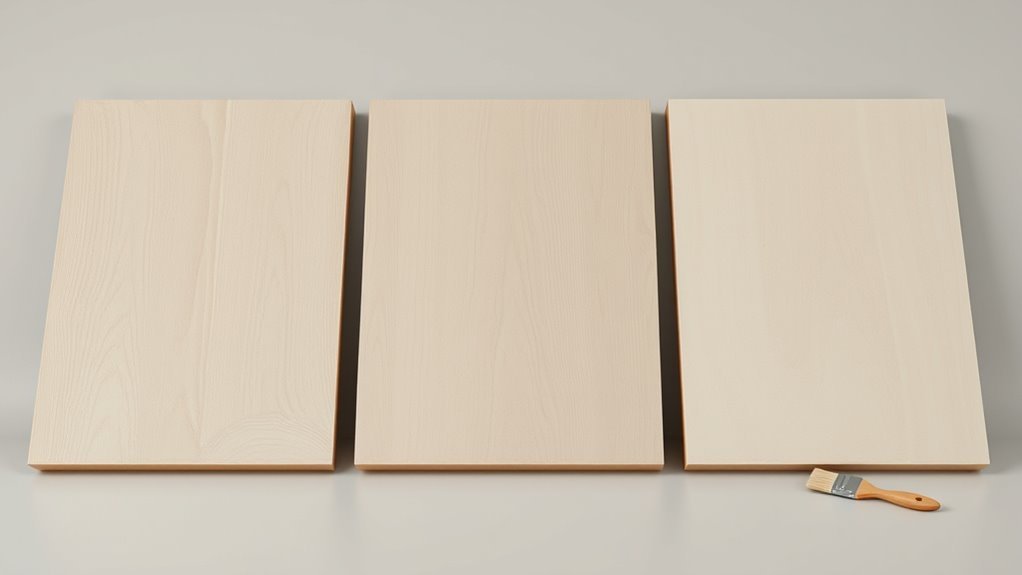
Although sheen doesn’t change a paint’s chemistry, it does affect how the surface dries and how quickly you can recoat or handle the finish. You’ll notice sheen variations alter appearance and perceived dryness: matte hides imperfections and may feel dry faster to touch but can remain vulnerable longer.
Eggshell balances durability and recoat speed, making it a versatile choice. Gloss films cure to a harder, more resilient surface that tolerates handling sooner.
Sheen effects also influence moisture evaporation and light reflection, so high-gloss seems quicker even if cure time matches. Account for these differences when planning recoating, cleaning, or using painted surfaces.
How Coat Thickness Changes Dry and Cure Times
If you apply thin coats, your washable paint will dry much faster on the surface.
Thicker coats take longer to cure all the way through, so the paint can stay soft or tacky underneath even after the top feels dry.
And remember that stacking multiple layers adds cumulative drying and cure time, so plan longer intervals between coats.
Thin Coats Dry Faster
Because less paint means less solvent to evaporate, thin coats dry noticeably faster than thick ones. You’ll notice quicker tack-free times, easier layering for color blending, and less risk of runs. Apply thin, even passes with a light hand and let each one set before the next.
- Use a high-quality brush or roller to control film thickness.
- Thin coats speed project completion and improve texture enhancement when desired.
- Monitor humidity and temperature; thin layers still need suitable conditions to dry properly.
You’ll save time and get cleaner results by choosing thin coats.
Thick Coats Extend Cure
Thin coats speed drying, but when you load on paint, drying and curing slow down considerably. Thicker layers trap more solvent and slow solvent escape, so the surface may feel dry while underlying paint is still curing.
You’ll notice extended tackiness and longer cure windows with heavy application, and you must avoid disturbing the finish.
Thick coats increase risk of texture change as the top skin forms before lower layers set, and trapped solvents can cause color fading or uneven gloss over time.
Apply thoughtfully, allow much longer curing periods, and test a small area to confirm stable finish before regular use.
Multiple Layers Increase Time
When you stack layers of washable paint, each coat slows solvent escape and extends overall drying and curing times. You’ll notice that color blending improves as solvents migrate between coats, but that can trap moisture and delay cure. Manage layer count and thickness to keep texture consistency and avoid tacky surfaces.
- Apply thin, even coats to speed solvent evaporation and reduce total wait time.
- Wait recommended recoat intervals; rushing increases drying heterogeneity and muddles color blending.
- Sand lightly between coats for uniform texture consistency and better adhesion, which shortens practical cure time.
Temperature Effects on Washable Paint Drying
If the room’s temperature’s low, washable paint will take noticeably longer to dry. Higher temperatures speed up evaporation and film formation, but only up to a point.
You’ll notice extreme heat can cause color fading if pigments break down and can lead to texture alteration as the surface skins over too fast. Aim for moderate warmth—around typical indoor comfort—to balance drying time and finish quality.
Avoid placing fresh paint near direct heat sources that create uneven curing. Monitor the paint: tack-free times shorten with rising temperature, but overheating risks defects that force sanding and recoating.
How Humidity Slows or Speeds Drying
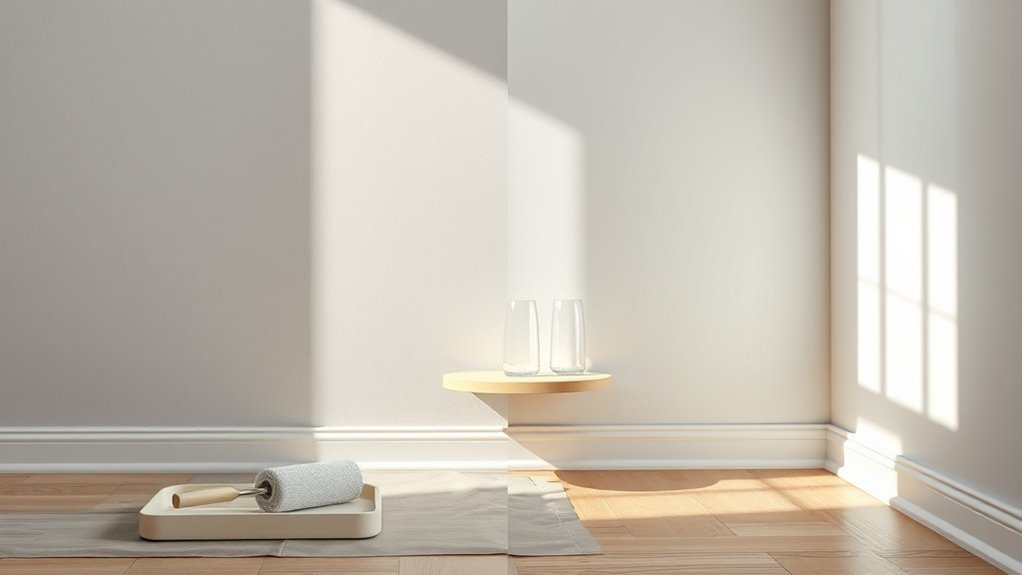
Humidity has a big impact on drying time: when it’s high, moisture lingers and your washable paint will take longer to set.
In low-humidity conditions, water in the paint evaporates faster, so it dries more quickly but may risk cracking or uneven finish.
You’ll want to adjust drying expectations and ventilation based on the humidity level.
High Humidity Effects
Because moisture in the air affects how fast water evaporates from paint, high humidity usually slows drying by reducing the evaporation rate and extending tackiness and cure times.
You’ll notice longer touch-dry times, and prolonged tackiness can attract dust or debris. High humidity can also increase risks of color fading over time if contaminants remain trapped, and may contribute indirectly to paint peeling when layers don’t bond quickly.
- Expect extended tacky periods that collect dirt, affecting finish.
- Plan extra cure time before recoating or handling.
- Use dehumidifiers or wait for drier conditions to avoid defects.
Low Humidity Effects
When air is dry, washable paint will shed moisture faster, so it dries to the touch more quickly but can cure unevenly if it loses water too fast. You’ll notice surface skinning that traps solvent beneath, causing blisters or a tacky film.
Work in low humidity by thinning slightly and applying thinner coats; that reduces cracking and uneven curing. Monitor for color fading when pigments oxidize under rapid drying, and watch for texture change as binder distribution shifts.
If edges dry before centers, recoat only after full cure to avoid lap marks. Use a humidifier or slower-drying additives if problems persist.
Ventilation and Airflow: Speed Up Drying Safely
Good ventilation can cut drying times dramatically, so set up steady airflow without blasting paint with hot air. You’ll want to understand airflow patterns and choose ventilation systems that move moist air away, lowering drying time while avoiding dust or uneven curing.
Position fans to create gentle cross-ventilation and open windows opposite each other when safe. Control temperature moderately; extremes can harm finish.
Monitor progress and reduce airflow as surface becomes tack-free to prevent skinning. Consider these quick tips to speed drying safely:
- Place intake and exhaust for consistent cross-flow.
- Use low-speed fans, not heat guns.
- Keep doors closed to focus ventilation.
Surface Type: Drywall, Wood, Metal, and Plastics
Airflow matters, but the surface you’re painting often matters more since different materials absorb and hold moisture in very different ways.
Drywall soaks washable paint quickly; you’ll get faster touch-dry times but may need multiple coats for durability.
Wood can drink paint unevenly and extend cure time—sanding and sealing helps.
Metal repels water, so paint skins over faster but takes longer to fully adhere; consider rust inhibitors.
Plastics vary hugely; some need special primers to prevent peeling.
Choose eco-friendly options that suit the substrate to reduce VOCs and minimize color fading while ensuring proper adhesion and longevity.
Previous Coatings and Primers: Impact on Drying
If your surface already has old paint or a primer, expect drying behavior to change—previous coatings can speed skin formation, trap solvents, or repel new paint depending on their type and condition. You’ll need to check primer compatibility and do proper surface preparation so the washable paint adheres and dries predictably.
Old oil-based coatings, chalky latex, or glossy finishes each alter solvent release and drying time. Take these steps:
- Test adhesion and compatibility on a small patch before full application.
- Sand glossy or chalky layers; remove loose paint.
- Use a compatible primer or full strip if adhesion fails.
How Color and Pigment Affect Washable Paint Drying
Because pigments and colorants change how paint absorbs and releases heat, they can noticeably alter drying times—darker, highly concentrated pigments tend to absorb more heat and can speed surface drying.
While lighter or heavily filled tints may reflect heat and slow it. You’ll notice color influence when a deep hue skins over faster but still feels tacky underneath; surface dryness isn’t full cure.
Pigment stability matters too: unstable pigments can affect film formation, altering moisture release and adhesion. When you pick colors, expect variations in drying rhythm and plan longer curing for light, heavily tinted mixes.
Additives and Conditioners: What Speeds or Slows Cure
When you add conditioners or specialty additives to washable paint, they directly change how fast the film forms and releases moisture, so choosing the right ones matters for both drying and final performance. You’ll notice effects from chemical additives like coalescents or rheology modifiers, and from environmental conditioners such as humidity or temperature control. Use them deliberately.
- Coalescents: speed cure by improving film fusion, but too much softens finish.
- Rheology modifiers: control sag and wet edge, may slow water escape.
- Drying accelerators/defoamers: cut tack time, can affect adhesion.
Monitor ratios and conditions for predictable results.
How to Tell When Washable Paint Is Safe to Recoat
Although exact times vary with formula and conditions, you can tell washable paint is ready for a recoat by checking surface tack, viscosity, and how it responds to a gentle touch. Wait until the paint feels dry, not sticky, and a fingernail only leaves a faint mark.
Compare layers: water based versus oil systems behave differently—water based dries faster but can feel soft longer. Smell lessens with cure; eco friendly pigments don’t speed drying.
Tap a corner with a brush; if film cleans evenly and resists lifting, you can recoat. When in doubt, follow manufacturer recoat intervals for best adhesion.
When Painted Surfaces Are Safe for Light Handling
You can usually handle a painted surface lightly once it’s “touch dry,” which means it no longer feels tacky to your fingertip.
Keep in mind that higher humidity and lower temperatures slow that time, while warm, dry conditions speed it up.
Also remember that porous or rough surfaces absorb paint and may need longer before they’re safe to touch.
Touch Dry Time
If you gently press a painted area after the recommended drying window, you’ll know it’s touch-dry when the surface feels dry to the touch without paint sticking to your finger; this is the moment you can lightly handle trim, reposition tape, or start a second coat.
Touch-dry doesn’t mean cured — avoid heavy contact. Faster-drying washable paints with eco-friendly pigments often reach touch-dry quicker, and leftover cans suitable for paint recycling should be labeled with touch-dry timing.
Check the manufacturer’s guidance, then test discreetly.
- Test in an inconspicuous spot.
- Wait the recommended minimum.
- Avoid smudging during verification.
Temperature And Humidity
After confirming touch-dry, check temperature and humidity before handling the painted surface further, because they directly affect how quickly paint sets for light handling. You’ll notice higher temps speed skin formation, letting you lightly touch sooner, while high humidity slows evaporation and can tack the surface longer.
Aim for moderate room conditions—around 65–75°F and 40–50% humidity—for predictable results. Monitor conditions with a thermometer and hygrometer and wait longer if either deviates.
Proper environmental control also preserves color blending and maintains texture consistency, preventing smudging or uneven finish when you handle the piece gently.
Surface Type Impact
Because different materials absorb and hold moisture differently, the substrate you’re painting on directly changes when it’s safe for light handling. You’ll notice glossy surfaces feel dry faster but can still dent; porous drywall soaks longer, and primed wood sits between.
Consider how Color psychology guides finish choice—matte hides imperfections but stays tacky longer. Also, Eco friendly formulas may dry faster or slower depending on solvents replaced. Test the edge before touching.
Check these quick rules:
- Gloss/metal: usually dry to touch in 20–60 minutes.
- Primed wood: 1–2 hours typical.
- Unprimed drywall: 2–4 hours.
When to Wait for Heavy Use or Cleaning
When you’re planning to use a painted surface heavily or clean it frequently, wait until the paint reaches its full cure rather than just feeling dry to the touch. You should allow manufacturers’ recommended cure times—often 24–72 hours or longer—before scrubbing or subjecting the area to abrasion.
Full cure guarantees durability, resists streaking, and helps eco-friendly pigments settle without releasing binder residues. If you’re reusing leftover paint, consider paint recycling to avoid contamination that weakens the finish.
Test a small area after the cure window, then proceed with cleaning or heavy use; premature stress can cause peeling, dulling, or tackiness.
Fast-Drying Tips for Small Craft Projects
If you need paint to set quickly for a small craft, work in thin layers, dry each coat with brief heat from a hair dryer on low, and choose fast-drying formulas like acrylics or craft enamels; these steps speed drying without sacrificing finish.
You’ll control color blending by layering transparent washes and letting each dry fully before the next.
Use quick-dry mediums sparingly to avoid tackiness. For texture enhancement, add fine modeling paste or sand between coats to build dimension while maintaining fast turnaround.
Try these three practical tricks to save time and keep quality:
- Thin coats with water or medium.
- Warm, gentle airflow.
- Rapid sanding between layers.
Speeding Up Drying for Walls and Large Furniture
Small craft tricks won’t always scale to rooms or bulky furniture, so you’ll need different steps to speed drying on walls and large pieces: work in thinner coats, increase air circulation with fans and open windows, and raise ambient temperature modestly (around 70–75°F/21–24°C) to help solvents evaporate evenly.
You’ll prep surfaces by cleaning and sanding lightly, then apply thin, even layers and avoid heavy brushing that traps moisture.
Use quick-flash additives sparingly, choose washable paints formulated with eco-friendly pigments when possible, and test a decorative finishes sample to confirm cure time before full application.
Safe Indoor Drying Without Strong Fumes
Because you’ll be living with the paint while it dries, prioritize low-odor, water-based formulas and ventilate well to keep fumes minimal. You’ll open windows, run fans, and avoid oil-based solvents that increase VOCs and environmental impact. Choose products labeled low-VOC; they match many historical uses of water-based paints but without strong smells.
Keep kids and pets away until tack-free. Use small heaters or dehumidifiers cautiously to speed drying without baking odors out.
- Airflow: cross-ventilate for steady exchange.
- Temperature: keep room steady, not hot.
- Timing: allow full cure before heavy use.
Drying Washable Paint on Kids’ Crafts Quickly
When you want kids’ crafts to dry fast, choose thin coats of washable, water-based paint and speed evaporation with steady airflow and gentle warmth. Work in layers: let each thin coat tack before adding another so color blending stays controlled and streaks don’t trap moisture.
Use a fan on low and place projects on a raised rack to circulate air underneath. For texture effects, apply stippling or light sponging between dry coats rather than heavy impasto.
If you need extra speed, use a hair dryer on low heat while holding it several inches away and moving constantly to avoid softening glue.
Drying Paint on Fabrics and Soft Surfaces (Washable)
When you paint on fabrics or soft surfaces, the type of material changes how fast the washable paint soaks in and dries. Expect thin cotton to feel dry in 20–30 minutes.
While thicker knits or padded items can take several hours to set. Use gentle heat (like a warm iron through a cloth) and good airflow to speed drying without damaging the fabric.
Fabric Type Matters
While paint formulas matter, the fabric you’re painting on has the biggest say in drying time. You’ll notice fabric texture and dye absorption control how quickly paint sets: smooth synthetics bead paint, rough natural fibers soak it. Choose your fabric knowing it affects adhesion and final feel.
- Cotton and linen: open weave speeds dye absorption, so paint sinks and dries faster.
- Polyester and nylon: tight weave reduces absorption, causing longer surface drying and potential tackiness.
- Blends and knits: variable texture creates uneven drying; test a scrap to judge finish before committing.
Drying Time Estimates
Because fabrics and paint formulas vary, you’ll usually see a broad range of drying times for washable paints on soft surfaces. You’ll notice thin layers dry in 15–30 minutes to touch, while thicker applications or texture enhancement techniques take several hours. Color blending slows surface set time; allow extra wait before overpainting. Use this quick guide:
| Surface | Thin Layer | Thick Layer |
|---|---|---|
| Cotton | 15–30 min | 2–4 hr |
| Polyester blend | 20–40 min | 3–6 hr |
| Fleece/suede-like | 30–60 min | 4–8 hr |
Always test a small swatch and plan for full cure before washing.
Heat And Ventilation
If you speed up drying with heat or moving air, do it carefully—too much heat can scorch fibers or set paint unevenly, and strong airflow can puff up nap or carry dust onto tacky areas.
You should aim for moderate warmth and steady ventilation to avoid color fading or trapping scent retention in the fabric.
Test a hidden patch first.
Use low heat (hairdryer on cool/warm), fans at a distance, or sunlight filtered through a curtain.
Monitor texture and smell; stop if paint wrinkles or odor intensifies.
- Test patch first
- Low, even heat
- Gentle airflow only
Simple DIY Tests to Check Paint Cure
When you want to know if washable paint is truly cured, a few quick DIY tests can give reliable answers without special equipment.
Check firmness by gently pressing a hidden spot with your fingernail—no indentation means surface cure.
Rub a cotton swab dampened with water; lack of color transfer suggests cure and supports consumer safety.
Try a tape test: press and pull painter’s tape to see if paint lifts.
Note environmental factors like humidity or temperature that might delay curing, and wait longer if conditions are poor.
Repeat tests in an inconspicuous area before regular use.
Troubleshooting Tacky or Slow-Drying Paint
If your washable paint stays tacky, first check the surface prep for dust, grease, or incompatible primers that can block drying.
You can speed curing by adjusting room conditions—raise temperature, lower humidity, and increase airflow.
If those don’t help, use the manufacturer’s recommended thinners or additives rather than arbitrary solvents.
Check Surface Preparation
Because the surface underneath your washable paint determines how it sets, always inspect and prepare it before blaming the paint for tackiness or slow drying. You’ll check cleanliness, porosity, and prior coatings because different surface textures interact with paint formulations and affect absorption and film formation.
Prep fixes most problems: clean grease, sand glossy areas, and prime porous spots so the paint can cure uniformly.
- Remove dirt, oils, and loose material; use appropriate cleaners.
- Lightly sand glossy or uneven textures to promote adhesion.
- Prime or seal porous or stained areas to match paint formulation requirements.
Adjust Room Conditions
After prepping the surface, turn your attention to the room itself—airflow, temperature, and humidity play a big role in how washable paint dries. Open windows or use fans to boost circulation, but avoid direct blasts that cause uneven drying and affect color consistency.
Keep temperature steady—ideally 65–75°F—and use a dehumidifier if moisture lingers. If paint stays tacky, pause additional coats; increased warmth and lower humidity will help cure.
Watch your brush techniques: heavy loading or overworking areas traps solvent and slows drying. Adjust conditions, let each layer fully set, then resume for smooth, consistent results.
Use Appropriate Thinners
When paint stays tacky or sluggish, check whether you’ve thinned it correctly—using the wrong solvent or too much thinner both slow drying and weaken film formation. You’ll want the manufacturer’s recommended thinner and ratios; water-based paints tolerate water or specific acrylic thinners, oil-based need mineral spirits.
Color mixing can alter viscosity, so retest after adding pigments. Also consider paint storage—old or contaminated cans may need fresh solvent or replacement.
- Match thinner to paint type and follow ratios.
- Test thinness on scrap before full application.
- Replace aged paint rather than over-thinning.
Fixes for Blistering, Peeling, or Cracking During Drying
If paint starts blistering, peeling, or cracking while it’s drying, you’ll want to act quickly to prevent further damage and get a smooth finish. First, stop applying more coats and let affected areas dry fully.
For blistering remedies, pop small blisters with a pin, sand smooth, then clean and recoat with compatible paint in thin layers.
For larger blisters or widespread peeling, remove loose paint, sand to feather edges, prime bare spots, and repaint.
To minimize recurrence, control temperature and humidity and avoid painting over dirty or glossy surfaces—these simple steps improve peeling prevention and restore a uniform finish.
Prevent Tackiness: Do’s and Don’ts While Paint Dries
While paint’s surface might feel dry to the touch, you’ll want to prevent tackiness by keeping the drying environment steady and hands-off; resist touching, moving furniture, or closing windows that could trap moisture. You’ll control humidity, temperature, and airflow to avoid sticky film and unintended color blending or texture enhancement. Follow simple do’s and don’ts to keep finishes smooth and consistent.
- Use gentle airflow and stable temps — avoid direct heaters or cold drafts.
- Keep humidity between 40–60% — too high causes tackiness, too low can crack.
- Don’t layer or sand until paint cures fully; wait recommended times.
Planning a Room or Furniture Painting Timeline
Now that you’ve kept the drying environment steady to prevent tackiness, plan a realistic timeline before you pick up the brush.
Decide project order: ceilings, walls, trim, then furniture, allowing recommended touch-dry and recoat times between coats.
Factor breaks for color blending tests and small samples so hues settle before committing.
For furniture, schedule sanding and priming days separately from topcoats to avoid accidental smudges.
Include time for texture enhancement techniques to dry fully before sealing.
Pad your schedule for unexpected delays and curing overnight where needed, and avoid rushing recoat intervals to ensure a durable, even finish.
Seasonal Adjustments: Summer vs. Winter Drying
Wondering how the season will change your paint’s dry time? You’ll notice summer speeds surface drying thanks to heat and lower humidity, while winter slows curing as cold air holds moisture longer. Seasonal challenges affect airflow, substrate temperature, and tackiness. Consider paint formulation—some washable paints include additives for cold or fast dry.
- Summer: faster surface dry, watch for skinning or uneven curing.
- Winter: extend drying window, control humidity and gently warm room.
- Neutral tactics: use proper ventilation, follow recoat temps, and pick formulation suited to your season.
Adjust expectations; plan extra time in cold months.
How Manufacturers’ Drying Claims Usually Hold Up
Although manufacturers publish dry times under ideal conditions, you’ll often see different results in real-world settings because temperature, humidity, application thickness, and surface type all change how paint behaves.
Although labels list ideal dry times, real-world factors—temperature, humidity, thickness, and surface—often change results.
You should treat label times as a guideline: thin coats on porous surfaces dry faster, humid or cold rooms slow curing, and glossy or sealed substrates can prolong tackiness.
If you choose eco-friendly finishes, expect some formulas to cure slower despite quick surface dry.
Plan extra drying time between coats, test a small area, and avoid premature brush cleaning or recoat. That prevents smudges and preserves finish quality.
How to Read Paint Labels for Accurate Drying Guidance
Check the manufacturer’s drying times on the label first, since they give a baseline for tack-free, recoat, and full cure.
You’ll also find notes about the surface type and recommended climate conditions that can speed or slow drying.
Pay attention to the specified recoat and cure intervals so you don’t sand or topcoat too soon.
Manufacturer Drying Times
When you read a paint can, focus on the manufacturer’s drying-times section—it’s the quickest way to know when a washable paint will be tack-free, recoatable, and fully cured. You’ll see separate times: tack-free (surface dry), recoat (safe to apply another coat), and full cure (max durability).
Check notes about eco friendly formulations, since low-VOC mixes can change cure rates, and watch warnings about color fading if exposure alters pigments before full cure. Use the label’s test recommendations and temperature ranges.
If in doubt, follow the longest listed time for best results.
- Tack-free
- Recoat
- Full cure
Surface And Climate Notes
Manufacturer times give a baseline, but you’ll also need to read the surface and climate notes on the label to get accurate drying guidance.
Check surface preparation instructions—cleaning, sanding, and primer recommendations change absorption and drying speed. If the label warns about porous or glossy substrates, adjust expectations; untreated drywall soaks up paint and slows surface dry.
Note climate considerations like temperature and humidity ranges listed: high humidity and low temps lengthen drying, while warm, ventilated conditions shorten it. Follow ventilation and dew point advice on the can.
Those specifics help you plan touch-ups and avoid mishaps caused by premature handling.
Recoat And Cure Intervals
Although labels can list both recoat and full cure times, you’ll want to treat them as distinct milestones. Read recoat time to know when you can add another layer without lifting the previous coat. Treat cure time as when the film reaches full hardness and resistance.
Watch for notes about tackiness, temperature, and humidity; eco-friendly formulations sometimes cure slower. Also consider pigment stability to avoid color fading over time.
- Wait recoat time on label before sanding or overcoating.
- Respect full cure for heavy use or washing.
- Use recommended temps to prevent adhesion issues.
When to Contact the Paint Maker or a Pro
If a paint job isn’t drying within the time the label promises or you spot persistent tackiness, blistering, strong solvent smell, or color changes, contact the paint maker or a professional.
If paint won’t dry as labeled—or shows tackiness, blistering, solvent odor, or color shifts—contact the manufacturer or a pro promptly
You should also reach out if odd odors linger despite ventilation, finishes peel after recommended cure times, or large areas show uneven sheen.
Ask the manufacturer about eco-friendly pigments, special formulations, or known batch issues. Bring photos, batch codes, and environmental details.
A pro can diagnose substrate or humidity problems, suggest corrective steps, or advise safe removal.
If in doubt, don’t wait—get expert guidance promptly.
Recommended Tools to Control Drying Time
To speed up drying you can use simple tools to control airflow, temperature, and humidity. You’ll want fans or exhausts for circulation, a heater or heat lamp for warmth, and a dehumidifier or humidistat to keep moisture in check.
I’ll cover how to choose and use each so you get consistent results.
Tools For Airflow
When you want reliable control over washable paint’s drying time, using the right airflow tools makes the biggest difference—fans, portable blowers, and small ventilation systems let you direct consistent air across painted surfaces so moisture evaporates evenly and faster.
You’ll use airflow to preserve color mixing integrity and aid texture enhancement without disturbing finish. Choose quiet, adjustable-speed devices and position them for gentle, crosswise flow; avoid direct, high-speed blasts that can cause uneven drying or spray patterns.
- High-velocity box fan for broad coverage
- Portable blower for targeted zones
- Inline ventilation for steady, low-noise airflow
Temperature And Humidity Controls
Although ambient airflow helps, controlling temperature and humidity gives you the most predictable drying times for washable paint. So use heaters, humidifiers/dehumidifiers, and a reliable thermometer/hygrometer to set and monitor conditions.
You’ll aim for moderate warmth and low-to-moderate humidity; too hot or dry speeds surface cure but risks cracking and texture alteration. Conversely, too cold or humid prolongs tackiness and can cause color fading or mildew.
Adjust tools gradually, checking paint every 15–30 minutes. Position heaters safely and keep humidifiers away from wet paint to avoid pooling.
Track readings until paint reaches the recommended dry-to-touch and cure times.
Products That Safely Accelerate Drying (Dryers, Dehumidifiers)
If you want paint to dry faster without risking finish problems, pick purpose-built tools like portable fans, paint dryers, and dehumidifiers that control airflow and humidity instead of forcing heat directly onto the surface.
You’ll protect eco-friendly pigments and maintain paint durability by avoiding uneven cures. Use a dehumidifier to lower relative humidity, a fan for gentle airflow across the film, and a paint dryer with adjustable heat and airflow for spot work.
Match tools to conditions and manufacturer guidelines to prevent bubbling, color shifts, or soft spots.
- Dehumidifier
- Portable fan
- Adjustable paint dryer
Frequently Asked Questions
Can Washable Paint Cause Allergies or Respiratory Irritation During Drying?
Yes — you can experience paint allergy or respiratory irritation while washable paint dries; you’ll notice sniffles, coughing, or skin reactions, so ventilate, wear a mask, and avoid prolonged exposure to reduce symptoms and irritation.
Do Eco-Friendly or Low-Voc Washable Paints Dry Differently?
Yes — you’ll notice eco friendly paint sometimes dries differently; low VOC levels mean fewer solvents, so it can dry a bit slower or feel tackier, but you’ll avoid harsh fumes and still get solid, pleasant results.
How Does Paint Drying Affect Indoor Air Quality Over Time?
Paint odor fades as drying time progresses, and you’ll notice indoor air quality improving; longer curing releases odors slowly, so ventilate early and often to reduce VOCs, limit lingering smell, and protect occupants’ health.
Can Sunlight Fade Colors While Paint Is Still Curing?
Like a slow sunrise, yes — sunlight fading can affect pigments while the curing process continues; you’ll see weaker color stability if UV exposure is strong, so protect fresh paint until it’s fully cured to avoid premature fading.
Are There Storage Tips for Partially Used Washable Paint Between Coats?
Yes — you should seal the paint container tightly, label the date, keep storage temperature moderate (50–77°F), avoid freezing or heat, store upright, and gently stir before reuse so the pigments and binder remix evenly between coats.
Conclusion
Got paint to finish and want it right the first time? Remember, surface dry doesn’t mean it’s cured—latex and acrylic dry fast, enamel takes longer, sheen and coat thickness matter, and label times are your best baseline. Use fans, low humidity, and thin coats to speed things up, or call the manufacturer if things seem off. Want a flawless finish without the wait and worry? Plan, monitor, and adjust as you go.
