
How Many Bedrooms Are There in a Duplex?
A duplex typically has between two to four bedrooms, depending on its layout and design. Two-bedroom duplexes are common, offering a balance of space and affordability. If you’re looking for more room, a three-bedroom option might suit larger families or those needing extra space. Each unit features independent entrances, allowing for privacy. You’ll find various configurations that cater to different lifestyles and preferences, so keep exploring to discover more about what suits you best.
Definition of a Duplex
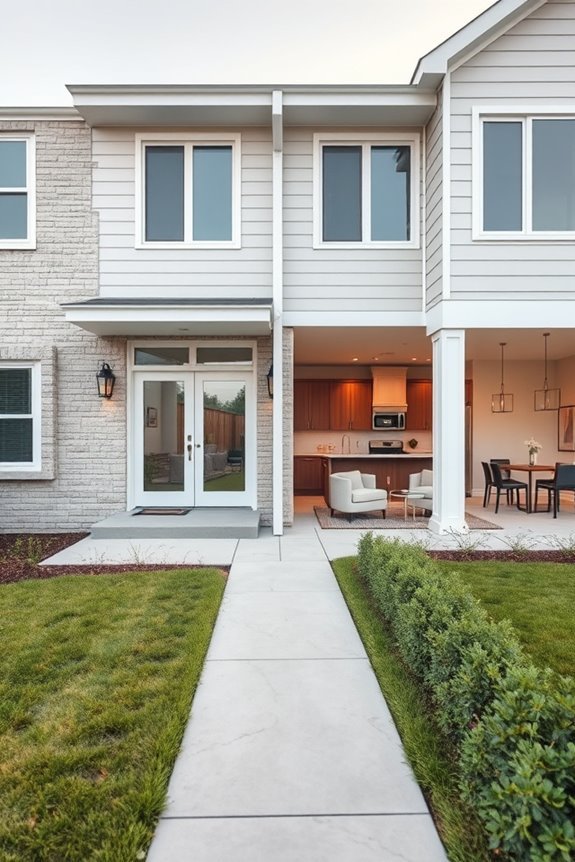
A duplex is a type of residential building that consists of two separate living units, usually sharing a common wall. One of the key duplex features is the ability to have independent entrances, offering privacy while still enjoying the benefits of close proximity.
You’ll appreciate the versatility a duplex provides, as it can accommodate families, roommates, or even serve as an investment property by renting out one unit.
The duplex advantages include lower maintenance costs since you’re sharing certain expenses, like roofing and landscaping, with your neighbor. This arrangement not only fosters a sense of community but can also lead to a more economical lifestyle.
Common Duplex Layouts
When considering common duplex layouts, you’ll find that bedroom configurations can vary considerably.
Some duplexes feature two bedrooms on each side, while others may offer a mix of one and three-bedroom designs.
Additionally, location plays an essential role in determining these variations, so let’s explore what’s typical in different areas.
Typical Bedroom Configurations
Duplexes typically feature a variety of bedroom configurations, making them versatile options for different living situations. You can find layouts that cater to families, roommates, or even home offices. The common bedroom sizes vary, so you’ll want to reflect on what best fits your needs. Here’s a quick look at some typical layout styles:
| Layout Style | Bedroom Sizes |
|---|---|
| 2-Bedroom | 10×12, 12×14 |
| 3-Bedroom | 11×13, 12×15 |
| 4-Bedroom | 12×12, 12×16 |
| 2-Bedroom + Office | 10×12, 8×10 |
| 3-Bedroom (Split) | 11×13, 11×11 |
These configurations can easily adapt to your lifestyle, whether you need more space or a specific setup.
Variations by Location
Location plays a significant role in determining the layout and bedroom configurations of duplexes. In urban areas, where density is high, you might find compact duplexes with two or three bedrooms squeezed into a smaller footprint. These designs often prioritize shared walls and efficient use of space.
Conversely, in suburban regions, duplexes may feature larger layouts with four or more bedrooms, catering to families seeking more room. Regional preferences also shape these configurations, as different areas often emphasize various features, like outdoor spaces or open-concept designs.
Typical Bedroom Configurations
In a typical duplex, you’ll often find configurations that enhance both privacy and communal living.
Most commonly, you’ll see two to four bedrooms, strategically placed to optimize layout efficiency. For example, one side might host a master bedroom with an en-suite bathroom, while the other side could feature two smaller bedrooms sharing a bathroom. This arrangement allows for varied bedroom sizes, catering to different lifestyles and family needs.
You may also encounter an open-concept living space that connects to the kitchen, promoting interaction among residents.
Factors Influencing Bedroom Count
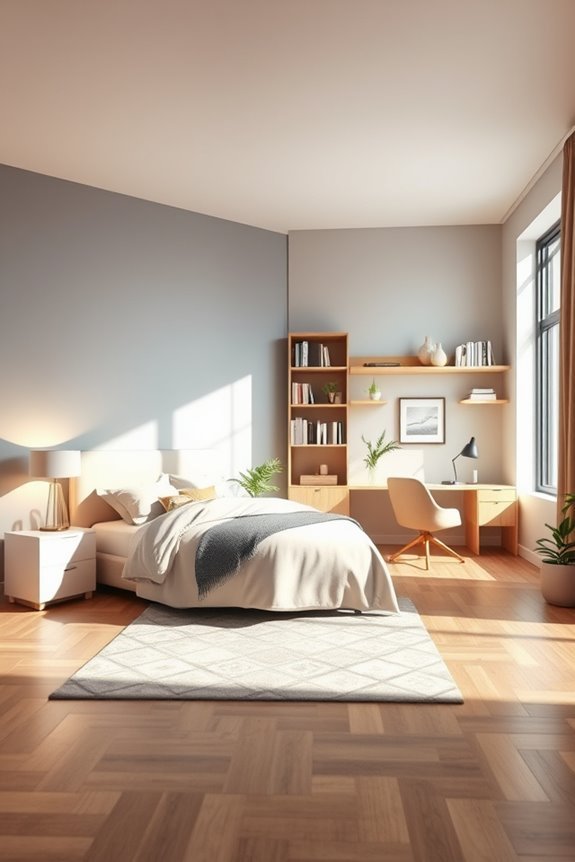
While various factors come into play, the number of bedrooms in a duplex often hinges on the needs and preferences of the residents.
Consider these key influences when determining your ideal bedroom count:
- Family Size: More family members typically mean a greater need for separate bedrooms.
- Lifestyle Needs: If you work from home or host guests often, you might prioritize extra bedrooms for office space or guest accommodations.
- Bedroom Size and Design Flexibility: Larger bedrooms can sometimes allow for shared living, reducing the overall count while still meeting needs.
Two-Bedroom Duplexes
For many families and individuals, a two-bedroom duplex strikes the perfect balance between space and affordability.
You’ll enjoy the two-bedroom advantages, such as having room for a guest, a home office, or a child’s bedroom. Plus, the layout often allows for an open-concept living area, enhancing your lifestyle.
Experience the flexibility of a two-bedroom duplex, perfect for guests, a home office, or a child’s room, all within an inviting open layout.
When considering design, think about maximizing usability.
Opt for multifunctional furniture to make the most of your space, and prioritize natural light with larger windows.
Storage solutions are also key; built-in shelves or under-bed storage can keep your space organized.
Three-Bedroom Duplexes
Three-bedroom duplexes offer a fantastic option for larger families or those needing extra space. With their thoughtful design, these homes can provide both comfort and functionality.
When you explore the duplex market, you’ll notice several appealing three bedroom features that make these homes stand out:
- Ample living space for family gatherings and activities
- Separate bedrooms for privacy and personal space
- Potential for a home office or guest room
These features not only enhance your living experience but also contribute to the property’s value.
Whether you’re entertaining guests or simply enjoying family time, a three-bedroom duplex can accommodate your lifestyle needs while ensuring you feel right at home.
Consider this option if you’re in search of more room without sacrificing the charm of a duplex.
Variations in Duplex Design
Duplex designs come in a variety of styles and layouts, catering to different preferences and needs. You’ll find options that prioritize space optimization while maintaining aesthetic appeal. Here’s a quick overview of common design styles:
| Design Style | Features | Ideal For |
|---|---|---|
| Modern | Open spaces, clean lines | Minimalist tastes |
| Traditional | Classic architecture, cozy feel | Families seeking comfort |
| Contemporary | Eclectic elements, vibrant colors | Creative individuals |
| Industrial | Raw materials, urban vibe | City dwellers |
| Eco-Friendly | Sustainable materials, energy-efficient | Environmentally conscious |
Whether you prefer a modern look or a cozy traditional feel, duplex designs can suit various lifestyles and maximize your living space effectively.
Benefits of Living in a Duplex
Living in a duplex can offer you a unique blend of privacy and community, allowing you to enjoy the benefits of both worlds. It’s an ideal option for those seeking affordable housing without sacrificing comfort.
You’ll find that community living fosters connections, making it easier to create friendships with your neighbors.
- You get more space than an apartment while sharing costs.
- The shared walls can help reduce heating and cooling bills.
- You’ll often have a small yard or outdoor space to enjoy.
In a duplex, you’ll appreciate the balance between having your own space and being part of a welcoming neighborhood.
It’s a practical choice that enhances your lifestyle.
Considerations When Choosing a Duplex
When considering a duplex, it’s essential to evaluate your lifestyle and preferences.
Think about your location preferences—do you want to be near work, schools, or parks? This can greatly impact your daily routine and overall satisfaction.
Next, consider your lifestyle considerations. Are you looking for a quiet neighborhood, or do you thrive in a bustling environment?
Take into account how much space you need, especially if you have a family or plan to entertain guests.
Additionally, consider the layout and amenities that suit your lifestyle, like outdoor spaces or proximity to public transport.
Future Trends in Duplex Housing
As you explore duplex housing, you’ll notice a shift towards sustainable design practices that prioritize energy efficiency.
Smart home integration is becoming essential, making daily living more convenient and secure.
Plus, the rise of multi-generational living trends is reshaping how these spaces are designed to accommodate diverse family needs.
Sustainable Design Practices
While many people are drawn to the charm of duplex living, sustainable design practices are shaping the future of this housing option.
By incorporating eco-friendly materials and energy efficiency solutions, duplexes can become more sustainable and appealing. You might consider these practices when looking for your next home:
- Solar panels: Harness the sun’s energy to power your home and reduce utility bills.
- Recycled materials: Use reclaimed wood or recycled metal to minimize environmental impact.
- Green insulation: Opt for natural insulation options that keep your home comfortable while saving energy.
Embracing these sustainable design practices not only benefits the environment but also enhances your living experience in a duplex.
With these choices, you can enjoy stylish living while being mindful of your ecological footprint.
Smart Home Integration
Smart home integration is revolutionizing duplex living, offering you convenience and efficiency like never before. With smart technology, you can control lighting, heating, and security systems from your smartphone or tablet, making daily management a breeze.
Imagine adjusting your thermostat or checking your security cameras while you’re away, ensuring your home remains comfortable and safe.
Home automation takes it a step further, allowing devices to communicate with one another. You can create routines that automatically turn off lights when you leave or lock doors at a specific time.
This seamless connectivity not only enhances your quality of life but also boosts energy efficiency, reducing utility costs. Embracing smart home integration in your duplex can truly elevate your living experience.
Multi-Generational Living Trends
With the rise of smart home integration, duplexes are becoming increasingly appealing for multi-generational living. Families are discovering the multi-generational benefits of sharing a home while maintaining private spaces.
Duplexes offer a unique solution for loved ones to live together without sacrificing independence.
Consider these advantages:
- Cost savings: Sharing a duplex can reduce living expenses for everyone involved.
- Enhanced support: Having family nearby provides emotional and physical support, making daily life easier.
- Flexible shared spaces: You can design areas that foster connection, like a cozy living room or a shared garden.
Conclusion
In conclusion, duplexes can offer a flexible living space with various bedroom configurations. Depending on your needs, you might find a two-bedroom duplex ideal for a small family or a three-bedroom option for a growing one. For example, a couple with a home office might choose a two-bedroom layout, using the extra room for work, maximizing their space. Ultimately, understanding your lifestyle and preferences will help you find the perfect duplex for your needs.
