
How to Dispose of Latex Paint Properly at Home
You can safely dispose of leftover latex paint by drying it solid first, not tossing wet cans or pouring paint down drains. For small amounts, leave the lid off in a ventilated area or stir in absorbents like cat litter, sawdust, or a commercial hardener until it’s fully solid. Once hardened with no liquid left, you can throw the can in regular trash per local rules. Keep lids on partial cans, avoid burning, and keep kids and pets away while you learn the rest.
Quick Answer: Can You Toss Latex Paint Today?
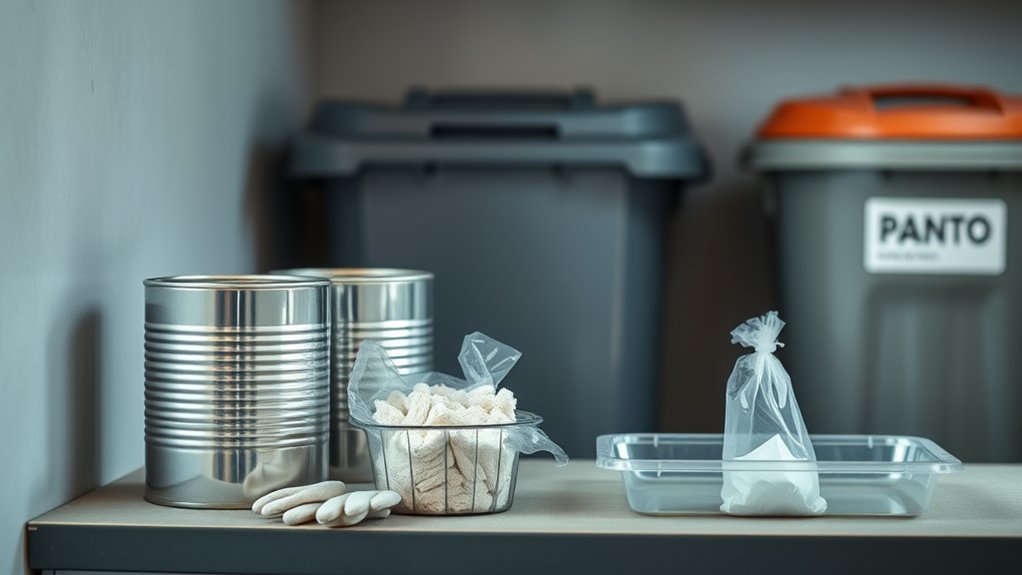
If your latex paint is still wet, don’t toss it in the trash — it can leak and cause problems. You shouldn’t throw away wet paint; you’ll need to dry or solidify it first.
Small cans can be left open in a ventilated area to harden, or you can add cat litter, sawdust, or a commercial hardener. Once solid, dispose of the lidless can with regular trash per local rules. Check municipal guidelines before discarding.
Don’t mix paints casually — Paint color mixing and Paint brand comparison matter for reuse, matching, and when deciding whether to keep or safely dispose.
What “Latex Paint” Means and Why Disposal Matters
Latex paint generally refers to water-based paints that use synthetic polymers—like acrylic or vinyl—suspended in water. You’ll find them in most interior and exterior household cans because they dry fast and clean up with soap and water.
Latex paint is water-based, using synthetic polymers like acrylic or vinyl—dries quickly and cleans up with soap and water
You should know that “latex” isn’t natural rubber and that formulations vary by binder, pigment, and additives.
Disposal matters because improper dumping can harm waterways and soil, and you must follow environmental regulations about household hazardous waste.
Keep paint color labels and lids intact so collectors can sort material. Knowing what’s inside helps you choose safe, legal disposal options.
Quick Decision Guide: What To Do With That Leftover Can Right Now
When you’re staring at a half-full can, act fast: decide whether to use it up, share it, dry it out for disposal, or take it to a hazardous-waste drop-off based on amount, condition, and local rules. Check paint color and smell; if it’s good, finish the project or offer it online or to neighbors. For small amounts, remove lid removal, stir, add kitty litter or sawdust, let solidify, then toss per local guidance. If separated or questionable, label and take it in. Use this quick table to guide choice.
| Amount | Condition | Action |
|---|---|---|
| <1/4 can | Good | Use or share |
| <1/4 can | Bad | Dry then dispose |
| >1/4 can | Good | Donate |
| >1/4 can | Bad | Hazardous drop-off |
Is Latex Paint Hazardous Waste or Regular Trash?

Although water-based paints aren’t as toxic as oil-based ones, you can’t assume every can is regular trash — most dried latex paint is nonhazardous and can go in the trash or be recycled where accepted, but wet or improperly stored paint may need special handling or a hazardous-waste drop-off depending on local rules.
Most dried latex paint is nonhazardous and can be trashed or recycled, but wet or mishandled cans may need special disposal.
You should:
- Check local guidelines before tossing cans to confirm landfill or recycling acceptance.
- Solidify small amounts (kitty litter, commercial solidifier) to meet nonhazardous criteria; note labels and Eco friendly packaging when available.
- Donate usable paint—consider Paint color theory for matching needs.
How To Tell If Your Paint Is Water‑Based Latex or Oil‑Based
To figure out whether your paint is water‑based latex or oil‑based, you can do a quick water vs oil test and check the label for clues.
Rub a cotton ball with solvent or water on a small paint spot — if it wipes off with water it’s latex, if it needs solvent it’s oil‑based.
Also sniff the can: oil paints usually have a stronger, solventy odor while latex smells milder.
Water vs Oil Test
Not sure whether that can of paint in your garage is latex or oil‑based? Put on latex gloves, open the can, and try this quick water vs oil test to identify paint colors and type. Drop a teaspoon of water on a small brush stroke or a stirred sample.
- If water beads and mixes, it’s water‑based latex — rinse easily.
- If water stays separate and the paint won’t mix, it’s oil‑based — needs solvent.
- For uncertain results, blot a cloth on the sample; water‑based wipes off with soap and water, oil‑based requires mineral spirits.
Label And Smell Check
When you check the can’s label and give the paint a sniff, you can usually tell if it’s water‑based latex or oil‑based. Read paint labels for words like “latex,” “acrylic,” or “waterborne” — that means water‑based. If you see “alkyd,” “oil‑based,” or “solvent,” it’s oil.
Sniff: latex smells faint, oil smells strong and chemical. If labels are missing, rub a cotton swab dipped in denatured alcohol on a small painted spot; paint that softens is water‑based.
Keep color matching info handy from old cans when disposing or returning leftovers, so you don’t lose tint details.
Best Quick Method To Dispose Small Amounts Of Liquid Latex Paint
If you only have a small amount of liquid latex paint left, you can dry it out and toss the solid residue in the trash rather than dealing with hazardous-waste drop-offs.
First, remove the lid and let small amounts air-dry in a well-ventilated area, or mix with kitty litter, sawdust, or commercial paint hardener to speed drying.
Remove the lid and let small amounts air‑dry, or mix with kitty litter, sawdust, or paint hardener to speed drying.
Once solid, seal in a plastic bag and place in regular trash per local disposal methods. Don’t pour liquids down drains.
Quick steps:
- Absorb with kitty litter.
- Stir in hardener.
- Bag and label before trashing.
Can You Pour Latex Paint Down The Drain?
If your paint color or paint texture seems thin and watery, that still doesn’t make it safe; binders and pigments can harm septic systems and wastewater treatment.
Instead, wipe brushes, collect drips, and contain leftover liquid for proper disposal per local rules. Rinse tools over a bucket to capture residue rather than washing into plumbing.
Contact your local waste facility for guidance; they’ll tell you accepted drop-off or processing options for latex paint.
How To Dry Out Latex Paint Safely For Disposal

Since you shouldn’t pour latex paint down the drain, the next step is to render leftover paint solid so you can dispose of it with regular trash where local rules allow. Pour small amounts into shallow, disposable containers so each layer’s increased surface area reduces drying time. Keep lids off, place containers in a ventilated area, and label them with paint color and date.
- Stir occasionally to expose wet paint and speed drying.
- Use thin layers—thicker globules take much longer.
- Confirm hardness before bagging; sealed cans may trap moisture.
Follow local disposal rules for final removal.
How To Use Cat Litter To Solidify Latex Paint
Start by scooping any excess paint into a disposable container.
Choose an absorbent, non-clumping cat litter. Stir in the litter a little at a time until the paint becomes a thick, non-pourable paste.
Once fully solidified, seal it in a heavy-duty bag and dispose of it with your regular trash following local guidelines.
Prepare Paint And Litter
When you’re ready to solidify leftover latex paint for disposal, plain, non-clumping cat litter works well to absorb moisture and turn the paint into a manageable solid. Avoid scented or clumping varieties because they can interfere with absorption.
Pour small amounts into a disposable container, then add litter gradually while stirring. This is similar to paint mixing techniques you use for color matching—control ratios to avoid excess litter.
- Add 1 cup litter per 1 pint paint, adjust as needed.
- Stir until paste forms; no liquid should remain.
- Let sit 24–48 hours until fully solid before sealing.
Apply And Dispose Safely
After you’ve mixed cat litter into the paint until it forms a thick paste, apply it into a sturdy disposable container and smooth the surface so it solidifies evenly. This makes handling and transport safer and prevents leaks.
Let the mixture cure fully—usually 24–72 hours—checking firmness before moving. Seal the container lid, tape it shut, and complete clear container labeling with contents, date, and “dry paint” to inform collectors or waste crews.
Dispose of the sealed container according to local guidelines or take it to a hazardous waste site. During paint mixing and container labeling, wear gloves and avoid inhaling dust.
Step‑By‑Step: Using Kitty Litter To Dry Latex Paint
If you’ve got a small amount of wet latex paint to get rid of, drying it with kitty litter is a quick, safe method you can do at home; it turns the paint into a solid mass that’s easy to dispose of in the trash.
Pour the paint into a cardboard box or disposable container, add non-clumping kitty litter, and stir until paste forms.
Let it sit 24–48 hours until fully solid.
Keep in mind paint mixing in large batches or altering labels can void paint warranties, so only treat small leftover cans.
- Add litter
- Stir and wait
- Trash when solid
How To Use Sawdust, Shredded Paper, Or Commercial Absorbents
Choose an absorbent—clean sawdust, plain shredded paper, or a commercial paint absorbent—based on how much paint you have and whether the material is nonflammable and free of contaminants.
Sprinkle or mix the absorbent into the wet paint until it forms a stiff, crumbly paste, then let it dry fully in a well-ventilated area.
Once solid, scoop the dried material into a sealed bag or container and dispose of it according to your local household waste guidelines.
Absorbent Material Selection
While you can use several absorbents to solidify small amounts of latex paint, your best choice depends on availability, cost, and how easy the material is to scoop and dispose of. Choose based on texture and cleanup needs: sawdust clumps fast, shredded paper is cheap, commercial absorbents work cleanly.
Consider whether you’ll also be doing brush cleaning or paint mixing nearby, and keep absorbents separate from reusable tools.
- Sawdust — great for thick spills, easy to scoop.
- Shredded paper — low-cost, biodegradable options.
- Commercial absorbents — faster, less dust, designed for disposal.
Safe Disposal Steps
Before you start, set up a clear work area and put on gloves and eye protection so you don’t spread wet paint or get it on your skin. For small spills, sprinkle sawdust, shredded paper, or a commercial absorbent until the liquid’s absorbed. Mix absorbed waste into a disposable container, seal it, and label for disposal. For larger amounts, let cans skin over, add absorbent, and transfer solidified material to trash per local rules. Avoid dumping on garden soil. Keep interior painting waste separate from regular garbage and follow municipal guidelines.
| Material | Use | Disposal |
|---|---|---|
| Sawdust | Absorb | Trash |
| Shredded paper | Absorb | Trash |
| Commercial | Absorb | Hazard rules |
| Skin-over cans | Solidify | Local pickup |
How To Use Paint Hardeners: What They Are And How To Use Them
If your leftover latex paint is still wet and you want a quick, tidy way to render it non-hazardous, paint hardeners are an effective option; they chemically thicken the paint into a solid mass you can safely toss in the trash.
If leftover latex paint is still wet, use a paint hardener to thicken it into a solid, disposable mass.
You’ll buy a commercial hardener or use an absorbent hardening product, follow package ratios, and stir in thoroughly — similar care as with paint mixing or color matching to avoid surprises.
Wear gloves and work in ventilation. Let cure fully, then check solidity before bagging.
- Read label and measure.
- Stir in until uniform.
- Cure, test, then dispose.
How Long Does Latex Paint Take To Dry Naturally?
Drying time depends on temperature, humidity, ventilation, and coat thickness. Thinner coats dry faster; thicker ones trap moisture. Lower humidity and warmer temps speed evaporation, while poor indoor air circulation slows it.
Stir paint and apply thin layers to shorten drying. Wait longer before sanding or re-coating to avoid tackiness. Remember that “dry to touch” isn’t fully cured—handle painted items gently until the paint has had ample time to harden.
When You Can Throw Dried Latex Paint In The Curbside Trash
Wondering when you can toss dried latex paint in the curbside trash? You can if the paint is fully solidified, the can meets local rules, and no hazardous additives are present. Check local guidance before proceeding.
- Confirm dryness: solid, crumbly paint means it’s inert and often acceptable.
- Verify rules: curbside acceptance varies; contact waste services or follow municipal latex recycling guidance.
- Skip hazardous mixes: if paint contains solvents or lead, don’t dispose curbside.
Don’t assume all cans are eligible — paint container labeling and local ordinances determine acceptability, so always confirm first.
How To Prepare Paint Cans For Curbside Pickup (Label, Dry, Seal)
Before you put paint cans at the curb, label each one clearly with the color and “latex—dry.”
Make sure the paint is fully dried or solidified so it won’t spill or leak.
Finally, press the lids on tightly to prevent moisture and pests from getting in.
Label Cans Clearly
When you set cans out for curbside pickup, label each one clearly so collectors instantly know what’s inside and whether it’s dry or hazardous. Use permanent markers and simple can labels showing paint colors, date, and status. Write legibly and tape labels to lids and sides so they’ll stay on.
- Note the paint colors and brand on each can.
- Mark status: “Empty,” “Latex—Dried,” or “Hazardous” if applicable.
- Add your pickup date and contact number for collector questions.
Clear labeling speeds collection, prevents mistaken disposal, and protects workers handling materials.
Dry Out Paint
If you’re preparing latex paint for curbside pickup, drying it thoroughly is the most important step to make cans nonhazardous and acceptable to most waste collectors. You’ll first check paint color and paint texture; thick, dried paint’s safer than sloshy cans. For small amounts, open lids and add kitty litter, sawdust, or commercial hardener until paste-like. For larger cans, stir in absorbent and let sit with good airflow until solid. Label the can “DRIED PAINT” and note the color. Dispose per local rules once fully solidified.
| Step | Material |
|---|---|
| 1 | Kitty litter |
| 2 | Sawdust |
| 3 | Commercial hardener |
| 4 | Stirring tool |
| 5 | Label marker |
Seal Lids Tightly
Once the paint is fully dried and labeled, make sure the lids are sealed tightly so cans don’t spill or reabsorb moisture during pickup. You’ll want to seal lids properly and create secure containers that inspectors and collectors can handle safely. Follow these quick steps:
- Press lid down evenly, then tap around the rim with a rubber mallet or scrap wood.
- Cover lids with strong tape or plastic wrap to prevent leaks and moisture entry.
- Place cans in a sturdy box or tote, spaced to avoid tipping and marked clearly for pickup.
Seal lids and secure containers for safe, compliant disposal.
How To Consolidate Multiple Partial Cans For Easier Disposal
Gather the partial cans you want to combine and check their labels to confirm they’re the same type and color of latex paint. Mixing different sheens or colors can ruin the batch and complicate disposal.
Gather partial cans, confirm same latex type and color—mixing sheens or colors can ruin the batch.
Work in a well-ventilated area, wear gloves, and clean can rims.
Pour small amounts into one larger, clean container using a funnel and a fine mesh strainer to remove skin and debris.
Label the consolidated container with contents and date.
Before finalizing, verify local paint recycling options and disposal regulations—some areas require drop-off or limit volumes.
Secure a tight lid and store upright until transport.
How To Prepare Donated Paint So Organizations Will Accept It
Before you donate paint, check each organization’s acceptance requirements so you know what types, sizes, and condition they’ll take.
Clean and relabel containers with the color, sheen, and date, and tighten lids to prevent leaks.
Make sure the paint is still usable—no clumps, strong odors, or separation you can’t remix—so it won’t be rejected.
Check Acceptance Requirements
Because different organizations set specific standards for donated paint, you should check their acceptance requirements before you pack anything up. Contact local shelters, community centers, or reuse stores to confirm they’ll take latex, ask about brand or color limits, and verify acceptable container conditions.
Mention whether you’ve done any paint blending and whether cans contain additives. Ask about pickup or drop-off procedures and any fees. Confirm disposal regulations they follow so your donation meets their processing rules.
Make notes and get written guidance when possible to avoid surprises and guarantee your paint is useful to the receiving organization.
- Call first
- Ask about paint mixing
- Verify disposal regulations
Clean And Label Containers
Once you’ve confirmed an organization will accept your paint, make the cans presentable and clearly identified so staff can catalog and use them quickly. Wipe rims and lids, remove excess dried paint, and tape lids shut to prevent spills.
Label each can with brand, color name or swatch, sheen, and purchase date; note if you’ve done any paint mixing. Include approximate remaining volume and any odors.
Check local disposal regulations for labeling or transport rules and follow them. Deliver cans upright in a sturdy box or tray.
Clean up any drips and keep receipts or acceptance confirmations with the donation.
Ensure Usable Quality
If you want organizations to accept your latex paint, make sure it’s in good, usable condition before you donate it. Check cans for solid skin, separate any with excessive drying time, and avoid paints that are lumpy or foul-smelling. Label each can with paint color and finish, plus purchase date and any tint added. Clean rims and tighten lids to prevent spills.
- Confirm pourable consistency and no chunks.
- Note paint color, finish, and original brand on the label.
- Test a small amount for drying time and adhesion before donating.
How To Donate Usable Latex Paint To Charities And Reuse Centers
When you have leftover latex paint that’s still good, consider donating it to local charities, Habitat for Humanity ReStores, or community reuse centers so it gets used instead of thrown away; these organizations accept sealed, unmixed, and clearly labeled cans and often specify acceptable colors and volumes on their websites. Check label details like paint color and paint texture, confirm seal integrity, and note manufacture date. Contact centers for drop-off rules. Include condition notes and remove damaged lids.
| Item | Requirement | Tip |
|---|---|---|
| Color | Labeled | Photo helps |
| Texture | Smooth | Stir test |
| Volume | Listed | Exact amount |
How Paint Retail Take‑Back Programs And Stewardship Work
Curious how stores help you get rid of leftover latex paint responsibly? Retail take-back programs let you return cans to participating stores; they handle sorting, reuse, or proper disposal, showing retail stewardship and environmental responsibility. You’ll usually drop off during store hours and follow simple rules.
- Check store policy and accepted paint types.
- Bring labeled, sealed cans; staff may consolidate or prepare them for recycling.
- Expect tracking for program compliance; fees or limits can apply.
These programs make it easy for you to avoid landfill disposal while retailers meet regulatory and community stewardship goals.
Municipal Paint Recycling Programs: How They Work
Many cities run drop-off programs where you can bring leftover paint to a recycling or hazardous waste facility on scheduled days.
You’ll usually be asked to sort cans by type and label—most accept latex and water-based paints, while oil-based or specialty coatings may be restricted.
Check your local program’s rules and hours so you don’t bring unacceptable materials or arrive on the wrong day.
Drop-Off Program Details
If your municipality offers a paint drop-off program, you can bring leftover latex paint to a designated collection site for safe recycling or disposal. Check hours, accepted volumes, and disposal regulations before you go. Keep lids tight and label each paint container with color and date.
- Bring cans with secure lids and no leaks; damaged paint container may be refused.
- Expect staff to sort, test, and redirect usable paint for reuse or recycling.
- Plan for possible fees, appointment requirements, and transfer limits to avoid delays.
Follow site instructions and you’ll handle paint responsibly and legally.
Accepted Paint Types
Once the drop-off staff have sorted usable paint, you’ll want to know which types they’ll accept for recycling or disposal. Most municipal programs take water-based latex and acrylic paints for latex paint recycling; these can be redistributed, reprocessed, or combined for paint color mixing to create standardized hues.
They often refuse oil-based, enamel, or heavily contaminated cans—those usually require hazardous-waste handling. Include labels and lids; empty cans go in regular trash if permitted.
If you have mixed specialty tints, call ahead—some centers accept small quantities. Always follow local guidelines to guarantee safe, lawful paint disposal and reuse.
How To Use Paint Exchange Programs And Community Swaps
When you have leftover latex paint, paint exchange programs and community swaps offer a quick way to find new homes for usable cans instead of throwing them away. You bring what you don’t need, and others pick up what they do.
Check cans for usable paint color and label paint finishes so buyers know sheen and suitability. Bring sealed, clearly labeled cans and a brief note about age and condition. Follow event rules and local listings to find swap dates.
Check cans for color and sheen, seal and clearly label them, note age/condition, and follow local swap rules.
Share samples to speed matching.
- Prepare cans
- Label details
- Follow event rules
Where To Take Large Volumes: Household Hazardous Waste (HHW) Centers
If you’ve got several cans or gallons of latex paint, look up your local Household Hazardous Waste (HHW) center online or call your municipality to find drop-off locations and hours.
Before you go, make sure lids are sealed, cans are labeled, and any partially full cans are left upright and packed to prevent spills.
Many centers also require appointments or specific prep (like no dried-out paint), so check the rules beforehand.
Find Local HHW Centers
Many communities run Household Hazardous Waste (HHW) centers where you can drop off large volumes of latex paint safely and legally. Use local resources to locate centers: city websites, county solid-waste pages, or statewide HHW directories.
When searching, note any instructions about paint color or paint texture they accept.
Call before you go to confirm hours, fees, and limits.
Bring ID and containers that close securely.
- Check your city or county website.
- Search your state’s HHW directory.
- Call the center to confirm policies and appointment needs.
Prepare Paint For Dropoff
Once you’ve located an HHW center, get your paint ready for dropoff so the process goes smoothly and the facility can handle it properly. Label cans with color mixing notes, original lids, and date; separate usable paint from waste. Don’t dilute; keep lids sealed and store upright during transport. Call ahead about prep rules and appointment needs. Use sturdy boxes and avoid leaks. Bring paint storage details if asked. Below is a quick checklist:
| Item | Action | Notes |
|---|---|---|
| Labels | Mark color mixing & date | Helps reuse |
| Condition | Solidified vs liquid | Follow HHW rules |
| Containers | Tight lids | Prevent spills |
| Transport | Upright, secure | Avoid contamination |
How To Find Your Nearest HHW Drop‑Off Location
Looking for the closest household hazardous waste (HHW) drop-off? Use these fast ways to locate where you can bring latex paint and learn proper disposal methods.
- Check your city or county website for HHW locations, hours, and accepted materials.
- Use state environmental agency maps or national directories (Earth911) to search by ZIP code.
- Call your local waste management or public works department for directions and appointment rules.
Bring product labels or photos when you call. Confirm accepted containers and any fees so you aren’t surprised. These steps get you to the right disposal option quickly and safely.
What To Expect When You Bring Paint To A Drop‑Off Event
When you arrive at a drop‑off event you’ll check in with staff who may ask for ID and a brief inventory of what you’re bringing.
Bring lids on containers, original labels if you have them, and any required documentation or proof of residency.
After handing over the paint, ask about receipts, recycling confirmations, and any follow‑up instructions for leftover materials.
Event Check‑In Process
Curious about what happens at a paint drop-off event? You’ll first approach the check‑in table where staff confirm event registration and use simple attendee management tools to track arrivals. They’ll ask brief questions, guide you to the correct lane, and give safety instructions.
- Present ID or confirmation — staff verify registration.
- Receive directions — attendants explain lanes and unloading rules.
- Get a quick inspection — staff confirm paint type and condition.
Follow staff cues, keep containers accessible, and stay in your vehicle if directed. The process is fast, organized, and designed to protect you and handlers.
What To Bring
Before you arrive, gather only what staff need to verify and process your paint: labeled cans, lids tightly sealed, a copy of your registration or ID, and any documentation about paint type or volume.
Bring only latex paint—no oily solvents or unknown mixtures—and group similar items to speed inspection. If you used color mixing, note that on labels so staff can sort accurately.
Keep cans upright in a sturdy box to prevent spills; clear, separate containers help with quick visual checks.
Carry tools used for paint transfer and any hardening materials if required by the event rules. Follow staff directions.
Post‑Drop‑Off Steps
After you hand over your cans, staff will verify labels, check lids, and direct you to a staging area where similar paints are grouped for processing. You’ll watch technicians sort by type and paint color, and they’ll note usable leftovers for reuse programs.
Expect brief forms or electronic records and a short wait while materials are prepared for recycling or solidification. Don’t fall for disposal myths—staff follow regulations, not guesses.
When finished, you’ll get confirmation and any receipt or instructions for future drop‑offs. Follow any home‑cleanup tips they give before you leave.
How To Safely Transport Paint To A Disposal Site
When you load paint for the trip, secure lids tightly and place cans upright in a sturdy box or on a nonslip surface in your vehicle so they can’t tip or roll. Carry only approved cans, keep full ventilation, and avoid smoking. Use straps or wedges to prevent shifting. Bring smaller samples for paint mixing or color matching questions at the center. Label cans so attendants can identify contents quickly. Drive smoothly, avoiding sudden stops. If a can leaks, isolate it in a sealed secondary container and clean spills immediately with absorbent material.
| Item | Action |
|---|---|
| Cans | Upright |
| Lids | Tight |
| Vehicle | Ventilate |
| Securing | Strap |
| Leak | Contain |
Fees And Documentation You Might Need At Disposal Centers
Securing your cans and labeling them at home will make the drop-off quicker, but you should also be ready to show ID, proof of residency, or receipts and to pay modest fees at many disposal centers. Staff sometimes verify quantities to confirm environmental regulations compliance or to determine if contents meet hazardous classification thresholds.
Bring documentation and call ahead if unsure. Typical requirements include:
- Photo ID and proof of residency (utility bill or driver’s license)
- Receipts or purchase records showing paint type and volume
- Payment method for per-gallon or service fees, plus any required forms
How To Check Local Rules Before Placing Paint In Regular Trash
Wondering whether you can toss that latex paint in your curbside bin? Check your city or county waste website first—search by your ZIP and use terms like “latex paint” or “household hazardous waste.” Call the public works or waste hotline if the site’s unclear.
Note requirements about container condition, drying, and labeling; some places ask for original cans with visible paint color and paint branding. Take a photo of the can and rules if you need evidence.
If rules differ between jurisdictions where you live and where you work, follow the stricter one. Keep records of any disposal guidance you receive.
Local Regulations That Commonly Affect Latex Paint Disposal
Check your city’s disposal ordinances because some areas ban wet paint from regular trash and set specific drying or containment requirements.
You might also have access to household hazardous waste (HHW) programs that accept leftover latex paint on scheduled collection days or at drop-off centers.
And don’t assume curbside pickup rules are the same everywhere—some services require paint to be solidified, labeled, or placed in special containers before they’ll collect it.
Local Disposal Ordinances
Because rules vary by city and county, you’ll need to follow your local disposal ordinances when getting rid of latex paint. Check local rules before you act — they can affect acceptable paint color categorization and disposal costs. Contact your municipal website or environmental office to confirm limits, required labeling, and drop-off schedules.
- Quantity limits: some areas cap how much you can bring per visit.
- Preparation rules: allowed only if paint is dried, in original containers, or labeled.
- Fees & permits: small fees or permits may apply; confirm payment methods and business vs. household rules.
Household Hazardous Waste
When local agencies classify latex paint as household hazardous waste (HHW), you’ll usually need to follow specific drop-off, storage, and transport rules designed to protect sanitation workers and the environment.
You’ll be required to use approved containers, label cans, and avoid mixing paints with other wastes. Many HHW programs ask you to dry small amounts first; larger quantities must go to a facility.
Check limits, appointment rules, and fees with your local program. Don’t dump paint outdoors where it can harm garden pests or leach into soil around indoor plants.
Follow local guidance to stay compliant and safe.
Curbside Pickup Rules
Although curbside pickup rules vary widely by locality, they often set specific conditions for accepting latex paint at the curb so you’ll need to follow your hauler’s instructions. You’ll check local Disposal regulations before scheduling pickup; haulers may limit quantities, require dry paint, or forbid certain Paint colors. Prepare cans by removing lids, labeling contents, and ensuring containers are sealed.
- Dry small amounts with kitty litter or commercial hardener before pickup.
- Bundle cans by type and label colors if requested.
- Contact your hauler for bulk or oil-based paint refusals and special instructions.
How To Clean Brushes And Tools Without Contaminating Wastewater
If you want to clean brushes and tools without contaminating your wastewater, rinse and remove as much paint as possible with a paper towel or rag before using any water. Then dispose of solids and used cloths in the trash or allow them to dry and harden for safe disposal.
Work outdoors or over a bucket to catch rinse water, then strain and let solids settle. Pour clear water onto lawn only if local rules allow.
Use a brush comb and minimal water, recycle leftover wash water at a hazardous waste facility, and label containers.
Consider latex allergies when sharing tips and follow paint color trends responsibly.
How To Handle Partially Used Paint During A Project To Avoid Waste
Because you’ll often end up with partial cans, plan ahead to keep usable latex paint and cut waste. When you pour small amounts into a tray, label partial cans with date, room, and any color mixing notes so you can reuse them properly. Seal lids tightly and keep cans upright while working.
Share or consolidate leftovers to avoid duplicate purchases and support paint recycling programs when you truly can’t reuse them. Quick actions prevent spoilage and contamination.
- Match and test before mixing.
- Combine same-brand, same-sheen leftovers cautiously.
- Donate usable partials to neighbors or community groups.
How To Store Leftover Paint Long‑Term To Prevent Spoilage
Now that you’ve minimized waste and kept partial cans organized during your project, you’ll want to store leftovers so they stay usable for months or even years. Seal cans tightly, place a layer of plastic over the paint before closing, and keep cans off concrete in a cool, dry space away from temperature extremes. Follow local environmental regulations for storage limits and labeling. Consider donating or using paint recycling programs before long-term storage. Check cans every few months for separation or odor; stir and test a small sample before reuse.
| Tip | Action |
|---|---|
| Seal | Press lid, tap rim |
| Protect | Plastic layer |
| Store | Cool, dry place |
| Check | Inspect quarterly |
How To Relabel And Date Stored Paint For Future Use Or Donation
When you’re ready to store or donate leftover paint, clearly relabel each can with the color name, finish (e.g., eggshell, semi-gloss), date mixed or opened, and any tint or formula codes from the original label. Use a permanent marker or printed label; seal edges with clear tape. Note any additives or custom tints so color matching stays accurate later and to track paint aging.
- Label front: color, finish, formula code.
- Label lid: open/mix date, batch notes.
- Add contact/use suggestions and donation eligibility.
Keep labels legible and place a photo of the original color card.
How To Mix Small Leftover Colors Together For Touch‑Up Jars
If you’ve got several half-empty cans that won’t cover a whole room, you can combine small amounts into touch-up jars to save space and keep matching easier later. Work on a clean surface with gloves and stir sticks. Test each paint’s sheen and note it on the jar.
Start by adding the lightest base, then slowly add darker colors, mixing thoroughly—this practical color mixing helps you approximate the original hue. Keep proportions small and record ratios on the label.
Seal jars tightly, clean rims, and store upright. Use within a year for best touch-up results and consistent matches.
Eco‑Friendly Disposal Alternatives For Small Craft Leftovers
If you’ve got tiny craft jars of latex paint, you can speed drying by leaving lids off in a well‑ventilated area or mixing in an approved drying agent so the paint solidifies for trash disposal.
You can also upcycle small containers as seed starters, drawer organizers, or mini palettes after you’ve fully cured and cleaned them.
Before repurposing, make sure the paint is nonhazardous, fully dry, and rinsed or sealed to avoid contaminating soil or surfaces.
Drying And Solidifying
Want a simple, low-impact way to dispose of small amounts of latex paint from crafts? You can dry and solidify leftovers safely at home. Before drying, note color mixing and paint branding on the container for proper sorting or donation.
Use these quick methods:
- Air dry: Spread thin layers on cardboard in a ventilated area; stir occasionally to speed drying.
- Absorbents: Mix with kitty litter, sawdust, or commercial paint hardener until crumbly, then seal.
- Oven approach: For tiny quantities in disposable foil, bake at low heat to evaporate water—only if local rules allow.
Once solid, discard with regular trash per guidelines.
Upcycling Small Containers
Looking for a way to keep small, used paint containers out of the trash? You can upcycle them into useful items instead of tossing them.
Clean dried latex from lids and labels, then use tins as seed starters, hardware organizers, or craft supply holders. Seal edges with non-toxic glue or duct tape to extend life. Label each container for reuse and store stacked to save space.
For leftover wet paint, consider community recycling paint programs before repurposing. These simple steps support eco-friendly disposal and reduce waste while giving small containers a second life in your home.
How To Dispose Of Paint‑Contaminated Rags And Absorbents
When you finish a painting job, treat paint‑soaked rags and absorbents as potentially hazardous because they can self‑heat and ignite. You should never toss them loose in the trash.
Treat paint‑soaked rags as hazardous—never toss them loose; they can self‑heat and ignite.
For paint safety and to reduce environmental impact, you’ll neutralize or contain them. Use one of these safe options:
- Spread rags flat outdoors to fully dry, then bag and discard per local rules.
- Soak rags in water with a little detergent, wring and air dry before disposal.
- Place rags in a metal container with a tight lid until dry, then follow municipal hazardous‑waste instructions.
Check local guidelines; rules vary by area.
How To Handle Paint That Has Frozen Or Separated
If your latex paint froze or has clearly separated, check the can for permanent damage like curdling or a foul odor before you do anything.
If it looks salvageable, thaw it slowly at room temperature and stir or use a drill mixer until the consistency is uniform.
If it won’t recombine or smells bad, don’t try to use it—dispose of it through a local hazardous waste program or take it to a recycling/reuse center.
Check For Permanent Damage
Although some separation or a temporary freeze can be reversible, you’ll want to inspect the paint carefully to determine if it’s permanently damaged. Check odor, texture, and color; off smells, grainy clumps, or drastic shifts in paint colors mean you should consider disposal options and follow local disposal regulations. Don’t assume stirring will fix structural breakdown.
- Smell: sour or chemical odors signal spoilage.
- Texture: persistent lumps or watery consistency after resting indicates failure.
- Color: uneven or faded tones that won’t match when swatched are likely ruined.
If confirmed, dispose per your municipality’s rules.
Thaw And Mix Thoroughly
Because frozen or separated latex paint can sometimes be restored, start by bringing the cans slowly to room temperature and letting them sit upright for at least 24 hours so solids can rehydrate. After warming, open and stir gently with a clean stick, then use a mechanical stirrer if needed to restore smooth paint texture and guarantee consistent color matching. Check for lumps or foul odor—discard if rotten. Test a small patch on cardboard. If texture and color match, filter through a fine mesh before reuse.
| Step | Tool | Result |
|---|---|---|
| Warm | Room temp | Rehydrate |
| Stir | Mechanical | Smooth texture |
| Test | Cardboard | Color matching |
Safe Disposal Or Recycling
When restoring frozen or separated latex paint doesn’t work or the can smells off, you’ll need to dispose of or recycle it safely. Check local hazardous-waste rules, since many areas accept latex at collection events or drop-off centers. If accepted, seal the can to prevent spills and label contents.
- Contact your municipal recycling or hazardous-waste program to confirm acceptance and any prep steps.
- If recycling isn’t available, solidify small amounts with kitty litter or commercial hardener for regular trash; avoid pouring down drains.
- For usable but altered paint, consider community swaps or artists; proper paint mixing and color matching notes help recipients reuse it.
How To Identify And Manage Moldy Or Spoiled Latex Paint
How can you tell if latex paint has gone bad? Smell sour or musty, show separated lumps that don’t mix, or display visible mold on the surface. Check paint color changes—dark spots, streaks, or fading signal contamination.
For small amounts, scoop out mold, strain, and test a swatch; if odor or texture persists, discard. To limit future spoilage, store cans upright, seal lids tightly, and keep them cool and dry to aid mold prevention.
Label cans with date and color, and avoid cross-contamination with dirty tools. When in doubt, dispose through local hazardous-waste guidance.
Safety Checklist: PPE And Ventilation When Drying Or Handling Paint
When you handle or dry leftover latex paint, wear gloves, eye protection, and a mask to avoid skin contact and inhaling fumes.
Open windows and run a fan to keep fresh air moving while the paint dries.
Don’t work alone in a confined space—get ventilation and PPE in place before you start.
Wear Appropriate Protective Gear
Wondering what to wear and how to ventilate while drying or handling latex paint? You should protect skin, eyes, and lungs when handling or disposing of paint. Wear protective clothing like long sleeves and disposable coveralls, and use safety glasses to shield against splashes. Gloves and closed-toe shoes complete your barrier. Keep a clean change area to avoid spreading paint.
- Choose chemical-resistant gloves and coveralls for splash protection.
- Use safety glasses plus a face shield for heavy splatter tasks.
- Have a dedicated container for contaminated clothing and dispose per local rules.
Ensure Adequate Airflow
Because solvents and dust can build up even with water-based latex paint, make sure you provide steady ventilation while drying or handling it. Open windows, run fans to push air out, and avoid confined spaces. For ventilation safety, position an exhaust fan near the wet paint and create cross-breezes. Monitor airflow maintenance by checking that air moves from clean to contaminated zones. Wear a mask and eye protection, and keep pets and kids away. Use this quick reference table for simple setups:
| Location | Fan Position | Notes |
|---|---|---|
| Garage | Exhaust outward | Door slightly open |
| Room | Window fan out | Cross-ventilate |
| Porch | Natural breeze | Minimal containment |
How To Read Paint Labels For Disposal And VOC Information
Although paint cans often look cryptic, you can quickly find the disposal instructions and VOC info by scanning a few key sections on the label. Look for disposal icons, “Dispose of container” lines, and VOC limits. Note paint color codes for reuse and any solvent notes for brush cleaning.
- Ingredients/Warnings — shows solvent type and safe disposal methods.
- VOC content — expressed in g/L; lower is safer for indoor air.
- Disposal instructions — local landfill, hazardous waste, or dry-out guidance.
Read dates and batch numbers, and follow local regulations when the label suggests a collection program.
Using Leftover Paint For Primers, Patching, Or Undercoats
When you’ve got half-used cans sitting in the garage, don’t toss them—repurpose that paint as primers, patching compound, or undercoats to save money and reduce waste.
You can thin latex slightly for sealer coats or mix small amounts to match base tones; practice careful color mixing to avoid surprises. Use leftover paint to fill nail holes, feather edges, or create a neutral undercoat under darker finishes.
Label repurposed containers with date and meant use for easy paint recycling at future projects. Store tightly sealed, cool, and upright to keep quality until you need primer, patching, or undercoat.
How Contractors And DIYers Should Manage Jobsite Leftover Paint
If you’re working on larger jobs, you’ll want a plan for the leftover paint that goes beyond using small amounts for touch-ups at home. You should label cans with paint color, job address, and date, so teammates know what’s usable. Seal containers tightly to control drying time and prevent spills. Store cans upright on pallets in a ventilated, shaded area.
- Track inventory: note quantities and pigments.
- Donate or swap with nearby jobs that match color.
- Arrange hazardous-waste pickup for unusable or hardened paint.
Cost‑Effective Tips To Avoid Excess Paint Purchase And Waste
To avoid wasting money and paint, plan each job by measuring surfaces, factoring in trim and windows, and checking the manufacturer’s coverage so you buy only what you need.
Measure surfaces, account for trim and windows, and check coverage to buy just the paint you need.
Buy sample pots to test paint color and finish on your wall before committing to gallons.
Choose the right paint texture for the surface to reduce coats.
Group rooms by color needs and buy coordinated quantities to avoid leftover mismatches.
Store opened cans properly (seal lids, label date and color) and use accurate rollers and brushes to limit waste.
Return unopened full cans or exchange surplus when possible to recoup costs.
How To Repurpose Dried Paint Cans For Storage Or Craft Projects
You can save leftover dried paint cans from the landfill by turning them into useful storage or craft bases. Clean the lids and rims, remove labels, and sand rough edges. Use them as organizers, planters, or gift containers; label contents after a bit of paint mixing for coordinated colors. Embrace creative repurposing: seal with waterproof varnish for longevity.
- Small parts holder — screws, nails, beads.
- Herb planter — add drainage holes and soil.
- Candle mold — line with foil and pour wax.
These projects cut waste, add function, and make attractive handmade items.
Environmental Impacts Of Improper Latex Paint Disposal
When you pour or toss leftover latex paint into drains, the soil, or regular trash, it can harm aquatic life, contaminate groundwater, and burden landfill systems. You’ll also risk chemical runoff that stresses ecosystems and bioaccumulates in food chains.
Improper disposal complicates municipal waste processing and raises cleanup costs you ultimately fund through taxes. Avoid careless paint mixing that creates unstable waste needing special handling.
Follow disposal safety steps to prevent spills and leaching: dry small amounts, consolidate usable paint for donation, and use designated hazardous-waste drop-offs. Taking these actions protects local water, soil, and community health.
How To Choose Low‑VOC Or Eco Paints To Ease Future Disposal
Although selecting paint seems minor, choosing low‑VOC or eco formulas now makes future disposal far easier and reduces long‑term environmental harm. You’ll want paints labeled low‑VOC, water‑based, or certified by recognized ecolabels; they off‑gas less and pose fewer hazards when leftover.
When shopping, consider finish, coverage, and compatibility with indoor gardening near windows or vents. Avoid unnecessary color waste by smart paint mixing and buying sample cans.
- Check labels for low‑VOC and ecolabels.
- Buy amounts matched to project size to limit leftovers.
- Prefer water‑based formulas that simplify storage, reuse, and final disposal.
Common Myths About Latex Paint Disposal Debunked
Think paint disposal myths matter? You should question Disposal myths that push you to pour, burn, or stash paint indefinitely. Myth busting: latex isn’t hazardous like oil paint but still shouldn’t go down drains. Drying small amounts with kitty litter or using a hardener makes cans safe to toss in regular trash where allowed. Free curbside pickup? Don’t assume—check local rules. Mixing small leftover colors? Fine for use, but avoid creating mystery mixtures for disposal. Follow sensible steps, don’t spread misconceptions, and protect drains, soil, and wildlife by disposing responsibly and legally.
| Myth | Reality |
|---|---|
| Pouring down sink | Clogs and contaminates |
| Burning paint | Releases toxins |
| Any pickup is free | Rules vary by area |
Resources And Hotlines To Get Local Disposal Guidance
You’ve seen the common myths and why they’re dangerous, so the next step is finding reliable local guidance before you act. Call your city or county solid waste office to confirm Disposal regulations for leftover paint colors and container sizes.
State environmental agencies also list household hazardous waste schedules and accepted drop-off sites. For quick answers, use these contacts:
- Municipal solid waste hotline — hours, drop-off rules, paint color sorting.
- State environmental agency — Disposal regulations, special events.
- Earth911 or Poison Control — recycling search, emergency guidance.
Keep records of calls and follow local instructions exactly.
Frequently Asked Questions
Can Latex Paint Be Used as a Weed Killer or Pest Deterrent?
No, you shouldn’t use latex paint as a weed killer or pest deterrent; it harms plants and wildlife. You’d better learn paint removal properly and choose eco friendly alternatives like vinegar, boiling water, or commercial organic herbicides.
Can Dried Paint Cans Be Repurposed for Food Storage or Cooking?
No, you shouldn’t repurpose dried paint cans for food storage or cooking. You’ll risk food safety contamination; instead use paint recycling or proper disposal, and choose food-grade containers that meet safety standards for eating and cooking.
Does Freezing Cured Latex Paint Make It Last Longer?
Like freezing a relic in ice, you won’t extend cured latex paint’s usefulness: it doesn’t improve paint shelf life and can ruin consistency. Instead, follow storage tips: keep cans sealed, cool, dry, upright, and avoid temperature extremes.
Can You Ship Leftover Latex Paint Through the Mail or Courier?
You generally can’t ship leftover latex paint through mail or courier because Mail regulations and Shipping restrictions classify it as a hazardous or restricted item; you’ll need to check carriers’ specific rules and use approved packaging or alternative disposal options.
Will Latex Paint Fumes Trigger Carbon Monoxide Detectors?
No, they won’t—unless your room’s a chemical apocalypse; carbon monoxide detectors sense CO, not paint fumes. But strong paint fumes and VOC emissions can make you dizzy, so ventilate well and avoid prolonged exposure.
Conclusion
You’ve got this: don’t pour latex paint down the drain or toss a full can in the trash. If it’s dried or solidified, you can usually dispose of it with regular waste; otherwise, take it to a household hazardous waste drop‑off, a paint‑recycling program, or offer it to neighbors or charity. Choose low‑VOC paints next time to make disposal easier. When in doubt, call local disposal hotlines—better safe than sorry, and it’s worth the extra mile.
