
How to Paint Exterior Concrete (Complete Guide)
You can transform and protect exterior concrete by cleaning thoroughly, repairing cracks, etching porous areas, and neutralizing high alkalinity before priming with a concrete‑specific or bonding primer. Apply two coats of a durable acrylic or elastomeric masonry paint, add slip resistance where needed, and seal joints to prevent water intrusion. Work in suitable weather, let coats cure, and test patches first. Keep going to learn step‑by‑step techniques, material choices, and troubleshooting tips.
Why Paint Exterior Concrete?
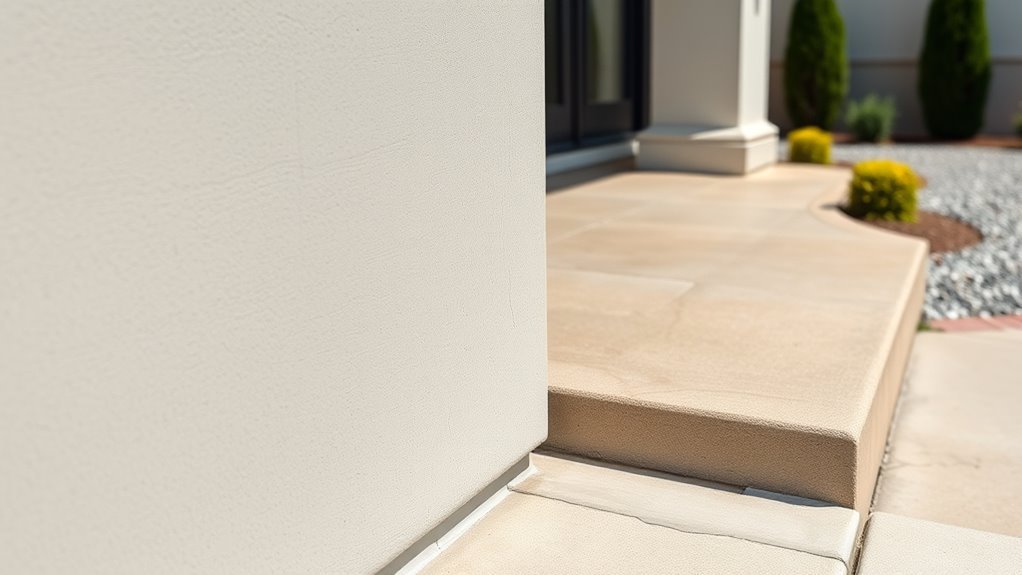
Although exterior concrete can look fine on its own, painting it gives you control over durability, maintenance, and curb appeal. You’ll protect surfaces from moisture, UV damage, and stains, extending lifespan while cutting repair costs.
Painting also simplifies upkeep—you’ll clean and touch up rather than replace. You get creative control: color psychology helps you choose hues that calm, energize, or complement landscaping and architecture.
For older properties, thoughtful finishes support historical preservation by matching period-appropriate palettes and protecting original fabric.
Quick Step-By-Step: Painting Exterior Concrete
Before you pick up a brush, gather the right tools and plan the sequence: cleaning, repair, priming, and painting.
Start by sweeping and pressure-washing, then etch stubborn stains and let the surface dry.
Patch cracks with concrete filler, sand smooth, and remove dust.
Apply a concrete primer evenly; wait the recommended cure time.
Choose paint formulated for exterior concrete and consider color selection for longevity and matching.
Design ideas for curb appeal.
Use a roller for large areas and a brush for edges, applying two thin coats.
Finish with a breathable sealer if specified by the paint manufacturer.
Paint vs. Seal vs. Resurface: When to Choose Which
Once you’ve cleaned, repaired, and primed your concrete, you’ll face a bigger choice: paint, seal, or resurface.
You’ll pick paint when you want bold color schemes or artistic designs, moderate protection, and easy refreshes.
Choose seal if the surface is sound and you need moisture protection, subtle enhancement, and low maintenance without changing appearance.
Resurface when damage, unevenness, or heavy wear demands a new substrate and you want to change texture or correct slope before decorating.
Consider budget, longevity, and planned use: paint for aesthetics, seal for protection, resurface for structural correction and a fresh canvas.
Which Exterior Concrete Surfaces to Paint
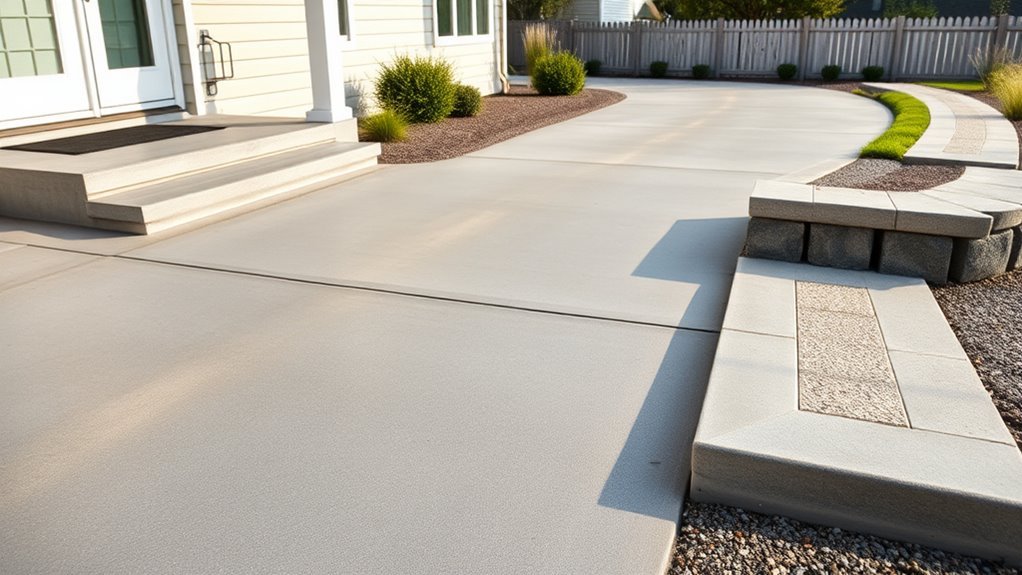
You’ll want to think about where paint will make the biggest impact and hold up best: concrete walls and foundations, driveways and walkways, and patios, steps, and stoops.
Each surface has different prep needs and wear patterns, so the right paint and finish vary.
Next, we’ll look at what to check and how to prepare each type.
Concrete Walls And Foundations
Which exterior concrete surfaces should you prioritize for painting? Focus on concrete walls and foundations first: they protect structural elements and shape curb appeal. You’ll want durable masonry paints and consider color schemes that complement siding, trim, and landscape while hiding stains.
Use breathable primers to prevent moisture traps on below-grade areas. For above-grade walls, decorative textures or faux finishes can add visual interest and mask imperfections.
Prep by repairing cracks, removing efflorescence, and ensuring surfaces are dry. Paint will extend lifespan, improve waterproofing, and boost appearance—so prioritize walls and foundations before other exterior concrete areas.
Driveways And Walkways
Although driveways and walkways take more wear than walls, painting them can still make a strong visual impact and add a layer of protection. So prioritize high-traffic paths and areas visible from the street.
You’ll choose durable concrete paint and non-slip additives to resist abrasion and moisture. Prep by cleaning, repairing cracks, and etching for adhesion.
Pick color schemes that complement your house and landscaping while hiding dirt—earth tones or muted grays work well.
Use creative patterns sparingly: borders, stamped-look stencils, or contrasting bands to guide guests.
Seal with a durable exterior sealer designed for vehicular or foot traffic.
Patios, Steps, And Stoops
When you tackle patios, steps, and stoops, prioritize areas that get the most use and show from the street—these surfaces influence curb appeal and safety. You’ll focus on high-traffic treads, entry stoops, and patio seating zones; patch cracks, clean thoroughly, and etch if needed so paint bonds.
Match finishes to surrounding materials—leave natural stone unpainted or use thin coatings to preserve texture. Protect adjacent metal accents by masking and using rust-inhibiting primers. Choose slip-resistant paints or add aggregate on steps.
Regular maintenance—touch-ups and resealing—keeps these areas safe and attractive for years.
Tools and Materials Checklist
Before you start, gather the right surface preparation tools—pressure washer or stiff brush, patching compound, and a grinder or sandpaper for smoothness.
You’ll also need paint and finish supplies like primer, exterior concrete paint, rollers, brushes, and a sealer.
Having everything ready will make the job faster and guarantee a long-lasting finish.
Surface Preparation Tools
If you want a durable, professional-looking finish, gather the right surface-prep tools before you start—the right kit saves time and prevents common problems.
You’ll need a stiff-bristle broom, pressure washer or garden hose with high-pressure nozzle, and a masonry cleaner to remove dirt and efflorescence.
Use a wire brush and chisel for loose concrete and a concrete grinder or sanding block to refine surface texture for better adhesion.
Keep epoxy or concrete patch and putty knife for repairs.
Have a shop vacuum, tack cloths, and painter’s tape to control dust and edges for accurate color matching.
Paint And Finish Supplies
Because a good finish depends on the right supplies, assemble your paint and finishing kit before you open a can. You’ll need exterior masonry paint, primer, and a sealer rated for concrete.
Choose brushes (angled sash, trim), rollers with a 3/8–1/2″ nap, extension poles, and paint trays.
Have masking tape, drop cloths, putty for repairs, and a stiff broom.
Pick color palettes ahead to test swatches in sunlight.
Use low-VOC or water-based products to reduce environmental impact.
Include gloves, safety glasses, respirator, and a scrub brush for last-minute surface prep and cleanup.
How to Choose Exterior Concrete Paint
Wondering which paint will hold up on your exterior concrete? You’ll pick based on surface use, climate, and maintenance.
Prioritize high-quality acrylic or elastomeric masonry paints for durability and water resistance.
Consider Color selection carefully—lighter tones reflect heat and hide irregularities, while darker hues mask stains but may fade faster.
Evaluate Finish options: flat hides imperfections, satin offers mild sheen and easier cleaning, semi-gloss resists moisture and is simplest to wash.
Check UV and mildew resistance ratings, and match paint to expected foot or vehicle traffic.
Buy sample sizes and test a small patch before committing.
Primer Types for Concrete and When to Use Them
Before you paint, pick the right primer for your concrete—alkali-blocking primers stop high pH from ruining topcoats, while bonding primers help paint adhere to smooth or previously coated surfaces.
Use an alkali-blocking primer on new or efflorescing concrete.
Use a bonding primer when the surface is slick, sealed, or has poor adhesion.
Choosing the correct primer lets your paint last longer and resist peeling.
Alkali-Blocking Primers
Ever notice white, powdery stains forming on concrete even after you paint it? That’s efflorescence from alkali migrating to the surface. Use alkali blocking primers to seal high-pH substrates and prevent salts from ruining your finish.
Before priming, do concrete surface preparation: sweep, pressure-wash, etch if needed, and let it dry fully.
Choose a primer labeled alkali-resistant or masonry-grade; apply per manufacturer directions, usually two coats for severe cases.
These primers won’t improve adhesion like bonding primers, but they protect coatings from alkaline attack so your paint lasts longer and looks better.
Bonding Primers
When you need paint to stick to smooth, dense, or previously coated concrete, reach for a bonding primer designed to promote adhesion between the substrate and your topcoat. You’ll choose bonding primers when surfaces are glossy, sealed, or powdery; they bridge slick textures and help prevent peeling.
Apply after cleaning, etching, and drying; follow manufacturer drying times before topcoat. Use solvent-based or specialty acrylic formulations made for concrete to maximize surface adhesion and durability.
Test a small area to confirm compatibility with existing coatings. Proper selection and application of bonding primers gives longer-lasting results and reduces rework.
Which Paint Finish to Pick: Flat, Satin, Enamel
Although the finish you choose might seem like a small detail, it has a big impact on durability, maintenance, and appearance—so pick based on how the surface gets used and the look you want. You’ll weigh Color selection and Texture options against wear. Flat hides imperfections, satin balances sheen and cleanability, enamel resists abrasion. Match finish to traffic, climate, and desired curb appeal.
| Finish | Feel | Emotion |
|---|---|---|
| Flat | Matte, soft | Calm reassurance |
| Satin | Subtle glow | Practical pride |
| Enamel | Hard gloss | Confident protection |
Choose wisely; it shapes longevity and mood.
Surface Conditions That Stop Paint From Sticking
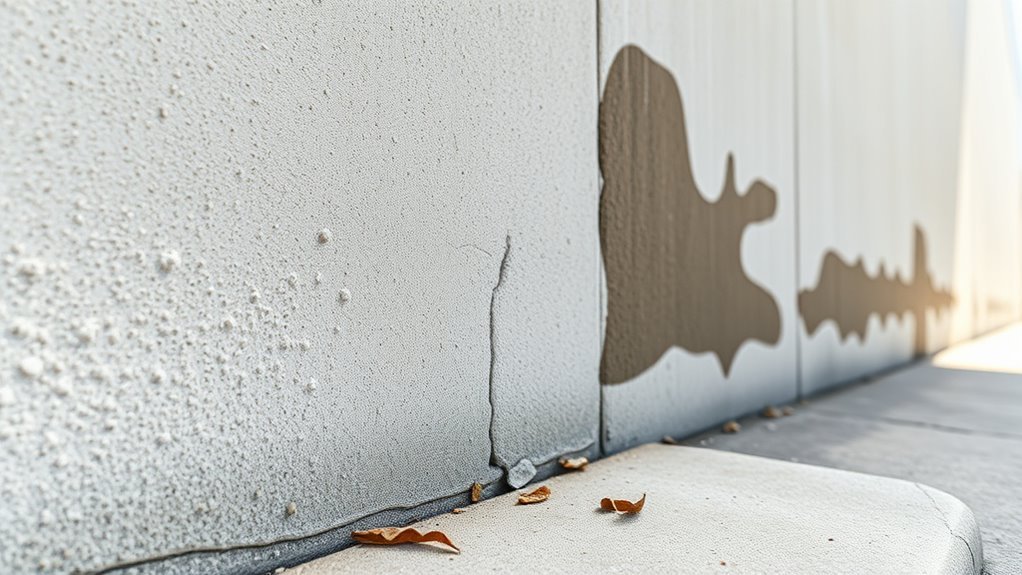
Before you paint, check the concrete for anything that will keep coatings from bonding: oil or grease, loose or flaking old paint, and very alkaline (high pH) surfaces.
You’ll need to remove contaminants, strip or sand off failing paint, and neutralize alkalinity to get a reliable finish.
Skipping these steps lets new paint peel or blister quickly.
Oil Or Grease Contamination
If oil or grease’s left on the concrete, paint won’t bond and will peel or blister soon after application. You must locate oil stains and treat them before priming.
Scrub fresh spots with a stiff brush and a detergent degreaser; for older, set-in stains use a poultice of cat litter or commercial cleaner. Rinse thoroughly and let the slab dry completely.
For persistent contamination, pressure-wash with a high-alkaline cleaner or reapply degreaser and scrub again.
Once oil stains are gone and the surface feels clean, proceed with a concrete-appropriate primer to guarantee proper adhesion and long-lasting finish.
Previous Flaking Paint
Why is flaking paint a deal-breaker for a new finish? You can’t get lasting adhesion to concrete if old paint peels away; new coating will follow. Remove loose material, then assess substrate soundness. Consider historical preservation or graffiti removal needs before stripping.
- Scrape and wire-brush to solid edges.
- Use pressure washing after loose paint is gone.
- Prime patched areas with a concrete primer.
- Test a small repaint area for adhesion.
If you bypass removal, expect premature failure.
For historic sites, consult preservation guidelines; for graffiti removal, ensure cleaning won’t harm the substrate.
High Surface Alkalinity
Removing flaking paint is only part of the job; you also need to check the concrete’s chemistry. High surface alkalinity can prevent new coatings from bonding — fresh concrete and some efflorescence raise pH and repel paint.
Test with a pH strip or litmus paper; readings above 9 indicate trouble. Use alkaline cleaning to remove salts and contaminants, then rinse thoroughly.
After cleaning, perform pH balancing by neutralizing with a mild acid rinse (vinegar diluted in water or a commercial neutralizer), rinse again, and let the surface dry.
Only paint when pH is stable and within manufacturer recommendations.
How to Test Slab Porosity and Adhesion
Wondering whether your concrete is ready to accept paint? Test porosity and adhesion before choosing color selection and accounting for surface texture.
Do a simple water test: drop water and watch absorption—fast means porous, slow means dense.
Try a tape pull or scrape after a small primer patch to judge adhesion.
- Water absorption timing (5–10 minutes guideline)
- Visual check for dusting or flaking
- Small primer patch and tape lift test
- Note surface texture for primer choice
Record results and adjust primer type and preparation. If adhesion fails, consider mechanical profiling or a bonding primer.
Cleaning and Degreasing Concrete Surfaces
Before you paint, clean and degrease the concrete thoroughly so primers and paints can bond properly.
Scrub surfaces with a stiff brush and a detergent designed for concrete, or use a diluted trisodium phosphate cleaner for heavy oil and grease. Rinse thoroughly and let dry; moisture traps prevent adhesion and promote color fading.
For patterned surfaces, follow concrete patterns when scrubbing to avoid uneven wear.
Use a pressure washer cautiously—keep nozzle distance to prevent damaging the slab. Test a small area, then repeat cleaning until contaminants are gone.
Proper cleaning guarantees a uniform finish and longer-lasting paint.
Removing Efflorescence and Mineral Stains
After cleaning away grease and grime, you’ll often still see white, powdery deposits or rusty streaks caused by salts and minerals leaching from the concrete. These need to be treated before priming and painting.
After cleaning grease and grime, treat remaining white salts and rust stains before priming and painting.
You’ll tackle efflorescence removal and mineral stain cleaning by scrubbing, rinsing, and using appropriate cleaners. Follow safe dilution and test small areas first.
For persistent stains, repeat treatment or use a poultice.
- Use stiff brush and water for light efflorescence
- Apply diluted muriatic or specialized efflorescence remover cautiously
- Treat rust with oxalic acid products
Rinse thoroughly and dry before priming.
Diagnosing Cracks, Spalls, and Pop-Outs
When you inspect the surface, focus on identifying whether damage is superficial or structural so you can choose the right repair method. Look for hairline vs. widening cracks, surface flaking (spalls), and rounded stone loss (pop-outs). Tap areas to detect hollow sounds indicating delamination. Measure crack width and depth; document locations affecting load-bearing elements or drainage.
Consider causes like freeze-thaw, corrosion of reinforcement, or poor mix and finishing that threaten concrete aesthetics and longevity. Prioritize safety risks and structural concerns; plan for proper removal of loose material and substrate preparation before applying targeted repairs and implementing long-term crack prevention.
Fixing Hairline Cracks With Flexible Fillers
For hairline cracks you’ll want a flexible, paintable filler that moves with the concrete to prevent re-cracking.
Prep the crack by cleaning out debris and moisture so the filler bonds properly.
Then apply the product per the manufacturer’s directions and smooth it flush before painting.
Choose Flexible Filler
If you’re dealing with hairline cracks in exterior concrete, pick a flexible filler that moves with the surface so the repair won’t split again as temperatures change or the slab shifts. You’ll want a product rated for outdoor use, UV-stable, and compatible with paint.
Consider color trends when matching or planning topcoats, and choose environmentally friendly options to reduce VOCs. Check cure time and elasticity percentage to guarantee long-term resilience.
Look for manufacturer adhesion claims to concrete. Compare:
- Silicone or polyurethane elastomeric fillers
- Acrylic latex with added flexibilizers
- Low-VOC commercial sealants
Review product data sheets and customer reviews to make an informed choice.
Prep And Apply
Although the surface looks intact, you’ll still clean and prep each hairline crack so the flexible filler bonds properly. Use a wire brush, blow out debris, and apply primer if recommended. Squeeze filler into the crack, smooth with a putty knife, and feather edges for seamless paint. Cure per instructions before sanding lightly. Match texture to surrounding concrete, then paint using chosen color palettes or incorporate decorative patterns for accent areas. Protect cured filler with a flexible exterior paint to prevent re-cracking.
| Step | Tool | Time |
|---|---|---|
| Clean | Brush/blower | 5–10 min |
| Fill | Caulk gun | 5–15 min |
| Smooth | Putty knife | 2–5 min |
| Cure | Wait | 24–48 hr |
| Paint | Roller/brush | 1–2 hr |
Patching Larger Holes and Uneven Areas
When you encounter larger chips, spalls, or depressions in exterior concrete, patching them properly prevents moisture intrusion and gives your paint a smooth, durable base. Remove loose material, clean the area, and use a cement-based patch or polymer-modified mortar for strength. Match texture so paint and color schemes sit evenly.
Consider weather impact when scheduling repairs—work in moderate, dry conditions. Follow these steps:
Plan repairs for moderate, dry weather; follow proper surface prep and curing steps before priming and painting
- Chisel back to sound concrete and blow out dust
- Dampen substrate, but avoid pooling water
- Apply patch in layers, trowel to match surrounding plane
- Cure per manufacturer before priming and painting
Managing Moisture and Rising Damp in Slabs
Because exterior concrete draws moisture from the ground and traps vapor beneath paint, you need to control both liquid water and rising damp before coating a slab.
Inspect for cracks, staining, efflorescence, and soft spots to identify sources.
Improve grading and add drainage or guttering to divert water away.
Install a damp-proof membrane or breathable waterproofing sealer designed for slabs if rising damp is present.
Allow drying time; use a moisture meter to confirm levels are within paint manufacturer specs.
Choose breathable coatings and follow moisture management best practices to guarantee your paint adheres and lasts, preventing future failures.
Step-By-Step: Applying Concrete Primer
Before you prime, make sure the concrete is clean, dry, and free of loose particles by sweeping, power-washing, and repairing cracks.
Use a quality concrete primer and apply it with a roller for flat areas and a brush for edges and crevices.
Keep a wet edge to avoid lap marks.
Follow the manufacturer’s recommended coverage and dry time so the topcoat will bond properly.
Surface Preparation Steps
Once you’ve cleaned and repaired the concrete, apply a quality concrete primer to guarantee paint bonds evenly and lasts longer. Before priming, follow these surface preparation steps so your finish holds up and looks professional.
Inspect for hairline cracks, efflorescence, oil stains, and uneven porosity; address each with appropriate cleaners, patching, and etching.
Consider how primer choice affects Color palettes and decorative techniques you’ll use later.
Prepare the surface by:
- Removing loose debris and dust with a stiff broom or vacuum
- Degreasing oil spots with a concrete cleaner
- Etching smooth areas per product instructions
- Allowing full drying time before priming
Primer Application Techniques
When you’re ready to prime, work in small, manageable sections and apply the primer evenly with a low-nap roller for flat areas and a brush for edges and joints to guarantee full coverage and good adhesion.
Start at one corner, roll in a W pattern, then back-roll to level. Cut in around fixtures and expansion joints, feathering to avoid lap marks.
Respect manufacturer dry times and temperature limits.
Use a tinted primer for color coordination and to reduce topcoat coats.
For textured surfaces, brush into crevices for texture enhancement.
Inspect for missed spots, sand any drips, and re-prime as needed before painting.
Mixing and Testing Exterior Concrete Paint
Mixing exterior concrete paint correctly guarantees even color, proper adhesion, and long-lasting coverage, so start by thoroughly stirring the can with a flat paddle or drill mixer until pigments and binders are fully incorporated.
You’ll check viscosity, dilute per label, and keep a consistent mix if you’re using several cans to match color options.
Test small patches for adhesion and drying time; note how brush techniques affect finish.
Use this checklist before full application:
- Stir each can separately, then combine for uniformity
- Thin only as manufacturer recommends
- Apply test swatch and let cure 48–72 hours
- Inspect for peeling, gloss, and color match
Painting Large Flat Areas (Patios & Driveways)
When you tackle large flat areas like patios and driveways, start with thorough surface preparation—cleaning, repairing cracks, and etching so the coating bonds properly.
Choose a high‑durability concrete coating made for foot and vehicle traffic, and check its slip resistance and UV/weather specs.
Roll or squeegee the product in even passes, working in manageable sections to maintain a wet edge.
Surface Preparation Steps
Before you pick up a roller, clear the area and inspect the slab carefully so you know exactly what repairs and cleaning are required. Remove loose debris, mark cracks, and think about color schemes and decorative accents so prep aligns with your design.
Follow these steps before painting large flat areas:
- Sweep and pressure-wash to remove dirt, oil, and algae.
- Use concrete patch for cracks, then sand smooth after curing.
- Etch or acid-wash glossy spots for better adhesion.
- Rinse thoroughly and allow 48–72 hours to fully dry.
Good prep guarantees uniform finish and long-lasting results.
Choosing Durable Coatings
Looking for a coating that holds up to traffic, weather, and stains? You’ll want high-solids acrylics or epoxy/polyurethane systems made for exterior concrete.
Choose a product rated for vehicular or foot traffic and UV exposure; check slip resistance and breathability to avoid peeling.
For color selection, pick lighter tones to reflect heat on patios or darker hues for driveways where hiding marks matters.
Consider weather impact: freeze-thaw cycles need flexible, permeable coatings, while hot, sunny climates demand UV-stable finishes.
Test a small area, follow manufacturer prep and application, and plan periodic maintenance to extend durability.
Painting Verticals (Foundation and Retaining Walls)
Though often overlooked, painting verticals like foundation and retaining walls can both protect the concrete and improve your home’s curb appeal. You should clean, repair cracks, and use a breathable masonry primer before applying paint.
Consider color options that complement siding and landscape while hiding stains. Focus on paint durability—choose exterior acrylic masonry paint rated for UV and moisture resistance.
- Prep thoroughly: pressure wash and patch joints
- Use a high-build primer for adhesion
- Apply two coats of masonry paint for coverage
- Seal tops and joints to prevent water intrusion
Work from top down and inspect yearly for touch-ups.
Painting Textured and Stamped Concrete
After handling verticals, you’ll find textured and stamped concrete needs a different approach because surface contours hold dirt and paint unevenly. You should clean thoroughly with a stiff brush or pressure washer, targeting crevices so coatings adhere uniformly.
Choose primers and paints formulated for masonry and flexible enough for slight movement. Test color options on a small section to see how texture affects tone; shadows can darken hues.
For texture enhancement, use tinted sealers or translucent stains that highlight patterns without filling detail. Finish with a breathable, slip-resistant sealer to protect appearance while preserving stamped definition.
Painting Steps, Curbs, and High-Traffic Zones
When you’re painting steps, curbs, or other high-traffic zones, prep is everything—clean, repair cracks, and etch or prime as needed for good adhesion.
Choose durable coatings rated for abrasion and UV exposure, like epoxy or high-quality acrylic concrete paint.
Focus on slip-resistant additives and proper coverage to extend the life of the finish.
Surface Preparation Tips
Before you paint, get the surface durable and clean so your finish lasts—start by removing dirt, loose paint, oil, and efflorescence with a stiff brush, pressure washer, or degreaser as appropriate. Prep matters for painting steps, curbs, and high-traffic zones: patch cracks, etch smooth concrete, and let everything dry fully.
Consider color options for visibility and wear, and weigh environmental impact when choosing cleaners. Use these quick checks before coating:
- Sweep and vacuum to remove grit
- Degrease oil stains, then rinse
- Fill and level cracks with cementitious patch
- Etch or sand glossy areas for adhesion
You’ll get a longer-lasting result.
Durable Coating Choices
Though you’ll rely on regular maintenance, choosing a tough, traffic-rated coating is the key to keeping steps, curbs, and walkways safe and attractive. Pick products labeled for heavy foot or vehicle use, UV and freeze–thaw resistance, and good traction.
You’ll want epoxy or polyurea for vehicle areas and high-traffic steps. Acrylic or elastomeric coatings are suitable for pedestrian zones.
Consider color schemes that improve visibility and complement surroundings. Also, select texture options—such as grit additives or non-slip aggregates—for secure footing.
Apply primers and flexible sealers where needed. Follow manufacturer cure times and plan touch-up zones to extend the life of the coating without full recoats.
Decorative Finishes: Stencils, Stripes, Faux Stone
If you want to add personality to exterior concrete, decorative finishes like stencils, stripes, and faux stone let you create custom looks without costly materials or demolition. You’ll pick Color combinations to suit architecture and use Decorative patterns to guide placement.
Prep and priming matter; work on clean, dry surfaces.
Try these quick techniques:
- Stencils: repeat motifs for a tiled effect.
- Stripes: use tape for crisp, modern lines.
- Faux stone: sponge and stipple layered tones.
- Seal: protect finish with a clear exterior sealer.
Plan scale and contrast so your design reads well from a distance.
How Many Coats You Need and Drying Times
When painting exterior concrete, you’ll usually need two coats of topcoat after a primer—one thin, even base coat and a second to guarantee uniform coverage and durability. Apply the first coat evenly, let it dry to the touch, then inspect for thin spots or texture issues before the second.
Drying times vary by product; follow label directions and do a tack test.
For color psychology and paint color selection, remember darker hues hide flaws but absorb heat, while lighter tones brighten areas.
Plan coats to achieve uniform sheen and wear resistance, avoiding overapplication that causes drips or prolonged tackiness.
Weather, Temperature, and Cure Considerations
Because exterior paint cures through chemical reactions that need the right temperature and humidity, you should only paint when conditions fall within the product’s recommended range. Choose days with steady temperatures, low wind, and moderate humidity to guarantee adhesion and proper cure.
Consider climate adaptation for freeze-thaw cycles or intense sun when picking paint and schedule. Color selection affects heat absorption—darker hues cure differently under strong sun. Plan timing and product choice accordingly.
- Check forecast for 24–48 hour stable window
- Avoid painting near rain or frost
- Use products rated for local climate adaptation
- Test color selection on a small patch
Protecting Newly Painted Concrete During Cure
Although the paint feels dry to the touch, it still needs undisturbed time to fully cure, so you should shield the surface from traffic, moisture, and debris for the manufacturer’s specified curing period.
Though touch-dry, let paint fully cure—keep traffic, moisture, and debris off for the manufacturer’s recommended period.
Set up barriers and clear signage to keep foot and vehicle traffic off painted areas. Use breathable covers if rain is likely—plastic can trap moisture and harm cure.
Keep pets and lawn equipment away, and avoid dragging furniture or tools across the finish. Protect edges and joints with temporary trim if you adjusted your color palette.
Proper protection maximizes paint durability and guarantees an even, long-lasting finish.
Maintenance Tips to Extend Painted Concrete Life
Once the paint’s cured, keep it looking fresh by establishing a simple upkeep routine tailored to your climate and usage. Inspect seasonally, removing dirt and organic growth with a gentle wash to prevent staining. Touch up chips promptly to avoid moisture intrusion.
Consider neutral shades if you follow color trends to simplify future updates and reduce repaint frequency. Mind environmental impact: use low-VOC cleaners and dispose of paint responsibly.
- Sweep and rinse monthly in wet climates
- Spot-clean oil and stains quickly
- Recoat high-traffic areas every 3–5 years
- Store leftover paint labeled and sealed
Troubleshooting Peeling, Bubbling, and Flaking
If your exterior paint is peeling, bubbling, or flaking, start by identifying the underlying cause—moisture, poor adhesion, or incompatible coatings are the usual suspects—and address it before you touch up the surface.
Inspect for leaks, efflorescence, or trapped moisture and fix drainage or sealant issues.
Test adhesion in a small spot to determine if primer or a different system is needed.
Choose compatible products and consider Eco friendly paints to reduce fumes and environmental impact.
Match repairs to your chosen Color schemes so patched areas blend.
Repaint only when substrate is dry and properly prepared for lasting results.
Safe Methods to Remove Old Paint From Concrete
Before you start stripping paint, identify the coating type and assess the surface so you choose a safe removal method that won’t damage the concrete. You’ll pick between mechanical, chemical, or gentle thermal options based on adhesion, age, and underlying repairs. Test a small area first. Use protective gear and contain runoff.
- Pressure washing at moderate PSI for loose paint
- Chemical strippers labeled for concrete for stubborn coatings
- Hand scraping and sanding for detailed spots
- Soda blasting or gentle abrasives for delicate finishes
Keep color coordination and artistic techniques in mind when prepping for repainting afterward.
Estimating Paint Quantity for Common Projects
When planning how much exterior concrete paint you’ll need, start by measuring the surface area (length × height for walls, area for slabs) and subtracting openings like doors or large windows.
Then divide the net square footage by the paint’s coverage rate on the label to get the number of gallons required.
Divide the net square footage by the paint’s labeled coverage to determine how many gallons you’ll need.
For common projects, estimate one coat for well-prepped concrete and two for bare or repaired surfaces.
Factor in porosity—new concrete soaks more.
Account for trim, steps, and small accents if you’re experimenting with creative color schemes.
For historical preservation work, match original sheen and allow extra for textured surfaces.
Cost Factors and Budgeting for Exterior Concrete Jobs
Because project costs hinge on materials, labor, and site conditions, you’ll want to break down expenses into clear categories: paint and primers (adjusted for porosity and coats), surface preparation (pressure washing, repairs, patching compounds), labor or contractor fees, equipment rental (sprayers, scaffolding), and disposables (tape, drop cloths, masking).
Use Budget planning to set realistic totals and include contingencies. Track material costs per unit and per area to avoid surprises. Prioritize high-impact items, compare contractor bids, and decide where you’ll DIY.
Keep a simple spreadsheet to monitor estimates, actuals, and remaining contingencies.
- Calculate coverage and waste
- Compare product price vs. performance
- Include repair contingencies
- Record hourly labor rates
Eco-Friendly and Low‑VOC Paint Options
If you want durable exterior concrete paint without the harsh fumes, choose eco-friendly or low‑VOC formulations that cut emissions and still resist weather and UV.
You’ll find eco friendly options like acrylic latex blends, mineral paints, and water-based elastomerics designed for masonry.
Look for VOC free paints or those with VOC ratings below local limits; they reduce odor and health risks while offering strong adhesion and flexibility.
Prep and primer matter more than paint chemistry—clean, etch, and use a compatible primer.
Test a small area for adhesion and color under sunlight before committing to the whole surface.
When to Call a Pro: Complex Repairs and Warranties
Though you can handle most surface prep and painting yourself, call a pro for structural cracks, widespread spalling, active water intrusion, or when local codes and warranties require certified remediation. These issues need specialized tools, skilled assessment, and materials that only trained contractors can install and guarantee.
You should hire a contractor when safety, durability, or warranty eligibility is at stake. Pros also coordinate permits and moisture testing, and they’ll match finish systems to both exterior demand and any interior décor shifts.
Consider pro help for:
- Structural crack repair
- Moisture mitigation and waterproofing
- Warranty-certified coatings
- Complex texture or artistic techniques
Frequently Asked Questions
Can I Paint Concrete Over Existing Outdoor Tile or Pavers?
Yes—you can paint over outdoor tile or pavers if you address concrete texture and do thorough surface preparation. You’ll clean, etch or sand, repair joints, prime, then apply durable exterior paint or masonry coating for lasting adhesion.
Will Paint Hide Salt Stains From Winter De-Icing?
No — paint won’t hide salt stains from winter de icing if salts remain; they’ll bleed through. You’ll need to remove salts thoroughly, neutralize efflorescence, then prime with a stain-blocking sealer before painting for lasting coverage.
Can I Use Interior Paint Accidentally Left Over for My Exterior Concrete?
Can you imagine paint peeling off in months? You shouldn’t use interior paint for exterior concrete: interior paint compatibility is poor outdoors, it won’t handle moisture or UV, so Paint longevity outdoors will be severely reduced.
How Long After Concrete Sealing Can I Paint It?
You can paint after the sealer cures—usually 24–72 hours depending on product and temperature. Do thorough surface prep; if you wait the recommended time, you’ll improve paint durability and adhesion for long-lasting results.
Are Anti-Slip Additives Safe for Kids and Pets?
Yes — most anti-slip additives are safe, and coincidentally your toddler’s curiosity and your pup’s sniffing won’t be harmed if you pick non-toxic, certified products; check labels for child safety, pet safety, and follow curing instructions closely.
Conclusion
You’ve learned why paint protects and perks up patios, porches, and pavements, plus simple steps, smart supplies, and sensible selection between paint, seal, or resurface. Now pick proper prep, prime, and paint, pace yourself, and prevent problems by patching and protecting. Consider costs, couple eco-conscious choices, and call a pro for complex corrections. With patience and precision, you’ll produce a polished, pleasing, long‑lasting finish that proudly preserves your concrete.
