
How to Paint Over Dry Erase Paint
You can paint over dry erase paint if you prep it properly: clean marker residue with isopropyl alcohol, degloss or sand lightly, and seal stains with a high‑bond or shellac primer. Fill gouges, feather edges, and use a bonding primer for slick surfaces. Apply two thin, even topcoats of durable latex enamel or epoxy, sanding lightly between coats. Let each layer fully cure for best adhesion and washability, and keep going for tips on product choice and technique.
Who This Guide Is For and What You’ll Learn
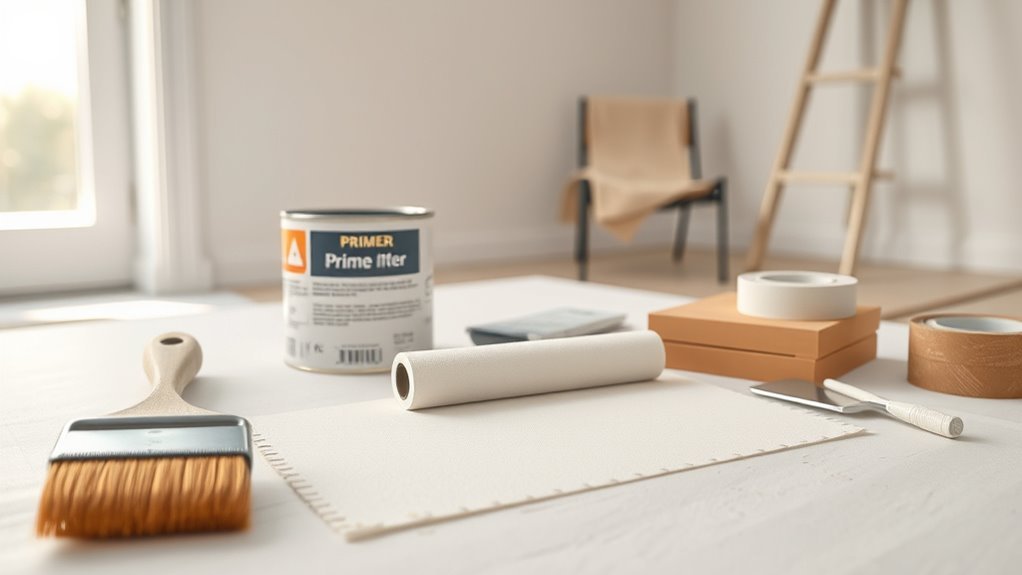
Whether you inherited a wall covered in dry erase paint or you want to switch a writable surface back to regular paint, this guide is for you. You’ll learn clear steps to prep, sand, and prime so paint adheres and dry erase residue won’t telegraph through.
You’ll get tips on choosing finish and color that respect color psychology—calming hues for offices, energetic tones for classrooms—while addressing wall texture to hide imperfections or preserve character.
This guide targets DIYers and renters who need practical, budget-friendly solutions, plus troubleshooting advice for stubborn stains and recommended tools for reliable results.
Can You Paint Over Dry Erase Paint?
Now that you know who this guide is for and what you’ll learn, let’s tackle the core question: can you paint over dry erase paint? Yes — but you must prepare properly.
Can you paint over dry erase paint? Yes — with proper sanding, cleaning, priming, and smart color choices.
You’ll sand or degloss to promote adhesion, clean thoroughly to remove residue, and apply a suitable primer designed for glossy surfaces.
Use creative techniques like feathering edges or using a bonding primer for tricky spots.
Choose paint with good adhesion and think through color matching so the new finish looks intentional.
Test a small area first.
With the right prep and materials, you can successfully cover dry erase paint and achieve lasting results.
Repaint or Strip: How to Decide
Before you pick a method, check the surface for scratches, stains, or uneven areas that could affect the new finish.
Test adhesion by scuffing a small patch or using a tape pull to see if the dry erase layer peels or holds.
If the paint flakes or bonding is poor, plan for stripping.
If it’s sound, a thorough scuff and primer may let you repaint.
Assess Surface Condition
If the dry-erase finish still looks smooth and the marker cleans off completely, you can usually repaint directly; but if you find bubbling, peeling, excessive staining, or a texture that resists cleaning, you’ll need to strip it first.
Check for adhesive residue, soft spots, and ghosting from pens. Run your hand to feel irregularities and use a solvent test patch to see if coating softens.
Note how underlying primer and substrate respond so you plan color blending and texture matching for a seamless result. Decide based on repair effort versus replacement cost.
- Run solvent test
- Feel for irregularities
- Document stains and damage
Evaluate Paint Adhesion
When you test adhesion, you’re deciding whether repainting will hold or whether the surface needs stripping first. You’ll try small pulls, a cross-hatch test, and feel for tackiness. Note failures: flaking, peeling, or gummy spots. If adhesion’s good, plan paint layers using Color theory to match undertones and choose Brush techniques suited to smooth coverage. If it fails, you’ll prepare to remove coatings (covered later). Record results and photos, label areas that passed or failed, and choose compatible primers only for passing zones. Quick, accurate evaluation saves time and prevents wasted materials.
| Test | Result | Next step |
|---|---|---|
| Cross-hatch | Pass/Fail | Primer or strip |
| Tape pull | Pass/Fail | Repaint or note |
| Touch | Pass/Fail | Prep or stop |
| Visual | Pass/Fail | Proceed or plan removal |
Consider Removal Methods
Although you can sometimes paint over dry-erase paint, decide now whether you’ll repaint or strip by weighing adhesion results, surface condition, and long-term use. You’ll inspect for ghosting from dry erase art, test adhesion with a small primer and paint sample, and try marker removal methods to see if the surface cleans to bare substrate.
If adhesion’s poor or staining persists, strip the coating; if tests show good bonding, repaint with a primer designed for slick surfaces. Consider future use—will you want another writable surface?—and choose the option that minimizes maintenance and maximizes durability.
- Test adhesion first
- Try marker removal
- Choose primer or strip
Identify the Dry Erase Product on Your Wall
Before you paint, figure out exactly what type of dry erase product is on your wall so you choose the right prep and paint. Check manufacturer labels, surface texture, and thickness: peelable films, paint-over coatings, and melamine panels behave differently.
Test a small area with solvent and a scotch pad to see if markers lift or the finish softens.
Note color theory only to match primer and final color for coverage; don’t ignore undertones.
Plan your brush techniques for edging and tight spots if sanding or deglossing’s needed.
Document findings so you pick compatible primer, filler, and paint.
How Gloss Affects Paint Adhesion
Gloss level on your dry erase surface matters because high-gloss finishes shed paint and reduce mechanical grip.
You’ll often need to scuff or sand glossy areas and use a bonding primer to promote adhesion.
These simple prep steps make new paint stick reliably instead of peeling later.
Surface Gloss Levels
How shiny is the surface you’re painting, and why does it matter? Gloss level changes how well new paint sticks and how light reflects, so you’ll choose sheen based on visibility and Color mixing goals.
High-gloss dry erase areas repel coatings more than satin or matte, and smoother surfaces limit Texture options you can create. You’ll assess sheen, clean thoroughly, and select appropriate paint type for coverage.
- High gloss: less porous, needs more preparation.
- Satin: balanced adhesion and washability.
- Matte: best for hiding imperfections and accepting new coats.
Match sheen to function, not just appearance.
Adhesion Promotion Methods
Because shinier dry‑erase surfaces resist coatings, you’ll need targeted adhesion promotion to get new paint to stick. You’ll start by degreasing and scuffing with fine sandpaper or a liquid deglosser to break surface sheen.
Use a bonding primer formulated for slick substrates; test adhesion with a tape pull.
Consider how final finish and color psychology interact—matte bases absorb light differently than gloss, affecting perceived hue.
Choose eco friendly paints and low‑VOC primers when possible to reduce fumes.
Apply thin, even primer coats, allow full cure, then sand lightly before topcoating to make certain durable adhesion.
How Stains and Ghosting Change Your Approach
If old marker stains and ghosting cover the surface, you’ll need a different prep strategy than for a clean, intact dry-erase finish. You’ll focus on stain removal first, using gentle cleaners and targeted scrubbing to lift pigments, then test for remaining ghosting.
If traces persist, degrease and sand light areas to guarantee paint bonds and to aid ghosting prevention. Seal stubborn marks with a stain-blocking primer before topcoating.
Plan work in stages: cleaning, testing, and priming. Follow this sequence and you’ll avoid bleeds, adhesion failures, and visible remnants beneath your new paint.
- Clean thoroughly
- Test before priming
- Seal persistent stains
Tools and Materials You’ll Need
Once you’ve removed stains, tested for ghosting, and sealed any persistent marks, gather the right tools and materials so the work goes smoothly. You’ll need quality water-based latex paint in a finish that suits use, plus a neutral or testable sample to apply color theory ideas—contrast, value, and undertone—before committing.
Have sanding pads, tack cloths, painter’s tape, drop cloths, and a respirator or mask ready. For application, choose rollers for large areas and prioritize brush selection for edges and trim: synthetic brushes for latex, angled sash brushes for crisp lines.
Keep cleaning supplies and disposal bags handy.
Primers That Bond to Dry Erase Surfaces
Before you paint over dry erase surfaces, choose a primer formulated to stick to glossy, nonporous finishes—these products create the mechanical and chemical bond you’ll need for lasting coverage. You’ll want primers labeled for slick substrates or “bonding” primers; they improve Dry erase durability by promoting adhesion and begin Surface sealing to prevent bleed-through.
Apply according to manufacturer directions and sand lightly between coats if recommended.
- Shellac-based bonding primers for stubborn gloss
- Adhesion-promoting acrylic primers for low odors
- Epoxy or high-build primers for repaired spots
Test a small area first to confirm compatibility and cure time.
Best Paints for Covering Dry Erase Walls
Before you pick a topcoat, make sure you’ve properly prepped the surface and applied a primer that bonds to the dry erase finish.
You’ll want topcoats that block ghosting and provide durable, even coverage—latex enamel and epoxy-based paints are strong contenders.
I’ll compare their pros, drying times, and application tips so you can choose the best option for your wall.
Prep And Primer
Although it might be tempting to skip straight to paint, proper prep and the right primer are what let new paint adhere and hide the glossy residue of dry-erase coatings. You’ll sand lightly, clean thoroughly, and repair any gouges so the primer bonds.
Use a high-adhesion, stain-blocking primer formulated for glossy surfaces to prevent show-through and improve color blending for uniform coverage. Primer also creates a smooth base if you plan decorative accents.
Pick waterborne or shellac-based primers depending on odor tolerance and drying time.
- Sand and degrease the surface
- Use a high-adhesion primer
- Spot-prime repairs and edges
Best Topcoat Options
Now that the surface is prepped and primed, pick a topcoat that will hide the old glossy finish and give you durable, even coverage. You’ll want a high-quality latex or acrylic enamel for easy application and strong paint durability; these self-level well and resist stains.
If you need a smoother, more professional look, choose a satin or semi-gloss sheen to balance washability with reduced glare.
Pay attention to color mixing—tinting can revitalise mismatched areas, but have the store remix to ensure pigment consistency.
Apply two thin coats, sanding lightly between if necessary, for a uniform, long-lasting result.
Oil vs. Water‑Based Primers: Choose One
Thinking about primers? You’ll pick oil for stain-blocking strength or water-based for easier cleanup and faster recoat. Consider substrate, ventilation, and final sheen. Use color mixing principles if you plan tinted primer, and match texture techniques to your topcoat so finish looks consistent.
- Oil primer: excellent adhesion on glossy dry erase surfaces, strong sealing.
- Water-based primer: low odor, quicker drying, simple tools.
- Tinting and texture: tint primer to cut coats; test texture techniques on scrap.
Choose based on odor tolerance, dry time, and compatibility with your chosen topcoat.
How to Run a Small Adhesion Test Patch
Before you commit to priming or painting the entire surface, run a small adhesion test patch to confirm the dry-erase coating will accept your chosen primer and topcoat. Pick an inconspicuous spot, clean it, and mark a 4×4 inch square.
Before painting the whole area, test a 4×4-inch patch to confirm primer and topcoat adhesion.
Apply primer per label, let dry, then add your topcoat. After curing, press tape down and remove sharply to check for lift.
Try a mini color blending sample and a simple texture techniques pass to verify finishes layer as expected.
Document products, times, and results so you can adjust primer type or sanding before full application.
Safely Removing Marker Ink and Contaminants
Because marker residue and oils can block adhesion, you should remove all ink and contaminants before priming or painting. Wipe the surface with a mild solvent—like isopropyl alcohol—testing a hidden corner first. Use gentle circular motions to lift dye without disturbing color blending intentions or substrate finish.
Rinse with clean water and dry thoroughly. For stubborn stains, apply a dedicated whiteboard cleaner sparingly, then re-clean the area.
- Use lint-free cloths to avoid fibers.
- Spot-test cleaners to protect texture matching and underlying coatings.
- Dispose of used solvents safely and ventilate the room while working.
Deglossing and Scuffing for Better Bonding
If your dry-erase surface still has a glossy finish, you’ll need to degloss or scuff it so new primer and paint will stick. Light abrasion removes the shine and increases surface area for bonding. Use fine-grit sandpaper or a scuff pad and sand evenly until the gloss dulls.
Wipe with a tack cloth to remove dust. For stubborn residues from marker removal, clean first with isopropyl alcohol, then degloss.
Test adhesion with a small primer patch. Proper deglossing preserves dry erase durability under repainting and guarantees the new coating bonds reliably without lifting or peeling later.
Repairing Dents, Seams, and Drywall Damage
Not sure where to start? You’ll first inspect dents, seams, and torn drywall from removed fixtures or rough furniture repair. Clean the area, cut loose paper, and apply lightweight joint compound to seams and small dents.
Not sure where to start? Inspect, clean torn paper, and fill dents with lightweight joint compound before priming.
Press tape into tapered joints, feather compound outward, and let it dry fully. For deeper gouges, layer compound, building flush with the surrounding wall texture. Once set, prime patched areas to seal before repainting the dry erase surface.
- Use a putty knife for smooth, even application.
- Match wall texture with a sponge or spray.
- Replace badly damaged drywall sections before finishing.
Sanding Without Creating Dust or Damage
Before sanding, you’ll want to contain dust with a vacuum attachment or sealed plastic barriers so particles don’t spread.
Use low-abrasion tools like fine-grit sanding pads or a soft sanding sponge to smooth the area without stripping the substrate.
Work gently and check frequently to prevent surface damage and keep the finish even.
Contain Dust Effectively
When you sand old dry-erase paint, control dust so it doesn’t settle into HVAC, electronics, or nearby furniture—use methods that capture particles at the source and protect surfaces. You’ll want Dust containment and containment strategies that keep cleanup easy and air safe. Seal the room with plastic sheeting, run a HEPA filter or vacuum with a HEPA-rated attachment, and wear a respirator and goggles.
Work slowly, keeping tools near the vacuum inlet, and dispose of debris in sealed bags. Maintain negative pressure if possible to prevent escape.
- Seal openings and cover vents
- Use HEPA filtration and vacuums
- Bag and remove waste promptly
Use Low-Abrasion Tools
If you want to sand without kicking up clouds or gouging the surface, choose low-abrasion tools and techniques designed to remove the glossy layer gently—think fine-grit sanding sponges, nonwoven abrasive pads, or a random-orbit sander set to the lowest practical speed with a soft backing pad.
Work with light pressure and short passes to dull surface gloss evenly so primer will adhere. Wipe often with a damp microfiber to capture dust and reveal progress.
If you’ve used dry erase markers, test a small area first; gentle abrasion should remove sheen without exposing substrate or creating scratches that need heavy repair.
Prevent Surface Damage
Although you want the surface dull enough for primer, you’ll protect the substrate and your lungs by controlling abrasion and dust at every step. Use wet sanding or a vacuum-attached sander to minimize particles and avoid gouging soft layers.
Test in an inconspicuous area to match surface textures so you don’t overwork the finish. Employ creative techniques like sanding blocks wrapped in damp cheesecloth or adhesive-backed mesh to blend edges without harsh scratches.
Wear an N95, isolate the work area with plastic sheeting, and clean with a tack cloth before priming.
- Wet sanding for dust control
- Vacuum-attached sander
- Test patches for texture
Final Clean and Prep After Sanding
Since you’ve finished sanding, take a few minutes to remove all dust and residue so the new paint will adhere properly.
Now that sanding’s done, remove all dust and residue so the new paint will adhere properly.
Use a vacuum with a brush attachment, then wipe with a damp microfiber cloth to catch fine particles.
Inspect the surface for remaining gloss, nicks, or old marker streaks and gently scuff any shiny spots.
Address texture variation by smoothing isolated rough patches with a light sanding pass.
If you spot stains, clean with a mild degreaser and rinse thoroughly.
Let everything dry fully.
This careful cleanup minimizes color contrast issues and guarantees a consistent base for the next step.
Applying Primer for Even Coverage
Before you paint, lay down a high-quality primer to seal the old dry-erase surface and promote uniform adhesion for the new topcoat. You’ll apply primer evenly with a roller for flat areas and a brush for edges, ensuring consistent color blending and subtle texture enhancement. Work in thin, overlapping strokes and watch for drips; let the primer dry fully before touching up spots.
A smooth, sealed base reduces show-through and helps your finish coat spread predictably.
- Use a short-nap roller for smooth coverage.
- Cut in corners with a good-quality angled brush.
- Lightly sand between primer touch-ups for best adhesion.
How Many Primer Coats Do You Need?
Most jobs need one good coat of primer, but you should plan for a second if the dry-erase surface is glossy, stained, or unevenly covered after the first application. You’ll judge the need for extra primer by surface texture and how well the primer application bonds—smooth, shiny areas often resist coverage.
Apply a second thin coat rather than a heavy single pass; that improves adhesion and seals stubborn marks. Also consider paint compatibility with the primer brand and the dry-erase material; check manufacturer guidance.
Let primer dry fully and sand lightly between coats for a smooth, reliable base before painting.
Choosing a Topcoat Finish and Sheen
Which sheen should you pick for your painted dry-erase surface? You’ll balance durability, glare, and look. Satin hides imperfections and cleans well; semi-gloss boosts erasability and resists staining; matte reduces glare but shows marks more.
Use color theory to match sheen with room mood—lighter sheens soften vivid hues, higher sheens intensify them. Choose based on use: heavy-writing areas need tougher finishes.
Consider brush techniques for smooth coverage and to minimize lap marks that show under sheen. Test a small swatch, erase repeatedly, and inspect under room lighting before committing to a full topcoat.
Paint Application Tips for a Streak‑Free Finish
When you want a streak-free finish, work in thin, even coats and keep a wet edge so each pass blends into the last. Use a high-quality roller or brush suited to your paint type. Maintain consistent pressure and direction, and reload tools often to avoid dragging.
For subtle color blending, overlap slightly and feather edges while paint is wet. If you add texture techniques, test them on scrap first and apply uniformly to prevent obvious seams.
Light sanding between very thin passes removes dust nibs. Clean tools and remove drips promptly to preserve the smooth, professional result you want.
How Long to Wait Between Coats
How long you wait between coats depends on the paint type, room temperature, and humidity because those factors control drying time. Check the manufacturer’s recommended recoat interval—usually 2–4 hours for latex and 24 hours for oil-based products—and adjust for your conditions.
If the surface feels tacky, give it more time before applying the next coat.
Drying Time Factors
Because drying time depends on several variables, you should plan your coat schedule around temperature, humidity, ventilation, and the type of dry-erase paint you used. You’ll check label instructions, but expect variations: oil-based dries slower than water-based, high humidity prolongs curing, and poor airflow stalls tack-free feel.
Environmental factors directly alter drying time, so monitor conditions and don’t rush sanding or recoating. Aim for consistent temperature and circulate air with fans or open windows.
Consider a moisture meter or touch tests before proceeding.
- Guarantee good ventilation
- Keep temperature steady
- Wait until surface is fully dry
Recommended Recoat Interval
Although drying times vary, you should generally wait the manufacturer’s recommended window—typically 2 to 24 hours—before recoating dry-erase paint. Check the label for tack-free and recoat times, and test a small patch so you don’t trap solvents between layers.
If you’re shifting color theory—moving from bold to muted tones—allow full cure to guarantee true hue development. In cooler or more humid conditions, extend the interval; warm, ventilated spaces speed it up.
Consider lighting considerations too: inspect under the room’s typical light to spot streaks or sheen differences before applying the next coat.
Handling Corners, Trim, and Adjoining Surfaces
When you paint over dry erase surfaces, pay special attention to corners, trim, and adjoining walls since these areas reveal imperfections and affect the final look. You’ll focus on corner finishing and trim detailing: sand edges, feather primer into adjacent surfaces, and mask trim to keep lines crisp. Match sheens so shift don’t stand out, and repair gap lines with flexible caulk.
Work from corners outward to blend new paint into existing walls, keeping strokes consistent.
- Use a small angled brush for precise corner finishing.
- Caulk gaps before painting.
- Tape trim for clean trim detailing.
Painting Large Whiteboard Panels and Segmented Walls
When you’re tackling large whiteboard panels or segmented walls, start by thoroughly cleaning and sanding each surface so paint will bond evenly.
Pay close attention to seams and joints—fill gaps, feather edges, and use tape or flexible caulk where panels meet to prevent cracks showing through.
For large-scale painting, work in manageable sections, use rollers or sprayers for uniform coverage, and keep a wet edge to avoid lap marks.
Surface Preparation Steps
Preparing large whiteboard panels and segmented walls starts with a clear plan: map out each panel, note seams and trim, and mark areas that need sanding or fill so you can work systematically.
Inspect for glossy residues from dry erase coatings; degloss with sanding or chemical prep, then clean with TSP or a mild degreaser.
Prime with a bonding primer suited to slick surfaces.
Consider creative techniques and color coordination now so your primer and eventual paint layers align.
Protect adjacent areas with low-tack masking.
Let primer cure fully, then recheck for imperfections before painting.
- Sand, clean, prime
- Mask edges carefully
- Verify adhesion and cure
Seam And Joint Treatment
If seams and joints aren’t properly addressed, paint will show gaps, tape lines, or lift over time, so you should treat them before rolling or brushing.
Inspect panel joins and drywall seams, removing loose caulk or dried erase residue. Apply a flexible paintable sealant for seam sealing, tooling it smooth so it blends with surfaces.
For larger gaps, insert foam backer rod first. Reinforce taped joints with fiberglass mesh or paper tape and embed joint compound; sand and feather edges once dry.
Prime repaired areas to match porosity, then proceed with your chosen topcoat for uniform coverage and durability.
Large-Scale Painting Techniques
With seams and joints smoothed and primed, move on to techniques for covering expansive whiteboard surfaces and segmented walls so your finish stays consistent across panels. You’ll plan layout, use long-handled rollers, and work wet-edge to avoid lap marks.
For visual interest, employ color blending and subtle gradients, using artistic techniques like feathering between panels. Tape off sections to maintain alignment and label panels to resume work seamlessly.
Keep coats thin and sand lightly between layers for uniformity. Use overlapping strokes in the same direction for continuity.
- Use long rollers and extension poles
- Tape, label, and sequence panels
- Feather blends for seamless change
Prevent Peeling, Bubbling, and Delamination
Because old dry-erase coatings can repel new finishes, you’ll need to remove or properly seal them before painting to prevent peeling, bubbling, or delamination.
Strip glossy residues with a solvent recommended by the original manufacturer, or sand lightly to abrade the surface. Wipe away dust, then apply a high-bond primer formulated for glossy or nonporous substrates.
Use thin, even coats and allow full cure between layers to avoid trapped solvents causing bubbles. Test adhesion in a discreet spot before committing.
Consider creative techniques like feathering edges and careful color matching so the repaired area blends seamlessly with surrounding paint.
Troubleshooting Visible Ghosting After Repainting
If you still see faint marker shadows after repainting, check for remaining residue by wiping the surface with a cleaner—old ghosting often comes from unseen ink left behind.
If residue’s the issue, clean thoroughly and sand lightly before you prime.
Use a stain-blocking primer to seal any stains and stop them from bleeding through your new paint.
Assess Remaining Marker Residue
Noticing faint marker outlines after repainting? You should inspect for marker residue and surface contamination before blaming paint.
Run your fingers and a white cloth across the area; feel for tackiness or gritty spots. Smell for lingering solvent odors. Use a bright light and low angle to reveal ghosting, and mark trouble spots.
- Wipe test: Is residue removed with isopropyl alcohol?
- Sticky check: Any tackiness suggests contamination under paint.
- Light angle: Raking light shows shallow ghosting you might sand or clean.
Document findings so you choose the right next step.
Prime With Stain-Blocking Primer
When ghosting shows through your new finish, stop and prime those spots with a stain-blocking primer designed for marker and solvent stains. It creates a sealed barrier that prevents bleed-through and guarantees topcoat adhesion.
You’ll spot-prime affected areas, feather edges to aid color blending, and let the primer cure fully. Choose a product labeled for inks and solvents, apply thin coats, and sand lightly for smooth texture effects before repainting.
Test a small patch to confirm coverage. Once sealed, your topcoat will lay down evenly, hiding ghosting and preserving the surface for durable, clean results.
Speed Up Drying and Curing by Climate
Although climate’s out of your control, you can still speed drying and curing by adjusting airflow, temperature, and humidity around the surface. Set fans for gentle cross‑ventilation, raise room temperature modestly, and use a dehumidifier to cut moisture; these steps help solvents evaporate and coatings harden evenly.
Remember that faster cure can affect Color mixing and Lighting effects perception, so check swatches as you go. Keep tools clean and avoid heavy coats.
- Use low heat and steady airflow.
- Aim for 50% humidity or lower.
- Test small areas for appearance and hardness.
Repainting High‑Use Areas for Durability
When you’re repainting high‑use areas over dry erase paint, start with proper surface prep—clean, lightly sand, and prime any glossy or worn spots so the new finish bonds.
Pick a durable topcoat like a high‑solids enamel or polyurethane designed for frequent cleaning and abrasion resistance. These steps cut the chance of premature wear and keep your writable surface looking better longer.
Surface Preparation Steps
Because high-use dry erase surfaces see constant contact and wear, you’ll want to strip loose finish, clean thoroughly, and sand for a solid mechanical bond before repainting. You’ll remove grease and ghosting with a degreaser, rinse, and let dry.
Scuff sanding targets glossy spots; deeper gouges need filler and sanding to feather edges. Practice color blending on test panels so repaired areas match, and use steady brush techniques for even strokes.
Prep guarantees paint adheres and resists abrasion.
- Remove loose finish, degrease, rinse
- Fill gouges, sand to smooth
- Test blends, practice brush techniques
Choosing Durable Topcoats
If you want a repaint to stand up to daily use, pick a topcoat formulated for abrasion and chemical resistance rather than a standard decorative finish. You’ll choose polyurethane, epoxy, or acrylic urethane depending on substrate and exposure.
Consider sheen: higher sheens resist scuffs but show imperfections. Use color theory to anticipate how topcoat sheen and tint alter perceived hue after paint mixing.
Always test samples over the cured dry‑erase layer and scrub them. Apply per manufacturer instructions—recommended thickness, curing time, and compatible primers.
For high‑traffic walls, plan maintenance: touchup kits and periodic recoat extend lifespan and appearance.
Restoring the Surface If Adhesion Fails
Should adhesion fails after you’ve applied a new coat, don’t panic—address the problem methodically to avoid repeating the same issues. Start by assessing blistering, peeling, or powdery residue.
Use cleaning tips: degrease with a mild solvent and abrade glossy areas. If contamination caused failure, strip loose paint to sound substrate.
Re-prime with a compatible primer, following precise paint mixing ratios and pot life recommendations. Test a small patch before full recoat.
Allow full cure between steps. If problems persist, document materials and conditions so you can adjust products or prep techniques for a successful redo.
- Inspect and document
- Clean and abrade
- Prime and test
Remove Stubborn Dry Erase Coatings When Painting Won’t Work
When repainting won’t stick to a dry erase surface, you’ll need to remove the coating and start fresh—mechanically stripping or chemically dissolving the film is often the only reliable fix.
You’ll assess substrate type, test solvents in an inconspicuous spot, and choose between sanding, scraping, heat guns, or solvent-based removers. Use protective gear and proper ventilation.
After removal, clean residue, sand smooth, and prime to guarantee adhesion.
For stubborn stains, consider creative techniques like gentle media blasting or peelable strippers.
Finally, plan for color matching if you need to blend repaired areas before repainting for a seamless finish.
Estimate DIY Repaint Cost and Time
Because you’ve removed the dry-erase coating and prepped the surface, you can now estimate the time and cost for repainting with a few straightforward calculations.
Determine square footage, paint coverage, and number of coats to get accurate Cost estimation.
For Time planning, factor in drying times, sanding, and touch-ups.
Buy quality primer and paint to avoid repeats.
- Calculate paint needed: area ÷ coverage per gallon, add 10% waste.
- Schedule: prep (1–2 hrs), priming (1–2 hrs + dry), topcoats (per coat drying).
- Budget: primer, paint, rollers, tape, and unexpected supplies.
When to Hire a Pro for Repainting Dry Erase Walls
If your surface has stubborn ghosting, deep damage, or an uneven substrate that’s eaten through primer, call a pro—you’ll save time and avoid costly redo work.
You should hire a contractor when repair needs exceed basic sanding, when seams or joint compound require skillful leveling, or when large areas demand consistent adhesion.
Pros diagnose underlying issues, recommend surface prep, and help select creative color options that work over treated surfaces. They’ll also suggest eco friendly paints if you want low-VOC finishes.
Pros identify hidden issues, advise proper prep, and suggest creative colors and low‑VOC paint options for treated surfaces.
Choose a pro for warranties, efficient scheduling, and clean, reliable results that prevent future problems.
Product Picks: Primers, Paints, and Cleaners
After you decide whether to hire a pro, you’ll want the right products to make repainting over dry erase paint work. Choose a high-adhesion primer to block sheen and ghosting, and a low-VOC durable latex or acrylic paint for the finish.
Use a strong cleaner to remove oils and marker residue before priming. Consider creative techniques like light sanding and feathering edges for smooth blending and precise color matching to existing walls.
- High-adhesion primer (stain-blocking)
- Low-VOC acrylic or latex paint (durable finish)
- TSP or alcohol-based cleaner (surface prep)
Common Mistakes to Avoid
When repainting over dry erase paint, don’t skip thorough cleaning and priming—doing so leaves behind oils and marker ghosting that will bleed through your new finish.
Don’t assume one coat covers all; use the recommended primer and multiple thin coats for uniform coverage.
Avoid heavy-handed sanding that damages wall texture—light scuffing is usually enough.
Don’t mix leftover paints blindly; improper color mixing causes uneven tones.
Skip guessing VOC levels; choose compatible, low-odor products to prevent adhesion issues.
Finally, don’t rush curing times—allow full drying between coats to guarantee durability and a smooth, professional-looking surface.
Quick Maintenance Tips to Protect Your New Wall
Keep your new wall looking sharp with simple care: wipe it gently with a soft cloth and mild soap for minor surface cleaning.
Don’t use harsh chemicals or abrasive cleaners that can damage the finish.
If you want extra protection, apply a compatible clear sealant to extend the paint’s life.
Minor Surface Cleaning
A quick wipe-down every few weeks will keep your dry erase surface looking fresh and extend its lifespan. You’ll prevent ghosting and preserve any color mixing tests or decorative accents you’ve tried.
Use a microfiber cloth with plain water for daily dust and marker residue; blot rather than scrub to avoid wear. For slightly tougher marks, dampen the cloth with a mild soapy solution, rinse, then dry immediately.
Rotate cleaning spots to avoid uneven sheen.
- Use a soft, lint-free cloth.
- Test cleaners on a hidden corner first.
- Clean gently after heavy use to maintain finish.
Avoid Harsh Chemicals
Even with regular gentle cleaning, you should avoid harsh chemicals that can dull or damage dry erase paint. When you scrub, use mild soap and water or a manufacturer-recommended cleaner to preserve finish and erasability.
Don’t spray solvents, bleach, or abrasive pads; they can alter surface texture and affect marker performance or color mixing when coatings are repainted.
Follow safety precautions: ventilate the room, wear gloves, and test any new cleaner on a small inconspicuous area first.
If stubborn stains remain, try a soft microfiber cloth or a dedicated dry-erase cleaner rather than aggressive chemical solutions.
Protect With Sealant
When you’re ready to lock in that smooth, erasable finish, apply a compatible clear sealant to protect the surface from stains, ghosting, and everyday wear. You’ll choose a low‑sheen or gloss formula that won’t interfere with Dry erase markers or create too high a surface gloss.
Test a small area first, then roll or spray evenly, following dry times. Reapply annually or after heavy use. Clean with mild soap; avoid abrasive scrubs.
- Use a product labeled safe for dry erase surfaces
- Keep ventilation while applying
- Wait full cure before writing with markers
Frequently Asked Questions
Will Repainting Affect Any Warranty on Commercial Dry Erase Coatings?
Yes — repainting can void warranties; you’ll need to check manufacturer terms since dry erase durability and paint compatibility are often specified, and using incompatible coatings or altering the surface typically cancels warranty coverage.
Can I Paint Over Magnetic Whiteboard Paint Without Losing Magnetism?
Yes — but beware: if you coat magnetic whiteboard paint carelessly, you’ll risk losing magnetic retention. You’ll need thin, compatible layers and test repaint adhesion first, or you’ll compromise magnetism and surface performance.
How Do Temperature and Humidity During Storage Affect Leftover Primer?
Temperature fluctuations and humidity effects can degrade leftover primer: you’ll see thickening, separation, or reduced adhesion if stored hot, cold, or damp. Keep cans sealed, cool, and dry to preserve consistency and performance.
Are There Eco‑Friendly Primers Suitable for Covering Dry Erase Surfaces?
Yes—you can use eco friendly primers and non toxic alternatives; choose water‑based, low‑VOC bonding primers, test adhesion first, prep the surface thoroughly, follow manufacturer cure times, and repaint with compatible topcoats for durable, safer results.
Can Wallpaper or Decals Be Applied Over Repainted Dry Erase Walls?
Yes — you can apply wallpaper or decals over repainted dry erase walls if you check decorative wall options and adhesive compatibility; you’ll want a fully cured, clean surface and test adhesives to avoid peeling or finish damage.
Conclusion
You’ve got this—painting over dry erase paint is doable with the right prep, primer, and patience. Strip or scuff glossy surfaces, test adhesion, and pick a high-bond primer so your new paint sticks like glue. If the finish’s stubborn or the wall’s damaged, call a pro. Keep cleaners gentle, avoid silicone-based products, and maintain the surface regularly. With care and the right products, your refreshed wall will look great and work reliably.
