
Is It Safe to Paint Walls When Pregnant?
You can usually paint while pregnant if you pick low‑ or zero‑VOC, water‑based paints, ventilate the room well, limit time inside, and wear basic PPE like gloves and a respirator for solvents; avoid spray painting, heavy sanding, or stripping. Consider timing (avoid the first trimester if possible) and get help for ladders or heavy work. If you want safer product choices, timing tips, and practical steps to reduce exposure, keep going for more.
Is Painting While Pregnant Generally Safe?
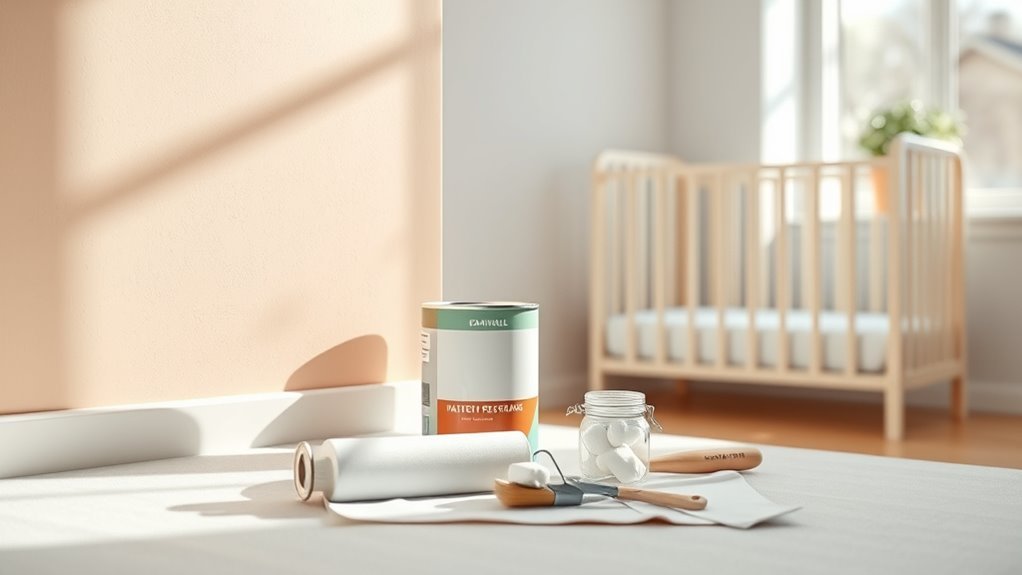
If you’re pregnant and planning to paint, you can usually do light indoor painting safely by taking sensible precautions. You should pick low-VOC paints, ventilate well, and limit time in the room.
Stand and move frequently, take breaks, and avoid bending or heavy ladders. Wear gloves and a mask to reduce skin and inhalation exposure—think of pregnancy skincare routines that minimize chemicals.
Stand and move often, take breaks, avoid heavy ladders, and wear gloves and a mask to limit exposure.
If you already practice prenatal yoga, use its breathing and posture habits to stay comfortable and reduce strain while painting.
Check with your healthcare provider if you’re unsure or have pregnancy complications.
Quick Decision: Can You Paint Now During Pregnancy?
Now that you know the basic precautions for painting while pregnant, you can make a quick, practical decision about whether to start right away. If you feel well, have low-VOC paint, good ventilation, and someone to assist, go ahead. If you’re dizzy or unsure, wait.
| Factor | Yes to Paint | Wait or Postpone |
|---|---|---|
| Ventilation | Open windows, fan | Poor airflow |
| Paint type | Low-VOC, water-based | Oil-based, unknown |
| How you feel | Energetic, no nausea | Dizzy, fatigued |
| Design goal | Quick home decor refresh; using color psychology intentionally | Major renovations, long exposure |
Trust your instincts and consult your provider if unsure.
Which Pregnancy Stages Matter for Painting?
Because different stages bring different sensitivities and symptoms, when you paint during pregnancy matters: in the first trimester you may want extra caution since organ development is ongoing and you might have more nausea or fatigue.
In the second trimester many people feel steadier, so you can plan short, well-ventilated sessions and avoid heavy lifting.
By the third trimester, balance and endurance change, so limit climbing or long projects and ask for help.
Keep your routine healthy—continue pregnancy exercise as advised and stay on prenatal vitamins.
Discuss timing with your provider to match your energy, medical history, and comfort.
How Paint Fumes Can Affect Pregnancy Health
When you paint, fumes from volatile organic compounds (VOCs) can pose risks to fetal development and may be especially concerning in the first trimester.
You might also experience short-term symptoms like headaches, dizziness, nausea, or eye and throat irritation that make painting uncomfortable or unsafe.
We’ll cover which VOCs are most worrisome and how to reduce your exposure.
Risks From VOCs
Although many modern paints advertise low or zero VOCs, volatile organic compounds in traditional and some low-VOC paints can still pose risks during pregnancy, because they release fumes—formaldehyde, benzene, toluene and others—that you can inhale or absorb through skin. These compounds have been linked to headaches, nausea, respiratory irritation, and in higher exposures, potential effects on fetal development.
You should prioritize truly low-VOC or water-based formulas, increase ventilation, and wear gloves. Consider how color psychology and paint texture affect room choices to limit time spent in freshly painted spaces.
Consult your clinician if exposure worries you.
Short-Term Symptoms
How might paint fumes affect you in the short term during pregnancy? You may notice headaches, nausea, dizziness, or eye and throat irritation shortly after exposure.
Smells can trigger heightened sensitivity; color psychology may amplify mood shifts, so a bright hue might make you feel more anxious or energized, while muted tones could calm you.
Respiratory discomfort can worsen if paint texture creates more airborne particles.
Fatigue and difficulty concentrating are common, and severe reactions warrant leaving the area and seeking fresh air.
If symptoms persist, contact your healthcare provider and avoid further exposure until it’s safe.
What Are Volatile Organic Compounds (VOCs)?
Volatile organic compounds (VOCs) are chemicals that easily evaporate from products like paint, cleaners, and new furniture, and you’ll breathe them in at home.
Common household sources include oil- and solvent-based paints, varnishes, adhesives, and some air fresheners.
During pregnancy, exposure to high levels of certain VOCs has been linked to headaches, dizziness, and potential risks to fetal development, so it’s important to know where they come from and how to limit them.
What Are VOCs
What exactly are VOCs and why should you care when painting while pregnant? VOCs are chemicals that evaporate from paints, solvents, and finishes at room temperature. They can cause headaches, dizziness, or irritation.
At high or prolonged exposures, VOCs may affect fetal development. When you handle color mixing or open cans during paint storage, you release more VOCs into the air.
Choosing low- or zero-VOC paints, keeping containers sealed, and ventilating while you work reduce exposure. You’ll also want to avoid long painting sessions and stay out of freshly painted rooms until fumes dissipate.
Sources In Homes
Because many everyday products off-gas chemicals at room temperature, you’re likely exposed to VOCs from several common sources in your home. You’ll find them beyond paint: in items tied to home decor and interior design, and in everyday cleaning, hobby, and storage products. Be aware of where fumes come from so you can limit exposure when pregnant.
- Fresh paint and primers
- New furniture, upholstery, and carpeting
- Solvent-based cleaners and aerosols
- Adhesives, caulks, and sealants
- Hobby supplies like glues, solvents, and spray finishes
Identify sources, ventilate, and choose low-VOC options.
Health Risks During Pregnancy
When you’re pregnant, breathing common household chemicals called volatile organic compounds (VOCs) can raise concerns because some have been linked to headaches, nausea, and irritation of the eyes, nose, and throat.
Others may pose longer-term risks to fetal development. You should know VOCs come from paints, solvents, and cleaners.
Short-term exposure can worsen symptoms and long-term exposure may affect neurodevelopment. Limit risks by choosing low-VOC paints, increasing ventilation, and avoiding painting during peak trimesters.
Keep up gentle pregnancy exercise and prenatal vitamins for overall health, but don’t rely on them to counteract chemical exposures.
How Long Do VOCs Linger in a Painted Room?
Although fresh paint often smells strongest right after you finish, the volatile organic compounds (VOCs) it releases don’t vanish immediately; you’ll notice fumes for days to weeks depending on paint type, ventilation, and temperature.
You can reduce lingering by airing out the room and choosing low-VOC formulas. Consider indoor plants to help freshen air and select paint colors that don’t require multiple heavy coats.
- Open windows and run fans for 48–72 hours
- Use low- or zero-VOC paints to shorten off-gassing
- Keep temperature moderate to speed curing
- Avoid occupying the room for several days
- Repeat ventilation over a week
How Paint Odors Relate to Actual Health Risk
Smells from fresh paint can feel alarming, but odor intensity doesn’t reliably indicate how hazardous the fumes are. You might notice stronger smells from certain paint color choices or when uneven wall textures trap solvent vapors, yet scent alone isn’t a good risk gauge.
Sensitivity varies: nausea, headaches, or dizziness can follow exposure even when odors seem mild. Ventilation, paint formulation, and exposure duration matter more than how pungent the room smells.
If you’re pregnant, prioritize low-VOC products, keep windows open, use fans, and limit time in the space until odors dissipate, regardless of perceived intensity.
Which Paint Ingredients Pose the Biggest Risks?
Because different paint ingredients affect health in different ways, it’s important you know which chemicals to watch for during pregnancy: volatile organic compounds (VOCs) and solvents, certain heavy-metal pigments (like lead and cadmium), and paint additives such as formaldehyde-releasing agents and some biocides.
You should avoid high-VOC paints, check labels for heavy metals, and choose products with safer preservatives. Think about environmental impact and paint recycling when disposing of leftovers.
- VOCs: short-term irritation, long-term risks
- Lead/cadmium: developmental concerns
- Formaldehyde releasers: respiratory triggers
- Biocides: hormonal effects
- Additives: hidden hazards
How Toxic Are Solvents and Paint Strippers During Pregnancy?
When you use solvents or paint strippers while pregnant, you can inhale or absorb chemicals that may affect fetal development and your own health. You should know that paint removal often releases volatile compounds linked to headaches, dizziness, and possible developmental risk. Solvent toxicity varies by chemical and exposure; concentrated fumes and skin contact raise concern. Use remote help, ventilation, and PPE, and avoid DIY stripping when possible.
| Substance | Exposure Route | Typical Effects |
|---|---|---|
| Methylene chloride | Inhalation/skin | Respiratory, nervous system |
| NMP | Skin/inhalation | Developmental concerns |
| Acetone | Fumes/skin | Irritation, dizziness |
Are Low‑VOC and Zero‑VOC Paints Safer During Pregnancy?
Low‑VOC and zero‑VOC paints usually emit fewer airborne chemicals, so you’ll lower your exposure compared with traditional paints.
You should still check ingredient lists for other additives and be aware that “zero” can mean different things depending on the label.
Always use good ventilation and minimize time in the painted room to keep exposure as low as possible.
VOC Content Matters
If you’re worried about paint fumes while pregnant, focusing on VOC levels is a practical first step. Low‑VOC and zero‑VOC options drop airborne chemicals, reducing immediate irritation and potential exposure. You’ll still want ventilation and time away during application.
Consider tradeoffs: some low‑VOC formulas can differ in paint durability or have a larger environmental impact during manufacture. Check labels and certifications, test a small area, and follow manufacturer drying times.
- Choose certified low‑VOC or zero‑VOC brands
- Ventilate the room well during and after painting
- Wear a mask rated for organic vapors if needed
- Let paint fully cure before occupying
- Prefer proven durable finishes when possible
Chemical Ingredients Differences
Because the term “low‑VOC” covers a range of formulations, you should know what those labels actually mean and what they leave out. Low‑VOC and zero‑VOC differ in solvent types, additives and pigments; some low‑VOC still use coalescents or preservatives that may matter during pregnancy. Check ingredient lists for ammonia, formaldehyde releasers, and synthetic fragrances. Consider environmental impact and choose brands with transparency and third‑party testing. Also ask about paint recycling or safe disposal. Compare options quickly:
| Feature | What to check |
|---|---|
| Solvents | Type and amount |
| Additives | Preservatives, fragrances |
| Pigments | Heavy metals |
| Certification | Third‑party labels |
Ventilation And Exposure
When you paint while pregnant, ventilation and exposure matter as much as the paint’s VOC rating. Even zero‑VOC products can release odorous additives or particulates that build up in poorly aired rooms.
You should limit time near wet paint, open windows, and use fans to direct air outside. Consider postponing extensive decorative techniques or textured finishes that increase sanding and airborne dust. Ask helpers to do prep and cleanup when possible.
- Open windows and run exhaust fans
- Use low‑dust prep methods for wall textures
- Avoid sanding during pregnancy
- Choose water‑based, low‑odor formulas
- Take frequent breaks outdoors
How to Read Paint Labels for Pregnancy‑Friendly Choices
Wondering which paint is safest while you’re pregnant? Read labels for VOC levels—look for “low-VOC” or “zero-VOC” and check exact grams per liter.
Note hazard symbols, ingredient lists, and any mentions of formaldehyde, phthalates, or antimicrobial agents; avoid paints listing solvents or strong chemical names.
Look for certifications like Green Seal or GREENGUARD.
Verify recoat and cure times so you can plan exposure minimization and ventilation with painting techniques that reduce fumes.
Consider finish and pigment load—color psychology matters for mood but pick safer formulations first.
When in doubt, contact manufacturers for full safety data sheets.
Are Water‑Based (Latex) Paints Safer During Pregnancy?
After you’ve scanned labels for VOCs and hazardous ingredients, compare water‑based (latex) paints to solvent‑based options to see why many experts recommend them during pregnancy. You’ll find latex paints generally emit fewer VOCs, dry faster, and clean up with soap and water, lowering inhalation risks and easing ventilation needs.
Consider also environmental impact and paint recycling when choosing; many communities accept leftover latex for safer disposal.
Think about environmental impact and local paint‑recycling options—many programs accept leftover latex for safer disposal.
- Lower VOC emissions reduce indoor air concerns
- Easier cleanup limits solvent exposure
- Faster drying shortens time spent in odor
- Better for community paint recycling programs
Still ventilate and use PPE as needed.
What About Acrylic, Enamel, and Alkyd Paints?
You’ll want to know how acrylic, enamel, and alkyd paints differ in risk so you can choose safely. Acrylics are water‑based and generally lower in fumes, while conventional enamels and alkyds can emit stronger VOCs and solvents.
We’ll look at specific hazards and precautions for each type so you can minimize exposure.
Acrylic Paint Safety
While acrylic paints are water-based and generally lower in volatile organic compounds (VOCs) than oil-based options, you should still take precautions when you’re pregnant—ventilate the area, wear gloves, and avoid prolonged skin contact or inhaling spray mists.
You can safely use acrylics with sensible steps: choose low-VOC, check labels, and keep painters out of enclosed spaces. Watch for paint allergies and store cans properly.
- Open windows and use fans
- Wear nitrile gloves and a mask
- Avoid spraying; use rollers or brushes
- Keep food and children away during work
- Follow paint storage instructions and seal cans tightly
Enamel Paint Risks
If you’re considering enamel or alkyd paints, know they usually contain higher levels of solvents and VOCs than water-based acrylics, so they pose greater inhalation and skin-exposure risks during pregnancy. You should treat enamel paint cautiously.
You’ll want to avoid prolonged fumes, limit skin contact, and not rely on casual handwashing alone. Consider discussing alternatives with your healthcare provider and prioritize well-ventilated spaces, time away from drying rooms, and using low-VOC products when possible.
Also remember pregnancy skincare routines can be sensitive to solvent exposure—avoid applying lotions or oils before handling paint and wash thoroughly afterward.
Alkyd Paint Precautions
Having covered enamel paint risks, let’s look specifically at alkyd options and how they compare with acrylics and enamels. You’ll want to weigh alkyd paint hazards against convenience: they’re durable but emit stronger fumes and solvents.
Follow pregnancy paint restrictions and prefer low-VOC acrylics when possible. If you must use alkyds, ventilate thoroughly, use NIOSH-rated respirators, limit time in painted rooms, and avoid direct handling of solvents.
- Choose low-VOC acrylics over alkyds when feasible
- Work with a partner to limit your exposure
- Ventilate continuously during and after painting
- Wear proper respiratory protection
- Store solvents sealed and away from living areas
Are Spray Paints and Aerosol Primers Risky During Pregnancy?
Because spray paints and aerosol primers release fine particles and volatile chemicals into the air, you’ll want to treat them as higher-risk options during pregnancy and limit exposure whenever possible. Use low-VOC alternatives, work outdoors, and wear an N95 respirator. Keep ventilation strong and avoid enclosed spaces. Consider environmental impact and proper paint storage to reduce fumes and spills. If you can, ask someone else to spray.
| Concern | Recommendation |
|---|---|
| Fumes | Use low-VOC, ventilate |
| Particles | Wear N95, outdoors |
| Storage | Seal containers, cool place |
| Disposal | Follow local guidelines |
Can Paint Dust and Sanding Harm Pregnancy?
When you sand painted surfaces or generate paint dust, tiny particles and any toxic compounds in old paint can become airborne and easy to inhale, so take precautions to protect yourself and others. You should treat sanding like a potential exposure risk: Dust inhalation can carry lead or solvents, so prioritize painting safety and ventilation.
Limit time in sanding areas, use HEPA vacuums, and wear appropriate respiratory protection when advised. Keep others out of the room and clean up thoroughly to avoid resuspension of particles.
Limit sanding time, use HEPA vacuums, wear proper respiratory protection, keep others out, and clean thoroughly.
- Ventilate well
- Use HEPA filtration
- Wear an N95 or better
- Restrict access
- Wet-sand when possible
How to Minimize Skin Contact With Paint While Pregnant
If you’ll be handling paint while pregnant, take simple steps to keep it off your skin and reduce absorption. Wear nitrile gloves rather than latex if you’ve got skin sensitivity or a latex reaction; change gloves if they tear.
Use long sleeves and disposable arm covers, and tuck cuffs under gloves. Keep a barrier cream on intact skin to limit penetration, and wash exposed areas promptly with mild soap and water.
Avoid touching your face or food while painting. For allergy prevention, test a small patch of skin before extended work and stop if irritation appears.
How Much Ventilation Is Enough When Painting?
When you paint while pregnant, aim for steady fresh-air exchanges — think multiple air changes per hour rather than a single open window.
Keep windows and doors open and use fans to create a cross-breeze during painting and for several hours afterward to reach that ventilation target.
Monitor how quickly odors fade; if the room still smells strong after a few hours, increase airflow or delay re-entry.
Ventilation Rate Targets
Because paint fumes can build up quickly in an enclosed space, you should aim for steady fresh-air exchange while painting—typically about 3 to 6 air changes per hour for routine indoor painting, and higher (6–12 ACH) for heavy applications or low-VOC-control situations.
You’ll want measured ventilation to reduce exposure while considering paint color psychology and wall texture options that affect drying and off-gassing. Follow practical targets and simple controls:
- Open windows and doors opposite each other for cross-ventilation.
- Use box or window fans to increase ACH.
- Run HVAC on fresh-air mode if available.
- Use a HEPA air purifier nearby.
- Pause work if odors concentrate.
Duration And Airflow
You’ve set up good ventilation targets, but you also need to know how long to keep air moving to keep exposure low. Run fans continuously during painting and for at least 24–48 hours afterward, aiming for 3–5 air changes per hour if possible.
Cross-ventilation reduces lingering VOCs more than a single open window. Keep humidity moderate and temperature comfortable to speed drying—paint texture and product formulation affect off-gassing duration.
Low-VOC or zero-VOC options cut risks, and using a respirator adds protection. Take breaks, step outside regularly, and avoid sleeping in freshly painted rooms until odors dissipate.
Best Ventilation Methods for Indoor Painting Projects
If you’re painting indoors while pregnant, prioritize fresh air. Open windows and doors to create cross-ventilation, run exhaust fans, and avoid lingering fumes.
Consider low-VOC paints, keep color matching quick, and minimize open cans to limit exposure; proper paint storage reduces off-gassing when you’re not working.
Choose low-VOC paints, limit open cans and quicken color matching; store paint properly to reduce off-gassing and exposure.
- Open opposite windows for cross-breeze
- Use box or window fans to exhaust air outward
- Run HVAC on fan-only to increase circulation
- Seal off other rooms to direct airflow
- Keep paint cans sealed and stored outside the living area
Follow these steps to reduce inhalation risk and stay comfortable.
How to Set Up a Safe Painting Workspace at Home
When setting up a safe painting workspace at home, prioritize ventilation, layout, and easy cleanup so you can minimize fumes and trip hazards; open windows for cross-breeze, position a box fan to blow air out, and keep your supplies organized on a dedicated table or drop cloth away from walkways. Arrange tools by task, label cans for quick paint selection, and choose low-VOC products for DIY safety. Keep a trash bag handy and wipe spills immediately. Use stable step stools, clear exits, and work in short sessions to reduce exposure and fatigue.
| Task | Tool | Tip |
|---|---|---|
| Prep | Tape | Measure first |
| Paint | Roller | Test color |
| Clean | Rags | Dispose often |
| Store | Sealed cans | Cool area |
Which PPE Protects You While Pregnant?
When you’re painting while pregnant, the right PPE helps keep fumes and splatters off you and out of your lungs. Use a properly fitted respirator or mask rated for organic vapors and wear long sleeves, gloves, and coveralls to protect your skin and clothing.
I’ll explain how to choose the right respirator and what protective clothing works best.
Respirator Or Mask
Although you might be tempted to rely on a basic dust mask, choosing the right respirator matters during pregnancy because it provides better protection against paint fumes and fine particles that can affect you and your developing baby.
You should pick a NIOSH-rated respirator (N95 or P100) for solvent-free paints, check respirator fit before every use, and follow mask maintenance guidelines to preserve seal and filter performance.
Replace cartridges as recommended and store masks cleanly.
Also, avoid painting when ventilation is poor; consider asking someone else to do high-exposure tasks.
- Choose the correct rating
- Check respirator fit
- Follow mask maintenance
- Replace cartridges timely
- Guarantee ventilation
Protective Clothing
Alongside choosing the right respirator, you should also think about protective clothing to keep paint, solvents, and dust off your skin and clothes. You’ll want a disposable coverall, nitrile gloves, and shoe covers to limit contamination. Choose breathable fabrics to avoid overheating and pick sizes that fit over maternity wear. Wipe skin promptly if contact occurs and change out of contaminated clothes before entering shared spaces. Protective clothing complements ventilation and low-VOC paints for overall paint safety.
| Item | Purpose |
|---|---|
| Coverall | Full-body barrier |
| Gloves | Hand protection |
| Shoe covers | Prevent tracking |
| Apron | Extra front coverage |
| Cap | Hair/neck protection |
When Should You Ask Someone Else to Do the Painting?
If you’re in your first trimester, have asthma or chemical sensitivities, or face any pregnancy complications, it’s wise to have someone else handle the painting. You should prioritize your health, follow pregnancy nutrition guidance, and keep up prenatal exercise without exposure risks.
Ask for help when:
- You can’t avoid solvent fumes even with low-VOC paint
- Ladders or prolonged reaching are required
- You’re feeling unusually fatigued or dizzy
- Your healthcare provider advises avoidance of chemicals
- Household stress would worsen by taking on the job
Delegate to a trusted friend or professional so you stay safe and focused on well-being.
How to Time Painting Around Prenatal Appointments and Trimesters
When planning painting during pregnancy, sync the work with your prenatal schedule and trimesters so you minimize exposure and avoid disrupting key appointments.
In the first trimester, avoid long sessions; nausea from pregnancy hormones can hit unpredictably, so schedule short jobs on days without scans or consultations.
In the second trimester, energy often returns—tackle larger tasks then, but still avoid appointment days.
In the third trimester, prioritize comfort and leave strenuous work to others; plan any final nursery touch-ups for days you’re appointment-free and can rest afterward.
Always communicate timing with your provider if you’re unsure about timing or risks.
Safe Cleanup Practices for Pregnant Painters
Because cleanup often involves solvents, dust, and lifting, you should take deliberate steps to protect yourself after painting. Wear a respirator rated for VOCs if you used solvent-based products, open windows, and ventilate for several hours. Use gloves and kneepads to reduce strain, and avoid heavy lifting—ask for help.
Note how paint color selection influenced ventilation needs; darker colors sometimes require extra coats and more drying time.
- Dispose of rags and solvent waste per local rules.
- Wipe surfaces with damp cloths to trap dust.
- Store paints upright, sealed.
- Keep pets and kids out during cleanup.
- Track DIY tips and safety notes for next jobs.
Cleaning Brushes, Rollers, and Equipment Safely
When you clean brushes, rollers, and other equipment while pregnant, pick water-based cleaners or mild soap instead of harsh solvents.
Open windows or use a fan to ventilate the area while you’re rinsing and drying tools.
Seal and dispose of contaminated rags or solvent waste according to local guidelines to keep fumes and hazards away from you and your home.
Choose Safe Cleaning Solutions
Wondering which cleaning products are safest to use while you’re painting during pregnancy? Pick mild, low-odor, eco-friendly solutions to clean brushes, rollers, and trays so you limit fumes that might interact with paint color choices or sensitivities.
Use gentle dish soap or biodegradable brush cleaners and avoid solvent-based strippers. Rinse tools promptly and dry them thoroughly. Dispose of rinse water per local guidelines.
- Choose biodegradable cleaners labeled non-toxic
- Avoid mineral spirits, turpentine, and paint thinners
- Use dedicated containers for cleaning tools
- Wear nitrile gloves and a mask if needed
- Store cleaners out of reach and sealed
Ventilate While Cleaning
How should you set up airflow to keep odors and vapors away while cleaning brushes, rollers, and trays? Open windows and doors to create cross-ventilation, and run a box fan facing outward to pull fumes outside. Work near the open exit, and avoid confined rooms.
Wear a simple mask rated for organic vapors if you’re sensitive. Use low- or zero-VOC cleaners recommended by your chosen paint brands to reduce harmful emissions.
Rinse tools in a well-ventilated area, not inside living spaces. Keep children and pets out, and take regular breaks outdoors to minimize exposure and practice DIY safety.
Dispose Materials Properly
Because leftover paint and contaminated cleaning supplies can release fumes and harm the environment, you’ll want to handle disposal responsibly. Clean brushes and rollers outdoors or in a well-ventilated area, strain solids, and let water settle so heavier pigments sink before discarding clear water per local disposal regulations. Don’t pour paint down drains; follow hazardous-waste pickup schedules.
Rinse containers for recycling only if labels allow. For biodegradable materials, check composting guidelines—solvent-based residues don’t belong in compost. Store used rags in sealed metal containers to avoid impromptu combustion and take unusable tools to a hazardous-waste facility.
- Strain and separate solids
- Follow local disposal regulations
- Recycle rinsed containers
- Check composting guidelines
- Use hazardous-waste drop-offs
Choosing Pregnancy‑Safe Primers and Sealers
When you’re picking primers and sealers while pregnant, focus on low‑VOC or zero‑VOC products and clear ingredient lists so you can limit chemical exposure from the start.
Choose water‑based primers and sealers labeled non‑toxic, and check for certifications like Green Seal.
Choose water-based, non-toxic primers and sealers—look for Green Seal and similar eco-friendly certifications.
Test small areas to confirm adhesion and that the primer won’t alter color matching when you later select paint.
Consider primer that smooths surface irregularities without heavy odor, so paint texture stays predictable.
Ventilate well during application, wear a mask rated for organic vapors, and store unopened cans away from heat to minimize off‑gassing.
Picking Paints With Safer Additives and Pigments
If you want the lowest chemical exposure, pick water‑based paints labeled low‑ or zero‑VOC and check the ingredient list for safer additives and pigments. Manufacturers increasingly replace heavy metals and formaldehyde‑releasing agents with safer alternatives.
You’ll want pigments certified as eco friendly pigments and additives that avoid phthalates, solvents, and antimicrobial chemicals.
Consider color psychology when choosing tones to support calm and energy during pregnancy.
Look for third‑party certifications and request safety data sheets. Ventilate and cure per instructions. Simple choices reduce risk.
- Check VOC and additive lists
- Favor certified eco friendly pigments
- Avoid heavy‑metal pigments
- Read safety data sheets
- Use color psychology consciously
Natural and Non‑Toxic Paint Alternatives: Pros and Cons
Beyond choosing low‑VOC formulas and safer pigments, you might want to contemplate truly natural or non‑toxic paint options to further reduce chemical exposure during pregnancy. You can choose milk, clay, or lime paints that use natural pigment sources and minimal additives.
Pros: they lower off‑gassing, often biodegrade, and create breathable surfaces; many qualify as eco friendly finishes.
Cons: they can be less durable, harder to clean, have limited color range, and may need more coats or maintenance.
Test a small area, check for certification, and consider having someone else handle application to minimize your direct exposure.
How to Handle Accidental Spills and Splashes During Pregnancy
If paint or solvent splashes on your skin, wipe it off immediately with a clean cloth and rinse with soap and water to prevent irritation.
For small spills on clothing or surfaces, blot gently and treat with mild detergent or a biodegradable cleaner that’s low in solvents.
If you get paint in your eyes or have a large spill, seek medical advice or call poison control right away.
Immediate First Aid Steps
When a spill or splash happens while you’re painting, act quickly to minimize exposure and irritation. Rinse skin under running water for several minutes, remove contaminated clothing, and avoid rubbing.
If paint or solvent gets in your eyes, flush them immediately and seek medical help. Follow basic emergency procedures and first aid steps calmly.
- Move to fresh air and keep breathing slowly.
- Rinse affected skin thoroughly with soap and water.
- Flush eyes for at least 15 minutes if contaminated.
- Remove soaked clothing and seal it in a bag.
- Call poison control or emergency services if symptoms start.
Cleaning Products To Use
Although you’ll want to act quickly after a spill, choose mild, low‑odor cleaners and avoid solvents or paint strippers that release strong fumes. If paint splashes on skin, wash with mild soap and water; for fabric or carpets, blot rather than rub to protect paint color and fibers. Test cleaners on a hidden area when dealing with delicate wall textures. Wear gloves and ventilate the room. For larger or stubborn stains, call a professional rather than use harsh chemicals.
| Situation | Recommended action |
|---|---|
| Skin splash | Soap + water |
| Fabric/texture | Blot, test cleaner |
| Large spill | Ventilate, call pro |
What to Do After Painting: Airing Out and Re‑Entry Timing
Because fresh paint releases odors and volatile compounds, you should ventilate the room thoroughly before spending extended time there. You’ll protect air quality and limit chemical exposure by airing for hours, using fans and open windows, and choosing low‑VOC paints ahead of time.
Plan re‑entry based on paint type and smell, and monitor how you feel.
- Open windows and doors for cross‑ventilation
- Run box or window fans to push fumes outside
- Wait until paint feels dry and odor is faint
- Use charcoal or air purifiers with activated carbon
- Limit time inside the freshly painted room initially
How Toxic Is Paint Stripper and When to Avoid It?
After airing out a painted room, you might still face stronger hazards if you use paint stripper to remove old layers. You should know paint stripper toxicity varies: methylene chloride and strong solvents can cause dizziness, respiratory harm, and fetal risk. Avoid striping in early pregnancy and during organogenesis; consult your clinician for pregnancy stage considerations. If removal’s urgent, hire professionals with ventilation and PPE. Use safer alternatives like heat or citrate-based strippers when possible.
| Hazard | Action |
|---|---|
| Methylene chloride | Don’t use |
| Strong solvents | Avoid close exposure |
| Heat methods | Safer choice |
| Professional hire | Best option |
Special Considerations for Nursery and Baby Furniture Painting
When you’re painting a nursery or baby furniture, pick low-VOC or zero-VOC paints and cure them fully before the room is used—newborns are more sensitive to fumes and off-gassing than adults. You should ventilate well, test small areas, and prefer water-based finishes for touchable surfaces on baby furniture.
Let items off-gas outdoors or in a garage if possible. Keep cleaners and solvents away.
- Choose certified low-VOC or zero-VOC products
- Use non-toxic primers and water-based sealers
- Ventilate for several days after painting
- Allow furniture to cure fully before use
- Wash painted surfaces before assembly or contact
Painting Small Touch‑Ups vs Whole‑Room Repainting While Pregnant
If you’re pregnant, you’ll find that small touch-ups and full-room repainting carry different levels of risk and disruption. You can usually handle tiny fixes: limited ventilation, short exposure, simple brush types, and quick cleanups. Whole-room jobs increase VOCs, time spent indoors, and disruption to routines, and might need help or low-VOC choices and altered color schemes to avoid frequent repainting.
| Task | Consideration |
|---|---|
| Touch-ups | Minimal VOCs, short time |
| Full repaint | Higher VOCs, longer exposure |
| Tools | Small brushes, rollers |
| Prep | Ventilation, breaks, assistance |
When to Delay Painting Until After Delivery
Because your body and baby are the priority, you should consider postponing painting if the job will expose you to prolonged fumes, require climbing or heavy lifting, or disrupt sleep and stress levels during late pregnancy or the immediate postpartum period.
If painting will mean long fumes, ladder work, heavy lifting, or sleep disruption, consider postponing for safety.
You’ll want to delay if any of these apply:
- extensive ventilation challenges or strong-smelling paints
- jobs needing ladders or repetitive heavy lifting
- expected sleep disruption around delivery or recovery
- major holiday decorating projects that add time and stress
- large outdoor painting jobs with unpredictable weather or long timelines
Choose safer timing and simpler tasks until you’re fully recovered.
How to Involve a Partner or Friend Safely in Painting Tasks
How can your partner or a friend help without adding risks? Ask them to handle paint mixing, ladder work, and ventilation setup so you avoid fumes and strain.
Choose low-VOC or zero-VOC paint and confirm the paint color together to prevent repeated trips.
Provide clear tasks: cutting in, rolling, cleanup, and disposal.
Share PPE—gloves, masks, goggles—and remind them about handwashing and clothing protection.
Keep a well-ventilated schedule with frequent breaks and a rule to stop if anyone smells strong odors or feels unwell.
Communicate boundaries and medical precautions so DIY safety stays the top priority.
How to Hire a Professional and What to Ask Them
When you hire a painter, check their credentials and certifications to make sure they’re licensed and insured.
Ask specifically what brands and formulas they’ll use and whether they offer low- or zero-VOC options.
Also request proof of past work and references so you can confirm their experience with healthier painting choices.
Credentials And Certifications
Wondering who to trust with painting while you’re pregnant? Check credentials and certifications so you can hire confidently: they show training, safe practices, and awareness of decorating trends and paint color choices that suit your home and health.
Ask for proof, insurance, and references. Verify eco-friendly credentials and complaint records online.
- Request license and certification copies
- Confirm liability and worker’s comp insurance
- Ask about training in low-VOC practices
- Get client references and recent photos
- Verify eco-labels and industry memberships
Choose someone transparent; written estimates and timelines protect you and your pregnancy.
Questions About Products
Before you hire a painter, prepare a short list of specific product questions so you can compare answers and make a pregnancy-safe choice.
Ask which brands and exact product names they plan to use, and request Safety Data Sheets and VOC levels.
Confirm low- or zero-VOC options and whether primers or sealants emit fumes.
Discuss decorative techniques and whether they increase exposure time.
Ask about ventilation plans, drying times, and if they’ll use HEPA vacuums or air scrubbers.
Talk through paint color choices to ensure fewer coats.
Get written confirmation of products, timelines, and cleanup procedures before hiring.
Travel and Moving After Painting a Nursery During Pregnancy
If you’ll be traveling or moving back into the nursery after painting while pregnant, plan around ventilation and drying time to minimize exposure to fumes and dust.
Check travel restrictions for local regulations on paint VOCs and avoid returning until paint cures.
Coordinate moving logistics so heavy work happens before occupancy, and hire help if needed.
Use low-VOC paints, run fans, and open windows for 48–72 hours.
If you must stay elsewhere, choose a well-ventilated location.
Monitor symptoms and consult your provider if you notice headaches, dizziness, or respiratory irritation; prioritize safety over timing.
How to Balance Nesting Urges With Safety During Pregnancy
While nesting urges can feel urgent, you can channel them safely by prioritizing low-risk tasks and pacing yourself. Choose projects like organizing nursery decor, washing fabrics, or testing non-toxic paints in small patches. Avoid heavy lifting, sanding, or prolonged solvent exposure. Take breaks, ventilate areas, and ask for help with ladders or moving furniture. Focus on finishing touches—soft textiles and gentle wall textures—that won’t require harsh chemicals.
| Task | Risk | Tip |
|---|---|---|
| Organize decor | Low | Sit while sorting |
| Test paint patch | Low | Use VOC-free samples |
| Move furniture | Medium | Get help |
Common Myths About Painting During Pregnancy Debunked
Because pregnancy brings extra caution, you’re likely to hear plenty of warnings about painting that aren’t fully accurate. You can usually paint safely with sensible precautions, and knowing facts helps you enjoy decorating tips without undue worry.
- Myth: Any paint will harm your baby — Low-VOC or water-based paints greatly reduce fumes.
- Myth: You must avoid painting all trimester — Timing matters less than ventilation and protective habits.
- Myth: Small splashes are dangerous — Skin contact is minimal risk; wash promptly.
- Myth: You can’t choose bold paint color choices — Go ahead, just air out the room.
- Myth: DIY is forbidden — Ask for help with ladders or heavy work.
When to Call Your Healthcare Provider About Paint Exposure?
You can usually paint safely with precautions, but there are clear signs that mean you should call your healthcare provider about paint exposure. Call if you develop persistent dizziness, severe headache, difficulty breathing, chest pain, high fever, rash, or vomiting after fumes or splatter.
Mention any preexisting conditions like asthma or chemical sensitivities. Also contact them if you’ve had prolonged, intense exposure during pregnancy or concerns about lead-based paint removal.
Ask about fetal monitoring and testing if advised. Bring information about the paint’s ingredients, environmental concerns, and whether leftover cans were handled via paint recycling when reporting the incident.
What Studies Say About Paint Exposure and Pregnancy Outcomes
Although research on paint exposure during pregnancy is limited and mixed, the best-quality studies generally show low risk from occasional, low-level exposure to modern water-based paints.
Although studies are limited, high-quality research suggests occasional, low-level exposure to modern water‑based paints poses low risk during pregnancy
You should note studies often compare outcomes across exposure levels, adjust for smoking and occupation, and find no clear link to major birth defects.
Still, older research reflecting historical paint use or weak methods showed higher associations, which informed stricter environmental regulations.
To stay cautious, you can follow evidence-based steps:
- Prefer well-ventilated spaces and short painting sessions
- Avoid oil-based or solvent-heavy paints
- Use gloves and masks if needed
- Keep children and pets away
- Check product labels and airing times
Cost vs. Safety: Budgeting for Low‑VOC Paint and Pros Help
Having weighed what the studies say and how to minimize exposure, it’s practical to contemplate how much safer paint options cost and whether hiring pros is worth it.
You’ll find low‑VOC paint typically costs more per gallon, but you may gain cost savings by avoiding ventilation equipment, extra cleaning, or redo costs from smell-sensitive mistakes.
Hiring professionals raises upfront costs but can reduce safety concerns by ensuring proper ventilation, quick application, and use of suitable products.
Compare quotes, check pro references for pregnancy-aware practices, and weigh immediate expenses against reduced exposure risk and potential long‑term savings.
Quick Checklist: Safe Painting Steps for Pregnant People
When you’re planning a paint job while pregnant, follow a concise safety checklist to keep exposure minimal and stress low. You can still enjoy art therapy benefits and choose colors informed by color psychology, but prioritize health: plan, ventilate, and limit fumes.
Use low‑VOC paints, schedule helpers for prolonged tasks, and rest often.
- Pick low‑VOC or zero‑VOC paints and read labels.
- Ventilate continuously with fans and open windows.
- Wear a respirator rated for organic vapors and comfy protective clothing.
- Limit time near wet paint; take frequent breaks.
- Hire pros for ladders, sanding, or heavy work.
Frequently Asked Questions
Can Painting Cabinets or Floors Pose Different Risks Than Walls?
Yes — painting cabinets or floors can pose different risks than walls. You’ll face higher Paint chemical exposure from sanding, solvents, and prolonged close contact; prioritize Surface safety with ventilation, low-VOC products, respirators, and minimizing time nearby.
Can Pregnant Visitors or Housemates Be Affected by Fresh Paint Fumes?
Yes — pregnant visitors or housemates can be affected by fresh paint fumes; you should improve indoor air quality, ventilate well, use low-VOC paints, and watch for paint allergy symptoms, seeking medical advice if anyone reacts.
Do Scented or “Green” Labeled Paints Still Carry Hidden Risks in Pregnancy?
Yes — scented or “green” paints can still pose hidden risks in pregnancy. You should assume environmental pollutants may persist, monitor indoor air quality, ventilate thoroughly, choose certified low‑VOC options, and limit exposure whenever possible.
Are Paint-Related Odors Linked to Long-Term Developmental Effects in Babies?
Short answer: you shouldn’t dismiss faint “air whispers”—chemical exposure and odor inhalation can, in some studies, associate with subtle long-term developmental risks, so you’ll want to minimize exposure, ventilate, and use low-VOC options.
Can Topical Accidental Ingestion (E.G., Hand-To-Mouth) of Paint Harm Pregnancy?
Accidental hand-to-mouth paint ingestion can harm pregnancy, but brief skin contact with low-VOC paints rarely causes major issues; you should avoid paint absorption, wash skin promptly, and seek medical advice if symptoms or concerns arise.
Conclusion
You can usually paint while pregnant if you pick low-VOC or no-VOC paint, work in a well-ventilated area, and avoid heavy exposure—but don’t ignore the concern that even low-level fumes might matter. Investigations show limited evidence tying casual indoor painting to major birth harms, yet uncertainty remains, so err on the side of caution: hire help for extensive jobs, avoid oil-based paints and primer with strong solvents, and call your provider if you feel unwell.
