
Is Latex Paint Good for Walls
Yes — latex paint is a great choice for most interior walls. You’ll get fast drying, low odor, easy soap-and-water cleanup, and durable washable finishes that resist stains and scuffs. Acrylic latex is best for high-traffic rooms; PVA or vinyl works for ceilings or low-traffic areas if you’re on a budget. Prep and a primer matter for longevity. Keep going and you’ll learn which type, sheen, and prep steps suit your space.
Quick Answer: Is Latex Paint Right for Walls?

If you want a durable, easy-to-clean finish for most interior walls, latex paint is a smart choice. You’ll find it dries fast, resists stains, and cleans with soap and water, so maintenance’s simple.
It offers good adhesion on drywall and plaster, and flexible formulations reduce cracking. You can exploit color blending to tweak hues or touch up without visible seams, and finishes help with texture enhancement or smoothing flaws.
For high-traffic rooms, pick a satin or semi-gloss. Overall, latex is versatile, cost-effective, and user-friendly, making it suitable for most home painting projects.
Who Should Read This Guide?
Now that you know the basic benefits of latex paint for walls, this guide is for anyone planning a repaint or handling routine touch-ups. You’ll get practical advice whether you’re a DIY homeowner, landlord prepping rentals, or a first-time decorator choosing finishes and sheens.
If you track historical color trends for period-appropriate rooms or want modern neutrals, you’ll find tips on selecting durable, washable options. Professionals seeking quick client-friendly explanations will benefit too.
Also covered: considerations about indoor air quality and eco-friendly additives so you can balance performance, longevity, and healthier spaces without guesswork.
What Is Latex Paint and How Does It Work?
What exactly is latex paint and how does it work on your walls? You apply water-based latex; it forms a flexible film as water evaporates and binders coalesce, sealing pigment and resisting moisture. You’ll notice quick drying, easy cleanup, and compatibility with various color combinations. Proper painting techniques—like surface prep and thin coats—ensure adhesion and durability. Below is a quick reference:
| Feature | Benefit |
|---|---|
| Water-based | Easy cleanup |
| Flexibility | Resists cracking |
| Pigment | Provides color |
| Dry time | Faster recoats |
| Finish | Affects sheen and washability |
Use recommended techniques for lasting results and consistent coverage.
What Types of Latex Paint Exist (Water‑Based, Acrylic, PVA)?
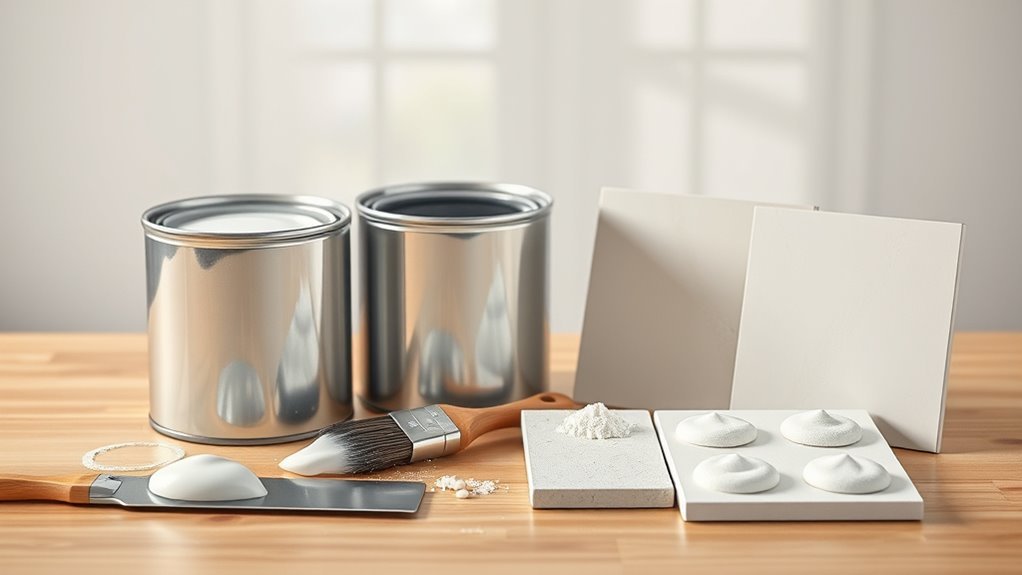
With the basics of how latex paint forms a flexible, water-resistant film in mind, it’s helpful to compare the main types you’ll encounter: water-based (often called latex), acrylic, and PVA.
With latex paint forming a flexible, water-resistant film, compare water-based, acrylic, and PVA for finish and performance.
- Water-based: You’ll get easy cleanup, good Color blending, and plenty of Texture options for walls. It dries faster and has lower odor.
- Acrylic: Polymer-rich, it offers superior adhesion and durability, retaining pigments for richer Color blending and handling varied Texture options well.
- PVA: Economical and simple, PVA is fine for priming or low-traffic areas but limits Color blending and fewer Texture options compared with acrylic.
Which Latex Type Is Best for Interior Walls?
Which latex type should you pick for interior walls depends on the room’s use and your priorities.
For high-traffic areas like hallways or kids’ rooms, choose a durable acrylic latex with stain resistance and easy cleaning.
For ceilings and smooth surfaces you can use PVA or basic vinyl latex for good coverage at lower cost.
Semi-gloss or satin acrylic works well in kitchens and bathrooms where moisture and scrubbing matter, while eggshell hides minor imperfections on varied wall textures.
Buy only what you’ll use soon, seal opened cans tightly, and rotate stock to prevent issues with long-term paint storage.
How Does Latex Differ From Oil‑Based Paint?
Because they use different binders, latex and oil-based paints behave and perform very differently: latex relies on water and synthetic polymers (like acrylic or vinyl) that dry by evaporation, while oil-based paint uses organic solvents and natural or alkyd oils that cure through oxidation.
Latex and oil paints differ fundamentally: latex dries by water-evaporation of synthetic polymers; oil cures via solvent-driven oxidation of oils.
You’ll notice clear differences in finish, odor, cleanup, and durability. Consider:
- Drying & cleanup: latex dries fast and cleans with water; oil takes longer and needs solvents.
- Paint texture & finish: oil often gives smoother leveling; latex can show brush marks unless high quality.
- Color psychology: both hold pigment, but sheen and depth vary, affecting perceived color.
When Should You Choose Oil Over Latex?

If you need a finish that levels out brush strokes, resists heavy wear, or bonds to tricky surfaces like stained wood or glossy trim, choose oil-based paint; it flows smoother, hardens into a tougher film, and sticks better to surfaces that might repel water-based formulas. You’ll pick oil when durability matters: high-traffic trim, cabinets, and floors, or when working over existing oil finishes. Oil helps with specific artistic techniques that require slow drying and blending. For heavily textured walls or uneven wall textures, oil can seal and smooth.
| Situation | Why oil helps |
|---|---|
| Trim | Harder film |
| Cabinets | Durable finish |
| Stained wood | Better adhesion |
| Textured walls | Smoothing effect |
How Does Sheen Affect Latex Performance?
How glossy do you want your walls to look and how much wear do you expect them to take? Sheen changes durability, cleanability, and how color reads—affecting color psychology and perceived space. Choose based on use and look:
- Flat: hides flaws, mutes color, lower environmental impact due to fewer coats.
- Eggshell/Satin: balances softness and scrubbability; good for living areas.
- Semi-gloss/Gloss: highlights details, resists stains, ideal for high-traffic trim.
You’ll sacrifice some flaw-hiding as sheen rises, and glossier finishes can amplify color intensity. Match sheen to function to optimize performance and aesthetic.
Which Rooms Favor Latex Paint Most?
You’ll find latex paint works great in high-moisture areas like bathrooms and kitchens because it resists mildew and cleans up easily.
It also suits living and dining rooms where durability and color retention matter.
For bedrooms and hallways, latex gives a smooth, low-odor finish that’s easy to touch up.
High-Moisture Areas
Wondering which rooms benefit most from latex paint? You’ll find it excels where moisture’s common and odors matter: it dries fast, resists mildew, and minimizes paint fumes. Consider these spots:
- Bathrooms — High humidity needs mildew-resistant latex; guarantee primer suits porous wall texture to prevent peeling.
- Kitchens — Steam and splatters call for washable, semi-gloss latex that wipes clean without strong lingering fumes.
- Laundry rooms — Dampness and heat cycles demand durable latex that handles moisture and occasional scrubbing.
You’ll still prep surfaces, address ventilation, and pick appropriate sheen to protect walls and maintain indoor air quality.
Living And Dining
Because living and dining rooms see heavy use and varying light, latex paint is a smart choice. You’ll benefit from its quick drying, easy cleanup, and resistance to fading so colors stay true even near sunlit windows.
Its mild odor makes hosting easier, and formulations with added stain resistance stand up to spills and fingerprints. Consider washable eggshell or satin sheens for balanced reflectivity and easy maintenance.
You’ll also appreciate furniture compatibility—latex won’t off-gas like some solvent-based paints, reducing finish interactions. For homes with semi-exposed passages, its outdoor durability variants handle occasional drafts or porch adjacency without compromise.
Bedrooms And Hallways
Moving from busy communal spaces to quieter private areas, latex paint works particularly well in bedrooms and hallways where comfort and durability matter. You’ll appreciate low odor and quick drying, which limits paint fumes and lets you return to routine sooner. It adapts to varied wall textures and resists scuffs in high-traffic corridors.
- Bedrooms: choose low-VOC latex for softer scents and easy cleanup after touch-ups.
- Hallways: pick durable sheens that hide minor marks and handle frequent wiping.
- Transitional spaces: use consistent latex tones to unify rooms while accommodating different wall textures.
Is Latex Durable Enough for High‑Traffic Walls?
If you have busy hallways or family rooms, you’ll want to know whether latex can stand up to constant use and scuffs. Latex is generally tough and flexible, but finish sheen and surface prep affect how well it resists wear.
We’ll also cover how easy touch-ups and routine cleaning keep high-traffic walls looking fresh.
Durability In High Traffic
When you’re deciding whether latex paint can stand up to busy hallways, kitchens, or kids’ rooms, focus on the paint’s sheen and formulation. You’ll choose finishes and additives that resist scuffs, fading, and moisture while supporting your Artistic techniques and Color psychology choices.
- Pick semi-gloss or satin for higher abrasion resistance and easier cleaning.
- Use quality acrylic-latex blends with durable binders and stain-blocking pigments.
- Consider factory-mixed primers/paints for better adhesion and uniform wear.
You’ll still match colors intentionally, knowing durable sheens can enhance color perception and longevity in high-traffic spaces.
Maintenance And Touch‑Ups
How often will you need to touch up latex-painted walls in busy areas? You’ll typically spot small scuffs monthly and more serious wear yearly. Latex wipes clean, but you’ll still perform touch-ups to preserve finish, do color blending, and guarantee texture matching. Keep a small can of the original batch and sand lightly before repainting. Use thin coats and feather edges for invisible repairs.
| Issue | Frequency |
|---|---|
| Light scuffs | Monthly |
| Chips | Quarterly |
| Recoating/high traffic | 12 months |
Regular touch-ups keep walls looking fresh without full repainting.
How Do You Evaluate Stain Resistance in Latex Paints?
Want to know whether a latex paint will stand up to everyday messes? You test stain resistance by checking finish, scrub rating, and real-world trials while noting paint color and environmental impact. Follow these steps:
- Check technical specs: look for scrub cycles (ASTM D2486) and washability grades on the label.
- Do spot tests: apply common stains, let dry, then clean with recommended cleaners to see if color shifts or film softens.
- Assess finish: glossier sheens resist stains better; matte hides imperfections but may absorb spills more.
Record results and choose a paint that balances durability, hue, and eco-friendliness.
Can Latex Handle Humidity and Bathrooms?
Can latex paint work in humid rooms like bathrooms? You can use latex if you pick a high-quality, semi-gloss or satin formula designed for moisture; it dries fast and resists peeling. For mold prevention, choose paints with antimicrobial additives and guarantee good ventilation. Wipe down surfaces after showers and repair leaks promptly. Avoid porous finishes near showers; consider tiles where needed. Laser engraving is unrelated to paint choice but useful for labeling storage.
| Feature | Best Option | Notes |
|---|---|---|
| Finish | Semi-gloss | Easier to clean |
| Additives | Antimicrobial | Helps mold prevention |
| Ventilation | Exhaust fan | Reduces humidity |
| Durability | High-quality latex | Resists peeling |
Is Latex Suitable for Kitchens and Grease‑Prone Areas?
Because kitchens see grease, steam, and frequent cleaning, you’ll want a high-quality latex formulated for kitchens—ideally a semi-gloss or satin—since these finishes resist stains, wipe clean easily, and stand up better to scrubbing than flat sheens.
Because kitchens face grease and frequent cleaning, choose high-quality kitchen latex in semi-gloss or satin for easy wiping and durability.
You should also consider primers and proper surface prep to prevent staining and adhesion issues.
Think about color matching for cabinets and backsplashes and choose a paint texture that hides imperfections while allowing easy cleaning.
- Pick semi-gloss/satin for durability.
- Use a stain-blocking primer under latex.
- Test small areas for color matching and wear.
Interior vs. Exterior: How Does Latex Perform Differently?
When you choose latex for interior walls, you’re prioritizing easy cleanup, low odor, and flexibility that handles temperature swings inside the house. You’ll enjoy washable finishes, wide color psychology options, and compatibility with modern trim. Exterior latex faces harsher UV, moisture, and mildew challenges, so you’ll pick formulations with binders and additives for durability. Historical paint trends shifted toward waterborne latex for convenience and environmental reasons, but exterior mixes remain tougher. Consider finish, prep, and climate when deciding interior versus exterior latex.
| Feature | Interior vs Exterior |
|---|---|
| Durability | Interior: moderate; Exterior: high |
| Finish | Interior: satin/matte; Exterior: satin/semi-gloss |
| Maintenance | Interior: easy; Exterior: periodic repaint |
| Color options | Interior: extensive; Exterior: UV-stable choices |
What Surfaces Bond Best With Latex Paint?
Although latex adheres best to clean, dry, and slightly porous surfaces, you’ll find it bonds particularly well to primed drywall, plaster, and properly sanded wood. You should consider surface condition, old coatings, and wall textures when deciding what to paint. Also think about color matching for touch-ups and sheen consistency.
- Drywall: smooth or lightly textured walls accept latex uniformly, aiding color matching.
- Plaster: keyed plaster grips latex; repair cracks first for even wall textures.
- Wood: sanded, sealed wood yields durable adhesion; grain and stain affect color matching.
When Do You Need a Primer With Latex?
If you’re painting bare wood, stained surfaces, or walls that feel chalky and porous, you’ll want a primer to guarantee good adhesion.
You should also prime when you’re making a drastic color change to prevent bleed-through and get true coverage.
Skipping primer in these situations usually means more coats of paint and a less durable finish.
Bare Or Stained Surfaces
Wondering whether bare wood or a stained surface needs primer before latex paint? You usually should. Primer seals porous bare wood and blocks tannins from stained surfaces, helping color blending and ensuring consistent coverage over varied wall textures.
Follow these simple steps:
- For raw wood: prime to prevent uneven absorption and blotching.
- For stained wood: use a stain-blocking primer to stop bleed-through.
- For previously sealed or glossy surfaces: sand and spot-prime for adhesion.
You’ll save time and coats by priming appropriately. If the surface already has uniform sheen and no stains, test a small area first.
Drastic Color Changes
When you’re switching from a very dark or vibrant color to a much lighter one (or vice versa), you’ll usually need a primer to block the old color and cut down on the number of latex coats required; primer evens out the base so the new shade looks true and you don’t waste time chasing coverage. You’ll use primer during major color transformation to guarantee uniform tone and preserve the mood influence of your chosen hue. Quick reference:
| Situation | Primer Needed? | Result |
|---|---|---|
| Dark→Light | Yes | Fewer coats |
| Light→Dark | Sometimes | Truer depth |
| Vibrant→Neutral | Yes | Even finish |
| Neutral→Vibrant | Maybe | Brighter pop |
Porous Or Chalky Walls
Because porous or chalky surfaces soak up latex like a sponge, you’ll almost always need a primer to seal the substrate and create a uniform surface for topcoat adhesion. You’ll prevent uneven sheen and wasted paint, especially on textured finishes or walls with previous chalking.
Choose a bonding primer for tough, powdery walls; use a stain-blocking formula if discoloration’s present. For artistic wall sculpting, primer evens absorption so textures read clearly.
Steps to follow:
- Clean and remove loose chalk.
- Apply appropriate primer evenly.
- Let cure fully before latex topcoat application.
Which Primer Should You Pick for Different Walls?
Picking the right primer sets the stage for a durable, smooth latex finish—so match the primer to your wall’s surface and problem (stains, porosity, or previous coatings).
For stained walls, use a stain-blocking oil or shellac primer to prevent bleed-through.
For new plaster or highly porous surfaces, choose a high-build, sealing primer to even porosity and reduce coat count.
For glossy or previously coated walls, use a bonding primer to promote adhesion.
Consider how color psychology and furniture placement influence final color choices; test tinted primers if shifting hue.
Always follow manufacturer drying times for best results.
How to Prep Drywall for Latex Paint?
Now that you’ve picked a primer suited to your wall’s needs, prep your drywall so the latex paint adheres evenly and looks professional. Start by wiping dust and sanding seams smooth; use a damp cloth and fine-grit sandpaper. Repair dents and nail holes with joint compound, sand once dry, and remove residue. Address stains with a stain-blocking primer spot-treatment.
- Clean: remove dust, grease, and loose paper.
- Repair: patch holes, sand, and feather edges.
- Protect: ventilate to reduce paint odor and consider low-VOC paint if anyone has latex allergies.
How to Prep Plaster and Previously Painted Walls?
If your plaster is intact or the wall’s already painted, prep starts with a close inspection for cracks, loose plaster, and peeling paint; address problems before you prime.
Clean surfaces with mild detergent, rinse, and let dry.
Sand glossy paint to dull the sheen, then vacuum dust and wipe with a tack cloth.
Fill small cracks with flexible filler and feather edges; larger damage needs patching and sanding smooth.
Use a stain-blocking primer on tannin or smoke stains.
Remove outlet covers and protect floors and holiday decor; move items for furniture matching and easy access before painting.
How to Fix Common Adhesion Problems With Latex?
Once your surface is cleaned, repaired, and primed, you’ll want to tackle adhesion problems before applying latex paint so the finish will last. You’ll check for loose paint, contaminants, and glossy surfaces that resist bonding. Fix issues by sanding, cleaning with TSP substitute, and spot-priming bare areas.
Consider how Color psychology and decorative techniques affect choices—matte hides flaws, gloss shows them.
- Sand glossy or peeling spots smooth, then wipe dust away.
- Use a bonding primer on problematic substrates.
- Allow proper cure times and test a small patch before full application.
Step‑by‑Step: Applying Latex Paint Like a Pro
Before you pick up the roller, set up your workspace so paint, tools, and drop cloths are organized and within reach.
Begin by cleaning and sanding surfaces, then prime any stains.
Cut in edges carefully, maintaining a wet edge to avoid lap marks.
Load your roller evenly and apply in overlapping W or M patterns, smoothing out with long passes.
Let each coat dry fully and inspect under good light; thin spots need another coat.
Consider color psychology when choosing finish and how paint texture affects light reflection.
Clean tools promptly and store leftover paint labeled for touch-ups.
Best Tools for Rolling and Cutting In With Latex
When you’re ready to roll, pick roller covers with the right nap for your wall texture—short naps for smooth walls and thicker naps for textured surfaces.
For clean edges, use a high-quality angled cutting-in brush that holds paint well and keeps a sharp line. These two tools will make your latex paint go on faster and look more professional.
Best Roller Covers
Although choosing the right roller cover might seem minor, it makes a big difference in how smoothly latex paint goes on and how much texture your walls show.
You’ll want roller covers that match surface and finish, shed minimally, and hold enough paint to speed work. Consider these options:
- 1/4″ nap polyester for smooth walls — fine finish, minimal texture.
- 3/8″–1/2″ nap blend for lightly textured drywall — good pickup and even lay.
- 3/4″–1″ nap microfiber for rough surfaces — excellent coverage and durability.
Pick quality roller covers to reduce lint, streaks, and rework.
Cutting-In Brushes
Need a crisp edge? You’ll want quality cutting-in brushes to handle trim, corners, and tight spots when using latex. Choose angled, synthetic-bristle brushes sized 2–2.5 inches for control and smooth application; they resist water and hold shape with latex paint.
Work steadily, load the brush properly, and feather the stroke to blend with rolled areas. Keep a steady hand and clean brushes immediately—soap and water do the job.
These latex paint accessories make the difference between amateur and professional-looking edges, so invest in a few reliable cutting-in brushes and maintain them for consistent, neat results.
How Long Does Latex Paint Take to Dry and Cure?
Because latex paint is water-based, it usually feels dry to the touch within 1 to 2 hours, letting you recoat in 4 hours for most brands.
Because latex is water-based, it’s typically touch-dry in 1–2 hours and ready for recoat in about 4 hours
But full curing—when the film reaches maximum hardness and chemical resistance—can take 2 weeks or more depending on temperature, humidity, and coat thickness.
You’ll notice factors like ventilation and temperature speed or slow drying.
Consider situations where eco-friendly coatings or historical finishes require gentler curing.
Typical timelines:
- Touch dry: 1–2 hours.
- Recoat safe: ~4 hours (varies).
- Full cure: 14–30 days for peak durability and stain resistance.
How Many Coats Do Walls Typically Need?
How many coats you’ll need depends on surface preparation, whether you prime, and the paint’s coverage.
If walls are patched or porous, you’ll want a primer first to seal and improve adhesion.
Generally one to two coats of latex finish the job after proper priming, with extra coats for darker colors or thin-coverage paints.
Surface Preparation Needs
When you’re prepping a wall for latex paint, the number of coats you’ll need depends on the surface condition, the paint’s quality, and the color change. Most interior walls usually require two coats for even coverage. You’ll assess damage, smoothness, and previous finishes to decide how many layers to apply.
Focus on surface preparation needs to support color blending and texture enhancement so finishes look uniform. Follow these steps:
- Clean and repair: remove dirt, fill holes, sand glossy spots.
- Sanding: feather edges, reduce roughness.
- Scuff or degloss: ensure adhesion and consistent sheen throughout.
Primer Versus Paint
If you’re covering a bare drywall, stained surface, or making a drastic color change, start with a quality primer—otherwise two coats of latex paint will usually give you the coverage you need.
You’ll save time and avoid wasted materials by priming where adhesion or stain blocking matters. Primer evens porosity so topcoat color mixing behaves predictably and reduces the number of finish coats.
When you buy primer or leftover paint, practice proper paint storage: seal cans, label contents and date, and keep them in a cool, dry place to preserve performance. That way your next touch-up matches and sticks reliably.
Coverage And Coats
Now that you’ve prepped surfaces and primed where needed, let’s look at how many coats you’ll actually need. Generally, two coats of latex paint give even coverage and durability, but factors change that rule. Consider primer quality, wall porosity, and whether you’re shifting from dark to light hues.
Color psychology and historical paint trends explain why some eras favored multiple glazed layers for depth. Follow this simple guide:
- One coat: same-family touch-ups or high-hide paints.
- Two coats: standard for new colors and even finish.
- Three+ coats: drastic color changes or thin cheap paints; reassess primer.
How to Estimate Paint Quantity for a Room
Want to know how much paint you’ll need for a room? Measure wall height and length, subtract windows and doors, then multiply total square footage by the paint’s coverage per gallon (check the can).
Consider wall texture: rough surfaces absorb more, so increase required gallons by 10–20%.
Factor coats—prime plus one or two finish coats—and choose colors carefully since color psychology can influence whether you need extra coats for full coverage (deep or vivid hues often need more).
Round up slightly to allow touch-ups.
Keep a record of room dimensions and paint used for future reference.
How to Mix, Thin, and Tint Latex Safely?
Before you start painting, make sure you mix latex thoroughly by scraping the can sides and stirring from the bottom to lift settled pigment.
If the paint’s too thick, thin it sparingly with water—adding small amounts and testing coverage as you go—to avoid weakening the finish.
For tinting, use compatible colorants and add them gradually while stirring continuously so the shade stays even.
Proper Mixing Technique
When you mix, thin, or tint latex paint, work methodically to keep color consistent and preserve the paint’s performance. You’ll start by stirring thoroughly with a paddle, scraping sides and bottom for even color blending and uniform texture application.
Then follow a measured approach:
- Combine whole cans first, stir each separately, then blend a sample batch.
- Add tint gradually, mixing and testing on a scrap until you hit the shade.
- If thinning, add small increments, stir, and test flow; don’t overdo it.
Label your batch, record ratios, and remix before use to avoid surprises.
Safe Thinning Methods
Although you rarely need to thin latex paint, you should do it carefully to keep adhesion, color, and finish intact. Always use the manufacturer’s recommended thinner (usually water) and add it in small increments while stirring and testing.
When Thinning latex, pour measured amounts—start with a few tablespoons per gallon—stir thoroughly, and test on a scrap surface to check coverage and sheen.
For tinting, mix thoroughly with compatible colorants and avoid over-addition that alters finish.
Practice Latex paint safety: work in a ventilated area, wear gloves and eye protection, label mixed cans, and discard any contaminated or improperly thinned paint.
Cleanup and Maintenance: Soap, Water, and Tips
If you want your latex-painted walls to stay fresh, start cleanup with plain soap and warm water—latex is water-based, so most spills and smudges lift easily with a soft cloth or sponge. You’ll preserve finish and color by cleaning gently, avoiding harsh abrasives.
Remember that Historical trends in low-VOC formulas and Artistic techniques for faux finishes affect durability, so follow manufacturer care.
Quick tips:
- Wipe stains promptly with mild detergent and warm water, blotting from edges inward.
- Rinse with clean water, then dry to prevent streaks.
- Test stronger cleaners in a hidden spot before full use.
How to Spot‑Repair Scuffs and Chips in Latex Finishes?
Cleaning removes most marks, but scuffs and chips need a different approach—spot repairs are quick, inexpensive, and keep walls looking uniform without repainting the whole room.
Start by cleaning the area, sanding loose edges, and applying a primer for deep chips.
Use matching latex touch-up paint; test on scrap to match sheen.
Feather edges with a small brush or sponge to blend—this works for plain walls and subtle faux finishing.
For wall murals, consult the original artist or use tiny brushes to replicate strokes and color layers.
Finish with a light topcoat to protect the repaired spot.
Expected Lifespan of Latex‑Painted Walls and Repaint Signs
You can usually expect latex paint on interior walls to last 5–10 years before colors fade or wear shows.
While well‑ventilated, low‑traffic areas may go longer.
Look to obvious signs like chalking, peeling, visible stains, or patchy gloss loss as cues that it’s time to repaint.
If you start touching up often or the room’s function changes (e.g., nursery to playroom), plan to refresh the finish sooner.
Typical Lifespan Expectancy
How long will latex paint last on your walls? Typical lifespan varies: quality, prep, and environment determine durability. Consider ceiling texture and wallpaper compatibility when planning applications, since surface type affects adhesion and longevity.
- Interior, low-traffic rooms: 10–15 years with proper prep and good ventilation.
- Kitchens/bathrooms: 5–7 years due to moisture and grease; use semi-gloss or satin for easier cleaning.
- High-traffic or sun-exposed walls: 3–8 years; UV and abrasion shorten life.
You’ll get the longest life by using quality paint, priming properly, and addressing surface issues promptly.
When To Repaint
Having a sense of typical lifespans helps you know when to plan a repaint, but real-world signs will tell you it’s time sooner than a calendar might. Expect latex on interior walls to last 5–10 years; high-traffic areas or poor prep shorten that. Watch for peeling, chalking, stains that won’t clean, or drastic color shifts—your color psychology choices might feel wrong long before durability fails. Also inspect wall texture changes like cracking or bubbling. Use the quick guide below to decide.
| Sign | Action |
|---|---|
| Peeling | Repaint after scraping |
| Chalking | Clean, prime, repaint |
| Stains | Spot treat or repaint |
| Faded color | Consider new hue |
Cost Comparison: Latex vs. Alternatives Over Time
While the upfront price of latex paint often looks lower than oil-based or specialty coatings, you’ll want to weigh long-term costs like durability, maintenance, and recoat frequency to see the true value. Consider historical trends and how formulations improved longevity. Compare latex with alternative finishes for wear-prone areas.
- Initial cost: latex usually costs less per gallon than alkyds or specialty enamel.
- Maintenance: you’ll often touch up latex less frequently due to fade and crack resistance, lowering labor and material spend.
- Lifecycle: factor recoat intervals and surface prep—higher-quality latex can reduce total cost over years.
Are Latex Paints Safer for Indoor Air Quality (VOCs)?
You’ve just looked at long-term costs, but indoor air quality can change the value equation: paints differ in how much volatile organic compounds (VOCs) they release, and that affects health and comfort.
You’ll find most modern latex paints emit fewer VOCs than oil-based alternatives, so you’re reducing odors and respiratory irritation during and after application. Still, formulations vary—check labels and ventilation matters.
Low-VOC latex lets you focus on Color matching and Texture options without sacrificing air quality.
If someone in your home has sensitivities, prioritize well-ventilated application and allow thorough curing before occupying the room.
Eco‑Friendly Latex Options and Certifications to Look For
When choosing latex paint, you’ll want to prioritize low‑VOC formulations to keep indoor air healthier and reduce odors.
Also look for third‑party eco certifications like GreenGuard, EcoLogo, or EU Ecolabel that verify lower emissions and safer ingredients. Those labels give you a reliable shortcut to products that meet stricter environmental and health standards.
Low‑VOC Formulations
Looking for a healthier paint option? Low‑VOC latex cuts harmful fumes, so you can paint without lingering odors. You’ll still get vibrant Color blending and smooth finishes, and many formulas suit varied texture techniques for walls.
Consider these practical points:
- Choose labeled low‑VOC for reduced emissions and quicker reentry.
- Test samples to ensure Color blending matches expectations under your lighting.
- Use proper prep and application—primer and consistent texture techniques improve adhesion and durability.
These choices lower indoor pollutants while maintaining performance. You’ll enjoy safer air and dependable results when you pick the right low‑VOC latex.
Third‑Party Eco Certifications
Because labels don’t always tell the whole story, you’ll want to check for recognized third‑party eco certifications when choosing a latex paint. Look for GREENGUARD, EcoLogo, or UL Ecologo seals; they verify low VOCs, safer solvent choices, and limits on hazardous additives that can trigger latex allergies.
Certifications also assess manufacturing practices and use of eco friendly pigments, ensuring colors come from less toxic sources. You’ll reduce indoor pollutants and improve air quality by selecting certified products.
Compare certification scopes, what they test, and any allergen or emissions data provided to make an informed, health‑conscious choice.
How Well Do Latex Paints Hold Color and Resist Fading?
If you pick a quality latex paint and apply it correctly, the color will stay true for years under typical indoor conditions. You’ll notice fading mainly from UV exposure, humidity, and poor prep.
Historical trends and Cultural influences shape popular pigments, but durability depends on pigments, binder quality, and pigment load. Consider these factors:
- Pigment stability — inorganic pigments resist fading better; organic dyes may shift.
- Binder and finish — higher-quality resins lock pigments; matte absorbs light differently than satin.
- Environment and maintenance — direct sun, cleaning frequency, and ventilation affect longevity.
Choose reputable brands and follow prep instructions for best results.
How to Choose Sheen and Color for Each Room
When you pick sheen and color for each room, think about how light, traffic, and function shape both appearance and care.
In bright rooms, choose softer hues and lower sheens to hide imperfections; in dim spaces, warmer tones and glossier sheens reflect light.
High-traffic areas benefit from satin or semi-gloss for durability and easier paint removal during touchups.
Bedrooms suit matte or eggshell for a cozy look.
Coordinate accent walls and decorative techniques like sponging or stenciling, but match sheen so accents don’t clash.
Test samples on multiple walls and observe at different times before committing.
When a Pro Matters: Hire a Painter or DIY?
Think about whether you’re prioritizing cost or a flawless finish, because pros charge more but often deliver faster, cleaner results.
Consider how much time and skill you can realistically commit—complex prep, high ceilings, or tricky trim can turn a weekend project into a headache.
If you’re short on time or confidence, hiring a painter usually pays off; if you’re careful and patient, DIY can save money.
Cost vs. Quality
Although a DIY job can save you money upfront, hiring a pro often pays off in finish quality, time saved, and fewer headaches. You’ll balance Cost vs. Quality by weighing labor against results; Color matching and Budget planning are part of that choice.
Consider these factors:
- Surface prep: pros fix flaws so paint lasts longer, reducing repaint frequency.
- Materials: pros source higher-grade latex and tools, avoiding wasted paint.
- Warranty: pros often guarantee work, saving repair costs later.
You’ll decide if the premium for expertise fits your project scale and long-term value.
Time And Skill
Cost vs. quality helps frame the next question: do you have the time and skill to get the result you want? You’ll weigh DIY savings against hiring pros for consistent color mixing and advanced texture techniques. If you’re confident, small rooms suit DIY; complex trims or faux finishes don’t.
| Task | DIY? | Pro? |
|---|---|---|
| Simple walls | Yes | Maybe |
| Trim & edges | Maybe | Yes |
| Color mixing | Limited | Precise |
| Texture techniques | Basic | Expert |
Be honest about patience and tools; hire a painter when precision, speed, or warranty matters.
Best Latex Paint Brands and Recommended Lines
When you’re choosing latex paint, brand reputation matters because formulations differ in coverage, durability, and finish. Going with a well-tested line saves time and touch-ups. You’ll want reliable options that simplify color mixing and encourage proper paint storage.
Consider these recommended lines:
- Benjamin Moore Regal Select — excellent hide, durable finish, easy color mixing for trims and walls.
- Sherwin‑Williams Emerald — premium durability and stain resistance; stores well unopened and maintains consistency.
- Behr Marquee — one‑coat claims, good coverage, and forgiving for DIY projects; follow storage guidelines to preserve quality.
Pick based on sheen, warranty, and your room’s demands.
Budget‑Friendly Latex Paints That Still Perform
If you’re watching your budget but still want reliable results, several value latex paints deliver good coverage, decent durability, and easier touch-ups than generic bargain cans. You can choose affordable lines that offer balanced pigment load and washable sheens, so walls resist scuffs without costing a fortune.
Look for products with clear labeling on VOCs and recommended coats; two coats often do the trick. For accent walls or decorative finishes, pick a formula that lays down evenly to preserve paint texture and allow subtle effects.
Test color samples, note sheen differences, and plan primer use for best performance.
How to Test a Small Area Before Committing to Latex
Before you commit, clean and prep a small spot so the paint will adhere and you’ll get an accurate result.
Apply a tiny test patch with the same coat thickness you plan to use.
Once it’s dry, check the finish and drying time to see if the latex meets your expectations.
Clean And Prep Spot
Although you’re only testing a small patch, clean and prep it exactly like the rest of the wall so your results are accurate. Remove dust, grease, and loose flakes; sand glossy spots to key the surface. You’ll also want to note color mixing issues and ventilation to manage paint fumes. Follow these steps:
- Wipe with mild detergent, rinse, and let dry completely.
- Sand lightly, vacuum dust, and wipe with a tack cloth.
- Prime any bare or stained areas with a compatible primer, matching sheen and base.
Doing this guarantees the test reflects real conditions and helps you judge adhesion, coverage, and finish.
Apply Small Test Patch
Now that the surface is cleaned and prepped, pick a discreet spot—corner, behind furniture, or inside a closet—to apply your small latex test patch. Use the same application method you’ll use on the main wall so results match.
Apply two thin coats, letting the recommended interval pass between them. Note how the color responds to light and whether streaks appear; this is especially important if you did any color mixing.
Label the sample with paint formula and date, then store leftover paint properly—seal the can, invert briefly, and follow paint storage tips—so you can touch up or adjust after review.
Evaluate Drying And Finish
When the test patch feels dry to the touch, give it the full cure time the manufacturer recommends and check both surface dryness and deeper hardness so you know how the finish will hold up.
After curing, inspect color consistency, sheen, and odor. Note any lingering paint fumes and compare hue to samples—color mixing can shift final tone.
Test durability with light pressure and a fingernail scratch. Record results.
- Visual: check evenness, sheen, and true color after curing.
- Smell: confirm paint fumes dissipated within expected time.
- Durability: assess hardness, resistance to scuffs, and adhesion.
Touch‑Up and Repaint Timelines for Latex Walls
How soon should you touch up latex-painted walls or plan a full repaint? You can touch up small scuffs within days once paint dries to the touch, but wait 2–4 weeks for full cure before evaluating sheen and adhesion.
Match batches carefully: color mixing across lots can shift slightly, so keep leftovers labeled and practice good paint storage to preserve tint and viscosity.
For high-traffic rooms, expect touch-ups sooner and a full repaint every 5–7 years depending on wear.
Always test a discrete patch to confirm color and finish before committing to larger repairs or a complete repaint.
Quick Checklist to Decide if Latex Paint Is Right for Your Walls
If you’re weighing options, use this quick checklist to decide whether latex paint suits your walls. Consider durability, finish, and environmental impact before buying.
If weighing options, use this quick checklist to see if latex paint fits your walls — durability, finish, and ecoimpact.
- Assess room use: will high traffic or moisture demand washable, durable latex? Factor in longevity and maintenance.
- Evaluate color psychology: pick hues that affect mood and light; test swatches on different walls and at various times of day.
- Check eco labels and VOC ratings: choose low‑VOC, certified latex for better indoor air quality and sustainability.
Use this checklist to prioritize needs, aesthetics, and health, then select the latex formulation that matches.
Frequently Asked Questions
Can Latex Paint Cause Allergic Reactions or Skin Irritation During Application?
Yes — you can experience skin irritation or latex allergies during application; you should wear gloves, long sleeves, and a respirator if needed, stop if symptoms appear, and seek medical advice for persistent or severe reactions.
Can Latex Be Applied Over Wallpaper Without Removal?
You can, but it’s like painting a curtain instead of a wall: you’ll often need wallpaper removal first to guarantee paint adhesion. If paper’s secure and primed, you can paint, but risks like bubbling remain.
Are There Color-Matching Limitations With Latex Versus Oil-Based Paints?
You’ll usually get good color consistency and shade matching with latex, though oil can produce richer sheens and slightly different undertones; test samples side-by-side to guarantee precise match before committing to a full repaint.
Can Latex Paint Be Heat-Resistant for Fireplaces or Stove Surrounds?
You can’t rely on standard latex paint for fireplaces or stove surrounds; it lacks heat resistance. You’ll want specialized fireproof coatings or high-heat paints designed for sustained temperatures to guarantee safety and durability.
How Does Latex Perform on Trim, Doors, and High-Moisture Cabinetry?
Like a lighthouse, latex guides: you’ll find finish durability excellent on trim and doors, resisting chips when cured; on high-moisture cabinetry it’s okay if you choose semi-gloss, and you’ll appreciate cleaning ease and upkeep.
Conclusion
So, is latex paint right for your walls? If you want durability, easy cleanup, and quick drying, it probably is — and by coincidence that’s exactly what most busy homes need. You’ll save time and hassle, and you’ll still get good coverage and color retention. Test a small patch first, pick the right latex type for the room, and you’ll likely find that convenience and performance line up perfectly for your walls.
