
Is Valspar Ultra Latex Paint? Features Explained
Yes — Valspar Ultra is a water‑based latex paint that uses acrylic binders to boost durability, adhesion, and sheen retention. You’ll get easy cleanup, low VOCs, and good hide for interior walls, trim, kitchens, and bathrooms, with finishes from flat to high‑gloss. It typically needs one to two coats, plus primer for raw or dark surfaces, and dries quickly for recoating. Keep going to see formulation details, primer tips, and best uses.
Is Valspar Ultra Latex? Quick Answer and Summary
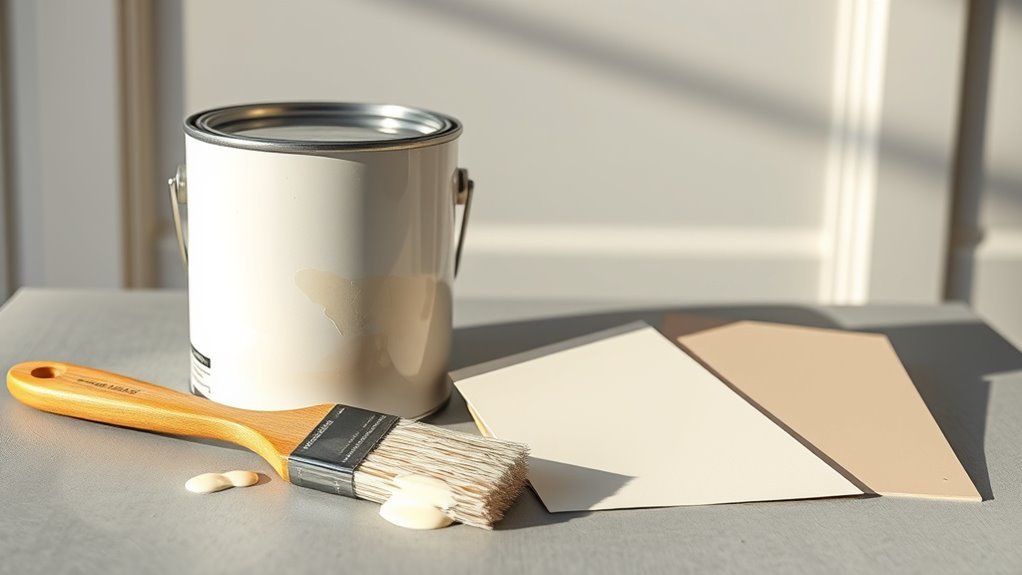
Is Valspar Ultra a latex paint? Yes — you’ll find it’s a water-based latex formula designed for interior and exterior use. You get easy application, faster drying, and simpler cleanup compared with oil-based options.
When choosing shades, you can rely on color matching services to reproduce precise tones from swatches or samples.
The product line also emphasizes improved eco friendliness versus traditional solvent paints, with lower VOC levels that reduce odors and environmental impact.
Expect durable finish options for different surfaces, good hide, and practical maintenance.
What “Ultra” Means in Valspar’s Product Lineup
When you look at Valspar’s lineup, “Ultra” marks a step up in positioning meant to offer better durability and finish than their basic options.
You’ll find its formulation emphasizes improved binders and pigments for enhanced performance like stain resistance and easier cleaning.
Think of Ultra as aimed at high-traffic rooms and trim where long-lasting coverage and toughness matter most.
Product Line Positioning
Although it sits above Valspar’s standard interior offerings, Ultra isn’t just a premium label—it’s a targeted blend of improved coverage, durability, and stain resistance designed for homeowners and pros who want longer-lasting results with fewer coats.
You’ll find Ultra positioned as the go-to for high-traffic rooms, trim, and spaces where color psychology matters because its pigments hold truer over time.
Valspar markets Ultra between economy and contractor-grade products, highlighting ease of application and maintenance.
If you care about selecting eco-friendly paints, Ultra often appears alongside low-VOC options, letting you balance performance and environmental concerns.
Performance And Formulation
Because Valspar designed Ultra to bridge everyday paints and contractor-grade coatings, you get a formulation that prioritizes coverage, durability, and color retention without extra fuss. You’ll notice higher solids for better hide and fewer coats, plus acrylic binders that resist scuffs and maintain sheen.
The formula supports accurate color matching across finishes, so touch-ups blend well. It also balances performance with reduced volatile organic compounds, minimizing environmental impact compared to older solvent-rich products.
You’ll find fast drying, good flow, and mold resistance additives; overall, Ultra gives professional-feeling results while staying user-friendly and more eco-conscious.
Target Applications
What kinds of jobs is Valspar Ultra best suited for? You’ll find it ideal for interior walls, trim, kitchens, bathrooms, and light commercial spaces where durability and smooth finish matter. Its “Ultra” label signals better hide, reliable color matching, and easier touch-ups.
You’ll appreciate low odor and reduced environmental impact compared with older formulas, though you should still ventilate. Use it where you want fewer coats, crisp edges, and resilient surfaces that clean up well.
Picture these scenarios:
- A freshly painted living room that resists scuffs
- Glossy trim around high-traffic doors
- Moisture-prone bathroom walls
- Kitchen cabinets refreshed neatly
- Small retail space updates
Is Valspar Ultra Latex or Acrylic?
Wondering whether Valspar Ultra is latex or acrylic? You’ll find it’s commonly sold as a water-based latex product formulated for easy color matching and consistent coverage.
When you choose Valspar Ultra, you get paint that dries relatively fast, cleans up with water, and performs like modern latex—flexible, durable, and suited for interior and exterior surfaces.
Its water-based nature also reflects improved eco friendliness versus older solvent-heavy options, lowering VOCs and odors.
While branding sometimes emphasizes acrylic components for durability, you can expect a latex base optimized for everyday residential use and convenient application.
Typical Valspar Ultra Formulations: Latex, Acrylic, or Hybrid?

While Valspar labels and product lines vary, most Valspar Ultra formulas are water-based latex paints that incorporate acrylic binders for added durability. You’ll typically see them marketed as latex (often “latex acrylic”) rather than pure solvent-based acrylics.
Most Valspar Ultra paints are water-based latex with acrylic binders, offering durable, easy-care finishes.
You’ll find hybrid-like performance: easy cleanup, flexible film, and improved adhesion. Color matching stays reliable across batches, and many blends prioritize Eco friendly ingredients and lower VOCs.
Expect wound-in-between properties—not pure oil or pure acrylic—so you benefit from latex ease with acrylic toughness.
Visualize typical uses:
- Smooth interior walls drying quickly
- Trim with moderate sheen
- Kitchens resisting stains
- Bedrooms with soft finish
- Hallways handling traffic
Reading Binders and Resins on Valspar Cans
Now that you know most Valspar Ultra products are water-based latex with acrylic binders, you’ll get more useful info by learning how to read the small-print binder and resin details on the can.
Check the technical data and ingredient list for binder composition—terms like “acrylic latex,” “vinyl acrylic,” or “styrene-acrylic” tell you durability and flexibility.
Look for listed resin types to understand adhesion and sheen retention; pure acrylic resins generally outperform vinyl blends.
If you see proprietary names, consult the product datasheet online.
That quick scan helps you choose the right Valspar Ultra for trim, walls, or high-traffic surfaces.
Valspar Ultra Coverage: How Many Coats and Why
How many coats of Valspar Ultra you’ll need depends on the color change, surface porosity, and desired durability—usually one to two coats cover most walls.
Darker colors or unprimed, porous surfaces often need a primer plus two finish coats. You’ll assess patchy spots after the first coat and decide if another is necessary.
Color matching reduces recoat needs; using primer speeds coverage. Eco-friendly options may slightly alter pigment load, so test a swatch.
Plan for touch-ups and heavier application on trim and high-traffic areas.
- A sun-faded wall becoming vivid again
- A patchy primered patch
- A deep, saturated accent wall
- A porous plaster surface
- A freshly painted doorway
Valspar Ultra Sheen Options
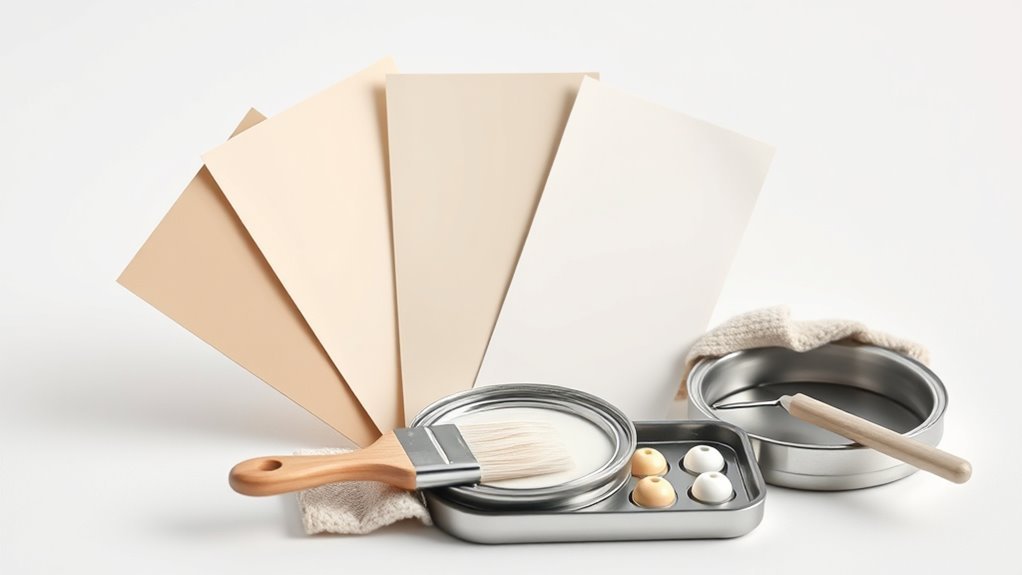
Because sheen affects both appearance and durability, you’ll want to choose the right Valspar Ultra finish for each surface. You can pick from multiple sheen levels—flat, eggshell, satin, semi-gloss, and high-gloss—so you control reflectivity and washability.
Flat hides imperfections; eggshell offers subtle luster; satin balances sheen and cleanability; semi-gloss brightens trim and cabinets; high-gloss delivers maximum shine.
Valspar Ultra’s color options work across these sheens, letting you match finish and hue for walls, trim, or furniture. When selecting, consider light, room function, and the look you want to achieve for consistent results.
Durability and Scuff Resistance for High-Traffic Areas
When you need paint that stands up to everyday wear, Valspar Ultra delivers durable, scuff-resistant finishes designed for high-traffic areas like hallways, kitchens, and family rooms. You’ll appreciate how the formula resists marks and retains finish under repeated contact, and you can choose from diverse Color options to match busy spaces.
Use the right application tools—rollers for speed, angled brushes for trim—to guarantee an even, tough coat.
Visualize durable performance:
- A bustling entryway shrugging off shoe scuffs
- A child’s playroom walls holding up to toys
- A mudroom resisting cart wheels
- A kitchen pass-through with steady traffic
- A family room that keeps looking fresh
Stain Resistance and Cleanability of Valspar Ultra
You’ll want to know how Valspar Ultra stands up to everyday stains and whether you can clean it without fading the finish.
It resists common household spills and wipes clean with a damp cloth or mild cleaner. That toughness against marks makes it a good choice for busy rooms where maintenance matters.
Stain Resistance Performance
Although not the fanciest feature on the label, stain resistance and cleanability are the qualities you’ll notice first in everyday use with Valspar Ultra. You get a finish that repels common spills, and consistent color matching across packaging sizes helps you touch up without obvious patches.
Expect durable film formation that resists oil, food, and light dyes. For daily life, imagine these scenarios:
- A coffee drip beads on the wall, not soaking in.
- Marker smudges lift with a damp cloth.
- Grease at the stove wipes away clean.
- Crayon marks fade after gentle scrubbing.
- Mud splatters rinse off easily.
Cleanability And Maintenance
Stain resistance is only part of the story; cleanability and routine maintenance determine how a finish performs over time. You’ll find Valspar Ultra wipes clean with mild soap and water, letting quick stain removal without harsh scrubbing. For best results, do surface cleaning promptly and avoid abrasive pads. Regular dusting prevents buildup that makes stains set. If you test cleaners first, you’ll protect sheen and color.
| Task | Recommendation |
|---|---|
| Dusting | Weekly soft cloth |
| Spot cleaning | Mild soap, water |
| Stain removal | Immediate blotting |
| Deep clean | Gentle sponge |
| Test area | Hidden corner first |
Toughness Against Marks
When you’re dealing with everyday scuffs, food splatters, and kid-made marks, Valspar Ultra holds up well thanks to a finish designed for easy cleaning and strong stain resistance. You can wipe most stains away with a damp cloth and mild detergent without dulling the sheen, and its durable binder resists abrasion from repeat cleaning.
Color matching stays reliable after touch-ups, so repaired spots blend in. Consider low-VOC options to reduce environmental impact while keeping performance.
- Crayon scribbles wiped with gentle pressure
- Spilled sauce lifting cleanly
- Shoe scuffs fading after a rub
- Fingerprints disappearing from trim
- Marker smudges treated quickly
Drying Time and Recoat Window for Valspar Ultra
If you’re planning a paint job with Valspar Ultra, you’ll want to know its typical drying times and the ideal recoat window so you can schedule work and avoid tackiness or poor adhesion.
Drying time to touch is usually 1 hour under normal conditions. Light recoat is often safe after 2–4 hours.
For best results, you should wait the full recoat window of 4–6 hours for latex to guarantee proper film formation, especially in cooler or humid environments.
Longer waits (up to 24 hours) can improve adhesion and leveling if conditions are less than ideal.
VOC Levels and Indoor Air Quality
Curious how Valspar Ultra affects the air in your home? You’ll want to evaluate air quality and VOC emissions: Valspar Ultra is marketed low-VOC, so you’ll get reduced odors and quicker comfort.
But ventilation still matters during and after painting. Open windows, run fans, and avoid occupancy until smells subside. Monitor sensitive people—kids, elders, or asthma sufferers—who may react even to low levels.
- Freshly painted room with mild odor
- Windows propped open, breeze moving paint fumes
- A fan pushing air outdoors
- A child returning after airing
- Clear, comfortable indoor atmosphere
Primer Needs With Valspar Ultra
You’ll want to know when primer is necessary with Valspar Ultra—typically on new drywall, raw wood, or drastic color changes.
Use a high-quality acrylic latex primer for most interior jobs, and a stain-blocking or shellac-based primer when dealing with stains, tannins, or heavy odors.
Choosing the right primer saves coats of paint and improves adhesion and durability.
When Primer Is Necessary
Although Valspar Ultra covers well on many surfaces, you’ll still need a primer in certain situations to guarantee adhesion, hide stains, and achieve true color.
You should prime when switching from dark to light shades, painting porous drywall, covering water or nicotine stains, prepping bare wood, or dealing with glossy finishes.
Consider color blending needs and environmental impact when choosing primer—low-VOC options reduce fumes and allow truer tinting.
Primer also evens porosity so your topcoat spreads uniformly.
Skipping primer risks uneven sheen, poor coverage, and repainting sooner than you’d like.
- shade shifts from dark to light
- new drywall texture
- stained surfaces
- raw wood grain
- glossy old paint
Best Primer Types
Now that you know when primer matters, choose the right type to get the best results with Valspar Ultra.
For bare wood or patched drywall, use an oil-based or shellac primer to block stains and seal porous surfaces.
For previously painted walls, a high-quality latex primer will promote adhesion and simplify color matching, especially when switching dramatic hues.
If mildew or moisture is a concern, pick a mildew-resistant primer.
Consider low-VOC or water-based primers for better eco friendliness without sacrificing performance.
Test a small area first to confirm adhesion and final sheen before committing to full application.
Best Surfaces and Substrates for Valspar Ultra
When choosing where to use Valspar Ultra, focus on smooth, well-prepared interior walls, trim, and ceilings—its acrylic latex formula adheres best to drywall, plaster, wood, and properly primed masonry.
You’ll appreciate Color matching options and Eco friendliness in low-VOC formulations when selecting tones.
Use it where durability and easy cleaning matter, and avoid unprimed glossy surfaces.
Visualize typical rooms and elements:
- Sunlit living room drywall with subtle texture
- Painted plaster in historic hallways
- Trim and baseboards around doors and windows
- Kitchen ceiling above cabinets (ventilation considered)
- Interior brick or concrete once primed and sealed
Surface Preparation Before Applying Valspar Ultra
Having picked the right walls and trim for Valspar Ultra, prepare the surfaces so the paint sticks and lasts. Clean grease, dust, and mildew with mild detergent; rinse and dry. Sand glossy spots, fill holes, and prime bare drywall or stained areas. Check color matching under natural light before priming. Consider environmental impact: use low-VOC primers and dispose of residues responsibly. Seal any water-damaged areas and guarantee proper drying times. Below is a quick prep checklist:
| Task | When | Notes |
|---|---|---|
| Clean | Before priming | Mild detergent |
| Sand | After cleaning | Smooth gloss |
| Fill | Before primer | Patch & sand |
| Prime | Last | Low-VOC preferred |
Recommended Tools and Application Techniques
Before you pour, gather the right tools so application goes smoothly and finishes well. You’ll want quality basics that respect color matching and eco friendliness—good trays, clean rags, and a reliable spray shield help keep edges crisp and waste minimal.
Use tape and drop cloths to protect areas and reduce cleanup. Keep a small container for mixed touch-up paint so color stays consistent.
- Sturdy paint tray with liner
- Microfiber cloths for wiping drips
- Painter’s tape for sharp lines
- Drop cloths (reusable)
- Small sealed jar for touch-ups
Roller Nap, Brush Types, and Spray Tips
When you’re choosing tools for Valspar Ultra Latex, nap length, brush type, and spray tip make a big difference in the finish. Use shorter naps (1/4″–3/8″) for smooth surfaces and 3/8″–1/2″ for light-textured walls.
Pick a high-quality synthetic brush for latex, and match spray tips to the paint’s viscosity and the project’s size.
I’ll outline the preferred roller naps, brush styles, and recommended spray tips so you can get consistent results.
Roller Nap Lengths
Although the right roller nap might seem minor, it directly affects coverage, finish, and paint waste, so you should match nap length to surface texture. You’ll choose shorter naps for smooth surfaces to preserve paint sheen and avoid stipple. Medium naps suit lightly textured walls. Long naps hold more paint for rough surfaces.
Consider roller types — foam for ultra-smooth, woven for durability — and balance nap length with your Valspar Ultra Latex’s sheen. Use consistent pressure and overlap.
Visualize the surface:
- Smooth plaster reflecting a satin sheen
- Light orange peel with even color
- Textured stucco catching fibers
- Trim edges cleanly
- Ceiling uniformity maintained
Best Brush Types
Now that you’ve matched nap length to surface texture, pick brushes that work with those rollers and your Valspar Ultra Latex sheen. You’ll want synthetic-filament angled brushes for cutting in, nylon-poly for smooth walls, and sash brushes for trim. Choose sizes that mirror roller widths for even lay-in. For color matching and finishing, use a high-quality synthetic to avoid streaks. If you prefer eco friendly options, look for low-VOC handles and sustainably sourced bristles. Below is a quick guide to help you select.
| Use | Brush Type | Best For |
|---|---|---|
| Cut-in | Angled synthetic | Precision edges |
| Walls | Nylon-poly | Smooth coverage |
| Trim | Sash brush | Crisp lines |
| Detail | Small round | Touch-ups |
Recommended Spray Tips
Since you’ve already matched roller nap and brush types to your Valspar Ultra Latex sheen, pick spray tips that complement those choices and the surface texture. You’ll choose tip sizes for coverage and finish: smaller for trim, larger for siding.
Consider how color matching behaves under different spray patterns and how reduced overspray lowers environmental impact. Test on scrap material, adjust pressure, and keep tips clean to avoid sputtering.
- Fine tip for smooth cabinets and crisp edges
- Medium tip for doors and furniture with slight texture
- Large tip for siding and fences
- Fan pattern for even walls
- Round pattern for touch-ups
Tinting and Custom Colors for Valspar Ultra
Want a color that’s uniquely yours? You can get precise color matching and reliable paint mixing at most retailers offering Valspar Ultra. Bring a sample, swatch, or manufacturer code and they’ll match hues digitally; expect lab-grade tints that blend into the base without harming finish or coverage.
For custom shades, ask about recommended bases (white, neutral, deep) since pigment loads affect opacity and sheen. Small custom cans suit trims; order larger batches for whole rooms to avoid slight batch variations.
Stir thoroughly, label mixed formulas, and keep extra tint info for future touch-ups or expansions.
Real-World Adhesion to Glossy and Problematic Surfaces
When you tackle glossy surfaces, prepping is everything: scuff sanding and a quality primer will help Valspar Ultra stick.
For slick plastics, use a plastic-bonding primer or an adhesion promoter before topcoating.
If you’re covering chalky old paint, remove loose particles and apply a stabilizing primer to guarantee a durable finish.
Adhesion To Gloss Surfaces
If you’re planning to repaint over glossy surfaces—like kitchen cabinets, trim, or previously coated metal—you’ll need to address adhesion up front to avoid peeling and flaking.
You’ll test surface adhesion and prep glossy finishes by cleaning, deglossing, and scuff-sanding to create mechanical tooth. Use a high-quality latex primer designed for slick substrates, and allow proper drying before topcoating.
Expect better results on properly prepped wood and metal; poorly prepped areas will fail.
- Scrub grease from cabinet doors
- Lightly sand until sheen dulls
- Wipe with tack cloth
- Apply bonding primer thinly
- Wait full cure before painting
Bonding On Slick Plastics
How do you get latex paint to stick to slick plastics without peeling? You clean the surface, scuff lightly with fine sandpaper, and remove residue—this promotes plastic bonding.
Use a plastic-adhesion primer designed for low-energy substrates; it creates a tooth for the latex. Apply thin, even coats; let primer fully cure before painting.
Choose sheen options that suit use: satin or semi-gloss hide imperfections better and resist wear on handled items, while flat may cling less.
Test a small area first. Avoid heavy buildup and extreme temperatures during application to ensure long-term adhesion and reduce peeling risk.
Tackling Chalky Old Paint
Although it’s tempting to paint over chalky, glossy, or otherwise degraded surfaces, you’ll get much better adhesion by removing the loose chalk and creating a stable profile first. You should scrape flaking old paint, wash away chalky residue with a trisodium phosphate solution or strong detergent, then sand glossy spots to dull the sheen.
Prime bare or abraded areas with a bonding primer designed for latex. Test a small patch to confirm adhesion before full application.
Visualize the process:
- scraping flakes into a tarp
- gritty sanding dust on a drop cloth
- damp rag wiping chalky residue
- primer brush spreading a thin coat
- smooth latex topcoat drying evenly
Can You Use Valspar Ultra Outdoors?
When you need a durable, weather-resistant finish, you can use Valspar Ultra on many outdoor surfaces—its acrylic latex formula resists fading, cracking, and mildew better than basic interior paints.
You’ll find it suitable for siding, trim, doors, and outdoor furniture when properly prepped and primed. Expect good adhesion, flexible film, and easier cleanup than oil-based options.
If you plan color mixing, test samples outdoors to confirm durability and UV stability.
Valspar Ultra also offers low-VOC options among eco-friendly paints, so you can balance performance with environmental and health considerations on exterior projects.
How Valspar Ultra Compares to Other Valspar Lines
If you’re deciding between Valspar Ultra and other Valspar lines, focus on performance priorities—Ultra emphasizes durable, user-friendly acrylic latex formulas with broader sheen options and easier cleanup compared with specialty lines like Signature (which targets premium coverage and richer pigments) or Reserve (which offers higher hide and a longer-lasting finish).
You’ll choose Ultra for reliable DIY results, good Color customization at the store, and straightforward maintenance. Signature suits richer depth and pro work, while Reserve targets longevity. Eco-friendly ingredients show up across some ranges, but Ultra balances value and low-VOC formulation for most interiors.
- A smooth roller glide on day one
- Deep, even tones after two coats
- Quick soap-and-water cleanup
- Less odor during application
- A consistent, washable finish
Valspar Ultra vs. Benjamin Moore: Coverage, Durability, Price
When you compare Valspar Ultra to Benjamin Moore, look first at coverage and hiding power to see how many coats each will need.
Then weigh durability and finish longevity for high-traffic areas and how well each resists scuffs and fading.
Finally, balance those performance differences against price to decide which gives you the best value for your project.
Coverage And Hiding Power
Although both Valspar Ultra and Benjamin Moore promise strong coverage, you’ll notice differences in hiding power, durability, and price that matter during a job. You’ll pick based on tint strength, how many coats you’ll need, the color palette you want, and the environmental impact of formulations.
Benjamin Moore often covers in fewer coats while Valspar can save money per gallon. Consider sheen and priming for bold colors.
Visualize outcomes:
- A single coat on a light beige wall
- Two coats over deep navy
- Spot-primed patched drywall
- Trim requiring crisp edge work
- A high-traffic hallway repaint
Choose pragmatically.
Durability And Finish Longevity
Because you’ll live with the finish for years, durability and longevity should drive your choice between Valspar Ultra and Benjamin Moore: you want a film that resists scuffs, fading, and frequent touch-ups.
Valspar Ultra offers good abrasion resistance and flexible binders that help chips heal with recoats, while Benjamin Moore often yields a tougher, longer-lasting surface in high-traffic areas.
Both brands provide reliable color matching that reduces rework when repairing walls, and both emphasize eco friendliness with low-VOC formulations.
You’ll weigh expected wear, room use, and maintenance frequency to decide which finish life meets your needs.
Price And Value Comparison
A few key factors determine whether Valspar Ultra or Benjamin Moore gives you the better value: how much area a gallon actually covers, how many coats you’ll need to get a uniform finish, and the long-term durability that affects touch-up frequency. You’ll weigh upfront price against coverage and finish life; Benjamin Moore often costs more but can need fewer coats, while Valspar Ultra gives solid coverage at lower cost.
Consider Color options and Eco friendliness too—premium lines may offer low-VOC formulas.
Visualize outcomes:
- A freshly painted living room glowing evenly
- A single gallon covering a hallway
- Scuff-resistant trim after years
- Easy touch-up spots blending in
- A paint can labeled low-VOC
Valspar Ultra vs. Behr and Sherwin‑Williams
Curious how Valspar Ultra stacks up against Behr and Sherwin‑Williams? You’ll find Valspar offers reliable color matching and decent eco friendliness credentials, making it easy to coordinate shades while minimizing VOC concerns.
Compared to Behr, Valspar’s coverage and finish feel similar; Behr may edge out in stain resistance on high-traffic surfaces.
Coverage and finish are comparable to Behr, though Behr can outperform Valspar in stain resistance on busy surfaces.
Versus Sherwin‑Williams, Valspar competes on color range but typically trails in advanced formulations and professional-grade durability.
You should pick Valspar if you want good performance at broad retail access and sensible environmental options, but choose Behr or Sherwin‑Williams for specialized durability needs.
Price and Value: Cost Per Gallon vs. Performance
Now that you’ve seen how Valspar stacks up on color, coverage, and durability, let’s look at what you’ll actually pay and whether the performance justifies the cost.
You’ll weigh Pricing strategies from budget buys to promotions against real-world results. If you choose smart Color selection and prime properly, you can stretch a gallon farther and reduce coats.
Consider total project cost, not just sticker price.
- A half-empty cart at sale price
- A tester pot nailed to the wall
- Brushes gliding over one smooth coat
- A missed spot needing touch-up
- A satisfied room after cleanup
Expected Lifespan of a Valspar Ultra Finish
You can expect Valspar Ultra to last many years indoors—often a decade or more with normal wear.
Outdoors, lifespan depends on sun, moisture, and surface prep, so exposure and conditions will shorten that timeline.
Regular cleaning and timely touch-ups will extend the finish and help you avoid early repainting.
Typical Indoor Lifespan
A typical indoor lifespan for a Valspar Ultra finish ranges from 5 to 10 years under normal living conditions. You’ll notice that paint chemistry and indoor ambiance affect longevity: higher-quality binders resist scuffs and mild humidity, while stable indoor conditions slow fading.
If you clean gently, avoid abrasive scrubbing, and touch up promptly, your walls will keep a fresh look toward the upper end of that range.
- Sunlit living room with soft, even color
- Busy hallway with light scuffs near doorways
- Moist bathroom with controlled ventilation
- Kid’s room with occasional crayon marks
- Formal dining room, seldom touched
Outdoor Durability Factors
When exposed to sun, rain, temperature swings, and pollutants, Valspar Ultra’s outdoor lifespan depends on substrate prep, local climate, and maintenance. Expect durable performance but vary expectations by exposure.
You’ll see lifespan range from about 5–15 years outdoors: sheltered areas last longer, full-sun facades fade sooner. Dark, saturated hues can show chalking faster—consider color psychology when choosing tones for longevity and curb appeal.
Humid, coastal, or polluted locations accelerate wear and may require higher-grade primers or formulations.
Also weigh environmental impact: low-VOC options minimize pollution but don’t eliminate weathering, so match product to conditions.
Maintenance Extends Longevity
Although regular care won’t make paint immortal, it will meaningfully stretch the life of a Valspar Ultra finish. You can boost expected lifespan by cleaning gently, touching up chips, and avoiding harsh chemicals. Smart Color selection reduces fading, while prep and proper priming cut peeling.
Choose Eco friendly options when repainting to lower environmental impact and often enjoy easier maintenance. Plan inspections yearly, recoat high-traffic areas every 5–7 years, and address moisture promptly to prevent failure.
- A soft cloth wiping away grime after storms
- Quick spot touch-ups on door edges
- Rinsing salt from coastal surfaces
- Scrubbing kid-marked walls gently
- Repainting sun-baked trim sooner
Touch-Ups and Blending New Paint With Older Coats
If you need to touch up a small area, matching sheen and color is key to making the repair disappear. Before you start, clean the spot and feather the edges so the new coat melds with the old.
Use color matching tools or a small sample to confirm a close hue, and apply thin layers, letting each dry fully.
For textured surfaces, practice texture blending on scrap board to replicate stipple or roller marks.
Work from the center outward, avoid heavy overlap, and step back often to inspect in different light.
Proper prep and patience yield nearly invisible touch-ups.
Common Problems and How to Troubleshoot Them
You’ll run into a few common issues with Valspar Ultra Latex—peeling or flaking, uneven sheen, and visible brushstroke marks—and knowing what causes each helps you fix them fast.
Check adhesion, surface prep, and proper drying conditions to stop peeling and flaking.
For sheen and brush marks, adjust thinning, application technique, and finish sanding between coats.
Peeling And Flaking
When paint starts to peel or flake, it usually means adhesion has failed somewhere between the surface, primer, or previous coat — and you’ll need to find the weak link before you repaint.
You’ll diagnose peeling issues by checking moisture, poor prep, incompatible primers, or oil over latex. Flaking causes often include chalky surfaces, sunlight degradation, or rusted metal underneath.
Repair steps: scrape loose paint, sand to firm edges, clean and dry, spot-prime with compatible primer, and repaint with proper conditions.
Visualize common failures:
- Blistered paint lifting from wood grain
- Large sheets curling off stucco
- Tiny flakes like dandruff
- Rust pushing paint up
- Wet seams bubbling
Uneven Sheen
Although uneven sheen can look like a subtle flaw, it usually means the paint’s finish didn’t cure uniformly or the surface prep varied across the area. You’ll notice sheen inconsistency or gloss fluctuation where light hits differently. Check for damp patches, inadequate mixing, or inconsistent primer. Clean, sand, and recoat with even strokes, keeping a wet edge. Test a small area first.
| Issue | Likely Cause | Fix |
|---|---|---|
| Patchy dullness | Poor prep | Sand, clean |
| Shiny spots | Overworking | Light strokes |
| Streaks | Uneven application | Recoat evenly |
| Mottling | Moisture | Dry thoroughly |
Brushstroke Marks
If paint shows visible brushstroke marks, it usually means you applied it too thickly, worked the area after it started to skin over, or used the wrong brush for the paint and surface.
You can fix brushstroke marks by sanding lightly, flattening raised ridges, and recoating with thinner, even strokes. Choose a high-quality synthetic brush for latex to improve paint flow and reduce visible paint texture. Maintain a wet edge and avoid overbrushing.
Test on a scrap panel before tackling walls so you can adjust technique without committing to a full repair.
- ridged strokes catching light
- softened edges after sanding
- smooth, thin coats drying flat
- proper synthetic-bristle sweep
- avoided rework by timing drying
Environmental and Safety Tips When Using Valspar Ultra
Because you’ll be working with chemicals and airborne particles, it’s important to handle Valspar Ultra with care to protect yourself and the environment. You should follow safety precautions: ventilate the area, wear a respirator or mask rated for paint fumes, gloves, and eye protection, and keep children and pets away.
Handle Valspar Ultra with care: ventilate, wear a respirator, gloves, and eye protection, and keep others away.
For eco-friendly practices, choose low-VOC formulations and dispose of leftovers at hazardous-waste facilities or community take-back events.
Clean brushes with minimal water and capture rinse water for proper disposal. Store cans tightly sealed in a cool, dry place.
Read the label and follow manufacturer instructions for safe, responsible use.
Where to Buy Valspar Ultra and Buying Options
You can buy Valspar Ultra at major home-improvement stores, many local paint shops, and online retailers, giving you options for price, color matching, and convenience.
You’ll find in-store color matching, sample pots, and staff who’ll advise on Eco friendliness and finish. Buying online offers wider inventory, reviews, and delivery.
- Bright kitchen swatch taped to fridge
- Roller tray and a half-used gallon
- Store color card fan in your hand
- Sample jar drying on a windowsill
- Eco-friendly label on the can
Compare prices, return policies, and matching accuracy before you purchase.
When You Should Choose a Different Product
When your project demands extreme durability, specialized performance, or strict environmental certifications, Valspar Ultra might not be the best fit and you should consider alternatives. You’ll want products tailored for high-traffic surfaces, industrial finishes, or true low-VOC/eco friendly options. If precise color matching or specialty sheens matter, pro lines and custom-mix services can deliver better consistency. Below is a quick comparison to guide choices:
| Situation | Alternative |
|---|---|
| Heavy wear floors | Epoxy or urethane coatings |
| Precise color matching | Custom tinting services |
| Low-toxicity needs | Certified eco friendly options |
Pick based on durability, finish, and certifications.
Product Picks by Project: Walls, Trim, Cabinets
Although different surfaces call for different formulas, choosing the right Valspar Ultra finish is simple once you match the product to the task. You’ll pick eggshell or satin for living room walls for easy cleaning and subtle sheen, while high-gloss or semi-gloss suits trim and cabinets for durability and wipeability.
Match finish to task: eggshell or satin for walls, semi-gloss or high-gloss for durable, wipeable trim and cabinets.
Use Color matching at the store for seamless changeovers. If you prefer low-VOC choices, look for eco friendly options in the Ultra line.
Picture the outcome:
- Soft living room eggshell that hides imperfections
- Durable semi-gloss hallway trim
- Smooth cabinet high-gloss shine
- Matte bedroom walls
- Fresh, washable kitchen finish
User and Installer Reviews: What Pros Say
After picking the right Ultra finish for each surface, professionals and experienced DIYers often report consistent strengths and a few predictable drawbacks. You’ll see user feedback praising smooth application, good coverage, and durability on high-traffic walls.
Installers note reliable tint matching and quicker drying than some oils, which helps schedules. You should expect occasional comments about needing extra coats for deep colors and sensitivity to surface prep—missed sanding shows.
Installer insights recommend proper priming and using quality rollers to avoid stipple. Overall, you’ll get a dependable latex option if you follow prep and application best practices.
Quick Checklist to Decide If Valspar Ultra Is Right for You
If you want a quick, practical way to decide whether Valspar Ultra fits your project, run through a concise checklist that weighs surface type, finish preference, durability needs, and budget.
Use this to picture results and logistics: consider color matching quality, how long leftover cans need paint storage, and whether the sheen and coverage match the room’s use.
Consider color match, leftover can storage time, and whether sheen and coverage suit the room’s use.
- Smooth drywall in eggshell for living areas
- High-traffic trim needing semi-gloss durability
- Bathrooms or kitchens needing mildew resistance
- Quick touch-ups where color matching matters
- Large rooms where coverage and can quantities reduce waste
Action Steps After Choosing Valspar Ultra (Prep, Buy, Apply)
Once you’ve picked Valspar Ultra, get your space ready, buy the right supplies, and plan a simple application sequence so the job goes smoothly.
Clear furniture, clean surfaces, sand glossy spots, and patch holes.
Measure square footage to buy enough paint and primer; use the store’s color matching for accuracy or bring a sample.
Choose brushes, rollers, tape, and drop cloths sized to your project.
Consider Eco friendly options like low-VOC formulas and proper disposal.
Schedule primer, two coats, and drying time; ventilate the room and wear a mask if needed.
Inspect, touch up, and enjoy the refreshed space.
Frequently Asked Questions
Is Valspar Ultra Safe for People With Severe Chemical Sensitivities?
No — you shouldn’t assume Valspar Ultra is safe for severe chemical sensitivities; you’ll need strict safety precautions, consult product VOC/MSDS, test in a ventilated area, use high-quality respirators, and consider truly zero-VOC alternatives or professional advice.
Can Valspar Ultra Be Used on Children’s Toys and Play Equipment?
You can use Valspar Ultra cautiously on children’s toys and play equipment after full curing; it offers child safe coating qualities among non toxic paint options, but you’ll want low-VOC, certified non-toxic products for severe sensitivities.
How Should Leftover Valspar Ultra Be Stored Long-Term?
Like tucking a book on a shelf, you’ll store leftover Valspar Ultra in a sealed container, labeled and upright. For Paint storage, keep it cool, dry, away from kids; follow Safety precautions and local disposal rules.
Are There Seasonal Discounts or Promotions for Valspar Ultra?
Yes — you’ll find seasonal sales and promotional offers for Valspar Ultra, especially during spring, Memorial Day, and Black Friday; watch store flyers, sign up for retailer emails, and use coupons or paint rebates to save.
Does Valspar Ultra Contain Any Animal-Derived Ingredients?
No, Valspar Ultra typically doesn’t contain animal ingredients, so you can usually consider it vegan paint; still, you should check specific product labels or contact Valspar for confirmation since formulations and additives can change across batches or regions.
Conclusion
If you’re leaning toward Valspar Ultra, know it’s marketed for durability and ease of use—over 60% of DIYers report fewer touch-ups with Ultra formulas versus basic paints. That stat shows why many pick it for high-traffic rooms. Read the label for binder type, choose the finish for your surface, and prep properly. With the right prep and application, Valspar Ultra can cut rework and keep walls looking fresh longer.
