
Should Exterior Paint Be Flat or Satin? Best Choice
You should pick satin for high-contact, weather-exposed areas like trim, doors, porches, and siding because it sheds moisture and cleans easier, and choose flat for large, sheltered walls where you want to matte look that hides imperfections. Combining flat on broad surfaces with satin accents gives the best balance of curb appeal and durability, and proper priming and prep matter more than sheen—keep going to see practical tips, tradeoffs, and contractor rules.
Who This Guide Is For and How to Use It
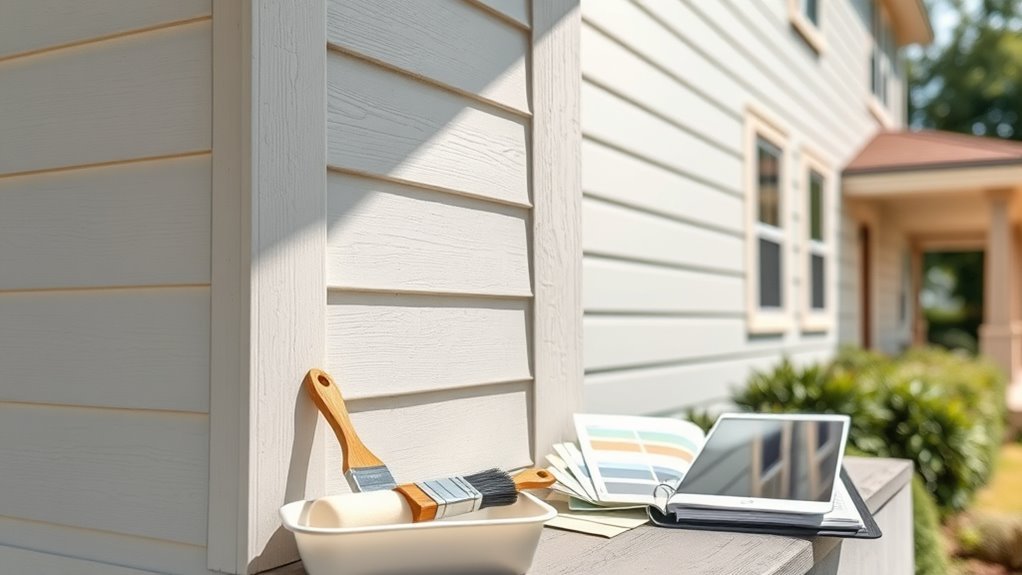
Whether you’re a homeowner planning a repaint, a contractor advising clients, or a DIYer comparing finishes, this guide helps you choose between flat and satin exterior paint. You’ll find clear criteria to match finish to surface, maintenance needs, and aesthetic goals.
Use the quick comparisons and scenario prompts to weigh durability against sheen. Pay attention to color psychology sections to pair finish with mood and curb appeal. Look for notes on eco-friendly options when selecting formulations.
Work through the checklist, test samples outdoors, and apply recommendations based on your climate, traffic, and long-term upkeep plans.
Quick Answer: When to Choose Flat vs Satin
If the exterior area sees little traffic—like a gable or sheltered wall—you’ll lean toward a flat finish for its low sheen and ability to hide imperfections.
For high-moisture spots such as porches or near downspouts, choose satin because it resists moisture and cleans up more easily.
Use location and exposure as your quick guide: low traffic = flat, wet or handled areas = satin.
Low-Traffic Areas
Wondering which finish works best in a low-traffic area? You’ll often prefer flat for expansive surfaces and satin for accents.
Flat hides imperfections and emphasizes color psychology, making walls feel calm and matte. Satin adds subtle sheen for trim without shouting.
Consider eco-friendly paints to reduce fumes while keeping durability.
- Flat: Use on broad, sheltered walls to minimize glare and showcase muted tones.
- Satin: Choose for doors, shutters, or areas where slight wipeability helps maintenance.
- Mixed approach: Combine flat fields with satin accents to balance aesthetics and practicality.
High-Moisture Rooms
You liked the mixed approach for low-traffic areas, but high-moisture rooms call for different priorities: moisture resistance and cleanability. You’ll favor satin for exterior trim near baths, porches, or overhangs because its paint formulation sheds water and wipes clean. Color psychology still matters—pick lighter hues to hide mildew risk and brighten damp spaces. Flat can hide surface flaws but traps moisture and stains, so use it only where protection isn’t needed. Balance aesthetics and durability: choose satin for longevity, flat only for sheltered decorative spots.
| Option | Best Use |
|---|---|
| Satin | High-moisture, exterior trims |
| Flat | Sheltered decorative areas |
Flat vs Satin: Quick Decision Checklist
Although both flat and satin finishes have clear strengths, choosing between them comes down to where you’ll use the paint and how much wear it must handle. Consider these quick points to decide fast, balancing Color psychology and Environmental impact when relevant:
- Use flat on low-traffic, textured surfaces to hide imperfections and create a calm, muted appearance.
- Pick satin for trim, doors, and siding that need washable durability and subtle sheen without glaring reflections.
- Factor maintenance frequency, local climate, and VOC levels — you want a finish that matches upkeep ability and minimizes environmental impact over time.
How Sheen Changes Durability and Look
Look at how sheen affects both the look and performance of your exterior paint, since flatter finishes mute imperfections while satin adds subtle gloss.
You’ll notice satin typically handles weather and moisture better, resisting mildew and wash wear more effectively. That means maintenance and long-term durability will differ—choose based on how much upkeep you want and the exposure your surfaces face.
Appearance And Sheen
When picking between flat and satin for your exterior, think about how sheen affects both the look and the paint’s performance. You’ll notice sheen changes perceived color contrast and can subtly alter how light defines trim and siding. Satin reflects more, making colors pop; flat absorbs light, softening hues.
Also consider environmental impact: shinier finishes can mask imperfections so you might repaint less often.
Quick points to guide your choice:
- Satin highlights architectural details and resists staining better.
- Flat minimizes glare and hides surface flaws.
- Balance desired visual depth with maintenance needs for the best outcome.
Weather Resistance Differences
Sheen doesn’t just change how a color reads — it also affects how paint stands up to weather. You’ll notice satin reflects light and sheds moisture better, reducing staining and helping maintain color consistency across sun‑exposed walls.
Flat finishes absorb more light and can hide imperfections, but they trap water and dirt longer, so your facades may darken unevenly where runoff occurs.
Texture variation matters too: satin’s smoother film resists grit buildup, while flat’s matte texture can cling to pollen and grime.
Choose based on exposure: windy, rainy sides benefit from satin; protected areas can use flat for a softer look.
Maintenance And Longevity
Many homeowners find that finish choice directly affects how often they’ll need to clean, touch up, or repaint exterior surfaces. You’ll notice satin resists dirt and holds up to washing, so it extends life and preserves Color psychology effects longer. Flat hides imperfections but soaks up grime and may need earlier repainting.
Choose eco-friendly paints to reduce VOCs without sacrificing durability. Consider these maintenance points:
- Satin: easier to clean, fewer touch-ups, longer visual life.
- Flat: better concealment, more frequent recoats.
- Prep and primer: vital for any sheen to maximize longevity and reduce costs.
What “Flat” Exterior Paint Means
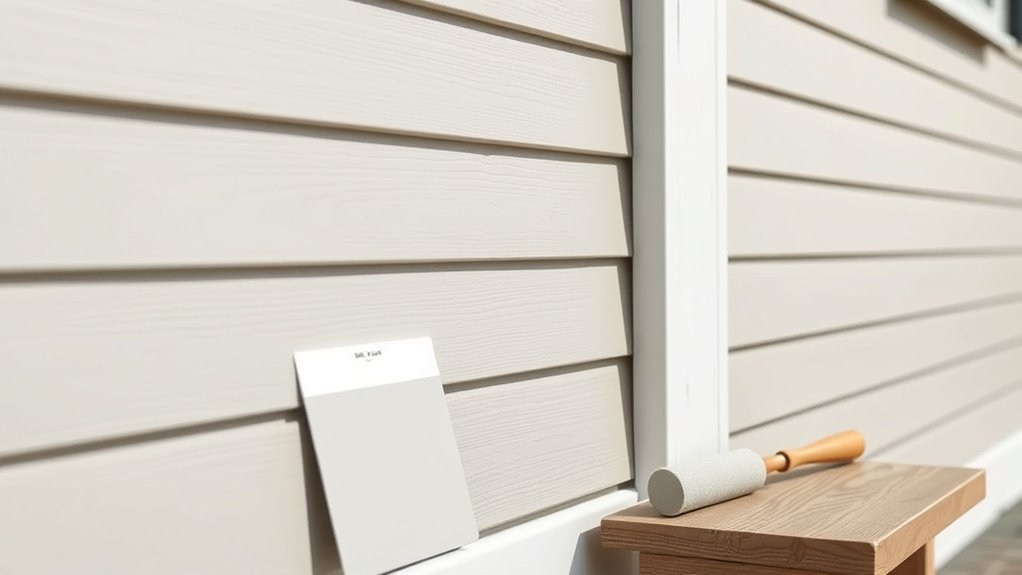
If you prefer a low-reflective, velvety look for your home’s exterior, flat paint delivers that matte appearance while minimizing the visibility of surface imperfections.
You’ll choose flat when you want subtlety: it soaks up light, mutes bold hues, and supports color psychology by making tones feel more grounded and sophisticated.
Flat finishes hide blemishes on stucco, brick, and older siding better than glossier options.
They often include eco-friendly options with lower VOCs, so you can prioritize health and sustainability.
Remember flat paint trades off washability and durability, so plan touch-up strategies for high-traffic areas.
What “Satin” Exterior Paint Means
When you choose a satin exterior paint, you’re picking a low-luster sheen that subtly reflects light and hides minor surface flaws.
You’ll get better durability than flat finishes, with tougher resistance to weathering and abrasion.
That also makes satin easier to clean—so stains and dirt wipe away without stripping the finish.
Satin Sheen Characteristics
Curious what “satin” really means for exterior paint? You’ll see Satin sheen characteristics in how light interacts and how surfaces look. In an Exterior sheen comparison, satin sits between flat and semi-gloss.
- Sheen level: Subtle luster that softens imperfections while reflecting some light.
- Appearance: Smooth, slightly velvety finish that enhances color depth without glaring shine.
- Application: Goes on evenly, hides minor texture, and provides a consistent visual across siding or trim.
You’ll choose satin when you want balanced aesthetics—more life than flat, less shine than gloss—while keeping a restrained, refined exterior look.
Durability And Cleanability
Although satin doesn’t have the high gloss of semi-gloss, it still gives you noticeably better durability and cleanability than flat finishes. It resists scuffs and grime while letting you wipe stains away without damaging the paint.
You’ll find satin holds up to brushes, frequent washing, and weathering, so maintenance is easier and repaint cycles lengthen. That resilience affects color psychology: hues retain their desired tone longer because dirt and fading are reduced.
Also consider environmental impact—fewer repaints mean less paint waste and lower VOC emissions over time. Choose satin when you want practical longevity without flashy shine.
How Flat Hides Bumps, Repairs, and Texture
Because flat paint doesn’t reflect much light, it masks surface imperfections and makes bumps, repairs, and uneven texture far less noticeable than glossier finishes. You’ll appreciate texture concealment when old stucco, patched siding, or minor tool marks are present.
Flat’s low sheen scatters light, aiding bump hiding without demanding heavy prep. Use it where visual uniformity matters and you want to downplay flaws.
Quick tips to apply flat effectively:
- Clean and prime patched areas for consistent adhesion.
- Feather edges of repairs to blend with surrounding texture.
- Apply even, overlapping strokes to avoid lap marks and sheen variation.
How Satin Handles Dirt, Cleaning, and Weather
If you want a finish that stands up to grime and weather better than flat, satin is a strong choice—its slight sheen repels dirt and allows for easier cleaning without stripping paint. You’ll find mildew and streaks rinse off with mild soap and a soft brush; satin’s durability tolerates occasional scrubbing.
In sun and rain it resists fading and shows fewer watermarks than flat, which helps maintain curb appeal and supports color psychology by keeping tones vivid. Look for formulations labeled eco friendly finishes to minimize VOCs while getting a resilient, low-maintenance exterior you can confidently clean.
Best Exterior Uses for Flat Paint
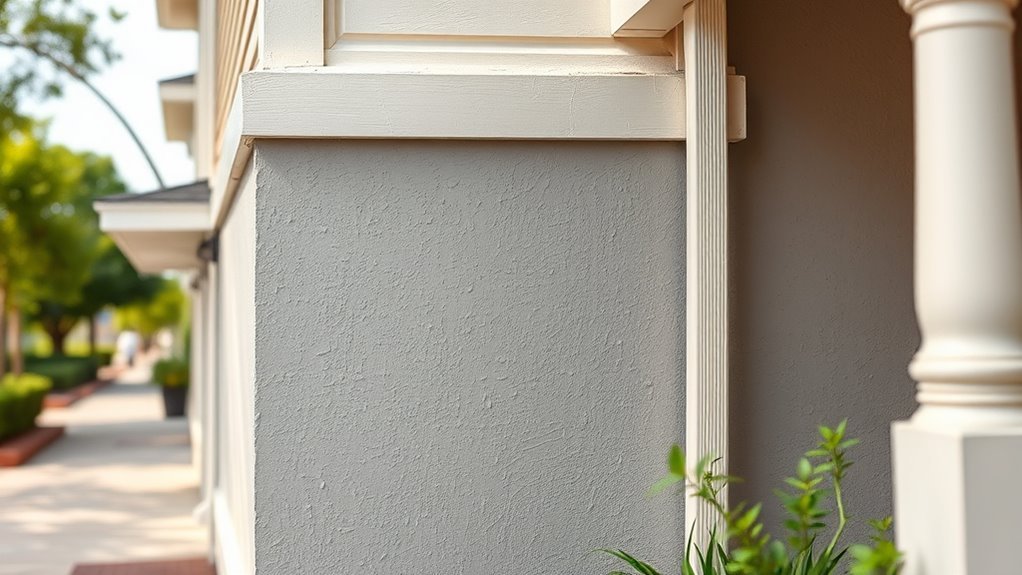
Where does flat exterior paint work best? You’ll choose flat for broad surfaces where glare hides texture: it softens imperfections and supports muted palettes driven by color psychology. Consider flat on:
- Large stucco or masonry walls prone to showing unevenness.
- Historic façades where subtle, low-sheen finishes preserve period character.
- Garden sheds and fences where a nonreflective finish blends with plants.
You’ll pair flat paint with proper primers and breathable, eco-friendly paints to avoid moisture traps. Flat’s matte surface minimizes visual noise, so you’ll get understated curb appeal without the shine that draws attention to flaws.
Best Exterior Uses for Satin Paint
Though not as reflective as gloss, satin’s soft luster offers just enough sheen to highlight architectural details while resisting grime, so you’ll find it ideal for trim, window frames, doors, and siding that need a balance of durability and subtle polish.
You’ll pick satin for high-traffic areas like porches and entryways because it cleans easily and hides minor imperfections without shouting. Use it on shutters, railings, and garage doors to add dimension while employing color psychology to influence curb appeal—warm tones feel welcoming, cool tones calm.
Consider eco-friendly options for low VOCs and sustainable pigments to minimize impact.
Match Finish to Climate: Humidity, Sun, and Salt
Because climate shapes how paint performs, you’ll want to match finish to local conditions like humidity, sun exposure, and salt air to get durable results.
You’ll choose satin for high-moisture or salty coasts because it resists mildew and cleans easily. Flat can work in shaded, low-traffic spots.
Also weigh color psychology—lighter, glossier tones reflect heat and brighten cloudy areas. Consider eco-friendly paints for lower VOCs in humid climates.
Quick checklist:
- Humidity: pick mildew-resistant satin.
- Sun: choose UV-resistant satin or durable flat with UV additives.
- Salt: use satin with corrosion inhibitors.
Match Finish to Surface Condition: Old, New, or Damaged
After you factor in climate, think about the surface you’re painting—old, new, or damaged surfaces demand different finishes and prep.
Consider the surface—old, new, or damaged—to choose the right finish and prep for best results.
If you’ve got creaky, weathered siding or peeling trim, choose a flatter finish to hide imperfections after proper sanding and patching. Flat finishes disguise texture and minimize color contrast between repairs and original areas.
For new, smooth surfaces, satin works well—it’s durable and easier to clean without highlighting seams.
Damaged areas need extra prep: fill, prime, and feather edges.
Keep leftover paint in proper paint storage so touch-ups match sheen and hue later.
How Color Affects Sheen: Light vs Dark Choices
When you pick a light or dark color, sheen interacts with tint to change how much texture and contrast people notice, so choose accordingly. You’ll want to think about color psychology and sheen symbolism: light hues with low sheen soften details and feel approachable, while darker tints with higher sheen heighten edges and formality.
Consider these practical effects:
- Light + flat: minimizes flaws, creates calm, casual curb appeal.
- Light + satin: slightly reflective, keeps softness but adds subtle definition.
- Dark + satin: increases contrast, formal presence; dark + flat can feel heavy and mute.
Sunlight, Gloss, and Visible Texture
When sunlight hits your siding, it can highlight every bump and brushstroke, making imperfections more obvious.
Higher-gloss finishes bounce more light and can exaggerate texture, while flat paint absorbs light and helps hide irregularities.
Choosing between flat and satin is really a trade-off between reflectivity and how much surface detail you want concealed.
Sunlight Highlights Imperfections
Although bright sunlight can make a space feel lively, it also exposes every bump and brushstroke on your exterior walls. Higher-gloss finishes reflect that light more directly, making texture and imperfections easier to see. You’ll want to balance Sunlight fading concerns with Imperfection concealment when choosing finish.
Consider practical steps:
- Inspect walls in midday sun to spot visible texture.
- Choose flatter sheens where minor flaws are common to mask bumps.
- Prep and repair areas that will get direct sunlight to minimize long-term visibility.
You’ll reduce maintenance and keep the exterior looking consistent under harsh light.
Gloss Alters Perceived Texture
Because gloss changes how light bounces off a surface, it can dramatically alter how textured or smooth your siding appears under sunlight. You’ll notice that shinier finishes amplify shadows and highlights, sharpening texture perception so bumps, brush marks, and grain stand out.
That gloss impact can make aged or uneven surfaces look more pronounced, while lower-sheen options soften contrasts and hide minor flaws. When choosing between flat and satin, consider whether you want texture emphasized or minimized.
Test small sections in direct sun to see how gloss impact interacts with your siding’s profile before committing to a full repaint.
Flat vs Satin Reflectivity
You’ve seen how gloss can change perceived texture; now look at how that same sheen affects reflectivity across a whole wall. You’ll notice flat paint soaks up sunlight, minimizing glare and masking flaws.
While satin throws light, highlighting brush strokes and subtle bumps. Consider how color contrast shifts with each finish and how paint application technique exaggerates or softens those effects.
- Flat: low reflectivity, hides imperfections, reduces color contrast.
- Satin: higher reflectivity, emphasizes texture, increases perceived color contrast.
- Application: consistent method matters most for uniform reflectivity and finish.
Choosing Finish for Trim, Doors, and Accents
When deciding finishes for trim, doors, and accents, think about durability and how much contrast you want. Glossier sheens stand up to scuffs and highlight details, while flatter sheens hide imperfections and read more subtle against walls.
Choose trim and accents by durability and contrast: glossy for wear and detail, flat to conceal flaws and soften contrast.
You’ll pick glossy or satin for high-touch areas like doors and railings to resist wear, while choosing lower sheen trim where imperfections or a muted look matter.
Consider color psychology to influence curb appeal—bold, glossy accents feel energetic; muted finishes feel calm.
Historical trends can guide choices on older homes, helping you match period-appropriate sheen and maintain architectural integrity.
Combining Flat and Satin: Rules That Work
If you want durability without drawing too much attention, combine flat walls with satin trim and accents to get the best of both: the matte hides wall flaws and reduces glare, while satin protects edges and picks out architectural details. You’ll balance aesthetics and maintenance by following simple rules:
- Use satin on high-contact areas (doors, railings) to resist wear and simplify cleaning.
- Reserve flat for broad surfaces to minimize sheen and support color psychology that soothes or mutes.
- Match sheen transitions at corners and stops to avoid visible lines and manage paint odor during application.
Follow those rules and you’ll get cohesive, practical results.
Surface Prep: Primer, Sanding, and Repairs
Before you pick flat or satin, get the surface right by choosing the proper primer for the substrate and the finish you want.
You’ll need to sand to a smooth, even profile and make any repairs—filling cracks, replacing rotten wood, and feathering edges—so the paint adheres and hides imperfections.
Proper primer selection, sanding technique, and timely repairs will determine how long your finish looks its best.
Primer Selection Tips
Although primer often gets skipped in a hurry, choosing the right one is the single most important step to guarantee paint adhesion, durability, and a uniform finish. You’ll pick primer based on substrate, exposure, and your color choice to prevent bleed-through and achieve true color.
Match primer to paint texture—smooth or rough surfaces need different formulations. Consider stain-blocking, high-build, and bonding primers for tricky areas. Check VOC levels and dry times for your schedule. Apply per manufacturer directions and inspect for coverage before topcoating.
- Choose substrate-specific primer.
- Prioritize stain-blocking when needed.
- Match primer to paint texture.
Sanding And Repairs
How smooth is your surface right now? You’ll sand bumps, remove peeling paint, and spot-prime bare areas so finish and color psychology read true. Fix rot, caulk gaps, and sand feathered edges; you’ll choose grit for substrate and finish. Consider environmental impact: trap dust, use low-VOC fillers, and dispose of waste responsibly. Proper prep helps flat or satin reflect light consistently and last longer.
| Step | Tool | Outcome |
|---|---|---|
| Sanding | 120–220 grit | Smooth base |
| Repair | Epoxy/putty | Stable substrate |
| Cleanup | HEPA vacuum | Lower impact |
Application Tips: Brush, Roller, and Spray Techniques
When you’re ready to apply either flat or satin exterior paint, choose the tool that matches the surface and your desired finish. You’ll consider Color psychology for visual impact and Environmental impact when selecting low-VOC options.
Use proper brushes for trim, rollers for broad even coats, and sprayers for speed on siding.
- Use a nylon/poly brush for satin trim; natural bristles for oil-based flat.
- Pick a nap roller suited to texture—short for smooth, long for rough.
- Thin spray slightly, overlap passes, and maintain consistent pressure for uniform coverage.
Drying, Recoat Times, and Humidity Tips
Because drying and recoat times hinge on temperature, humidity, and film thickness, you should plan your schedule around local weather and the paint’s label recommendations. High humidity slows cure, extends paint odor, and can flatten sheen temporarily; low humidity speeds drying but risks brush marks. You’ll wait longer for flat finishes to fully set than satin in damp conditions. Aim for 50–70°F and under 50% relative humidity when possible. Use this quick guide:
| Condition | Effect | Tip |
|---|---|---|
| High humidity | Slower cure | Wait 24–48+ hrs |
| Low humidity | Faster dry | Work quickly |
| Moderate | Ideal | Follow label times |
Consider color psychology when choosing timing for visual impact.
Maintenance and Cleaning: Flat vs Satin Over Time
When you compare flat and satin finishes, you’ll notice satin is much easier to wipe clean without showing streaks.
Flat paint hides surface imperfections but tends to trap dirt and wears faster with repeated scrubbing.
Consider how often you’ll need to clean high-traffic areas when choosing between the two.
Cleaning Ease Comparison
How easily can you keep a flat finish clean compared with satin? You’ll notice satin wipes off dirt, mildew, and scuffs more readily, while flat hides imperfections and resists showing dust but traps stains. Consider color psychology and paint odor when planning cleaning: darker flats can look dingy faster, and strong cleaners may heighten paint odor.
Quick guidance:
- Satin — wash with mild detergent; dries with minimal streaks.
- Flat — spot-clean gently; avoid abrasive scrubbing to prevent sheen changes.
- Both — test cleaners in an inconspicuous spot to protect color and finish.
Durability Against Wear
Cleaning frequency and methods affect how long a finish will hold up, but you should also consider how each sheen stands up to everyday wear.
Satin resists scuffs, dirt, and moisture better than flat, so you’ll clean it less and maintain color coordination across trim and siding.
Flat hides surface imperfections and keeps a muted aesthetic appeal, but it fades and stains faster, demanding touch-ups.
If you want low maintenance and long-lasting protection, choose satin in high-traffic areas; pick flat where subtle texture and hidden flaws matter.
Balance durability and aesthetic appeal when planning repainting and upkeep.
Touch-Ups and Repainting: Matching Sheen and Age
Because paint sheen and age affect appearance more than color alone, you’ll need to match both gloss level and weathering when doing touch-ups or repainting. You’ll also want to remember color psychology when selecting touch-up tones, and consider eco-friendly paints to reduce VOCs during repainting.
Match sheen and weathering as much as color; consider color psychology and low‑VOC paints when touching up.
- Test: apply small swatches of the same sheen, observe after drying and natural weathering.
- Blend: feather edges with light sanding and thin layers so new sheen visually merges with aged finish.
- Document: note sheen, batch, and date so future touch-ups match without guesswork.
Match gloss first, then color and texture.
Cost Differences and When Premium Satin Pays Off
When you compare flat and premium satin, the price gap usually reflects more than just pigment—satin’s higher-quality binders, better UV resistance, and smoother finish add durability and ease of cleaning that can cut maintenance and repainting costs over time.
You’ll pay more up front for premium satin, but you may save on labor and materials if you avoid frequent touch-ups. Consider color psychology: brighter, glossier hues read cleaner and highlight details, which can justify the premium in visible areas.
Also weigh environmental impact—longer-lasting satin reduces waste and VOC emissions from fewer repaints, making it cost-effective and greener.
Common Homeowner Mistakes to Avoid
If you skip surface preparation or rush application, you’ll pay for it later with peeling, uneven coverage, and extra coats. You should avoid common mistakes that waste time and money. Consider color psychology when choosing shades—testing samples in sunlight prevents regret. Also factor environmental impact: use low-VOC products and dispose of materials properly.
Skip shortcuts: prep surfaces, test colors in sunlight, choose low‑VOC products—proper timing and finishes save time and money.
Don’t ignore these three essentials:
- Clean and sand surfaces thoroughly before priming.
- Use proper weather windows; avoid painting in high humidity or direct heat.
- Select the right finish for the area—flat hides blemishes; satin cleans easier.
Follow these steps and your exterior will last longer.
How Contractors Decide: Real-World Rules and Tradeoffs
Those three prep steps set the stage, but contractors balance many more factors before choosing flat or satin. You’ll see tradespeople weigh durability, maintenance, and substrate condition first. They factor exposure—wind, sun, moisture—and neighborhood expectations.
Color psychology influences choices: brighter hues in satin read cleaner; muted tones in flat feel softer. Historical trends matter on period homes, where authentic sheen preserves character.
Budget and lifecycle cost push pros toward satin for high-traffic areas despite flat’s flaw-masking. You should expect contractors to explain tradeoffs, show samples, and recommend what fits your home’s material, climate, and aesthetic goals.
Final Takeaway: Matching Finish to Condition, Function, and Look
Although the right sheen depends on many details, you should match finish to the surface condition, meant use, and the look you want to achieve. You’ll weigh durability, maintenance, and aesthetic. Consider color psychology for how sheen affects perception, and factor environmental impact when choosing low-VOC options.
Match sheen to surface, use, and desired look—balancing durability, maintenance, aesthetics, and low‑VOC choices.
Prioritize touchpoints and weather exposure: trim needs resilience, broad walls favor subtlety.
- Surface: flat hides flaws; satin resists grime.
- Function: high-traffic or moist areas benefit from satin.
- Look: flat reads softer; satin adds depth and highlights details.
Choose accordingly to balance performance, appearance, and sustainability.
Frequently Asked Questions
Can You Paint Over Oil-Based Satin With Latex Flat Paint?
Yes—you can paint over oil based satin with latex flat paint if you properly prep: scuff sand, clean, and use a quality bonding primer. Oil based versus latex adhesion and satin finish durability affect longevity, so prime first.
Will a Satin Finish Prevent Wood Rot on Exterior Siding?
No — a satin finish won’t stop wood rot; think of paint as a raincoat, not medicine. You’ll improve exterior durability and aesthetic appeal, but preventing rot requires proper flashing, repairs, sealing, and moisture control beneath the paint.
Do Flat or Satin Paints Affect Thermal Performance of Walls?
No, paint finish barely changes thermal insulation; you won’t see meaningful energy savings. You should focus on paint durability and substrate insulation instead, since durable coatings protect the wall but don’t considerably alter heat transfer.
Can You Use Flat Paint on Exterior Metal Surfaces?
Yes — you can use flat paint on exterior metal surfaces, but you’ll need a metal primer and proper prep; otherwise paint durability will suffer, so apply primer, seal, and expect more touch-ups than with satin.
How Do VOC Levels Differ Between Flat and Satin Exterior Paints?
Flat and satin paints can vary, but you’ll often find VOC differences: satin formulas may have slightly higher VOCs due to added resins. For a Finish comparison, check labels and choose low‑VOC or zero‑VOC options for exterior use.
Conclusion
Choose satin for trim or high-traffic siding and flat for hiding imperfections, but remember real-world needs win: nearly 60% of homeowners repaint sooner than planned because they picked the wrong finish. You’ll save wear and touch-ups with satin where moisture or scruffs happen, and you’ll get a cleaner, softer look with flat on older, uneven walls. Match finish to condition, function, and desired look—then enjoy paint that actually performs for your home.
