
Should I Use Flat Paint on Walls? Pros & Cons
You should consider flat paint if you want a soft, non-reflective finish that hides minor wall flaws and creates a calm, sophisticated backdrop in low-traffic spaces like bedrooms or formal living areas. It soaks up light, minimizes glare, and offers great coverage that’s forgiving during application and touch-ups. However, it’s less washable, shows scuffs in busy or moist rooms, and may need repainting sooner. Keep going for practical room-by-room advice and prep tips.
Who This Guide Is For (Homeowners, Renters, Pros)
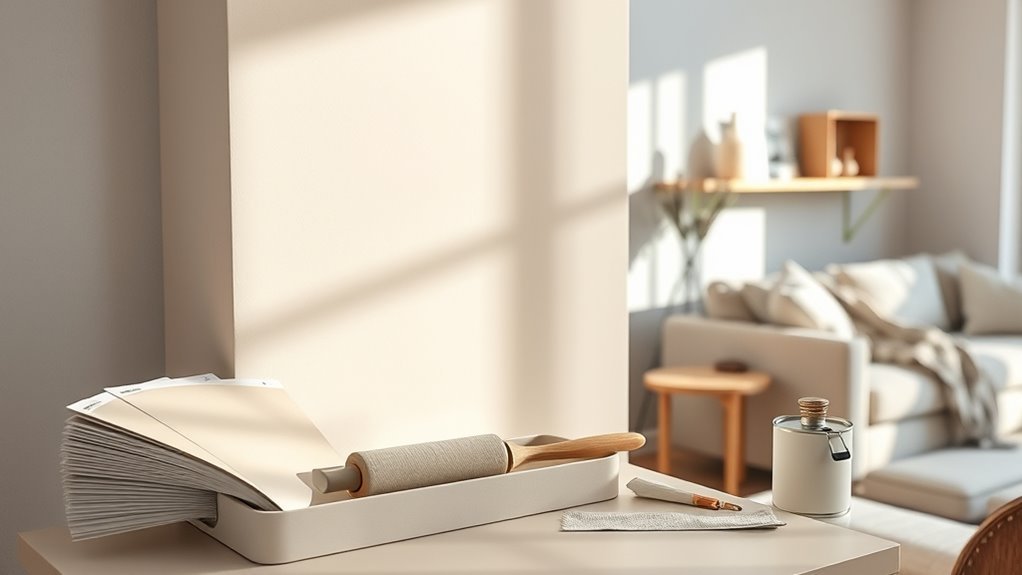
Wondering whether flat paint is right for your space? You’ll weigh homeowner considerations like durability and maintenance needs against rental agreements that may restrict color choices or sheen.
If you’re a renter, confirm landlord rules before choosing hues; if you’re a pro, bring professional insights about surface conditions and prep.
Consider aesthetic preferences and how lighting variations affect flat finishes in different room functions—bedrooms versus bathrooms, for example.
Think about aesthetics and how light changes flat finishes across rooms—what works in a bedroom may fail in a bathroom
Budget constraints often push flat paint for its cost-effectiveness, but balance that with long-term upkeep.
Use this guide to match finish to purpose, not just to price or trend.
Quick Answer: Should You Use Flat Paint?
Quick answer: yes—flat paint makes sense in many situations, but not all.
You’ll choose flat when you want subtle, sophisticated wall aesthetics that hide imperfections and create a calming backdrop. It’s ideal for bedrooms, adult living spaces, and galleries where color psychology matters—muted, matte finishes reduce glare and encourage relaxation or focus.
Don’t pick flat where durability or frequent cleaning is needed, like kitchens, bathrooms, or high-traffic halls.
Balance the mood you want with practical needs: use flat for soft, elegant rooms and consider tougher sheens where scuffs and moisture demand easier maintenance.
What Flat Paint Is and How Sheens Differ
Although flat paint looks simple, it’s a specific finish defined by very low light reflectance and a soft, matte surface that minimizes glare and conceals wall flaws.
You’ll notice sheens range from flat through eggshell, satin, semi-gloss to gloss, each reflecting more light and showing more texture.
Flat paint benefits include hiding imperfections and creating a subdued, modern look; its low sheen masks brush strokes.
Flat paint drawbacks involve lower washability and durability versus higher sheens, so it’s less forgiving in high-traffic areas.
Choose sheen based on room use, desired appearance, and how much maintenance you’ll accept.
Key Benefits of Flat Paint
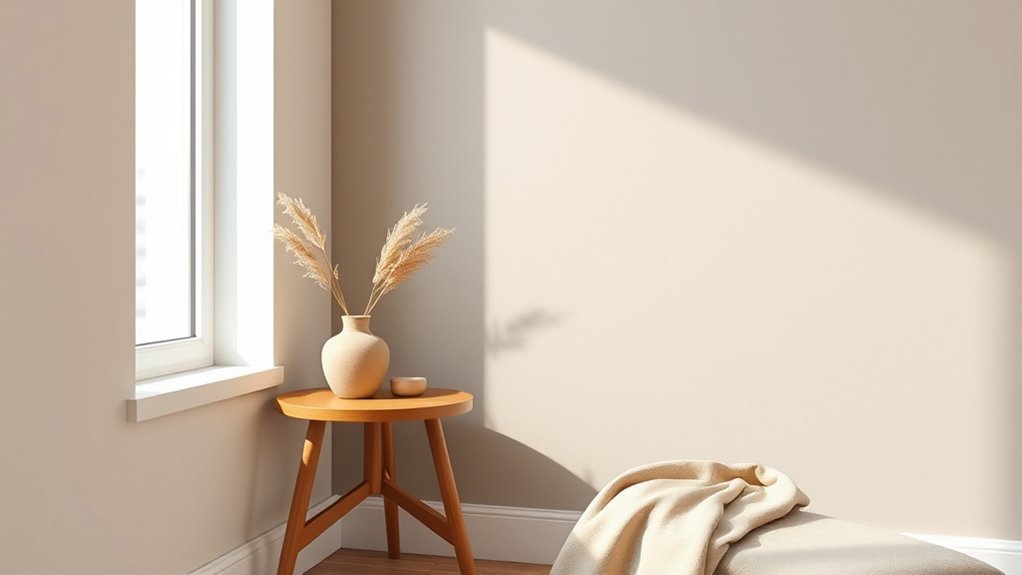
Because it soaks up light and hides surface flaws, flat paint gives walls a smooth, uniform look that makes imperfections far less noticeable.
Flat paint soaks up light and hides flaws, giving walls a smooth, uniform look that downplays imperfections.
You’ll appreciate the enhanced aesthetic appeal in living rooms, bedrooms, or ceilings where a calm, matte finish feels refined.
From a benefit analysis perspective, flat paint minimizes glare and creates consistent color perception across uneven surfaces.
It’s forgiving during application, letting you touch up small spots without obvious patches.
You’ll find it cost-effective for large areas since coverage can be excellent.
Use flat paint when you want subdued elegance and a soft, cohesive backdrop.
Main Downsides of Flat Paint
While flat paint hides flaws and mutes glare, it also has clear trade-offs you should weigh before choosing it for walls.
You’ll notice flat paint texture can trap dirt and scuffs, so high-traffic rooms show wear faster. Cleaning’s tougher because aggressive scrubbing can remove pigment, which hurts flat paint longevity compared with eggshell or satin finishes.
Touch-ups often stand out since sheen and surface absorption differ. Moisture-prone areas risk staining and mildew without proper prep or primers.
If durability, washability, and easy maintenance matter to you, consider alternatives or plan for more frequent repainting and careful upkeep.
How Flat Paint Hides Wall Imperfections
When you stand back from a wall painted in flat finish, your eye focuses less on bumps, hairline cracks, and roller marks because flat paint scatters light instead of reflecting it directly.
You’ll notice its subtle ability for hiding flaws while boosting aesthetic appeal: the low sheen reduces highlights that call attention to texture.
Use flat paint when you want a forgiving surface or to downplay minor repairs.
Consider these common situations:
- Old plaster with small cracks that shouldn’t dominate the room.
- Walls with uneven texture from prior coatings.
- Surfaces where touch-ups need to blend invisibly.
How Flat Paint Changes Room Color and Mood
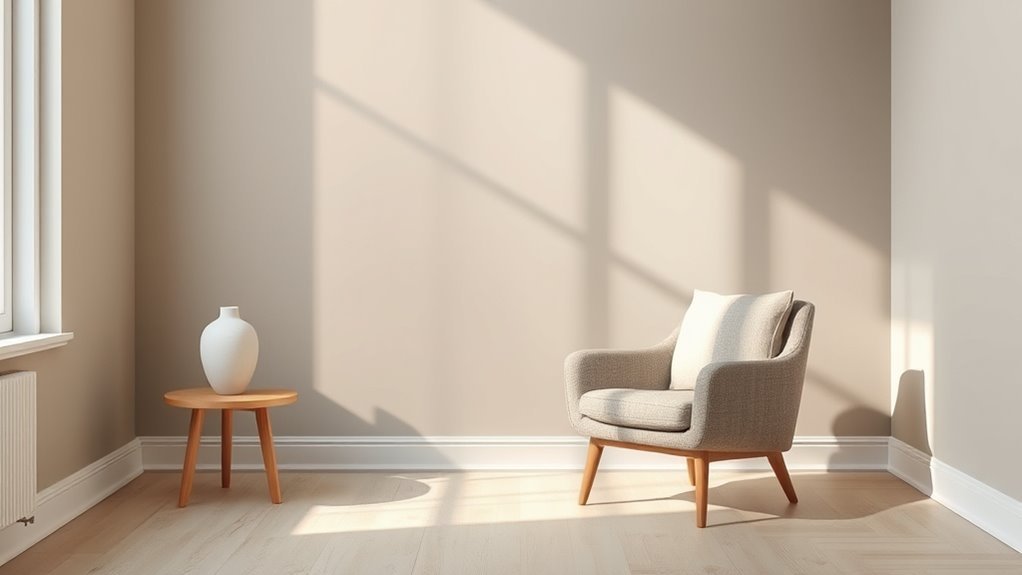
If you want a room to feel cozy and subdued, flat paint will mute reflections and make color read softer, so walls appear deeper and more uniform.
You’ll notice color perception shifts: hues look richer, boosting mood enhancement and emotional impact without glare.
Reduced light reflection creates visual depth and a subtle spatial illusion that makes rooms feel grounded.
Reduced light reflection deepens visual planes, creating subtle spatial depth that makes a room feel grounded and calm
Your aesthetic choices influence comfort factor and design cohesion; pairing flat finishes with textured fabrics enhances color harmony.
Use flat paint when you want controlled ambiance—it’s a deliberate tool for shaping how a space feels and how occupants emotionally respond.
Where Flat Paint Works Best (Low-Traffic Rooms)
The softened, low-reflective look of flat paint is a deliberate mood-maker, and it performs best on walls that don’t get heavy wear. You’ll love its velvety finish in low traffic bathrooms and cozy bedrooms where touch-ups are infrequent.
It masks minor imperfections and creates a calm backdrop for textiles and artwork. Consider these ideal spots:
- Guest rooms that see occasional use.
- Reading nooks and home offices with limited activity.
- Hallways or entry alcoves that aren’t primary thoroughfares.
Apply flat paint where durability isn’t critical, so you keep that soft, restful atmosphere without constant maintenance.
When to Avoid Flat Paint (High-Traffic, Moisture)
You shouldn’t use flat paint where walls get constant wear, since it scuffs and stains more easily in high-traffic areas.
It’s also a poor choice for bathrooms, kitchens, or basements where moisture can lead to mildew and paint breakdown.
And because flat finishes don’t clean well, you’ll struggle with frequent scrubbing and touch-ups.
High-Traffic Durability Issues
Because flat paint soaks up scuffs and stains more easily than glossier sheens, you’ll want to avoid it in high-traffic or moisture-prone areas where frequent cleaning is likely.
In hallways, kids’ rooms, and entryways, flat finishes show high traffic wear and demand aggressive maintenance strategies or frequent repainting.
Consider these typical scenarios:
- Door frames and stair rails that rub daily.
- Playroom walls hit by toys and marker.
- Mudroom zones where shoes and bags meet walls.
If you can’t avoid flat, plan for touch-up paint, stricter cleaning routines, or choose a scrubbable eggshell in busy spots.
Moisture And Mildew Risks
If walls sit in damp rooms or get regular condensation, flat paint can invite mildew because it soaks up moisture and doesn’t shed water like glossier finishes do.
You should avoid flat in bathrooms, basements, or kitchens where moisture retention increases. The paint’s surface texture holds tiny droplets, boosting fungal growth unless you manage ventilation.
For mildew prevention, choose semi-gloss or satin in problem areas, or use flat only with a mold-resistant primer.
Mind application techniques: apply thin, even coats and allow full curing to reduce trapped moisture. That lowers risk without relying on flat paint where humidity’s high.
Frequent Cleaning Challenges
When walls get handled a lot or need regular wiping down, flat paint quickly shows scuffs, fingerprints, and stains because it’s not washable the way satin or semi-gloss are.
You’ll spend more time on paint maintenance in high-traffic rooms, and frequent cleaning can dull or remove flat finish pigments.
If you’re debating flat for a hallway, kid’s room, or kitchen splash zone, consider these realities:
- Marks often need repainting rather than simple cleaning.
- Repeated scrubbing changes texture and appearance.
- Moisture and steam worsen staining and peeling risks.
Choose a more durable sheen where frequent cleaning is likely.
Flat vs Eggshell: Finish and Durability
Although flat and eggshell paints can look similar from a distance, they differ noticeably in how they reflect light and stand up to wear. You’ll find flat paint masks imperfections better because its low sheen hides texture differences, while an eggshell finish offers subtle sheen benefits that slightly brighten surfaces.
For a durability comparison, eggshell resists scuffs and handles gentle cleaning better; flat tends to show marks after repeated contact.
Application techniques differ too: flat covers uneven walls smoothly, needing fewer coats for flaws, whereas eggshell may require careful brushing or rolling to avoid lap marks and guarantee uniform sheen.
Flat vs Satin/Semi-Gloss: Cleanability
Since you’re likely cleaning walls more than you think, finish choice matters: flat paint soaks up stains and resists repeated scrubbing poorly, while satin and semi-gloss stand up to vigorous cleaning and moisture much better.
You’ll want to weigh cleanability concerns and maintenance considerations depending on room use.
Consider practical scenarios:
- High-traffic areas (kitchen, kids’ rooms): satin/semi-gloss hides marks and wipes clean.
- Low-traffic areas (formal living, ceilings): flat hides imperfections but needs touchups.
- Bathrooms/laundry: semi-gloss resists moisture and mildew, easing cleaning.
Choose based on how often you’ll need to clean and how durable you want finishes to be.
How Surface Prep Affects Flat Paint
Because flat paint has a low sheen and doesn’t self-level or hide surface flaws, your prep work directly determines the final look and durability. You’ll need to clean, sand, and prime problem areas so the matte finish sits evenly and resists staining or peeling.
Inspect walls using systematic inspection methods to spot surface imperfections and plan wall repairs. Use appropriate preparation techniques: fill cracks, sand rough spots, and remove grease.
Choose painting tools that match texture considerations—rollers for smooth, specialty naps for orange-peel. Proper prep improves paint adhesion and expands finish options, giving a uniform, long-lasting matte surface.
When and How to Prime for Flat Paint
When your walls show stains, new drywall, or patched areas, prime them before applying flat paint so you get even coverage and better adhesion.
You’ll choose primer types based on surface and stain severity: use a stain-blocking oil or shellac for heavy marks, latex for general use, and high-adhesion primers on glossy or repaired spots.
Follow proper application techniques—rollers for broad coverage, brushes for edges, and gentle back-rolling to level.
Prep includes cleaning and masking; let primer dry fully. Typical coat count is one, but severe stains may need a second. Test a small area before full painting.
- Choose primer types carefully
- Use correct application techniques
- Let primer cure before painting
Repairing Cracks and Dents Before Painting
Before you paint with flat finish, inspect the surface carefully for cracks, nail holes, and dents so you don’t trap flaws under the paint.
Fill cracks and dents with an appropriate spackling or joint compound, smoothing and letting it dry fully.
Sand the repairs flush, then prime those spots to guarantee the flat paint adheres and hides imperfections.
Inspect Surface Carefully
If you want a smooth, long-lasting finish, inspect the walls closely for cracks, dents, and loose texture before you paint.
You’ll spot surface imperfections that affect paint application and final appearance. Run your hand and a bright light over walls, note areas needing attention, and remove flaking material.
Check baseboards and corners for gaps that show through thin coats. Prepare to prioritize repairs so your flat paint won’t highlight flaws.
To visualize common issues:
- Hairline cracks near seams
- Small dents from furniture or doorknobs
- Uneven texture from old patching or primer
Fill Cracks Properly
Start by clearing loose material from cracks and dents so filler can bond properly.
Next, widen narrow gaps slightly with a scraper to remove dust and create a clean edge.
Choose appropriate crack filling products—spackling for small dings, joint compound for wider seams, or flexible caulk for hairline cracks that move.
Apply filler firmly, overfilling slightly to compensate for shrinkage.
Use repair techniques like layering for deep holes and smoothing with a damp tool to reduce sanding.
Let each layer dry fully and check for adhesion.
Proper prep and correct crack filling prevent future popping and visible flaws under flat paint.
Sand And Prime
Once your fillers have fully cured, sand each repair smooth so the patched area blends seamlessly with the surrounding wall.
You’ll use proper sanding techniques—start with medium grit, finish with fine—and remove dust with a damp cloth.
Then choose priming methods that suit the filler and paint: stain-blocking for discoloration, bonding primer for porous patches, or regular primer for small repairs.
- Sand edges feathered to avoid ridges.
- Clean thoroughly to guarantee adhesion.
- Apply a thin, even primer coat and let it dry.
Now the surface’s ready for flat paint without visible flaws.
Using Flat Paint on Textured Walls and Ceilings
Though flat paint can hide imperfections better than glossier finishes, textured walls and ceilings change how it performs and how easy it’s to apply.
You’ll weigh textured wall considerations like how deep grooves trap paint and affect coverage; thicker flat formulas can level appearance but may require extra coats.
For ceilings, check ceiling paint options—some flat ceiling paints are formulated to resist drips and offer better hide over popcorn or knockdown textures.
Use nap rollers sized for texture, keep strokes consistent, and avoid heavy buildup that obscures texture detail.
Patch and prime problematic areas before finishing for best results.
Flat Paint in Living Rooms and Bedrooms
If you want a soft, cozy look in living rooms or bedrooms, flat paint can help create that warm, muted feel.
It’s great at hiding minor wall imperfections, so your surfaces will look smoother without extra prep.
Keep in mind it’s less washable than eggshell or satin, so it’s best for low-traffic areas or rooms where scuffs are unlikely.
Soft, Cozy Look
When you want a living room or bedroom that feels warm and inviting, flat paint is a smart choice because it absorbs light and mutes reflections, creating a soft, cozy atmosphere that helps furniture and textiles feel more integrated.
You’ll notice a soft ambiance that settles the space, promoting relaxation and an inviting atmosphere for guests.
Consider how layers and textures work with flat finishes:
- Plush rugs and throws deepen warmth.
- Matte wood and woven baskets add texture contrast.
- Soft lighting and lamps enhance muted tones.
Choose flat paint to achieve calm, intimate rooms that feel thoughtfully composed.
Conceals Wall Imperfections
Because flat paint soaks up light instead of bouncing it back, it hides minor dents, hairline cracks, and uneven texture better than glossier finishes.
This means your living room or bedroom walls will look smoother with less sanding or skim-coating. You’ll notice fewer visible imperfection types across varied surface textures, and you can pair simple painting techniques with basic repair methods to minimize prep.
Consider wall treatments and color selection to control light reflections and overall visual effects.
When you weigh finish comparisons, flat often wins for hiding flaws and matching aesthetic preferences, especially in low-gloss, cozy spaces.
Limited Washability
One trade-off you should expect with flat paint in living rooms and bedrooms is reduced scrub-ability: it resists sheen but also absorbs stains and wipes off less cleanly than eggshell or satin, so scuffs, finger marks, and accidental spills can leave lingering discoloration.
You’ll enjoy limited maintenance for dust and minor blemishes, but washability concerns mean you can’t rely on vigorous cleaning.
Consider these scenarios to weigh your choice:
- Occasional guests leave fingerprints on lower walls.
- Kids’ crayon or snack splatters require gentle spot treatment.
- Heavy soil or repeated scrubbing damages the finish.
Flat Paint in Hallways and Stairwells: Pros and Cons
If you prefer a soft, non-reflective finish that hides surface flaws, flat paint can look great in hallways and stairwells, but it comes with trade-offs you should weigh first.
You’ll appreciate flat paint benefits: it conceals imperfections, creates a calm backdrop, and minimizes glare on narrow runs.
However, flat paint drawbacks matter here — high-traffic corridors get scuffs and fingerprints that are hard to clean or touch up without noticeable patches.
Keep in mind: flat paint in busy hallways shows scuffs and fingerprints and is difficult to clean or touch up seamlessly.
If you want that matte look, reserve flat for less-handled walls, use tougher finishes on railings and corners, or be ready to repaint more often.
Flat Paint in Kitchens and Bathrooms: Risks and Alternatives
While flat paint gives bathrooms and kitchens a smooth, matte look that hides imperfections, it isn’t the most practical choice where moisture, grease, and frequent cleaning are common.
You’ll risk stains, peeling, and trapped kitchen moisture or bathroom mildew because flat finishes resist scrubbing. Instead, consider durable paint alternatives and proper prep.
- Use semi-gloss or satin near sinks and stoves for wipeable surfaces.
- Seal primer and ventilation to reduce kitchen moisture and prevent bathroom mildew.
- Test cleaning solutions on a small area before full application to guarantee longevity and ease of maintenance.
Flat Paint for Rentals and Staged Homes
If you’re painting a rental or staging a home, consider how flat paint holds up in high-traffic areas like hallways and entryways.
It’s less durable than satin or eggshell, so you’ll likely need more frequent touch-ups.
On the plus side, those touch-ups blend well, making repairs quick and discreet.
Durability In High-Traffic Areas
One key concern for rentals and staged homes is how well flat paint holds up in high-traffic areas, because it’s less washable and more prone to scuffs than satin or semi-gloss.
You’ll face high traffic durability and maintenance challenges that affect appearance and turnover time.
Consider typical problem spots:
- Entryways and hallways: constant contact and luggage scuffs.
- Kitchens near counters: grease and hand marks accumulate.
- Stairwells and kids’ rooms: repeated rubbing and toy impacts.
If you pick flat, expect more frequent repainting or protective measures to keep walls presentable for tenants or buyers.
Ease Of Touch-Ups
Given the higher likelihood of scuffs and marks in busy spaces, you’ll want to know how flat paint handles touch-ups.
Flat paint hides minor imperfections well, so small repairs can disappear quickly if you match color and sheen. For rentals and staged homes, keep a small sample of the original mixed paint for touch-up techniques like feathering or stippling.
Work lightly and blend outward to avoid hard edges; dab excess and let layers dry before reassessing. While flat finish resists obvious brush strokes, achieving seamless paint blending can be trickier than with satin—practice and patience pay off.
How Lighting Interacts With Flat Paint
When light hits flat paint, it soaks into the surface rather than bouncing back, so the room reads softer and shadows blend more smoothly.
You’ll notice lighting dynamics shift: natural illumination yields muted surface reflection, affecting color perception and room ambiance.
Consider how mood enhancement comes from subtle light intensity and shade variation rather than glare.
Think about color temperature and how cooler or warmer bulbs change perceived depth.
Use this simple checklist to guide placement and fixtures:
- Match light direction to highlight texture without creating hotspots.
- Balance ambient and task lighting for consistent mood.
- Test bulbs to achieve design harmony across the room.
Picking Colors That Work With Flat Paint
When you pick colors for flat paint, pay attention to undertones so a hue doesn’t read muddy or too warm under soft light.
Think about pairing textured elements—like matte fabrics or wood—with the flat finish to add depth without gloss.
Also test swatches at different times of day because lighting can shift how a flat color looks on your walls.
Understand Flat Paint Undertones
Flat paint mutes light and softens color, so you’ll want to pay close attention to undertones that can shift noticeably under low-sheen finishes. You’ll use undertone awareness to guide aesthetic choices and color psychology, ensuring paint compatibility with existing decor.
Consider light reflection and visual warmth; flat finishes absorb light, deepening cool or warm undertones and affecting mood enhancement.
- Test swatches in different light to see color layering and subtle shifts.
- Pair undertones with textiles and artwork for surface harmony.
- Aim for design cohesion by balancing warm and cool notes across the room.
Pairing Textures And Finishes
Because flat paint soaks up light and softens color, you’ll want to balance matte walls with contrasting textures and complementary sheens to keep the room lively.
You’ll use texture mixing—rough wood, velvet upholstery, glossy ceramics—to add depth without changing the paint. Aim for finish contrast by pairing flat walls with low-sheen trim or satin on functional surfaces.
Seek visual balance: distribute tactile elements so one side doesn’t feel heavy. Prioritize color harmony so textiles and accents echo undertones.
For style cohesion, plan material pairing that supports your aesthetic—industrial metal, natural stone, or soft linens—to complete the space.
Lighting’s Effect On Color
Although matte paint mutes glare, lighting still changes how colors read, so you’ll want to test choices under the room’s actual light. You’ll notice lighting intensity shifts color perception: low light deepens tones, bright light reveals undertones, and mixed sources create uneven reading.
Hold large samples on the wall at different times and view them from varied angles. Consider these quick checks:
- Morning natural light — cooler, reveals blue/green undertones.
- Midday bright light — truest hue, shows imperfections.
- Evening artificial light — warmer, can dull or deepen hues.
Adjust choices based on these observations.
How Flat Paint Affects Perceived Room Size
Want a room to feel cozier or more expansive? Flat paint absorbs light, softening reflections and reducing glare, which can make large spaces feel intimate and small rooms less busy.
For perceived spaciousness, flat finishes minimize highlights that break up walls, creating a continuous plane that can visually extend a room when paired with light hues. Conversely, very dark flat colors can close in space by removing visual depth cues.
Use flat paint to unify surfaces and calm cluttered rooms, but balance color choice and lighting so the finish enhances, rather than shrinks, your room’s apparent size.
Cleaning Flat-Painted Walls Safely
When you need to clean flat-painted walls, start with gentle spot cleaning using a soft cloth, mild soap, and water to avoid scrubbing off the finish.
Test any solution in an inconspicuous spot first so you don’t create a noticeable mark.
Regularly addressing spills and fingerprints will help prevent long-term stains and keep the surface looking even.
Gentle Spot Cleaning
Spot cleaning flat-painted walls lets you remove smudges and stains without damaging the finish, but you need to be careful and methodical. You’ll use gentle cleaning methods and target stain removal quickly.
Test a hidden spot first. Blot—don’t rub—to lift marks. Use a soft sponge or microfiber, mild dish soap, and plain water; change cloths as they get dirty.
- Start with dry blotting, then a dampened cloth.
- Try diluted soap for persistent spots, rinse with clean water.
- For stubborn stains, use a gentle melamine eraser cautiously, testing first.
Preventing Long-Term Stains
After you’ve handled immediate smudges with gentle spot cleaning, focus on preventing stains from setting in so your flat-painted walls stay looking good longer.
You can reduce future marks by controlling sources: use doormats, chair rails, and washable covers in high-traffic spots.
Apply a clear, breathable wall sealer designed for flat paint to add a protective layer without altering appearance.
Test cleaners on a hidden area before full use, and blot—don’t rub—fresh spills.
Regularly dust and address spills quickly; these stain prevention techniques help maintain the subtle look while extending life.
Small habits make flat walls behave like long lasting finishes.
Removing Stains From Flat Paint Without Damage
Although flat paint soaks up stains more easily than satin or eggshell, you can still remove marks without ruining the finish if you proceed gently and use the right cleaners.
You’ll focus on careful stain removal and consistent paint care to avoid abrasion or sheen change. Test any cleaner in an inconspicuous spot first.
For most spots, follow a mild-to-strong progression:
- Soft cloth with warm water and gentle dish soap.
- Baking soda paste or diluted white vinegar for stubborn grease.
- Commercial, non-abrasive cleaner or magic eraser used very lightly.
Blot—don’t scrub—and rinse thoroughly, then air-dry.
Touch-Ups and Patching Flat-Painted Surfaces
When you touch up flat-painted walls, match both the color and the sheen to avoid obvious patches.
Prepare the surface by cleaning, sanding, and priming any bare spots so the repair bonds and looks smooth.
Feather and blend the edges of your touch-up with thin coats and light brush or roller strokes to make the repair disappear.
Matching Sheen And Color
- Test small patched areas under the same lighting you live with.
- Feather edges and use the same batch or a remixed sample to match pigment.
- Wait for paint to fully cure before judging; aged flat paint can settle differently.
If a match still fails, repainting the whole wall often gives the cleanest, most consistent result.
Preparing Surfaces Properly
Start by cleaning and evaluating the area so you know what you’re repairing and why. You’ll remove dirt to restore surface cleanliness, scrape loose paint, and note dents or gouges. For flat paint, use appropriate filler, sand smooth, and prime patched spots to match wall texture before touching up. Test a small area to confirm adhesion and color. Work in thin layers and let each dry fully. Use light sanding between coats for evenness. Below is a quick reference table to guide common repairs.
| Issue | Repair Material | Dry Time |
|---|---|---|
| Small nick | Spackle | 30 min |
| Hole | Joint compound | 24 hr |
| Crack | Flexible filler | 2–4 hr |
| Stain | Primer | 1–2 hr |
Feathering And Blending Edges
How do you make a repair disappear into surrounding flat paint? You’ll rely on careful feathering techniques and blending methods to avoid a visible patch.
Sand the patch smooth, dull nearby sheen, and use thin coats. Work outward from the center, softening edges so strokes vanish.
- Use a small brush to stipple edges, then smooth with a damp sponge.
- Apply semi-transparent thin coats, letting each dry fully.
- Step back and compare in different light, reworking until seamless.
You’ll find patience and subtle strokes beat heavy coverage for invisible touch-ups.
When to Repaint Instead of Spot Repairs
If your walls show widespread discoloration, peeling, or multiple scuffed and patched areas, it’s usually smarter to repaint the whole room than keep doing spot repairs.
You should perform a quick repair assessment and damage evaluation: map stains, soft spots, and texture inconsistencies. Consider surface evaluation to decide whether sanding or priming is needed.
Repainting strategies include full walls or accent sections to simplify color matching and guarantee uniform sheen.
Factor cost considerations: repeated spot fixes add labor, paint, and time. When visual continuity, longevity, and value matter, a full repaint is often the most efficient choice.
Durability Expectations: How Long Flat Paint Lasts
Because flat paint lacks the tougher resins and sheen of eggshell or satin finishes, you can generally expect it to hold up for about 5 to 7 years on interior walls under normal use.
Though high-traffic areas will show wear sooner. You should watch durability indicators—fading, scuffs, and staining—to judge when touch-ups or full repainting are needed.
Maintenance frequency depends on room use and cleaning methods; flat paint resists cleaning less than glossier finishes, so gentle spot cleaning is best.
Consider typical lifespans:
- Low-traffic rooms: 7+ years
- Moderate use: 5–7 years
- High-traffic/kids: 2–5 years
Cost Comparison: Flat Paint vs Higher Sheens
When you’re weighing paint options, flat finishes usually cost about the same per gallon as mid-range eggshells or satins.
However, total project costs can differ because glossier paints often cover better and clean more easily, reducing long-term touch-up and maintenance expenses.
You’ll balance upfront price with labor: flat paint can hide imperfections so you spend less time prepping, yet it may need more frequent repainting in high-traffic areas.
Consider sheen differences for longevity and cleaning: higher sheens resist stains and wash off, offering cost benefits over years.
Match finish to room use to optimize value.
Eco-Friendly and Low-VOC Flat Paint Options
Today’s market offers several low-VOC and eco-friendly flat paints that let you keep a matte look without heavy chemical odors or off-gassing. This allows you to paint bedrooms, nurseries, and living areas with less indoor air concern.
You’ll find eco-friendly brands and low VOC options that balance performance and safety. Consider these practical choices:
- Natural binder formulas that reduce synthetic solvents.
- Water-based flat paints with certified low VOC content.
- Zero-VOC pigments and milder preservatives for sensitive occupants.
Read labels for certifications, test small areas for coverage, and ventilate during application to minimize lingering smells and guarantee proper drying.
Choosing a Flat Paint Brand: What Matters
If you want durable coverage and a matte finish that performs, pick a flat paint brand based on three core factors: hide and coverage, washability and scuff resistance, and formulation (VOC level, binder type, and pigments).
When you evaluate flat paint brands, focus on quality considerations like durability ratings and documented wear tests. Use brand comparisons to spot finish differences and sheen variations within flat lines.
Check color options and pigment strength so fewer coats are needed. If eco friendly choices matter, verify low-VOC certifications.
Choose strong pigments for fewer coats, and confirm low‑VOC certification when eco‑friendly options matter.
Balance price against proven performance, and choose the brand that matches your room’s traffic and maintenance needs.
How Sheen Affects Coverage and Hiding Power
Because sheen changes how light interacts with a surface, it directly influences how much paint you need and how well it hides imperfections; flatter sheens scatter light and mask flaws, while higher sheens reflect light and can make coverage look thinner.
You’ll notice a sheen comparison shows flat finishes deliver superior coverage effectiveness on textured or imperfect walls. Higher sheens reveal blemishes and may need extra coats.
Consider these practical differences:
- Flat: best hiding, fewer coats on imperfect surfaces.
- Eggshell/satin: moderate hiding, slight sheen highlights defects.
- Semi-gloss/gloss: low hiding, reflects imperfections, often needs more coats.
Application Techniques That Improve Results
Now that you understand how sheen affects coverage and hiding power, improving your application technique will make a bigger difference than you might expect. Focus on surface preparation, plan drying times, and use consistent application techniques. Prioritize brush selection for trim, roller methods for fields, and layering colors in thin coats. Blend edges while paint is wet and employ touch up techniques for blemishes. Follow cleaning tips and maintenance strategies to extend finish life.
| Stage | Tip | Benefit |
|---|---|---|
| Prep | Clean, sand | Better adhesion |
| Apply | Roll/brush | Even coverage |
| Layer | Thin coats | Fewer lap marks |
| Finish | Blend edges | Seamless look |
| Care | Clean tools | Longevity |
Tools: Brushes, Rollers, and Sprayers for Flat Paint
Three tools will determine how smoothly flat paint goes on: the brush for trim and touch-ups, the roller for large wall areas, and the sprayer for fast, uniform coverage.
You’ll focus on brush selection for crisp edges, roller types for nap length and texture effects, and sprayer techniques for even coats.
Keep application tips handy and compare finish comparison notes—flat hides imperfections but shows touch differences.
Use maintenance tools and cleanup methods after each session. Match color matching swatches before spraying.
Follow safety precautions with masks and ventilation.
Quick list to visualize:
- Brush: trim, touch-ups
- Roller: walls, texture
- Sprayer: speed, uniformity
Common Application Mistakes and Fixes
After you’ve picked the right brush, roller, or sprayer, the next challenge is avoiding common application mistakes that ruin a flat finish.
You’ll prevent lap marks by keeping a wet edge and working in consistent sections. Thin coats, don’t overload tools, and sand glossy spots between coats.
Address application errors like drips or roller texture by lightly sanding and re-coating once dry. Match paint selection to surface porosity to avoid peeling.
For upkeep, follow maintenance tips: spot-prime repairs, use gentle cleaning methods, and avoid scrubbing.
Good application techniques plus proper prep give durable, even flat walls.
When to Choose Washable or Scrubbable Flat Paints
If you have high-traffic rooms, you’ll want a flat paint that stands up to wear without showing marks.
Consider stain resistance if kids, pets, or frequent spills are likely.
Also think about how much maintenance you’re willing to do—scrubbable flat paints save time and touch-ups.
High-Traffic Area Durability
When your walls take daily bumps, scuffs, and sticky fingerprints, regular flat paint can look tired fast — but you don’t have to give up the matte look to get durability.
You’ll want washable or scrubbable flat formulations where high traffic texture is common and maintenance frequency is higher. Choose paints labeled “washable” or “scrubbable,” and expect slight sheen or added binders that resist abrasion.
Think practically about zones:
- Hallways and entryways — constant contact, easy clean-up.
- Kids’ rooms and play areas — frequent marks, gentle scrubbing.
- Kitchens and mudrooms — tougher soils, more cleaning cycles.
Pick tougher flat paints and keep touch-up tools handy.
Stain Resistance Needs
High-traffic areas show you quickly why stain resistance matters, so next consider how washable or scrubbable flat paints handle spills, grease, and dyes. You’ll pick washable formulas where kids, pets, or cooking increase maintenance frequency; scrubbable flat paints let you remove marks gently without losing the matte finish. Test spots first: some flat paints resist surface stains better than deep-set ones. Below’s a quick comparison to guide choices.
| Situation | Best Option | Why |
|---|---|---|
| Kid marks | Washable flat | Gentle cleaning, preserves sheen |
| Kitchen splatters | Scrubbable flat | Handles grease |
| Low traffic | Standard flat | Minimal upkeep required |
Maintenance Effort Expectations
Because washable and scrubbable flat paints differ in durability and cleaning method, you’ll want to match the paint to how much time and care you’re willing to invest.
Consider traffic, kids, pets, and desired lifespan when picking between easier-to-clean scrubbable formulas and lower-maintenance washable ones. Use practical maintenance tips and appropriate cleaning techniques to preserve finish without damage.
Think about routine effort and accidental stains—scrubbable paints tolerate tougher treatment.
- Low-traffic rooms: minimal upkeep, occasional gentle wipe.
- Family spaces: weekly spot checks, mild soap scrubs.
- High-use areas: frequent cleaning, stronger scrubbing allowed.
Using Flat Paint on Trim and Doors: When It Works
If you prefer a soft, contemporary look, flat paint can work on trim and doors in low-traffic rooms where durability isn’t critical.
You’ll consider flat paint among your trim options when soothing textures and muted sheen suit the space. For door finishes, choose colors that enhance aesthetic appeal without demanding heavy cleaning.
Pay attention to finish compatibility with nearby surfaces and be realistic about maintenance tips: touch-ups beat scrubbing.
Evaluate room suitability—bedrooms, formal dining, or powder rooms often tolerate flat trim. Match color choices to lighting and style, and accept that flat trim trades resilience for a calm, modern look.
Pairing Flat Walls With Glossier Trims and Accents
When you pair flat walls with glossier trims and accents, you get a balanced look that combines muted, modern surfaces with easy-to-clean focal points. The contrast highlights architectural details and helps trims resist scuffs where needed.
You’ll achieve color contrast without overwhelming the room, and glossier elements give practical durability. Consider these approaches to maintain design cohesion:
- Use flat walls in neutral tones with semi-gloss trim in a crisp white for framed windows and doors.
- Paint built-ins or crown molding in a higher sheen to draw subtle attention.
- Apply gloss on high-touch areas like baseboards and stair spindles for easy cleaning.
Design Trends: Is Flat Paint Still in Style?
You’ll find flat paint still appeals for its timeless, minimalist look that lets furnishings and architecture take center stage.
Lately designers are mixing flat finishes with textured walls or matte plasters to keep spaces feeling modern without adding shine.
If you’re thinking resale, flat can be a safe, neutral choice but consider touch-up and durability in high-traffic areas.
Timeless Minimalist Appeal
Because it keeps surfaces matte and distraction-free, flat paint has become a go-to for minimalist interiors and still feels current in many design scenes.
You’ll find it supports minimalist aesthetics and pairs with timeless designs, letting form, light, and curated objects take center stage. It mutes walls so rooms read calm and cohesive, and it helps you craft a restrained backdrop that won’t date quickly.
Consider how it performs in these settings:
- Gallery-like living rooms where art and furniture pop.
- Small bedrooms that benefit from visual calm.
- Hallways that emphasize architecture over finish.
Contemporary Texture Trends
Although flat paint keeps walls quietly matte, contemporary interiors increasingly mix in textured finishes to add depth without stealing focus.
You’ll see contemporary finishes paired with flat tones—subtle plaster, micro-trowel, or suede effects—to create tactile interest while maintaining a calm backdrop.
When you choose textured applications sparingly—an accent wall, niche, or ceiling—you keep spaces modern and restrained.
You’ll want to sample finishes under your lighting and consider maintenance: some textures hide imperfections but can be harder to clean.
Market Resale Impact
Wondering whether flat paint will hurt your home’s resale value? You should weigh current design trends against buyer expectations. Flat finishes can feel modern or dated depending on context, so consider how they affect market appeal.
Think about these scenarios:
- Neutral, well-maintained flat walls in staged rooms can broaden appeal by masking imperfections.
- Overly textured or dark flat finishes might narrow buyer interest, lowering perceived resale value.
- In high-end markets, buyers often expect subtle sheen for durability and depth, so flat may seem less premium.
Choose finishes that suit your target buyers to protect resale value.
Case Studies: Successful Flat-Paint Rooms
When you pick the right room and prep the surface well, flat paint can deliver a sophisticated, cozy finish that works surprisingly hard. The following case studies show how homeowners used flat paint in living rooms, bedrooms, and hallways to hide imperfections, control sheen, and create rich, enveloping color without sacrificing durability.
You’ll see how flat paint paired with texture combinations — woven rugs, matte trim — reinforced color psychology for calm bedrooms and bold entryways. Simple painting techniques improved room acoustics and enhanced design aesthetics.
Follow maintenance tips from each case and note current visual trends to adapt ideas to your space.
When Flat Paint Hurt Resale Value and Why
If you’re prepping a home to sell, remember flat paint can make walls look older because it hides imperfections but also shows scuffs and stains more easily.
In darker rooms or small spaces with limited light, flat finishes can swallow what little brightness there’s and make areas feel cramped. Those perceptions can lower buyer interest, so consider where flat paint might hurt resale before you commit.
Perceived Wear And Tear
Scuffs, fingerprints, and dull patches on flat-painted walls catch buyers’ eyes and make a room look older than it is.
You’ll notice flat finishes emphasize visual softness and lower perceived durability, so aesthetic appeal can suffer during showings. Buyers read maintenance concerns into spots that don’t scrub well, and touch up frequency becomes a question.
Consider these typical culprits:
- High-traffic marks that resist cleaning.
- Uneven touch-ups that reveal patchy color retention.
- Matte surfaces that show scuffs and shadows more readily.
If resale matters, weigh those trade-offs before choosing flat paint.
Lighting And Room Size
Low natural light and small room dimensions can make flat paint look dull and closed-in, so you’ll want to think twice before using it in those spaces.
You’re aiming to maximize perceived space and appeal to buyers; flat finishes absorb light, reducing lighting effects that open a room. In tight or dim areas, that absorption can worsen room perception, making ceilings seem lower and corners heavier.
Instead, choose a subtle eggshell or satin to reflect a bit more light without highlighting imperfections.
For resale, prioritize finishes that enhance brightness and give buyers a sense of airiness and scale.
Room-by-Room Checklist: Is Flat Paint Right for You?
Wondering whether flat paint belongs in your kitchen, bedroom, or hallway? You’ll weigh room aesthetics against practicality: flat hides imperfections and creates a cozy feel but sacrifices scrubbability and paint longevity.
Consider each space briefly:
- Kitchen — Avoid in active cooking zones; splatters demand wipeable finishes, but flat works in dining nooks away from grime.
- Bedroom — Great choice for ceilings and accent walls where softness and low sheen improve relaxation and conceal flaws.
- Hallway — Use flat if traffic is light; choose tougher sheens for high-traffic or scuffed areas to protect finish and extend life.
How to Choose Wall Sheen: Step-by-Step Flow
How do you pick the right sheen for each wall? Start by evaluating lighting effects and room function, then apply color theory to decide perceived depth and warmth.
Inspect walls for flaws; surface preparation guides whether flat or eggshell hides imperfections.
Consider texture pairing: smooth walls suit higher sheen, textured walls handle flatter finishes.
Follow sheen selection order: low to high sheen moving from ceilings to trim.
Choose application techniques for even coverage and test samples under real light.
Factor maintenance tips—higher sheen cleans easier—and align with current design trends before finalizing your choice.
Budgeting a Flat-Paint Job (Labor, Paint, Prep)
Budgeting a flat-paint job starts with three clear line items: labor, paint and supplies, and surface prep; estimate each separately so you can adjust scope or quality without surprises.
You’ll do better if you approach cost estimation methodically and factor labor considerations up front. Break down expenses by task and room, then prioritize.
- Labor: hours, skill level, and local rates.
- Paint & supplies: quality, gallons, primers, rollers.
- Surface prep: patching, sanding, masking, repairs.
Get at least two contractor quotes, track materials receipts, and add a contingency (10–15%) for hidden issues.
Final Recommendation: Who Should Pick Flat Paint and When
Who should choose flat paint and when?
You should pick flat paint if you want to smooth imperfections, minimize glare, and prefer a subtle, modern look—those flat paint benefits matter in low-traffic rooms like bedrooms, ceilings, and adult living spaces.
Choose flat when you’re comfortable doing occasional touch-ups because it’s less washable than glossier finishes.
If durability or cleanability matters—kids’ rooms, kitchens, hallways—opt for a higher sheen.
For mixed needs, balance aesthetics and function by combining flat in low-contact areas and a tougher sheen in high-use zones; thoughtful sheen selection gives you the best of both.
Frequently Asked Questions
Can Flat Paint Be Used on Exterior Walls or Siding?
Yes — you can use flat paint on exterior walls or siding, but it sacrifices exterior durability; you’ll need to accept higher maintenance requirements, touch-ups, and more frequent repainting to keep surfaces looking decent and protected.
Will Flat Paint Interfere With Wallpaper Adhesion Later?
Flat paint can interfere with wallpaper adhesion if you don’t prep the wall properly; you’ll need thorough wall preparation like cleaning, sanding, and using a high-adhesion primer to improve paint durability and guarantee reliable wallpaper bonding later.
Can Flat Paint Be Tinted Accurately to Match Custom Colors?
Yes—you can match flat paint accurately; coincidence often has you testing swatches under different lights, and you’ll rely on professional color matching and tinting techniques, trusting spectral formulas and careful sample testing to achieve the custom color.
Is Flat Paint Safe for Nurseries and Allergy Sufferers?
Yes — you can use flat paint in nurseries, but you’ll want low-VOC or zero-VOC options for nursery safety; if you’re concerned about allergy concerns, choose washable, mold-resistant formulations and guarantee good ventilation during and after painting.
Can You Use Flat Paint Over Previously Glossy Surfaces Without Sanding?
Yes — you can, but chances are it’ll fail: testing shows flat paint durability drops on glossy surfaces and you’ll face adhesion issues unless you scuff, prime, or use a bonding primer to guarantee proper grip and lasting finish.
Conclusion
Yes—go with flat paint when you want walls that whisper, not shout. It hides imperfections like a magic cloak, feels cozy and sophisticated, and can stretch your budget without screaming “discount.” But don’t expect it to survive rowdy kids, greasy kitchens, or constant scrubbing—flat’s soft-spoken, not battle-ready. Pick flat for low-traffic rooms, rentals you’ll repaint, or anyone craving subtly elegant walls that forgive life’s little sins.
