
Was Lead Paint Used on Walls? History & Safety
Yes — if your building dates from the 1800s through the 1970s, it likely had lead-based paint on walls, prized then for durability, opacity, and fast drying. You’ll see the greatest risk in homes built before 1978, especially where paint is chipping, layered, or disturbed during renovations. Exposure comes from dust, flakes, and renovation fumes and is dangerous to kids and pregnant people. Keep going to learn how to test, manage, and safely remove it.
Was Lead Paint Commonly Used on Interior Walls?
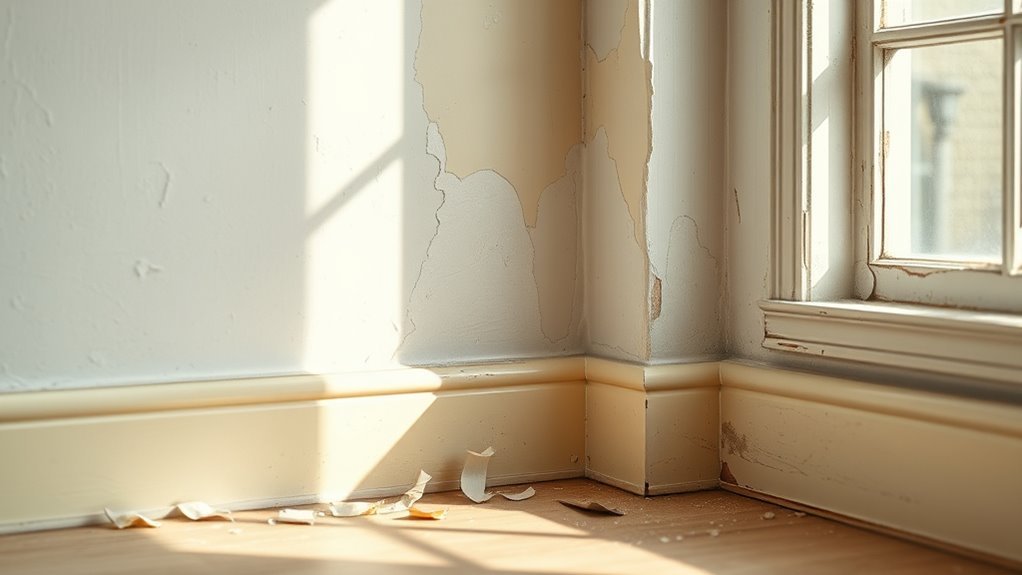
Yes—lead-based paint was commonly used on interior walls for much of the 19th and 20th centuries, especially in homes built before the late 1970s.
You’ll find evidence of lead paint prevalence in period homes, schools, and public buildings where durability and pigment stability mattered.
Over time, concerns about health risks prompted shifts in manufacturing and labeling.
Growing awareness of health risks gradually changed how paints were made and labeled.
Historical regulations evolved slowly: initial guidelines were limited, then stricter bans and disclosure rules emerged mid-century onward.
When you research a property’s history, recognize that prevalence depended on era, region, and renovation patterns, so assumptions should be checked with testing.
Is My Home Likely to Have Lead-Painted Walls?
To judge whether your home likely has lead-painted walls, check its age first: houses built before about 1978 have a much higher chance because lead was widely used until restrictions took effect.
You should also consider remodel history, visible paint condition, and location of layers. Testing provides certainty; assume risk until you know.
- Look at build year and renovation dates.
- Inspect chipping, peeling, or multiple paint layers.
- Hire a certified lead inspector or use an EPA-approved test kit.
Be aware of lead paint risks tied to dust and deterioration, and consult records showing historical usage for your area.
Why Was Lead Added to Paint in the First Place?
You might wonder why lead was a common ingredient in older paints, and the answer comes down to performance.
Manufacturers added lead to make paint tougher and more durable so it resisted chipping and wear.
Lead compounds also improved pigmentation and coverage, giving richer colors with fewer coats.
Durability And Hardness
Because builders and manufacturers wanted paint that lasted longer and stood up to wear, they turned to lead compounds for their exceptional durability and hardness.
You’ll see the historical significance: lead paint properties delivered tougher films that resisted chipping, moisture, and abrasion. That’s why it became standard for high-traffic areas and exteriors.
You should know these practical benefits and trade-offs so you can assess older coatings safely.
- Increased film strength — lasted years under stress.
- Moisture resistance — slowed decay on wood and metal.
- Abrasion resistance — reduced frequent repainting and maintenance.
Pigment And Coverage
Although often overlooked today, lead played a key role as a pigment and opacity booster in historic paints, giving coatings richer color and far better coverage so painters could hide underlying surfaces with fewer coats.
You’d find lead compounds mixed with various pigment types to deepen whites, bolster yellows, and stabilize reds. That chemistry increased hiding power and improved coverage benefits, letting you apply thinner layers while achieving uniform tone.
Lead also enhanced drying and film formation, so finishes stayed even. Knowing this helps you understand why manufacturers favored lead despite its hazards: performance often outweighed the risks in past practices.
When Did Lead Paint First Appear in Buildings?
Lead-based paints first showed up in European and American buildings in the 17th and 18th centuries, when white lead and red lead pigments were prized for their opacity and durability.
You’ll see how historical context and paint innovation drove adoption: craftsmen valued faster drying, better adhesion, and vivid color that modern alternatives later matched.
If you inspect old homes, you’ll encounter layers containing lead compounds. Regulations and newer formulations eventually reduced use, but many structures still carry original coatings.
Be cautious during renovations: disturbance can release toxic dust, so test before you strip or sand surfaces.
- 17th–18th century rise
- Practical benefits
- Modern decline
Which Countries Used Lead Paint Most Widely?

Knowing when and why lead paints became common helps explain where they spread most rapidly: Europe and North America adopted lead-based pigments early because they fit well with industrial-scale production, urban building booms, and established trade networks. You’ll find heaviest lead paint use in the UK, Germany, France, the United States, and later in industrializing Japan and Russia. Global usage patterns followed colonial trade and manufacturing reach, so former colonies also saw widespread use. Below is a quick reference:
| Country/Region | Notes |
|---|---|
| United Kingdom | Early mass production |
| United States | Residential and commercial |
| Germany | Industrial coatings |
| France | Decorative finishes |
What Types of Buildings Had Lead-Painted Walls?
Because paint with lead pigments was prized for its durability, you’ll find it on a wide range of buildings—from grand Victorian homes and municipal schools to factories, ships, and older apartment blocks—where a hard, long-lasting finish was important.
You’ll encounter lead-painted walls in historic buildings and residential homes, in commercial properties and public facilities, and across schools and hospitals.
It was common in industrial sites, urban areas, and rural dwellings.
Check older structures built before bans or restrictions.
Prioritize testing during renovations, especially where children or vulnerable people live or visit, and hire certified abatement professionals.
- Residential homes
- Public facilities
- Industrial sites
Which Paint Colors and Finishes Contained the Most Lead?
Paints with glossy, oil-based finishes and certain deep pigments often held the highest lead levels, so you’ll most commonly find heavy lead content in trim, doors, windowsills, and exterior surfaces where durability and colorfastness mattered.
Glossy, oil‑based trims and vivid pigments—like on doors, sills, and exteriors—often contain the highest lead levels.
You’ll also encounter high lead concentrations in vibrant reds, yellows, and greens because metallic pigments and strong tinting required stabilizers.
Matte interior wall paints tended to use less, but older formulations varied.
When evaluating old coatings, focus on historical lead paint colors and lead paint finishes: high-gloss, oil-based, and deeply pigmented layers are the likeliest sources of hazardous lead in buildings.
How Did Manufacturers Market Lead-Based Paints?

You’ve probably seen old ads that promised brighter, longer-lasting finishes and even touted health benefits from lead-based paints.
Manufacturers used bold health claims and eye-catching visuals to make their products seem modern and safe.
As you read on, we’ll examine how those marketing tactics shaped public perception and policy.
Bold Health Claims
Marketing often touted lead-based paints as wholesome improvements to homes—claiming they promoted hygiene, deterred disease, and protected families—despite mounting evidence to the contrary.
You were told paints killed germs and kept interiors sanitary, obscuring lead exposure and long-term health risks. Manufacturers framed pigments as modern science, so you trusted them to safeguard loved ones.
- Promoted as antiseptic and protective against decay.
- Branded for nurseries and kitchens to suggest child safety.
- Appealed to doctors’ endorsements and scientific language to calm doubts.
You should question such claims and prioritize independent testing and reputable guidance.
Eye-Catching Advertising
Those reassuring claims didn’t appear out of nowhere—they were wrapped in bright, persuasive advertising designed to catch your eye and your trust.
You’d see glossy vintage advertisements promising durability, whiteness, and even health benefits, with happy families and gleaming rooms. Manufacturers used catchy slogans, celebrity endorsements, and demonstration booths to prove superiority.
Their marketing strategies emphasized modernity and safety, downplaying risks and scientific nuance. You were nudged to equate lead paint with progress and cleanliness.
Knowing these tactics helps you spot how emotion and authority were used to normalize a hazardous product, informing safer choices today.
When Did Scientists Link Lead Paint to Health Problems?
Although people used lead in paint for centuries, scientists didn’t firmly connect it to health problems until the late 19th and early 20th centuries, when clinicians and researchers began documenting poisoning cases and tracing symptoms to chronic exposure.
You’ll learn how understanding progressed: physicians linked anemia, neurological decline, and behavioral changes to lead, prompting industrial hygiene studies and early regulations.
Research expanded through occupational case reports and community investigations, showing long-term health implications even at low doses.
Key milestones you should note include:
- Clinical case series identifying poisoning patterns.
- Epidemiologic studies connecting exposure to developmental harm.
- Policy responses and workplace reforms.
How Does Lead Exposure From Painted Walls Occur?
As painted surfaces age, the finish chalks, flakes, and forms dust that you can easily inhale or swallow.
You’ll be exposed when chips or settled dust get on hands, toys, or food, or when contaminated soil from exterior paint is tracked indoors.
Understanding these paths—aging paint, ingestion and inhalation, and dust/soil transfer—helps you target prevention and cleanup.
How Lead Paint Ages
When lead-based paint stays on a surface for years, it doesn’t just sit there — it breaks down, flakes, and creates dust that you can inhale or swallow.
You’ll notice cracking, chalking, and fading as lead paint deterioration advances. Weather, friction, and renovations speed the process, releasing particles into your home and yard, raising environmental impact concerns.
You should inspect and maintain painted surfaces, avoid sanding without controls, and test suspect layers. Consider professional abatement for widespread degradation.
- Visible flaking: immediate risk of spreading.
- Dust formation: persistent contamination source.
- Soil accumulation: long-term outdoor hazard.
Routes Of Ingestion
If painted surfaces are deteriorating or disturbed, you can breathe or swallow tiny lead particles that the paint releases.
You touch flaking paint or contaminated hands, then put fingers, toys, or food in your mouth — common lead ingestion pathways.
You might inhale microscopic chips during sanding or repairs without proper controls.
Young children crawl and hand-to-mouth more often, increasing household exposure, but adults can also ingest lead from habitual contact or eating while working near painted areas.
Preventing contact, using safe work practices, and washing hands and objects reduce the chance you’ll ingest lead from painted walls.
Dust And Soil Transfer
Because lead paint flakes and dust settle quickly, they can hitch a ride on shoes, pet paws, toys, and clothing and spread contamination from walls to floors, entryways, and yards.
You should recognize that dust accumulation creates indoor lead exposure while tracked particles cause soil contamination outdoors, increasing environmental impact and health risks for children and pets.
Use remediation techniques and safety measures to limit spread: avoid dry sweeping, seal peeling paint, and test soil.
Adopt preventive strategies like entry mats and removing shoes to reduce transfer and protect household members from ongoing contamination.
- Clean wet, not dry
- Use doormats and shoes-off rules
- Test and remediate soil
Why Are Children More Vulnerable to Lead From Walls?
Although adults and children may live in the same house, kids absorb and interact with lead from old paint differently, making them far more vulnerable to harm.
You should know that child behavior—hand-to-mouth activity, crawling, and playing near floors—raises contact with dust and paint chips, increasing lead exposure.
Children’s bodies absorb a higher percentage of ingested lead than adults, and their brains and organs are still developing, so the same amount of lead causes greater damage.
You’ll also find smaller body weight concentrates toxins, and longer exposure during critical growth periods compounds risk, so prevention matters.
What Are Common Symptoms of Lead Poisoning From Paint?
You might notice physical and developmental signs like slowed growth, stomach pain, or learning delays if someone’s been exposed to lead paint.
You may also see behavioral and neurological changes such as irritability, trouble concentrating, headaches, or mood swings.
If you spot these symptoms, get medical testing and reduce further exposure right away.
Physical And Developmental Signs
When children or adults are exposed to lead from peeling paint or dust, they often show a range of physical and developmental signs that don’t always look like a classic poisoning emergency.
You might notice subtle effects on child development and cognitive impact before obvious illness appears. Watch for these common signs:
- Delayed speech or learning difficulties and reduced attention span, signaling early cognitive impact.
- Stomach pain, loss of appetite, weight loss, or fatigue that persist without clear cause.
- Pale skin, slowed growth in children, or unexplained anemia and frequent headaches in adults.
Seek testing if you suspect exposure.
Behavioral And Neurological Changes
If lead from paint gets into a child’s environment, it can change behavior and brain function in ways you mightn’t immediately link to poisoning.
You may notice slowed cognitive development: trouble learning, memory gaps, and lower IQ scores. Environmental exposure often shows up as increased irritability, impulsivity, and attention problems that resemble ADHD.
Over time, behavioral disorders can emerge—withdrawal, aggression, or poor social skills—alongside sleep and appetite changes.
The neurological impact can be subtle initially but permanent if unchecked. If you suspect exposure, get blood testing and remove the source; early intervention improves outcomes.
How Public-Health Guidance on Lead Paint Evolved
As scientific evidence linked lead exposure to developmental harm, public-health guidance shifted from permissive to precautionary approaches, tightening regulations, testing, and remediation standards.
As evidence revealed lead’s harm, policy moved from permissive advice to strict testing, bans, and remediation.
You’ll learn how lead paint regulations grew from vague advisories into enforceable requirements as the historical context revealed childhood vulnerability, indoor exposure routes, and long-term costs.
Agencies began recommending screening, banning high-lead products, and funding abatement. You should expect clearer labeling, targeted inspections, and community outreach where risks are highest.
- Screening programs to find early exposure
- Mandatory testing in at-risk housing
- Subsidized remediation and public education
Major Regulatory Milestones Around the World
Although countries moved at different paces, global actions since the mid-20th century have steadily tightened limits on lead in paint, fuel, and consumer goods; you’ll see clear turning points where science, public pressure, and policy converged to create enforceable bans, testing requirements, and remediation programs.
You’ll trace historical context from early warnings to modern safety standards, noting legislative changes that phased out leaded gasoline and restricted pigments.
International agreements spurred national laws, yet enforcement challenges persisted. Ongoing compliance efforts, capacity building, and rising public awareness helped close gaps, creating a patchwork of protections that steadily reduced exposure worldwide.
U.S. Bans and Rules for Lead Paint Explained
When you look at U.S. lead-paint rules, you’ll see a timeline of tightening restrictions that moved from voluntary guidelines to enforceable bans and clearance standards.
Key federal actions — especially the 1971 Consumer Product Safety Commission guidance, the 1978 ban on lead-based paint in residential properties and consumer products, and later disclosure and renovation rules — reshaped how homes, toys, and contractors manage lead hazards.
You need to know the core elements of current lead paint regulations and their historical context so you can assess risk and comply.
- Ban on lead-based residential paint (1978)
- Disclosure requirements for sellers/landlords
- Renovation, Repair, Painting Rule (RRP)
EU and UK Regulations on Lead in Paint
You should know that the EU sets strict limits on lead content in paints, restricting its use in consumer and decorative products.
The UK follows those EU-aligned limits and has its own regulations and enforcement for paint safety after Brexit.
Knowing these rules helps you assess the safety of paints for homes and renovation projects.
EU Lead Paint Limits
The EU and UK set strict limits on lead in paints to protect public health, especially children and workers, by restricting the amount of lead compounds allowed in decorative, industrial, and consumer coatings.
You should know EU regulations require very low total lead concentrations in decorative paints and ban lead in most consumer coatings, reinforcing lead safety across member states.
Manufacturers must comply with labelling, testing, and supply-chain documentation.
Enforcement includes market surveillance and penalties for noncompliance.
Check product declarations and safety data sheets before use.
- Decorative paint limits
- Industrial exemptions and controls
- Testing and compliance requirements
UK Paint Safety Rules
1 key thing to know is that UK paint safety rules tightly limit lead in both decorative and many industrial coatings, aligning closely with EU standards while keeping specific national enforcement and labelling requirements.
You should know UK lead regulations ban intentional addition of lead pigments and set strict migration limits for consumer products.
If you’re renovating, testing old paint matters because rules require removal or encapsulation by trained contractors when lead risk exists.
Manufacturers must follow paint safety labelling and supply chains face compliance checks.
Enforcement includes fines and recalls, so always check certificates, test results, and contractor credentials before work begins.
Regulations in Canada and Australia
While both Canada and Australia have tightened rules on lead in paint over recent decades, their approaches and enforcement vary by jurisdiction: you should know how each handles lead paint regulations and safety standards.
Federal and provincial/state laws set limits, testing protocols, and disposal rules, but enforcement can differ locally. You’ll find bans on lead in consumer paints, mandatory reporting for high levels, and guidance for contractors.
- Canada: national limits with provincial enforcement, recalls, and contractor guidance.
- Australia: national model codes, state implementation, and public health campaigns.
- Both: ongoing monitoring, education, and regulation updates.
How Older Homes Are Prioritized in Lead Laws
When you look at lead laws, older homes get higher priority because their construction dates make them more likely to contain lead paint.
You’ll see age-based compliance rules that require inspections, disclosures, or abatement first for properties built before certain cutoff years.
Understanding those cutoffs helps you know which homes are subject to stricter requirements and why.
Older Homes, Higher Priority
Because older homes were built before lead-safe practices were standard, lawmakers treat them as a higher risk and put them at the front of lead-control efforts.
You’ll find policies focus on protecting occupants, balancing historical significance with health implications and environmental impact.
You’ll face renovation challenges, inspection processes, and remediation techniques that reduce legal liabilities and protect property values.
Community awareness drives funding and enforcement, so you should stay informed and proactive.
- Prioritized inspections target high-risk neighborhoods.
- Remediation techniques follow strict protocols to limit exposure.
- Outreach links owners to resources, reducing liabilities.
Age-Based Compliance Rules
If your house was built before lead-safe standards were adopted, authorities usually require stricter compliance—age becomes a simple proxy for risk that triggers inspections, disclosure rules, and mandatory abatement timelines.
You’ll find age regulations set inspection frequency, rental certifications, and priority for funding or orders to remove hazards. Local agencies check compliance history when deciding intervention level; repeated violations speed up enforcement.
When you sell or lease, you must disclose documented risks and follow remediation deadlines tied to the building’s era.
Know your area’s rules, keep records of repairs, and act promptly—older homes get less leniency by design.
How to Tell If Paint on Walls Contains Lead
Wondering whether the paint on your walls contains lead? You can start by noting age and condition: older, peeling layers raise concern.
Use professional lead detection methods and reliable wall testing techniques performed by certified inspectors to confirm hazards. They’ll sample paint and analyze results in a lab, giving definitive answers and exposure risk guidance.
Have certified inspectors perform professional lead detection and lab analysis to confirm hazards and advise on exposure risk.
While you shouldn’t rely on guesses, visual clues and building age can prioritize testing. If results show lead, follow abatement or containment advice from professionals to protect occupants. Keep children and pregnant people away until certified remediation is complete.
- Inspect
- Test professionally
- Remediate
DIY Lead-Test Kits: What They Do and Their Limits
Curious whether a quick home test can tell you if paint contains lead? You can try DIY testing kits that use swabs or chemical reagents to detect lead particles. They offer fast results and help with immediate risk assessment, but kit accuracy varies by brand, paint layer, and user technique.
For home safety, treat positive results seriously—limit access, reduce dust, and avoid sanding. Negative results don’t guarantee absence of hazard; some testing methods miss low concentrations or underlying layers.
Understand health implications and combine kit findings with prevention strategies like cleaning, containment, and consulting professionals when uncertainty or high exposure risk exists.
When to Hire a Certified Lead Inspector or Risk Assessor
When your home shows signs of lead paint, you should call a certified lead inspector or risk assessor to get definitive, legally recognized testing and action recommendations.
If you suspect lead paint, contact a certified lead inspector or risk assessor for official testing and guidance.
These professionals use validated instruments and protocols to identify lead hazards, determine contamination sources and levels, and advise on safe remediation or ongoing management.
You should hire for a lead inspection or risk assessment when:
- You’re renovating older homes built before 1978 and will disturb painted surfaces.
- Young children or pregnant people live in or visit the property frequently.
- You detect chipping, peeling paint or unexplained elevated dust or soil lead.
How to Interpret Lead Test Results for Walls
After you get results from a certified inspector or test kit, you’ll need to understand what the numbers and labels mean for your walls. Use clear lead test interpretation: confirm units (µg/ft² or ppm), compare to regulatory limits, and note whether results reflect intact paint or dust from wall testing. Document location, date, and photo. If results are near action levels, prioritize follow-up testing or a risk assessor review. Keep records for future buyers or contractors. Simple table below helps you visualize common result categories and urgency.
| Result | Meaning | Recommended action |
|---|---|---|
| Negative | No detectable lead | Monitor |
| Low | Below action level | Retest |
| High | Above action level | Consult professional |
Immediate Steps If You Find Lead-Painted Walls
If you find lead-painted walls, stop work and limit access to the area to prevent dust spread and accidental exposure.
You should act quickly to reduce immediate risks: seal the area, avoid sweeping, and keep children and pets away.
Contact a certified inspector or abatement professional for testing and guidance about next steps.
Contact a certified inspector or abatement professional for testing and clear, step-by-step remediation guidance.
Document findings and any symptoms that could relate to health impacts so medical providers can assess exposure.
Follow their instructions on notifications and remediation.
Remember to follow safety precautions when handling materials until professionals arrive; don’t attempt major removal yourself without proper training and equipment.
- Call a professional inspector/abatement team.
- Isolate and document the scene.
- Keep people and pets out.
Safe Interim Controls for Lead Paint on Walls
If you suspect lead paint on your walls, start with temporary containment measures like sealing off the area with plastic sheeting and using door sweeps to limit dust spread.
Keep surfaces clean with damp wiping and HEPA-filtered vacuuming on a regular schedule to prevent paint chips and dust buildup.
These interim controls reduce exposure while you plan for permanent abatement.
Temporary Containment Measures
When you can’t remove lead paint right away, temporary containment measures let you control dust and limit exposure until permanent abatement is possible.
You’ll use temporary solutions focused on isolating contaminated surfaces and minimizing disturbance while you plan certified removal. Seal cracks, cover trim with tape or plastic, and post warnings so occupants avoid affected rooms.
Clean using HEPA-filter tools and wet methods to reduce dust spread. Monitor with swab tests after work. Consider hiring a certified contractor for complex areas.
These lead containment steps protect children and pets and buy time until safe, permanent abatement can occur.
- Seal gaps
- Cover surfaces
- HEPA cleaning
Regular Surface Maintenance
Because you’ll likely be living with painted walls before permanent abatement, regular surface maintenance keeps lead hazards from spreading and reduces short-term exposure. You should do regular inspections, clean dust with HEPA methods, and repair areas showing paint deterioration. Focus on high-traffic spots, windows, and door frames. Use wet methods, avoid dry sanding, and seal small chips with encapsulants approved for lead. Track work in a simple log and hire certified contractors for major repairs. The table below gives quick, actionable steps.
| Task | Frequency | Action |
|---|---|---|
| Inspect | Monthly | Look for paint deterioration |
| Clean | Weekly | HEPA wet cleaning |
| Repair | As needed | Encapsulate or hire |
Cleaning to Reduce Lead-Paint Dust
Although lead dust can be invisible, you can sharply cut exposure by cleaning the right way and on the right schedule.
You’ll focus on dust control with practical cleaning techniques and safety measures to protect your household. Use proper ventilation and wear protective gear when disturbing old surfaces.
Integrate cleaning into home maintenance routines and follow health precautions for vulnerable people.
- Wet-wipe with HEPA-filter vacuums and microfiber cloths after sanding or high-traffic activity.
- Contain work areas with plastic sheeting, clean from cleanest to dirtiest areas.
- Dispose of waste in sealed bags and launder contaminated clothing separately.
What Not to Do: Common Mistakes That Spread Lead
Cleaning the right way cuts lead dust, but a few common mistakes can undo your efforts and spread contamination.
Don’t dry-sweep, dust with a feather duster, or use a regular vacuum — they fling particles into the air.
Avoid dry-sweeping, feather dusters, or ordinary vacuums — they send lead particles airborne, not away.
Don’t sand, scrap, or heat old paint without containment and respirators; those actions create fine, toxic dust.
Avoid wiping floors into doorways or brushing debris outdoors where it’s tracked back inside.
Don’t skip handwashing or let children play in dusty areas.
For lead poisoning prevention and renovation safety, stop these habits and follow proper containment and cleanup protocols.
How Can You Safely Remove Lead Paint From Walls?
How should you approach removing lead paint from walls? You’ll first assess condition and test for lead, then plan work to minimize dust. Follow strict safety precautions: seal the room, turn off HVAC, and keep others away.
- Wet methods: mist surfaces, scrape gently, collect debris in sealed bags to control dust.
- HEPA vacuum + wet wiping: clean edges and floors frequently during work.
- PPE and containment: wear a respirator, disposable coveralls, gloves, and use plastic sheeting and taped seams.
For lead paint removal, never dry-sand, burn, or sweep; always dispose of waste per local rules.
Pros and Cons of Professional Abatement for Walls
If you’re weighing whether to hire professionals for wall abatement, consider that licensed contractors bring training, HEPA-grade equipment, and containment expertise that greatly reduce dust and cross-contamination—but they cost more and can require scheduling, permits, and temporary relocation in severe cases.
You’ll gain documented compliance, waste disposal, and faster completion, which can offer clear cost benefits when compared to DIY mistakes.
Professionals also lower immediate and long-term health risks by minimizing airborne lead and ensuring cleaning verification.
Downsides are higher upfront expense, potential disruption, and choosing reputable firms to avoid cutting corners that negate safety advantages.
Encapsulation and Enclosure Methods for Painted Walls
Consider encapsulation and enclosure as two less-disruptive alternatives to full lead paint removal: encapsulation uses specially formulated coatings that bond to and seal intact lead-painted surfaces, while enclosure involves covering them with new, non-reactive materials like drywall or paneling.
You should weigh lead paint regulations and safety standards before choosing either approach.
Encapsulation techniques are quicker, generate less waste, and reduce environmental impact; enclosure strategies offer physical protection and can hide damage.
Encapsulation is faster and greener; enclosure provides durable physical protection and conceals surface damage.
Both require certified assessment, proper surface prep, and inspection to guarantee long term effectiveness.
Consult professionals to confirm compliance and monitor performance over time.
- Compare costs and compliance
- Verify certified materials
- Schedule periodic inspections
Safe DIY Methods and When They’re Inappropriate
When you’re tackling small projects, certain lead-safe DIY methods—like wet-sanding with fine-grit paper, using HEPA-filtered vacuums, and applying certified encapsulants—can reduce dust and exposure, but you must follow EPA, state, and local rules and use proper personal protective equipment.
You can perform limited, careful safe removal of flaky areas, clean thoroughly, and use paint alternatives designed to seal surfaces.
Stop and hire certified professionals if paint is heavily deteriorated, if you’re disturbing large areas, or if occupants include children or pregnant people.
Know limits, document tests, and prioritize safety over savings.
Cost Factors for Managing or Removing Lead Paint
Managing or removing lead paint brings variable costs that depend on several clear factors. You’ll want a concise cost analysis to compare containment, encapsulation, and full abatement. Prices hinge on paint condition, square footage, and whether you can safely do interim work yourself.
- Inspection and testing: lab fees and scope determine baseline costs.
- Removal techniques: wet scraping, chemical stripping, or HEPA-assisted abatement change labor and equipment expenses.
- Disposal and post-cleaning: waste handling, clearance testing, and repainting add to totals.
Plan budget margins for surprises and prioritize safety over lowest bids.
How to Find Qualified Lead Abatement Contractors
Looking for a qualified lead abatement contractor? You should verify lead contractor qualifications like EPA or state certification, insurance, and documented training.
Check references, past job photos, and written estimates. When evaluating contractor experience, ask about projects similar to yours, containment methods, waste disposal, and post-abatement testing.
Check references and past photos; get written estimates and ask about similar projects, containment, disposal, and testing
Get multiple bids and compare scope, timelines, and warranties rather than lowest price. Confirm they follow OSHA and EPA rules and will provide a clear written contract.
Trust contractors who communicate risks, testing results, and cleanup procedures; keep copies of certifications and final clearance reports for your records.
Tenant and Landlord Responsibilities for Lead-Painted Walls
You need to know what both you and your landlord are required to do when lead-painted walls are present.
Your landlord must disclose known lead hazards and provide any available reports or records before you move in, while you’re expected to follow safety measures and report peeling paint or disturbances promptly.
Clear communication and timely action help protect your health and reduce liability for everyone.
Landlord Disclosure Duties
Because lead paint can pose serious health risks, landlords must disclose known lead hazards and tenants need clear information before signing a lease.
You should get a written disclosure about presence or history of lead, any available inspection or abatement records, and warnings about peeling or chipping paint.
These landlord responsibilities protect your tenant rights and help you decide whether to rent.
- Provide written notice of known lead-based paint or hazards.
- Share available reports, inspection, or remediation records.
- Give EPA/HUD lead hazard information pamphlet and obtain tenant acknowledgement.
Tenant Safety Obligations
When living in a unit with lead-painted walls, you and your landlord both have clear, practical duties to keep everyone safe: tenants should promptly report peeling or chipping paint, avoid disturbing suspect surfaces, and follow safe-cleaning and hygiene practices, while landlords must repair hazards, hire certified contractors for abatement or interim controls, and provide timely information and access for inspections.
You should know your tenant rights, document complaints in writing, and request lead testing if you suspect lead exposure.
Until hazards are fixed, minimize dust, wash hands and toys, use wet cleanup, and insist the landlord follows legal disclosure and remediation steps.
Financial Assistance and Grants for Lead Remediation
Although tackling lead hazards can feel overwhelming, there are federal, state, and local programs that help cover remediation costs so you don’t have to shoulder them alone.
You don’t have to face lead hazards alone — federal, state, and local programs can help cover remediation costs.
You’ll find funding options from HUD, EPA, and state health departments; check grant eligibility based on income, property type, and local priorities. Apply promptly and keep documentation.
- Contact your state or local health department for program details and application help.
- Explore HUD grants, EPA abatements, and low-interest loans for eligible homeowners or landlords.
- Work with certified contractors and retain all receipts to meet compliance and reimbursement requirements.
Long-Term Monitoring After Lead Paint Work
After remediation, you should arrange ongoing blood lead testing for anyone at risk to confirm levels stay low.
You’ll also want periodic dust wipe sampling of floors and windowsills to catch any recontamination early.
Regularly reviewing these results helps you decide if further action or cleaning is needed.
Ongoing Blood Lead Testing
Regular blood lead testing helps you catch rising levels early and guarantees lead-safe repairs haven’t left lingering exposure risks.
You’ll want ongoing testing after any remediation, because low-level exposure can still affect cognition, behavior and organ function. Work with your clinician to set a schedule based on age, exposure risk and local guidelines. Track results, note symptoms, and act quickly if levels rise.
- Test schedule: baseline, 1–3 months, then every 3–6 months until stable.
- Who to test: children, pregnant people, and high-risk adults.
- Response plan: repeat test, source investigation, medical follow-up.
Periodic Dust Wipe Sampling
You’ll schedule periodic checks after renovation or abatement, focusing on high-traffic areas where dust hazards accumulate. Use standardized sampling techniques—wipe size, pattern, and lab chain-of-custody—to guarantee reliable results.
Interpret lab reports against clearance or action levels, and repeat cleaning and re-sampling if results exceed limits. Keep records of dates, locations, and outcomes so you can demonstrate sustained control and protect occupants long-term.
How to Document Lead Paint Actions for Resale or Compliance
When you’re preparing a property for resale or to meet regulations, documenting every lead paint action—inspections, testing, repairs, and clearances—is essential to protect buyers, comply with laws, and limit liability.
You should assemble reports, lab results, contractor invoices, and clearance certificates into a single file. Label dates, addresses, and technician credentials, keep originals, and store digital backups.
Good lead paint documentation supports resale compliance and reduces disputes.
- Inspection & test reports with lab chain-of-custody
- Work orders, photos, contractor licenses, and receipts
- Clearance results and dated certificates, plus digital archive access
Myths About Lead Paint on Walls Debunked
Think lead paint only shows up as chipping, peeling, or that telltale chalky dust? You’re not alone, but that’s one of many lead paint myths.
Think lead paint only appears as chips or dust? That’s a common myth—lead can hide beneath intact surfaces.
You might also assume older homes always have dangerous layers or that only children are affected; historical misconceptions like these downplay lingering hazards.
You should know lead can be present under intact surfaces, in gloss finishes, and as invisible dust from renovation.
Test don’t guess: use certified sampling, document results, and follow safe abatement if needed.
Debunking myths helps you protect occupants, comply with rules, and make informed renovation choices.
Frequently Asked Questions
Can Lead in Paint Affect Indoor Plants or Pets Differently Than Humans?
Yes — lead toxicity effects differ: you’ll see pets show neurological, gastrointestinal signs faster, while plants suffer stunted growth and leaf chlorosis. Use plant safety measures and keep pets away from contaminated dust, soil, and peeling paint.
Can Stains or Wallpaper Conceal Lead-Contaminated Wallpaper Adhesive?
Yes — stains or wallpaper can hide adhesive toxicity; when you peel wallpaper during wallpaper removal, you might uncover lead-contaminated glue. Treat it like a stealthy hazard: assume contamination, test, and follow safe removal procedures.
Do Renovation Dust Control Rules Differ for Multiunit Vs Single-Family Buildings?
Yes — you’ll follow different renovation regulations: multiunit projects often require stricter dust containment, tenant protections, and notification rules, while single-family work usually has simpler containment standards and fewer mandatory tenant-focused requirements.
Can Lead Paint Be Absorbed Through Intact Drywall or Only From Flaking Paint?
You can still get lead exposure even if drywall integrity looks fine; dust from disturbed surfaces or hidden deteriorating layers can release particles. Don’t assume safety—test, control dust, and fix any damaged areas promptly.
Are There Special Disposal Rules for Lead-Painted Debris or Contaminated Household Items?
Yes — you’ve got to follow local disposal methods and safety regulations: double-bag debris, label it, use hazardous waste facilities for large amounts, avoid household trash, and contact authorities or certified contractors for proper handling and disposal guidance.
Conclusion
You’ve learned when and why lead paint showed up, where it was most common, and how to handle it — but one more thing matters: don’t assume you’re safe. Before you repaint, renovate, or sell, get surfaces tested and, if needed, remediated by pros. Financial help and proper records can protect you later. Take action now; small steps today can prevent hidden dangers tomorrow, and one missed chip could change everything.
