
Which Paint Is Best for Exterior? Top Options
Pick a high-quality 100% acrylic latex for most exteriors — it’s flexible, breathable, and resists fading and mildew. Use vinyl-acrylic only to save cost, oil/alkyd for a hard, glossy trim finish, and elastomeric for cracked masonry or extreme weather. Choose mildew-resistant or UV-reflective formulas in humid or sunny regions, match finish to surface (satin for siding, semi-gloss for trim), and prep thoroughly for best longevity; keep going to get climate- and surface-specific picks.
How to Pick the Right Exterior Paint: Decision Checklist
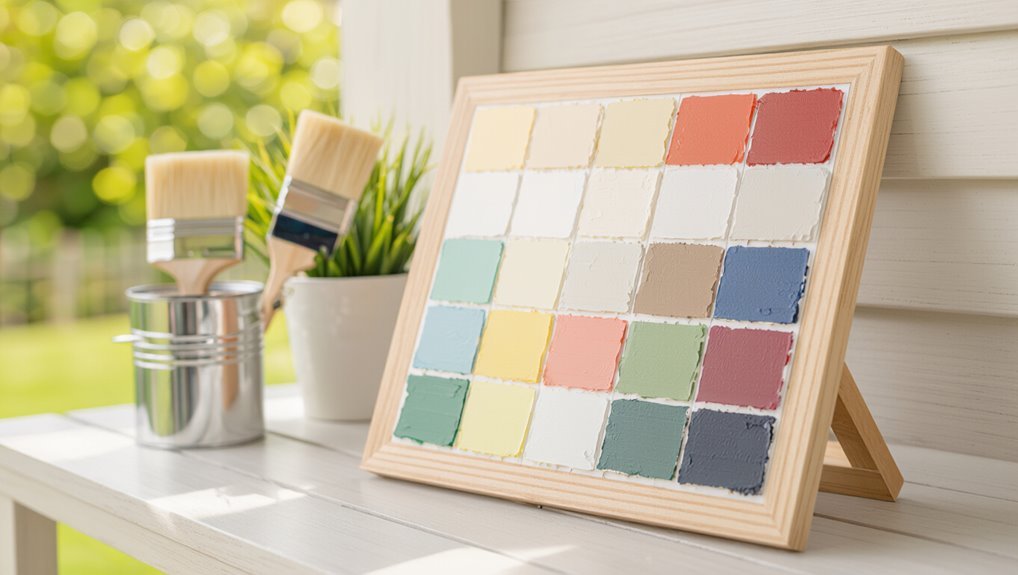
When choosing exterior paint, start by matching the product to your climate, surface material, and desired durability so you won’t waste time or money on the wrong type.
Consider whether you need mildew resistance for humid areas, flexible formulas for wood that expands and contracts, or thicker elastomeric coatings for masonry.
Factor in mildew-resistant paints for humidity, flexible finishes for shifting wood, or elastomeric coatings for masonry durability.
You’ll assess sunlight exposure, local weather patterns, and maintenance willingness.
Prioritize surface preparation—cleaning, repairing, priming—since it dictates longevity.
Pick a sheen for protection and ease of cleaning.
Use color psychology to choose hues that fit style and curb appeal.
Compare warranties, VOC levels, and applicator recommendations before buying.
Quick Answer : Best Exterior Paints, at a Glance
You’ll want paints that stand up to sun, rain, and temperature swings, so durability and weather resistance are top priorities.
Pick the finish—flat, satin, semi-gloss—based on the surface and how much cleaning you’ll do.
Also check color retention ratings so the shade you choose won’t fade after a few seasons.
Durability and Weather Resistance
Because your home’s exterior faces wind, sun, rain, and temperature swings every day, choosing paint that’s built for durability and weather resistance matters more than color alone.
You want formulas that resist fading, cracking, and mildew so they hold up under weather extremes. Look for UV inhibitors, flexible binders, and water-shedding properties.
Proper surface preparation is critical: clean, repair, and prime to guarantee adhesion and longevity.
Consider acrylic or elastomeric options for harsh climates, and high-quality primers for porous or repaired areas.
Investing in durable paint and meticulous prep saves time and money on repairs and repainting.
Finish Types Explained
Although finish choice won’t change color, it shapes durability, sheen, and how much surface texture shows—so pick one that fits your siding, trim, and maintenance priorities. You’ll balance finish durability with desired sheen effects: flat hides flaws but washes poorly; satin handles dirt and trims well; semi-gloss resists scuffs and highlights details; gloss offers max washability and shine. Match finish to exposure and upkeep plans.
| Finish | Best Use |
|---|---|
| Flat | Textured surfaces |
| Satin | Siding, moderate traffic |
| Semi-gloss | Trim, doors |
| Gloss | High-wear areas |
| Eggshell | Subtle sheen, balanced |
Color Retention Over Time
When you want a paint that holds its hue year after year, focus on quality pigments, UV-resistant formulations, and proper surface prep—these three factors determine how well a color resists fading and chalking.
You’ll reduce color fading by choosing paints labeled for exterior UV stability and high pigment concentration.
Consider longevity factors like resin type, film thickness, and application method.
Remember maintenance impact: regular gentle cleaning and prompt repair of damaged areas slow degradation.
Also weigh environmental influences—sun exposure, humidity, salt air, and pollution change performance.
Pick proven brands, follow prep instructions, and schedule simple upkeep to maximize color life.
Best Exterior Paints by Climate
Where you live affects which exterior paints will last and perform best.
In cold climates you’ll want formulas that resist cracking and peeling from freeze-thaw cycles, while in humid areas you need mildew-resistant, breathable coatings.
I’ll walk you through top picks for both conditions so you can choose the right one.
Cold Climate Choices
If you live where temperatures plunge and freeze-thaw cycles are common, pick exterior paints formulated to resist cracking, peeling, and moisture intrusion in cold conditions. You’ll want high-flex acrylics, low-VOC formulas that cure in low temps, and primers that seal against ice-driven moisture. Consider insulation options when planning color placement; darker color trends help absorb heat but check compatibility with siding materials. Prep, flexible caulks, and proper ventilation matter. Compare product features below to match performance and aesthetic goals.
| Feature | Benefit |
|---|---|
| High-flex acrylic | Resists cracking |
| Low-temp cure | Ensures proper film formation |
| Primer/sealer | Blocks moisture |
| Color trends | Affects heat absorption |
Humid Climate Picks
Because humidity drives moisture-related problems like mildew, blistering, and paint failure, pick exterior paints formulated for mold resistance, strong adhesion, and moisture vapor permeability.
You’ll want humidity resistant options with breathable acrylic or elastomeric binders that shed water yet let trapped vapor escape. Look for mildew resistant formulations with biocide additives and high-performance acrylic latex for UV stability.
Prime porous or chalky surfaces with a moisture-blocking primer, then apply two coats in mild, dry conditions.
Maintain gutters and ventilation to reduce exposure. Regularly inspect and spot-treat streaks or blooms to extend finish life and prevent costly repairs.
Match Paint to Siding: Wood, Vinyl, Metal, Stucco, Brick
How do you choose a paint that suits both your siding material and your climate? You’ll assess siding compatibility and prioritize paint longevity by matching finish and formulation to substrate and exposure.
Consider surface porosity, movement, and moisture.
- Wood: use breathable, flexible coatings that resist peeling and allow moisture escape to preserve grain and guarantee paint longevity.
- Vinyl: pick lighter colors and paints designed for low adhesion stress; avoid heavy-film products that crack with thermal expansion.
- Metal/Stucco/Brick: use rust-inhibiting primers on metal, elastomeric or masonry primers on stucco and brick for adhesion and weather resistance.
Acrylic-Latex Exterior Paint: Strengths and Limits
Acrylic-latex is a go-to for exteriors because it gives you durable, flexible film that resists cracking as your siding expands and contracts.
It’s breathable enough to let trapped moisture escape, reducing blistering on wood and masonry.
You’ll also appreciate how easy it’s to apply and quick to dry, though humidity and temperature still affect set times.
Durability And Flexibility
When you pick an acrylic-latex exterior paint, you’re choosing a coating that balances durable resistance to weathering with enough flexibility to expand and contract with siding and trim.
You get flexible coatings that handle temperature swings and offer weather adaptability without cracking. Expect long-lasting color retention and resistance to chalking, though surface prep matters.
Consider these practical points:
- Durability: Resists UV, abrasion, and mild impacts while keeping adhesion.
- Flexibility: Expands and contracts with substrates to prevent splitting.
- Maintenance: Recoats are straightforward; damaged areas can be spot-repaired quickly.
Choose quality formulation for best real-world performance.
Breathability And Moisture
Because exterior siding needs to shed both water and vapor, you’ll want a paint that breathes: acrylic-latex formulations let moisture vapor escape through the film while still blocking liquid water, reducing the risk of trapped moisture and rot in wood or sheathing.
You’ll get good moisture resistance without sealing assemblies so tightly that vapor gets trapped. That vapor permeability helps older wood and siding dry after rain or seasonal humidity shifts.
Still, high permeability doesn’t replace proper flashing, ventilation, or substrate prep; use compatible primers and address leaks first. Choose a balanced acrylic-latex when you need both barrier and breathability.
Application And Drying
Start with clean, dry, and properly primed surfaces, and you’ll find acrylic-latex goes on smoothly with brushes, rollers, or airless sprayers and dries to the touch in a couple of hours under warm, low-humidity conditions.
You’ll appreciate simple application techniques and predictable drying conditions, but plan for cooler, humid days that slow cure and tack time. Protect against rain for 24-48 hours.
Follow manufacturer spread rates and thin only as recommended.
Tips:
- Use high-quality synthetic brushes or a medium-nap roller for even lay-in.
- Maintain steady temperature and low humidity while coating.
- Back-roll sprayed areas for uniformity.
100% Acrylic vs. Vinyl-Acrylic: Practical Differences
Choosing between 100% acrylic and vinyl-acrylic paints comes down to how much durability, flexibility, and breathability you need for your exterior surfaces. You’ll favor acrylic benefits when you want superior weather resistance and color retention; vinyl acrylic advantages suit tight budgets and milder climates. Consider substrate movement, exposure, and maintenance frequency before choosing.
| Feature | 100% Acrylic |
|---|---|
| Flexibility | High |
| Breathability | Good |
| Cost | Higher |
| Vinyl-Acrylic | Lower cost, less flexible, lower breathability |
You’ll pick acrylic for longevity; choose vinyl-acrylic for short-term savings.
Oil-Based and Alkyd Exterior Enamels: Pros and Cons
While they’ve fallen out of favor for some projects, oil-based and alkyd exterior enamels still give you a hard, durable finish that resists scuffs, stains, and heavy weathering better than many waterborne options.
Oil-based and alkyd exterior enamels still deliver a hard, durable finish that outlasts many waterborne options.
You’ll appreciate oil based advantages like strong adhesion, smooth leveling, and longer wear on trim and metal.
Consider alkyd disadvantages too: slower drying, yellowing over time, and tougher cleanup.
Choose based on substrate and maintenance willingness.
- Durability: great for high-traffic areas.
- Prep: needs thorough sanding and solvent cleanup.
- Environmental: higher VOCs; check local regs.
High-Gloss and Semi-Gloss Exterior Finishes: Where to Use Them
If you need a finish that stands up to frequent cleaning and sheds moisture, high-gloss and semi-gloss exterior paints are the go-to choices.
You’ll use them on trim, doors, railings, and other areas that need durability and easy maintenance. The gloss benefits include enhanced resistance to dirt, mildew, and scuffs plus a crisp, reflective appearance that highlights architectural detail.
For best results follow application tips: clean and sand surfaces, prime where needed, apply thin, even coats, and allow proper drying between coats.
Avoid large flat surfaces where the sheen will emphasize imperfections; reserve these finishes for accents.
Matte and Low-Sheen Exterior Paints: Hide Flaws vs. Cleanability
If your exterior has rough spots or minor damage, matte and low-sheen paints will hide those surface imperfections better than glossier finishes.
You’ll also find touch-ups blend in more easily, so small repairs won’t stand out.
Keep in mind these finishes can be harder to clean, so you’ll trade concealment for greater maintenance effort.
Hides Surface Imperfections
A matte or low-sheen exterior finish can do wonders for concealing hairline cracks, brush marks, and minor surface flaws, giving your home a smoother, more forgiving look without the glare of higher sheens.
You’ll get imperfection camouflage and subtle texture enhancement that makes surfaces appear uniform. Consider how these finishes work and what you’ll trade off.
- Reduced reflection: hides defects by scattering light, softening visual contrast.
- Surface forgiving: masks uneven application, old patchwork, or slight substrate irregularities.
- Visual depth: creates a painted facade that reads as cohesive while minimizing attention to flaws.
Easier Touch-Up Coverage
When you need to touch up exterior paint, matte and low-sheen finishes make it easier to blend new strokes into the old surface because they don’t reflect light sharply; that forgiving look hides small overlaps and brush marks so you can get away with fewer full-panel repaints.
You’ll focus on precise touch up techniques: feathering edges, thinning small batches, and applying thin coats to avoid texture shifts.
Use careful color matching under the same daylight conditions and test small patches.
With those steps you’ll conceal wear effectively while minimizing visible repairs, saving time and extending the interval before larger maintenance.
Greater Cleaning Challenges
Because matte and low-sheen exterior paints scatter light instead of reflecting it, they hide surface flaws but also show dirt and stains more readily. You’ll find them harder to clean than glossier finishes. You’ll need to adjust cleaning frequency and accept trade-offs with stain resistance.
Consider practical steps:
- Inspect quarterly for grime and mold; plan gentle washing to avoid abrading the finish.
- Use mild detergents and soft brushes; test a hidden patch to check stain resistance before full cleaning.
- Repaint touch-ups sooner if stubborn stains persist, since aggressive scrubbing can dull pigments.
Elastomeric and Masonry Coatings for Stucco & Concrete
If your stucco or concrete is hairline-cracked, porous, or exposed to harsh weather, elastomeric and masonry coatings give you a durable, flexible shield that stops water and hides imperfections.
You’ll appreciate elastomeric benefits like extreme flexibility, thick film coverage, and long-lasting resistance to peeling and efflorescence.
Apply masonry coatings designed for concrete and stucco to bridge small cracks and create a breathable, water-shedding layer.
Use masonry coatings on concrete and stucco to seal hairline cracks and form a breathable, water-shedding protective layer
Choose coatings rated for UV and moisture exposure, and follow surface-prep steps to guarantee adhesion.
These products reduce maintenance and protect substrate integrity, keeping exterior walls looking uniform and performing well through wet seasons.
Primers for Exterior Surfaces: Which to Choose When
Which primer you pick for your exterior project depends on the surface, the condition, and the finish you want; choose wisely and you’ll avoid adhesion failures, stains, and premature repainting.
You’ll match primer types to substrate and problems: oil-based for weathered wood and tannin blocking, latex for most siding, and bonding primers for glossy or chalky surfaces.
Do proper surface preparation—clean, sand, and repair—before priming. Consider the topcoat when selecting primer to guarantee compatibility and desired sheen.
- Oil-based: tannin/stain blocking
- Latex: general siding use
- Bonding: difficult substrates
Specialty Exterior Paints: Anti-Mildew, Reflective, UV-Resistant
You’ll want to evaluate specialty coatings that stop mildew growth on damp surfaces, since anti-mildew paints contain biocides or additives that keep siding and trim cleaner longer.
Also look at UV-reflective paint technology, which bounces harmful rays away to reduce fading and lower surface temperatures.
Choosing the right combo can extend your finish’s life and cut maintenance needs.
Anti-Mildew Coating Benefits
Because moisture and shade invite mildew, choosing an exterior paint with an anti-mildew coating stops fungal growth before it starts and keeps siding, trim, and outdoor structures looking cleaner for longer.
You’ll get mildew resistance that reduces cleaning and repainting needs, and coating longevity that protects porous surfaces. Apply to areas prone to dampness—eaves, decks, north-facing walls—and maintain ventilation.
Consider these benefits:
- Fewer cleanings and lower maintenance effort.
- Extended service life before repainting due to inhibited biological growth.
- Better curb appeal maintained in damp climates.
You’ll still follow prep and application guidelines for best results.
UV-Reflective Paint Technology
When sunlight ages and heats exterior surfaces, UV-reflective paints help by bouncing harmful rays away instead of letting them penetrate and degrade coatings and substrates.
You’ll notice uv reflective benefits immediately: reduced fading, longer-lasting color, and lowered heat absorption on siding and trim.
These coatings use special pigments and ceramic microspheres to reflect near-infrared and ultraviolet wavelengths, protecting both paint and underlying materials.
By cutting surface temperatures, they contribute to measurable energy savings for cooling, especially in hot climates.
Choose formulations rated for exterior durability and guarantee proper application to maximize protection, performance, and lifespan.
Color, Fading, and LRV: Choose Durable Exterior Colors
If you want a color that stays true and protects your investment, pick hues with high light reflectance values (LRV) and proven fade resistance. You’ll balance aesthetics and longevity by considering color psychology and current color trends while prioritizing pigments rated for exterior use. Choose colors that handle sun exposure without frequent refreshes.
- Pick lighter LRVs for heat reflection and slower pigment breakdown.
- Select UV-stable pigments labeled fade-resistant for richer, lasting tones.
- Test samples on different elevations and evaluate after weeks in sun and shade before committing.
Coverage, Coats, and Realistic Lifespan by Paint Type
Now that you’ve narrowed down fade-resistant colors and LRVs, look at how different paint types actually perform so you can plan coats, coverage, and realistic repaint timelines. You’ll want a clear coverage comparison: acrylic and 100% acrylic latex cover well in two coats; oil-based often needs primer plus one topcoat; elastomeric demands thicker application. Paint longevity varies: acrylic lasts 10–15 years, elastomeric 15–20, oil 8–12 depending on exposure. Use the table below to compare typical coats, coverage per gallon, and expected lifespan so you can schedule maintenance and set realistic expectations.
| Type | Coats | Lifespan |
|---|---|---|
| Acrylic | 2 | 10–15 yrs |
| Oil-based | 1–2 | 8–12 yrs |
| Elastomeric | 2–3 | 15–20 yrs |
Budget vs. Longevity: When It Pays to Buy Premium Paint
Because a premium exterior paint costs more up front, you’ll want to weigh that against how often you’ll repaint and the labor involved; higher-priced acrylics and elastomerics often deliver longer coverage, better adhesion, and fewer coats, so they can lower lifetime costs for homes with high exposure or when you’re paying for professional application.
You should run a clear cost comparison and value assessment, factoring brand reputation, surface preparation needs, and expected paint performance.
Consider these quick points:
- Lifespan vs. upfront cost: premium quality often reduces repaints.
- Surface prep: saves failures and touch-ups.
- Budget constraints: balance needs and long term investment.
Application Methods: Brush, Roller, or Sprayer – Tradeoffs
Choosing between a brush, roller, or sprayer comes down to the surface you’re covering, the finish you want, and how much time and cleanup you can handle.
You’ll use a brush for trim and detailed work where control matters; it handles varying paint thickness well and minimizes overspray.
Rollers cover flat siding and stucco quickly with consistent texture but need extension poles and touch-ups at edges.
Sprayers speed up large areas and give smooth results, yet demand masking, thinner paint or adjustment for paint thickness, and more cleanup.
Pick methods based on surface complexity, desired finish, and how fast you need the job done.
Prep and Repair Tips to Extend Exterior Paint Life
Before you pick up a brush, tackle repairs and prep thoroughly so the paint can bond and last.
Before grabbing a brush, complete repairs and prep so paint can properly bond and endure.
You’ll focus on surface preparation and surface priming to maximize paint adhesion. Consider tool selection—scrapers, sanders, quality brushes—and repair techniques like patching, caulking, and rot replacement.
Balance weatherproofing methods with seasonal timing to avoid moisture or extreme temperatures. Factor environmental impact and cost considerations when choosing primers and sealers to boost paint longevity.
Follow three core steps:
- Clean, sand, and prime surfaces.
- Fix structural damage and seal joints.
- Choose materials per climate and budget.
Maintenance Schedule: Cleaning, Touch-Ups, and Recoating Signs
When you keep a simple, regular maintenance schedule—cleaning twice a year, addressing small chips and cracks as they appear, and watching for wear—you’ll extend your exterior paint’s life and avoid costly repaints.
You should use exterior cleaning tips like gentle pressure washing, soft-bristle brushing, and mild detergent to remove mildew, pollen, and grime.
Inspect trim, caulk lines, and high-traffic areas each spring and fall for fading, peeling, or blistering.
Touch up small damaged spots promptly with matching paint and primer.
Recoat when widespread chalking, persistent stains, or color loss reduce protection.
Set seasonal maintenance reminders to stay ahead.
Step-by-Step: Choose the Best Exterior Paint for Your Home
Now that you’ve got a maintenance rhythm, pick the right paint to maximize longevity and appearance.
Start by evaluating surface type, climate exposure, and your budget. Compare paint brands for warranty, tinting range, and real-world reviews.
Consider eco-friendly options to reduce VOCs without sacrificing durability. Test samples on small areas, checking adhesion and color at different times of day.
Finally, plan prep, primer, and application method to match the product.
- Choose formulation (acrylic, alkyd, latex) by substrate and weather.
- Compare paint brands for coverage, warranty, and reviews.
- Pick eco-friendly options if indoor/outdoor air quality matters.
Frequently Asked Questions
Can I Paint Over Lead-Based Exterior Paint Safely Myself?
You can’t safely paint over lead-based exterior paint without precautions; you’ll follow lead paint safety and DIY precautions: test for lead, stabilize loose paint, contain dust, wear a respirator and disposable coveralls, and consider hiring certified abatement help.
How Do Paint Warranties Handle Color Fading or Peeling Claims?
Warranties usually limit coverage: you’ll need proof of color retention failure and to follow warranty terms like proper prep, application, and maintenance; manufacturers may offer replacement paint or prorated refunds, not always full labor or repainting.
Will Exterior Paint Affect My Home’s Insurance or Resale Value?
A fresh, well-applied exterior paint can boost curb appeal and gently sway insurers; it lowers perceived risk, improving insurance implications and can raise resale value by making your home look maintained and move-in ready.
Can I Apply Different Paint Brands on the Same Exterior Project?
Yes—you can mix brands on the same exterior, but test paint compatibility first and expect varied brand performance; choose similar formulations (acrylic vs. alkyd), primer, and finish to guarantee adhesion, durability, and uniform appearance.
How Do Nearby Trees or Lawn Chemicals Impact Exterior Paint Longevity?
Tree shade effects slow drying and promote mildew, so you’ll need mildew-resistant paint and thorough prep. Chemical exposure from lawn sprays or fertilizers can stain or degrade finishes, so rinse areas promptly and use tougher, UV-resistant coatings.
Conclusion
Choosing the right exterior paint is like picking the right coat for your house—protective, stylish, and suited to the weather it faces. Consider climate, siding material, and finish; favor high-quality acrylic-latex for most situations, but match specialty paints when needed. Prep thoroughly, pick the right application method, and keep a simple maintenance schedule. With thoughtful choices and timely touch-ups, your paint will guard and beautify your home for years.
