
Which Paint Is Used for Wall Painting?
You’ll usually pick water-based latex or acrylic paint for interior walls because they’re easy to apply, dry fast, and clean up with water. Choose satin or semi-gloss in kitchens and bathrooms for moisture resistance, and eggshell or matte in living spaces to hide imperfections. Go low- or zero-VOC for better air quality, and prime stained or new surfaces first. Keep a labeled sample for touch-ups, and keep going to learn room-specific picks and tips.
Quick Guide: Best Wall Paints by Room & Need
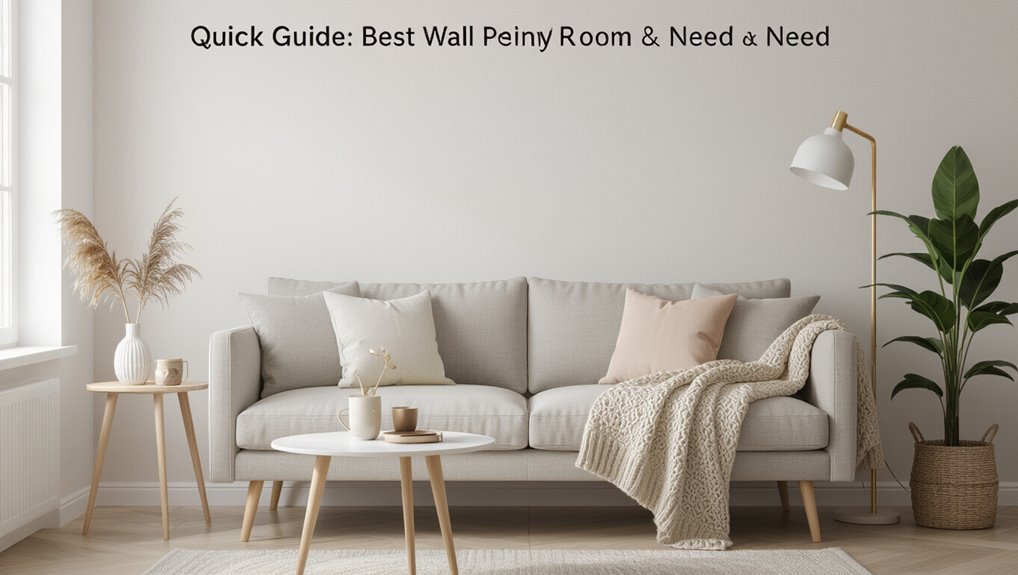
When you pick paint for each room, think about how the space’s use and lighting affect durability and finish—high-traffic areas need tough, washable paints, while low-traffic rooms can favor richer sheens for depth.
Match paint durability and sheen to each room’s use and light—durable, washable for traffic; richer sheens for low-use depth
You’ll use color psychology to shape room ambiance, so choose tones that match purpose. Prioritize surface preparation before paint application and consider paint layering for coverage.
Pick finish selection and texture options that hide flaws or reflect light. Account for drying times and plan coats accordingly.
Guarantee accurate color matching and weigh environmental impact by selecting low-VOC formulas for healthier indoor air.
Wall Paint Types Overview
Choosing the right type of wall paint shapes both the look and longevity of your rooms, so know the main categories—latex (water-based), oil-based, and specialty coatings—and what each offers in durability, sheen, and cleanup.
You’ll weigh finish types and texture options based on room use; high-traffic spaces need tougher sheens, while textured finishes hide imperfections.
Consider color psychology when selecting color palettes to set mood. Check eco certifications and trusted paint brands for lower VOCs.
Prioritize surface preparation and match application techniques to paint choice to guarantee adhesion, even coverage, and lasting results.
Water-Based Emulsion: Pros and Cons
When you pick a water-based emulsion, you’ll notice it’s easier to apply and gives a smooth, even finish.
It’s generally less durable than some solvent-based options, so think about high-traffic areas where wear is a concern.
We’ll weigh its ease of use against longevity so you can choose what matters most.
Durability And Wear
Although water-based emulsion has improved a lot, it still wears differently than oil-based paints. Therefore, you should weigh its durability against your room’s traffic and use.
Consider durability factors like wear resistance, abrasion resistance, and stain resistance to judge surface protection and long-lasting finishes. You’ll appreciate lower environmental impact and easier cleaning, but expect higher maintenance frequency in high-traffic areas.
Color fading can occur faster under strong light, so choose formulations designed for resilience. Know that proper application techniques improve performance, yet durability trade-offs remain—balance eco-preferences with practical needs for the space.
Application And Finish
Because water-based emulsions dry faster and clean up with soap and water, you’ll find application quicker and less fussy than with oil-based paints.
You’ll consider surface preparation first, choosing primers and patching to suit finish preferences.
For color selection, use color psychology and current paint trends to guide tones.
Pick paint tools and follow application methods—rollers for flat areas, brushes for trim—and heed technique tips like maintaining a wet edge.
Compare brands via brand comparisons for coverage and VOCs to gauge environmental impact.
With careful prep and the right tools, you’ll achieve a smooth, durable finish.
Latex Wall Paint: When to Choose It
If you want a durable, easy-to-clean finish for most indoor walls, choose latex paint; it dries quickly, resists yellowing, and handles moisture better than many oil-based options.
You’ll appreciate latex paint benefits like low VOCs and fast latex paint drying, plus straightforward latex paint cleanup with soap and water.
For proper latex paint application, prep surfaces, use quality brushes or rollers, and follow manufacturer instructions from trusted latex paint brands.
Pick latex paint colors and latex paint finishes to suit rooms; consider latex paint texture and adhesion for tricky surfaces.
Oil-Based Enamel: Durability vs Downsides
When you need a hard, glossy finish that stands up to heavy wear—think trim, doors, and cabinets—oil-based enamel delivers unmatched durability and a smooth, level surface that hides brush marks.
You’ll weigh oil based advantages against real downsides: strong odor issues, slower drying times, and environmental impact.
Consider surface compatibility carefully and use proper application techniques for best paint longevity and color retention.
Cleanup challenges demand solvents, not water.
Choose oil for longevity where wear matters; avoid it where ventilation or eco-concerns dominate.
- Durability and enamel finishes
- Drying times and techniques
- Odor and impact
- Cleanup challenges
Acrylic vs. Latex Wall Paint: Key Differences
When you choose between acrylic and latex, you’ll want to compare their composition and chemistry since that affects flexibility and breathability.
Consider durability and performance—acrylics usually resist fading and wear better, while latex is often more forgiving on interior walls.
Also think about application and cleanup: latex cleans with water and goes on smoothly, whereas some acrylics may need different handling or solvents.
Composition And Chemistry
Understanding the chemistry behind your paint choice will help you pick the right product for the job. You’ll learn how paint formulation and chemical properties differ between acrylic and latex, affecting pigment types, binder functions, solvent characteristics, and drying times.
Consider environmental impact and safety standards when selecting low-VOC options. Focus on paint performance and color stability for designated rooms.
Key points to check:
- Binder functions: acrylic polymers vs. vinyl-acrylic blends.
- Solvent characteristics: waterborne differences and VOC levels.
- Pigment types: organic vs. inorganic and opacity.
- Drying times and effects on color stability.
Durability And Performance
Acrylic and latex paints differ in how they’ll hold up over time, so you’ll want to match performance to the room’s demands: acrylics use stronger polymer binders that resist cracking, fading, and moisture better, while latex (vinyl-acrylic) formulas are usually more flexible and easier to touch up but can be less durable in high-humidity or high-traffic areas.
| Attribute | Acrylic | Latex |
|---|---|---|
| paint longevity | Higher | Moderate |
| wear resistance | Strong | Variable |
| surface compatibility | Wide | Good |
Consider performance metrics like finish durability and color retention versus environmental impact, maintenance requirements, application techniques, and your aesthetic preferences.
Application And Cleanup
Having picked a paint based on durability and performance, you’ll next want to contemplate how each type handles application and cleanup. You’ll find acrylics spread smoothly and dry faster, while latex stays forgiving for rolling and touch-ups.
Consider tools, drying time, odor, and surface prep when planning paint application and cleanup techniques.
- Choose brushes/rollers rated for your finish to reduce streaks.
- Work in sections to manage faster-drying acrylics.
- Use warm soapy water for latex cleanup; alcohol or solvents may suit some acrylics.
- Dispose of rags and leftover materials per local regulations to avoid hazards.
Matte Finishes: Where They Work Best
When you want walls that hide imperfections and feel soft to the touch, matte finishes are your best bet; they absorb light instead of reflecting it, so they mask bumps and uneven patches while giving rooms a cozy, sophisticated look.
You’ll appreciate matte textures for their light absorption and color depth, which boost aesthetic appeal without glare. Use them in bedrooms, libraries, and galleries to shape room ambiance and highlight art.
Matte offers design flexibility, pairing with trims or dramatic accents, and minimizes visible surface imperfections. For a subtle, luxury finish, choose high-quality matte paints and proper priming.
Eggshell and Satin: Benefits for Living Spaces
You’ll appreciate eggshell and satin for living spaces because they give a soft, low-sheen finish that still feels polished.
They’re easy to clean, so spills and fingerprints wipe away without trouble. That slight sheen also stands up to durable everyday wear in high-traffic areas.
Soft, Low-Sheen Finish
Because living areas need both comfort and practicality, eggshell and satin finishes are a smart choice for walls: they give a soft, low-sheen look that hides minor imperfections while still standing up to light cleaning and everyday wear.
You’ll appreciate the soft sheen and aesthetic appeal as you explore finish options and color selection. Consider light diffusion and texture variety to set mood and depth without glossy glare.
Think about wall longevity and environmental impact when choosing formulations.
Benefits include:
- Subtle radiance that flat paint lacks.
- Enhanced color warmth.
- Gentle surface texture.
- Durable yet refined finish.
Easy To Clean
Although it isn’t as glossy as trim paint, eggshell and satin finishes give you a practical, easy-to-clean surface that still reads as warm and refined in living spaces.
You’ll appreciate stain resistance that lets you tackle fingerprints and smudges without stripping color. Use gentle cleaning techniques: a soft cloth, mild detergent, and circular motions to lift marks. For tougher spots, test a hidden area first.
Regular maintenance tips include dusting and addressing spills quickly to preserve the finish. Choosing these wall finishes balances aesthetics with upkeep, so your rooms stay inviting without demanding harsh care or constant repainting.
Durable Everyday Wear
When you pick eggshell or satin for living areas, you get a finish that stands up to daily use without shouting for attention.
You’ll enjoy subtle sheen, easy maintenance, and resistance that suits busy rooms. These durable paints help protect walls from scuffs while keeping a soft look on everyday surfaces.
Choose satin where moisture or frequent cleaning’s likely; pick eggshell for a gentler glow in lounges and hallways.
- Low sheen hides imperfections
- Cleans easily with gentle wiping
- Resists scuffs on high-traffic walls
- Balances durability with a homey appearance
Semi-Gloss and Gloss: Ideal Rooms and Surfaces
If you want durable, easy-to-clean walls that reflect a bit of light, semi-gloss and gloss paints are ideal choices for high-traffic and moist areas.
You’ll appreciate semi-gloss advantages like stain resistance and effortless wiping in kitchens, bathrooms, trim, and doors.
Gloss gives a bold, durable sheen but isn’t forgiving of surface flaws, so consider gloss disadvantages when deciding where to use it.
Gloss delivers a bold, durable shine but highlights every imperfection—choose spots wisely.
For cabinets and trim, these ideal finishes add visual pop and longevity.
Use careful application techniques: smooth, even strokes, thin coats, sanding between layers, and proper drying time for a flawless, lasting result.
Primer Types for Interior Walls
Before you start painting, pick the right primer for the job: oil-based primers block stains and bond to tricky surfaces, while latex (water-based) primers dry faster and clean up with soap and water.
You’ll choose oil when sealing knots, smoke damage, or heavy stains, and latex for bare drywall, light repairs, or quick turnarounds.
Match primer type to substrate and problem to get the best topcoat performance.
Oil-Based Primers
Although oil-based primers take longer to dry than water-based options, they give you exceptional adhesion and stain blocking on interior walls, especially over bare wood, patched drywall, or surfaces with nicotine or water stains.
You’ll choose them when durability matters. Consider oil based advantages and be aware of oil based drawbacks like strong odor and longer cure time. Apply with good ventilation and use compatible topcoats.
- Superior stain blocking — seals tannins, smoke, and water marks.
- Excellent adhesion — bonds to challenging substrates.
- Durable undercoats — resists sanding and wear.
- Cleanup requires solvents, not water.
Latex/Water-Based Primers
You’ll appreciate latex primer benefits like quick recoating, minimal VOCs, and compatibility with most topcoats.
Apply them to new drywall, patched areas, or previously painted surfaces to seal and unify porosity.
Their water based advantages include easy thinning, brush or roller application, and less toxic cleanup.
They resist yellowing and handle light staining, though severe stains may need a specialty sealer.
Let them fully cure before finishing for best results.
Best Wall Paints for Bathrooms and Kitchens
When you’re choosing paint for bathrooms and kitchens, pick formulations that resist moisture, stains, and frequent cleanings because these rooms face steam, splashes, and grease daily.
You want durable sheens that scrub well and hide imperfections. Consider these options and tips:
- Satin or semi-gloss for trims and walls where moisture collects—easy to wipe.
- High-quality acrylic latex for overall durability and fast drying.
- Mold- and mildew-resistant additives for showers and damp walls.
- Pick bathroom colors and kitchen finishes that balance practicality with style; darker tones hide stains, lighter tones reflect light and feel clean.
Low-VOC and Zero-VOC Wall Paints
Alongside choosing durable finishes for bathrooms and kitchens, you should consider air quality: low-VOC and zero-VOC paints cut harmful emissions that can linger in enclosed, moisture-prone spaces.
You’ll notice low VOC benefits like reduced odors and quicker reoccupation times. Explore zero VOC options for bedrooms, nurseries, and high-use rooms to lower long-term exposure.
Check paint certifications and green labeling to confirm claims; health considerations include sensitivities and asthma triggers.
Choose eco friendly paints that balance performance and washability. Prioritize indoor air quality with sustainable choices, and verify durability and mildew resistance before final selection.
Budget-Friendly Wall Paints That Perform
When you’re on a tight budget, you can still find paints that stand up to wear without breaking the bank.
Look for affordable durable options and low-VOC budget picks to keep both your walls and indoor air quality in good shape.
Also weigh cost-effective finish choices—like washable eggshells or scrubbable flat—so you get the best value for your project.
Affordable Durable Options
Because you don’t have to spend a fortune to get a hard-wearing finish, budget-friendly wall paints today deliver surprisingly durable results; they resist scuffs, hide imperfections, and clean up without falling apart.
You’ll find affordable paint options that give durable wall finishes in matte, eggshell, satin, or semi-gloss sheens. Choose based on room use and desired sheen: higher sheen = easier cleaning.
Prep and proper application matter more than price. Consider these reliable choices:
- Economy acrylic latex — good coverage, fast drying.
- Scrubbable eggshell — hides flaws, cleans well.
- Satin for kitchens/baths — moisture resistance.
- Durable semi-gloss — high-traffic durability.
Low-VOC Budget Picks
If you want a healthier, budget-friendly option, low-VOC paints let you cut fumes without sacrificing performance; they dry quickly, resist yellowing, and clean up with mild soap.
You’ll find many eco-friendly options from major brands and smaller lines that cost less but still cover well. Look for high-hide formulas so you need fewer coats, and sample swatches to refine color selection under your room’s light.
Apply primer only when needed to save money, and buy quart sizes for small areas.
With smart prep and proper rolling technique, you’ll get durable, attractive walls without overspending.
Cost-Effective Finish Choices
Pick a finish that matches the room’s use and your budget—eggshell for living areas, satin for kitchens and bathrooms, and flat for low-traffic ceilings and older walls.
You’ll save by choosing affordable finishes and smart budget colors without sacrificing durability. Consider sheen, cleanability, and coverage when comparing cans. A few practical picks:
- Flat — hides flaws, cheap touch-ups.
- Eggshell — low sheen, forgiving and versatile.
- Satin — tougher for moisture-prone rooms.
- Semi-gloss — highest durability for trim, kitchens.
Match finish to traffic, pick mid-range brands for better coverage, and test swatches to confirm true color under your light.
When Premium Wall Paints Are Worth It
When should you choose premium wall paint over a budget option? You’ll pick premium when premium paint benefits align with your priorities: better coverage, longer-lasting color, and easier cleaning.
Choose premium paint when its benefits—better coverage, lasting color, and easier cleaning—match your priorities.
Consider cost vs. quality: spending more upfront often reduces touch-ups and repaint frequency, saving time and hassle.
Choose premium for high-traffic rooms, homes you plan to sell, or surfaces needing stain resistance and mildew protection.
If budget is tight and rooms see light use, mid-tier paints can suffice.
Evaluate lifespan, warranty, and finish uniformity rather than price alone to decide whether the premium upgrade truly pays off.
Paints for Textured or Uneven Walls
Having chosen a premium paint for high-traffic areas, you’ll want to contemplate different properties for textured or uneven walls.
You’ll face textured surfaces and uneven finishes, so focus on paint adhesion and primer necessity. Prioritize surface preparation and repair solutions before painting.
Consider special additives that improve flow and hide imperfections. Think about color selection to mask shadows and depth. Use appropriate application techniques—roller naps, brush work, or spray—for consistent coverage.
- Prep: clean, patch, sand.
- Prime: bonding primer for uneven areas.
- Additives: leveling agents or thickeners.
- Apply: choose tools per texture.
Mold- and Mildew-Resistant Wall Paints
If your walls sit in bathrooms, basements, or other damp spots, choose paints formulated for high humidity to resist peeling and staining.
Look for products that include antimicrobial additives or mildewcides to inhibit mold growth on the surface.
We’ll compare performance, safety, and where each type is most useful.
High-Humidity Formulations
Because bathrooms, basements, and laundry rooms stay damp, you’ll want a paint designed to resist mold and mildew rather than a standard interior finish.
Choose high-humidity formulations that combine humidity resistant coatings with moisture control additives to limit water absorption and surface growth. You’ll get better durability and easier cleaning in humid spaces.
- Select water-based acrylics labeled for high humidity.
- Look for products with guaranteed mildew resistance.
- Prep surfaces: remove existing mold, guarantee good ventilation.
- Use satin or semi-gloss sheens for washability.
Apply per manufacturer instructions and maintain ventilation to keep walls dry.
Antimicrobial Additives
For rooms that stay damp, choosing a paint with built-in antimicrobial additives gives you an extra layer of protection against mold and mildew growth.
You’ll find these additives included in specific paint formulations designed to inhibit microbial colonization on surfaces. When selecting a product, look for verified antimicrobial properties and labels indicating resistance to mold and mildew.
Application is the same as regular paint, but preparation and ventilation remain important to maximize effectiveness. Antimicrobial additives don’t replace cleaning or fix leaks; they reduce surface growth between maintenance cycles.
Use them in bathrooms, basements, and laundry areas to keep walls cleaner longer.
Fast-Drying Wall Paints for Quick Turnaround
Time is often the biggest constraint in painting projects, so choosing a fast-drying wall paint can cut downtime and let you move to the next coat or room sooner.
Time often limits painting projects; a fast-drying wall paint cuts downtime so you can finish coats and rooms sooner.
You’ll want fast drying options that suit surfaces and climate, enabling quick application and reduced tack time. Consider water-based acrylics for interiors; they dry fast and low-odor.
Use thinner coats, improved ventilation, and warm, dry conditions to accelerate curing. Choose products labeled “fast dry” and check recoat times.
- Acrylic latex — versatile, quick
- Alkyd hybrids — tougher, faster than oils
- Rapid primers — speed workflow
- Low-odor waterborne — indoor friendly
Washable and Scrubbable Wall Paints
When you choose washable or scrubbable paint, you’re prioritizing durability and resistance to everyday wear.
That means the finish can handle fingerprints, scuffs, and frequent cleaning without losing color or texture.
Consider how often you’ll need to wipe walls and pick a formula rated for the level of cleaning your space requires.
Durability And Wear
Choosing a washable or scrubbable paint makes maintenance simple and keeps high-traffic walls looking fresh longer. You evaluate durability factors like adhesion strength and wear resistance to choose coatings that offer surface protection and color retention.
Consider long term performance and finish longevity alongside environmental impact and wear testing results. Balance maintenance requirements with expected use.
- Assess adhesion strength for lasting bonds.
- Check wear testing for real-world abrasion data.
- Prioritize color retention under UV and cleaning.
- Weigh finish longevity versus eco-friendly formulations.
These steps help you select paints delivering reliable durability and measured wear performance.
Cleaning And Maintenance
Although spills and fingerprints are inevitable in busy rooms, selecting a truly washable or scrubbable paint makes cleanup quick and limits long-term wear.
You’ll start with proper surface preparation so paint adheres and resists stains. Follow cleaning techniques like gentle soap, microfiber cloths, and circular motions, increasing pressure gradually for stain removal.
Set cleaning frequency based on traffic: weekly in high-use areas, monthly elsewhere. Use maintenance tips such as spot-testing cleaners, quick paint touch ups for scuffs, and applying washable topcoats for wall protection.
Check product recommendations for scrub ratings and VOC levels to balance durability and safety.
Durable Paints for Rental Properties
Because rental walls take heavy wear, you’ll want paints that resist scuffs, stains, and frequent cleaning without fading.
You should pick durable finishes balancing rental considerations, tenant preferences, and aesthetic appeal. Focus on wear resistance, easy maintenance tips, and proper surface preparation before painting.
Consider budget options and reliable product brands that offer washable, low-VOC formulas.
- Choose semi-gloss or satin for high-traffic areas.
- Test color choices on small patches to please tenants.
- Use quality primers to improve adhesion and longevity.
- Document maintenance tips for tenants to extend coating life.
Best Paints for Nurseries and Kids’ Rooms
When you’re moving from rental-grade durability to a child’s space, you’ll want paints that prioritize safety, low odor, and easy cleanup as much as wear resistance.
Choose zero-VOC or low-VOC paints labeled for interior use so you’ll reduce fumes and support healthier air while decorating nursery color schemes.
Pick washable, scrubbable finishes like satin or eggshell for walls where crayons and sticky hands happen.
Verify child safe materials and non-toxic pigments on product labels, and select mildew-resistant formulas for humid areas.
Test a small patch for adhesion and color in different light before committing to the full room.
Eco-Friendly and Natural Wall Paint Options
If you want paint that’s kinder to indoor air and the planet, choose low- or zero-VOC formulas, natural-mineral pigments, or plant-based binders that cut chemical emissions and environmental impact.
You’ll want products with eco friendly ingredients and VOC alternatives, plus green certifications that verify claims. Look for natural pigments and biodegradable options when disposing small samples.
Choose paints with eco-friendly ingredients, VOC-free alternatives, verified green certifications, and biodegradable sample options.
Prioritize sustainable sourcing for raw materials and transparent ingredient lists.
Consider these practical choices:
- Clay- and lime-based paints with natural pigments.
- Plant-oil binders offering VOC alternatives.
- Milk- or casein-based paints as biodegradable options.
- Certified low-/zero-VOC brands with sustainable sourcing.
Sheen: How It Affects Color Perception
When you pick a sheen, you’re also shaping how a color reads in a room.
Matte finishes soak up light and mute tones, while gloss reflects it and can make hues look sharper and brighter.
Think about the room’s lighting and the look you want before choosing between subtle or reflective sheens.
Matte Versus Gloss
Although sheen might seem like a small detail, it changes how you perceive a paint color more than you’d expect. You weigh matte benefits against gloss advantages when choosing finish preferences.
Consider sheen comparison for aesthetic choices, texture interplay, color impact, maintenance requirements, and durability factors. Use this checklist to decide:
- Matte: hides imperfections, subtle look, lower light reflection.
- Satin: balanced sheen, easier cleaning than matte, moderate durability.
- Semi-gloss: highlights trim, higher gloss advantages, tougher surface.
- Gloss: maximizes color pop, shows texture, highest maintenance but great durability.
Choose based on room use and desired mood.
Light Reflection Effects
Because sheen controls how much light bounces off your walls, it directly alters how you see a color—brighter, shinier finishes make hues look more saturated and vivid, while flatter sheens mute intensity and soften contrast. You’ll notice sheen impact when natural light or artificial light hits reflective surfaces; ambient lighting and wall textures change color perception. Choose higher sheen for easy-clean areas and mood enhancement via lively color saturation; pick matte to hide imperfections and calm a room. Test samples at different times.
| Sheen Type | Effect |
|---|---|
| Gloss | Amplifies color saturation |
| Matte | Softens contrast |
Paint Adhesion and Minimizing Peeling
If you want your paint to stick and stay put, start by preparing the surface properly: clean off dirt, grease, and loose flakes, sand glossy areas, and repair cracks or chalky finishes.
You’ll then focus on adhesion techniques and peeling prevention by considering wall preparation, surface texture, and environmental factors.
Choose primer selection for moisture resistance, match paint layering to substrate, and control humidity during drying.
Choose primers for moisture resistance, layer paints to suit the substrate, and control humidity while drying.
Follow these steps:
- Inspect and clean the paint surface thoroughly.
- Sand and correct surface texture irregularities.
- Apply appropriate primer selection for moisture resistance.
- Use thin paint layering and proper finishing touches.
Choosing Paint for Drywall, Plaster, and Brick
1 key consideration when choosing paint for drywall, plaster, and brick is matching the paint’s formulation to each surface’s porosity and flexibility—drywall soaks up paint quickly and benefits from a latex primer and flat to eggshell finish.
Plaster needs breathable coatings that accommodate slight movement (often a high-quality acrylic or lime-based paint), and brick demands thicker, masonry-rated paints or elastomeric coatings to resist moisture and fill tiny gaps.
You’ll assess drywall textures, plaster finishes, and brick treatments during surface preparation, weigh paint compatibility, primer necessity, sheen levels, color selection, texture effects, and environmental factors to pick the right system.
Stain-Blocking and Antibacterial Wall Paints
You’ll want paint with stain-blocking technology to seal tannins, water marks, and smoke before you finish the wall.
Antibacterial formulations can reduce surface germs in kitchens and bathrooms without affecting appearance.
Consider how they’re applied and their long-term durability so you get the protection you need.
Stain-Blocking Technology
Stains can ruin a fresh-looking room fast, so stain-blocking paints let you tackle smoke, nicotine, water marks, and ink without sanding or sealing first.
You’ll get stain resistance from specialized primers and topcoats that seal tannins and oils. Choose products labeled for stubborn marks, test adhesion, and follow manufacturer application techniques for best results.
Prep still matters—clean and dry surfaces. Use a roller for even coats and a brush for edges.
Recoat times vary, so respect specified intervals. Check VOCs and finish sheens to match durability needs and room lighting.
Antibacterial Paint Benefits
When you want walls that resist both visible marks and unseen microbes, stain-blocking paints with antibacterial additives give dual protection: they seal tannins and oils to hide stains while reducing bacterial growth on high-touch surfaces.
You’ll notice fewer visible blemishes and feel more confident about hygiene in kitchens, bathrooms, and nurseries. Antibacterial properties don’t replace cleaning, but they lower microbial load between cleanings, offering measurable health benefits for sensitive occupants.
Choose products with proven testing and clear labels so you know what active agents are used. That transparency helps you balance safety, efficacy, and compatibility with your chosen décor.
Application And Durability
Although proper surface prep makes the biggest difference, applying stain-blocking and antibacterial paints correctly guarantees they deliver both coverage and long-term protection.
You’ll consider color selection, texture options, and finish preferences while following surface preparation and recommended application techniques.
Control coating thickness and drying times to boost paint longevity and reduce rework.
Think about environmental impact when choosing low-VOC formulas and plan project timelines to allow full cure.
Follow these steps:
- Clean and prime surfaces.
- Use recommended roller or sprayer settings.
- Apply even coats, measure coating thickness.
- Adopt maintenance tips for cleaning and touch-ups.
Tinting Primers vs. Full-Color Coats
Choosing between tinting primers and full-color coats comes down to your goals for coverage, color fidelity, and budget. You’ll weigh tinting advantages like easier color matching and fewer topcoats against full-color coats’ immediate finish. For primer selection, pick a compatible base (stain-blocking, bonding) before tinting to guarantee adhesion. Use tinted primer when covering strong previous colors or saving topcoat paint; choose full-color coats when you want final sheen and durability in one step.
| Option | When to use |
|---|---|
| Tinted primer | Strong previous color |
| Tinted primer | Budget projects |
| Full-color coat | Final finish |
| Full-color coat | High durability |
Paint Coverage: Comparing Spread Rates
You’ll want to check the coverage per liter on the can to estimate how much paint you’ll need for your walls.
Keep in mind practical spread rate is usually lower than the theoretical number once you account for texture, porosity, and uneven application.
Comparing manufacturer specs to real-world results helps you budget both paint and time accurately.
Coverage Per Liter
How far will a liter of paint actually go on your walls? You’ll run coverage calculations before you buy, estimating paint yield per coat.
Factors like surface texture, absorption, and application method change results, so plan for variance and a safety margin.
- Smooth, sealed wall: higher paint yield.
- Rough or porous surface: lower coverage calculations.
- Primer used: improves efficiency and reduces coats.
- Finish type (matte vs. gloss): affects perceived coverage.
Use manufacturer spread rates as a starting point, then adjust for your wall’s condition to avoid underbuying or excess.
Practical Spread Rate
When you compare practical spread rates, focus on real-world results rather than just the manufacturer’s nominal values—those are ideal figures measured in controlled conditions. You’ll find actual spread rate varies with surface texture, porosity, and application method. Use a coverage calculator to estimate required liters, then reduce by 10–20% for wastage and absorption. Test a sample area to confirm. Track roller vs. brush differences and coat count. Below is a simple comparison to help you visualize typical practical outcomes.
| Surface Type | Expected Spread Rate |
|---|---|
| Smooth | 10–12 m²/L |
| Semi-rough | 8–10 m²/L |
| Rough | 6–8 m²/L |
Estimating Paint Quantity per Room
Want to know how much paint you’ll need for a room? Use a paint calculator after measuring room dimensions and noting wall texture to estimate paint coverage. Factor surface preparation losses, color selection (bold colors may need extra coats), finish types, light effects, and preferred paint brands.
Want to know paint needs? Measure walls, note texture, and account for prep, color, finish, and coverage.
Consider application techniques that affect spread rate.
- Measure walls: length × height → total square footage.
- Subtract windows/doors; add texture or repair areas.
- Check paint coverage on the can and adjust for primer needs.
- Round up for touch-ups and second coats based on finish types and color choice.
Rollers and Tools by Paint Type
After you’ve figured out how much paint to buy, pick rollers and tools that match the paint type and surface so you get even coverage and fewer coats.
You’ll choose roller types and roller covers based on texture and paint application: short nap for smooth, long nap for textured.
Learn roller techniques and application methods to avoid streaks.
Consider brush vs. roller for edges and detail, using finish tools like trim brushes and mini rollers for clean lines and finish selection.
Prioritize tool durability and simple tool maintenance so brushes and covers last, supporting consistent results and efficient paint application.
Prep Steps by Surface and Paint Type
Preparation sets the stage for a smooth, durable finish, so match your prep steps to both the surface and the paint type. You’ll assess wall condition, remove dust, repair cracks, and sand textures to suit paint compatibility and texture considerations.
Preparation makes for a smooth, lasting paint job: assess surfaces, remove dust, repair cracks, and sand for proper texture.
Choose primers for porous or glossy surfaces, mindful of environmental impact and drying times. Pick finish selection and sheen variations based on room use and color psychology to control mood.
- Clean and repair per surface preparation needs.
- Sand or prime for texture considerations.
- Select paint for paint compatibility and application methods.
- Note drying times and environmental impact.
Touch-Up and Repair: Matching Paint Later
How will you match a paint later when the original can’s gone or the wall’s aged? Keep a small, labeled sample of the finished paint and note brand, sheen, and formula.
For touch up techniques, always prep the area, sand edges, and feather new paint into existing finish.
If you lack records, take a clipped sample to a paint store for color matching and request a small tester. Test in the designated spot and view at different times of day.
Store leftover tester properly. When matching fails, repaint the entire wall for uniformity rather than relying on imperfect patches.
Climate Effects on Curing and Choice
Because temperature and humidity directly change how paint cures, you’ll want to take into account your local climate before you choose products or schedule work.
Because temperature and humidity change paint curing, factor your local climate before choosing products or scheduling work.
You’ll assess climate impact and plan for curing time, noting humidity effects and temperature considerations that alter drying, adhesion, and finish.
For clear guidance, follow this checklist:
- Pick formulations rated for your humidity and temperature.
- Schedule seasonal painting during moderate conditions to reduce risks.
- Allow longer curing time in cool or humid weather; ventilate when hot.
- Choose products with weather adaptability for faster, more reliable results.
Trade-Offs: DIY vs. Professional-Grade Paints
When deciding between DIY and professional-grade paints, weigh cost against performance: you’ll save up front with consumer brands but pay more in time, touch-ups, and durability, while pro-grade paints cost more initially yet deliver better coverage, faster application, and longer-lasting results. You should match DIY Paints to small projects and limited Skill Level, while Professional Quality suits larger Project Scope or contractors. Consider Cost Considerations, Time Investment, Finish Options, and Long term Value.
| Option | Best for | Trade-off |
|---|---|---|
| DIY Paints | Small rooms | Lower cost, more effort |
| Pro Quality | Whole-home | Higher cost, better results |
| Hybrid | Select areas | Balanced cost/value |
Common Mistakes When Picking Wall Paint
If you rush your choice or focus only on color, you’ll end up with peeling, uneven coverage, or the wrong finish for the room.
You need to weigh finish preference and texture compatibility alongside color selection. Consider brand reliability and environmental impact, but don’t skip sample testing.
Think about room function and maintenance requirements, plus lighting consideration and age appropriateness for occupants.
- Ignore sample testing — you risk surprise hues.
- Pick finish without considering texture compatibility.
- Overlook maintenance requirements or room function.
- Assume brand reliability covers environmental impact or age appropriateness.
Comparing Warranties and Guarantees
While warranties and guarantees might sound similar, they cover different promises about paint performance and can affect your long-term costs and peace of mind. You should compare warranty types and guarantee differences: check coverage terms, service options, and how brand reputation and customer feedback reflect real claims. Choose a product whose warranty handles fading, peeling, and labor if needed. Below is a quick comparison to guide you.
| Aspect | Warranty Types | What to Check |
|---|---|---|
| Coverage | Limited, lifetime | Coverage terms, exclusions |
| Support | Repair, replace | Service options, turnaround |
| Trust | Brand reputation | Customer feedback, claim history |
How to Test Paint Samples at Home
Curious how a swatch will really look on your wall? Test smart: consider paint color psychology and lighting before you buy. Follow these sample size recommendations and practical steps.
- Paint three 12×12-inch patches at different heights to see tone shifts.
- Observe patches in morning, afternoon, and artificial light to judge mood effects.
- Live with samples for 48–72 hours; wear and finish reveal true color.
- Compare samples against furniture and trim, noting contrast and undertones.
You’ll make a confident choice by testing size, placement, and lighting instead of guessing from a chip.
Buying Paint Online vs. In-Store: Tips
Wondering whether to buy paint online or in-store? You’ll weigh online reviews and user experiences against seeing color swatches and local availability in person.
Use paint calculators and product comparisons online to estimate needs, but factor shipping costs and return policies before ordering.
Visiting stores lets you test samples, touch finishes, and talk to customer support about paint brands and application tips.
If you value convenience, online shopping offers wider selections and detailed specs; if you need immediate pickup or personalized advice, go local.
Combine both: research online, verify swatches in-store, then decide based on confidence and budget.
Cost Breakdown: Price vs. Lifecycle Value
Because upfront price is only part of the story, you should weigh initial cost against durability, maintenance needs, and long-term performance when choosing paint.
Do a simple cost analysis: cheaper paints may need more coats and repainting, while premium options often resist stains and fading.
Use value comparison to judge total lifecycle expense, factoring labor, prep, and touch-ups.
Consider warranty and expected years between repaints.
Ready-made formulas help: total cost per year = (purchase + labor + maintenance) / years of service.
Make choices that lower lifetime spending, not just upfront outlay.
- Compare coverage
- Estimate repaint interval
- Add maintenance costs
- Factor warranty
Quick Decision Checklist by Room & Budget
Which room are you tackling first and how much do you want to spend? Start with budget planning: match cost to durability per room.
For kitchens and baths, pick moisture-resistant paint finishes and eco materials; living rooms benefit from texture effects and paint layering for depth.
Consider light influences—natural light alters color trends and room ambiance—so sample before committing.
Coordinate with existing style coordination and choose finishes that suit furniture and flooring.
For high-traffic areas, factor maintenance tips like washability and touch-up ease.
Keep decisions practical: prioritize function, then aesthetics, and avoid overspending on unnecessary specialty products.
Final Checklist: Choosing the Right Wall Paint
Ready to finish strong? You’ll tick final boxes to pick paint that looks great and performs well. Consider durability, sheen, finish, and maintenance.
- Assess room use and lighting — match finish to traffic and natural light.
- Evaluate color psychology — choose hues that support mood and function.
- Check product specs — VOCs, washability, warranty, and coverage per coat.
- Align with paint trends, budget, and sample results — test swatches on multiple walls.
You’ll compare samples after drying, confirm contractor vs. DIY costs, and order 10% extra for touch-ups.
Then you’ll schedule application with confidence.
Frequently Asked Questions
Can Ceiling Paint Be Used on Walls Safely?
Yes — you can use ceiling paint on walls safely for low-traffic areas; you’ll benefit from ceiling paint advantages like reduced glare and stain resistance, but limited ceiling paint finishes and durability mean it might not hold up on high-traffic walls.
How Long Should Painted Rooms Be Ventilated After Application?
You should ventilate painted rooms for at least 48–72 hours, longer if odors persist; maintain good ventilation duration to protect air quality, opening windows and using fans until paint fumes are gone and indoor air quality returns to normal.
Do Metallic Paints Interfere With Wall-Mounted Electronics?
Yes — metallic finishes can sometimes cause slight electromagnetic interference, but they’re unlikely to affect most electronic devices; you’ll usually avoid issues unless paints contain conductive pigments or you coat large surfaces directly around sensitive equipment.
Will Paint Color Fade Under Direct Sunlight Through Windows?
Yes — paint colors can fade under direct sunlight through windows. You’ll want UV protection and high-quality pigments to preserve color longevity, and you’ll reduce fading further by using window films, shades, or UV-resistant topcoats.
Can Scented Paints Trigger Allergies or Sensitivities?
Yes, scented paints can trigger allergies or sensitivities; you’ll notice scented paint effects like headaches, sneezing, or skin irritation as allergy symptoms, so pick low-VOC, fragrance-free options and ventilate while painting.
Conclusion
You’ve got the paint basics—now trust your inner curator. Like choosing fabrics for a favorite chair or picking a recipe handed down by a grandparent, pick a paint that fits your room’s daily life: easy-clean latex for busy kitchens, durable enamel for high-traffic halls, soft emulsion for calm bedrooms. Balance upfront cost with longevity, test swatches, and you’ll finish with walls that feel not just painted, but designed to live in—your home’s quiet signature.
