
Which Exterior Paint Colors Fade Faster
Bright reds, oranges and purples will lose vibrancy fastest on sun‑exposed walls because their organic pigments break down quickly under UV and heat. Warm, heavily tinted shades and dark colors that absorb more energy also degrade faster, especially on south‑ or west‑facing surfaces, near salt air or pollution. Choose inorganic pigments, lighter tones, higher‑quality binders and glossier sheens to slow fading. Keep monitoring test panels and you’ll find practical steps and product choices to improve longevity.
Quick Answer: Exterior Paint Colors That Fade Fastest and Slowest
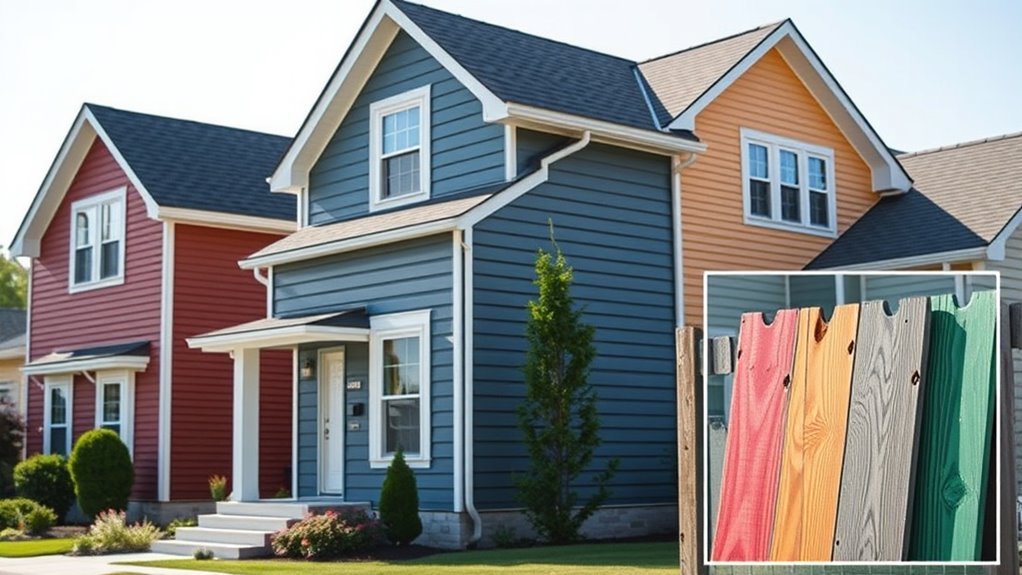
Because pigments absorb and reflect sunlight differently, some exterior colors lose vibrancy far faster than others. You’ll notice bright reds, oranges, and purples fade quickest because their organic pigments break down under prolonged exposure.
Bright reds, oranges, and purples fade fastest—organic pigments break down under prolonged sunlight exposure.
Meanwhile, whites, grays, and muted tans hold up better. Color psychology influences choices—you might pick bold hues for impact, but expect faster fading.
Consider paint texture too: glossy finishes reflect light and can mask fading longer, while matte surfaces reveal wear sooner.
Balance aesthetic goals with longevity by choosing fade-resistant formulations and finishes that suit your design priorities without sacrificing durability.
Why UV Exposure and Pigment Lightfastness Matter
You’ll notice colors exposed to stronger UV light lose vibrancy much faster because UV breaks down paint binders and pigments.
Check pigment lightfastness grades—higher-rated pigments resist fading and keep hues truer over time.
Combining low-lightfast pigments with intense UV is the quickest route to a faded exterior.
UV Intensity Effects
When sunlight hits a painted surface, its UV rays break down pigment molecules and binders, so the more intense the exposure the faster the color will fade. You’ll notice south- and west-facing walls age quicker, especially in high-altitude or reflective environments.
UV intensity alters how long hues remain true, shifting palettes that once fit color psychology or matched historical color trends. You should consider exposure when selecting bold or muted tones, because darker pigments can absorb more UV heat and lighter ones show chalking.
Plan orientation, shielding, and maintenance to preserve appearance and reduce repainting frequency.
Pigment Lightfastness Grades
Sunlight’s UV damage interacts directly with the lightfastness of pigments, so knowing those grades helps you predict how long a color will stay true. You’ll check ASTM or Blue Wool ratings to compare pigments: higher numbers mean better resistance to fading under UV.
Synthetic inorganic pigments generally outperform organic dyes, but manufacturers vary. Consider historical color trends—some vintage hues relied on fugitive pigments—so restorations need modern lightfast alternatives.
Also weigh cultural color symbolism when choosing replacements; you don’t want a restored façade to lose its meant meaning as it fades. Choose high-grade pigments for durability and color fidelity.
Why Organic vs. Inorganic Pigments Age Differently
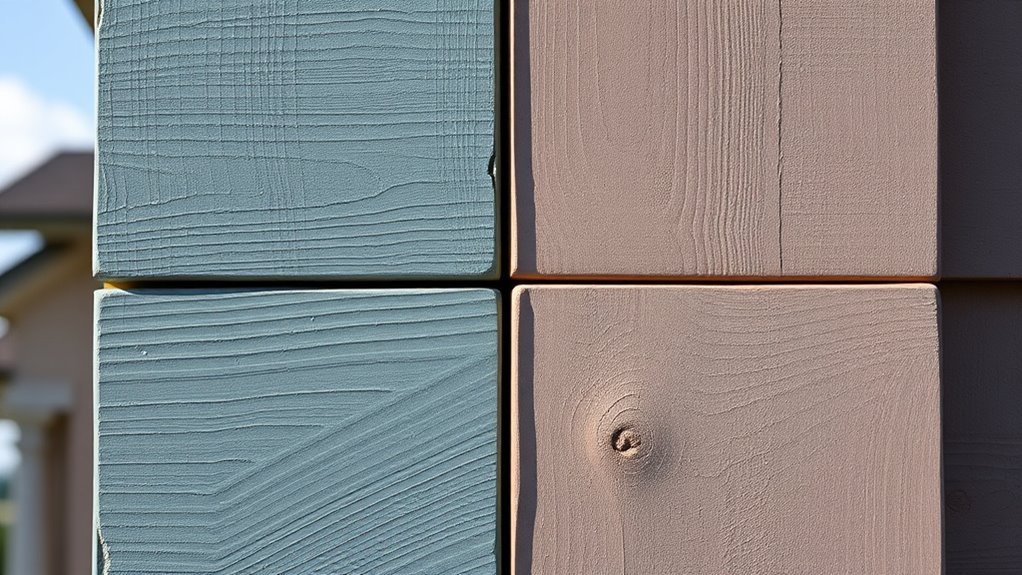
Although both types give you color, organic and inorganic pigments age very differently because of their molecular structures and how they interact with light and the binder. You’ll notice organics, often used in vivid historical color trends and modern cultural color preferences, break down faster under UV and oxygen, losing chroma. Inorganics, like oxides and earths, resist fading because of stable crystal lattices. Choose based on longevity and desired hue.
| Property | Organic | Inorganic |
|---|---|---|
| Stability | Lower | Higher |
| Color Range | Broad | Limited |
| Typical Use | Brights | Neutrals |
Exterior Paint Colors That Fade Fastest: Reds, Oranges, Purples
You’ll notice reds, oranges, and purples fade faster because their warm pigments absorb more UV and break down sooner. That means you’ll want to pick UV-resistant formulations and quality binders to protect the hue.
Regular maintenance and proper surface prep will also help keep those colors vibrant longer.
Why Warm Hues Fade
Because warm pigments absorb more UV energy, reds, oranges, and purples break down faster than cooler colors, so you’ll notice them losing vibrancy sooner on exterior surfaces. You’re seeing chemistry at work: molecular bonds in warm pigments degrade under sunlight, releasing faded dyes and altering reflectance.
Weathering, heat cycles, and pollution speed that process, so choices tied to historical color trends or cultural color symbolism may require more frequent repainting. When you pick warm hues, expect richer maintenance needs and shorter peak appearance periods.
Understanding that trade-off helps you balance aesthetic goals with practical longevity for exterior paint decisions.
Protecting Color Longevity
When you want warm reds, oranges, or purples to keep their punch, plan protection from day one. You’ll preserve color psychology impact and respect historical trends by choosing durable products and smart maintenance.
Use UV-resistant topcoats, quality pigments, and proper surface prep so hues won’t wash out. Create a routine that prevents buildup and moisture damage.
- Pick high-quality, lightfast exterior paints
- Apply a UV-blocking clear coat after curing
- Schedule gentle cleaning twice yearly
- Repaint accent areas sooner to maintain balance
Follow these steps and you’ll keep vibrant exteriors longer with minimal surprise fading.
Fade‑Resistant Exterior Colors: Whites, Earth Tones, Blacks
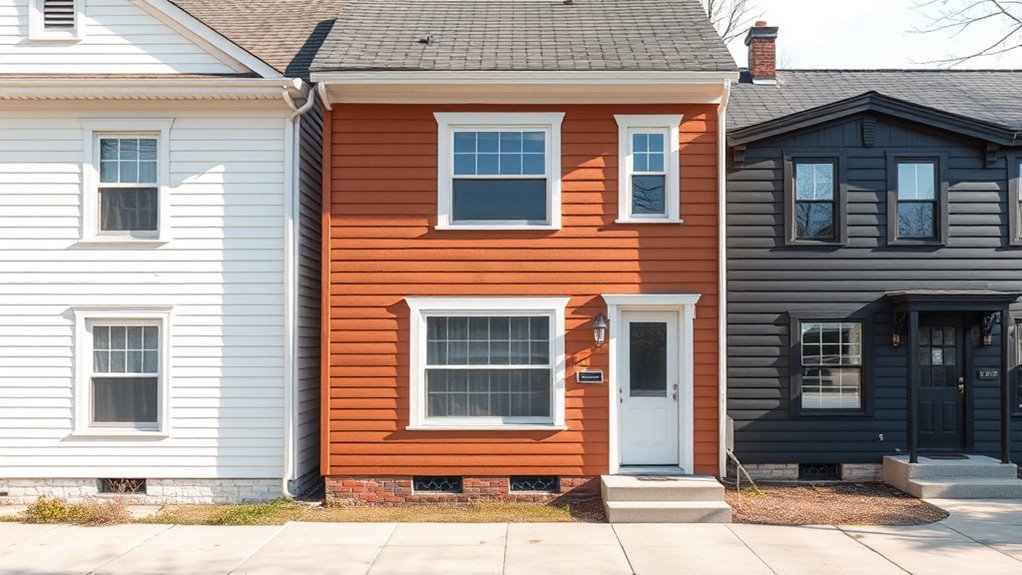
Although bright pigments tend to show sun damage, whites, earth tones, and true blacks resist fading better than many saturated hues, so you’ll get longer-lasting curb appeal with them. You’ll also appreciate how color psychology and historical trends shape palettes that stay elegant and neutral over decades. Choose warm tans, muted olives, crisp whites, or deep blacks for durable looks. Consider finish and maintenance, not just shade.
| Tone | Benefit | Example |
|---|---|---|
| White | Reflects UV, hides chalking | Cream |
| Earth | Masks dirt, stable | Taupe |
| Black | Uniform fade, dramatic | Charcoal |
How Pigment Concentration and Heavy Tinting Speed Fading
If you push a paint far from its base by adding heavy tints, you’ll speed up visible fading because concentrated pigments—especially organic dyes and bright inorganic reds, oranges, and yellows—break down faster under UV and heat.
Pushing paint far from its base with heavy tints speeds visible fading as concentrated pigments break down under UV and heat
You’ll notice darker, heavily tinted finishes lose vibrancy sooner when pigment stability is low. Smart tinting practices and using high-quality, lightfast pigments help, but extreme color shifts still risk faster fade.
Consider these effects to judge longevity:
- High pigment load increases UV exposure per pigment particle
- Organic pigments often have poor lightfastness
- Deep tones mask fading initially, then reveal it abruptly
- Over‑tinting stresses binder performance
Sheen and Finish: Impact on Exterior Color Retention
You’ll notice sheen level affects how much sunlight hits and wears your paint, with higher sheens generally shedding UV and dirt better.
The finish texture also matters because rough or matte surfaces scatter light and can show fading sooner.
Consider sheen-specific UV resistance when choosing a finish to help your color last longer.
Sheen Level Effects
When sunlight, moisture, and dirt meet your paint, the sheen you pick will shape how quickly colors show wear. You’ll notice glossier sheens resist grime and reflect UV, preserving hue longer, while flat sheens hide imperfections but absorb light and fade faster.
Think about Color psychology and Historical color trends when choosing finishes for curb appeal and longevity. Consider these practical trade-offs:
- High-gloss: best UV reflection, easy cleaning, shows imperfections.
- Semi-gloss: durable, moderate sheen, good for trim.
- Satin: balanced durability and subtlety.
- Flat: matte look, poorer UV resistance, touch-up friendly.
Finish Texture Impact
Because the microscopic texture of your paint’s finish changes how light and moisture interact with the surface, finish texture plays a big role in how quickly exterior colors fade. You’ll notice flatter, rougher finishes scatter light and trap pollutants, making pigments break down faster.
While smoother finishes shed water and grime more easily. When choosing finishes, consider color psychology: matte surfaces soften bold hues, while silkier textures keep tones vivid. Proper paint application minimizes uneven texture that accelerates wear, so prep and tooling matter.
Match finish to exposure and desired mood, and you’ll extend color life without sacrificing appearance.
UV Resistance By Sheen
Although sheens may seem cosmetic, they change how much ultraviolet light reaches pigments and binders, so choosing the right sheen directly affects UV resistance. You’ll want to balance aesthetics and protection: higher sheens reflect more UV and shed dirt, improving paint durability, while flats hide imperfections and support certain color psychology choices like muted tones.
Consider these effects visually and practically:
- Flat: low reflectance, absorbs more UV, subtle color psychology, quicker fading.
- Eggshell/Satin: moderate reflectance, better durability, versatile appearance.
- Semi-gloss: higher reflectance, strong UV resistance, crisp highlights.
- Gloss: maximum reflectance, best protection, can emphasize color shifts.
Paint Quality and Binders: Effects on Color Longevity
If you want your exterior color to last, start by checking paint quality and the binder type—these determine how well pigments stay in place and resist weathering. You’ll notice premium acrylic binders lock pigments, resisting fading and preserving Color psychology effects and nods to Historical color trends better than cheap formulas. Choose paints with UV stabilizers and strong binders to keep tones true. Below is a simple table to evoke your pride and caution:
| Feeling | Choice |
|---|---|
| Confidence | High-quality acrylic |
| Regret | Budget latex |
| Calm | UV-stable formula |
Climate and House Orientation: Who Fades Fastest
When your home faces intense sun, paint will fade faster on the south- and west-facing sides, since prolonged UV exposure breaks down pigments and binders more quickly. You’ll notice uneven aging depending on orientation, local climate, and material choices.
Cooler, cloudy climates slow fading; hot, sunny ones speed it up.
Consider how historical architecture with ornate details offers more surface area to weather.
Match paint formulation to exposure and use lighter, UV-resistant pigments on sunward walls.
Visual cues to assess risk:
- South/west elevations with constant sun
- North/east sheltered facades
- Large uninterrupted walls
- Shaded porches and overhangs
Pollution, Salt Air, and Other Accelerants of Exterior Fading
If you live near the coast, salt air accelerates paint breakdown by drawing moisture and salt crystals into the finish, which can dull and etch colors.
In cities, airborne pollutants and particulates stick to paint and promote chemical reactions that speed fading and discoloration.
Knowing these exposures helps you choose tougher finishes and maintenance schedules that keep colors looking fresh.
Salt Air Effects
Because salt and airborne pollutants attack paint at the surface level, coastal and industrial environments speed up fading and breakdown of pigments and binders. You’ll notice how sun plus salt crystals abrade clear coats, pulling color out faster than inland locations. Think about color psychology and historical trends: pale shades hide wear, while saturated hues reveal deterioration. Protecting high-exposure areas matters.
- Salt crystals etch and dull glossy finishes.
- Moisture cycles deepen binder breakdown.
- Wind-driven particles abrade textured surfaces.
- Metal fixtures accelerate localized corrosion and staining.
You should choose UV-resistant coatings, regular wash routines, and sacrificial trims.
Urban Pollution Impact
Coastal salt loads are only part of the story; urban pollution compounds paint deterioration in different ways. You’ll notice soot, vehicle exhaust, and industrial chemicals settle on surfaces, accelerating pigment breakdown and altering sheen.
Darker hues hide grime but absorb heat, raising degradation; lighter tones show staining faster. Consider color psychology when choosing shades—pollution can mute vibrant colors, changing curb appeal and perceived warmth.
Historical trends show industrial cities favored robust, earthy paints for durability; modern formulations resist pollutants better, yet placement and maintenance still matter. You should wash facades regularly and pick pollution-resistant coatings for longevity.
How to Choose Colors That Hide Fading and Stains
When picking exterior shades that mask fading and stains, focus on mid-tones and muted colors rather than extremes—deep, saturated hues show sun damage quickly, while very pale tones reveal dirt.
Choose mid-tone, muted exterior colors—avoid very dark or very pale shades to better hide fading and stains.
You’ll use color psychology and historical palettes to choose balanced, forgiving hues that age gracefully. Consider these practical choices:
- Warm greiges that hide dust and soften contrast
- Olive or muted sage to disguise mildew and pollen
- Slate or denim mid-blues to mask UV softening
- Earthy terracottas that tolerate patchy weathering
Test samples in sunlight, view from distance, and pick finishes that minimize sheen without relying on maintenance.
Maintenance Steps to Slow Color Loss and Refresh Vibrancy
You’ve picked forgiving colors, but paint will still fade without care, so plan a maintenance routine that slows color loss and restores vibrancy. You’ll wash siding yearly, trim sun‑exposed foliage, touch up chips quickly, and rotate accent pieces to reduce UV hotspots. Use gentle cleaners, recoat faded trim, and consult color psychology when rejuvenating hues so moods remain intentional. Study historical palettes for matching aged finishes. Below is a quick care checklist:
| Task | Frequency | Benefit |
|---|---|---|
| Wash surfaces | Annually | Removes pollutants |
| Inspect for chips | Twice/year | Prevents peeling |
| Touch up | As needed | Restores color |
| Trim vegetation | Seasonally | Reduces shade cycles |
When to Pick UV- or Fade‑Resistant Paint Formulations
If your exterior sits in intense sun, high-altitude UV, or on a street with heavy pollution, pick a UV‑ or fade‑resistant formulation to extend color life and cut repainting frequency—these specialty acrylics and urethanes contain stabilizers and pigments engineered to resist breakdown, so they keep hues truer longer and protect your substrate from premature weathering.
Choose them when exposure, desired longevity, or delicate color mixing demands justify it. Plan proper paint application for adhesion and full protection.
Consider scenarios like:
- Western facade with daily sun exposure
- Rooflines above 5,000 feet altitude
- Coastal homes with salt and haze
- Busy urban corridors with soot and pollutants
Balancing Cost vs. Longevity: What to Spend Where
Because your budget and the home’s exposure both shape choices, prioritize spending where it buys the most lifespan and protection. You should invest in UV-stable pigments and quality primers on sun-facing walls, since color psychology choices—bold or muted—won’t matter if hues wash out.
Spend more on professional paint application for trim, eaves, and siding junctions to prevent premature wear. For sheltered areas or accent features, choose mid-range paints and refresh sooner.
Balance costs by mixing premium products where failure is visible or costly to fix, and economical options where touch-ups are easy and infrequent.
How to Test or Predict Fading Before You Paint
When you’re choosing exterior paint, you can and should run a few simple tests to forecast how a color will hold up in your home’s specific conditions. Test small panels in sun and shade, watch them across weeks, and note shifts. Consider color psychology—faded tones change perceived warmth or professionalism. Try different sheens and eco-friendly options to compare pigments. Use a UV meter or smartphone photos over time. Record results and pick the formula that resists change.
- Paint 1×1-foot samples on your siding
- Place samples in sunniest and shadiest spots
- Photograph weekly under same light
- Log humidity and heat exposure
Frequently Asked Questions
Can Exterior Fading Affect Nearby Landscaping or Outdoor Materials?
Yes—fading paint runoff and degraded coatings can affect plants and surfaces, so you should use landscape protection, choose paints with UV resistance, and maintain outdoor durability to prevent staining, chemical harm, and accelerated material wear.
Do Tinted Primers Influence Long‑Term Color Retention?
Yes — tinted primers improve long‑term color retention: you’ll get better primer adhesion and more uniform pigment durability, so topcoat colors stay truer longer, resist fading, and need fewer touchups over time.
Will Colored Trim Fade Differently Than Adjacent Siding?
Like night and day, yes — you’ll see colored trim fade differently than adjacent siding. You’ll notice color saturation loss sooner on high‑exposure trim unless paint durability, pigment quality, and protective coatings match across surfaces.
How Do Seasonal Temperature Swings Impact Pigment Stability?
Seasonal temperature swings speed pigment breakdown: you’ll get more UV exposure and paint film deterioration as hot, sunny summers stress coatings and freeze-thaw cycles in winter crack binders, causing accelerated color loss and coating failure.
Are Eco‑Friendly Paints More Prone to Fading?
Yes — eco‑friendly paints can fade more quickly if their formulations prioritize low VOCs over UV stabilizers; you should check labels and choose eco‑friendly paints engineered for paint durability to avoid premature color loss.
Conclusion
In the sun’s kitchen, colors cook differently: reds, oranges and purples burn quicker, while whites, earth tones and blacks hold flavor longer. You’ll want to choose pigments and formulations based on exposure, budget and how much upkeep you’ll do. Test swatches, pick UV‑resistant options where it matters, and plan maintenance to keep vibrancy. With the right choices and care, your home will age gracefully rather than fade away.
