
Can I Use Exterior Paint Inside My Garage
You can use exterior paint inside your garage when moisture resistance or durability matters, but you’ll need to manage fumes, ventilation, and compatibility. Exterior formulations tolerate damp walls and concrete better and often resist cracking, yet they can off‑gas stronger solvents and may need low‑VOC versions for indoor comfort. Test adhesion on a small area, confirm primer and sealer compatibility, and verify good airflow during and after application — keep going and you’ll find practical tips, safety tradeoffs, and a checklist.
Can Exterior Paint Work Inside a Garage?
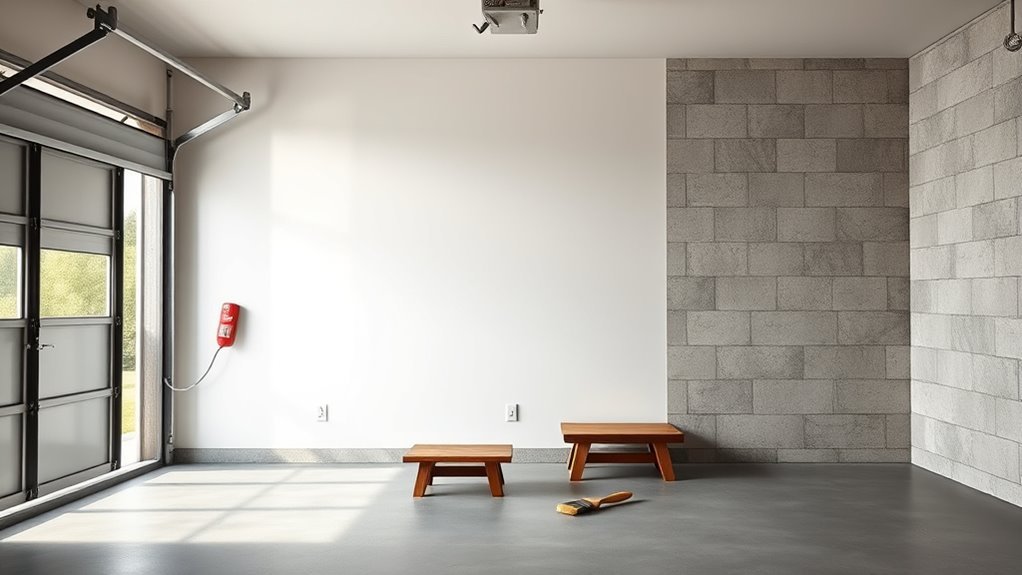
If you’re wondering whether exterior paint will work inside your garage, the short answer is: sometimes. You’ll find exterior formulas tough and weather-resistant, so they handle concrete floors and damp walls well.
Consider ventilation, odor, and how pigments affect mood—color psychology matters in a workspace. Some exterior coatings contain stronger solvents, but manufacturers now offer eco-friendly formulations with lower VOCs that reduce fumes.
Consider ventilation and odor—choose low-VOC exterior coats; color psychology also matters in your garage workspace.
You should test adhesion on a small area, check for flexibility to avoid cracking, and confirm compatibility with primers and sealers.
When chosen carefully, exterior paint can be a practical interior option.
Quick Decision Guide: When to Use Exterior Paint
Think about whether the garage walls or trim will be exposed to moisture — exterior paint tolerates damp surfaces better than most interior formulas.
Also consider VOC levels and how well you can ventilate the space; exterior coatings can off-gas more, so you’ll need good airflow or low-VOC options.
Use those two factors to decide if exterior paint is a practical choice for your garage.
Surface Moisture Tolerance
Wondering whether your garage walls can handle a coat of exterior paint? You’ll need to verify moisture tolerance first: exterior formulations resist dampness better, but success depends on surface preparation and paint adhesion. Test with a dampness meter or tape test; let surfaces dry fully before painting.
- Measure substrate moisture with a meter
- Patch and sand to improve surface preparation
- Use a primer compatible with exterior paint
- Apply paint only when humidity is low
- Recheck adhesion after a small test patch
If moisture reads high, delay painting until conditions and substrate dryness guarantee proper adhesion.
VOC And Ventilation
After you confirm the wall’s moisture and adhesion, check VOC levels and ventilation before applying exterior paint inside the garage. You’ll want low-VOC or eco-friendly formulations to reduce fumes; these are safer when airflow’s limited.
Open doors and run fans or a window exhaust to clear solvents during and after painting. If your garage is attached or used often, prioritize ventilation even more.
Also verify color matching under indoor light—exterior shades can read differently inside.
Finally, wear a respirator if ventilation is marginal and follow manufacturer VOC recommendations to protect health and guarantee proper cure.
Key Safety Tradeoffs: VOCs, Odor, and Indoor Air
While painting your garage can be a fast, cost-effective upgrade, you’ll need to balance paint choices against indoor air quality—volatile organic compounds (VOCs) and odor can linger, affecting health and comfort.
Think about how a painted garage connects visually to outdoor landscaping and garden design if you use the space for plants or tools. You’ll want to weigh durability versus emissions, and choosing low-VOC or water-based exterior paints can cut risks.
- Pick low-VOC or zero-VOC formulas when possible.
- Ventilate thoroughly during and after painting.
- Consider odor-absorbing materials nearby.
- Limit occupancy until smells dissipate.
- Store solvents outdoors.
How VOC Levels Affect Garage Air Quality
When you paint in the garage, VOC concentration directly raises the fumes you’ll breathe and can cause headaches or eye irritation.
You can lower those concentrations with targeted ventilation—running exhaust fans, opening doors and windows, or using a shop vacuum with a HEPA filter.
We’ll look at how different ventilation strategies change air quality and what levels you should aim for.
VOC Concentration Effects
How much VOCs you’re releasing into the garage matters because concentration directly determines both short-term irritation and long-term health risk. You’ll notice stronger odors and headaches as VOC concentration rises. At lower levels, effects may be mild but still elevate indoor air pollutant load and chronic exposure risk.
You should monitor sources, limit time spent inside, and choose lower-VOC products to keep indoor air safer. Consider how temperature and enclosed space amplify concentrations and how storage of solvents adds ongoing emission.
- Immediate odor and eye/nose irritation
- Headaches and dizziness at higher levels
- Chronic respiratory or neurological risks
- Off-gassing from stored materials
- Residual contamination of fabrics and surfaces
Ventilation Mitigation Strategies
Because VOCs build up quickly in a closed garage, you should prioritize ventilation to dilute and remove emissions before they reach harmful levels. Open doors and windows, run box or inline fans to create cross-flow, and use a portable air cleaner with activated carbon to capture VOCs.
Work during warmer hours when natural ventilation helps, and avoid painting near HVAC intakes.
Monitor air with low-cost VOC sensors and take breaks until readings drop. Choose low-VOC exterior paints, mindful that color psychology and paint texture affect application time and drying—both influence how long VOCs stay airborne.
Ventilation Strategies for Indoor Exterior Paint Use
Although the smell and fumes from exterior paint can be tempting to dismiss, you’ll want to plan ventilation before you open the can. Proper airflow reduces health risks, speeds drying, and prevents lingering odors.
You’ll control paint fumes by combining natural and mechanical ventilation, positioning fans to push air out, and keeping doors or windows open while protecting items from dust. Watch indoor lighting—strong light helps spot wet areas and uneven coverage so you can ventilate longer where needed.
- Open doors and cross-ventilate toward an exterior exit
- Use box fans blowing outward in windows
- Run a HEPA-rated air purifier
- Ventilate during warmer, low-humidity hours
- Rotate fans to avoid dead zones
Safe Odor‑Reduction Techniques After Painting
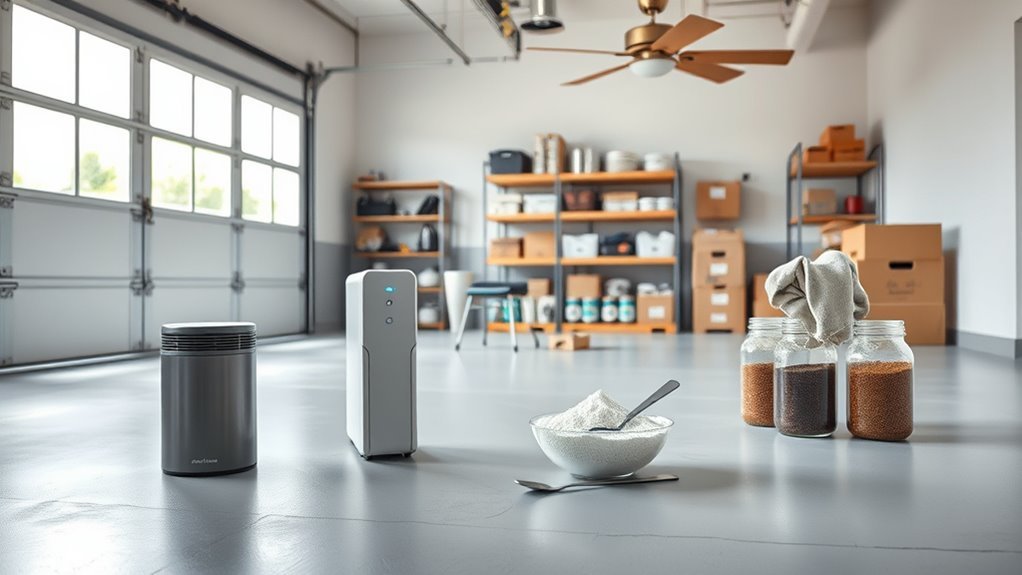
After you finish painting, keep doors and windows open and run fans to maintain steady airflow and push odors outside.
Choose low‑odor or water‑based exterior paints to cut fumes at the source and speed up safe reentry.
Combine good ventilation with low‑odor products for the quickest, safest odor reduction.
Ventilation And Airflow
When you finish painting the garage, getting fresh air moving is the quickest and safest way to reduce fumes and speed drying. You’ll open doors and windows, position fans to push air out, and avoid trapped vapors.
Good airflow also helps you spot spots where color matching or paint texture needs touch‑ups while fumes dissipate.
- Open garage door and opposite windows for cross‑ventilation.
- Place a box fan facing outward to expel air.
- Use an intake fan or a second fan drawing fresh air in.
- Keep HVAC off to avoid spreading fumes indoors.
- Wear a respirator until odors subside.
Low‑Odor Paint Choices
Good ventilation helps a lot, but choosing low‑odor paints will further cut fumes and make your garage safer and more pleasant while drying. You should pick water‑based exterior formulas labeled low‑VOC or zero‑VOC; they release fewer solvents yet still offer strong paint durability for walls and trim.
Test small swatches to confirm your color selection under your garage lighting. Natural and cool neutrals often mask imperfections and reflect light.
Use low‑odor primers to boost adhesion and longevity. Keep windows open, run fans, and avoid occupying the space until odors dissipate completely—usually 24–72 hours depending on temperature and airflow.
Personal Protective Equipment You Should Use

Because paint fumes and dust can irritate your eyes, skin, and lungs, you’ll want to suit up before you start painting in the garage. To protect yourself and maintain color consistency by avoiding smudges from sweat or skin contact, pick PPE that fits and breathes well.
Use a respirator for paint fumes, eye protection, gloves, and clothing that covers exposed skin. Don’t forget to ventilate.
- N95 or organic vapor respirator (as appropriate)
- Safety goggles or splash shields
- Chemical-resistant gloves
- Long-sleeve coveralls or work shirt
- Closed-toe shoes or boots
Which Exterior Paint Chemistries Are Best for Garages
You’ll want to compare oil-based paints for their toughness with acrylic latex for its versatility. Oil-based options resist stains and wear well in high-traffic or oily areas.
Acrylic latex handles temperature changes and cleans up with water. Consider the specific demands of your garage—traffic, humidity, and cleanup—when choosing between them.
Oil-Based Durability
When you need a finish that stands up to scuffs, spills, and heavy-duty use, oil-based exterior paints are often the strongest choice for garages. You’ll get superior exterior durability and paint longevity thanks to a hard, abrasion-resistant film that tolerates impact and frequent cleaning.
They resist stains and solvents better than softer coatings, so tools and fluids won’t mar the surface easily. Consider ventilation and longer cure times, and use appropriate primers for adhesion on metal or previously painted surfaces.
- Excellent abrasion resistance
- Superior chemical tolerance
- Tough, hard finish
- Fewer touch-ups over time
- Good for high-traffic areas
Acrylic Latex Versatility
Oil-based paints give you toughness, but acrylic latex brings flexibility that suits most garage needs. You’ll like acrylic latex because it resists cracking, tolerates temperature swings, and cleans up with water. It adheres well to typical garage substrates and handles occasional spills without yellowing.
Choose a finish that complements your interior lighting — satin or semi-gloss boosts reflectivity, improving visibility. Pay attention to paint texture for high-traffic walls; smoother sheens are easier to wipe, while slight texture hides imperfections.
Exterior Latex vs. Oil‑Based: Pros and Cons
Although both exterior latex and oil-based paints can protect garage exteriors, they perform differently in durability, drying time, and maintenance, so you’ll want to weigh their trade-offs before choosing. Latex dries fast, resists cracking, offers easier cleanup, and often includes eco friendly options. Oil-based gives a tougher, smoother finish and better adhesion in high-traffic areas but takes longer to dry and needs solvents. Consider color matching, fumes, and surface prep when deciding.
- Latex: quick drying, water cleanup
- Oil-based: durable, solvent cleanup
- Latex: flexible in cold
- Oil-based: resists stains
- Compare VOCs and cost
When to Choose Epoxy or Specialized Floor Coatings
If your garage floor sees heavy traffic, chemical spills, or you want a long-lasting, easy-to-clean surface, pick epoxy or a specialized coating over standard paint.
You’ll choose epoxy when durability, stain resistance, and slip control matter—ideal for mechanics, workshops, or active households.
Consider color psychology to set mood and improve visibility; light tones brighten, while darker tones hide grime.
Look for eco-friendly formulations if fumes or VOCs concern you; water-based or low-VOC epoxies reduce odor and environmental impact.
Get professional surface prep and follow product specs—proper application guarantees longevity and safety, unlike ordinary exterior paint.
Why Sheen Matters for Garage Interiors
Because sheen affects both appearance and performance, choosing the right finish for your garage interior matters. You’ll pick a sheen based on durability needs, ease of cleaning, and how light interacts with surfaces. Sheen changes perceived color and highlights paint texture, so consider color psychology when aiming for a calm or energetic workspace.
Lower sheens hide imperfections; higher sheens resist stains.
- Flat: minimizes glare, hides flaws
- Eggshell: subtle sheen, moderate washability
- Satin: durable, easy to clean
- Semi-gloss: bright, highlights texture
- Gloss: most durable, shows flaws
How Temperature & Humidity Affect Paint Performance
After you pick the right sheen for durability and washability, pay attention to temperature and humidity because they directly influence how paint sets and performs in your garage. You’ll want stable conditions: high humidity slows drying, trapping solvents and increasing environmental impact from extended off-gassing.
Low humidity and rapid drying can cause poor adhesion and tacky finishes. Temperature affects cure rate; extremes can lead to blistering or weak film formation that accelerates color fading.
Control ventilation and aim for manufacturer-recommended ranges during application and curing. Doing so helps the finish last, reduces odors, and minimizes environmental impact.
Winter vs. Summer Considerations for Paint Curing
When you paint in winter, slower drying and colder temperatures demand longer cure times and tighter control of ventilation. You’ll need to adjust timing, heater use, and humidity to avoid tacky finishes or trapped moisture that harms sheen and adhesion.
Summer brings faster curing but risks blistering if humidity spikes. Consider color psychology when choosing darker shades that absorb heat differently, and factor environmental impact of heaters or dehumidifiers.
Plan for safe ventilation to disperse VOCs in any season.
- Monitor temperature and relative humidity closely
- Use low-VOC formulas and proper ventilation
- Allow extended cure in cold months
- Avoid painting during high summer humidity
- Use portable heaters wisely to limit environmental impact
How Sunlight Exposure Influences Garage Door Paint
Temperature and humidity affect how paint cures, but sunlight adds its own challenges to garage doors: UV rays fade pigments, heat from direct sun accelerates drying and can cause blistering or cracking, and repeated thermal cycling stresses both the coating and substrate.
You’ll notice sunlight effects vary by orientation and nearby reflective surfaces; south- and west-facing doors see harsher cycles. Expect faster chalking and color shift from UV degradation, especially on darker tones.
To safeguard against risks, plan maintenance intervals, use UV-resistant primers or clear coats where appropriate, and avoid painting in peak heat to ensure a durable, even finish.
Best Exterior Paints for Metal Garage Doors
If you want a durable, long-lasting finish on a metal garage door, pick paints formulated for metal and exterior exposure—acrylic latex and acrylic enamel lead the pack because they resist rust, flex with thermal movement, and shed UV damage.
You’ll also want primers with rust inhibitors and topcoats that tolerate temperature swings. Consider your interior lighting and ventilation systems during application to guarantee even drying and safe fumes.
Recommended choices:
- High-quality acrylic latex (low-VOC)
- Oil-based acrylic enamel for hardness
- Rust-inhibiting metal primer
- UV-resistant topcoat
- Flexible elastomeric enamel
Prep and follow manufacturer cure times.
Painting Wood Trim and Cabinetry in the Garage
Because your garage sees dust, moisture swings, and heavy use, choose paints and finishes for wood trim and cabinets that prioritize durability and easy cleaning. You’ll prep surfaces—clean, sand, and prime with a moisture-resistant primer—so paint adheres and resists stains.
Pick semi-gloss or satin for easy wiping; those paint textures hide scuffs better than flat finishes. Consider color psychology: lighter, neutral tones brighten and make the space feel organized, while bold accents can energize work zones.
Use high-quality brushes or rollers and allow full cure before heavy use. Recoat when chips appear to maintain protection and appearance.
Can Exterior Latex Be Used on Garage Drywall?
You can use exterior latex on garage drywall, but check how well it sticks and holds up over time since exterior formulas are made for different surfaces.
Consider moisture and vapor—garages can trap humidity, so choose a paint that tolerates dampness without trapping moisture in the drywall.
Also think about finish and breathability: a less glossy, breathable exterior latex will shed water while allowing vapor to escape, reducing the risk of blistering.
Durability And Adhesion
While exterior latex paints offer strong weather resistance and flexibility, they don’t always stick or hold up the same way on interior drywall in a garage. You’ll want to evaluate adhesion, abrasion resistance, and how paint texture affects wear.
Color psychology can influence perceived cleanliness and light, so pick tones that hide marks yet boost brightness.
Prep matters: clean, sand, and prime with an interior-suitable primer to improve bonding. Expect some exterior formulas to yellow or chalk indoors over time.
- Test adhesion on a small drywall patch
- Use an appropriate primer
- Choose scuff-resistant finishes
- Think about washability
- Monitor for fading
Moisture And Vapor Considerations
If your garage sees humidity swings, condensation, or occasional dampness, exterior latex can help resist moisture but it won’t control vapor movement through drywall. You’ll still need to address sources of moisture and use proper vapor-management strategies like sealing joints, installing a vapor retarder where code requires, and choosing a primer designed for high-moisture environments.
You should inspect for leaks, improve ventilation, and consider insulation that reduces condensation risk.
Exterior latex offers durability and varied paint texture options, letting you follow current color trends without sacrificing moisture resistance. Always pair paint with proper vapor control to protect drywall and finishes.
Paint Finish And Breathability
Because exterior latex is formulated to shed water and resist mildew, it can seem like a straightforward choice for garage drywall—but breathability and finish type matter. You’ll want a finish that lets trapped moisture escape to prevent blistering and mold; satin or eggshell exterior formulas may be too impermeable. Consider interior-rated breathable paints or specially formulated breathable exterior primers.
Think about color psychology when choosing sheen and hue—lighter, matte finishes feel more spacious. Also weigh environmental impact: low-VOC breathable options reduce emissions. Choose coatings that balance washability, vapor permeability, and the garage’s typical humidity profile.
- Prefer breathable primers
- Avoid high-gloss exterior sheens
- Test small areas first
- Prioritize low-VOC products
- Match finish to humidity
Prepping Garage Walls for Exterior Paint Application
Before you open the first can of exterior paint, get the garage walls clean, dry, and structurally sound so the finish will stick and last. Start by sweeping and rinsing grime, then let surfaces fully dry.
Before opening the first can, make sure garage walls are clean, dry, and structurally sound for lasting paint.
Repair cracks, secure loose panels, and sand peeling spots until smooth. Remove dust before painting.
Mask trim, windows, and floors; use drop cloths. Consider color coordination with adjoining spaces and plan decorative accents now so placement looks intentional.
Test a small swatch to confirm adhesion and appearance under garage lighting.
Work in sections, maintain ventilation, and follow manufacturer dry-time recommendations for best results.
When You Need a Primer Under Exterior Paint
Now that your walls are clean, dry, and repaired, you’ll want to decide whether to use a primer under exterior paint. Primer matters when surfaces are porous, stained, bare wood, patched, or when you’re drastically changing color. It improves adhesion, blocks stains, and evens texture so the exterior paint performs indoors.
- Porous concrete or cinderblock needs sealing.
- Water stains or rust require stain-blocking primer.
- Bare wood benefits from adhesion promotion.
- Large repairs or patched drywall should be primed.
- Drastic color shifts demand a neutral base for color coordination and fewer coats, aiding paint recycling decisions.
Choosing the Right Primer for Garage Surfaces
Pick a primer that matches your garage surface—masonry, wood, or metal each need different formulations.
You’ll also want a primer that blocks moisture and stains to prevent bleed-through and peeling.
Choosing the right combo up front saves you time and protects your paint job.
Surface Type Compatibility
Because different garage surfaces absorb and bond differently, choosing the right primer matters more than you might think. You’ll match primer to surface—concrete, drywall, wood, metal, or previously painted areas—so paint adheres and your interior lighting reflects properly.
Consider primers that complement garage insulation and reduce temperature-related adhesion issues. Pick water-based primers for drywall and breathable concrete primers for porous floors and walls. Use rust-inhibiting primers on metal.
Test a small area to confirm bond and sheen before full application.
- Concrete: high-penetration primer
- Drywall: drywall-specific acrylic primer
- Wood: sanding-sealer primer
- Metal: zinc-rich or rust primer
- Previously painted: bonding primer
Moisture And Stain Blocking
How will you stop moisture and stains from ruining fresh paint in a garage? Choose a high-quality, stain-blocking primer formulated for masonry or metal, depending on your surface. Apply a mildew-resistant primer where humidity’s high.
Use an oil-based or shellac primer for stubborn stains like grease or tannin bleed. Match primer to the final paint’s adhesion needs to preserve paint texture and avoid peeling.
Good priming improves reflectivity under interior lighting, so colors read true. Spot-prime problem areas, let primers fully cure, then finish with exterior-grade paint suitable for indoor use to guarantee durability and cleanability.
Prepping Concrete Floors Before Painting
Ready to get your garage floor ready for paint? You’ll inspect for cracks, dust, or loose concrete and decide on decorative accents and color psychology to guide your finish.
Clean, profile, and repair the surface so paint bonds well; that prevents peel and uneven tone. Follow product instructions for primers compatible with exterior paint used indoors.
- Sweep and vacuum thoroughly
- Etch or mechanically profile concrete
- Fill cracks and level spalls
- Apply compatible primer per label
- Plan layout and test color samples
This prep guarantees a durable, attractive floor that complements your garage’s function and style.
How to Remove Grease, Oil, and Stains Safely
Before you start painting, identify the type of stain—fresh oil, set-in grease, or chemical spill—since each needs a different approach.
Choose cleaners that are effective yet safe for concrete and any nearby painted or metal surfaces, and test a small area first.
Protect adjacent areas and wear gloves and eye protection so you can clean thoroughly without causing damage.
Identify Stain Types
Wondering whether that dark patch is oil, grease, or something else? You’ll inspect texture, smell, and edges to tell if it’s oil—slick and penetrative—or grease—thicker, rimmed by dirt.
Water spots look pale and irregular; solvent damage may hint at color fading from an outdoor environment exposure. Jot observations before treatment.
- Fresh oil: dark, spreads when wet
- Old grease: tacky, attracts grit
- Solvent/paint damage: uneven color fading
- Organic stains: leaf or mildew, often odorless
- Rust: orange, abrasive feel
This helps you pick the right removal approach safely and efficiently.
Choose Safe Cleaners
Now that you can identify what’s staining your garage walls and floors, pick cleaners that match the stain type and the painted surface. You’ll choose mild degreasers for oil, enzymatic cleaners for organic stains, and non-abrasive detergents for painted concrete. Test a small area under interior lighting, and avoid soaking areas near insulation methods to prevent moisture damage. Rinse thoroughly and dry promptly.
| Stain | Cleaner | Tip |
|---|---|---|
| Motor oil | Citrus degreaser | Blot, don’t rub |
| Grease | Solvent-free cleaner | Ventilate area |
| Paint drips | Gentle scraper + soap | Warm water first |
| Organic | Enzymatic wash | Follow dwell time |
Protect Surfaces First
Because garage floors and lower walls take the brunt of spills and scrapes, protect adjacent surfaces before you tackle grease, oil, or stubborn stains. Cover baseboards, outlets, and any finished walls with plastic or drop cloths so cleaning solutions don’t harm paint or alter color psychology that affects your garage’s aesthetic appeal. Wear gloves and ventilate the area.
Start with mild detergent, progress to degreaser, then try poultices for persistent spots. Rinse thoroughly and let dry before painting.
- Sweep and vacuum first
- Use absorbent powder on fresh oil
- Test cleaners on a hidden spot
- Work from edges inward
- Dispose of rags safely
Step‑By‑Step: Applying Exterior Paint to Garage Doors
When you’ve prepped the door and gathered your brushes, rollers, and paint, you’ll be ready to work efficiently and avoid common mistakes. This step‑by‑step guide walks you through the exact sequence—from sanding and priming to cutting in and rolling—so you get a durable, even finish on your garage doors.
Start by sanding old gloss to promote adhesion, then wipe dust. Apply exterior primer for metal or wood, and let it cure.
Cut in edges with a brush, then roll panels with a nap suited to paint texture. Use even strokes, overlap passes, and inspect for drips.
Allow full cure before rehanging hardware. Consider color psychology when choosing hue.
How to Paint Garage Walls With Exterior Paint
If you’re using exterior paint on garage walls, prep and technique make the difference between a durable, washable surface and one that peels or stains quickly.
Clean, dry walls; patch holes; sand glossy spots; prime with a stain-blocking primer. Choose exterior latex for flexibility; consider color psychology—lighter hues brighten and reduce perceived clutter.
Roll in sections, back-roll for even coverage, and keep ventilation high. Dispose of or store leftover paint responsibly to support paint recycling.
- Wash and degrease surfaces
- Fill and sand imperfections
- Apply appropriate primer
- Use quality rollers and brushes
- Ventilate and allow full cure
How to Coat Garage Floors With Exterior Products
Although garage floors take more abuse than walls, you can successfully use exterior floor coatings by preparing the concrete, choosing the right product, and applying it correctly.
Start by cleaning, degreasing, and etching or grinding to guarantee adhesion.
Pick an exterior-grade epoxy or concrete sealer rated for vehicular use and low VOCs to minimize environmental impact.
Apply primer if recommended, roll coatings evenly, and broadcast decorative flakes if desired.
Consider color psychology—lighter tones brighten space and improve safety, darker hide stains.
Finish with a durable topcoat for traction and chemical resistance.
Follow manufacturer instructions for best results.
Drying Times and Cure Expectations Indoors
Having prepped and applied exterior-grade coatings properly, you’ll want realistic expectations about drying and curing indoors because temperature, humidity, and ventilation all change how fast coatings set.
Having prepped and applied exterior-grade coatings, expect indoor drying and curing times to vary with temperature, humidity, and airflow.
You’ll notice tack-free times differ from full cure; paint color can look different while solvents evaporate, and interior ambiance affects perceived sheen.
Manage conditions and wait the full cure time recommended by the manufacturer before heavy use.
- Keep garage temperature within the product’s rated range.
- Control humidity with dehumidifiers or ventilation.
- Increase airflow with fans but avoid dust.
- Allow longer cure times in cool or damp weather.
- Test a small area before full use.
Scratch, Chip, and Abrasion Resistance: What to Expect
When you choose an exterior-grade paint for your garage, expect tougher scratch, chip, and abrasion performance than typical interior paints, but don’t assume it’s indestructible—formulation, film thickness, and the substrate all matter.
You’ll notice exterior coatings often use tougher binders and additives that resist scuffs and minor impacts better than indoor formulas, but heavy abrasion will still wear paint away.
Proper surface prep and correct application thickness improve longevity and help limit color fading from sunlight entering the garage.
Also weigh environmental impact: tougher resins can mean stronger solvents or higher-VOC options, so pick low-VOC or waterborne exterior products when possible.
How Paint Durability Compares on High‑Traffic Garage Floors
When you’re choosing paint for a high-traffic garage floor, surface preparation is what makes or breaks durability—cleaning, etching, and priming guarantee the coating bonds properly.
Compare wear resistance by looking at manufacturer specs for abrasion and chemical resistance, and by asking about real-world performance on similar floors.
With the right prep and a tougher formula, you’ll get a floor that stands up to constant traffic.
Surface Preparation Importance
Because garage floors take constant foot and vehicle traffic, surface prep decides how long paint will last on high‑use areas. You’ll get better adhesion and appearance if you remove oil, etch concrete, and address cracks before painting. Focus on matching surface profile to the coating so color blending and texture matching work together for a seamless, durable finish. Prepare systematically and you’ll reduce peeling and premature failure.
- Degrease and scrub with concrete cleaner
- Etch or diamond grind for proper profile
- Repair cracks and spalls with epoxy filler
- Vacuum and tack before coating
- Apply primer suited to concrete
Wear Resistance Comparison
Although paint isn’t the only option for a garage floor, it can hold up well if you pick the right system and prep correctly. You’ll get very different wear results from latex floor paint, epoxy coatings, and polyaspartic/polyurethane topcoats.
You’ll find latex resists light foot traffic and is easy to recoat, while epoxy offers superior chemical and abrasion resistance for vehicles and tools.
Polyaspartic and polyurethane topcoats deliver the best fast-curing, UV-stable wear protection.
Consider color psychology when choosing finishes—darker, glossier surfaces hide stains but show scratches; historical usage favors epoxy for durability in workshops.
Troubleshooting Adhesion, Bubbling, and Flaking
If your exterior paint is peeling, bubbling, or refusing to stick, you’ll want to diagnose the cause before repairing — paint failure usually signals an underlying problem like moisture, poor surface prep, incompatible coatings, or extreme temperatures during application.
Check humidity, previous coatings, and whether color mixing or old paint storage altered formulation. You’ll also inspect for oil contamination, rust, or efflorescence.
Prevent recurrence by addressing the root cause rather than overcoating.
- Measure surface moisture and ambient humidity
- Identify previous primer or enamel types
- Verify proper color mixing and fresh paint storage
- Remove contaminants and corrosion
- Avoid painting in temperature extremes
How to Patch and Repair Painted Garage Surfaces
Before you patch chips or cracks, you’ll want to clean, sand, and prime the area so the repair bonds properly to the existing surface.
Match the paint color and sheen to the surrounding finish to keep touch-ups invisible.
Use thin, even coats and feather the edges so the repair blends seamlessly with the rest of the garage.
Surface Preparation Steps
When you’re getting ready to patch and repair painted garage surfaces, start by cleaning the area and removing loose paint, dirt, and grease so new materials will adhere properly.
Inspect for cracks, holes, and rust; sand edges smooth and remove dust. Use appropriate filler, let it cure, then sand to match surrounding paint texture.
Prime bare spots to seal and improve adhesion. Consider color coordination when planning touch-ups so patched areas blend later.
- Scrape loose paint
- Degrease with a solvent
- Apply filler to voids
- Sand for smooth progression
- Prime exposed substrate
Matching Paint And Finish
Although matching paint and finish can feel tricky, you’ll get seamless results by focusing on color, sheen, and application technique.
Start by cleaning and sanding the patch, then prime with a compatible primer. Match color using a swatch or a small sample from the original paint—consider color psychology if the garage doubles as a workspace to choose calming or energizing tones.
Test sheen by painting a small area and comparing gloss levels under garage lighting. Blend edges with feathering strokes and use the same tool type.
Track supplies and labor in budget planning to avoid surprises and guarantee consistent repairs.
Maintenance Tips to Extend Paint Life in Your Garage
If you want your garage paint to last, keep up with simple, regular maintenance that addresses dirt, moisture, and damage before they worsen. You’ll preserve color psychology benefits and aesthetic appeal by acting promptly. Clean surfaces monthly, fix leaks, and touch up chips to avoid spreading issues.
Inspect for mold and salt stains seasonally, and use appropriate cleaners. Maintain ventilation to reduce humidity and prevent peeling.
- Sweep and wipe down walls
- Repair cracks and caulk joints
- Touch up chips with matching paint
- Control moisture with dehumidifiers or vents
- Use mild cleaners, avoid harsh solvents
When to Repaint: Signs Your Garage Finish Needs It
Watch for peeling or flaking paint, since that’s a clear sign your garage finish is failing and needs attention.
If stains or lingering odors won’t come out, a fresh coat can both cover blemishes and seal the surface.
Also repaint if you see dampness or mold growth, because that indicates moisture problems that paint alone may not fix but won’t tolerate.
Peeling Or Flaking Paint
When paint starts to peel or flake in your garage, it’s a clear sign the finish is failing and needs attention. You shouldn’t ignore peeling or flaking paint because it exposes surfaces to moisture and dirt.
Identify flaking causes like poor prep, moisture, or incompatible coatings, then act. For peeling prevention, remove loose paint, clean, sand, prime, and choose the right paint for interior garage conditions.
Tackle small areas quickly to avoid bigger jobs.
- Scrape loose flakes promptly
- Check for moisture sources
- Sand edges smooth
- Use a quality primer
- Apply appropriate paint and allow cure time
Persistent Stains Or Odors
Although stains and lingering odors might seem minor, they often signal deeper issues—oil, chemical spills, mold, or trapped moisture—that compromise your garage finish and air quality.
You should treat stubborn stains and smells as signs you might need to repaint or refinish. Try targeted cleaning techniques first: degreasers, enzyme cleaners, and proper ventilation can remove residues and reduce odors.
If staining persists or discoloration remains, a fresh coat of exterior-grade paint formulated for interiors can restore appearance and resist future soiling.
Consider color psychology when choosing shades—lighter hues hide odors less but brighten space; darker tones mask stains.
Dampness And Mold Growth
Persistent stains and odors can hint at moisture problems, and dampness that goes unchecked often leads to mold growth that damages paint and indoor air. You should inspect corners, baseboards, and behind shelving for discoloration or soft spots. Mold can alter color psychology, making a space feel colder or more oppressive, and it’ll break down paint texture, causing bubbling or flaking. Act quickly to remediate leaks and dry surfaces before repainting.
- Check for musty smells after rain or humidity spikes
- Look for fuzzy or black patches on walls
- Probe peeling or spongy paint areas
- Test relative humidity levels
- Address ventilation and drainage problems
Compatibility With Existing Paint and Finishes
If your garage already has paint or clear finishes, check how the new exterior paint will bond and look over those surfaces. You’ll assess adhesion to glossy, oil-based, or water-based layers; scuffing or a primer may be needed.
Consider color options carefully—exterior shades can read darker indoors—so pick samples under your garage lighting. Match sheens for uniformity, and confirm compatibility with clear coats or sealers to avoid peeling or clouding.
Also factor ventilation techniques during application and cure to control fumes and drying. If unsure, consult manufacturer specifications or a pro to avoid finish failures.
How to Test a Small Area Before Committing
Pick an inconspicuous spot in your garage so any issues stay hidden. Prep the surface exactly as you’d for the whole job—clean, sand, and prime if needed—then apply the exterior paint.
Watch how it dries and performs over a few days for adhesion, color match, and resistance to humidity or stains before committing.
Choose An Inconspicuous Spot
Before you roll a full coat on your garage walls, test the paint in an inconspicuous spot—behind a tool cabinet, inside a door jamb, or near the garage’s back corner—so you can judge color, finish, and adhesion without committing.
Pick a spot out of direct sight, then apply a small patch and let it cure. Observe how light alters color psychology and whether paint texture hides blemishes.
Check for odor, compatibility with existing coatings, and how it affects nearby hardware. Note drying time and cleanability before proceeding.
- Inspect under different lighting
- Feel the surface for texture
- Smell after drying
- Test adhesion
- Photograph results
Prepare The Surface Properly
Now that you’ve evaluated color and adhesion in an out-of-sight spot, prepare the surrounding surface so that your test reflects real conditions. Clean the area of dust, grease, and flaking paint with a degreaser and light sanding so the new coat bonds like it will across the garage.
Match any primer or sealant you plan to use, and note how the hue reacts under your lighting—color psychology and historical trends in garage finishes can guide choices for warmth or neutrality.
Tape edges to simulate trim and label the date; this controlled patch gives a reliable preview before committing.
Observe Drying And Performance
Once you’ve applied the test patch and taped the edges, watch how the paint dries and performs over several days so you can gauge real-world behavior. Check color matching in morning and evening light, and note any shift. Observe paint sheen consistency and whether gloss or flat changes after curing. Test adhesion, odor, and dust pickup. Record results and compare to adjacent surfaces before committing.
- Inspect for streaks and color shift
- Feel for tackiness at 24, 48, 72 hours
- Smell intensity and fade rate
- Scrub a small spot for adhesion
- Note sheen variation under different lights
Color Selection for Interior Garage Use
Wondering which color will make your garage feel brighter, cleaner, and more functional? You should use color psychology to choose hues that boost focus and cleanliness. Lighter neutrals open space; cool tones calm. Consider how paint application affects sheen and durability; satin hides scuffs, semi-gloss cleans easily. Test swatches under your lighting and next to stored items to avoid surprises. Use the table below to weigh options quickly.
| Color Choice | Benefit |
|---|---|
| White | Maximizes light |
| Light Gray | Neutral, hides dust |
| Pale Blue | Calming, focused |
| Beige | Warmth without clutter |
| Soft Green | Natural, restorative |
Reflective and Heat‑Absorbing Color Considerations
When you pick exterior paint for the inside of your garage, think about reflective coatings that bounce sunlight and cut cooling needs.
Remember that darker colors absorb more heat and can raise surface temperatures noticeably.
Managing surface temperature with lighter, reflective finishes or selective dark accents helps protect stored items and reduces HVAC strain.
Reflective Paint Benefits
If you want your garage to stay cooler and reduce energy costs, choosing reflective exterior paint and lighter, heat‑reflective colors can make a measurable difference. You’ll benefit from reflective coatings that bounce infrared rays, lowering surface temperature and easing HVAC load.
Good products also improve color retention, resisting fading from sunlight and heat. Consider durable finishes that handle wear and moisture, and match sheen to ease cleaning.
Advantages include:
- Lower interior temperatures
- Reduced energy usage
- Extended paint lifespan
- Easier maintenance
- Consistent color over time
Pick certified reflective paints to maximize performance and longevity.
Dark Colors Heat
Because dark colors absorb more of the sun’s energy, they can raise exterior and interior garage temperatures noticeably, especially on south- and west-facing walls. You’ll notice darker finishes store heat longer, affecting comfort and cooling costs if your garage is attached.
Choose color psychology deliberately: deep hues can feel cozy but may make the space feel warmer and smaller. Balance mood with practicality by testing swatches at different times of day.
Also consider paint texture—glossier surfaces reflect a bit more light than flat ones, while matte textures hide imperfections but retain heat. Pick tones that match both function and feel.
Surface Temperature Management
You’ve seen how dark paints trap heat and affect comfort; now let’s look at how color and finish control surface temperatures more broadly. You can lower heat buildup by choosing reflective hues and finishes that bounce infrared, while matte, dark tones absorb more.
Think about Color psychology when picking shades that feel cooler. Also weigh Eco friendly formulations that include pigments designed to reflect heat without harsh chemicals. Consider these practical choices:
- Choose light, reflective colors for walls and ceilings
- Use semi-gloss for easy cleaning and slight reflection
- Select pigments rated for infrared reflectance
- Test samples in sunlight
- Ventilate to reduce retained heat
Cost Comparison: Exterior vs. Interior Specialty Paints
When you compare exterior and interior specialty paints for a garage, the price difference usually reflects formulation and performance rather than just brand names. You’ll often pay more for exterior formulas because they include UV stabilizers, mildewcides, and tougher binders that handle temperature swings and moisture.
Interior specialty paints cost more than standard interior latex too, since they add stain resistance, low-VOC or eco-friendly options, and finishes suited to concrete or high-traffic zones.
Factor in coverage and longevity: higher-priced paints can save labor and repaints. Balance upfront cost against expected durability, appearance, and how color psychology affects perceived space.
Environmental and Disposal Concerns for Leftover Paint
If you end up with leftover paint after your garage project, think about how it can affect the environment and your options for disposing of it responsibly. You should minimize Environmental impact by storing, using up, or donating paints instead of dumping them. Seek local Paint recycling programs and hazardous-waste events. Follow label directions for disposal and avoid pouring paint down drains.
- Seal cans tightly and store upright in cool, dry places.
- Donate usable paint to community groups or charities.
- Use small containers for sample matches to avoid waste.
- Dry out minimal leftovers with cat litter before disposal.
- Find municipal hazardous-waste drop-off sites.
Permits, HOA, and Code Rules for Garage Paint Jobs
Although painting a garage usually seems straightforward, you still need to check permits, HOA rules, and local codes before you start so you don’t face fines or be forced to repaint. You should contact your local permitting office and review HOA guidelines for exterior-visible areas, colors, and finish restrictions.
Document approvals, especially if your garage doors or trim affect curb appeal. Consider how artistic techniques and color psychology might influence neighbors’ perceptions and compliance reviews. Keep records of approvals and receipts.
If codes limit VOCs, fire safety, or signage, adhere to them to avoid penalties and ensure your project stays compliant and smooth.
Product Recommendations for Mixed Indoor/Outdoor Garages
Now that you’ve checked permits and HOA rules, pick paints and coatings that suit garages serving both as vehicle storage and lived-in workspace. Choose products that balance indoor air quality with outdoor durability and easy cleaning.
Consider low-VOC exterior-grade acrylics for walls, epoxy or polyaspartic floor coatings, and semi-gloss trim paints for scrub resistance. Match colors between interior and exterior for seamless color matching, but test samples in different light.
Prioritize rust-inhibiting primers on exposed metal and breathable masonry sealers on block walls.
- Low-VOC exterior acrylic for walls
- Epoxy floor coating
- Polyaspartic topcoat
- Rust-inhibiting primer
- Breathable masonry sealer
Painting Metal Garage Doors: Exterior vs. Metal‑Specific Paints
When you’re choosing paint for a metal garage door, think about exposure, adhesion, and maintenance first. Exterior latex can handle weather but metal-specific coatings and primers bond better and resist rust longer.
You’ll want a metal primer for bare spots, then pick a coating labeled for steel or aluminum to prevent corrosion. Consider color coordination with your home’s trim and siding, and choose a paint texture—matte hides imperfections, satin sheds dirt better.
Apply per manufacturer directions, allow proper curing, and use rust-inhibiting touch-up products for chips. That approach balances durability, appearance, and long-term maintenance.
When to Hire a Pro vs. DIY: What to Expect
If you’re unsure whether to tackle an exterior garage paint job yourself or hire a pro, weigh the scope, skill level, and time you’re willing to invest. You’ll handle small touch-ups, improved interior lighting, and basic storage organization tweaks yourself.
Hire a pro for large surfaces, rust treatment, or tricky ventilation needs.
- DIY: low cost, flexible schedule
- Pro: faster, expert surface prep
- DIY: learn techniques, control materials
- Pro: guaranteed finish, proper ventilation setup
- DIY: good for cosmetic updates and minor repairs
Decide based on safety, complexity, and the finish you expect.
Questions to Ask a Pro Before Hiring
After you decide to hire a pro, prepare a short list of targeted questions so you can compare bids and avoid surprises. Ask about their experience with interior use of exterior-grade products, ventilation plans, VOC controls, and how choices affect exterior aesthetics when garage doors open. Ask for references, written warranty, timeline, and cleanup procedures. Also question how paint marketing influenced their product choice versus performance data.
| Question | Why it matters | Expected answer |
|---|---|---|
| Product type | Durability, VOCs | Specific brand/model |
| Prep steps | Adhesion, longevity | Detailed list |
Common Mistakes When Using Exterior Paint Inside
Because exterior paints are formulated for weather resistance rather than indoor needs, you can make costly mistakes if you assume they’ll behave like interior products. You’ll face issues like off color matching, strong odors, and poor adhesion if you don’t adapt your approach.
Watch for gloss differences and incompatible primers, and don’t ignore ventilation or moisture control when applying weatherproofing techniques indoors.
- Skipping primer and expecting adhesion
- Assuming exterior color matching equals indoor match
- Overusing high-gloss exterior formulas
- Neglecting ventilation and odor mitigation
- Applying without checking substrate compatibility
Checklist for a Safe, Durable Garage Paint Project
When you plan a garage paint job, start with a practical checklist that covers safety, surface prep, product choice, and ventilation so the results last and don’t create health or adhesion problems.
Inspect for moisture, mold, and flaking; fix leaks and dry surfaces.
Wear respirator, gloves, and eye protection.
Choose paint formulated for interior garages or compatible exterior formulas with low VOCs; consider color psychology for mood and light reflection.
Test paint texture on a small area for slip resistance if flooring, or sheen for walls.
Guarantee proper primer, follow manufacturer cure times, and ventilate during and after application.
Quick Recap: Use Exterior Paint Inside or Not?
Although exterior paints can sometimes work inside a garage, you should weigh their formulation, VOC levels, and designed substrate before deciding. You’ll consider durability, ventilation, and odor trade-offs; sometimes interior-specific products remain best. Think about historical preservation needs or artistic expression goals when choosing finish and color.
Exterior paints can work in garages, but weigh formulation, VOCs, ventilation, and substrate before deciding.
Follow these quick points to decide confidently:
- Check VOC limits and ventilation for safe indoor use.
- Match paint chemistry to substrate (metal, concrete, wood).
- Prioritize mildew and weather resistance only if needed.
- Use primers compatible with both exterior and interior coatings.
- Test a small area for adhesion, odor, and finish.
Frequently Asked Questions
Will Exterior Paint Interfere With Electrical Outlets or Switches in My Garage?
No, exterior paint won’t inherently interfere with outlets or switches, but you’ll want to avoid paint fumes and guarantee thorough surface preparation; tape and seal openings, turn off power, and clean contacts to prevent residue or insulation issues.
Can I Safely Store Food or Chemicals After Painting With Exterior Paint?
Yes — after proper curing and ventilation, you can store food and chemicals; wait manufacturer‑recommended dry time, guarantee surfaces are fully cured, and keep food sealed and chemical containers closed to protect food safety and chemical storage.
How Long Should I Wait Before Parking a Car in a Freshly Painted Garage?
Like stepping onto a cooling oven, wait about 48–72 hours before parking; guarantee strong ventilation requirements are met and remember full paint curing time can take up to 7–30 days, depending on temperature and humidity.
Does Exterior Paint Affect Garage Door Opener Sensors or Moving Parts?
No, exterior paint won’t harm garage door sensors or moving parts directly, but you should avoid heavy paint fumes near mechanisms; they’ll attract dust, stick to sensors, and can affect lubricants, so ventilate and keep components protected.
Can I Use Exterior Paint Over Existing Waterproofing or Vapor Barriers?
Sure—you can, but cautiously: paint adhesion depends on surface preparation; you’ll need to clean, sand, and prime compatible vapor barriers or waterproofing, or the exterior paint won’t stick, peel, or trap moisture under the coat.
Conclusion
You can — but it’s a calculated trade. Think of exterior paint as a hardy raincoat: it shields against moisture and UV, yet it’s heavier in VOCs and odor, so it can cloud indoor air like evening fog. If your garage is well-vented, used for messy projects, and you take safety steps, exterior paint can work. Otherwise, choose low-VOC interior coatings. Weigh durability against air quality before you seal the deal.
