
What’s the Best Paint for Walls? Expert Picks
You’ll want low‑VOC, durable paint matched to each room’s use: matte or eggshell for living rooms and bedrooms for a soft look, satin or semi‑gloss in kitchens and baths for scrubbability and moisture resistance, and mold‑resistant formulas where dampness is an issue. Pick washable, stain‑resistant blends for high traffic, test swatches under real light, and use the right primer for stains or glossy surfaces. Keep going to get specific product and finish recommendations.
How to Choose the Best Paint for Each Room
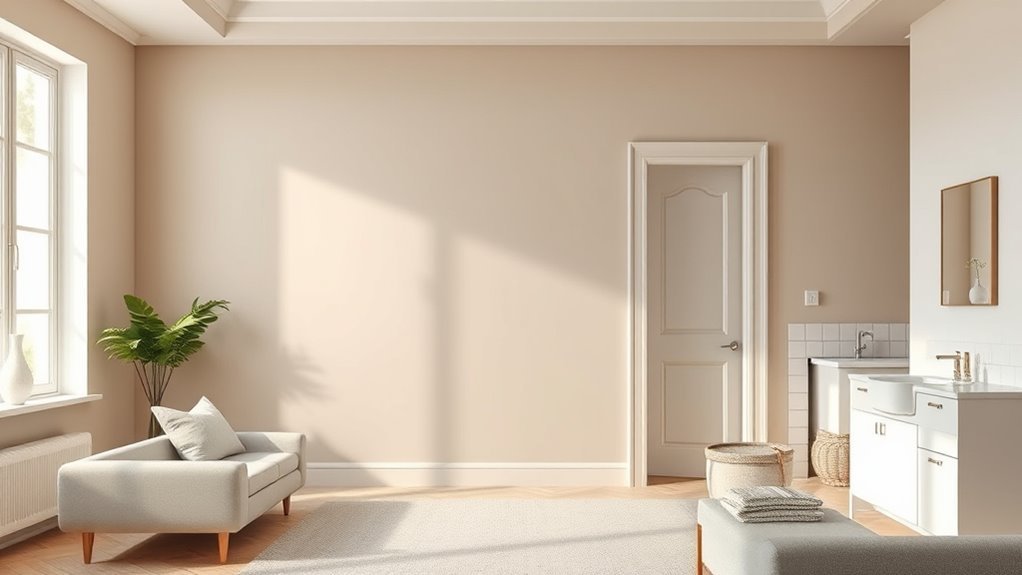
Wondering which paint works best where? You’ll assess each room’s purpose, traffic, and desired mood—color psychology guides emotional tone, while lighting effects alter perceived hue.
Choose durable, washable finishes for high-use areas; opt for softer sheens where imperfections show. Match undertones to existing flooring and fixtures, and test samples at different times to see shifts with natural and artificial light.
Pick durable, washable finishes for busy spaces, use softer sheens to hide flaws, and test undertones in varied light.
Consider ventilation and moisture for kitchens and baths, picking mold-resistant formulas.
In bedrooms and living spaces, prioritize comfort and warmth; in work areas, favor clarity and focus. Sample large patches before committing.
Top Paint Picks by Room (Quick Answers)
For the living room, you’ll want versatile, durable shades that match your lighting and furniture.
In the kitchen, pick finishes that resist stains and clean easily, like semi-gloss or satin.
For bedrooms, choose calming colors and low-VOC formulas to promote rest and better air quality.
Living Room Paints
Looking to refresh your living room without a full redesign? You can pick a versatile matte or eggshell for soft, elegant walls that hide flaws and let furnishings shine.
Consider current color trends—warm neutrals, muted greens, and soft blues—to set mood and flow with adjoining spaces. If you want dimension, try subtle texture options like micro-sheen or light Venetian plaster for depth without gloss.
Use durable, low-VOC formulas so air stays fresh. Test samples on different walls and view them at day and night. Choose a finish that balances style, maintenance, and the room’s natural light.
Kitchen-Friendly Finishes
Because kitchens face heat, steam, and frequent cleaning, pick finishes that stand up to moisture and scrubbing while keeping surfaces attractive; semi-gloss and satin are top choices since they resist stains, wipe clean easily, and reflect enough light to brighten work areas without showing every imperfection.
You’ll want scrubbable formulations for cabinets and splash zones, and durable primers to block grease.
Choose colors that follow kitchen color trends—muted greens, warm neutrals, and deep blues—to coordinate with cabinets and tile.
Consider paint texture options that hide minor flaws but still allow easy cleaning, balancing practicality with the aesthetic you prefer.
Bedroom Color Picks
Want a bedroom that feels restful and personal? Choose paint with color psychology in mind: soft blues calm, warm neutrals soothe, and muted greens restore balance.
For mood enhancement, pick tones that match your sleep patterns and daily energy—cooler shades for hot sleepers, warmer hues if you need coziness.
Use eggshell or matte finishes to minimize glare and create a cocooned feel. Accent walls can introduce deeper color without overwhelming the room.
Test swatches at different times of day and live with samples for a week. Your final choice should support rest, reflect style, and improve overall well-being.
Key Factors: Durability, Washability, Finish, VOCs, Budget
Think about how much wear your walls will get and choose a paint that stands up to it—high-traffic areas need tougher, more durable formulas.
You’ll also want low-VOC options if indoor air quality or sensitive noses are a concern.
Balancing durability with washability and budget helps you pick the right finish without overspending.
Durability Vs. Wear
When you’re choosing paint, durability and wear matter as much as color—especially in high-traffic rooms where scuffs, stains, and cleaning are routine.
You’ll weigh color longevity against abrasion resistance: eggshell or satin often balance look and washability, while semi-gloss resists scrubs better.
Consider surface compatibility—drywall, trim, or plaster demand different formulations and primers to prevent peeling.
Budget affects lifespan; midrange paints often outperform cheap cans.
Check finish for cleanability and choose a tougher option where kids, pets, or busy hallways live.
Prioritize washable, durable coatings to minimize repainting and maintain appearance over time.
Low-VOC Options
How do you pick a low-VOC paint that still stands up to everyday life? You want eco friendly solutions that don’t sacrifice durability or washability. Choose satin or eggshell for easier cleaning; flat hides flaws but wears faster. Check VOC levels, finish resilience, and price to match your budget. Consider certified low-VOC brands for proven health benefits and performance. Test a small patch, scrub it gently, and judge scuff resistance. Below is a quick comparison to guide choices.
| Feature | What to look for |
|---|---|
| Durability | Scrub rating |
| Washability | Finish type |
| VOCs | mg/m³ or label |
| Budget | Cost per gallon |
How Paint Sheen Affects Durability and Cleanability
Although sheen might seem like a purely aesthetic choice, it has a big impact on how tough and easy-to-clean your walls will be. You’ll choose gloss or semi-gloss for high-traffic areas because higher sheen repels stains and wipes clean, while eggshell or matte hides imperfections but needs gentler care.
Know sheen types and match them to room function: kitchen and bath demand durability, living rooms tolerate lower sheen.
For upkeep, follow simple maintenance tips: use mild detergent, soft cloths, and test cleaners in an inconspicuous spot. Recoat scuffed areas promptly to preserve finish and ease future cleaning.
Paint Formulas That Resist Stains and Scuffs
Because walls take the brunt of daily life, you’ll want a paint formula that stands up to spills, fingerprints, and furniture rubs.
Choose water-based acrylic or hybrid formulas with high-quality binders; they offer superior stain resistance and retain color after repeated cleanings.
Look for paints labeled washable or scrubbable and check ASTM or manufacturer ratings for abrasion resistance.
Some contain additives that repel oils and block dyes, improving scuff protection without a glossy finish.
Test a small swatch, scrub gently, and inspect for haze or lift.
Proper primer and multiple thin coats also enhance long-term performance.
Best Paints for High-Traffic Living Rooms and Hallways
When you’re choosing paint for busy living rooms and hallways, pick durable finishes like satin or semi-gloss that stand up to knocks and scrubbing.
Look for washable formulas labeled “scrubbable” or “stain-resistant” so you can clean marks without stripping the color.
Also prioritize pigments and UV inhibitors to keep hues from fading in sunlit entryways.
Durable Finish Options
If you want paint that stands up to constant traffic and looks fresh for years, choose finishes formulated for durability—satin, semi-gloss, and certain high-quality eggshells—because they resist scuffs, clean easily, and maintain color better than flat sheens.
You’ll rely on durability tests and finish comparisons to pick the right sheen for living rooms and hallways. Satin balances warmth and wipeability, semi-gloss suits trim and high-contact zones, and premium eggshell gives a softer look with improved abrasion resistance.
Always sample and inspect under your lighting; proper prep and quality application are as crucial as the finish itself.
Washable Paint Formulas
Durable sheens are a great starting point, but you’ll also want paints formulated specifically for washability in high-traffic living rooms and hallways. You’ll pick paints labeled scrubbable or washable; they stand up to repeated cleaning without streaking.
Look for advanced formulations that resist stains and repel dirt while staying breathable on walls. If indoor air quality matters, choose eco friendly options with low or zero VOCs—these now match performance of conventional paints.
Test a swatch, scrub gently, and check manufacturer specs for cleaning methods. That way you’ll keep walls looking fresh with minimal maintenance.
Color Fading Resistance
Sunlight and everyday wear can dull even the best-looking paint, so pick formulas designed to resist color fading in high-traffic living rooms and hallways. You’ll want pigments and binders rated for longevity and color retention techniques like UV blockers and stabilizers. Consider how light exposure impact varies by orientation and choose satin or eggshell sheens that balance durability and appearance. Maintain finishes with gentle cleaning to extend life. Compare options quickly:
| Feature | Benefit |
|---|---|
| UV inhibitors | Reduce fading |
| High-quality pigments | Stronger hues |
| Durable binders | Hold color |
| Sheen level | Easier cleaning |
| Maintenance | Prolongs vibrancy |
Best Paints for Kids’ Bedrooms and Play Areas
When choosing paint for kids’ bedrooms and play areas, pick low-VOC or zero-VOC formulas with a washable, scrubbable finish so you can handle fingerprints, crayon marks, and spills without harming indoor air quality.
You’ll want durable eggshell or satin sheens for walls and semi-gloss for trim and doors.
Use color psychology to calm sleepers or boost creativity, and lean into playful themes with accent walls or murals.
Use color psychology to soothe sleep or spark creativity—embrace playful accents like murals and feature walls.
Picture these setups:
- Soft sky blue reading nook.
- Chalkboard-painted activity wall.
- Sunny yellow art corner.
- Forest-green toy storage alcove.
Choose non-toxic pigments and easy-clean topcoats.
Best Paints for Bathrooms and Moisture-Prone Spaces
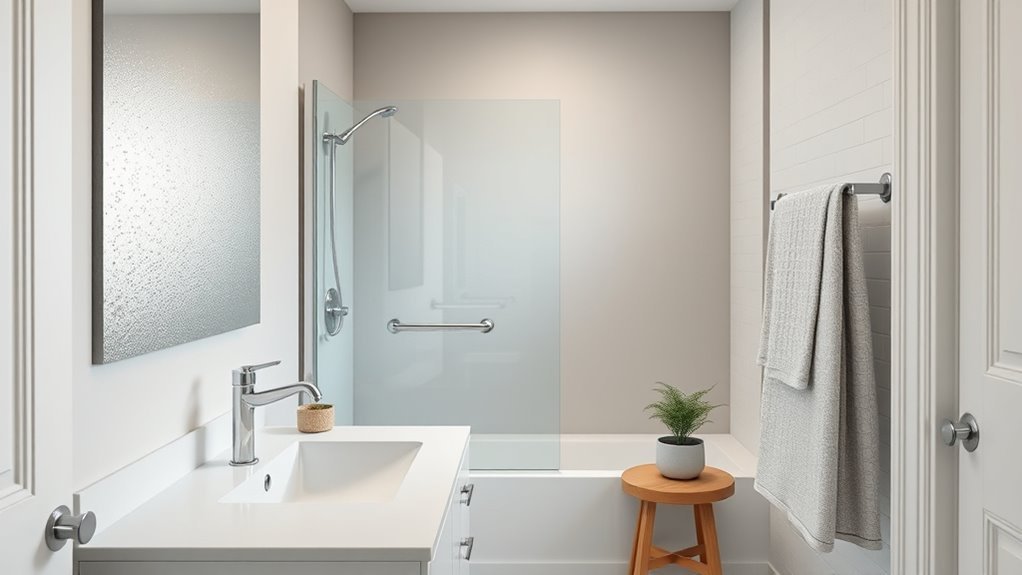
Bathrooms and other moisture-prone spaces need paints that fight mold, so you’ll want to evaluate mold-resistant formulas.
Compare semi-gloss and satin sheens for durability and ease of cleaning, since semi-gloss is tougher but satin looks softer.
Also make sure you prep surfaces properly—clean, dry, and prime—to get the best performance.
Mold-Resistant Paint Options
Because moisture and poor ventilation invite mold, choosing the right paint for showers, laundry rooms, and other damp areas matters more than you might think.
You’ll want paints labeled mold-resistant or mildewcide-treated, and you can boost protection with paint additives for extra mold prevention. Pick water-based, breathable formulations to let moisture escape while resisting stains.
Imagine surfaces like:
- Smooth tile surrounds that wipe clean easily.
- Ceiling paint that blocks spore growth.
- Shower walls with a satin finish that sheds water.
- Laundry room walls standing up to humidity.
Follow prep steps and ventilation tips to keep mold at bay.
Semi-Gloss Versus Satin
If you’re choosing paint for a bathroom or other moisture-prone space, the main trade-offs are durability and sheen: semi-gloss gives tougher, more water-resistant surfaces that clean easily, while satin offers a softer look with better hide for minor flaws but slightly less resistance to scrubbing and moisture.
You’ll pick semi-gloss when you want maximum protection on trim, cabinets, and high-contact walls—semi-gloss benefits include stain resistance and simple maintenance.
Choose satin when you prioritize a warm, low-reflective finish and need satin advantages like subtle depth and improved concealment of imperfections.
Consider room use and lighting.
Proper Surface Preparation
When you’re prepping walls for paint in a moisture-prone room, thorough surface preparation is the step that determines how well the finish will resist peeling, mildew, and stains.
You should remove loose paint, clean grease and soap scum, and dry the area completely. Sand or skim to erase surface imperfections and match wall texture, then use a mildew-resistant primer.
Follow this simple checklist to visualize the process:
- Scrape loose paint until edges are smooth.
- Wash with TSP alternative; rinse and dry.
- Fill dents, sand to blend with surrounding wall texture.
- Prime with mold-resistant primer before topcoat.
Best Paints for Kitchens and Grease-Prone Areas
Kitchens and other grease-prone areas demand paints that resist stains, wipe clean easily, and stand up to humidity, so you’ll want a durable, scrubbable finish formulated for high-traffic, messy environments.
Choose semi-gloss or satin latex for cabinets and walls near cooking zones; they offer grease resistant coatings and simple maintenance.
Pick kitchen color schemes that hide smudges—mid-tones or warm neutrals work well—and pair with quality primer for adhesion.
For intense use, consider acrylic enamel or mildew-resistant formulations.
Test a small area, clean with typical kitchen solutions, and confirm the finish stays intact before committing to the whole room.
Budget-Friendly Wall Paints That Still Perform
Many affordable paints now give you good coverage, durability, and a smooth finish without breaking the bank, so you can revive rooms on a tight budget without sacrificing performance.
You’ll focus on budget paint options that hold up, resist stains, and hide imperfections.
Do a quick performance comparison: check VOCs, washability, and coverage per coat.
Picture results as you pick:
- A living room refreshed with even, matte walls.
- A hallway that survives fingerprints and scuffs.
- A bedroom showing rich color after one coat.
- A rental ready for new tenants fast.
Choose brands with solid reviews and clear specs.
Premium Paints Pros Recommend and Why
Budget picks can do a lot, but if you want paint that professionals trust for lasting beauty and easier application, it’s worth stepping up to premium lines.
You’ll find expert recommendations emphasize long lasting quality, superior coverage, and balanced pigment for true color psychology results. Premiums often include eco friendly options without sacrificing durability.
They help you achieve desired texture effects and smooth results with proven application techniques. Pay attention to finish types for sheen and maintenance, and confirm surface compatibility to avoid failures.
Investing more reduces coats, touch-ups, and labor—so you save time and get a more professional final appearance.
Low-VOC and Low-Odor Paint Options
When you’re sensitive to smells or want to keep indoor air quality high, choose low-VOC and low-odor paints that cut fumes without sacrificing coverage or durability.
You’ll find eco-friendly options from major brands and specialty lines that still resist stains and clean easily.
Pick satin or eggshell for living spaces, flat for hiding imperfections.
Use gentle application techniques—light, even passes with a high-quality roller and angled brush—to minimize splatter and guarantee smooth film.
Picture the result:
- Fresh, breathable rooms
- Soft, even sheen
- Minimal smell during and after
- Durable, washable surfaces
Prep and Surface Factors That Affect Paint Choice
Because the surface dictates both the paint type and the prep needed, you should assess material, condition, and porosity before buying supplies.
Check wall condition for cracks, peeling, stains, or mold so you know what repairs and cleaning are required.
Smooth drywall, textured plaster, brick, and paneling each call for different surface texture considerations and application tools.
High-porosity surfaces may need more coats for coverage and a paint formulated to seal.
For glossy or previously painted walls, scuff-sand for adhesion.
Match paint sheen and durability to room use after you’ve evaluated substrate and repaired defects.
When to Use Primer and Which Primer to Pick
After you’ve assessed and prepped the wall, decide whether a primer will improve adhesion, block stains, or seal porous substrates before painting.
You’ll choose primer types based on surface and problem: oil-based for tannin bleed, shellac for heavy stains, latex for drywall, or specialty primers for metal.
Primer benefits include uniform sheen, fewer topcoats, and better durability.
Visualize the decision:
- Bare drywall — latex primer for sealing.
- Water stains — shellac to block.
- Smoke or odor — oil or shellac for sealing.
- Glossy surfaces — bonding primer to promote adhesion.
Pick the primer that matches surface and stain.
Finish Selection Guide by Wall Type and Location
If you want durable, attractive walls, pick a finish that matches the room’s function and the wall material:
Flat or matte for low-traffic adult bedrooms and ceilings,
eggshell for living rooms and hallways that need mild scuff resistance,
satin for bathrooms and kitchens where moisture and cleanability matter,
and semi-gloss or gloss for trim, doors, and high-contact areas that need frequent wiping.
Choose flatter finishes for textured plaster or popcorn ceilings to hide imperfections;
smoother wall textures handle higher sheens.
For kids’ rooms and mudrooms, favor satin or semi-gloss for washability.
Test samples on your actual wall first.
Quick Buying Checklist: Pick the Right Paint for Your Room
Start by checking four essentials before you buy paint: the room’s function (traffic, moisture, cleaning needs), the wall surface (smooth drywall, textured plaster, or trim), the finish that balances durability and appearance, and the paint’s coverage and VOC level.
Next, use this quick checklist to decide:
Next, use this quick checklist to decide: assess traffic, moisture, finish, and VOCs before choosing paint.
- High-traffic? Pick scrubbable satin or semi-gloss for trims.
- Damp areas? Choose mold-resistant formulations.
- Want modern looks? Follow current paint color trends but test samples.
- Prefer healthier air? Opt for low-VOC or eco friendly options and check certifications.
Buy a small test can, paint a patch, and live with it overnight.
Frequently Asked Questions
How Long Does Paint Typically Take to Fully Cure Before Hanging Art?
About 2 weeks is typical for paint curing before hanging art; you’ll wait 7–14 days for full hardness. With proper wall preparation and ventilation, paint cures reliably, so your artwork stays secure and the finish won’t mar.
Can Paint Colors Look Different Under Smart Lighting Systems?
Yes — you’ll notice color perception shifts under smart lighting systems because lighting effects like temperature and saturation change how pigments reflect. You’ll want to test swatches under different presets before committing to a full room.
How Should I Dispose of Leftover Paint Responsibly?
You should dry small leftover paint, donate usable cans, or take unusable paint to a hazardous waste or paint recycling facility; doing so reduces environmental impact and helps prevent contamination while supporting paint recycling programs in your community.
Do Paint Warranties Cover Fading or Chalking Over Time?
Yes — warranties sometimes cover fading or chalking, but they’re limited. Think of paint as a soldier aging in sunlight; you’ll need to prove fading factors and follow chalking prevention steps, or the claim won’t hold.
Can I Paint Over Wallpaper Without Removing It First?
Yes — you can often paint over wallpaper, but success depends on wallpaper types and paint adhesion. You’ll need smooth, intact paper, proper priming, and a bonding primer; textured or loose wallpaper usually needs removal first.
Conclusion
Choosing paint is like picking a compass for a voyage: it guides every room’s mood and survives the seas of daily life. You’ll want durable, washable formulas for high-traffic decks, softer sheens for restful harbors, and low-VOC blends for safe cabins. Prep, primer, and finish are your rigging—get them right and the voyage’s smooth. Trust the checklist, chart your needs, and set sail with confidence toward lasting, beautiful walls.
