
Can Spray Paint Dry in the Sun? Pros and Risks Explained
You can dry spray paint in the sun, but it speeds solvent evaporation and can cause runs, blistering, or poor adhesion if you’re not careful. Use thin coats, allow flashing between passes, and rotate pieces into shade so coatings cure evenly. Pick paint types suited for heat—acrylics dry fast, enamels cure tougher, lacquers evaporate quickest—and test on a sample. Follow timing guidelines for sanding and handling, and keep going to learn safer techniques and fixes.
Can Spray Paint Dry in the Sun? Quick Answer and Safe Steps
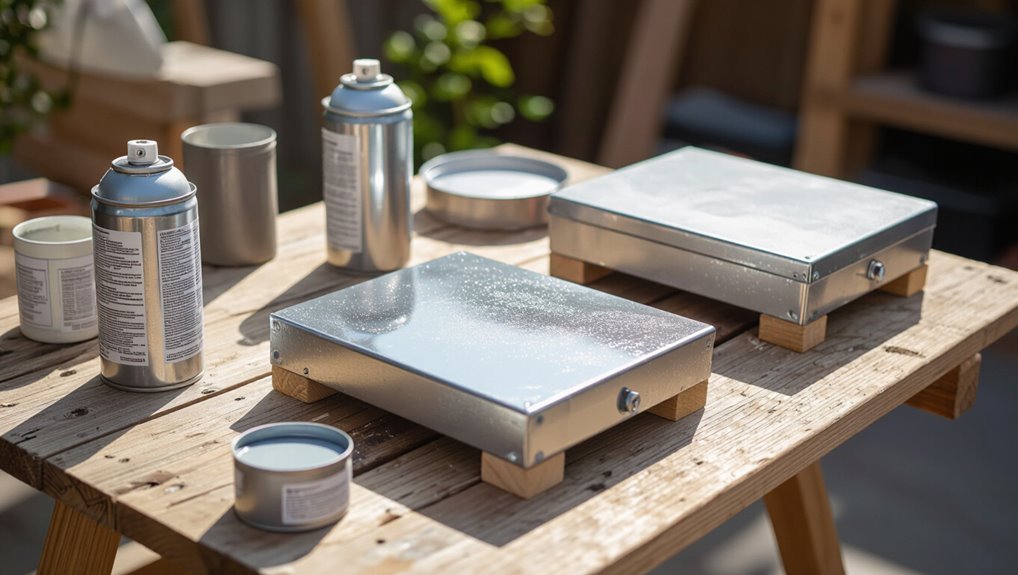
Wondering if you can speed things up by drying spray paint in the sun? You can, but you’ll trade faster drying for risks.
Direct heat may cause sun damage to finish and weaken paint adhesion, causing blistering or cracking.
Instead, work in mild sunlight, keep coats thin, allow flashing between light passes, and move pieces to shaded air to finish curing safely.
How Sunlight Speeds Solvent Evaporation and Curing
When you paint in sunlight, the heat and UV boost solvent evaporation so the coating skins over faster.
That quicker solvent loss also speeds the chemical curing reactions that harden the film.
Keep in mind faster drying can help tack-free times but may increase surface defects if the paint skins before underlying solvent escapes.
Faster Solvent Evaporation
Because sunlight raises surface temperature and increases air movement around the wet film, solvents in spray paint evaporate faster and the coating begins to set sooner.
You’ll notice effects tied to spray paint chemistry and common outdoor conditions. Consider:
- Faster solvent loss — thinner wet layer dries.
- Increased tack reduction — handling sooner.
- Risk of uneven drying — solvent gradients form.
Accelerated Film Curing
How exactly does sunlight speed up both solvent loss and the chemical hardening of a spray paint film? You’ll see sun exposure effects boost temperature and UV-driven reactions, accelerating solvent evaporation and crosslinking in many coatings. Understanding spray paint chemistry shows heat and photons lower activation energy for curing, so films harden faster but may skin, wrinkle, or trap solvents if conditions aren’t controlled.
How Temperature Affects Spray Paint Drying in Sun
If the temperature climbs, your spray paint will dry faster but not always better: heat speeds solvent evaporation and film formation, yet extreme heat can cause skinning, wrinkling, or uneven adhesion.
You should monitor temperature effects on drying time and adjust technique to avoid defects.
- Moderate heat: faster, controlled cure.
- Excessive heat: surface defects.
- Cool temps: slow cure.
How Humidity and Wind Change Outdoor Drying
When you spray outdoors, humidity and wind become the twin controls that speed up or slow down drying and change the finish: high humidity slows solvent evaporation and can leave a tacky, cloudy surface, while a dry breeze pulls solvents away faster but may cause overspray drift, blistering, or uneven film formation.
You’ll monitor humidity effects and wind impact to choose timing, coat thickness, and spray distance.
Which Spray Paint Types Dry Best in Sunlight (Acrylic, Enamel, Lacquer)
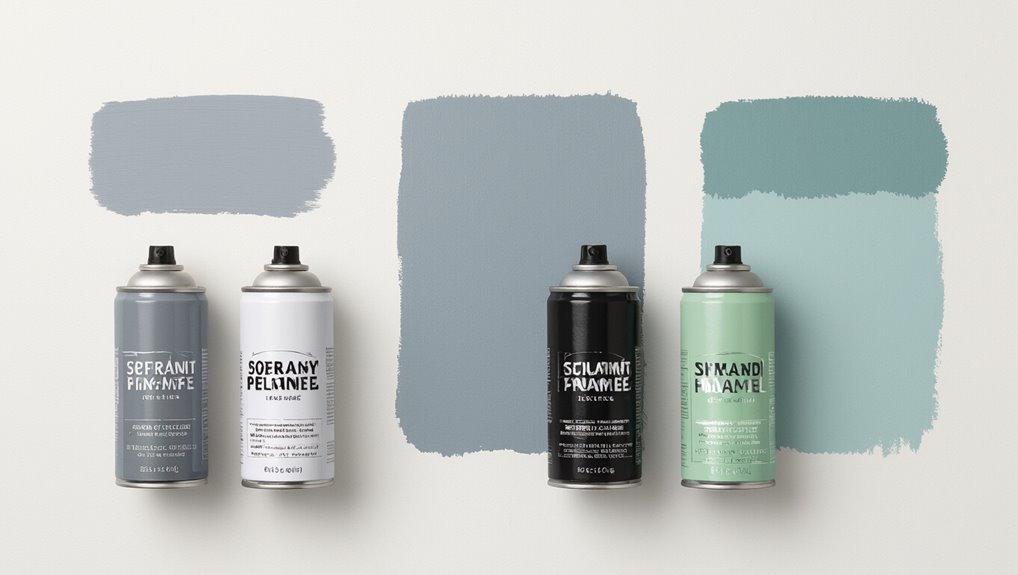
You’ll notice acrylics usually dry fastest in direct sun, while enamels and lacquers take longer but differ in how they cure.
Consider drying speed versus finish durability: acrylics set quick but can be less tough, enamels offer durable coatings, and lacquers give smooth, hard finishes with different weather resistance.
Use that trade-off to pick the type that matches your project and outdoor conditions.
Drying Speed Comparison
1 clear way to judge how spray paints perform in sunlight is to compare their drying mechanisms: acrylics cure by solvent evaporation and UV-assisted crosslinking, enamels rely on slower solvent evaporation and oxidation, and lacquers dry fastest because their volatile solvents evaporate quickly—so in direct sun you’ll typically see lacquer dry first, acrylics follow depending on formulation, and enamels finish last.
- Lacquer: fastest; watch temperature effects.
- Acrylic: mid; benefits from drying techniques and UV.
- Enamel: slowest; sensitive to humidity and heat.
Finish Durability Differences
Having looked at drying speed, let’s consider how those mechanisms affect long-term finish durability in sunlight.
You’ll find acrylics resist UV fade but can chalk, offering moderate finish longevity.
Enamels cure tougher, giving superior surface resilience and abrasion resistance outdoors.
Lacquers dry fastest but soften under heat, reducing longevity on exposed surfaces.
Choose based on exposure, flexibility needs, and maintenance plans.
How Surface Material Affects Spray Paint Sun-Drying

Because different materials absorb heat and solvents differently, the surface you’re painting changes how quickly spray paint dries in the sun.
You’ll notice surface texture affects drying speed and paint adhesion; porous or dark substrates dry faster but may need more coats.
Consider:
- Metal — heats quickly, fast cure.
- Wood — porous, soaks solvent, slower.
- Plastic — may repel paint, uneven adhesion.
Will Sun Fade or Change My Paint’s Color or Shine?
When you leave spray paint in the sun, UV rays can break down pigments and gradually fade the color.
You’ll also notice gloss can dull over time as the surface chemistry changes. Higher heat speeds those chemical reactions, so fading and loss of shine happen faster on hot days.
UV-Induced Color Fading
Sunlight can noticeably change spray-painted finishes over time, and you’ll usually see the effects first as color fading or a loss of gloss.
You should consider pigments’ color stability and add UV protection to slow breakdown. Watch for uneven fading on exposed areas.
- Choose UV-stable pigments
- Apply UV-protective clearcoat
- Recoat periodic maintenance
Gloss Loss Over Time
If your spray-painted surface spends much time outside, expect the finish to gradually lose gloss as UV rays and heat break down the binder and clearcoat.
You’ll notice dulled shine and reduced gloss retention over months to years.
To preserve appearance, choose UV-resistant products, apply a protective clearcoat, and prioritize surface protection with regular cleaning and timely recoats to slow degradation.
Heat-Accelerated Chemical Changes
Because heat speeds up the same chemical reactions UV light does, you’ll see color shifts and loss of shine faster on hot surfaces than on cool ones; binders can oxidize and soften, pigments may break down or migrate, and clearcoats can yellow or craze, all of which change a spray-painted finish’s color and gloss over weeks to years depending on paint type and exposure.
- Heat retention raises surface temperature, reducing chemical stability.
- Pigment breakdown causes fading and color shift.
- Binder oxidation and clearcoat yellowing lower gloss and durability.
How Wet-Coat Thickness Affects Runs, Sags, and Blistering
When you apply a coat that’s too wet, gravity and surface tension work faster than the paint can cure, so runs and sags form while the solvent is still trapped beneath the film and can also cause blistering as it tries to escape.
You should control wet coat thickness and adapt to drying conditions: thin, even passes prevent pooling, reduce solvent entrapment, and minimize run-, sag-, and blister-risk.
When Sun Drying Weakens Finishes and Why
Sunlight speeds surface drying but can undermine the whole finish by forcing solvents to the surface before the film has cured underneath.
You’ll see cracking, blush, and weak adhesion from uneven cure when sun exposure evaporates solvents too fast, compromising finish integrity.
- Surface skinning traps solvents.
- Thermal stress creates microcracks.
- Accelerated UV harms polymer crosslinking.
Surface Prep for Painting in Sun
If you’re planning to paint in direct sun, prep becomes your primary defense against the fast-drying conditions that can ruin a finish. You’ll clean, sand, and degrease to guarantee surface cleanliness and improve paint adhesion. Work methodically; remove dust and oils, and use primer where needed for uniform curing.
| Step | Action |
|---|---|
| 1 | Clean |
| 2 | Sand |
| 3 | Degrease |
| 4 | Prime |
| 5 | Mask |
Best Time of Day to Spray Paint Outdoors
Early morning and late afternoon are your best bets for spray painting outdoors because cooler temperatures and lower sun intensity slow drying, reduce overspray drift, and help coatings level out.
You should work during morning hours or evening hours, avoid midday heat, and monitor humidity for consistent results.
- Plan for morning hours.
- Favor evening hours.
- Check humidity and wind.
Choosing Spray Paints for Sun Drying
Now that you’ve picked the best hours to work, choose paints formulated to handle direct sun and warmer temperatures.
For reliable paint selection, pick high-quality exterior or automotive sprays with UV inhibitors and fast-cure formulas. They’ll help prevent blistering and preserve color retention.
Test a small sample first, follow label temperature ranges, and store cans shaded to maintain consistency and performance.
Spray Technique Adjustments for Sunny Conditions
When you’re spraying in direct sun, adjust your distance and speed so each pass lays down thin, even coats that dry quickly without forming drips or orange peel.
You should make deliberate spray pattern adjustments and tweak nozzle angle to maintain overlap and avoid pooling.
- Maintain consistent sweep speed.
- Increase distance slightly in heat.
- Adjust nozzle angle for even coverage.
Preventing Runs, Sags, and Blistering in Heat
Work in the cooler parts of the day so your paint has time to level before the heat sets in.
Spray thin, even coats to prevent runs and sags rather than trying to cover in one heavy pass.
Use shade and good airflow to control surface temperature and avoid blistering.
Choose Cooler Times
If the sun’s out and temperatures are high, choose a cooler time of day to spray so your paint can flow and dry evenly without runs, sags, or blisters.
Pick times with lower heat and less direct sun to improve finish.
- cooler mornings for gentler curing
- evening painting when surfaces cool
- avoid midday peak temperatures
Thin Even Coats
Mistakes like heavy passes or thick spray build-up are what cause runs, sags, and blistering in hot weather, so keep your coats thin and deliberate.
You should use a steady spray technique, overlap lightly, and hold the can the recommended distance. Thin layers cure evenly under harsh drying conditions, reducing texture flaws.
Let each pass flash off before applying the next.
Shade And Airflow
Because direct sun and stagnant air speed surface drying unevenly, you’ll want to paint in shaded spots with good cross-ventilation to prevent runs, sags, and blistering.
Use shade benefits and airflow importance to guide setup:
- Position project under consistent shade to slow surface cure.
- Create cross-ventilation to carry solvents away.
- Avoid gusts that dry edges faster than centers.
Speed Curing Spray Paint Safely (No Overheating)
When you’re trying to speed-cure spray paint in the sun, balance faster drying with controlled temperatures so the finish doesn’t crack, bubble, or yellow.
Work in early morning or late afternoon to use warm, not scorching, sun drying.
Keep thin coats, allow tack time between layers, rotate the piece for even heat, and follow spray paint safety: ventilate and wear PPE to avoid fumes and burns.
How to Protect Paint While It Cures in Sunlight
As your paint cures in the sun, you’ll want to shade sensitive areas to prevent fading or blistering.
Control exposure by monitoring temperature and moving the piece or using temporary canopies when it gets too hot.
Finally, shield the surface from debris with a light cover or screened enclosure so dust and leaves can’t ruin the finish.
Shade Sensitive Areas
Although sunlight speeds curing, it can also cause uneven drying, so you’ll want to shield sensitive areas until the paint sets.
Use temporary covers to provide shade benefits and UV protection, preventing blistering and color shifts.
- Cardboard or tarps cut to size
- Lightweight pop-up canopies
- Painter’s umbrellas or sun sails
Control Temperature Exposure
If direct sun or high temperatures are going to bake your fresh coats, manage the heat so the paint can cure evenly and without defects.
Move projects into partial shade during peak sun exposure, pause spraying on hot afternoons, and use cooling breaks to avoid runs or blistering.
Good temperature management means checking forecast, timing applications, and keeping surfaces within recommended curing ranges for reliable results.
Shield From Debris
Managing heat is only half the battle; you’ll also need to protect fresh coats from dust, leaves, insects, and windborne grit while they cure in sunlight.
Use simple barriers for debris protection and balanced sun exposure to avoid scorching.
- Tent with breathable fabric to block debris.
- Cardboard shields for angled sun exposure.
- Gentle airflow, no direct gusts.
Troubleshooting Common Sun-Related Defects and Fixes
When paint dries too fast in direct sun, you’ll see problems like blistering, fish eyes, orange peel, or uneven color; knowing the cause helps you pick the right fix quickly.
Check for sun damage and compromised spray paint adhesion. Sand and clean affected areas, apply primer or adhesion promoter, recoat in cooler hours, and use thinner coats.
Monitor curing to prevent repeats.
When to Avoid Sun Drying and Use Shade or Controlled Curing
Because direct sun can wreck fresh spray paint by forcing solvents to flash off too fast, choose shade or controlled curing whenever surface temps exceed about 70–80°F (21–27°C), the humidity is very low, or you’re working on large panels where edges will cure before centers.
Use shade benefits and a controlled environment to reduce cracking, orange peel, and uneven gloss.
- Cool, shaded staging
- Portable curing tents
- Monitor temp/humidity
How Long Before Handling, Sanding, or Recoating in Sun
If the sun’s on the job, give freshly sprayed surfaces extra time before you touch, sand, or recoat — drying in sunlight speeds solvent evaporation and can make paint skin over while still soft underneath.
Check handling times on the can, wait longer in strong sun, and use light pressure with fine-grit pads.
Follow sanding tips: test a small area before full sanding or recoating.
When Painted Items Are Safe for Weather and Wear
You’ll need to distinguish between surface dry time and full cure time, because a paint that feels dry may still soften under sun or rain.
Before trusting an item to weather and wear, test a small section outdoors for several days to check for tackiness, adhesion, and color change.
If it passes those tests and reaches the manufacturer’s cure window, it’s likely ready for regular use.
Cure Time vs. Exposure
When planning outdoor use, remember that “dry to the touch” doesn’t mean the paint can handle rain, abrasion, or heavy use—full cure can take days to weeks depending on paint type, temperature, and humidity.
You should consider cure mechanisms and drying challenges to decide when exposure is safe.
- Wait manufacturer cure time.
- Avoid moisture, dirt, heavy use.
- Gradual stress testing before full exposure.
Testing Durability Outdoors
Although it’s tempting to judge readiness by touch alone, you should verify outdoor durability with simple, staged tests before trusting a painted item to weather and wear. You’ll simulate outdoor conditions: water spray, sun exposure, and light abrasion to check paint adhesion and flexibility. Record results, wait full cure, and repeat if you spot lifting or color change.
| Test | Purpose |
|---|---|
| Water spray | Seal check |
| Sun exposure | UV resistance |
Pro Tips for Large Outdoor Projects in Direct Sun
If the sun’s beating down on a huge surface, plan your workflow so you spray the least-exposed sections first and work with the light, not against it.
You’ll use efficient spray paint techniques and outdoor project strategies to avoid runs, flashing, and overheating.
Prioritize shade rotations, thin coats, and cooling breaks.
- Time shifts
- Thin passes
- Ventilated rests
How to Test Sun-Drying on a Sample Piece Before Committing
Curious how your paint will behave under full sun? Use a small sample piece to trial your colors, surface, and timing.
Clean, prime, and spray as you plan to. Record ambient temperature, sun exposure, and wait intervals.
Inspect for blistering, tackiness, or uneven cure. Repeat if needed.
This simple test method prevents costly mistakes on the final project.
Frequently Asked Questions
Can Spray Paint Cure Faster Under UV Lamps Instead of Sunlight?
Yes — you’ll usually get faster, controlled curing with UV lamp efficiency because spray paint chemistry that’s UV-reactive crosslinks quicker; however, only paints formulated for UV curing benefit, and proper intensity and timing are essential.
Will Sunlight Increase Toxic Fumes From Spray Paint?
Right off the bat, don’t bet the farm—sunlight won’t greatly increase toxic fume exposure, but it can speed evaporation, so you’ll still need spray paint safety: ventilate, wear a respirator, and avoid prolonged breathing of fumes.
Can Sun Drying Cause Microcracks Invisible to the Eye?
Yes — sun drying can cause microcrack formation you can’t see. You’ll accelerate temperature effects that shrink or craze the paint film, creating invisible stress fractures over time if drying’s too rapid or uneven.
Does Paint Applied in Sun Need Different Storage Afterward?
Yes — you should. Like tucking a sunbaked blanket away, you’ll use different storage techniques: cool, shaded, upright cans with tight seals and stable temperatures to preserve paint longevity and prevent pressure or quality loss.
Can Sunlight Affect Adhesion to Previously Painted Surfaces?
Yes — sunlight can worsen adhesion issues: if surface temperature’s too high, paint may skin over before bonding, causing poor adhesion to previously painted surfaces. You should cool, clean, and prime when temperatures are moderate.
Conclusion
Yes — spray paint can dry in the sun, and it often dries faster: studies show solvent evaporation can speed up by 30% or more with higher temps. Still, avoid extreme heat, direct glare, or dusty windy conditions that cause bubbling, skinning, or poor curing. For best results, spray in moderate sunlight, follow manufacturer recoat windows, and test a sample. Let pieces fully cure before heavy use to prevent tacky finishes and premature wear.
