
What Finish for Trim Paint: Choosing the Right Sheen for Durability
You should pick a satin or semi-gloss trim paint for the best balance of durability, scuff resistance, and easy cleaning. Use semi-gloss on high-traffic doors, window sills, and trim that needs frequent wiping; choose satin for living areas where you want a softer, forgiving look that still cleans well. Avoid flat, matte, and eggshell on busy trim since they show wear and stain. Keep going to see style, cost, and maintenance tips.
Quick Guide: How to Choose Trim Paint Sheen
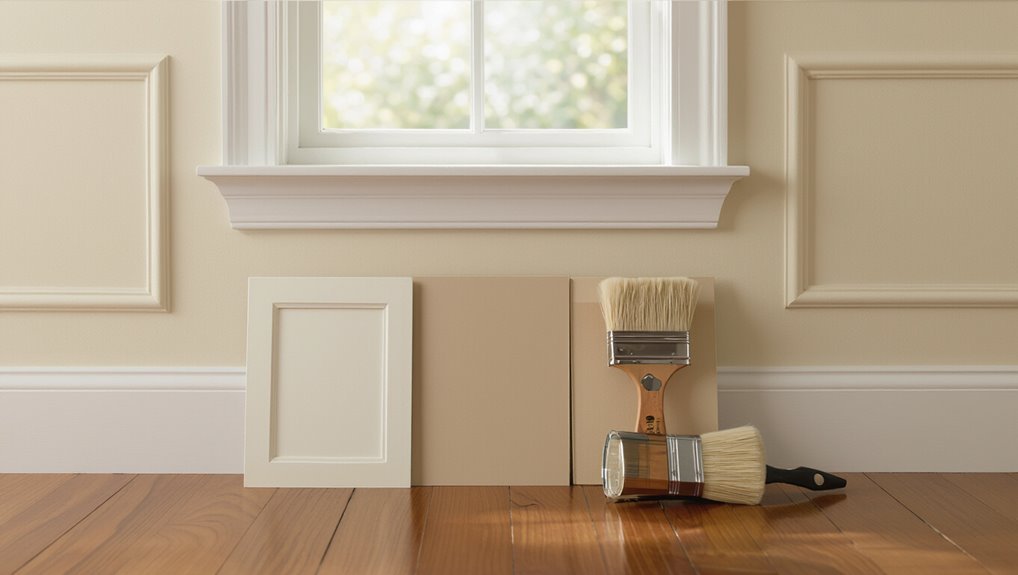
Choosing the right trim paint sheen can make your molding pop and hide—or highlight—imperfections, so think about durability, maintenance, and the look you want.
You’ll pick gloss for durability and easy cleaning, satin for subtle reflection, or eggshell for a softer look.
Consider color psychology and sheen trends to match mood and era.
Test samples under real light before deciding.
Why Sheen Matters for Trim Durability and Upkeep
Beyond style and finish, sheen plays a big role in how your trim stands up to daily life.
You’ll notice sheen impact in durability, as higher sheens resist wear and reflect light differently. Choose a sheen that balances longevity with appearance, and follow simple maintenance tips—regular dusting, gentle cleaning, and prompt touch-ups—to keep trim looking sharp without frequent repainting.
How Sheen Affects Scuff Resistance and Cleanability
While sheen doesn’t change the color, it has a big impact on how trim handles everyday wear: higher-sheen paints form tougher, smoother surfaces that resist scuffs and wipe clean without leaving marks, while flatter sheens hide imperfections but soak up oils and are harder to clean.
You’ll weigh scuff resistance, cleanability factors and sheen impact to boost finish longevity and maintenance ease.
When to Avoid Low Sheens on Trim (Flat, Matte, Eggshell)
You should avoid low sheens on trim that gets a lot of contact, because flat, matte, and eggshell show visible wear and scuffs quickly.
Those finishes also don’t stand up well to moisture or stains, so they’re poor choices near sinks, bathrooms, or entryways.
In high-traffic areas where you need easy cleaning and durability, choose a tougher sheen instead.
Visible Wear And Scuffs
If your trim gets bumped, touched, or cleaned frequently, low sheens like flat, matte, and eggshell will show scuffs and wear far more readily than glossier options.
You’ll notice visible wear along edges and high-contact areas. If you want better scuff resistance and easier touch-ups, choose a higher-sheen trim paint—it’s more forgiving and keeps trims looking cleaner with less maintenance.
Moisture And Stain Prone
When trim sits in damp areas or near kitchens and bathrooms, low-sheen finishes like flat, matte, and eggshell won’t hold up well to moisture and stains; they absorb water and show marks more easily, so you’ll need frequent cleaning or repainting.
Choose higher-sheen options when you want better moisture resistance and stain prevention, since they’re easier to wipe and resist discoloration over time.
High-Traffic Contact Areas
High-traffic contact areas—stair rails, hallway trim, doors, and kids’ playroom moldings—take a beating from hands, backpacks, and daily scuffs, so flat, matte, and eggshell finishes won’t hold up well; they show marks and wear quickly and resist cleaning.
In high traffic zones you should choose satin or semi-gloss for easier trim maintenance, faster wipe-downs, and longer-lasting appearance.
Satin vs. Semi-Gloss: Durability vs. Look
Though both satin and semi-gloss can stand up to daily wear, you’ll notice clear differences in durability and appearance: satin offers a softer, more forgiving sheen that hides imperfections, while semi-gloss provides tougher, more washable protection with a shinier, more defined look.
You’ll weigh satin advantages like subtlety and easier touch-ups against semi-gloss drawbacks such as showing flaws and higher reflectivity.
When High Gloss Is Worth the Shine
If you want the most durable, washable finish and don’t mind a bold sheen, high gloss will deliver both performance and visual impact.
You’ll appreciate cleaning ease and light reflection, but weigh durability factors and finish options in any sheen comparison to maintain design cohesion.
- Pride in every polished edge
- Joy at streak-free surfaces
- Confidence in lasting trim
- Delight in crisp lines
- Satisfaction with bold aesthetic appeal
How Substrate Changes Sheen Choice (Wood, MDF, PVC)
When you pick a sheen, think about how the substrate shows itself: wood’s grain can peek through higher sheens while MDF’s smoothness hides texture.
A satin or semi-gloss can highlight wood grain and surface imperfections, so you’ll want a smoother prep on rougher pieces.
PVC stays uniformly smooth, so you can choose higher sheens without emphasizing flaws.
Wood Grain Visibility
Different substrates show paint differently, so pick a sheen that suits the material: You’ll balance wood grain enhancement against trim paint compatibility to highlight or hide texture.
Choose gloss for durability and contrast, satin for subtle depth, or semi-gloss for a middle ground.
- Feel warmth
- Preserve character
- Control shimmer
- Match style
- Reduce distraction
Smoothness Of Surface
Surface smoothness changes how sheen reads, so consider the substrate before you pick trim paint.
If you’re painting wood, its grain and trim texture may show more with higher sheen, so choose satin or semi-gloss for balance.
MDF and PVC give a smooth surface that reflects light evenly, letting you use higher gloss for durability without highlighting imperfections.
Best Sheens for Hallways and High-Traffic Areas
High-traffic areas like hallways demand a trim sheen that stands up to scuffs and frequent cleaning, so you’ll typically choose between semi-gloss and satin for their durability and washability.
Consider hallway lighting and traffic patterns to decide shine level; brighter light shows flaws.
Pick what endures and soothes.
- Pride
- Relief
- Confidence
- Comfort
- Calm
Best Sheens for Kitchens and Kids’ Spaces
For kitchens and kids’ spaces, you’ll want a sheen that wipes clean easily and stands up to scuffs and bumps.
Choose finishes with good impact resistance so trim stays looking sharp through daily wear.
Also consider low-toxicity or low-VOC options to keep air quality safe for everyone.
Easy-To-Clean Sheens
When you need trim that stands up to spills, fingerprints, and frequent scrubbing, go with a higher-sheen option like semi-gloss or satin—these finishes have smoother, tougher surfaces that wipe clean without damaging the paint.
You’ll enjoy easy application and a long lasting finish.
- Relief when messes vanish
- Confidence in busy rooms
- Pride in neat edges
- Comfort for kids’ play
- Simpler upkeep
Scuff And Impact Resistance
If you want trim that not only wipes clean but also resists knocks and scuffs in busy kitchens or kids’ rooms, choose a tougher sheen like semi-gloss or gloss—they stand up to impacts and take repeated cleaning without dulling.
You’ll get excellent scuff resistance and reliable impact resistance, so scratches and dents stay minimal and touch-ups are easier, keeping trim looking crisp.
Low-Toxicity Finishes
Because you and your family spend so much time in kitchens and kids’ rooms, choosing low-toxicity trim finishes matters as much as choosing the right sheen; pick water-based, low-VOC or zero-VOC semi-gloss or satin options to keep surfaces durable yet safer for indoor air.
You’ll want eco friendly options and odor free finishes.
Consider feelings:
- Relief and safety
- Calm, clean spaces
- Trust in products
- Pride in healthy choices
- Comfort for little ones
Softer Sheens for Low-Traffic and Decorative Rooms
For rooms that see little wear—like formal dining areas, powder rooms, or guest bedrooms—softer sheens such as eggshell, satin, or even a low-luster matte give you a refined look without shouting for attention.
You’ll enjoy soft sheens that hide minor imperfections and let decorative accents stand out. They’re easy to touch up, cozy-looking, and suited to low-traffic trim needs.
Choosing Sheen for Bathrooms and Laundry Rooms
When you’re picking trim sheen for bathrooms and laundry rooms, prioritize moisture resistance and cleanability—these spaces get humidity, splashes, and frequent cleaning, so a higher-sheen finish like satin or semi-gloss typically performs best.
You’ll resist bathroom humidity and laundry room wear while keeping trim washable and fresh.
- Relief
- Confidence
- Pride
- Calm
- Satisfaction
How Lighting and Color Change Sheen Appearance
Pay attention to how light direction affects what you see on trim—side lighting will highlight texture while direct light emphasizes gloss.
The paint color itself shifts reflectance, so darker hues can mute sheen while lighter ones make it pop.
As a result, your perception of sheen will change with both lighting and color, so test samples in the actual room before committing.
Light Direction Effects
Although sheen stays the same on your paint, the way light hits it can make that finish read very differently—direct, angled, or diffused lighting will emphasize or soften gloss, highlight texture, and alter perceived color depth.
You’ll notice light intensity effects and shadow play shifting mood. Choose direction to control glare, warmth, and contrast.
- Intense glare: startling
- Side light: dramatic
- Soft wash: calming
- Backlight: ethereal
- Spot: focused
Color Reflectance Shift
If you change the room’s lighting or pick a different pigment, you’ll see the same sheen behave like a new finish: darker, saturated colors tend to hide sheen and soften reflection, while pale or bright hues amplify gloss and highlight surface imperfections.
You’ll notice color perception shifts alter sheen variation; choose pigments and lighting deliberately so trim reflects the level of gloss and texture you want.
Sheen Perception Changes
When you change the light or the paint color, the same trim sheen can look completely different: direct, bright light will make gloss pop and reveal every edge and brushstroke, while diffused or warm lighting softens reflections and can make semi-gloss read closer to satin.
You’ll notice sheen perception shifts and dramatic visual impact.
Feelings vary:
- surprise
- pride
- unease
- delight
- calm
Primer, Undercoat, and Why They Matter for Sheen
Because primers and undercoats create the foundation for your finish, they directly affect how paint sheen looks and performs; a good primer evens out porosity, hides stains, and promotes adhesion so the topcoat lays down smoothly and reflects light consistently. You’ll see primer benefits and undercoat importance: consistent gloss, fewer touch-ups, improved durability.
| Smoothness | Reflection |
|---|---|
| Even base | True sheen |
| Stain block | Better adhesion |
Surface Prep and Sanding Steps for Lasting Adhesion
Before you paint trim, make sure you clean and degrease the surface so oils and grime won’t prevent adhesion.
Next, sand any glossy areas and feather edges where old paint meets bare wood to create a smooth, consistent profile.
Proper prep like this helps your chosen sheen lay down evenly and last longer.
Clean And Degrease
Start by removing dirt, oils, and old residues so paint can grip the trim properly.
Use proper cleaning techniques as part of surface preparation to guarantee lasting adhesion.
You’ll feel relief knowing you prepped well.
- Satisfaction from a spotless start
- Confidence in adhesion
- Pride in careful work
- Calm before painting
- Joy at professional results
Sanding And Feathering
Sand the trim with a fine-grit paper to knock down glossy finishes and smooth minor imperfections so new paint bonds evenly.
Use controlled sanding techniques, working with the grain and keeping pressure light.
Repair chips, then feathering edges into surrounding surfaces to hide shifts.
Wipe dust, primer where needed, and sand lightly between coats so finish adheres and looks seamless.
Best Application Methods for Each Sheen (Brush, Roller, Spray)
1 key decision when painting trim is choosing the right application method—brush, roller, or spray—because each sheen reacts differently to how paint is applied and finished.
You’ll weigh Brush Techniques, Roller Applications, Spray Methods, Sheen Comparisons, Trim Finishes, Application Tips, Surface Considerations, and Finish Selection to get crisp results.
- Pride in smooth edges
- Relief from drips
- Joy in fast coverage
- Confidence in durability
- Satisfaction with sheen
Cleaning and Maintenance by Sheen Level
After you’ve chosen the right application method and achieved a flawless trim finish, you’ll need to care for that sheen differently depending on its level.
For a sheen comparison, follow maintenance tips tailored to surface types: high gloss resists scuffs, so use gentle cleaning methods; satin masks imperfections and balances aesthetic choices; flat needs delicate care.
Consider durability factors, application techniques, and finish recommendations when cleaning.
Easy Touch-Ups and Repaint Strategies per Sheen
When you need a quick fix or a full repaint, match your touch-up method to the sheen: high-gloss hides seam lines less easily so spot repairs require careful feathering and exact color/finish matching. Satin lets you blend small areas with minimal edge contrast, and flat demands the most delicate application to avoid noticeable touch marks.
- You’ll learn simple touch up techniques.
- You’ll dread repaint frequency less.
- Repairs can feel satisfying.
- Matching sheen restores pride.
- Small fixes save money.
How to Test Sheen at Home Before Committing
If you’re unsure which sheen will suit your trim, do a few quick tests at home before committing so you don’t end up repainting.
Tape sheen samples and paint swatches to the actual trim, perform surface testing on primed and painted areas, and note sheen comparison under different lighting effects.
Check texture impact and finish durability, then decide based on your practical sheen preferences.
Matching Sheen Across Trim, Doors, and Windows
Decide on a consistent sheen strategy so your trim, doors, and windows read as a cohesive whole.
You’ll want to coordinate room-wide finish levels while still making surface-specific sheen choices for durability and appearance.
Think about where high-traffic or textured surfaces need tougher sheens and where softer sheens suit architectural details.
Consistent Sheen Strategy
Although you can mix sheens for contrast, keeping the same sheen on trim, doors, and window casings creates a cohesive, finished look and makes maintenance simpler—matching sheens hides subtle differences in wood or primer and guarantees light reflects uniformly across adjacent surfaces.
You’ll enjoy consistent sheen benefits and follow simple sheen maintenance tips.
- Pride in a polished room
- Calm visual flow
- Ease of cleaning
- Faster touch-ups
- Lasting uniformity
Coordinate Room-Wide Finish
When you match the sheen on trim, doors, and windows throughout a room, everything looks intentionally finished and the light behaves predictably, making surfaces easier to clean and touch up. You’ll achieve cohesive design and aesthetic harmony by prioritizing trim compatibility and color coordination while managing sheen variety for visual balance.
| Element | Sheen | Benefit |
|---|---|---|
| Trim | Semi-gloss | Durable |
| Doors | Semi-gloss | Consistent |
| Windows | Semi-gloss | Unified |
Surface-Specific Sheen Choices
Keeping the same sheen on trim, doors, and windows makes each surface read as part of a single, intentional scheme and simplifies cleaning and touch-ups.
You’ll consider surface preparation and a sheen comparison to balance durability and mood. Choose consistent gloss level; prime where needed.
- Pride in crisp lines
- Ease of upkeep
- Cohesive style
- Confident durability
- Subtle elegance
Trim Sheen Picks for Modern, Traditional, and Farmhouse Styles
Style matters on trim because the right sheen can either sharpen or soften a room’s character.
You’ll pick modern trim with a glossier sheen selection for crisp lines and color matching, choose subtle satin for traditional trim to keep aesthetic balance and style harmony, and prefer low-luster finishes on farmhouse trim to enhance texture contrast.
Prioritize finish durability and design cohesion across spaces.
Cost vs. Longevity: Choosing Trim Sheens on a Budget
Although glossier sheens tend to cost a bit more up front, you’ll often save money over time because they resist scuffs, clean easily, and need fewer touch-ups than flatter finishes—so balance your initial budget against expected wear and how long you want the trim to last.
- You’re proud of durable trim.
- You worry about cleaning.
- You face budget constraints.
- You favor certain sheen preferences.
- You want lasting value.
Decision Checklist: Pick the Right Trim Sheen for Your Home
Now that you’ve weighed cost versus longevity, use a compact checklist to pick the right trim sheen for your home. Balance color trends, personal preferences, texture options, and maintenance tips. Consider finish comparisons, sheen myths, environmental impact, and product recommendations before deciding.
| Factor | Action |
|---|---|
| Look | color trends |
| Feel | texture options |
| Care | maintenance tips |
| Compare | finish comparisons |
| Impact | environmental impact |
Frequently Asked Questions
Can Sheen Affect VOC Levels and Indoor Air Quality?
Yes — sheen types don’t change intrinsic VOC content, but higher-sheen paints often contain different formulations that can affect off-gassing; you’ll want to check VOC regulations and product labels to manage indoor air quality accordingly.
Do Certain Sheens Hide Brush Strokes Better Than Others?
Yes — you’ll notice brush stroke visibility varies: in sheen comparison, higher sheens like semi-gloss reflect light and highlight strokes, while satin or eggshell hide imperfections better, so you’ll often prefer lower sheen for smoother appearance.
Can Trim Sheen Influence Perceived Room Size?
Studies show 67% of decorators say sheen alters perception, and yes, you can use trim contrast to boost visual depth; lighter, glossier trim reflects light, making rooms feel larger while darker, matte trim creates coziness and depth.
Will Humidity Alter How a Sheen Cures Over Time?
Yes — humidity effects will alter how a sheen cures over time; you’ll see slower drying, potential blushing, and reduced sheen durability, so you’ll want proper ventilation and humidity control to guarantee consistent finish performance.
Do Colored Primers Change Final Sheen Appearance?
You’re right to ask: colored primers affect final sheen—colored primer effects can subtly alter reflectivity, so for accurate sheen comparison you’ll test samples; remember, “measure twice, cut once,” and trust what you see.
Conclusion
Pick satin or semi‑gloss for trim and you’ll get the cleanability you need—studies show glossy finishes resist scuffs 30% better than flat ones—so your baseboards and doors stay nicer longer with less touch‑up. Avoid flat, eggshell, or matte on high‑traffic trim, match sheen across connected elements for cohesion, and balance cost vs. longevity by using higher sheen where wear’s worst. Use the checklist to confirm durability, look, and budget before you paint.
