Does Paint Usually Dry Lighter or Darker

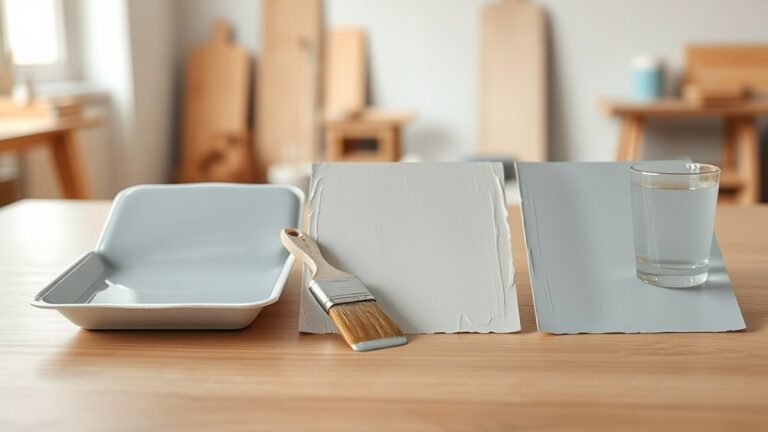
Most paints dry slightly darker than they appear wet—discover why pigments, sheen, and technique change tone and how to predict the final result.

 BySK Megan
Most paints dry slightly darker than they appear wet—discover why pigments, sheen, and technique change tone and how to predict the final result.
 BySK Megan
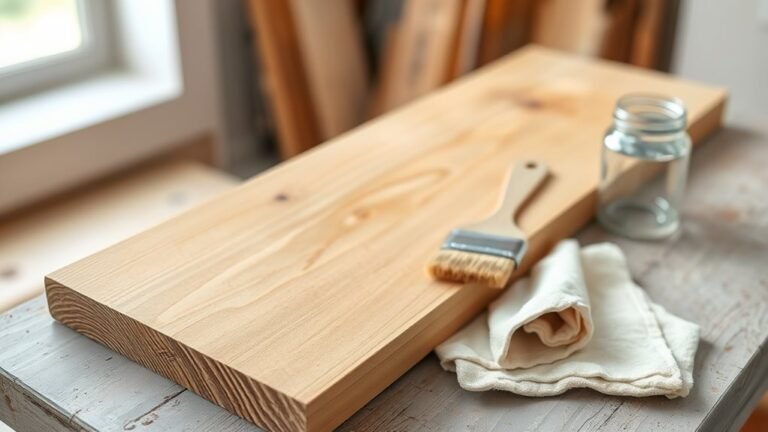
Find out why painting damp wood ruins finishes and how to ensure proper dryness before painting—learn quick tests and fixes to avoid costly rework.
 BySK Megan
Noticing your paint shift as it dries? Discover why films, sheen, and lighting change tones—and how to predict the final color.
 BySK Megan
Get pro tips to quickly clean, patch, sand, and prime rough walls—discover the simple trick that makes them paint-ready in a weekend.
 BySK Megan
Gasp as wet paint’s darker, glossier mystery fades—discover why drying lightens color and which factors determine the final shade.
 BySK Megan
When you want stairway-safe painting techniques, discover ladder-free tools, prep tips, and drip control to finish efficiently and safely.
 BySK Megan
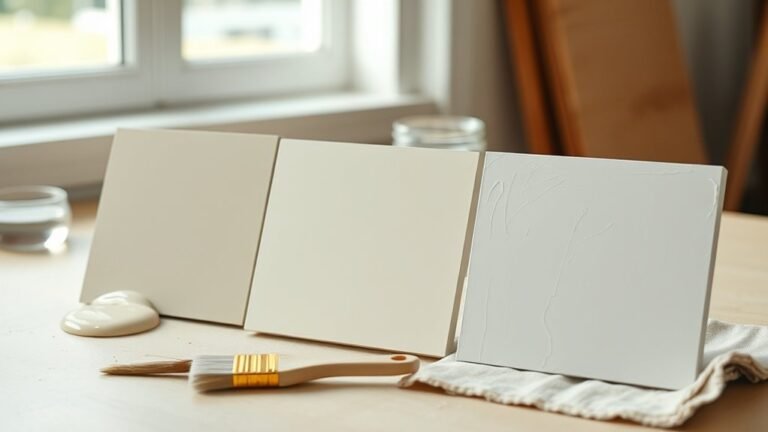
Musing on why paint often appears lighter as it dries—discover the science, variables, and fixes that could change your next paint job.
 BySK Megan
Choosing between oil and latex? Discover which finish wins for durability, drying time, and ease—learn when each truly shines.
 BySK Megan
Braving cold paint? Discover why low temperatures slow drying, cause tackiness, and what practical fixes you can use to avoid ruined finishes.