
How Do I Clean Oil Paint Brushes: Proper Cleaning Methods Step by Step
Clean your oil brushes right after use: wipe excess paint with a rag, then gently swirl bristles in an appropriate solvent (mineral spirits, turpentine, or odorless solvent) to loosen paint, tapping the jar rim to remove drips. Work toward the ferrule, not into it, then lather with brush soap or mild dish soap, rinse and reshape the tip. Dry flat or hang bristles down. Follow safety, dispose of waste properly, and keep going to learn step‑by‑step tricks.
Why This How-To Works for Cleaning Oil Brushes
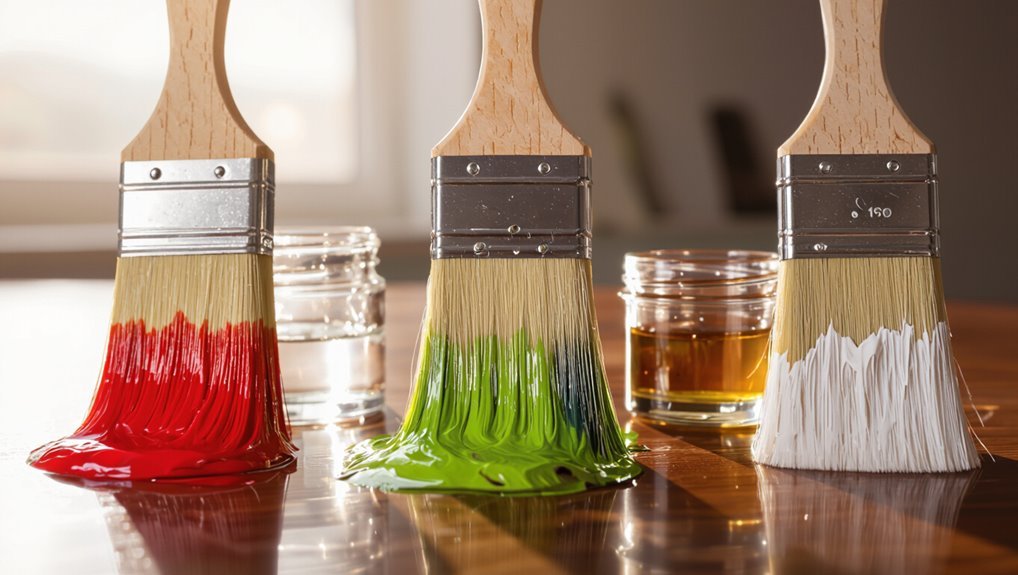
Understanding why this method works helps you clean brushes more effectively and preserve their shape and life.
You’ll follow proven cleaning techniques that dissolve oil without harshly stripping bristles, so brush maintenance stays simple and effective.
You’ll rinse, condition, and reshape each brush promptly, preventing buildup and splaying.
Rinse, condition, and reshape brushes immediately to prevent buildup and keep bristles from splaying.
Consistent, careful steps extend brush life and maintain performance for future painting.
One-Sentence: Clean Oil Brushes Fast
Now that you know why the steps work, here’s a single quick method to clean oil brushes fast: dip the brush in solvent, swirl and press gently on a rag, repeat with fresh solvent until mostly clean.
Then use mild soap and warm water, rinse thoroughly, reshape bristles, and let dry flat or hanging; these quick brush techniques guarantee efficient paint removal and restore bristle shape.
Why Prompt Cleaning Preserves Brush Life
Because paint starts to harden as soon as it dries, cleaning your oil brushes promptly prevents bristles from clumping, stiffening, and eventually splaying beyond repair.
You’ll extend brush longevity by removing oil before it polymerizes, maintaining shape and flexibility.
Use effective cleaning techniques—wipe, solvent baths, gentle combing—and dry and reshape bristles immediately to avoid permanent damage and preserve performance.
Safety First: Ventilation and PPE
Safety comes first when you clean oil brushes: work in a well-ventilated area and wear appropriate PPE to avoid inhaling solvent fumes and to protect your skin and eyes.
Position fans or open windows as ventilation methods, and use a respirator if needed.
PPE essentials include nitrile gloves, safety goggles, and an apron.
Check labels and avoid confined spaces.
Solvent Basics: Mineral Spirits, Turpentine, OMS
Now you’ll compare common solvents—mineral spirits, turpentine, and odorless mineral spirits (OMS)—so you can pick the best one for your brushes.
Pay attention to cleaning power, odor, and toxicity because they affect both performance and safety.
I’ll also cover proper disposal so you don’t harm yourself or the environment.
Solvent Comparisons
When you’re choosing a solvent for cleaning oil paint brushes, you’ll weigh trade-offs between effectiveness, odor, drying speed, and toxicity—mineral spirits clean reliably with moderate odor, turpentine cuts grease quickly but smells strong, and odorless mineral spirits (OMS) offer lower smell and similar cleaning power with fewer health concerns.
You’ll compare solvent effectiveness, solvent evaporation rates, cost, and compatibility with paint type to decide.
Safety And Disposal
Because solvents can harm your health and the environment if you handle them carelessly, you should treat mineral spirits, turpentine, and OMS with respect: follow safety guidelines, ventilate, wear gloves, and avoid open flames. Manage rags and liquids per local waste management rules; never pour down drains.
| Item | Action |
|---|---|
| Ventilation | Open windows |
| PPE | Gloves, mask |
| Rags | Store sealed |
| Disposal | Hazard facility |
Safer Solvent Options and Low‑Toxicity Swaps
You can switch to low‑toxicity solvents like citrus-based cleaners, soy solvents, or odorless mineral spirits to cut fumes and health risks.
Use dedicated containers to let used solvent settle, strain usable liquid, and store the rest for hazardous-waste collection or recycling programs.
Never pour solvents down the drain or into the ground—follow local disposal rules to protect yourself and the environment.
Low‑Toxicity Solvent Alternatives
Although strong solvents often do the job fast, you don’t have to reach for toxic options to clean oil brushes effectively.
Consider low toxicity options and eco friendly practices to protect yourself and the studio.
- Vegetable oil pre-wash
- Citrus-based cleaners
- Low-odor mineral spirits (reclaimed)
- Commercial biodegradable brush cleaners
Safe Disposal And Recycling
When you finish cleaning, don’t pour solvents or oily rinse water down the drain—proper disposal and recycling prevent pollution and keep your studio safe.
Check local recycling options for solvent waste and used rags, follow municipal disposal guidelines, and store residues in sealed containers labeled with contents.
Choose low‑toxicity swaps to minimize hazardous waste and reduce disposal frequency for safer, cleaner practice.
What Solvents to Never Use and Why
Because some common household liquids can wreck brushes or harm your health, you should never reach for just any solvent to clean oil paint brushes.
Avoid these toxic solvents and choose safe alternatives instead:
- Turpentine — causes skin/respiratory irritation.
- Paint thinner — volatile, flammable.
- Methylated spirits — dries bristles out.
- Acetone — dissolves glue, damages ferrules.
Essential Cleaning Tools and Supplies
Before you start cleaning, gather the right supplies: a safe solvent (like odorless mineral spirits or citrus-based cleaner), a sturdy brush comb and spare brushes, plus protective gloves and absorbent rags.
You’ll use the solvent to remove paint, the comb to untangle and reshape bristles, and gloves/rags to protect your hands and workspace.
Having these basics on hand will make the process faster and keep your brushes in good shape.
Essential Cleaning Solvents
You’ll need a few key solvents to clean oil paint brushes effectively and safely.
Choose solvent types that match your cleaning techniques and safety needs. Use:
- Mineral spirits — general cleanup.
- Turpentine — strong, traditional option.
- Citrus-based solvent — gentler, low odor.
- Brush cleaner/polish — for deep residue removal.
Always ventilate and wear gloves.
Brushes And Brush Comb
Now that you’ve picked solvents and safety gear, gather the physical tools that actually touch the paint: a selection of brushes and a good brush comb.
Choose varied brush types—flats, rounds, filberts—for different tasks. Use the comb to remove dried paint and realign bristles.
Regular brush maintenance prolongs life: clean immediately after use, reshape tips, and store brushes upright to prevent damage.
Protective Gloves And Rags
One pair of sturdy, chemical-resistant gloves and a stack of absorbent rags are the basics you’ll rely on every time you clean oil paints.
Use protective gloves to avoid solvents and skin contact; keep cleaning rags for wiping brushes and spills.
Follow this simple checklist:
- Gloves fit snugly
- Rags are lint-free
- Disposal bag ready
- Ventilate workspace
Setting Up a Safe, Efficient Cleaning Station
Start by choosing a well-ventilated area and laying out easy-to-clean surfaces so you can work safely and quickly.
Set up a sturdy table with a tray to catch spills, arrange solvent containers, brush holders, and a waste bin.
Set a sturdy table with a spill tray, organize solvents, brush holders, and a dedicated waste bin.
Label bottles, keep rags sealed, and maintain clear workspace organization.
This layout supports efficient cleaning techniques and reduces hazards.
Removing Excess Paint: Wipe and Scrape Method
Before you reach for solvents, wipe off as much paint as you can on a rag or paper towel.
Then use a palette knife or the back of a brush comb to gently scrape remaining paint from the bristles, working from ferrule to tip.
Be careful not to splay the hairs as you clean.
Wipe Off Excess Paint
Grab a rag or paper towel and gently wipe the bristles to remove as much wet paint as you can; press the brush against the cloth and pull along the length of the hairs so paint is lifted away instead of pushed deeper.
- Remove bulk for faster paint removal.
- Use clean sections of cloth.
- Don’t twist or force bristles.
- Repeat until mostly clean for proper brush maintenance.
Scrape Bristles Gently
Once you’ve wiped away the bulk of the paint, gently scraping the bristles will lift remaining pigment that the cloth couldn’t reach. You’ll hold the ferrule, use a palette knife edge, and perform short, careful strokes to protect bristle care. Rinse and repeat until mostly clean, then move to solvent for deep cleaning.
| Tool | Purpose |
|---|---|
| Palette knife | Gentle scraping |
| Cloth | Wipe excess |
| Fingers | Final shape |
Initial Solvent Rinse: Step-by-Step
Start by working the brush gently in a jar of solvent to loosen paint from the bristles: swirl and press the ferrule end against the jar wall, then lift and repeat until most pigment suspends in the liquid.
Maintain solvent effectiveness and quick brush cleaning with these steps:
- Tap excess solvent on jar rim.
- Wipe bristles on rag.
- Inspect for remaining paint.
- Repeat if needed.
When and How to Use Multiple Solvent Baths
A second or third solvent bath is worth it whenever the first jar still shows visible pigment or the brush feels gummy; you’ll extend brush life and get a truer clean by moving to progressively fresher solvent rather than repeatedly scrubbing in the same dirty liquid.
Use sequential baths—from dirty to clean—testing solvent effectiveness by clarity. Rinse until no pigment emerges, then condition bristles to guarantee brush longevity.
Using Odorless Mineral Spirits Correctly
Choose an odorless mineral spirit rated for brushes and low in contaminants so it cleans effectively without harming bristles.
Wear gloves, keep a fan or open window on, and avoid breathing fumes while you work.
Rinse brushes thoroughly in fresh solvent, then dispose of used solvent and oily rags according to local hazardous-waste rules.
Choose The Right Solvent
1 key decision when cleaning oil paint brushes is picking the right solvent—odorless mineral spirits (OMS) are a safe, effective choice when used properly.
You’ll weigh solvent types and odorless options, balancing solvent effectiveness with eco friendly alternatives.
Follow concise cleaning techniques for brush maintenance and paint adhesion.
Numeric steps:
- Pour OMS
- Swirl
- Comb
- Rinse
Protect Skin And Ventilate
Because OMS can still irritate skin and release fumes, you should protect your hands and work in a well-ventilated area whenever you clean brushes.
Wear nitrile gloves for skin protection, avoid touching your face, and keep sleeves covered.
Open windows, run a fan, or work near an exhaust to disperse vapors.
Follow ventilation tips and take breaks outdoors if you feel lightheaded.
Rinse And Dispose Safely
Rinse brushes in a small, sealed container of odorless mineral spirits (OMS), swishing until most paint lifts.
Then let solids settle before pouring clear solvent into a separate, labeled jar for reuse.
- Wear gloves and ventilate for safe rinsing.
- Strain sludge into a sealed waste can.
- Follow local disposal methods for sludge and used rags.
- Never pour OMS down drains.
Soap Stage: Brush Soap, Dish Soap, Saddle Soap
Now that you’ve loosened most of the paint, move into the soap stage to break down remaining oils and condition the bristles: choose brush soap for deep cleaning and conditioning, dish soap for grease-cutting, or saddle soap for leather care if your handle needs it.
Prioritize brush maintenance and test soap effectiveness on a single brush.
Rinse thoroughly and reshape bristles before drying flat.
How to Lather and Rinse Without Harming the Ferrule
When you lather, work from the bristle tips toward the ferrule with gentle, short strokes so suds carry loosened paint away instead of forcing it into the metal band; keep the soap and soapy water below the ferrule, avoid twisting or splaying the hairs, and use just enough pressure to remove residue while protecting the glue joint.
Lather gently from tips toward the ferrule with short strokes, keeping suds below the band to protect the glue joint.
- Rinse downward.
- Blot excess water.
- Rotate brush in palm gently.
- Inspect ferrule for trapped paint.
Use ferrule protection techniques and gentle lathering methods throughout.
Conditioning Bristles After Washing
After you’ve rinsed and inspected the ferrule, give the bristles some TLC to restore flexibility and shape.
Apply a small amount of brush conditioner or dedicated bristle treatments, working it gently from ferrule to tip.
Leave for the manufacturer’s recommended time, then blot excess.
This softens natural and synthetic hairs, prevents brittleness, and helps maintain paint pickup without reshaping or forcing bristles.
Reshape and Dry Brushes to Prevent Splaying
Gently reshape the bristles with your fingers so they return to their original profile, aligning any stray hairs and tapering the tip if needed.
Use these concise reshape techniques and drying methods to prevent splaying:
Use concise reshaping and drying techniques to prevent bristle splaying and keep brush tips tidy.
- Remove excess water with a cloth.
- Reform the tip with fingers.
- Lay flat on a towel to dry.
- Rotate occasionally for even drying.
Storing Brushes Long-Term: Tips and Orientation
Before you stash brushes away, make sure they’re completely clean and dry so no oil or solvent remains to stiffen the bristles.
Store them horizontally or flat to keep water from pooling in the ferrule and to prevent bending.
Use a tube or wrap to protect the tip and preserve the brush’s shape for the next use.
Clean Brushes Thoroughly
Pack your brushes for storage only after you’ve removed all paint, reshaped the bristles, and let them dry completely; doing so prevents mold, misshapen tips, and corrosion of ferrules.
Follow these steps for Brush Maintenance and proper Cleaning Frequency:
- Inspect for residual paint in the ferrule.
- Use solvent, then soap, until water runs clear.
- Reshape tips gently.
- Label sizes and date cleaned before storing.
Store Horizontally Or Flat
Now that your brushes are clean, dry, and reshaped, store them horizontally or flat to keep the bristles straight and prevent moisture from pooling in the ferrule.
Lay them on a rack, shelf, or shallow box so brush orientation stays consistent.
Choose storage solutions that protect tips from dust and avoid stacking heavy items on top, preserving longevity without deforming bristles.
Protect Bristle Shape
When you plan to store brushes long-term, arrange them so their bristles keep their natural taper and don’t get bent or crushed.
You’ll protect bristle maintenance and boost brush longevity by using proper orientation and supports.
- Cap tips with paper rolls.
- Lay flat in shallow trays.
- Use foam separators.
- Store in a rigid box upright with bristles up.
Synthetic vs. Natural (Hog) Hair: Care Differences
Brushes differ not just in shape but in how you care for them: synthetic bristles and natural hog hair demand different cleaning approaches because of their structure and oil absorption.
For synthetic care, rinse with solvent then mild soap; they shed less and dry fast.
For natural care, work solvent gently into the ferrule, use conditioner occasionally, reshape while damp, and store bristles protected.
Cleaning Fan, Filbert, Round, and Flat Shapes
Handle each shape with techniques that suit its edge and bristle arrangement: fan brushes need gentle fanning motions to dislodge pigment, filberts benefit from rolling strokes to work solvent toward the ferrule, rounds require careful twisting to clean between tightly packed hairs, and flats respond well to sweeping passes that follow the flat plane.
Match brush handling to shape: fan-fan gently, roll filberts, twist rounds, and sweep flats for clean, effective results.
- Fan: use fan brush techniques, light taps.
- Filbert: roll for filbert shapes, draw solvent.
- Round: twist and rinse.
- Flat: sweep along the plane.
How Linseed, Walnut, and Alkyd Paints Change Cleanup
Although the basic steps stay the same, linseed, walnut, and alkyd oils each change how you approach cleanup because they differ in drying time, solvent compatibility, and residue.
For linseed paint cleanup, use stronger solvent and thorough washing; walnut paint differences mean gentler solvents and less yellowing; alkyd paint considerations call for faster solvent action.
Adjust brush cleaning techniques accordingly.
Quick Tricks During a Session to Save Time
When you’re painting, keep disposable cloths handy to wipe excess oil from brushes between color changes so you cut down on solvent use.
Pop used brushes into a solvent jar and screw on the lid with a small hole or slot to swirl and remove paint without splashing.
These quick tricks save time and make end-of-session cleanup much easier.
Wipe On Disposable Cloths
If you want a fast, tidy way to lift excess oil and color between strokes, wipe-on disposable cloths are your go-to trick — they let you clear bristles quickly without contaminating a jar of solvent.
Use the right wiping technique and cloth types to avoid lint and smearing.
- Pat, don’t rub
- Fold for clean edges
- Replace often
- Dispose responsibly
Use Solvent Jar Lid
After a quick wipe, pop the brush into your solvent jar and use the lid for fast rinsing without contaminating the whole container.
Twist the lid so trapped solvent swirls across bristles, blot on cloth, repeat until color lifts.
This quick trick speeds brush maintenance between colors, reduces waste, and keeps the main solvent cleaner longer—ideal during sessions when you need efficient, tidy brush care.
Soften and Rescue Brushes With Dried Oil Paint
Revive stubborn brushes by breaking down the dried oil paint gently and systematically.
Use gentle brush rejuvenation techniques to loosen crusted bristles before deeper work.
Loosen crusted bristles gently first — rejuvenate brushes before tackling deeper cleaning.
Try these steps for dried paint removal:
- Soak tips in mild oil (linseed or safflower) briefly.
- Work oil through with fingers.
- Comb bristles with a brush comb.
- Rinse with gentle soap and warm water.
Deep Clean Stubborn Buildup With Solvent Paste or Heat
When paint’s really baked into the bristles you’ll prepare a solvent paste by mixing a stiff medium like white spirit or turpentine with chalk or fumed silica to form a spreadable compound.
You’ll work the paste into the bristles, use gentle heat—such as a hair dryer on low or warm water—to soften the buildup, then comb and rinse until the residue breaks free.
Finally, reshape the tip and let the brush dry flat or hanging so the ferrule stays in good condition.
Solvent Paste Preparation
Tackle stubborn, hardened oil paint by making a solvent paste you can work into the bristles—this concentrates cleaning power without soaking metal ferrules or wooden handles.
Choose solvent types (mineral spirits, turpentine, odorless) and mix with powdered pumice or soap to achieve paste consistency.
Apply sparingly, work gently, then rinse.
- Mix
- Test
- Apply
- Rinse
Applying Gentle Heat
If solvent paste doesn’t loosen years of caked oil, you can follow up with gentle heat to soften the buildup so it scrubs away more easily—hold the brush a few inches from a low-heat source like a hair dryer on warm, moving the heat along the bristles while avoiding the ferrule and handle.
Then work the softened paint out with the paste or a brush comb. Use applying heat sparingly, monitor warmth, and stop if bristles char.
Restoring Brush Shape
Restoring your brush’s original taper and spring takes focused work: start by loosening any stubborn paint with a solvent paste or controlled warmth.
Then reshape the bristles with your fingers and a gentle roll on paper so they dry in the proper form.
- Use solvent paste for buildup.
- Apply gentle heat briefly.
- Employ brush reshaping techniques.
- Finish with bristle conditioning methods and mild soap.
When a Brush Is Beyond Saving and Recycling Tips
Sometimes you’ll reach a point where a brush just can’t be saved: bristles are matted, the ferrule is clogged with hardened paint, or the handle’s warped beyond repair.
Accept disposal, salvage metal ferrules for recycling, and remove synthetic bristles for proper waste streams. Avoid futile brush restoration techniques.
Consider eco friendly alternatives: buy recycled-handle brushes, use refillable tools, or donate usable pieces to community art programs.
Troubleshooting: Stiff Bristles, Residue, Loose Ferrules
Even when a brush still seems usable, you’ll run into three common issues: bristles that’ve stiffened from dried paint or soap residue, tacky or filmy buildup along the ferrule, and a loose ferrule that lets bristles splay.
Even usable brushes can suffer stiff bristles, tacky ferrule buildup, or a loose ferrule causing bristle splay.
- Soak and gently work stiff bristles.
- Use mild solvent for residue removal.
- Re-form and dry for shape.
- Crimp or replace loose ferrules for proper brush maintenance.
Preventive Habits Between Painting Sessions
1 simple habit can save you hours of cleaning: rinse brushes lightly and remove excess paint before you put them down between sessions.
You should wrap bristles in breathable paper or use a brush holder to keep shape.
Short, consistent preventive maintenance like quick solvent swishes and storing brushes flag-down streamlines your cleaning routine and prevents stubborn buildup, prolonging brush life.
Dispose of Used Solvents, Rags, and Waste Safely
When you finish cleaning, don’t pour solvents or paint-soaked rags down the drain or into the trash; they can harm plumbing, soil, and waterways.
Handle waste with care, follow local waste management rules, and guarantee safe disposal.
Steps:
- Store soaked rags in a metal, sealed container.
- Label solvent containers.
- Use hazardous waste collection.
- Never mix wastes.
Recommended Solvents, Soaps, and Brush Brands
Choosing the right solvents, soaps, and brushes makes cleaning faster and preserves brush life, so pick products that match the paints you use and your safety needs. Use low-tox solvents (turpentine alternatives), gentle brush soaps, and trusted recommended brands for durability. Compare options:
| Type | Example | Notes |
|---|---|---|
| Solvent | Gamsol | Less toxic cleaning solutions |
| Soap | Masters | Gentle, restores bristles |
| Brush | Winsor & Newton | Durable synthetic/natural options |
Short Daily Cleaning Checklist to Follow
Keep a short daily routine to stop paint from building up and to extend your brushes’ life. You’ll protect brush health with simple daily maintenance steps:
Keep a short daily routine to prevent paint buildup and keep brushes ready, healthy, and long-lasting.
- Wipe excess paint on a rag.
- Rinse in solvent briefly.
- Clean with brush soap and warm water.
- Reshape bristles and dry flat.
Follow this each day to keep brushes ready and durable.
Further Resources and When to Seek Pro Restoration
Those daily steps will prevent most buildup, but sometimes you’ll need more detailed guidance or professional help for heavily damaged brushes.
Check manufacturer care guides, reputable tutorials, and supplier forums for techniques and solvent safety.
If bristles are misshapen, hardened, or shedding, consider professional restoration to salvage value and guarantee brush preservation.
Act early to improve recovery chances and avoid permanent loss.
Frequently Asked Questions
Can I Use My Cleaned Oil Brushes for Acrylics or Watercolors?
Yes — you can use cleaned oil brushes for acrylics or watercolors, but you’ll risk brush compatibility issues and paint mixing residue; thoroughly remove oil, test on scrap, and reserve separate brushes if you want flawless color fidelity.
How Do I Remove Mold or Mildew From Stored Brushes?
About 60% of stored brushes develop mold if damp, so you’ll scrub bristles gently with diluted bleach or vinegar, rinse, dry thoroughly, then apply mold prevention by ensuring proper brush storage upright in a ventilated, low‑humidity spot.
Are There Eco-Friendly Disposal Services for Used Painting Solvents?
Yes — you can use eco friendly solutions and solvent recycling programs; you’ll find hazardous-waste centers, paint stores, and specialized services that accept used painting solvents, ensuring proper disposal, recycling, and reduced environmental impact.
Can Heat Guns or Boiling Water Damage Synthetic Brush Glue?
Yes — you can damage synthetic brush glue with heat; high temperatures from heat guns or boiling water can melt adhesives. Check brush types and test first, and prefer gentle cleaning solutions and room-temperature methods instead.
How Long After Cleaning Can I Safely Reuse Brushes for Painting?
You’ll usually reuse brushes after 24–48 hours; picture fluffy bristles standing upright as they dry. Let brush drying fully before repainting, and adjust cleaning frequency based on paint type and how often you work.
Conclusion
You think you can skip cleaning after one tiny session? Funny—your brushes beg to differ. If you don’t rinse, solvent, and reshape them right away, they’ll stiffen into useless little combs while you curse the art gods. Follow safety steps, use proper solvents and soap, and dispose of waste responsibly; your future self (and wallet) will thank you. Clean now, paint later—preferably with tools that actually behave.
