
How Long Should I Let Paint Dry
You should wait until paint feels surface‑dry and isn’t tacky before touching or recoating; that’s usually a few hours for latex and 8–24 hours for many oils, but full cure takes longer. Expect light use in 24–48 hours and full hardness in about 7 days (up to 30 days for oil or thick coats). Check touch, tape or fingernail tests, follow the label, and consider temperature and humidity—keep going for tips on speeding or slowing drying.
Quick Check: Is Paint Dry Enough?
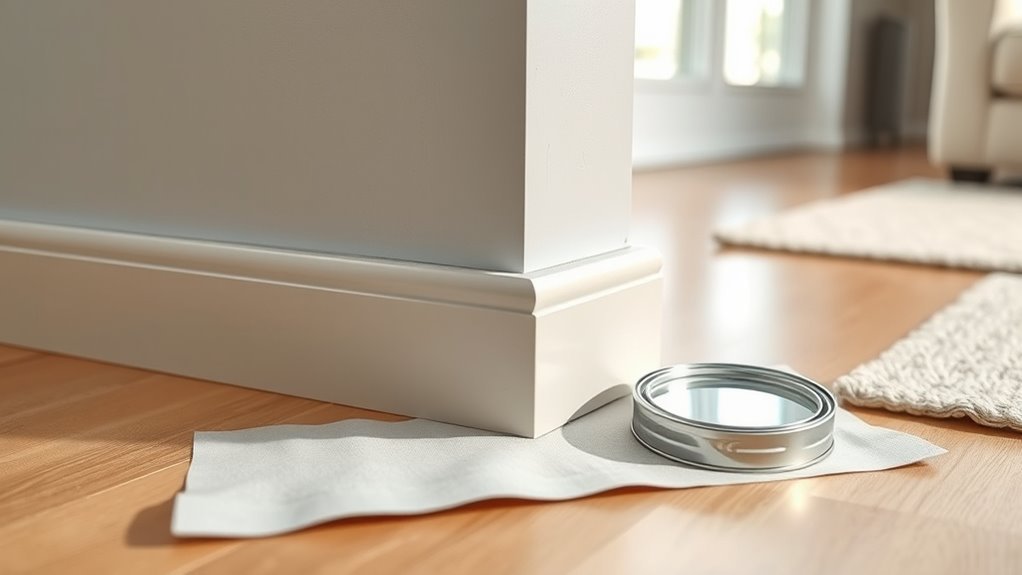
Wondering if the paint is dry enough to touch or recoat? You’ll check by lightly touching an inconspicuous spot—don’t press—so you can feel tackiness.
Note that paint color affects perception: darker hues can look dry faster but still be tacky. Observe the finish sheen; a consistent sheen across the surface usually means the top layer has set.
Darker paints may appear dry before they are—check for an even sheen to confirm the top layer has set.
Smell helps too—strong odor suggests solvents are still present. Temperature and humidity influence results, so wait longer in cool, damp conditions.
If you see smudging, indentations, or inconsistent sheen, give it more time before handling or recoating.
Drying vs Curing: What Each Stage Means
When you check paint, “dry” usually means the surface no longer feels tacky, which is the drying time you notice first.
Curing is the longer chemical process that strengthens the paint and can take days to weeks before it reaches full hardness.
You’ll want to treat painted surfaces gently until curing is complete, even if they feel dry.
Drying Time Explained
Although paint may feel dry to the touch within hours, it hasn’t finished curing — two distinct stages that affect how soon you can handle, recoat, or use the painted surface.
In the drying stage, solvents evaporate and films form; you’ll notice less tack and quicker recoats on latex than oil. Factors like temperature, humidity, color mixing choices, and primer selection influence drying speed.
Thin coats dry faster than thick ones, and ventilation speeds evaporation. During this phase, you can lightly touch or recoat per manufacturer times, but avoid heavy use until curing completes to prevent damage and finish issues.
Curing Versus Dryness
Because drying and curing are separate chemical steps, you shouldn’t treat “dry to the touch” as the finish line. You need patience: drying removes solvents; curing builds a hardened film based on paint formulation. That affects durability, sheen, and even how color psychology reads—muted or vibrant once fully cured. Handle items only after full cure to avoid smudges or tackiness. Check manufacturer cure times; temperature and humidity change them.
| Stage | What it means |
|---|---|
| Drying | Surface solvent evaporation |
| Curing | Chemical crosslinking |
| Touch test | Superficial only |
| Full performance | After cure |
| Influences | Formulation, environment |
3 Quick Dry Tests: Touch, Tape, Fingernail
Before you move on, try a few quick checks to judge drying: a gentle touch to see if the surface feels tacky, a small piece of tape pressed and lifted to watch for paint coming away, and a light fingernail press to test for denting.
You’ll get a good sense of whether the paint is surface-dry or still needs time. If any test shows softness or transfer, wait longer before handling or recoating.
Touch Test Timing
When you’re checking if paint’s dry enough for the next step, quick tests—like a gentle touch, a tape pull, or a fingernail scratch—give fast, practical feedback you can use on the spot.
For touch test timing, wait the manufacturer’s minimum dry-to-touch interval, then press lightly with a clean finger at an inconspicuous spot. If it feels tacky, give another 10–30 minutes and retest.
Remember solvent level, temperature, humidity, and coat thickness alter times. Keep consistent color mixing and proper paint storage to avoid unexpected drying changes.
Reserve more aggressive tests until touch confirms surface skinning is complete.
Tape Lift Check
If the paint passes the light touch test, try a tape lift check to confirm it’s cured enough for trimming or next coats. Press a small strip of painter’s tape, pull sharply at 45°, and watch for lift or tack. Different paint sheen and recent color mixing can affect drying; glossier finishes often need longer. Use fresh tape and test in an inconspicuous spot. If paint lifts, wait and recheck. Record results so you learn patterns for your product and environment.
| Test Area | Tape Type | Result |
|---|---|---|
| Edge trim | Medium | No lift |
| Corner | Low-tack | Slight tack |
| Sample patch | High-tack | Lift |
Fingernail Pressure Test
After the tape lift check, use the fingernail pressure test to confirm the paint’s cure under a bit more stress.
Gently press a fingernail into an inconspicuous spot at a shallow angle; you want to feel firm resistance, not tackiness or indentation. If the surface gives, wait longer and retest later.
Compare tested areas to nearby zones for consistent paint textures and sheen—uneven response can signal incomplete drying or poor color matching across coats.
Clean any marks immediately with a damp cloth to avoid lasting damage.
Repeat periodically until the nail leaves no trace and the finish feels fully set.
When to Recoat Latex Paint (Surface-Dry vs Recoat Time)
Because surface-dry and recoat times describe different stages of curing, you shouldn’t assume a paint is ready for another coat just because it feels dry to the touch. You’ll wait for recoat time to avoid lifting or uneven texture; surface-dry matters for light handling or blending edges. Use proper color blending and brush techniques to feather wet edges if you recoat within manufacturer guidelines.
| Stage | What it means | Action |
|---|---|---|
| Surface-dry | No tack | Light touch only |
| Recoat | Ready for next coat | Apply evenly |
| Full cure | Max hardness | Heavy use allowed |
Check label for exact times.
When to Recoat Oil-Based Paint (Surface-Dry vs Recoat Time)
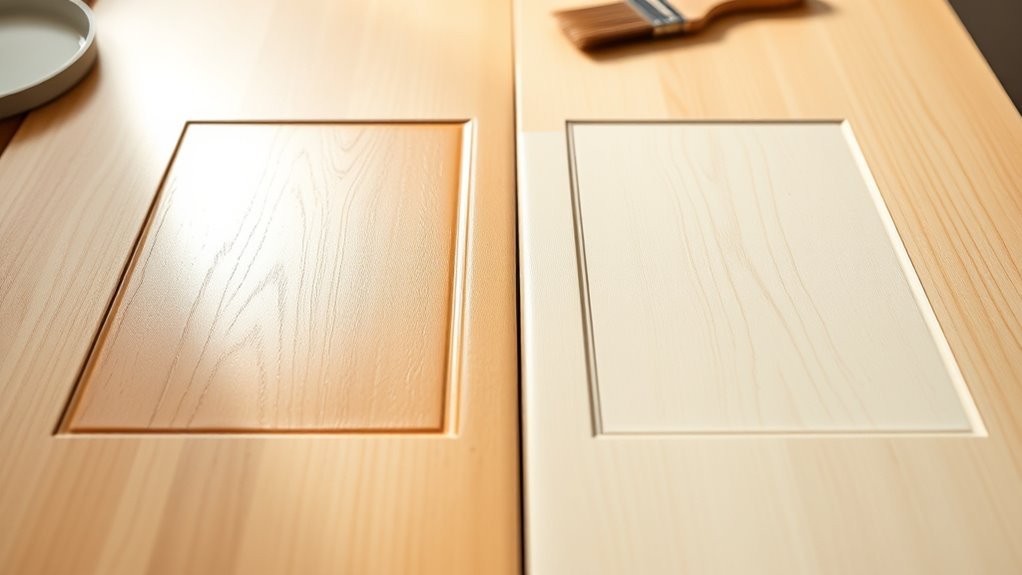
With oil-based paint you’ll notice the surface can feel dry to the touch while still slightly tacky underneath, so don’t assume it’s ready for a full recoat.
Typical recoat times are usually 8–24 hours, but check the manufacturer’s label for exact guidance.
Temperature, humidity, film thickness, and poor ventilation can all slow curing and lengthen the wait.
Surface Dry vs Tackiness
Though oil-based paint might feel dry to the touch, surface dryness and tackiness tell different stories—you should only recoat when the surface has lost its tack and resists fingerprinting.
You’ll test by lightly pressing a fingernail; no indentation or stick means it’s ready. Remember that thinner layers, ambient temperature, and ventilation affect tackiness more than color theory or brush techniques, though those influence finish and texture.
Avoid reheating or forcing a recoat; trapped tack can cause wrinkling or adhesion failure. If you detect any stickiness, wait longer and retest periodically until the surface is truly non-tacky.
Typical Oil Recoat Times
When you’re planning a second coat of oil-based paint, expect longer wait times than with water-based products—typical recoat intervals range from 24 to 48 hours under normal conditions.
You’ll check surface dryness by touch; it should feel hard, not tacky. Follow manufacturer directions and test a small area before full recoating to verify color matching, since oil paints can deepen as they cure.
Work in moderate temperature and humidity for predictable timing.
Clean brushes promptly with appropriate solvent and store them properly for brush maintenance.
If you rush, you risk adhesion problems and uneven finish, so be patient.
Factors Slowing Cure
If you’re planning a second coat of oil-based paint, remember that surface-dry doesn’t mean the paint has cured enough for recoating—several factors can slow the full cure and extend recoat windows beyond the typical 24–48 hours.
Temperature, humidity, and poor ventilation all retard solvent evaporation and oxidation, so recoat times lengthen in cool, damp spaces.
Thick application and low-quality primers trap solvents.
Pigment load and specialty colors affect cure; intense hues linked to color psychology may hide wetness.
Choose eco-friendly options with faster waterborne alkyds to reduce hazards, but still verify manufacturer recoat guidelines before proceeding.
Enamel & Alkyd: Cure Times and What “Cured” Feels Like
Because enamel and alkyd paints dry to the touch long before they actually cure, you’ll need to distinguish between “dry” and “cured” to avoid problems like tackiness, solvent odor, or soft finishes.
You’ll see enamel skin over in hours, but full cure can take days to weeks depending on film thickness and ventilation. When cured, surfaces resist fingermarks, indentations, and solvents; they feel hard and smooth rather than tacky or gummy.
For projects involving color mixing or varied finish options, test a small patch and wait full cure before handling or topcoating to guarantee durability and true appearance.
How Temperature Changes Paint Drying Times
Although paint chemistry and humidity both matter, temperature often has the biggest impact on how quickly paint dries and cures. You’ll notice cold slows solvent evaporation and enzymatic crosslinking, stretching tacky times and increasing dust attraction.
Hot conditions speed surface drying but can trap solvents, risking poor adhesion or cracking as the substrate and coating cure unevenly. Extremes can alter how pigments perform, so paint color may look different during drying and after cure.
Also, finish sheen can change if temperature causes early skinning or improper flow. Aim for manufacturer-recommended temperature ranges for predictable drying and ideal results.
How Humidity and Airflow Affect Drying and Cure
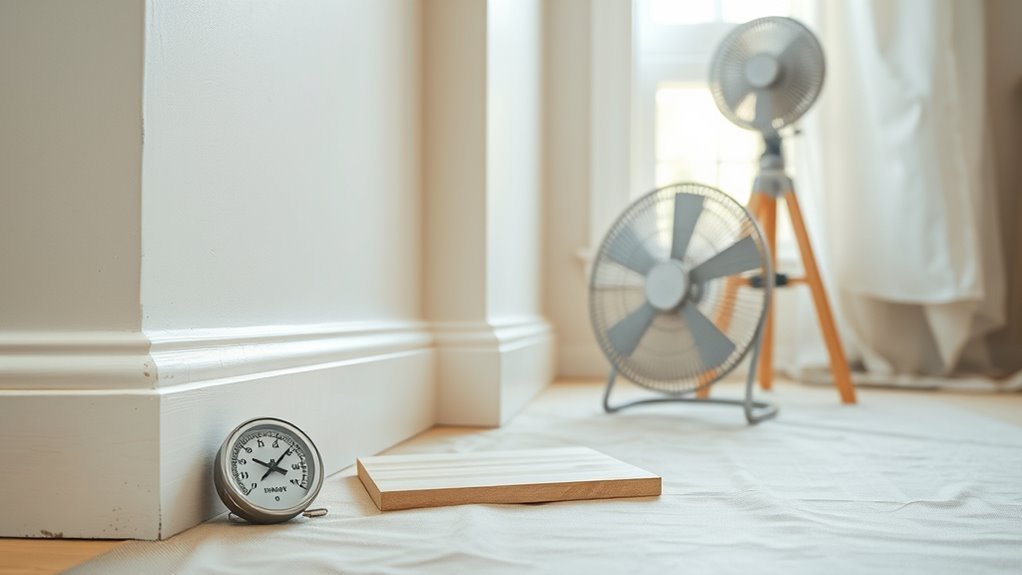
When humidity rises, you’ll notice paint takes longer to lose its solvents and water, slowing both tack-free time and full cure. You’ll see slower drying in high humidity because moisture in the air prevents evaporation.
Low humidity speeds solvent loss but can cause uneven film formation. Increase airflow with fans or open windows to move moist air away and encourage evaporation, but avoid strong drafts that can create dust or texture issues.
Remember paint color and finish sheen can affect heat absorption and perceived dryness, so monitor cure times rather than relying solely on touch or appearance.
How Coat Thickness and Number of Coats Change Wait Times
Thicker coats take longer to dry, so you’ll need to wait more between applications to avoid tackiness or runs.
If you apply multiple coats, follow the manufacturer’s recoat window—too soon and you trap solvents, too late and adhesion can suffer.
Plan thinner, even layers when possible to shorten wait times and improve finish quality.
Coat Thickness Effects
If you apply a heavy coat or multiple layers, you’ll need to wait longer between applications and before handling the surface because each additional film of paint slows solvent evaporation and curing.
Thicker coats trap solvents, so drying from the surface inward takes more time; low temperatures and high humidity worsen that.
Darker paint color can absorb heat and speed surface drying but won’t fully cure faster through the film.
High-gloss finish sheen often levels smoother and can feel dry sooner, yet underlying layers remain soft.
Apply thinner, even coats and follow manufacturer recoat intervals to avoid tackiness, runs, and poor adhesion.
Multiple Coat Timing
You already know that thicker individual coats slow drying; now consider how multiple layers compound that effect because each new film adds more solvent and slows overall cure. You’ll wait longer between coats, especially with deep color mixing or when adjusting paint sheen — glossy layers seal slower than matte. Check manufacturer recoat times, test with a fingernip, and remember humidity raises times. If you rush, you’ll trap solvents and mar the finish. Plan thinner coats, allow full flash time, and space coats overnight for safety on tricky colors or sheens.
| Emotion | Reminder |
|---|---|
| Calm | Thinner coats |
| Urgency | Test before recoating |
Surface Differences: Wood, Drywall, Metal, Concrete Drying Times
Because each material soaks up and releases solvents differently, drying times vary widely between wood, drywall, metal, and concrete.
On wood, porous grain soaks oil and latex; expect longer cure, but you can use color blending and varied brush techniques to hide seams while waiting between coats.
Drywall dries fastest—touch-dry in an hour or two with latex, longer for primer—so you can recoat sooner.
Metal needs proper primer; thin coats dry fast but full cure takes days.
Concrete is most absorbent and may need moisture barriers; allow extra time for paint to bond and cure fully before heavy use.
Sanding Between Coats: When Paint Is Dry Enough to Sand
After different substrates dry, you’ll often need to smooth surfaces before applying the next coat, and knowing when paint is firm enough to sand will save time and prevent damage. You check feel and resistance, not just dryness.
Solvent-based and water-based paints behave differently because of paint chemistry, so follow manufacturer times.
Sand gently to avoid cutting through the film; sanding too soon risks lift or streaks and hurts color matching later.
- Wait recommended cure time.
- Test inconspicuously with light pressure.
- Use fine-grit paper (220–320).
- Clean dust before recoating.
How to Tell If Paint Is Tacky, Fully Dry, or Still Soft
To check whether paint is tacky, fully dry, or still soft, you’ll start with the surface touch test—lightly press a clean fingertip to an inconspicuous spot.
Look for visual clues like shine or color change and feel for stickiness, softness, or a hard, smooth finish.
Those simple tactile and visual signals will tell you whether it’s ready for the next step or needs more drying time.
Surface Touch Test
When you’re checking whether paint is tacky, fully dry, or still soft, use a gentle surface touch rather than pressing hard—lightly rest a clean fingertip on an inconspicuous spot and lift it straight off to feel for stickiness, indentation, or resistance. That method helps you avoid marks and keeps finishes consistent, especially after recent color mixing or when paints came from varied paint storage conditions.
Try this quick numeric checklist:
- No tack: finger comes away clean, no residue.
- Slight tack: faint stick, wait longer.
- Soft: visible indentation, vulnerable to damage.
- Fully cured: firm, no give, safe to handle.
Visual And Tactile Clues
If you’re unsure whether paint is ready, rely on clear visual and tactile cues rather than guesswork: look for uniform sheen and no wet spots, then gently touch an out-of-the-way area to check for tack, give, or indentation.
Visually, fresh strokes should show consistent paint sheen and smooth color blending without streaks or dark patches.
Tactilely, a tacky surface will feel sticky; a soft surface gives slightly under light pressure; fully dry paint resists indentation and feels smooth.
Test edges, corners, and behind furniture where airflow is limited.
Wait longer if any stickiness, gloss variation, or imprint remains.
What to Do If Paint Stays Tacky Too Long
Although slow-drying paint can be frustrating, you can usually fix tackiness with a few targeted steps. First, identify causes: humidity, poor ventilation, wrong base, or recent color mixing that altered solvent balance; check paint branding and label instructions.
Then act:
- Remove dust and oils from the surface with a mild cleaner.
- Gently thin a problem area per the manufacturer’s guidance if the label allows.
- Test a small patch with the same paint branding to confirm drying before broader work.
- If tackiness persists, wait longer and consult the manufacturer or replace the coat to avoid trapping defects.
Safe Ways to Speed Drying (Heat, Fans, Dehumidifiers)
Because moisture and cool air slow paint cure, you can safely speed drying by adding gentle heat, improving airflow, and cutting humidity—so long as you follow product guidelines. Use low, consistent heat (not direct flame), position fans for cross-ventilation, and run a dehumidifier to lower relative humidity. Check manufacturer recommendations for temperature limits to protect paint color and finish sheen. Test a small area first. Avoid high heat or strong airflow that can skin or wrinkle the film.
| Method | Tip |
|---|---|
| Gentle heat | Keep below recommended temp |
| Fans | Guarantee cross-ventilation |
| Dehumidifier | Aim 40–50% RH |
| Combination | Use all moderately |
| Test patch | Verify sheen and color |
When to Slow Drying to Prevent Cracks, Bubbles, or Blush
When paint is drying too fast—under hot, windy, or very dry conditions—you should deliberately slow the cure to avoid cracks, bubbles, or blush that ruin the finish. You’ll protect sheen and adhesion by adjusting conditions and technique.
Consider these steps:
- Mist humidity lightly or close windows to reduce airflow.
- Thin paint slightly per label and apply thinner coats using proven painting techniques.
- Avoid adding heat; keep moderate temperature so solvents evaporate evenly.
- Test a small area, paying attention to color selection effects on drying and sheen.
These steps help you prevent defects while preserving the desired look.
How Long Before Moving Furniture Back or Using the Room
If you want to avoid smudges, stuck legs, or trapped odors, wait until the paint’s cured enough for the room’s meant use rather than just dry-to-the-touch—typically 24–48 hours for light traffic and about 7 days for full resettling of furniture and rugs.
With oil-based paints, curing often needs up to 30 days for maximum hardness.
Check finish sheen and paint color samples before replacing textiles, since sheen affects scuff resistance and color can shift slightly as it cures.
Move heavy furniture on pads, avoid dragging, and return delicate items only after the recommended cure time to prevent marks or trapped moisture.
Exterior Paint: Planning Around Weather and Drying Windows
Though sunny days feel ideal, successful exterior painting hinges on predictable weather windows and surface conditions you can depend on. You’ll plan around temperature, humidity, and dew to guarantee proper curing. Consider these steps:
- Check forecasts for 24–48 hour dry stretches and avoid early morning dew.
- Confirm temperature ranges recommended for your paint after color mixing to avoid film defects.
- Time coats so tack-free periods aren’t interrupted; allow longer in high humidity.
- Choose brush selection suited to exterior finish and wind conditions to maintain wet edges.
Plan setbacks for rain and cooler nights to protect the finish.
Reading Labels & TDS: Which Drying Specs to Trust
Because product labels and technical data sheets (TDS) use different tests and terminology, you’ll want to read both closely to know which drying times actually apply to your job. Check label “touch dry” vs. TDS “recoat” data; note substrate, temperature, humidity, paint color, and finish sheen. Trust TDS for lab conditions and labels for practical guidance. If they conflict, follow the more conservative timeframe and test a small area. Consult manufacturer if unsure.
| Spec Type | Typical Term | What to Check |
|---|---|---|
| Label | Touch dry | Temp/humidity |
| TDS | Recoat | Lab conditions |
| Notes | Variance | Color/sheens |
Frequently Asked Questions
Can I Use Paint That’s Past Its Expiration Date Safely?
You can sometimes use paint past its expiration, but you shouldn’t assume it’s fine. Check Paint shelf life, inspect smell and texture, and consider Storage conditions; if it’s lumpy, foul, or separates irreparably, discard it safely.
Does Paint Color Affect Drying or Curing Time?
Yes — color impact can slightly change drying duration; darker pigments absorb more heat, so you’ll often find darker paints dry and cure a bit faster than lighter shades, though formulation and conditions matter more overall.
How Do Additives or Extenders Change Dry and Cure Times?
Additives slow, extenders slow: you’ll notice paint consistency changes and additive effects alter drying and curing. You’ll get thinner feel, longer tack, slower cure; you’ll need more time, patience, and adjusted application techniques.
Can Indoor Humidity Meters Predict Paint Drying Accurately?
Yes — you can use indoor humidity meters to predict drying trends; they help gauge the drying environment and relative paint absorption, but they won’t be perfect because ventilation, temperature, and coating chemistry also change actual dry and cure times.
Are There Health Risks From Incomplete Paint Curing?
Absolutely — incomplete curing can harm you: the lingering paint odor and ongoing VOC emissions can trigger headaches, asthma attacks, nausea, and long-term respiratory or neurological effects, so you should guarantee full cure and ventilate thoroughly.
Conclusion
Think of paint like dawn: at first it’s a soft promise, then a finished day. You’ll check surface-dry with a finger, wait through tacky hours, and respect the full cure like sunrise reaching noon. Don’t rush recoats or furniture—each step is a small ritual that prevents cracks, bubbles, and regrets. Trust labels and drying windows. If you move too soon, you’ll blot the canvas of your room; patience lets your colors truly rise.
