
Is Satin Paint Good for Exterior? Pros & Cons
Yes — satin is a strong choice for many exteriors: it gives a low-luster, durable finish that resists scuffs, dirt, mildew and weather better than flat paints, and it suits siding, trim and doors if surfaces are well prepped and primed. It slightly deepens color and can show minor flaws more than higher glosses, so test samples first and expect two thin coats with proper drying. Keep going to learn practical application, maintenance and tradeoffs.
What Search Intent Is Behind “Is Satin Paint Good for Exterior?
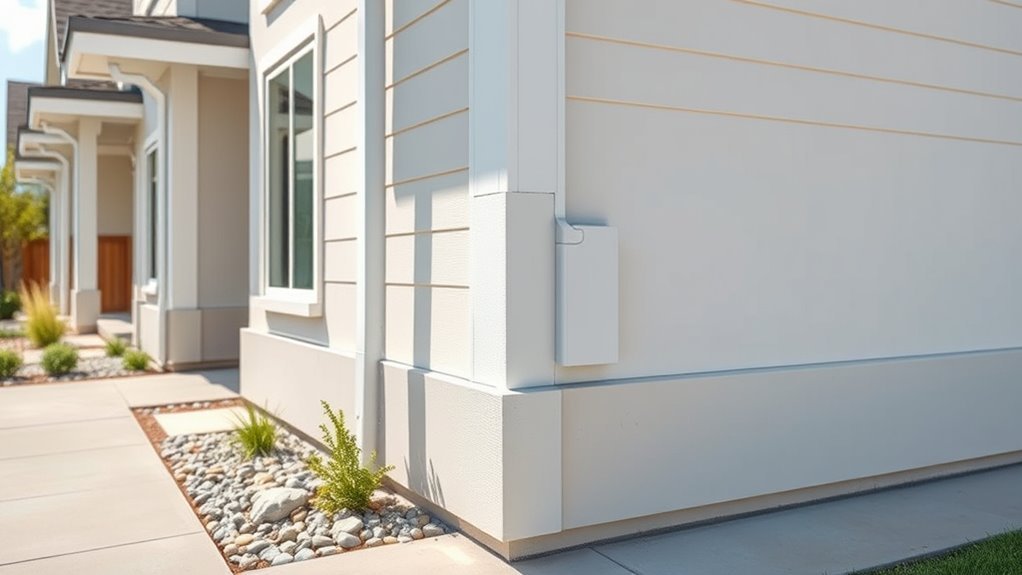
Why are people searching “Is satin paint good for exterior?” They’re usually weighing practical concerns—durability, weather resistance, appearance, and maintenance—before choosing a finish for siding, trim, or doors.
You’re likely trying to decide if satin fits your project goals: do you want subtle sheen that hides imperfections yet cleans easily? Searchers also compare color options to see how sheen affects hue perception outdoors.
Practical questions about primer compatibility pop up too—will the satin adhere over existing finishes or need specific primers for metal, wood, or masonry? Your intent is to match look, longevity, and prep requirements efficiently.
Quick Answer: Is Satin Paint Suitable for Exterior Surfaces?
Yes — satin can be a great exterior choice if you want a balance of durability, weather resistance, and an attractive low‑luster sheen.
You’ll get easier cleaning and good scuff resistance compared with flat finishes, though it may show imperfections more than higher-gloss options.
Consider your climate and surface prep to make sure the finish holds up over time.
Durability And Weather Resistance
When you use satin paint on exterior surfaces, you’ll get a good balance of durability and weather resistance. Its slightly glossy finish sheds water and resists dirt better than flat paints. Modern exterior satin formulations include binders and mildewcides designed to withstand sun, rain, and temperature swings.
You’ll find satin holds up well against abrasion and fading, especially if you choose high-quality brands. Consider substrate prep and proper primers to maximize longevity.
Also note that maintenance is easier: simple washing restores appearance. Manufacturers offer varied color options and texture variations without sacrificing performance, so pick a product rated for exterior use.
Appearance And Sheen
Beyond durability, appearance and sheen are key reasons many homeowners choose satin for exteriors. You’ll find satin offers a soft, low-luster glow that flatters siding and trim without reflecting too much light. It smooths out minor imperfections while still showing enough detail to honor architectural features.
When planning, think about color coordination: satin deepens hues slightly, so test swatches in daylight. It pairs well with matte accents or glossier trim for contrast.
Satin works across texture options—smooth clapboard, stucco, or engineered wood—providing a refined, versatile finish suited to many exterior styles.
Maintenance And Cleaning
How often will you need to clean satin exterior paint? You’ll typically clean it once or twice a year, more often in polluted or damp areas.
Satin’s low-to-medium sheen resists dirt better than flat finishes, so stains usually wipe away with mild soap and a soft brush. Use gentle pressure to avoid dulling the sheen; test a small area first if you’re unsure.
For touch-ups, keep a tiny sealed sample to guarantee color matching—satin can show slight sheen differences between batches.
Satin vs. Semi‑Gloss & Eggshell: Which to Choose for Outdoors?
When you pick between satin, semi-gloss, and eggshell for the exterior, think about how each holds up to weather and wear.
You’ll notice different sheens affect appearance and hiding power, and some finishes suit trim or siding better than others.
Also consider how much surface prep each needs to stick and last outdoors.
Durability And Weather Resistance
Although all three sheens can protect your home’s exterior, they differ in how well they stand up to weather, wear, and maintenance over time. You’ll find satin offers a good balance: better durability and moisture resistance than eggshell, but slightly less hardiness than semi-gloss.
Satin resists dirt and holds up to light scrubbing, especially if you choose quality pigments and proper color options. For best results, use recommended application techniques—consistent brush or roller strokes, appropriate drying times, and thin, even coats.
If you need maximum toughness for trim or high‑traffic areas, lean toward semi‑gloss.
Sheen And Appearance Differences
Because exterior sheen affects both look and performance, choosing between satin, semi‑gloss, and eggshell comes down to the balance you want between reflectivity, surface imperfections, and maintenance.
You’ll see satin offers moderate shine that hides small flaws while keeping good color consistency; semi‑gloss boosts durability and highlights architectural details but can emphasize texture; eggshell gives a soft, low‑luster finish that muffles irregularities but may show wear sooner.
Use this quick sheen comparison to decide what fits your project:
- Satin: balanced sheen, forgiving, good color consistency
- Semi‑gloss: high reflectivity, durable, detail‑defined
- Eggshell: low sheen, subtle, less durable
Surface Suitability And Prep
If you’re deciding which sheen to use outdoors, match the finish to the surface type and how much prep you’ll do. For rough wood or textured stucco, eggshell hides imperfections better and needs less sanding.
Satin smooths nicely on clapboard but benefits from filling and priming. Use semi-gloss on trim and doors where durability and washability matter, though it shows flaws unless you prep thoroughly.
Consider color matching to existing exterior elements and interior trends if you want cohesion from inside out.
Choose based on maintenance willingness: more prep lets you pick higher sheen for longevity and cleaner finishes.
How Satin Sheen Changes Curb Appeal and Color Perception
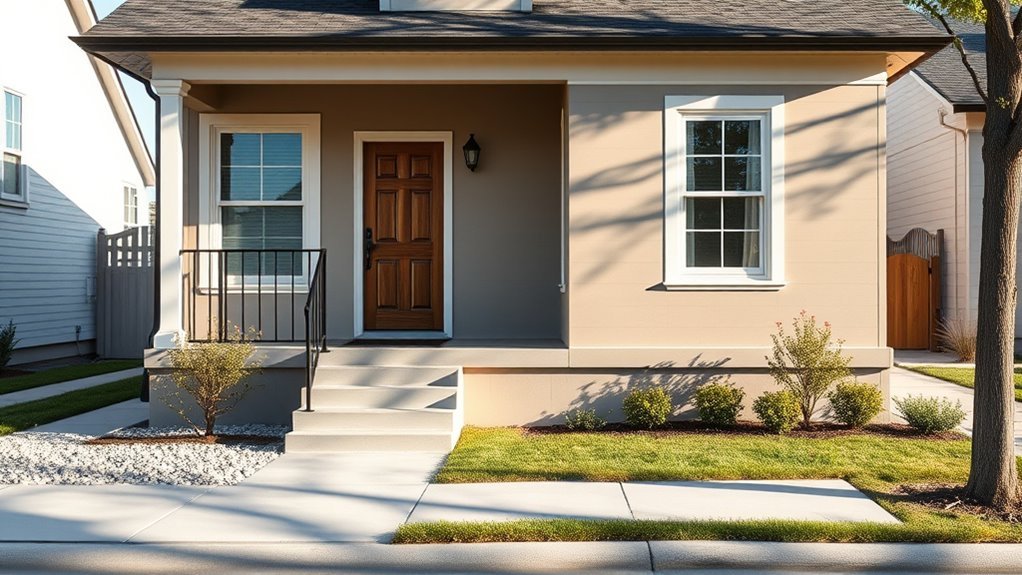
When you choose a satin finish for your home’s exterior, it softens harsh shadows and adds a subtle sheen that makes colors look richer and more uniform. You’ll notice how color perception shifts—midtones gain depth while glare is reduced, thanks to the sheen influence.
Satin balances elegance and practicality, helping architectural details stand out without looking glossy. It also moderates contrasts between trim and siding, making palettes cohesive.
- Enhance perceived depth on flat surfaces
- Soften contrast for a refined curb appeal
- Highlight textures without high gloss reflections
Weather Resistance of Satin Paint: Sun, Rain, and Humidity
You’ll want to check how satin formulas handle UV exposure, since some resist fading better than others.
You’ll also need to evaluate how well the finish repels moisture and inhibits mildew in humid or rainy conditions.
Comparing product labels and reviews can help you pick a satin paint that balances UV protection with moisture resistance.
UV Resistance and Fading
How does satin paint hold up under relentless sun and UV exposure? You’ll find satin offers moderate UV resistance: it resists fading better than flat finishes but less than high-gloss or specialized exterior coatings.
Choose stable color options and follow proper application techniques to maximize longevity. Thinner coats, poor priming, or wrong tinting speed up fading. Monitor sun-facing walls and plan touch-ups.
- Pick UV-stable pigments and lighter tones for slower fading.
- Use recommended primers and even application techniques to protect binder.
- Expect gradual chalking; schedule inspections every few years to refresh finish.
Moisture and Mildew Control
Curious how satin paint handles damp, rainy climates and humid summers? You’ll find satin’s slight sheen resists moisture better than flat finishes, shedding light rain and easing cleanup. It’s not fully waterproof, so proper surface prep—cleaning, priming, and sealing—is vital to prevent water penetration and peeling.
For mildew-prone areas, use mildew-resistant formulas and guarantee good ventilation. Pay attention to color options; darker hues can hide stains but may trap heat, affecting longevity.
With correct application techniques—thin, even coats and drying between layers—you’ll maximize mildew control and maintain a durable, attractive exterior finish.
Durability and Abrasion Resistance for Siding, Trim, and Doors
While satin finishes give siding, trim, and doors a pleasing low-sheen look, they also offer solid durability and abrasion resistance that stands up to everyday wear. You’ll find satin resists scuffs better than flat paints, keeps color accuracy over time when you prep properly, and tolerates frequent touch traffic on doors and trim.
Choose quality products and follow recommended application techniques to maximize lifespan.
Typical benefits include:
- Better scuff and scratch resistance on high-contact areas
- Durable finish that hides minor imperfections without glossing over texture
- Retains color and sheen longer with correct surface prep and coating
Cleaning and Maintenance for Exterior Satin Paint
Having a durable satin finish makes maintenance easier, but you still need a simple cleaning routine to keep that low sheen looking fresh and protective.
You’ll dust and rinse surfaces regularly with a soft brush or hose, then spot-clean stubborn grime using mild soap and water. Test cleaners on a small area first to avoid altering finish sheen or color options.
For mildew, use a bleach solution sparingly and rinse thoroughly. Avoid abrasive pads and strong solvents that dull the satin.
Repaint touch-ups are straightforward—keep leftover paint for matching. Regular upkeep preserves appearance and protective performance.
Best Exterior Uses for Satin Paint: Siding, Trim, Doors, Furniture
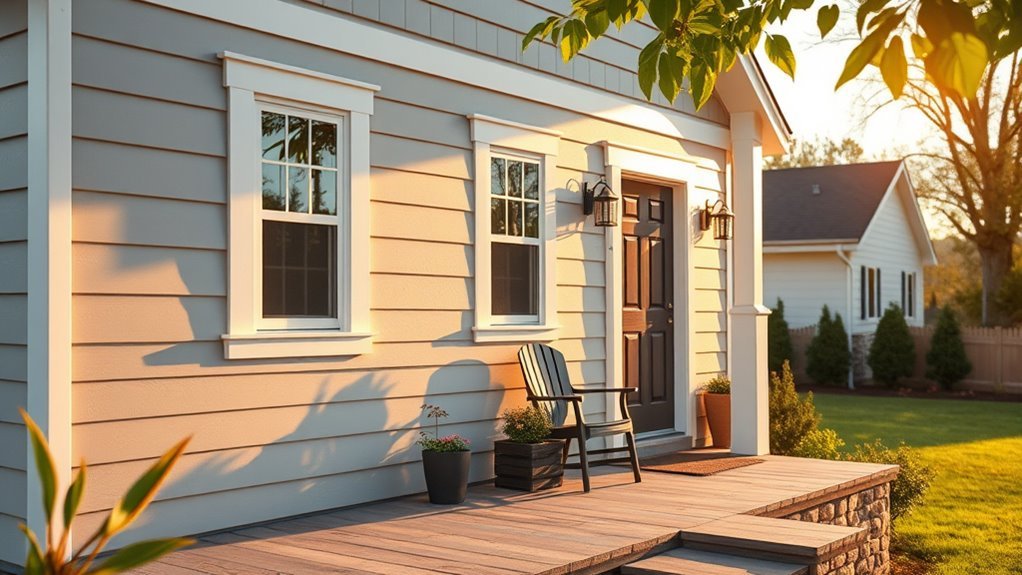
When you’re choosing where to use satin paint outside, think about siding, trim, doors, and outdoor furniture. Its durability makes it a strong choice for siding.
While on trim, the smooth, wipeable finish gives an easy-clean advantage.
On doors and furniture, satin offers a polished look that stands up to handling and weather.
Siding Durability Benefits
Because satin finishes resist dirt, mildew, and light abrasions better than flat paints, they’re a smart choice for exterior siding that needs long-lasting protection and an attractive, low-maintenance look. You’ll get durable coverage that stands up to weather while preserving color matching across panels and offering interior compatibility if you repeat the finish inside entryways.
Satin’s slight sheen helps hide minor imperfections and sheds grime, reducing wash frequency. Consider these siding durability benefits:
- Improved resistance to moisture and mildew growth
- Easier stain and dirt removal compared with flat finishes
- Better longevity under sun and wind exposure
Trim Cleanability Edge
For exterior trim, satin paint gives you a real cleanability edge: its slight sheen lets grime and fingerprints wipe away without scrubbing through the finish, so you can keep door frames, window casings, and railings looking sharp with minimal effort.
You’ll find satin holds up to routine washing better than flat finishes, so painted trim resists staining from kids, pets, and weather.
Choose trim colors to complement your overall color schemes and echo interior accents for a cohesive look when windows open or doors stand ajar.
Satin balances practicality and polish, making maintenance quick while preserving crisp architectural detail.
Door And Furniture Finish
While satin’s subtle sheen gives exterior doors and painted outdoor furniture a touch of polish, it also stands up to the knocks and scuffs daily use delivers. You’ll get a durable, washable surface that keeps entryways and porch pieces looking intentional without frequent recoats.
You can match color customization to your home’s palette and maintain interior compatibility between indoor and outdoor finishes for a cohesive look.
Satin resists grime better than flat paints and hides minor imperfections. Consider these practical advantages:
- Easy cleaning for high-traffic doors and benches
- Durable finish that tolerates contact and weather
- Smooth application that enhances details and hardware
When Not to Use Satin: Textured Surfaces, High‑Fade Zones, Poor Prep
If your surface is heavily textured, sits in a high‑fade zone, or won’t be prepped properly, satin isn’t the best choice—you’ll notice its limits quickly.
You’ll see sheen highlight imperfections on textured surfaces, trapping dirt and making cleaning harder. In high fade zones, satin’s pigment and finish can degrade unevenly, leaving patchy color and inconsistent gloss.
If you can’t sand, clean, or repair surface issues thoroughly, satin will emphasize flaws and peel sooner.
Choose a more forgiving flat or low‑sheen in these situations, or reserve satin for smoother, well‑maintained areas where it can perform as designed.
Prep and Primers That Make Satin Last Outdoors
Because satin shows flaws and needs good adhesion, you’ve got to prep the surface and choose the right primer before you paint. You’ll clean, sand, and repair to a smooth, stable substrate so satin won’t highlight defects.
Pick primers formulated for exterior substrates—stain‑blocking for wood, bonding primers for previously glossy finishes, and mildew‑resistant for damp climates.
Consider how your exterior will tie into interior decor and existing paint color choices when selecting primer tinting.
Use these quick checks to prepare:
- Clean and degloss the surface thoroughly.
- Spot‑prime repairs and knots.
- Tint primer toward your final shade for coverage.
Application Tips: Tools, Coats, and Drying Times for Exterior Satin
When you apply exterior satin, pick the right tools and plan your coats so the finish lays down smoothly and lasts—use a high-quality synthetic brush for trim, a 3/8–1/2″ nap roller for siding or stucco, and consider an airless sprayer for large areas.
Apply two thin, even coats rather than one heavy coat, maintain recommended wet edges to avoid lap marks, and respect the paint’s recoat and full cure times (typically recoat in 4–8 hours and full cure in 7–30 days depending on temperature and humidity) so adhesion and sheen develop properly.
Work in consistent strokes, inspect paint texture between coats, touch up flaws before curing, and test color matching on a small area to confirm sheen and hue under real light.
Lifecycle Cost Comparison: Satin vs. Semi‑Gloss and Exterior Latex
Although initial price tags matter, you should weigh upfront cost against durability, maintenance frequency, and replacement cycles to know which finish gives you the best long-term value.
Satin often balances cost and lifespan, resisting dirt better than flat latex but needing more care than semi-gloss in high-abrasion spots.
Semi-gloss costs more upfront but lowers repaint frequency on trim and doors.
Exterior latex is cheapest but may require earlier touch-ups in harsh climates.
Consider your home’s style, interior decoration carryover, and any artistic finishing needs when budgeting lifecycle costs.
- Satin: moderate cost, moderate maintenance
- Semi‑gloss: higher cost, longer intervals
- Exterior latex: low cost, frequent touch-ups
Common Problems With Exterior Satin and How to Fix Them
If you choose satin for your exterior, you’ll enjoy a balance of sheen and hide but should also watch for a few recurring issues: chalking, mildew, streaking, and scuffing are the most common, and each has a straightforward fix if you catch it early.
Inspect annually; clean chalk with a stiff brush and mild detergent, treat mildew with a bleach solution, and sand light scuffs before spot-priming and repainting.
Streaking often stems from poor application techniques or painting in direct sun—use consistent strokes and proper drying times.
Test color options on small areas to ensure durability and appearance.
How to Choose the Right Exterior Satin Paint Brand and Formula
Because exterior conditions and project goals vary, pick a satin paint brand and formula by matching performance features to your specific needs. You’ll evaluate durability, UV resistance, and mildew protection, then consider Color options and recommended application techniques.
Test samples on small areas to confirm adhesion and sheen under real light. Check VOC levels and warranty for your climate.
- Choose a brand with proven exterior durability and clear specs.
- Try sample cards and painted swatches to verify Color options.
- Follow manufacturer-recommended application techniques for best results.
Make choices based on evidence, not marketing, to guarantee lasting finish.
Frequently Asked Questions
Can Satin Paint Be Tinted to Match Historic Exterior Color Palettes?
Yes — you can tint satin paint to match historic exterior color palettes. You’ll get accurate color matching for historical accuracy when you work with a knowledgeable supplier, test samples, and adjust tint strength under real lighting.
Are There Eco‑Friendly or Low‑Voc Satin Exterior Options?
Think of a neighbor who swapped fumes for fresh air—yes, you can choose eco friendly coatings and low VOC formulations for satin exterior finishes; they perform well, resist mildew, and cut odors, keeping your home healthier and greener.
How Long Should Freshly Painted Exterior Satin Wait Before Installing Hardware?
You should wait at least 48–72 hours before installing hardware so paint durability isn’t compromised; with excellent surface preparation you can tighten to manufacturer torque after a week, and full cure might take 30 days in cool, humid conditions.
Does Satin Paint Affect Exterior Energy Efficiency or Heat Absorption?
Yes — satin paint slightly influences exterior energy efficiency: think of your house wearing a light cloak that balances warmth and coolness. You’ll get modest thermal insulation gains and improved heat reflection if you pick lighter tones.
Can You Safely Paint Over Lead‑Containing Exterior Surfaces With Satin?
You can’t safely paint over lead paint without precautions; you’re required to follow strict surface preparation, test for lead, encapsulate or remove it per regulations, and use trained contractors with proper containment, PPE, and disposal procedures.
Conclusion
In short, satin is a smart exterior choice when you want a subtle sheen that hides flaws better than semi-gloss while still shedding moisture—especially useful since studies show homes with well-maintained exteriors can boost curb appeal value by about 7–10%. Choose high-quality exterior satin, follow proper prep and application, and you’ll get a durable, attractive finish that balances aesthetics and practicality without the high-gloss glare.
