
What Is a Matte Finish in Paint? Pros, Cons, and Uses
A matte finish is a non-reflective paint that soaks up light to give your walls a soft, velvety look and hide minor flaws. You’ll get a modern, cozy vibe that works well in living rooms, bedrooms, and hallways. It’s easy to touch up and offers rich color depth, but it shows deep scratches, scuffs, and stains more than glossier paints and needs gentler cleaning. Keep going to see when and where it’s best used.
What Search Intent Does This Article Satisfy?
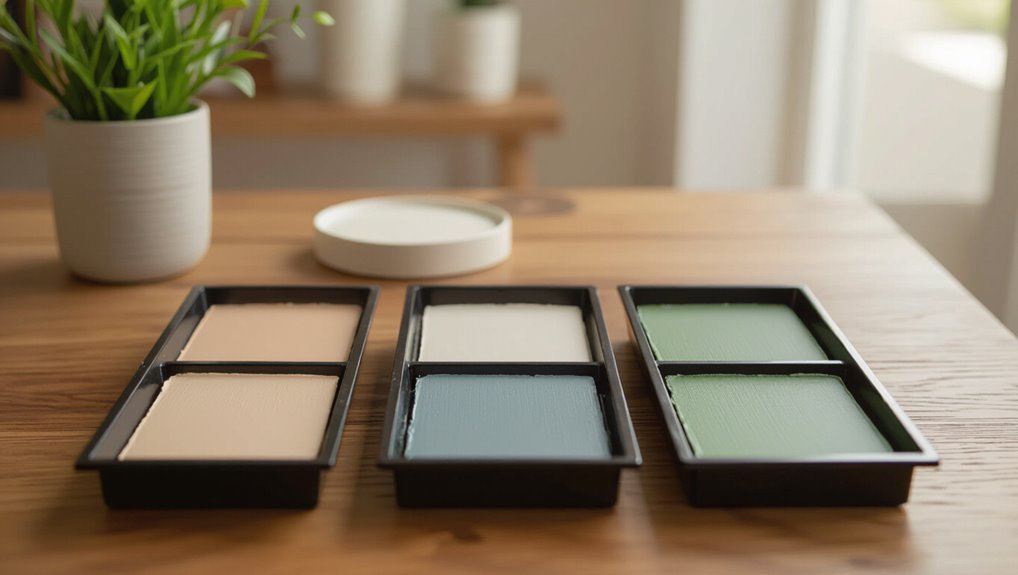
What’re readers really looking for when they search “matte finish in paint”?
You want clear guidance: whether matte texture suits your room, how paint application affects durability, and which spaces benefit most.
You’re seeking comparisons, practical tips, and quick pros and cons to decide if matte fits your aesthetic and maintenance needs before committing to color, sheen, or contractor choices.
What Is a Matte Finish in Paint
Matte finish paint gives walls a soft, non-reflective appearance that hides surface imperfections and creates a smooth, velvety look.
You’ll appreciate matte finish characteristics like low sheen, rich color saturation, and subtle texture that minimizes glare.
Matte paint applications suit living rooms, bedrooms, and ceilings where you want cozy, understated style; avoid high-traffic or moisture-prone areas without proper maintenance.
How Sheen Is Measured (And What Labels Mean)
You’ll see sheen described on a scale from flat to high-gloss, and those gloss level labels tell you how much light the paint reflects.
Gloss meters give a numerical reading by aiming a light at a set angle and measuring the reflected amount.
Understanding the scale, the label names, and how meters work helps you pick the right finish for your surface and lighting.
Sheen Measurement Scales
When you compare paint labels, you’re really comparing measured levels of reflected light expressed as gloss or sheen units. These numbers come from standardized tests that bounce a beam at fixed angles and quantify how much light returns to the detector.
You’ll see scales from 0–100 or low/medium/high tied to sheen types. Measurement tools like glossmeters give precise values so you can match finish to function.
Gloss Level Labels
Because sheen is a measurable trait, paint labels translate those measurements into familiar gloss-level names and numbers so you can pick the right finish.
You’ll see gloss levels tied to common sheen types; labels simplify choices and indicate durability, washability, and reflection.
- Flat/matte — low gloss, hides surface flaws.
- Eggshell/satin — moderate sheen, easy to clean.
- Semi-gloss/gloss — high reflection, durable.
How Meters Work
If you want to understand why a paint label says “satin” or “10% gloss,” look at the meter readings behind those names: gloss meters shine a controlled light at a set angle onto the surface and measure how much light bounces back, converting that reflection into a numerical sheen value.
You read results on digital displays, like energy meters or smart meters, and compare readings over billing cycles to track consistency.
Matte Finish vs. Satin, Eggshell, and Gloss: Quick Comparison
You’ll notice the biggest difference between matte, satin, eggshell, and gloss is how much light they reflect, which affects how textured your walls look.
Consider durability and cleanability too—gloss and satin scrub easier, while matte hides imperfections but’s less washable.
Think about room use: choose matte for low-traffic, cozy spaces and higher sheens for kitchens, bathrooms, and trim.
Sheen And Light Reflection
Sheen determines how paint interacts with light, so choosing matte, satin, eggshell, or gloss directly shapes a room’s look and feel.
You’ll notice different sheen types change light diffusion and perceived texture.
Compare quickly:
- Matte: soft diffusion, hides imperfections, cozy mood.
- Eggshell: subtle sheen, gentle reflection, balanced warmth.
- Gloss: strong reflection, crisp highlights, energetic contrast.
Durability And Cleanability
Light interaction affects more than mood—it also hints at how finishes hold up to wear and cleaning.
You’ll find matte longevity depends on pigment and binder quality; its porous surface texture hides flaws but traps grime, so it’s harder to wipe clean than satin or gloss.
Satin offers a balance of durability and wipeability; gloss resists scuffs and cleans easiest.
Best Room Applications
Choosing the right finish comes down to how you use a room and how much maintenance you want:
- Bedrooms: matte enhances bedroom ambiance, hiding flaws and promoting calm, while eggshell adds slight sheen for durability.
- Living areas: satin or eggshell deliver living room warmth with easier cleaning; matte’s cozy look works in low-traffic spots.
- Kitchens/bathrooms: gloss or satin resist moisture and scuffs better than matte.
When to Choose Matte: A Quick Decision Guide
If you want a surface that hides imperfections and reads calm and sophisticated, matte is often the smarter pick—especially in low-traffic rooms, ceilings, and textured walls.
Use matte advantages when you need subtlety, low sheen, and forgiving finishes. Opt for it in bedrooms, libraries, or dining areas.
Focus on choosing colors with depth and contrast to avoid a flat look.
Why Designers and Homeowners Pick Matte Finishes
Because matte tones soak up glare and minimize flaws, designers and homeowners often prefer them for spaces that should feel relaxed and refined.
You’ll choose matte for its subtle elegance, adaptability to design trends, and soothing color psychology.
Consider these benefits:
- Soft, sophisticated ambiance that reads well on camera and in person.
- Versatile backdrop for textures and accents.
- Timeless, low-key luxury.
How Matte Hides Surface Imperfections
When you paint with a matte finish, the surface absorbs and scatters light instead of reflecting it back. This means that bumps, brush marks, and small inconsistencies become much less noticeable.
You’ll find subtle texture contrast softens flaws, letting uneven areas blend into the wall. That reduced sheen preserves the room’s aesthetic appeal while making maintenance easier, since minor imperfections demand less touch-up.
How Matte Changes Color and Light
Beyond hiding flaws, a matte finish also alters how color and light behave in a room.
You’ll notice subtle shifts in color perception because matte diffuses reflections and increases light absorption. That softens contrasts and mutes highlights, changing mood without adding glare.
- Softens bright spots.
- Deepens pigment subtly.
- Reduces reflected glare.
Matte Finish Benefits: Aesthetic and Practical Gains
If you want a finish that both elevates a room’s look and stands up to everyday use, matte delivers on both fronts.
You’ll notice richer color depth and subtle, even tones because matte reduces gloss and increases light absorption. It masks minor surface irregularities, creates a cozy, sophisticated ambiance, and works well in living rooms, bedrooms, and textured feature walls.
Common Drawbacks of Matte Finishes
Although matte paint gives rooms a soft, elegant look, it comes with trade-offs you should know about.
- You’ll notice matte texture can cling to imperfections, making walls look uneven.
- Matte colors hide shine but can show stains and scuffs more readily in high-traffic areas.
- Touch-ups can be tricky since matching sheen and blending matte finish requires care and skill.
Matte Finish Durability vs. Other Sheens
When you compare matte to glossier sheens, you’ll notice matte shows scratches and scuffs more readily because it lacks the hard, reflective surface of satin or semi-gloss.
That means routine maintenance can be more frequent, and touch-ups may stand out if the finish and sheen aren’t matched precisely.
We’ll look at how wear patterns differ and what simple maintenance steps you can use to keep matte walls looking their best.
Scratch And Scuff Resistance
Durability matters most in high-traffic areas, and matte finishes handle scratches and scuffs differently than glossier paints.
- You’ll notice matte hides minor marks, improving perceived scratch resistance.
- Deep scratches still show more on matte because you can’t buff gloss back.
- Scuff durability is moderate—matte masks smudges but can abrade faster, so choose tougher formulations for busy rooms.
Maintenance And Touch-Ups
Because matte doesn’t reflect light, you’ll often find touch-ups blend more smoothly than on glossy surfaces. However, they also demand a bit more care to match texture and sheen.
For matte longevity, clean gently, avoid harsh scrubbing, and keep humidity stable.
Use proper touch up techniques: feather edges, use same formula and roller nap, and test on an inconspicuous spot first.
Best Rooms for Matte Finish Walls
Matte finish works best in spaces where you want a soft, refined look without spotlighting imperfections, so consider using it in living rooms, bedrooms, and dining areas where low sheen creates a cozy, sophisticated atmosphere.
- Living rooms — anchor seating areas and complement artwork without glare.
- Bedrooms — use matte for bedroom accents and calming walls.
- Dining areas — promote intimate, elegant meals with subdued light.
Interior Surfaces That Work Well With Matte Finish
When you want surfaces that hide imperfections and soften light, choose matte for walls, ceilings, and trim in low-traffic areas; it hides brush strokes and evens out color while keeping a velvety, non-reflective look.
Use it in living rooms, bedroom walls, dining areas, and on accent walls to create cozy depth.
Consider matte for hallway finishes and children’s rooms for a gentle, forgiving surface.
When Not to Use Matte: Rooms and Situations to Avoid
Don’t use matte in high-moisture areas like bathrooms and laundry rooms because it can stain and peel more easily.
Avoid matte in low-light rooms since its flatness can make spaces feel dull and lifeless.
Also skip matte on high-traffic surfaces such as hallways and kids’ rooms where scuffs and marks need frequent cleaning.
High-Moisture Areas
Ever wondered why bathrooms and laundry rooms often get painted with satin or semi-gloss instead of a flat finish?
You’ll want finishes with better humidity effects handling and moisture resistance. Matte soaks up steam, stains, and scrubs poorly.
Consider these alternatives:
- Satin for walls near showers
- Semi-gloss for trim and doors
- High-gloss for frequent-wipe surfaces
Low-Light Rooms
If a room gets little natural light, matte paint can make the space feel flat and dim, so you’ll usually want a finish with more subtle sheen to bounce light around and add depth. Use lighting techniques and deliberate color selection to lift mood; avoid matte in windowless nooks.
| Issue | Fix | Result |
|---|---|---|
| Dim walls | Sheen paint | Brighter feel |
| Small room | Light tones | Spacious look |
| Moody decor | Accent lighting | Depth and contrast |
High-Traffic Surfaces
Because matte shows scuffs and stains more easily, you’ll want to skip it on walls and trim that get heavy use—think hallways, kids’ rooms, entryways, and staircases.
- In high traffic areas, marks stand out and matte durability is limited.
- Use satin or semi-gloss where you need wipeability.
- Reserve matte for low-traffic accent walls or ceilings to avoid constant touch-ups.
Preparing Walls for a Flawless Matte Finish
When you’re aiming for a flawless matte finish, proper preparation makes the difference between a pro-looking wall and a surface that highlights every imperfection; you’ll use wall preparation techniques and surface cleaning methods to remove dirt, repair dents, sand smooth, and prime evenly so the matte hides flaws rather than showcases them.
| Step | Action |
|---|---|
| 1 | Clean |
| 2 | Repair |
| 3 | Sand |
| 4 | Prime |
| 5 | Inspect |
Painting Tips for a Smooth Matte Surface
Now that your walls are clean, repaired, sanded, and primed, it’s time to apply the paint with techniques that keep a matte surface even and soft.
Use good surface preparation, then focus on steady application techniques to avoid lap marks and texture.
- Roll with a high-quality nap and light pressure.
- Maintain a wet edge.
- Tip-off with a brush for uniformity.
Picking the Right Matte: Flat vs. True Matte
You’ll notice flat matte hides imperfections well with its ultra-low sheen but can be harder to clean.
True matte offers better durability and stain resistance, making it a smarter choice for high-traffic rooms.
Consider how each applies and how easy touch-ups will be before you choose.
Flat Matte Characteristics
Although both flat and true matte finishes cut glare, they behave differently under light and wear, so you’ll want to pick the one that suits your room’s traffic and surface imperfections.
- You’ll value flat matte benefits for hiding flaws and reducing reflections.
- Use flat matte applications in low-traffic rooms and textured walls.
- You’ll avoid glossy hotspots, but expect careful cleaning and touch-ups.
True Matte Durability
When durability matters, true matte finishes give you tougher, more washable surfaces than flat paints, so they’re a smart pick for higher-traffic rooms and trim that gets handled a lot.
You’ll get improved matte durability and better resistance to scuffs, stains, and cleaning cycles, which boosts paint longevity.
Choose true matte where appearance and wear resistance both matter.
Application And Touch-Ups
Think about how often you’ll touch up and who’ll do the cleaning: flat paint hides imperfections and blends well on large, low-traffic walls, but true matte handles scrubbing and repeat touch-ups without showing wear as quickly.
- Choose based on traffic and desired color variations.
- Match application techniques to texture and sheen.
- Keep touch-up paint labeled and blend edges immediately.
Touching Up and Repairing Scuffs on Matte Walls
Scuff marks and small abrasions are inevitable on matte walls, but you can usually remove or disguise them without repainting the whole surface.
For scuff repair, gently rub with a dry eraser or fine sanding pad, then apply matching paint with a small brush or foam roller using feathering touch up techniques.
Blend edges, let dry, and recoat if needed for uniform finish.
Cleaning and Maintenance for Matte-Painted Rooms
Because matte paint hides imperfections but shows dirt and fingerprints more easily, regular gentle cleaning keeps rooms looking fresh without harming the finish.
Use safe cleaning techniques and follow simple maintenance tips to preserve texture.
- Dust with a microfiber cloth regularly.
- Spot-clean with mild detergent and water, testing first.
- Avoid abrasive scrubbers and harsh chemicals; blot, don’t rub.
Matching Trim and Accents With Matte Walls
When you pair matte walls with trim and accents, aim for contrast that highlights the wall’s soft, low-sheen surface without fighting it; choose finishes that balance durability and visual weight so the trim reads crisp against the matte field. You’ll use color coordination and accent contrast to guide choices—glossy trim for durability, satin for subtlety, metallics for punch.
| Trim Finish | Best Use |
|---|---|
| Gloss | High traffic |
| Satin | Subtle contrast |
| Semi-gloss | Durable accents |
| Metallic | Bold accent contrast |
Common Myths About Matte Paint: Debunked
Pairing matte walls with the right trim and accents can raise questions about upkeep and performance, so let’s clear up common myths that keep people from choosing matte finishes.
- Myth Busting: matte isn’t always hard to clean; gentle methods work well.
- Finish Misconceptions: matte can hide flaws, not highlight them.
- Durability myth: modern matte formulas resist wear more than you expect.
Frequently Asked Questions
Can You Use Matte Paint on Kitchen Cabinets?
Yes — you can use matte paint on kitchen cabinets, but you’ll trade some cabinet durability for a softer look. You’ll confront cleaning concerns since matte shows smudges and scuffs more; choose durable formulas and proper prep.
Does Matte Paint Require a Primer Every Time?
Yes—you don’t always need primer, but contrasting surfaces matter: raw wood or stained cabinets demand it for matte paint durability, while previously primed or glossy finishes may only need primer benefits if adhesion or coverage’s poor.
Are Matte Finishes Available for Exterior Siding?
Yes — you can use matte finishes for exterior siding; they offer good matte durability when formulated for outdoors, and you’ll find broad color options, though they may show dirt and require more maintenance than gloss.
Can Matte Paint Be Sprayed With a HVLP Gun?
Yes — you can spray matte paint with an HVLP gun if you thin and strain properly. You’ll follow matte paint application tips and HVLP gun techniques, adjusting pressure and overlap to avoid orange peel and guarantee even coverage.
Do Matte Finishes Work on Ceilings With Popcorn Texture?
Yes—you can use matte finishes on textured ceilings like popcorn, but they can highlight imperfections. Use proper application techniques: spray or thick-nap roller, mist coats, and back-roll where needed to guarantee even coverage and minimize splatter.
Conclusion
You’ll probably pick matte when you want warmth without the shine—think cozy living rooms or gallery walls. I once repainted my tiny studio in matte after a friend’s glossy mishap made her space feel “slick”; the matte absorbed light and softened the room, like a sponge soaking up glare. With about 85% of designers recommending matte for bedrooms, it’s a forgiving, stylish choice—just expect tougher touch-ups and gentler cleaning.
