
What’s the Best Sheen for Exterior Paint
Pick a sheen that matches the surface, exposure, and how much upkeep you’ll do. Use satin for most siding — it balances weather resistance and cleanability; semi‑gloss for trim, doors, porches, and high‑traffic or moisture‑prone areas where durability matters; and matte or low‑sheen for stucco, brick, and textured masonry to hide flaws and allow breathability. Higher sheens shed water and clean easier but highlight imperfections, so prep matters — keep going to get practical tips and decision steps.
Who This Guide Is For and How to Use It
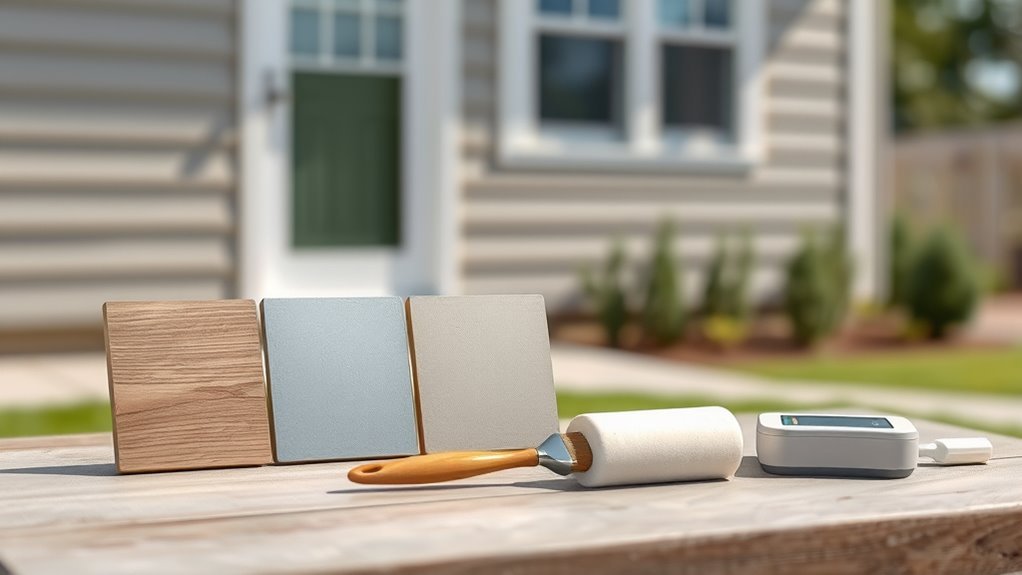
Whether you’re a weekend DIYer picking paint for your first exterior project or a pro contractor comparing sheen options, this guide helps you choose the right finish for durability, appearance, and maintenance. You’ll find clear comparisons, simple decision steps, and real-world tips so you can match sheen to surface, climate, and upkeep needs.
Pay attention to color psychology when selecting gloss levels—sheen affects perception and curb appeal. You’ll also get concise notes on environmental impact, like VOCs and cleanup.
Use the quick-reference sections to pick a sheen fast, then read details for tricky surfaces or special conditions.
Quick Answer: Best Exterior Paint Sheen by Scenario
If you want a fast, practical answer for common exterior situations, here’s the go-to sheen for each scenario based on durability, hide, and maintenance.
For siding and trim, choose satin — it balances weather resistance and cleans easily while keeping paint texture subtle.
For high-traffic areas like entryways or porches, go semi-gloss for toughness and easier washing; it highlights detail, so consider color psychology when selecting contrast.
For stucco or brick, use low-luster or matte to hide imperfections and preserve tactile texture.
For doors and shutters, pick gloss for impact and easy cleaning; accent colors pop best in higher sheen.
How Sheen Affects Durability and Weather Resistance
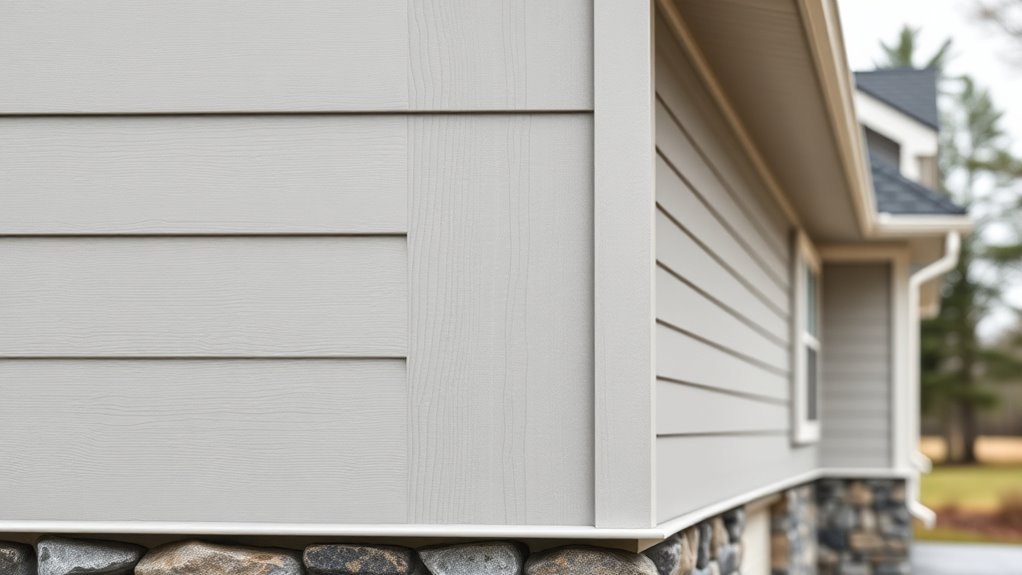
You’ll notice sheen changes how well paint sheds moisture and resists mildew, so pick a finish that suits damp conditions.
Higher sheens also stand up better to UV exposure and fading, keeping colors truer over time.
And because glossier finishes clean easier, they’ll often prolong the life of trim and high-touch surfaces.
Sheen And Moisture Resistance
How does sheen change how your exterior paint stands up to moisture and weather? Sheen alters water resistance: glossier finishes shed water and resist mildew better, while flatter sheens absorb moisture more readily.
You’ll pick higher sheen for trim and siding prone to dampness, balancing appearance and maintenance. Consider color psychology when choosing sheen—darker, glossier surfaces can feel slick and modern, while matte tones read softer.
Also weigh environmental impact: glossier paints often need fewer coats and less frequent repainting, reducing waste, but they may contain more binders. Match sheen to exposure, substrate, and maintenance willingness for best results.
UV Protection And Fading
Along with moisture resistance, sheen also influences how paint handles sunlight and fading—glossier finishes reflect more UV rays and heat, while flatter sheens absorb them and show color loss sooner.
You’ll find higher-sheen paints slow UV fading because their smooth films deflect rays and shed heat, reducing pigment breakdown. Lower sheens let more ultraviolet energy penetrate, accelerating color shift and surface oxidation on binders and pigments.
When you choose a sheen, balance aesthetics with exposure: pick tougher, glossier options for sun-drenched walls, or select fade-resistant formulations and additives if you prefer a low-luster look.
Surface Cleaning And Longevity
Wondering how sheen changes a surface’s cleanability and lifespan? You’ll find glossier sheens resist dirt, mildew, and grime better, making washing easier and extending paint life.
Matte finishes hide imperfections but trap stains, requiring more frequent maintenance.
When you choose sheen, consider color psychology: darker, glossier surfaces can feel sleek but show wear differently than lighter, flat tones.
Also weigh environmental impact—longer-lasting finishes reduce repainting frequency, lowering material use and emissions.
Pick a sheen that balances ease of cleaning, expected exposure, and aesthetic goals so your exterior stays durable and visually consistent.
How Sheen Affects Hiding Surface Imperfections

When you choose an exterior sheen, think about how much it will reveal your wall’s texture. Matte finishes hide flaws best by scattering light.
High-gloss sheens highlight every bump and brush mark.
Pick a lower sheen if you want to mask imperfections and a higher sheen if you want a crisp, reflective look.
Matte Hides Flaws Best
Because matte finishes scatter light instead of reflecting it, they’re your best choice for disguising small scratches, bumps, and uneven texture on walls and trim. You’ll find matte forgiving, especially when comparing finish options and adjusting application techniques to suit substrate flaws. Use thin, even coats and light sanding between layers to maintain uniformity without highlighting imperfections. Matte won’t hide deep gouges, so repair major damage first. Below is a quick reference:
| Surface Type | Prep Needed | Best Tip |
|---|---|---|
| Wood | Fill, sand | Thin primer |
| Stucco | Crack repair | Flexible caulk |
| Trim | Light sanding | Thin coats |
High Gloss Shows Texture
Although high-gloss finishes give a sharp, reflective look that can make colors pop, they also spotlight every bump, brush stroke, and seam on your walls and trim. You’ll want flawless prep—sanding, filling, and priming—because gloss won’t forgive imperfections.
Consider sheen psychology: high gloss reads formal and modern but can exaggerate texture under daylight and porch lights. Use it selectively on trim, doors, and accents where color coordination matters and close inspection is acceptable.
If your siding or stucco has irregularities, choose a lower sheen to mask them. Match finish to surface condition, not just style preferences.
How Sheen Affects Cleanability and Maintenance
If you want paint that’s easy to clean and holds up to scrubbing, choose a higher sheen; satin, semi-gloss, and gloss finishes resist dirt and moisture far better than flat or eggshell.
You’ll notice better color consistency after washing; glossier finishes shed grime instead of absorbing it, so hues stay truer.
Consider paint texture too: rough or heavily textured surfaces trap dirt and need gentler care, while smoother sheens tolerate stronger cleaners and pressure washing.
Pick a sheen that balances appearance with maintenance needs, and you’ll spend less time spot-cleaning and more time enjoying your exterior.
Common Exterior Sheens (Flat to Gloss)
When choosing exterior paint, you’ll typically see a range from flat through eggshell and satin to semi-gloss and gloss, each offering distinct durability and appearance.
You’ll pick flat for low-reflection, hiding surface imperfections, eggshell for subtle sheen on trim, satin for balanced durability on siding, semi-gloss for doors and trim that need frequent cleaning, and gloss for high-impact trim and accents.
Consider color mixing to match sheen across batches, and label cans carefully for consistent results.
Store leftover cans upright, sealed, and in cool, dry paint storage to preserve viscosity and prevent skinning between coats.
When to Choose Flat or Matte for Siding and Stucco
When you’ve got textured siding or stucco, flat or matte finishes hide surface imperfections better than shinier sheens. They also let porous materials breathe, which helps control moisture and reduce peeling.
And because touch-ups blend more easily with flat finishes, you’ll spend less time keeping the exterior looking uniform.
Hides Surface Imperfections
Wondering how to minimize bumps, hairline cracks, and other flaws on your siding or stucco? You’ll prefer flat or matte because lower surface gloss softens light reflections, hiding texture and minor flaws.
Sheen variations matter: the less reflective the finish, the less contrast shadows create around imperfections. Choose a true flat or matte specifically formulated for exteriors so it resists dirt while masking irregularities.
Apply consistently—uneven application can reveal flaws even with low-sheen paint. For large areas with varied texture, stick with the lowest sheen you can tolerate to keep the surface looking uniformly smooth and subtle.
Breathability And Moisture Control
Curious how paint sheen affects moisture management? You’ll find flat or matte finishes let siding and stucco breathe, allowing trapped moisture to escape rather than being sealed behind impermeable layers.
On older masonry or wood, choose breathable paints when moisture barriers are imperfect or absent; they reduce blistering and mold risk.
Pair the right sheen with proper ventilation strategies—soffit vents, ridge vents, and gaps behind cladding—to maintain dry assemblies.
Remember flat doesn’t replace structural fixes: address leaks, flashing, and barrier integrity first.
Use matte where breathability matters, and confirm compatibility with your substrate and local climate.
Low Maintenance Touch-Ups
Why pick flat or matte for touch-ups on siding and stucco? You want low maintenance fixes that blend with textured surfaces, so flat or matte hides imperfections and masks patchy spots.
Choose paint formulations that match original breathability to avoid peeling, and consider color schemes that minimize visible streaks.
For smart touch-ups:
- Match finish and sheen level precisely to existing surface.
- Use compatible paint formulations for masonry or wood substrates.
- Keep a small pre-mixed touch-up can with the paint code.
- Test a patch in an inconspicuous area to confirm color schemes and texture blend.
These steps make future upkeep easier.
When Satin or Eggshell Is Best for Wood Siding and Fiber Cement
When should you choose satin or eggshell for wood siding and fiber cement? You’ll pick satin or eggshell when you want a durable, low-glare finish that still shows subtle paint texture. These sheens hide surface imperfections better than gloss and resist dirt and moisture more than flat, so they suit clapboard, shiplap, and fiber cement panels.
For color coordination, satin enhances midtones and keeps contrast gentle with trim and accents. Use eggshell for softer, more matte looks; choose satin when you need slightly higher washability.
Both balance aesthetics and practicality without the shiny highlight of higher glosses.
When to Prefer Semi-Gloss for Trim and Doors
When you want trim and doors that stand up to frequent cleaning and wear, semi-gloss is a smart choice because it’s durable and wipes clean easily.
It also reflects light in a way that sharpens moldings, profiles, and other architectural details.
Use semi-gloss where you want both practical durability and a crisp, highlighted look.
Durability And Cleanability
Although trim and doors often get overlooked, you’ll notice their finish first because they take the brunt of bumps, scuffs, and frequent cleaning.
You’ll prefer semi-gloss when durability and cleanability matter: it resists marks, sheds dirt, and wipes down without dulling. Use semi-gloss to create color contrast or add artistic accents while keeping surfaces tough.
It’s ideal for entry doors, porch trim, and high-traffic areas where maintenance is frequent.
- Resists scuffs and abrasion
- Cleans easily with mild soap
- Holds up against weathering on edges
- Keeps painted accents sharp longer
Highlighting Architectural Detail
If you want trim and doors to stand out, pick semi-gloss to catch light and sharpen edges without sacrificing durability. You’ll use semi-gloss to draw attention to architectural accents like cornices, window casings, and entryways, creating crisp lines that read clearly from the street.
Semi-gloss resists dirt and cleans easily, so high-touch elements stay fresh. Choose a complementary color for exterior contrast to make details pop against flatter siding.
Apply with steady brushwork or spray for uniform sheen, and prep surfaces thoroughly to avoid laps and highlight the clean, intentional look semi-gloss provides.
When High-Gloss Makes Sense for Accents and Metalwork
Because metalwork and trim catch the eye, you’ll often want a high-gloss finish to make those accents pop and resist wear. You’ll choose gloss when durability, easy cleaning, and reflective contrast matter. Think about sheen symbolism and cultural preferences: glossy trim can signal formality or modernity depending on context.
Use it selectively on doors, railings, gutters, and light fixtures to avoid visual overload.
- Doors: for impact and scuff resistance
- Railings: for easy maintenance and shine
- Gutters and downspouts: for protection and uniformity
- Light fixtures and hardware: to highlight detail and reflect light
Matching Sheen to Your Home’s Architectural Style
For classic homes, you’ll usually want low-sheen finishes that keep surfaces looking soft and traditional.
Modern homes can handle satin or semi-gloss for that clean, contemporary look.
Use higher gloss on trim accents to make details pop against the main finish.
Classic Homes, Low Sheen
Want your classic home to read timeless instead of trendy? You’ll favor low sheen to preserve historic charm, minimize surface gloss, and let architectural details speak. Low-sheen finishes hide imperfections, resist glare, and deliver subtle depth without flashiness.
Choose durable formulations suited to wood, brick, or stucco, and keep color contrasts restrained so trim and siding work together. Consider slight sheen variation between elements for definition—still subtle, never shiny.
- Use eggshell or low-luster finishes on siding
- Reserve flatter paints for ornate trim
- Test samples in morning and evening light
- Prioritize durability and authentic texture
Modern Homes, Satin Or Semi-Gloss
When you’re dressing a modern home, choose satin or semi-gloss sheens to emphasize clean lines, crisp edges, and contemporary materials without calling attention to every surface flaw. You’ll highlight architectural geometry while keeping maintenance simple: satin hides minor texture, semi-gloss repels dirt on exposed siding.
Match sheen to your overall palette and interior finishes so progressions feel intentional; consider how exterior light alters perceived tone for accurate color matching. Use higher-sheen accents sparingly on elements that need subtle reflection, but avoid glossy surfaces that read as fussy.
These sheens balance durability, aesthetics, and cohesive style for modern exteriors.
Trim Accents, Higher Gloss
Although trim is a small part of your exterior, choosing a higher-gloss sheen for accents lets you define edges and architectural details with crispness and durability. You’ll spot how sheen psychology boosts perceived quality: glossy trim reads as intentional, drawing the eye and framing your paint color.
Use higher gloss on window casings, railings, and doors to resist wear and simplify cleaning. Match gloss level to architectural style—Victorian details tolerate bold shine; craftsman homes prefer subtler highlights.
Balance contrast so trim accents complement rather than compete with walls.
- Window casings
- Door frames
- Railings and balusters
- Decorative moldings
Matching Sheen to Neighborhood and HOA Rules
Because your neighborhood and HOA set the visual tone, you’ll want to choose a paint sheen that fits their guidelines and complements surrounding homes. Check HOA rules for allowed gloss levels and approved samples, and match sheen to nearby houses for subtle color coordination.
If texture is specified—smooth stucco versus rough siding—pick a sheen that minimizes flaws on rough surfaces or highlights trim on smooth ones. Get written approvals before buying. Bring sample swatches to homeowners or board meetings, and test small areas at different times of day.
Staying compliant preserves curb appeal and avoids costly repainting or fines.
Choosing Sheen for Local Climate and Sun Exposure
Matching sheen to neighborhood rules is only part of the decision—local climate and how much sun your walls get will determine which finish holds up and looks best over time. You should pick a sheen that balances sun resistance with paint flexibility: high UV and heat call for formulations resisting color fade, while fluctuating temps need finishes that expand and contract without cracking.
Consider exposure patterns and substrate type, then choose accordingly. Quick tips:
- Use lower gloss on shaded, rough surfaces to hide imperfections.
- Choose higher gloss where washability matters.
- Prioritize UV-stable pigments.
- Test a small area first.
Best Sheens for Low‑Maintenance Exteriors
When you want an exterior that stays looking good with minimal upkeep, pick sheens that resist dirt, hold color, and clean up easily; eggshell or satin often hit the sweet spot for walls, while semi‑gloss or gloss works best for trim and high‑contact areas. You’ll choose based on surface and paint formulations: satin masks texture while shedding grime, semi‑gloss stands up to washing, gloss adds durability. Match sheen during color matching to avoid surprises. Use the table below to compare common options.
| Surface | Sheen | Maintenance |
|---|---|---|
| Walls | Eggshell/Satin | Low |
| Trim | Semi‑gloss/Gloss | Medium |
| Doors | Gloss | High |
Best Sheens to Hide Repairs or Flaws
If you want repairs and surface flaws to disappear at a glance, pick lower sheens: flat and matte finishes hide bumps, patches, and uneven texture by scattering light instead of reflecting it. You’ll find these sheens mask imperfect paint texture and make touch-ups blend.
Choose flat or matte—lower sheens scatter light to disguise bumps, patches, and make touch-ups blend seamlessly.
Darker, muted color combinations reduce contrast at patch edges, while eggshell or satin can reveal flaws under direct inspection. Use proper prep and matching primer, but rely on flat/matte where hiding matters.
Consider maintenance trade-offs—lower sheens can be less scrub-resistant.
- Flat finish for maximum concealment
- Matte for modern aesthetics
- Eggshell for mild hiding
- Satin when durability’s needed
How Sheen Interacts With Color and Light Reflection
When you pick a sheen, it changes how much light bounces off the surface, affecting perceived brightness and glare.
That shift in light reflectance also alters color depth, with glossier finishes often making hues appear richer and flatter sheens softening tones.
Finally, sheen highlights surface texture, so higher gloss increases contrast on imperfections while matte minimizes it.
Light Reflectance Effects
Curious how sheen changes what you actually see? You’ll notice light behaves differently on varied finishes: glossier sheens boost color reflection and highlight imperfections, while flatter sheens mute glare and hide blemishes.
Exterior texture also shifts perceived brightness—rough surfaces scatter light, lowering shine.
- Glossy sheens increase perceived vividness but show flaws.
- Satin balances reflectance and forgiving surface look.
- Eggshell gives subtle light play with low glare.
- Flat finishes minimize shine, emphasizing true tone over reflectivity.
Choose based on exposure, desired visibility of texture, and how much light you want bouncing off surfaces.
Color Depth Perception
How does sheen change the way you perceive a color’s depth? You’ll notice higher sheens reflect more light, making hues look brighter and shallower, while lower sheens absorb light, enriching tones and suggesting greater depth.
Your color perception shifts with viewing angle and intensity; gloss can reveal subtle undertones, satin balances richness and luminosity, and matte emphasizes saturation without glare.
Use sheen deliberately to shape the visual impact of trim, siding, or accents: choose gloss to highlight details and matte to deepen broad fields. Match sheen to lighting conditions so colors read true and convey the meant presence.
Surface Texture Contrast
Because sheen governs how light bounces off a surface, it amplifies or softens the textural cues that tell your eye whether a wall feels smooth, rough, or layered. You’ll notice higher sheens highlight imperfections and make colors pop, affecting Color psychology by altering perceived warmth or coolness.
Lower sheens mask texture and lend a softer, more muted appearance, which can feel calming. Choose finishes that match architectural detail and maintenance needs, and consider eco-friendly finishes that balance performance with lower VOCs.
- Use satin on trim to define edges
- Pick flat for large, rough expanses
- Reserve gloss for accents
- Test samples in daylight
How Sheen Changes Texture, Depth, and Contrast
When you pick a sheen, you’re not just choosing shine—you’re altering how surfaces read. You’ll notice paint sheen shifts perceived texture: gloss smooths and highlights imperfections, while matte hides irregularities.
That change alters depth; higher sheen throws light back, making details pop and edges appear closer, while low sheen absorbs light, creating visual recession.
Contrast between trim and siding depends on sheen differences as much as color choices. You’ll also use color reflection strategically—glossier finishes intensify hues under light, mattes mute them.
Knowing these effects helps you balance texture, depth, and contrast for the exact exterior look you want.
Sheen and Paint Longevity: Recoat Schedules
Your chosen sheen affects durability—higher sheens usually stand up better to weather and cleaning, so you’ll see longer intervals between recoats on trim and siding with satin or semi-gloss.
Aim for recoat timing based on both sheen and exposure: check every 3–7 years for flat finishes, and 5–10 years for higher sheens, adjusting for sun, moisture, and wear.
Before repainting, make sure you prep surfaces properly—cleaning, scraping, and priming will help the new sheen adhere and last.
Sheen Impact On Durability
How long do different sheens actually extend a paint job? You’ll find sheen affects durability: higher sheen resists dirt, moisture, and abrasion better, while flat hides flaws and follows color psychology and historical trends in finish choices. Choose based on exposure and aesthetics.
- Satin and semi-gloss: tougher, cleans easier, ideal for trim and high-traffic areas.
- Gloss: most durable, repels grime, shows imperfections.
- Eggshell: moderate durability, balanced look for siding.
- Flat/matte: least abrasion-resistant, best for concealing texture but needs touch-ups sooner.
Match sheen to surface wear to maximize longevity.
Recoat Timing Guidelines
Because sheen affects wear and cleanability, you should follow different recoat intervals for each finish to keep surfaces protected and attractive. Use higher-sheen paints on trim and high-contact areas and plan recoats sooner—typically every 3–5 years—while flatter sheens on broad siding may go 5–7 years depending on exposure.
Inspect annually for chalking, fading, or compromised paint texture; address spots early to avoid larger jobs. Keep records of color matching and sheen used so touch-ups blend seamlessly.
When recoating, clean surfaces and repair damage first, then apply a compatible topcoat to maintain appearance and protection.
Surface Prep And Sheen
When you prep a surface properly, the chosen sheen will perform as promised and the paint will last longer. You’ll remove dirt, rust, and loose coating so sheen adheres uniformly, aiding color consistency across panels. Proper sanding and priming reduce peel and help you meet recommended recoat schedules.
Store leftover product correctly; paint storage at stable temperatures preserves sheen and recoat reliability. Monitor cure times before topcoating to avoid issues.
- Clean and degrease before priming
- Sand to recommended profile for adhesion
- Follow manufacturer recoat times precisely
- Keep cans sealed and stored upright to maintain quality
Sheen Impact on Mildew, Dirt Pickup, and Staining
Although sheen doesn’t change the paint’s chemistry, it strongly affects how surfaces resist mildew, attract dirt, and show stains, so you’ll want to pick a finish that matches your environment and maintenance plans.
You’ll find glossier finishes shed water and grime better, improving mildew prevention and dirt resistance on siding and trim.
Flat or low-sheen paints hide blemishes but trap moisture and stain more easily, so you’ll clean them more often.
Consider exposure: shaded, damp areas benefit from higher sheen for easier washing; sunny, less trafficked walls can use lower sheen for a softer look with occasional touch-ups.
Best Sheen for High‑Traffic Areas: Entryways and Porches
For entryways and porches, you’ll want a sheen that stands up to constant foot traffic and wiping, so durability and washability are top priorities.
Choose a finish with good moisture resistance to handle rain and humidity without peeling.
Also, look for a slightly textured or low‑sheen option that offers better grip underfoot while still cleaning easily.
Durability And Washability
Because entryways and porches get constant foot traffic and exposure to the elements, you’ll want a finish that stands up to scuffs, moisture, and frequent cleaning. Choose semi-gloss or satin for durability and easy washability, and consider color psychology to hide dirt and set a welcoming tone.
Also look for eco-friendly formulations that resist wear without harsh VOCs. Focus on surface prep and proper application to maximize longevity.
- Pick a sheen that balances toughness and appearance
- Test stains and cleaning methods first
- Recoat high-wear zones proactively
- Use breathable primers for exterior longevity
Moisture Resistance And Grip
When you’re choosing a sheen for entryways and porches, prioritize moisture resistance and slip protection so people stay safe and paint lasts through wet weather and frequent cleaning. You’ll want a low‑sheen or satin exterior formulated for wet conditions; it sheds water, resists mildew, and stands up to scrubbing.
For floors, consider textured additives or specially blended porch paints that boost grip without trapping dirt. Use sheen strategically for color coordination between walls, trim, and flooring while leaning on texture enhancement to highlight walkways and reduce slips.
Test small areas and follow manufacturer guidelines for primers and topcoats.
Best Sheen for Metal, PVC, and Vinyl Trim
If you want durable, easy-to-clean trim that resists moisture and scuffs, choose a semi-gloss or gloss finish for metal, PVC, and vinyl trim. These sheens highlight smooth surfaces, shed dirt, and stand up to wiping without losing their look.
For durable, low-maintenance metal or vinyl trim, use gloss or semi-gloss—easy to clean and scuff-resistant.
You’ll pick gloss for maximum durability and a crisp edge, or semi-gloss for a subtler shine that still cleans well. Consider color schemes and paint textures to match siding and details.
Prep with proper cleaners and adhesion-promoting primers for PVC/vinyl. Choose low-VOC, exterior-grade formulas for longevity.
- Easy maintenance
- Enhanced durability
- Crisp detail definition
- Weather resistance
Best Sheen for Brick, Stone, and Masonry
For brick, stone, and masonry you’ll usually want a matte or low-sheen finish that hides surface irregularities and looks natural.
Choose breathable masonry coatings so moisture can escape and you don’t trap water behind the paint.
Prioritize durability and stain resistance to handle weather, dirt, and occasional contact without frequent touch-ups.
Matte Or Low Sheen
Although glossy finishes can highlight imperfections, a matte or low-sheen paint is usually the best choice for brick, stone, and masonry because it minimizes glare and helps those textured surfaces look natural and uniform. You’ll appreciate how matte hides irregularities, respects surface texture, and reduces harsh color reflection, keeping tones even across uneven faces.
It resists obvious touch-ups and reads as cohesive from a distance. Choose a high-quality exterior formula that resists mildew and fading.
- Emphasizes natural finish
- Minimizes glare and hotspots
- Conceals inconsistencies well
- Maintains uniform color perception
Breathable Masonry Coatings
Because masonry needs to release trapped moisture, breathable coatings let vapor escape while still shedding liquid water. This helps you avoid peeling, blistering, and salt damage that non-permeable paints can cause.
You’ll choose breathable sheens like flat or mineral paints that maintain permeability and suit brick, stone, and stucco.
Consider paint texture: a slightly rough finish hides imperfections and helps adhesion without blocking pores.
Think about color psychology too—lighter hues reflect heat and calm facades, while earth tones highlight natural textures.
Apply proper primers and follow substrate-specific instructions so the coating performs and the masonry stays healthy.
Durability And Stain Resistance
How durable does your masonry need to be against abrasion, weathering, and staining? You want a sheen that resists grime, limits color fading, and complements surface texture without hiding detail. Choose higher-sheen elastomeric or masonry paints for tough conditions; they shed water and clean more easily.
Lower sheens suit textured stone where breathability matters. Match sheen to maintenance willingness: higher sheen cleans, lower sheen hides imperfections. Consider sealers for extra stain resistance.
- Pick semi-gloss for easy cleaning on brick
- Use satin on smoother concrete
- Choose matte for rough stone
- Apply breathable sealer to prevent trapped moisture
Prep Steps That Change by Sheen
Want your paint job to look its best? Prep steps shift with sheen: high-gloss needs meticulous sanding for smooth paint texture, satin tolerates minor imperfections, and flat hides flaws but shows color combinations differently. Clean, degrease, and repair all surfaces, then choose sanding levels and tack-cloth use based on sheen.
| Surface | Prep focus |
|---|---|
| Wood trim | Sand fine; fill cracks |
| Siding | Power wash; spot repair |
| Metal | Remove rust; scuff |
| Stucco | Brush clean; patch |
| Previously painted | Sand glossy; feather edges |
Follow these tailored prep steps to match sheen performance.
Which Primers Work Best With Each Sheen
Now you’ll match primers to the sheen you want, since compatibility affects adhesion and final appearance.
Pick primers based on the surface—wood, metal, stucco, or previously painted siding—because each substrate needs a different base.
Apply primers evenly, watch drying times, and sand or spot-prime as needed for the best finish.
Primer Compatibility By Sheen
Because sheen affects adhesion and appearance, choosing the right primer for each finish is essential to a long-lasting exterior job. You’ll match primer type to sheen to optimize durability, color psychology, and environmental impact while avoiding peeling or uneven gloss.
Consider adhesion, stain-blocking, and flexibility based on finish.
- Flat: use high-adhesion, stain-blocking primers to keep color depth true.
- Satin: choose versatile acrylic primers for balanced adhesion and slight sheen.
- Semi-gloss: pick bonding primers that resist moisture and promote scrub resistance.
- High-gloss: use high-adhesion, sandable primers for smooth, reflective results.
Surface-Type Primer Choices
How do surface materials change which primer you should pick for each sheen? You’ll match primer type to substrate and desired sheen: oil-based for dense surfaces, bonding primers for glossy or slick areas, and high-build acrylics for rough substrates. Consider color psychology when selecting tintable primers for mood or contrast. For eco friendly paints, choose low-VOC primers certified for compatibility. Use this quick guide:
| Surface | Recommended Primer | Best Sheen Pairing |
|---|---|---|
| Bare wood | Oil or alkyd | Satin or semi-gloss |
| Masonry | Masonry/acrylic | Flat or eggshell |
| Metal | Rust-inhibiting | Semi-gloss or gloss |
Match purpose, not habit.
Primer Application Tips
When you match primer to the sheen you want, you get better adhesion, easier touch-ups, and truer color payoff. Choose a high-build primer for glossy sheens to hide flaws, a stain-blocking primer for tannin-bleed risks, and a bonding primer for slick surfaces. Use color matching for tinting primers toward your topcoat to improve coverage.
Prep thoroughly, and pick appropriate paint tools for each primer: brushes for trim, rollers for broad areas, and sprayers for uniform films.
- Tint primers slightly toward final color
- Sand between coats for smoothness
- Follow manufacturer dry times
- Clean tools immediately after use
Application Tips for Flat and Matte Finishes
Although flat and matte finishes hide imperfections better than glossier paints, they demand careful surface prep and application to look their best. You’ll want clean, dry surfaces—sand glossy spots, fill cracks, and prime bare areas for uniform adhesion.
Use high-quality brushes or a nap roller suited to paint texture to avoid roller marks. Work in consistent light to monitor coverage and prevent lap marks that exaggerate color contrast.
Apply thin, even coats and allow full drying between coats. Avoid heavy brushing; feather edges and maintain a wet edge for seamless blending.
Application Tips for Satin and Eggshell Finishes
Because satin and eggshell finishes fall between flat and semi-gloss, you’ll want to balance durability with a smooth, low-sheen look. You’ll prep surfaces well, repair imperfections, and choose brushes or rollers that minimize lap marks. Consider color coordination for trim and siding so contrasts read cleanly under changing light. Match primer to substrate and test small areas to assess paint texture and sheen.
- Use a high-quality synthetic brush for edges.
- Roll with a short-nap roller for even coverage.
- Thin coats slightly to avoid orange peel.
- Sand lightly between coats for ultra-smooth results.
Application Tips for Semi-Gloss and Gloss Finishes
If you want a durable, high-sheen finish that highlights trim and architectural details, use tools and techniques that emphasize smoothness and control. Work in mild temperatures and low humidity to prevent streaks and orange peel.
Sand between coats with fine grit to refine paint texture, wiping dust before recoating.
Use a high-quality angled brush for edges and a foam roller or short-nap roller for flat sections to avoid stipple.
Apply thin, even coats and allow full flash and cure times.
Coordinate color coordination by testing small sections to confirm sheen interaction with color and surrounding surfaces.
How to Test Sheens on Your House Before Committing
When you’re deciding on a sheen, don’t guess—test it on the actual surfaces and in the real light conditions where it will live. Paint small 12×12-inch samples of each paint sheen you’re considering. Place them on trim, siding, and near corners to see how texture and shadow change appearance.
Check samples morning, midday, and evening. Use actual color matching swatches to verify hues read consistently under different sheens.
- Label each sample with sheen and date
- Apply two coats and let cure fully
- Photograph samples in natural light for comparison
- Observe from typical viewing distances before choosing
Cost Differences Between Sheens and Budgeting Tips
Now that you’ve tested sheens on real surfaces and seen how light and texture affect appearance, you’ll want to factor cost into your final choice.
Now that you’ve tested sheens on real surfaces and seen how light and texture affect appearance, factor cost into your final choice.
Do a simple cost comparison: satin and eggshell often cost less per gallon than specialty high-gloss or elastomeric paints; primers and more durable formulas raise price.
Calculate coverage, coats needed, and maintenance frequency to estimate lifecycle expense.
Budget tips: buy only needed quantity, shop seasonal sales, and choose a slightly higher-quality sheen if it reduces repainting.
Keep labor separate from material estimates so you’re ready to decide whether to DIY or get quotes later.
Sheen Choices: DIY vs. Hiring a Pro
Because sheen affects not just appearance but labor and prep, you should weigh whether to tackle the job yourself or hire a pro. If you DIY, you control color mixing, timing, and paint storage, but you’ll handle prep, ladder work, and consistent application of gloss or satin.
Pros bring speed, equipment, and experience matching sheen across surfaces, reducing touch-ups. Consider complexity, height, and desired finish durability. Ask about warranties and cleanup when getting quotes.
Make your choice based on skill, time, and budget.
- Skill level required
- Time and scheduling
- Equipment and safety
- Warranty and cleanup
Common Homeowner Mistakes When Picking Exterior Sheen
If you pick a sheen without thinking about surface type, exposure, or maintenance, you’ll end up with peeling trim, uneven gloss, or constant touch-ups. You often choose high gloss for hide, ignore texture, or forget color psychology and curb appeal. Picking oil-based for simplicity can skip eco friendly options. Test small areas, match sheen to substrate, and plan cleaning needs. Learn differences between trim, siding, and accents to avoid mismatches.
| Mistake | Consequence | Fix |
|---|---|---|
| Wrong sheen | Peeling or shine mismatch | Test first |
| Ignoring exposure | Fading, wear | Pick durable sheen |
| Skipping samples | Regret | Sample panels |
| Overlooking eco friendly options | Toxins | Choose low-VOC |
| Forgetting color psychology | Clash | Consult palette |
How to Change Sheen Later Without Repainting Everything
When you want a different finish without repainting the whole house, focus on selective treatments: strip and recoat high-visibility trim, refresh porches and shutters with spray or brush-on sheen conversions, and use clear topcoats or varnishes to adjust gloss on limited areas.
You can change sheen color perception by altering contrast and reflectivity. Plan targeted Sheen application: sand glossy spots, clean surfaces, choose compatible products, test a small patch. Use this approach to avoid full repaints while achieving uniform appearance across focal areas.
- Test patches for match and durability
- Use compatible primers and sealers
- Feather edges between sheens
- Maintain tools and technique
Touch‑Up Strategies for Different Sheens
Although matching sheen can feel tricky, you can get seamless touch-ups by prepping carefully, choosing compatible products, and blending edges. You should clean, sand feathered edges, and test a small area. Use the same base (latex vs oil) and keep paint storage tight to preserve finish. For subtle gradations, employ color blending with stippling or thin glaze layers. Match sheen visually in daylight. Store leftover paint labeled for future touch-ups. Quick reference:
| Sheen Type | Technique | Dry Time |
|---|---|---|
| Flat | Sand, thin coat | Fast |
| Satin | Feather edges | Moderate |
| Semi-gloss | Blend edges carefully | Longer |
How to Read Manufacturer Sheen Labels and Gloss
Manufacturers label sheen with terms and numbers that tell you how shiny a finish will be and how durable it is, so read both the name (flat, eggshell, satin, semi‑gloss, gloss) and any gloss percentage or scale they provide to choose the right balance of appearance and performance.
You’ll check labels for sheen names, gloss percentages, and recommended surfaces. Use gloss numbers to compare durability; higher = easier cleaning.
Consider color psychology when matching sheen to mood, and note how paint texture affects light. Read technical data sheets for abrasion and UV ratings to pick a sheen that fits function and style.
- Check sheen name and gloss %
- Compare durability ratings
- Note paint texture info
- Match sheen to color psychology
VOCs and Environmental Tips by Sheen
Because sheen affects film thickness and solvent needs, it also changes how much VOCs (volatile organic compounds) you’ll encounter. You’ll find higher-sheen coatings often need more solvent to flow and cure, raising VOCs and the environmental impact.
Choose low-VOC or waterborne formulations when possible, and check labels for VOC regulations compliance in your area.
Apply thinner coats, use proper rollers or sprayers to reduce waste, and dispose of leftover paint per local rules.
If you’re renovating in regulated zones, confirm product limits before buying.
These steps cut emissions and keep your project compliant and greener.
House Examples and Recommended Sheens
When choosing a sheen for specific parts of your house, think about how each surface handles wear, light, and cleaning—then match the finish to those needs. You’ll want practical sheens for trim, siding, doors, and porches while considering color psychology and paint texture to support curb appeal.
Pick durable, washable sheens where scuffs occur and subtler sheens where you want softness. Balance gloss for detail with low sheen for large planes to hide imperfections.
Choose washable, durable sheens for high-wear areas and softer, low-sheen finishes for larger surfaces to conceal flaws.
- Trim: semi-gloss for easy cleaning and crisp lines
- Siding: satin for weather resistance and subtle luster
- Front door: gloss for impact and durability
- Porch floors: high-durability exterior enamel
Quick Decision Flowchart to Pick the Right Sheen
If you’re unsure which sheen to pick, follow a simple decision flow: identify the surface, note how much traffic and cleaning it gets, then choose the sheen that balances durability with hiding imperfections—high gloss for heavy-wear trim and doors, satin for siding and areas that need weather resistance, and low-sheen options for large, imperfect walls.
Next, ask: will the area face moisture, sun, or frequent touching? Pick higher sheen for durability, lower sheen to mask flaws.
Consider Color psychology to match finish with curb appeal and mood.
Finally, weigh Environmental impact of formulations and cleanup when finalizing your choice.
Questions to Ask Your Painter and HOA About Sheen
Before you commit to a finish, prepare a short list of specific questions for both your painter and the HOA so you know expectations, restrictions, and maintenance implications up front.
Ask about approved sheen levels, how sheen affects color consistency across surfaces, and whether certain finishes hide or highlight paint texture.
Confirm approved sheens, how finish affects color consistency, and whether the chosen texture will be hidden or emphasized.
Confirm who inspects work and enforces standards, and clarify maintenance responsibilities tied to gloss and durability.
Get answers in writing.
- Which sheens are HOA-approved and why?
- How will you guarantee color consistency between batches?
- Will chosen sheen reveal or conceal existing paint texture?
- Who handles touch-ups and future inspections?
Signs It’s Time to Repaint Based on Sheen Wear
After you’ve confirmed approved sheens and inspection responsibilities with your painter and HOA, watch the paint’s sheen for clear signs that it’s time to repaint. Fading, chalking, or uneven gloss makes color contrast less distinct and dulls architectural accents. Scrape a small area: if finish flakes or sandpaper shows little adhesion, plan repainting. High-traffic or sun-exposed sections’ll warn first.
| Sign | Action |
|---|---|
| Chalky surface | Test and prep for new coat |
| Patchy gloss | Repaint to restore contrast |
| Flaking | Strip and prime before coating |
Address issues promptly to protect substrate and maintain curb appeal.
Manufacturer Guides and Further Reading
Want the most reliable advice on sheen, prep, and application? Check manufacturer guides first; they’ll explain recommended sheens for surfaces, drying times, and prep steps. You’ll also find color palettes and compatibility notes that prevent costly mistakes.
For best results, consult manufacturer guides for sheen, prep, drying times, color choices, and compatibility notes.
Follow linkable spec sheets for VOC limits and warranty terms, and note paint storage suggestions to extend shelf life. For depth, read independent reviews and industry standards.
- Manufacturer technical data sheets
- Color palettes and visualizer tools
- Guidance on paint storage and shelf life
- Independent tests and finishing best practices
Frequently Asked Questions
Can Sheen Affect How Quickly Paint Fades From UV Exposure?
Yes — sheen can affect fade: you’ll find gloss durability helps resist UV breakdown, while matte maintenance needs more frequent touch-ups; choosing higher-gloss exterior paints often prolongs color retention despite environmental exposure.
Will Sheen Choice Influence the Home’s Resale Appeal?
Yes — your sheen choice can sway resale appeal. Buyers notice Interior vs. exterior consistency; Matte vs. gloss decisions affect perceived quality, durability, and maintenance. Pick balanced, market-friendly sheens that suit style and neighborhood expectations.
Can Different Sheens Be Used on the Same Wall Section?
Yes—you can use different sheens on the same wall section, but you’ll need precise color matching and guarantee texture compatibility; otherwise, variations will show. Test samples, adjust application, and view in varied light before committing.
Do Specific Sheens Require Different Cleanup Solvents?
Like switching brushes between storms, yes—you’ll need different cleanup solvents for some sheens. You’ll use water for latex, mineral spirits for oil-based; cleaning techniques and surface preparation affect solvent choice, so plan accordingly and rinse thoroughly.
Are There Sheens Formulated for Historic Preservation Standards?
Yes — you can find sheens formulated for historic preservation standards; you’ll preserve historical accuracy while matching traditional paint texture, since manufacturers create low-gloss, breathable formulas that respect substrate breathability and period-appropriate finishes.
Conclusion
You’ve got what you need to pick a sheen that balances durability, appearance, and maintenance for your home. Use the quick guide and flowchart to match sheen to surface and climate, ask your painter or HOA the right questions, and watch for wear so you can refresh before problems start. Treat sheen like sunscreen for your house — the right level protects and keeps things looking great without being overbearing.
