
Is Satin Paint Good for Walls? Pros and Cons Explained
You’ll like satin paint for most walls because it balances easy cleaning and good durability with a soft, low‑to‑medium sheen that brightens rooms without a high‑gloss glare. It resists scuffs and wipes clean with mild detergent, but it can highlight bumps, patches, and uneven prep. Use proper priming, sanding, and quality tools for smooth results. Consider low‑VOC options for health and repaint schedules for traffic levels, and keep going to see tips and comparisons.
Quick Answer: Is Satin Paint Good for Walls?
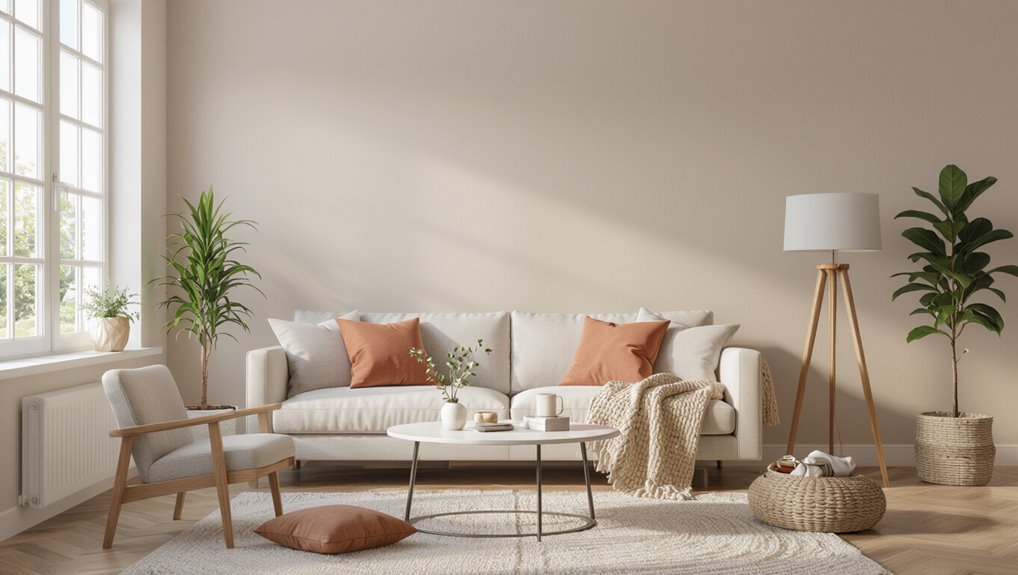
Quick answer: yes—satin paint is a great choice for many walls.
You’ll enjoy satin paint benefits like easy cleaning, subtle sheen, and good durability in high-traffic rooms.
You should note satin finish drawbacks too: it can highlight surface imperfections and isn’t as matte for hiding flaws.
Quick Decision Checklist: Pick Satin or Not
Think about how much wear the room gets and whether you’ll need to wipe marks off the walls—satin holds up and cleans easily compared with flatter finishes.
Also consider how much shine you want, since satin reflects more light and can highlight surface imperfections.
Use those two points to decide if satin fits the room’s traffic level and visual goals.
Durability And Cleanability
Because satin has a tougher finish than flat or eggshell, you’ll get better resistance to scuffs and stains and easier cleaning without scrubbing off the paint.
You’ll notice satin finish advantages in high-traffic rooms—kids’ areas, hallways, kitchens—where spills and fingerprints happen.
Choose satin if you want low-effort long term maintenance and occasional wipe-downs instead of frequent repainting.
Appearance And Light Reflection
Light reflection matters because satin sits between flat and semi-gloss: it gives walls a subtle sheen that brightens rooms without shouting, so you’ll see more color depth and surface texture than with flat finishes.
You’ll enjoy satin finish benefits like enhanced vibrancy and modest gloss.
Consider light reflection effects: satin hides minor flaws better than gloss but shows more than flat, so choose based on room lighting.
What “Satin” Sheen Means
Satin describes a low- to medium-sheen finish that sits between flat and semi-gloss; it gives walls a soft, velvety glow without the shiny mirror-like look of higher sheens.
Satin offers a soft, low-to-medium sheen—velvety glow without the high-shine mirror effect.
You’ll like satin finish benefits for hiding minor imperfections while remaining washable.
Choose satin color options confidently—tones stay true but gain gentle depth.
It’s versatile for living areas, trim, and moderate-traffic rooms.
How Lighting Changes Satin Paint’s Look
1 key factor that changes how satin paint reads on your walls is the type and direction of lighting in the room.
You’ll notice lighting effects shift color depth and highlight texture, with side light emphasizing sheen variations and overhead light softening them.
Warm bulbs warm tones; cool bulbs crisp them.
Test swatches under each lighting setup before committing to a full paint job.
How Satin Paint Shows Wall Imperfections
Because finishes with slight sheen reflect more than flat paints, you’ll see bumps, hairline cracks, and roller marks more readily on walls painted in satin.
You’ll notice increased imperfection visibility where light grazes surfaces, so preparation and smoothing matter.
Satin’s subtle shine creates texture emphasis, making patched areas or uneven skim coats stand out, so inspect and sand before you roll for a clean finish.
Satin vs Flat, Eggshell, and Semi-Gloss
When you choose a sheen, think about how much durability and shine you need: flat hides flaws best but sacrifices washability.
Eggshell offers a subtle velvety look with easier cleaning.
Satin gives more durability and a soft glow that highlights texture.
Semi-gloss provides the most scuff resistance and a noticeable sheen that emphasizes imperfections.
Use this sheen comparison guide to weigh satin finish benefits against lower or higher sheens.
Durability: Resisting Wear and Scuffs
Durability matters most in high-traffic rooms, and satin paint gives you a practical balance of toughness and finish.
You’ll get better resistance to scuffs and mild abrasion than flatter sheens, extending satin paint lifespan when applied properly.
For long-term performance, follow maintenance tips like touching up chips promptly, protecting corners with trim, and avoiding sharp impacts that compromise the film.
Cleanability: Washing Stains on Satin Paint
Stains on satin-painted walls usually wipe away more easily than on flat finishes, so you can clean most marks with a damp cloth and mild detergent without dulling the sheen.
For tougher spots, blot then gently scrub with a soft brush and a non-abrasive cleaner.
Follow stain removal steps promptly and use simple maintenance tips—avoid harsh chemicals and excessive rubbing to preserve the finish.
Surface Preparation Before Satin Paint
Before you roll on satin paint, make certain you clean and degrease the walls so the finish will adhere properly.
Patch holes and smooth out cracks or bumps to repair surface imperfections.
Finally, sand lightly and apply a suitable primer to guarantee an even, durable topcoat.
Clean And Degrease
Start by thoroughly cleaning and degreasing the walls so the satin finish will adhere evenly and look its best. You’ll use simple cleaning techniques as part of surface preparation: mild detergent, trisodium phosphate for tough grease, then rinse and dry. Follow with light sanding if needed.
| Step | Action |
|---|---|
| 1 | Dust and vacuum |
| 2 | Clean and rinse |
| 3 | Dry completely |
Repair Surface Imperfections
Small dents, nail holes, and cracks will telegraph through a satin finish if you don’t fix them, so take time to repair imperfections before painting.
You should fill holes and cracks with appropriate filler, smooth only as needed to match existing surface texture, and remove loose material.
Good wall preparation prevents shadowing and guarantees the satin sheen looks even across the room.
Sand And Prime
After you’ve filled holes and smoothed rough spots, sand the repaired areas and any glossy paint to create a uniform profile that helps satin adhere and lay flat. Use varied sanding techniques for feathering and dulling gloss, then apply the appropriate primer types for stain blocking or adhesion. Follow manufacturer’s cure time before rolling satin for best results.
| Step | Tip |
|---|---|
| 1 | Sand edges |
| 2 | Use fine grit |
| 3 | Clean dust |
| 4 | Choose primer |
| 5 | Allow to dry |
Tools and Techniques for Satin Application
When you’re planning a satin paint job, choose the right tools and use efficient techniques to get a smooth, even finish with minimal touch-ups.
Use satin paint application techniques like cutting in with an angled sash brush, rolling with a short-nap microfiber roller, and maintaining a wet edge.
Gather essential painting tools: high-quality brushes, roller covers, a tray, extension pole, painter’s tape, and a good ladder.
Drying Time and Recoating Intervals
You’ll notice satin paint usually becomes touch dry within a couple of hours, letting you handle light tasks sooner.
Keep an eye on the manufacturer’s recommended recoat window—typically 4–6 hours for water-based formulas, longer for oils.
Waiting the proper interval prevents tackiness and guarantees a smooth, even finish.
Touch Dry Time
Touch dry time for satin paint usually ranges from 30 minutes to a few hours, depending on temperature, humidity, and the paint formula. It tells you when the surface no longer feels tacky to the touch.
You should monitor drying conditions and humidity factors closely; lower humidity and warmer temps speed drying.
Handle painted areas gently until fully cured to avoid marks.
Recoat Window
After the surface no longer feels tacky, you’ll want to know how long to wait before applying the next coat—this is the recoat window.
You’ll follow manufacturer guidance, but recoat timing depends on humidity, temperature, and ventilation. Under ideal conditions you can usually recoat in 2–4 hours; colder or humid environments may need overnight drying.
- Check tackiness
- Guarantee ideal conditions
- Recoat as advised
Touch-Up Challenges With Satin Paint
Although satin’s soft sheen looks great on walls, matching repaired spots to the original finish can be tricky because the finish reflects light differently than flat or eggshell paints.
You’ll need careful touch up techniques and subtle blending methods—feather edges, thin layers, and matching sheen.
Test in inconspicuous areas, clean first, and let full cure before judging results to avoid visible patches.
Repairing Scratches, Chips, and Stains
1 simple kit and a careful approach will get most scratches, chips, and stains in satin-painted walls looking near-new again.
You’ll clean, sand, and match touch-up paint, using proven scratch repair techniques and straightforward stain removal methods.
Follow these steps:
- Clean area and blot stains.
- Lightly sand chips, apply primer.
- Feather touch-up paint and blend until seamless.
Best Rooms for Satin Paint and Why
Once you’ve repaired scratches and blended touch-ups, you can pick rooms where satin’s subtle sheen and durability really shine.
Choose high-traffic, family, and kids’ rooms for easy cleaning and resilience—hallways, living rooms, and nurseries benefit most.
Bedrooms and dining areas also suit satin paint benefits when you want moderate luster without glare.
This ideal room selection balances looks and practicality.
Rooms to Avoid and Better Alternatives
You should skip satin in high-moisture areas like bathrooms and laundry rooms because prolonged humidity can cause peeling or mildew buildup.
For formal living spaces, satin’s subtle sheen can look too casual and highlight wall imperfections. Instead, consider mildew-resistant eggshell or semi-gloss for wet zones and an elegant matte or low-luster finish for formal rooms.
High-Moisture Areas
Bathrooms, laundry rooms, and basements with poor ventilation are places where satin paint often struggles, and you should think twice before using it there.
Consider high moisture solutions that preserve satin benefits while preventing mildew.
Alternatives and actions:
- Use mildew-resistant semi-gloss for trim and wet zones.
- Improve ventilation and dehumidify first.
- Choose specialized bathroom paint with anti-mold additives.
Formal Living Spaces
While satin’s soft sheen can look inviting, formal living rooms often call for a more refined, consistent finish that won’t distract from elegant furnishings or artwork.
You’ll want paint that emphasizes color harmony and minimizes reflections; consider matte or eggshell for understated elegance.
These finishes hide imperfections and keep focus on decor, so avoid satin if you want a truly formal living atmosphere.
Trim, Doors, and Ceilings: Where to Use Satin
Because satin strikes a balance between sheen and durability, it’s often the best choice for trim, doors, and ceilings that need to stand up to knocks and cleaning without shouting for attention.
You’ll appreciate satin for trim applications, door finishes, ceiling options, and accent trim. Use it where durability and subtle reflection matter:
- High-traffic door finishes
- Durable trim applications
- Washable ceiling options
Color Choices That Suit Satin Sheen
When you pick a satin finish, remember it subtly boosts light-reflective colors, making pale shades feel brighter without glare.
You can also use satin for bold accent walls — the sheen heightens saturation and depth.
Check undertones carefully so your trim and furnishings coordinate with the way satin shifts color.
Light Reflective Colors
Light-reflective colors make satin finishes sing, so choose hues that play to the sheen without highlighting every skin of the wall.
You’ll use light color psychology to open rooms and benefit from satin finish advantages like subtle depth and easy cleaning.
Consider these options:
- Soft whites for brightness and calm.
- Pale blues to enlarge space.
- Warm beiges for cozy glow.
Bold Accent Choices
Looking for a way to make a room pop without sending your satin finish into overdrive?
Choose bold color combinations sparingly to create impact while preserving sheen balance. Use accent wall techniques—single wall, recessed niche, or framed panel—to anchor furniture and draw the eye.
Keep surrounding walls neutral and test samples under different lighting to guarantee contrast reads as designed.
Undertones And Coordination
Paint swatches reveal more than color; they show undertones that play with satin’s subtle sheen, so you’ll want to match hues that complement rather than clash.
- Test warm undertones for cozy color harmony and soft reflections.
- Choose cool undertones to keep rooms crisp and enhance design cohesion.
- Use neutral undertones as bridges between accents, ensuring balanced connections and consistent satin depth.
How Lighting and Finish Affect Color Perception
Because satin has a subtle sheen, the same color can read quite differently under varying light—warm incandescent bulbs will deepen and soften hues, while cool daylight can make them appear crisper and slightly washed out.
You’ll want to test samples at different times; consider color psychology and lighting effects to match mood and function, since finish amplifies perceived warmth, depth, and contrast.
Common Mistakes When Using Satin (And Fixes)
If you rush the prep or ignore lighting, satin can call attention to every flaw, so take care before you roll.
You’ll avoid common satin issues by prepping, using proper tools, and watching technique.
Follow these fixes for satin paint application:
- Clean and sand surfaces to prevent sheen variations.
- Use a high-quality roller for even laydown.
- Feather edges to avoid lap marks.
DIY vs Pro: When to Hire a Painter
When you’re weighing whether to tackle satin walls yourself or hire a pro, consider the scope, your skill level, and the timeline—small touch-ups and single rooms suit DIY, but large jobs, tricky surfaces, or tight schedules call for a painter.
You should factor in cost comparison and realistic project timeline estimates, your confidence with prep and finish, and desired quality before deciding.
Budget: Cost Differences by Finish and Labor
Although satin finishes fall between flat and semi-gloss in price, you’ll find that finish choice and labor drive most of the budget: higher-sheen paints cost a bit more per gallon, intricate prep or repairs add labor hours, and professional rates vary by region and experience.
Finish and labor drive costs—satin sits between flat and semi-gloss, but sheen, prep, and pros dictate your budget.
- Compare gallon prices for a clear cost comparison.
- Estimate prep and touch-up labor.
- Use budget planning to choose DIY or pro.
Health and VOCs: Safe Satin Paint Options
Because you’re spending time in painted rooms, choosing a satin paint with low VOCs matters for indoor air quality and long-term health. You should weigh health concerns against finish needs, seek safe brands, and consider eco friendly options and low VOC benefits when selecting products.
| Feature | Impact | Tip |
|---|---|---|
| VOCs | Air quality | Ventilate |
| Ingredients | Allergens | Check labels |
| Certifications | Trust | Prefer seals |
| Odor | Comfort | Cure time |
| Brand reputation | Safety | Research |
Low‑VOC and Eco-Friendly Satin Paints
After checking labels, certifications, and brand reputation for health concerns, you’ll want to focus on low‑VOC and eco‑friendly satin options that deliver a durable, washable finish without the harmful emissions.
You’ll get low VOC benefits like reduced odors and quicker reoccupation, plus eco friendly options that use renewable ingredients.
Consider these choices:
- Zero/low‑VOC water‑based satin
- Natural binders
- Certified green brands
Longevity: When to Repaint Satin Walls
If you want your satin walls to look fresh and hold up, plan on repainting every 5–7 years in normal-traffic rooms and sooner—about 3–4 years—in high‑traffic areas like hallways, kids’ rooms, or kitchens.
Check for fading, scuffs, and moisture damage annually, follow satin maintenance tips like gentle cleaning and touch-ups, and use that repaint frequency as a guideline to budget and schedule updates.
Real Homeowner Examples and Outcomes
When you walk through real homes painted in satin, you’ll see a range of outcomes—from rooms that stay vibrant for years with only light touch-ups to high-traffic spaces that show wear within a couple of seasons.
- You’ll read homeowner experiences praising easy cleaning and subtle sheen.
- Others note scuffs where kids play despite regular care.
- Your choice reflects personal preferences about sheen and upkeep.
Further Reading and Tools to Compare Sheens
Seeing those real-world results can help you decide how much sheen you want, but it also helps to consult reliable resources and side-by-side comparisons before you buy.
Look for satin paint comparisons from manufacturer guides, independent reviews, and sample cards.
Use sheen selection tips to weigh durability, washability, and light reflection.
Try swatches on different walls and view them at various times for best judgment.
Frequently Asked Questions
Will Satin Paint Yellow or Discolor Over Time?
Yes — satin paint can yellow or discolor over time, but you can reduce it. You’ll choose quality satin paint durability, guarantee proper ventilation, avoid smoke exposure, and use primer or UV-resistant coatings for effective yellowing prevention.
Can Satin Paint Be Sprayed Over Wallpaper Safely?
Yes — you can spray satin paint over wallpaper, but you shouldn’t skip wallpaper removal if it’s loose or patterned; use proper spray technique, test adhesion, repair seams, and prime first to prevent peeling and trapped moisture.
Does Satin Sheen Affect Acoustic Absorption in Rooms?
No, satin sheen barely changes acoustic properties; you’ll notice negligible effect on sound absorption. Thin paint layers don’t meaningfully alter room acoustics, so you’ll need thicker absorptive materials to improve acoustic performance.
Is Satin Paint Suitable for Kitchen Cabinets and Shelving?
Yes — you can use satin on kitchen cabinets and shelving; it boosts kitchen aesthetics, resists stains and cleaning, and enhances cabinet durability, though you’ll want careful prep and touch-ups to avoid visible wear or brush marks over time.
Can Satin Finish Be Used Over Existing Glossy Enamel Without Sanding?
Measure twice, cut once—no, you shouldn’t skip prep: you can’t reliably apply satin paint over glossy enamel without sanding. For satin paint adhesion and glossy enamel compatibility, you’ll need deglosser or sanding to guarantee proper bonding.
Conclusion
Satin’s a smart middle ground: it’s durable, wipes clean, and adds a gentle sheen without shouting. If you’re worried it’ll spotlight every flaw, imagine a soft-focus filter—satin smooths minor scuffs but won’t hide big bumps, so prep properly. Pick satin for busy rooms like kitchens, bathrooms, and kids’ spaces where practicality meets subtle polish. Want a glossier or flatter look? Swap sheens in samples before committing.
