
How Long Does Paint Need to Dry Before It Rains
You should wait for paint to form a cured film, not just feel dry. For most latex paints plan on at least 24 hours before rain; oil-based or high-gloss finishes need 48–72 hours. Thin coats in warm, low-humidity conditions dry faster; heavy coats, cold or humid weather, and porous surfaces need more time. If rain is likely sooner, cover freshly painted areas with breathable tarps. Keep going for tips on timing, tools, and fixes if rain arrives.
What This Guide Covers and Who It’s For
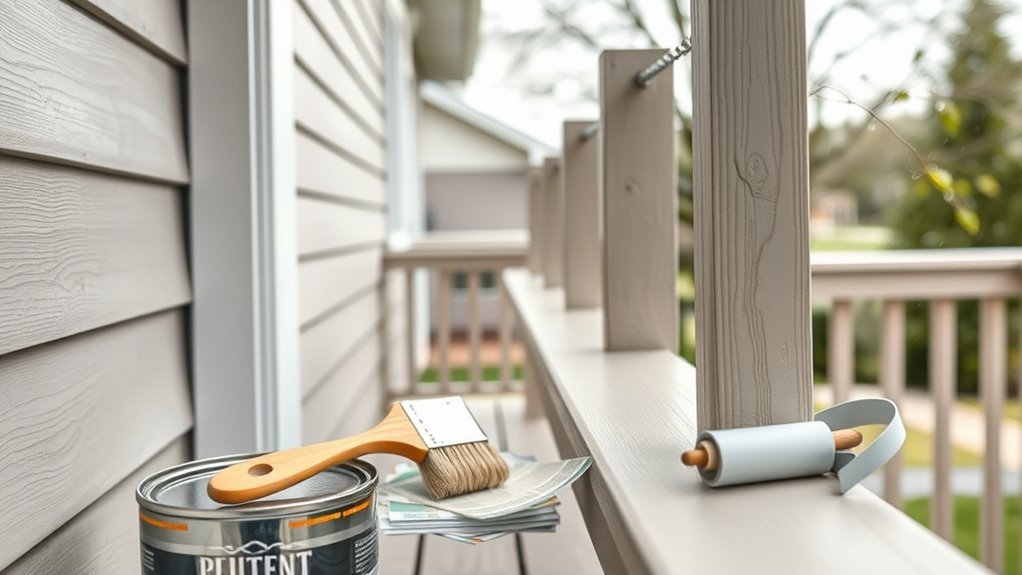
If you’re painting outdoors or planning a last-minute touch-up before a storm, this guide tells you exactly what factors determine how long paint needs to dry and how to protect your work when rain’s forecast. You’ll learn which weather variables matter, differences between water- and oil-based formulas, and practical steps to shield wet surfaces.
This guide’s for DIYers, contractors, and anyone juggling timing, so you can decide whether to wait, cover, or postpone. It also touches on prepping supplies, color mixing tips to avoid wasted batches, and paint storage best practices to keep leftovers usable after wet weather.
Quick Answer: How Long Paint Needs to Be Rain-Safe
You’ll want to think about dry time versus actual rain resistance, since paint can feel dry to the touch long before it’s truly safe from water.
Most exterior paints need at least a few hours to set and an overnight window (6–24 hours depending on product and conditions) to be reliably rain-safe.
Check the paint’s label and local weather to pick the safest wait time.
Dry Time vs. Rain
When rain’s in the forecast, aim to keep freshly painted surfaces dry for at least 24 hours for most latex and 48 hours for oil-based paints to be considered rain-safe; shorter times risk tackiness, streaking, or wash-off. You’ll protect finish and mood—color psychology matters when wet streaks ruin intent. Consider leftover disposal and paint recycling rather than hurried touch-ups. Check humidity and temperature; they change dry time. If uncertain, delay.
| Feeling | Risk | Action |
|---|---|---|
| Frustration | Streaks | Wait longer |
| Relief | Safe | Cover |
| Regret | Wash-off | Repaint |
| Hope | Recovery | Recycle |
Overnight Safety Window
Getting the paint through an overnight forecast means allowing enough time for the surface to form a dry skin that resists light moisture. For most latex paints that’s about 24 hours and for oil-based finishes about 48 hours.
You should check temperature and humidity, avoid early morning dew, and keep tarps handy.
If you’ve just finished with fresh color mixing or used wet brush techniques, give extra cure time—thin coats dry faster than heavy ones.
Recoat times, manufacturer specs, and wind matter too. When in doubt, wait the full recommended period so rain won’t mar your finish or cause streaking.
What “Dry to the Touch” vs “Rain-Safe” Means
Although a painted surface might feel dry within an hour, “dry to the touch” only means the top layer no longer transfers to your fingers. It doesn’t mean the paint has cured enough to withstand rain. You should know the difference so you won’t ruin color mixing or waste careful brush techniques.
“Rain-safe” means solvents have evaporated and films bonded through curing, often taking hours to days depending on product and conditions. Check manufacturer times, humidity, and temperature. If unsure, wait longer.
- Surface feels dry but layers are soft
- Curing depends on product chemistry
- Humidity slows bonding
- Cooler temps extend cure time
- Follow manufacturer guidelines
Quick Decision Guide: Paint Now, Protect, or Reschedule?
If you’re facing a looming shower, decide quickly: paint now and protect, or reschedule the job. Check forecast timing, paint type, and surface temperature.
If rain is hours away and paint feels tacky, don’t risk runs—cover with plastic and tarps, secure edges, and work in small sections. If humidity’s high or heavy rain’s predicted, postpone and store leftover cans properly for paint recycling later.
Also consider color psychology: darker hues show streaks more, so delay them if conditions aren’t ideal. You’ll save time and finish with cleaner results by choosing protection or postponement wisely.
Latex (Water-Based) Paint: Rain-Ready Timeframes
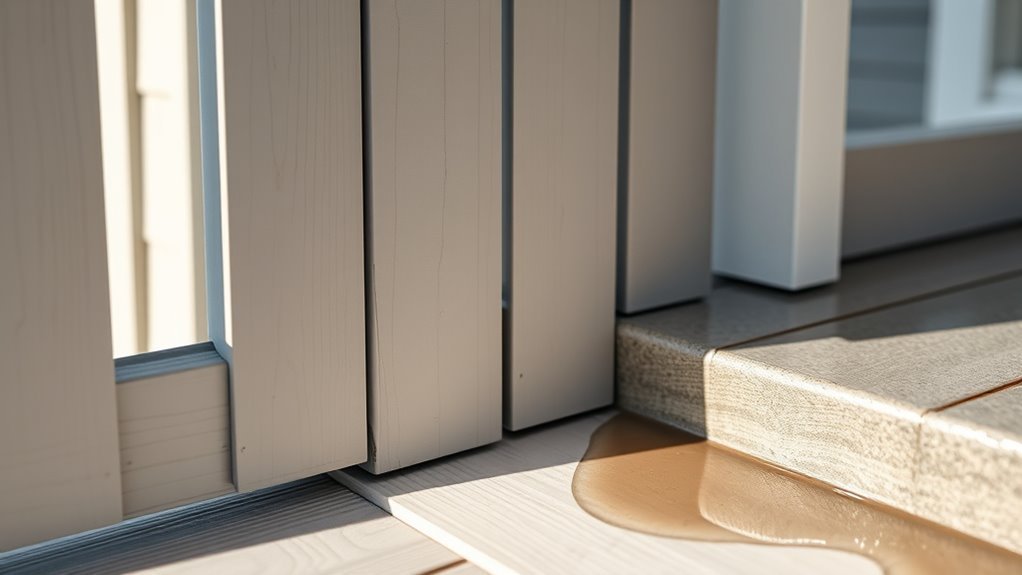
Because latex (water-based) paints dry primarily by water evaporation, you’ll usually need a shorter wait time before rain compared with oil-based formulas—most latex finishes form a surface skin within 30 minutes to 1 hour and become rain-resistant in about 1–2 hours under ideal warm, low-humidity conditions.
You should still plan carefully: humidity, temperature, and film thickness change drying. Keep brushes covered, follow manufacturer’s recoat guidelines, and avoid painting if storms are likely within a few hours.
- Check humidity and temperature before you start.
- Apply thin, even coats for faster cure.
- Monitor weather forecasts closely.
- Store leftovers properly for color mixing and paint storage.
- Delay if heavy dew is expected.
Oil-Based Paint: Rain-Ready Timeframes
With oil-based paint you’ll want to distinguish between surface drying and full curing, since a dry-to-touch finish can still be vulnerable to rain.
Check temperature, humidity, and wind because those factors can slow both drying and curing times dramatically.
As a rule, wait at least 24–48 hours before light rain and up to a week for heavy exposure when conditions are cool or humid.
Drying Vs. Curing
When you paint with oil-based formulas, know that “dry” and “cured” mean very different things. You’ll see a surface that’s dry to the touch within hours to a day, but full cure—when the film hardens and resists water—takes days to weeks. That affects when rain can safely fall.
- Dry time: touch-dry, dust-free
- Cure time: chemical hardening, full durability
- Color mixing: pigments may appear different before cure
- Paint sheen: gloss develops as solvent evaporates and cure progresses
- Rain risk: premature exposure can cause streaks and soft spots
Plan rain avoidance around cure, not just dry time.
Weather Impact Factors
Now that you know the gap between surface dry and full cure for oil-based paints, consider how weather variables change that timeline—temperature, humidity, wind, and upcoming precipitation each speed up or slow chemical hardening.
You’ll find high heat usually accelerates cross-linking, while humidity slows solvent evaporation and prolongs tackiness, risking rain damage.
Wind can help evaporation but may carry debris that mars paint texture.
If storms loom, your color psychology choices matter less than protection; darker pigments can absorb heat and dry faster, lighter ones reflect and stay softer longer.
Plan around forecasted conditions to safeguard finish and appearance.
Minimum Rain Wait
Although oil-based paints feel dry to the touch within a few hours, you should generally wait at least 24 to 48 hours before exposing them to rain to avoid surface tackiness and solvent-driven softening. You’ll protect finish integrity by considering temperature, humidity, and coat thickness. If storms threaten sooner, postpone application.
- Check forecast and delay if rain is within 48 hours.
- Apply thinner coats to speed safe cure without sacrificing color mixing.
- Keep painted surfaces covered with breathable tarps if unexpected showers occur.
- Schedule jobs when daytime temps are moderate and humidity is low.
- Perform prompt brush cleaning to avoid ruined tools and contamination.
Exterior Primer: How Long Before a Shower
If rain’s in the forecast, you’ll want to wait at least 24 hours after applying exterior primer before it gets wet. You should consider temperature, humidity, and coat thickness; chilly or humid conditions can extend cure time. Use proper brush techniques for even coverage and avoid overworking the surface. Color mixing isn’t critical for most primers, but if tinting, allow extra flash time. Check manufacturer instructions and touch a hidden spot before a storm.
| Condition | Minimum wait | Tip |
|---|---|---|
| Warm/Dry | 24 hrs | Thin coats |
| Cool/Humid | 48+ hrs | Monitor touch |
Stain and Clear Coat: Dry Times Before Rain
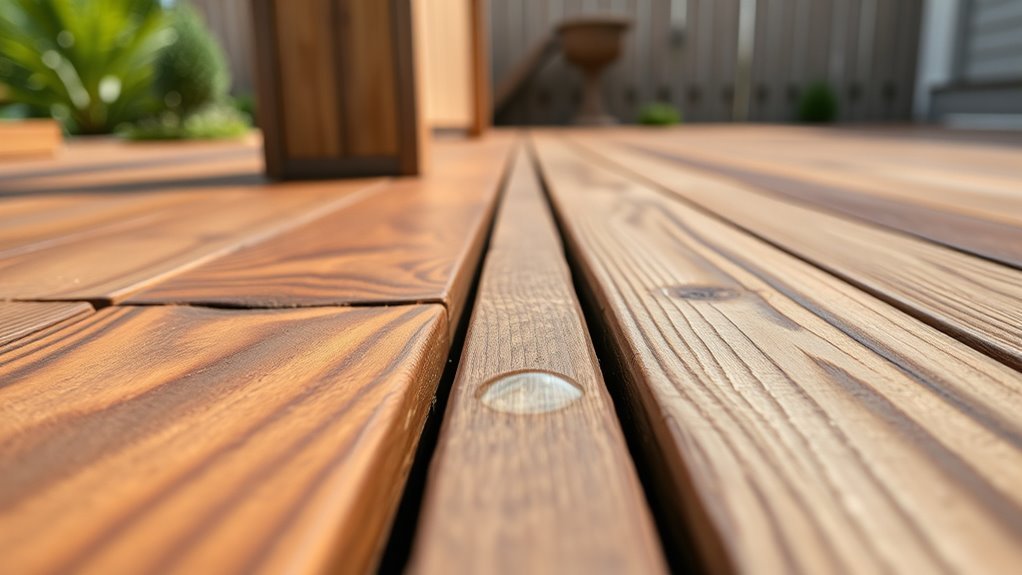
After letting primer set, you’ll need to treat stain and clear coat differently because they cure and respond to moisture in other ways. You should wait longer for clear coats—typically 24–48 hours—to avoid clouding, while stains often penetrate and dry within 6–24 hours depending on formulation.
Choose stains with eco-friendly pigments to reduce VOC issues and consider color psychology when selecting tones that age well under weather. Check manufacturer specs and weather forecasts, and do a touch test before rain.
- Verify tack-free times
- Prefer low-humidity windows
- Use breathable stains outdoors
- Avoid rain within 24 hours for clear coats
- Follow label instructions
How Surface Material Affects Drying: Wood, Metal, Masonry, Vinyl
Because different materials absorb and retain moisture differently, you’ll see big variations in drying times across wood, metal, masonry, and vinyl.
You’ll notice raw wood soaks primer and needs longer cure time; good surface preparation and sanding reduce blotchiness and help paint texture level smoothly.
Metal cools quickly and may need rust treatment and a primer that promotes adhesion; thin coats dry faster but can feel tacky if humidity’s high.
Masonry is porous, so breathable masonry paints and longer set times matter.
Vinyl repels moisture, so flexible paints and careful prep avoid peeling and speed functional drying.
Temperature Effects: Below 50°F and Above 90°F
When temperatures dip below 50°F, paint will dry much more slowly, so you’ll need to leave it exposed longer before rain.
Above 90°F the surface can skin over while solvent or water stays trapped underneath, which can cause blistering, cracking, or poor adhesion.
Adjust your schedule and choose formulations rated for those extremes to avoid temperature-related failures.
Drying Time Slows
If temperatures dip below about 50°F or climb above roughly 90°F, paint’s drying process will slow and you’ll need to adjust your timing — cold air cuts chemical reactions, while extreme heat speeds surface skinning but traps solvents underneath, lengthening full cure.
You should monitor conditions so your paint color stays true and tools last; plan extra drying time and protect fresh work. Pay attention to brush maintenance to avoid ruined bristles when reusing.
Consider these actions:
- Check forecast and humidity before starting
- Use slow-drying formulas in heat, fast-dry in chill
- Thin coats for consistent cure
- Shield work from direct sun
- Keep brushes sealed between coats
Temperature-Related Failures
Low or high temperatures can wreck a paint job by disrupting the chemical drying process. If it’s below 50°F, solvents won’t evaporate properly, causing tacky surfaces, sagging, and poor adhesion. You’ll see altered paint texture and uneven gloss.
Above 90°F, paint can skin over while the substrate stays wet, trapping solvents and causing blistering or cracking later. These defects change how colors read—color psychology matters when moods or perception shift with sheen and finish.
To avoid failures, follow the manufacturer’s temperature range, store cans at moderate temps, and delay work when forecasts promise extremes that jeopardize curing.
Humidity Effects: How Moisture Slows Drying
Because moist air holds heat and slows evaporation, higher humidity meaningfully prolongs paint drying times. You’ll notice tacky surfaces, longer recoat waits, and risk of finish defects when moisture stays near wet paint.
Consider color psychology and paint texture: darker, glossy finishes can feel slower to set under humid conditions. Plan accordingly so your project avoids blushing, sagging, or mildew.
- Check local humidity forecasts before painting
- Use dehumidifiers or air conditioners indoors
- Choose paints formulated for high-humidity environments
- Delay exterior painting when relative humidity exceeds recommendations
- Allow extra cure time before exposure to rain
Wind and Sun: When They Help or Hurt Drying
When wind and sun work together they can speed surface drying by evaporating solvents and water, but they can also create problems—too much wind may skin over paint before solvents escape, and intense sun can cause blistering, lap marks, or uneven sheen.
You’ll want to choose timing and shade to manage risks: work in morning or late afternoon when breezes are moderate and sun is gentler.
Watch paint texture as it cures; thin films dry fast but may show defects, while textured finishes hide flaws.
Consider color psychology too—darker hues absorb heat, increasing surface temperature and altering drying behavior.
Coat Thickness and Number of Coats: Effect on Rain Readiness
If you apply a heavy coat, it’ll take much longer to dry through than a thin, even film, and that thicker wet layer stays vulnerable to rain and runs. You should prefer thin, even coats and more passes so each layer cures faster. Multiple thin coats reduce sagging and preserve intended paint texture and color psychology effects.
Wait recommended times between coats, and check tackiness before any forecasted shower. Consider quick-dry primers or additives for humid days.
- Use thin coats for faster surface cure
- Sand lightly between coats for adhesion
- Follow manufacturer recoat times
- Avoid rushing during humid forecasts
- Test a small patch first
Why Paint-Can Drying Times Can Mislead You
Those can labels give a useful baseline, but they often understate how long paint really needs before rain. You shouldn’t rely solely on that stamped time because real conditions—humidity, temperature, and surface porosity—slow curing. Labels list time to touch, not full cure; rain can revive tacky film and trap Paint fumes, affecting finish and safety. Color selection can influence heat absorption and drying speed, too. Use the table below to compare factors and consequences so you can judge readiness more realistically.
| Factor | Effect |
|---|---|
| Humidity | Slows cure |
| Temperature | Speeds or stalls |
| Surface | Absorbs or beads |
| Color selection | Alters heat |
| Paint fumes | Indicate cure status |
How to Read Dry-Time Info on Paint Cans
Because paint cans pack a lot of drying details into tiny print, you’ll want to know what each term actually means before trusting that time. Read label sections: “dry to touch,” “recoat,” and “full cure.” Note temperature and humidity ranges; those override ideal times. Watch for surface prep notes and whether color mixing was done at the factory or requires shaking. Check if specific Brush selection is recommended for proper film thickness. If VOC or oil/water base is listed, expect different cure behavior.
- Dry-to-touch vs. recoat definitions
- Temperature/humidity specs
- Surface prep instructions
- Color mixing notes
- Brush selection guidance
Quick Tests to Check if Paint Is Ready for Rain
When rain’s on the horizon, you’ll want a few quick, reliable checks to confirm paint can withstand a shower; these simple tests let you assess surface dryness, film integrity, and adhesion without specialized tools.
First, do a fingertip touch: press gently in an inconspicuous spot—no tackiness means surface dry, but deeper cure depends on paint formulation.
Next, try the tape test: press low-tack tape, pull sharply; no lift indicates good adhesion.
Check edges for bubbling or wrinkling.
Finally, note color psychology—darker hues retain heat and cure faster, so account for temperature effects when judging readiness.
Temporary Protection Methods for Incoming Rain
If rain’s headed your way and the paint isn’t fully cured, act quickly to shield the work. You’ll want temporary measures that avoid smudging wet strokes or disturbing color theory decisions and brush techniques you’ve applied.
Move lightweight furniture, tilt umbrellas to divert runoff, and create short-term covers that don’t touch painted surfaces. Keep traffic low and mark the area so no one brushes against it.
Move furniture, angle umbrellas to shed runoff, and use non-contact covers—keep the area marked and traffic minimal.
- Prop quick drip edges with scrap wood
- Use freestanding pop-up canopies nearby
- Hang plastic sheeting without contacting paint
- Elevate items off painted floors
- Direct gutters and downspouts away from the area
How to Tarp or Cover Without Ruining the Finish
Now that you’ve set up temporary protection, cover the paint without touching the surface by suspending tarps or plastic sheeting so they drape around the work rather than rest on it. Use poles, stakes, or a lightweight frame to keep fabric off the finish. Fasten edges securely to prevent flapping but avoid clamping to painted surfaces.
Maintain airflow to limit moisture buildup; slight gaps help paint cure. When moving covers, lift straight up to avoid brushing wet areas—consider where you stored brushes and note how different brush types dry into texture.
Keep color mixing supplies sealed and away from the drying zone.
Best Covers: Tarps, Plastic, and Breathable Options
Although plastic sheeting is the quickest option, you’ll want to weigh durability, breathability, and surface protection when choosing a cover. You’ll pick based on paint type, weather timing, and whether you used eco-friendly paints.
Consider how color psychology of the cover affects heat buildup. Use breathable options for long dry times and plastic or tarps for short, protected stints.
- Lightweight breathable canvas to prevent trapped moisture
- Heavy-duty tarp for wind and debris resistance
- Clear plastic for sunlight but watch heat
- Drop cloths for delicate finishes and minimal abrasion
- Permeable sheeting that sheds rain yet vents vapor
When to Postpone Painting Because of Rain Risk
You should postpone painting until conditions give the paint a full cure to avoid tackiness and wash-off.
Check reliable weather windows for several dry days and stable temperatures before you start.
Only paint when surfaces are dry and the forecast shows minimal rain risk.
Wait For Full Cure
Because paint can feel dry to the touch long before it’s fully cured, you should delay painting if rain is likely within the cure window—typically 24 to 72 hours for most latex and oil-based finishes.
This is important so the film can harden without moisture ruining adhesion or finish. You’ll also protect color psychology choices and preserve the desired paint texture by waiting the full cure period. If you’re unsure, postpone.
- Check product cure times on the can.
- Factor humidity and temperature into decisions.
- Prioritize sheltered areas first.
- Avoid painting before overnight showers.
- Test a small patch after the recommended cure time.
Check Weather Windows
When a storm’s on the horizon, check the full weather window—not just the chance of rain—to decide whether to postpone painting, since even brief showers or high humidity can ruin fresh paint before it cures.
You should review hourly forecasts, dew point, and wind direction so drying conditions stay consistent for the recommended time.
If forecasts show any risk of dampness, reschedule; wet evenings matter as much as daytime showers.
Protect mixed cans during color mixing and keep extra paint in proper paint storage to avoid waste if you must delay.
Err on the side of a longer dry window to protect your work.
Paint Only When Dry
After checking the full weather window, hold off on painting if surfaces aren’t fully dry—fresh paint won’t tolerate even light rain or lingering dampness. You shouldn’t risk streaks, peeling, or ruined gloss; postponing preserves finish and color psychology choices.
Choose eco friendly paints, but wait until humidity and substrate are right. Consider these quick checks before you start:
- Inspect surfaces for hidden damp spots.
- Monitor relative humidity and dew point.
- Confirm no rain predicted for full cure time.
- Use tarps only as temporary protection.
- Delay if temperatures will drop overnight.
Waiting pays off with lasting results and truer hues.
Fast-Drying Paint Options for Unpredictable Weather
If you’re racing a storm front, choosing fast-drying paints can keep your project on schedule and protect your surfaces from moisture damage. You’ll want acrylic latex and water-based enamels because they cure quicker than oils, letting you recoat sooner and lessen rain risk.
Racing a storm? Use fast-drying acrylic latex or water-based enamel to recoat sooner and reduce rain risk.
For trim and detail, consider fast-dry alkyd hybrids that balance durability with speed.
Pay attention to color mixing—pigment concentration affects drying—so test mixes before committing.
Use proper brush techniques: thin, even coats and quality brushes reduce drying time and defects.
Always follow manufacturer instructions and check weather forecasts to time applications precisely.
Safe Additives and Accelerators That Speed Drying
You can use approved drying accelerators to shave hours off cure time without harming finish quality.
In solvent-based systems, specific additives speed solvent evaporation but you should follow manufacturer limits to avoid film defects.
Also control temperature and humidity during and after application to make those additives work reliably.
Approved Drying Accelerators
When weather threatens your paint job, approved drying accelerators can speed curing without compromising finish quality or safety. You’ll want to pick one that matches your paint type and application conditions.
You’ll choose water-based compatible additives, low-odor catalysts, or polymer accelerators designed to preserve color blending and finish sheen. Follow manufacturer dosage, test a small area, and confirm HVAC/ventilation needs.
Approved options reduce tack time and rain risk without harming adhesion.
- Water-based commercial accelerators
- Low-odor polymer catalysts
- Glycol-based retardant reducers
- UV-curing enhancers (for specialty paints)
- pH-stabilizing additives
Solvent-Based Additives
Although solvent-based additives work differently than waterborne accelerators, they’re a reliable option when you need faster drying for oil- and alkyd-based paints. You’ll add small doses to speed solvent evaporation and film formation without harming finish or color. Always test mixes on scraps, noting effects on gloss, adhesion, and Color mixing. Label mixes and follow Paint storage guidance to avoid cross-contamination. Use manufacturer-approved products and PPE.
| Additive | Effect |
|---|---|
| Cobalt driers | Speeds surface cure |
| Calcium | Promotes hardness |
| Manganese | Balances drying |
| Retarders | Slow if needed |
| Notes | Test first, follow label |
Temperature And Humidity Controls
If you want paint to dry faster without changing its chemistry, control the temperature and humidity in the workspace—raising air temperature and lowering relative humidity speeds solvent evaporation and film formation, while steady airflow removes moisture-rich boundary layers.
You can safely accelerate drying by adjusting environmental controls and using approved accelerators; avoid harsh solvents. Keep tools clean, use correct Color mixing ratios, and adapt your Brush techniques to thinner coats so layers cure quicker.
Consider these practical steps:
- Raise room temperature moderately with heaters
- Use dehumidifiers to cut relative humidity
- Increase gentle ventilation or fans
- Apply thinner, even coats
- Use manufacturer-recommended accelerators
Adjusting Your Paint Schedule for Seasonal Weather
Because seasonal shifts change temperature, humidity, and sunlight, you should plan your painting schedule around the most reliable weather windows each season.
In spring, expect variable humidity—choose quick-drying formulas and test paint texture on scrap boards. Light colors influenced by color psychology can brighten damp days.
Summer offers long dry spells, but heat can thin paint, so work mornings or evenings.
Fall’s cooling nights slow curing; pick lower-VOC, slower-setting products and watch forecasts.
In winter, avoid exterior jobs unless temperatures and dryness are stable; focus on interior projects where you control climate and drying conditions.
Spot Repairs After Rain Damage: What to Fix and When
After a storm, you should first assess the paint film for softness, cracking, or loss of adhesion to judge whether the coating is still sound.
If you spot peeling or blistering, scrape back to stable edges, sand, prime bare areas, and touch up with matching paint.
Tackle the worst failures first to stop moisture from getting behind more paint.
Assess Paint Film Integrity
When rain hits freshly painted surfaces, you’ll need to inspect the paint film closely to spot what failed and decide what to fix first. Check adhesion, uniformity, and whether moisture caused discoloration or surface roughness.
Note areas needing color blending or texture enhancement to match surrounding finishes. Prioritize structural integrity, then cosmetic fixes.
Use careful taps, fingernail tests, and feel for tackiness to map damage.
- Flaking or loose edges
- Surface tackiness or soft spots
- Color washout or streaks
- Uneven texture or roller marks
- Isolated thin spots needing touch-up
Repair Peeling And Blistering
Once you’ve mapped out adhesion failures and tacky areas, you’ll tackle peeling and blistering next, focusing on stopping damage from spreading and restoring a smooth surface.
Start by scraping loose paint and popping blisters with a sharp tool, then sand edges feather-smooth. Remove contaminants, prime bare spots, and fill depressions so paint texture matches surrounding areas.
Choose a compatible primer and topcoat that suit substrate and local climate. Consider color psychology when selecting touch-up tones to minimize visual disruption.
Recoat only when primer is dry to the manufacturer’s spec, and monitor repaired spots after the next few rains.
Preventing Streaks, Blistering, and Peeling From Rain
Although rain can arrive unpredictably, you can take specific steps to prevent streaks, blistering, and peeling by timing your work, choosing the right paint and primer, and preparing surfaces properly.
Start on dry days, check forecasts, and avoid painting when humidity’s high. Use quality primers and rain-resistant topcoats, and follow manufacturer recoat intervals.
Start on dry days, monitor forecasts, avoid high humidity, and use quality primers and rain-resistant topcoats.
Pay attention to color mixing for uniform opacity and practice brush techniques to avoid overworking edges. Seal joints and repair damage before painting.
- Check weather and humidity
- Use compatible primer and topcoat
- Mix colors thoroughly for even coverage
- Use proper brush techniques and angles
- Seal gaps and flash-dry edges
How Long Professionals Wait Before Rain
If rain’s forecasted, professionals usually wait until the paint has reached its rain-ready cure—typically 24 to 48 hours for latex and up to 72 hours for oil-based or high-gloss finishes—before they consider a safe window, and they’ll extend that if humidity is high or temperatures are low.
You’ll follow their checklist: monitor forecasts, check surface tack, and delay if dew or wind-driven rain is likely.
Pros use precise color mixing to avoid rework and adjust brush techniques to minimize thin areas that absorb moisture.
You’ll prioritize ventilation, warmth, and leaving ample cure time rather than risking finish damage.
Cost vs. Delay: When Waiting Is Worth It
When rain’s in the forecast, weigh the cost of waiting against the cost of potential rework. You’ll decide based on project value, timeline, and how rain affects color theory and paint texture.
Consider hidden costs like labor rescheduling and damaged substrate. Waiting can preserve finish quality; rushing can mean strip-and-repaint expenses.
- Project urgency versus long-term durability
- Labor hourly rates and crew availability
- Material cost for touch-ups or full recoats
- Impact on appearance: gloss, hue shifts, texture changes
- Customer satisfaction and warranty implications
Make a quick cost-benefit call rather than guessing the right pause.
Tools to Monitor Drying Conditions: Thermometer & Hygrometer
You’ll want a reliable thermometer to track air and surface temperatures, since paint cure rates change with heat.
Pair it with a hygrometer so you can monitor relative humidity and understand how moisture slows drying.
Place sensors near the painted surface, shield them from direct sun or rain, and check calibration periodically for accurate readings.
Temperature Measurement Basics
Because paint chemistry depends on both heat and humidity, monitoring temperature with a reliable thermometer is essential before and during drying. You’ll learn how to read ambient and surface temps, place probes correctly, and match conditions to manufacturer recommendations — useful whether you’re considering color theory shifts in perceived hue or comparing paint branding guidance.
- Use a digital probe thermometer for surface readings.
- Check ambient temperature at paint height.
- Calibrate your thermometer periodically.
- Avoid direct sunlight on the sensor.
- Record temps at intervals during drying.
Follow these steps so you can time painting ahead of forecasted rain.
Humidity’s Role Explained
Although temperature sets the pace, humidity determines how quickly solvent and water actually leave the paint film, so you should monitor relative humidity with a reliable hygrometer alongside your thermometer.
High humidity slows drying, can cause tacky surfaces, and risks runs or bloom; low humidity speeds drying but may prevent proper flow, affecting color combinations and finish uniformity.
Watch short-term humidity spikes during application and initial cure.
Use readings to adjust timing between coats and to pick brush techniques that minimize reworking—lighter strokes in humid conditions, fuller, smoother strokes when air is dry.
React to readings, and you’ll avoid weather-related defects.
Placement And Calibration Tips
Humidity readings only matter if your thermometer and hygrometer are giving accurate, relevant data, so it’s worth thinking about where and how you place them. You’ll want sensors that reflect the actual surface environment, not direct sun or trapped drafts.
Calibrate regularly with a salt test or compare to a known reference. Keep instruments near your working area and at the painted surface height for true readings.
Think about how Color theory and brush techniques affect drying—thicker strokes hold moisture longer.
Follow these placement tips:
- Avoid direct sunlight on sensors
- Mount at painted surface height
- Shield from wind but allow airflow
- Check calibration monthly
- Keep sensors clean and dust-free
Accounting for Local Microclimates: Shade, Trees, Water
When you’re planning to paint outdoors, remember that microclimates created by shade, nearby trees, and bodies of water can slow drying dramatically. Microclimate variations mean cooler, more humid pockets hang near fences, under eaves, and beside ponds.
You should check temperature and humidity at the exact spot, not just the forecast. Trees block sun and trap moisture, extending tack time and amplifying paint odor.
Paint in sunlit windows when possible, angle panels to catch airflow, and avoid low spots where dew forms. Factor extra drying hours and choose fast-dry formulas if your site shows persistent damp or limited ventilation.
Day-Of Checklist for Painting When Rain Is Forecast
If rain’s in the forecast, get a focused day-of checklist together so you can protect fresh paint and finish on schedule. You’ll verify weather windows, move paint and tools under cover, and confirm color mixing matches dried samples.
Secure tarps, raise ladders away from puddles, and set a drying-priority for sheltered surfaces. Check paint storage temperatures and seal cans tightly to prevent contamination.
Communicate timing with helpers so everyone knows when to stop or shelter work.
- Cover painted areas with breathable tarps
- Move mixed paint indoors
- Level ground and relocate ladders
- Seal and label paint storage
- Monitor brief weather updates
Frequently Asked Questions
Can Rain Dilute Paint Already Applied During Light Drizzle?
Yes — if paint hasn’t cured, light drizzle can cause paint dilution and wash or streak pigment. You’ll notice softened edges, color loss, or tackiness; let fresh coats dry properly or protect them from moisture immediately.
Will Dew Form Overnight and Affect Newly Painted Surfaces?
Yes — dew formation and overnight moisture can rewet fresh paint, causing tackiness, streaks, or poor adhesion; you’ll want paint to cure sufficiently before nightfall or use protective covers to prevent damage and guarantee a proper finish.
Can I Paint Gutters or Rooflines Catchment Before Rain?
Yes — you can paint gutters and rooflines before rain if you time it right; you’ll follow gutter maintenance and roofline care guidelines, pick quick-dry paint, and avoid painting if storms are expected within the recommended curing window.
Does Primer Need Sanding Before Reapplication After Rain Damage?
Yes — if rain caused primer damage, you’ll sand before reapplication to restore primer adhesion. Surface preparation should remove loose film, feather edges, and clean the substrate so the new primer bonds properly and prevents future failures.
How Does Salt Air Near Coasts Impact Rain-Related Drying?
Salt air accelerates salt corrosion and worsens coastal humidity effects, so you’ll need longer dry times and extra protection; you’ll apply corrosion-resistant primers, increase curing time, and expect salt to attract moisture that compromises paint during rain.
Conclusion
You’ve got the essentials to decide whether to paint or play it safe when rain’s looming. Aim for the manufacturer’s rain-safe time, watch temperature and humidity, and protect fresh work if conditions change. If you’re unsure, don’t risk it — better safe than sorry — because a ruined finish costs more time and money than a short delay. Follow the day-of checklist and you’ll keep your paint job looking great.
