
How to Remove Latex Paint From Cement Quickly
If the latex paint is fresh, grab warm soapy water, a stiff brush and rags, blot and rinse immediately, then scrub until the splash lifts; for tacky spots you can soften with extra soap and elbow grease before scraping with a putty knife. For cured paint, soak with a baking-soda paste or a biodegradable stripper, then scrape or pressure-wash stubborn areas while wearing PPE. Follow with a rinse and proper disposal, and keep going for detailed methods and tool tips.
Quick Answer: Best Way to Remove Latex Paint From Cement
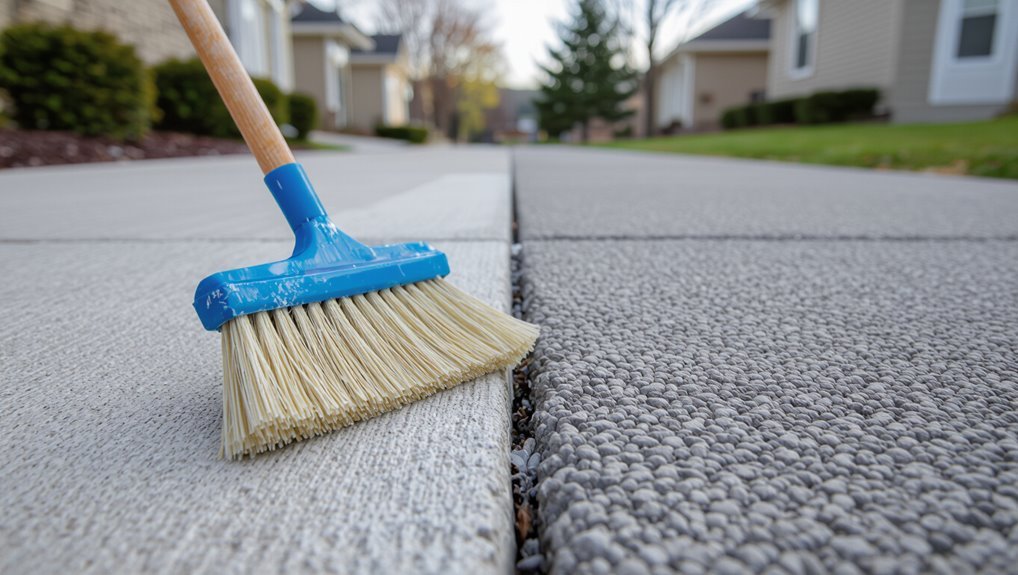
Start by scraping off any loose paint with a stiff brush or putty knife.
Then apply a concentrated cleaner—dish soap and hot water for recent spills, or a commercial latex paint remover for older, stubborn spots.
You’ll use efficient paint removal techniques and proven surface cleaning methods: scrub with a stiff brush, rinse thoroughly, repeat as needed, and finish with a pressure washer for deep stains.
Assess the Paint: Fresh Splatter vs Cured Latex Stains
First check whether the paint is still wet—fresh splatter will feel tacky and may smear when you press it lightly.
If it’s hard, cracked, or deeply bonded to the pores of the cement, you’re dealing with cured latex stains that need more aggressive treatment.
Note how long it’s been since the spill, because time affects which removal methods will work best.
Fresh Paint Indicators
Texture tells you a lot: wet latex looks glossy and feels tacky, while cured stains are dull, dry, and slightly raised from the cement. You can test small areas to gauge paint adhesion and anticipate color fading if exposed. Use this quick checklist:
| Indicator | Action |
|---|---|
| Glossy surface | Blot with rag |
| Tacky feel | Blot, rinse |
| Fresh smell | Use water |
| No smell | Delay treatment |
Signs Of Cured Stains
When you’re evaluating splatters, look for signs that the latex has fully cured: the paint will be dull, hard to the touch, and won’t smear when you rub it with a cloth.
You’ll notice cured paint characteristics like slight brittleness and color dulling. These tell you the stain permanence is high, so you’ll need stronger removal methods and more effort than for fresh splatter.
Time Since Application
If you can tell how long the paint’s been on the cement, you can choose the right removal method: fresh splatters (still tacky or soft) lift with simple soap, water, and scrubbing, while cured latex (hard, dull, and brittle) demands stronger mechanical or chemical approaches. Assess application timing and paint adhesion to pick tools and cleaners.
| Age | Texture | Method |
|---|---|---|
| <24h | Tacky | Soap/scrub |
| 1–7d | Partially cured | Scrape/pressure |
| >7d | Hard | Chemical/mech |
| Unknown | Test spot | Proceed accordingly |
Safety First: PPE and Protecting Surrounding Concrete
Before you start scrubbing or using chemicals, suit up and shield the surrounding concrete—proper PPE and containment will protect you and prevent further staining.
Wear personal protective gear: gloves, goggles, respirator, and long sleeves.
Use concrete coverings or plastic sheeting taped at edges to catch splatter.
Ventilate the area, keep bystanders away, and have a spill kit and neutralizer ready.
Quick DIY Fixes for Fresh Latex Paint on Cement
1 simple trick you can try right away is to blot and lift fresh latex with plain water and a stiff brush—act fast while the paint’s still wet, because it’ll come off much easier.
Use appropriate cleaning tools and know paint types to avoid damage.
Try:
- Blot with towels
- Scrub with stiff brush + water
- Rinse and repeat until clean
Homemade Removers for Small or Older Cured Spots
For small or older cured spots, start by softening the paint with warm soapy water and a stiff brush to loosen the film.
If that doesn’t fully lift the stain, make a scrubbing paste with baking soda and a little water and work it into the spot with circular motions.
Rinse and repeat until the paint thins enough to scrape or wash away.
Softening With Warm Soapy Water
Start by mixing a bucket of warm water with a few squirts of dish soap to create a gentle, sudsy solution that’ll help loosen small or older cured latex paint spots on cement.
You’ll use basic painting techniques and common cleaning supplies. Apply, soak briefly, then blot.
- Let suds penetrate 10–15 minutes
- Reapply as needed
- Rinse and dry thoroughly
Scrubbing Paste With Baking Soda
Mix a thick paste of baking soda and water, then spread it over the cured paint spots and let it sit briefly so the mildly abrasive mixture can loosen dried latex.
Use a stiff brush and firm scrubbing techniques, adjusting paste consistency to stay gritty but not runny.
Rinse with water, repeat as needed, and dry the area to inspect for remaining residue.
When to Use Store-Bought Strippers for Latex Paint
You should reach for a store-bought stripper when the paint is thick, has built up over multiple coats, or your scraping and household remedies aren’t making progress; commercial products are formulated to soften cured latex quickly and reduce labor on large or stubborn areas.
Choose store bought options after an effectiveness comparison and consider:
- Coverage and dwell time
- Safety and ventilation needs
- Cleanup and residue removal requirements
Pressure Washing, Scraping, and Mechanical Removal
Tackle stubborn latex paint on cement with a combination of pressure washing, scraping, and mechanical tools to remove what chemical strippers won’t shift; these methods physically break paint’s bond with the surface and work especially well on rough or heavily textured concrete. You’ll adjust pressure settings for different paint types, consider surface texture, minimize environmental impact, use appropriate cleaning solutions, and follow removal techniques for stain prevention.
| Tool | Best for | Note |
|---|---|---|
| Pressure washer | Large areas | Vary pressure settings |
| Scraper | Edges | Helps paint adhesion break |
| Grinder | Deep stains | Affects surface texture |
| Brush | Cleaning | Use mild cleaning solutions |
| Vacuum | Cleanup | Reduces environmental impact |
Tools and Chemicals That Damage Concrete (Avoid These)
While aggressive tools and harsh chemicals can speed removal, they’ll also scar, etch, or permanently weaken concrete if you use them incorrectly.
You should avoid products and methods that damage the slab:
- acidic cleaners that burn the surface and alter pH
- abrasive tools like grinders or wire brushes that gouge
- strong solvents that strip binders and weaken aggregate
Choose gentler alternatives and test first.
Speed Up Removal Without Harming the Slab
Start by prepping the area—sweep, wet the slab, and test a small spot to see how the paint responds.
Choose safe chemicals like biodegradable paint removers or citrus-based strippers and follow label directions to protect the concrete.
Combine those with fast mechanical methods—pressure washing or a stiff brush and scraper—to speed removal without damaging the slab.
Surface Preparation Steps
Before you begin any paint-removal method, prepare the slab so you speed up stripping and avoid damage: clear and sweep the area, repair deep cracks or spalls with a suitable patch, and mask off adjacent surfaces to protect them from chemical strippers or blasting.
Assess surface types and note paint adhesion; choose tools accordingly.
- Remove loose debris
- Test a small patch
- Secure ventilation and PPE
Safe Chemical Options
Now that the slab is prepped and you’ve tested a small area, consider chemical strippers to speed paint removal without etching or weakening the cement.
Choose eco friendly solvents labeled for masonry, follow dwell times, rinse thoroughly, and wear PPE.
Biodegradable options reduce environmental impact and fume hazards.
Always read product instructions, patch-test again if unsure, and dispose of residues per local regulations.
Fast Mechanical Techniques
Accelerate paint removal with targeted mechanical methods that strip latex without damaging the concrete: use a floor buffer with a stripping pad for large, flat areas; a 4–6 inch angle grinder or oscillating tool fitted with a diamond cup wheel or carbide scraper for stubborn spots and edges; and a pressure washer on a moderate setting (2,000–3,000 psi) to rinse loosened paint while avoiding surface erosion.
- Use power tools with appropriate grinding pads.
- Combine scraping methods and mechanical brushes for edges.
- Pair pressure techniques with paint solvents sparingly to loosen residue.
Troubleshooting Stubborn Latex Paint Stains
When a spot of latex paint won’t budge with your usual cleaners, don’t panic—you’ve got options that can save the surface without damaging the cement.
For stubborn spots, revisit cement surface preparation: scrub with a stiff brush, try a commercial latex paint removal product, or apply a poultice of trisodium phosphate.
Rinse, repeat targeted treatments, and test abrasives in an inconspicuous area first.
Prevent Future Paint Stains and Easy Cleanup Habits
If you want to avoid future headaches, set up simple habits before you start painting: cover nearby cement with drop cloths or plastic sheeting, keep a bucket of water and rags handy for immediate drips, and use painter’s tape or cardboard to shield edges.
Adopt paint prevention tips and efficient cleanup techniques:
Adopt simple paint-prevention habits and quick cleanup techniques to keep surfaces spotless and projects hassle-free.
- Wipe spills promptly with water and mild soap.
- Use trays and lids to contain paint.
- Store brushes in sealed bags between uses.
Frequently Asked Questions
Will Household Bleach Remove Latex Paint From Concrete?
No, household bleach won’t reliably remove latex paint from concrete; you’ll need stronger paint removal techniques. Bleach effectiveness is limited to cleaning, not stripping — use a commercial remover, pressure washer, or mechanical abrasion instead.
Can Latex Paint Be Removed From Sealed Concrete Surfaces?
Yes — you can remove latex paint from sealed concrete, but you’ll need stronger strippers and abrasion because sealing methods reduce paint adhesion; you’ll want to test products, use a plastic scraper, and consider pressure washing afterward.
How Long After Painting Is Paint Considered “Cured” on Concrete?
Want to know when paint’s fully set? You’ll typically see concrete drying in 24–48 hours, but paint curing usually takes 7–30 days depending on temperature, humidity, and thickness, so wait before heavy use.
Is It Safe to Use a Heat Gun on Concrete Paint Stains?
Yes, you can use a heat gun on concrete paint stains, but you’ll follow heat gun safety: keep the concrete surface cool, use low heat, hold distance, ventilate, and wear gloves and eye protection to avoid scorching or inhaling fumes.
Can Tree Sap or Oil Interfere With Paint Removal Methods?
About 60% of DIYers report contamination delays: yes, tree sap and oil can interfere with paint removal by bonding to surfaces and repelling solvents. You’ll need solvents, scraping, and degreasers to restore effective paint removal.
Conclusion
Act fast: removing fresh latex paint within the first 24–48 hours vastly increases your chances of full removal, since up to 90% of spills can be cleaned before they cure. Wear gloves and eye protection, protect nearby concrete, and try a quick scrape with a plastic putty knife, then a soap-and-water scrub. For older stains, use gentle citrus or ammonia-based cleaners and a stiff brush. Keep a mop and plastic sheeting handy to prevent future headaches.
