
What Is the Difference Between Latex and Acrylic Paint?
Latex paint usually means a water-based formula with vinyl‑acrylic binders; acrylic paint uses pure acrylic polymers, so it’s tougher, more UV‑ and moisture‑resistant, and better for exteriors. You’ll find latex is often cheaper, dries a bit faster, and can be fine indoors, while acrylic gives superior adhesion, flexibility, and color retention on challenging or exterior surfaces. Prep with primer on bare or porous areas, test small spots first, and keep reading to learn practical tips and labeling cues.
Quick Answer: When to Choose Latex vs Acrylic

When you need a durable, fast-drying paint for interior walls or trim, pick latex; when you want a tougher, more flexible finish for outdoor surfaces, choose acrylic.
You’ll favor latex advantages like easy cleanup, low odor, and good hide indoors.
Yet you’ll weigh acrylic drawbacks such as higher cost and longer cure time against its superior weather resistance for exterior jobs.
Why This Comparison Matters for DIYers
Because your project, budget, and skill level directly affect finish and longevity, picking the right paint matters for every DIY job.
You’ll improve DIY projects by tailoring paint selection to surface preparation and application techniques, factoring environmental factors and budget considerations.
That boosts project longevity and guarantees appropriate finish types, reducing rework and achieving professional-looking results with less waste and frustration.
What “Latex Paint” Means Today
“Latex paint” today refers to water-based paints that use synthetic polymers—usually acrylic, vinyl acrylic, or styrene-butadiene—as binders rather than natural latex; manufacturers kept the familiar term because it’s simple and widely recognized. You’ll appreciate latex paint benefits like easy cleanup, quick drying, and durability for many latex paint applications around your home.
| Comfort | Confidence |
|---|---|
| Clean | Lasting |
| Simple | Trusted |
What “Acrylic Paint” Means Today
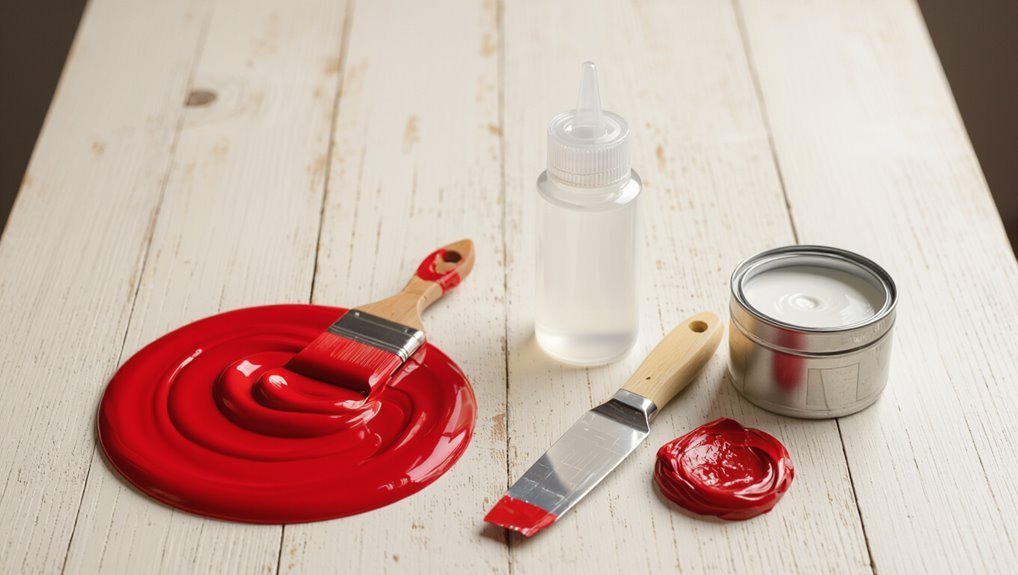
If you’re comparing terms, acrylic paint specifically refers to water-based paints that use acrylic polymer emulsions as the binder, not just any synthetic resin.
You’ll find acrylic formulations engineered for varied textures, drying times, and durability.
In practical terms, you use them for art, murals, crafts, and exterior or interior surfaces; their modern applications emphasize fast drying, flexibility, and color retention.
Base Chemistry Differences: Latex vs Acrylic
You’ll notice the biggest chemical split is waterborne latex versus polymer-driven acrylic systems, which changes how the paint forms a film.
Pay attention to the different resins and binders used—latex typically uses synthetic rubber or vinyl-acrylic copolymers, while acrylics rely on more durable acrylic polymers.
Also consider pH and solvent sensitivity, since those affect storage, surface compatibility, and cleanup.
Waterborne Vs Polymer
While both are waterborne, acrylics and latex paints differ in the polymer that binds the pigment: acrylics use 100% acrylic polymers, giving stronger film formation and better UV and weather resistance, whereas latex paints typically use vinyl-acrylic or other co-polymers that make them more economical but somewhat less durable.
You’ll get waterborne benefits from both, yet polymer advantages favor acrylics for longevity and outdoor use.
Resin And Binder Types
Having covered how different polymers affect performance, let’s look more closely at the actual resins and binders that make up latex and acrylic paints.
You’ll find acrylics use pure acrylic resins offering stronger adhesion and UV resistance, while latex often blends styrene-acrylics for cost and flexibility.
Understand resin types and binder functions to choose durability, flexibility, and finish for your project.
pH And Solvent Sensitivity
Because their base chemistries differ, latex and acrylic paints respond differently to pH and solvents, and that affects how you prep surfaces and clean up mistakes.
You’ll notice pH sensitivity: latex (often vinyl-based) can react to alkaline surfaces, while acrylic resists pH swings.
Solvent effects differ too—acrylic tolerates mild solvents better, but harsh solvents can damage either, so test first.
How Binders Shape Real-World Performance
How the binder is made has a big impact on the paint’s performance, so you should look beyond just “latex” or “acrylic” labels.
The binder composition governs adhesion, resistance to wear, and how much the film can flex without cracking.
That balance between durability and flexibility determines which paint will hold up best in your specific project.
Binder Composition Effects
Think of the binder as the paint’s backbone: it determines adhesion, flexibility, and durability, so choosing between latex (water-based acrylic or vinyl emulsions) and true acrylic changes how the paint performs on real surfaces.
You’ll consider binder types, environmental impact, application techniques, drying characteristics, color mixing, surface preparation, paint finishes, and product labeling.
- Coverage
- Sheen control
- Touch-up behavior
Durability And Flexibility
After you’ve weighed coverage, sheen control, and touch-up behavior, the binder’s chemistry becomes the deciding factor for how paint stands up over time and under stress.
You’ll see a clear durability comparison: acrylic binders resist UV and chalking better, while latex fares well indoors.
Your flexibility analysis shows acrylic’s film stretches and recovers more, reducing cracking on exterior surfaces.
Durability: Which Lasts Longer
When you’re choosing paint for a high-traffic area, durability usually becomes the deciding factor: You’ll want a longevity comparison using clear performance metrics to decide.
Consider these factors:
- Wear resistance — acrylic often outlasts latex on exterior surfaces.
- Fade resistance — acrylic holds color longer.
- Maintenance — latex is easier to touch up but may need recoating sooner.
Flexibility and Resistance to Cracking

Durability affects more than just how long a finish lasts; it also influences how well a paint flexes with a surface over time.
You’ll see a clear flexibility comparison: latex tends to be more forgiving on small movements, while 100% acrylic offers superior long-term cracking resistance on exterior surfaces.
Choose based on expected movement, climate, and substrate to minimize hairline splits and peeling.
Adhesion: Which Surfaces They Grip Best
You’ll see differences in how latex and acrylic stick depending on the surface: porous materials like wood or drywall let both bond well, though acrylic often grips moisture-prone substrates better.
On very smooth surfaces, acrylic’s film-forming properties usually give it an edge unless you sand or etch first.
And whether a surface is primed or unprimed can make the biggest difference—priming improves adhesion for both paints.
Porous Surface Bonding
Because porous surfaces soak up binders differently, latex and acrylic paints don’t grip every substrate the same way.
You’ll notice differences in bonding strength and surface compatibility depending on porosity.
Consider these tips:
- Test absorption on raw wood before full application.
- Prime masonry to improve adhesion and uniformity.
- Sand lightly and remove dust for best contact and durability.
Smooth Surface Grip
When you work on smooth surfaces like glass, metal, or glossy trim, acrylics usually grip better than standard latex because their polymers form a tougher, more flexible film that bonds to low-porosity substrates.
Latex can cling acceptably if the surface’s sheen is dulled and a proper primer is used.
You’ll prefer acrylics for smooth surface applications and subtle texture effects, while latex suits less demanding, low-sheen jobs.
Primed Vs Unprimed
Smooth, glossy pieces often need more than just the right paint type — they usually need a primer to guarantee lasting adhesion.
You’ll see primed advantages on rough or previously painted walls, while unprimed applications work for raw, porous materials. Decide based on surface and durability needs.
- Primed: adhesion, uniform finish
- Unprimed: absorbent, quick soak
- Prep: clean, sand, dry
Moisture and Mildew Resistance: Side‑by‑Side
Though both latex and acrylic paints are water-based, they handle moisture and mildew quite differently, so you’ll want to pick the right one for humid rooms.
You’ll find acrylic offers superior moisture resistance and mildew prevention on exteriors and damp bathrooms.
Latex can work if you use proper surface treatment and mildew-resistant additives, but performance still depends on environmental factors and prep.
Breathability: How Paints Handle Moisture
You’ll want to contemplate moisture vapor permeability when choosing paint, since it determines how well water vapor can pass through the film.
Latex and acrylic differ in permeability and that affects dampness resistance levels on interior and exterior walls.
Understanding those differences helps you pick a finish that prevents trapped moisture and related damage.
Moisture Vapor Permeability
Because walls need to release and absorb moisture, paint choice matters: latex and acrylic finishes differ in how much vapor they let through, which affects mold risk, peeling, and indoor humidity control.
You’ll consider moisture management and permeability factors when choosing paint.
- Acrylic: higher permeability, lets vapor pass.
- Latex: moderate permeability, easier tolerance.
- Test surface and ventilation before painting.
Dampness Resistance Levels
Having considered how much vapor different paints let through, you’ll now look at how they actually resist dampness once moisture’s present.
You’ll find acrylics typically offer superior moisture resistance, shedding water and reducing staining, while many latex formulas remain more breathable but less impervious.
Choose based on location: higher resistance boosts paint longevity in damp areas; breathability prevents trapped moisture behind coatings.
Drying and Recoat Times
Drying and recoat times can vary a lot between latex and acrylic paints, so plan your schedule accordingly:
- Check drying times on the label; latex often dries faster to touch, acrylic may cure longer.
- Respect recoat intervals to avoid tackiness or film issues; humidity and temperature change timing.
- Test a small area before full recoating so you’re confident in timing and finish.
Coverage and Hiding Power Compared
When you compare coverage and hiding power, acrylics generally deliver stronger opacity per coat than most water-based latexes, letting you mask dark colors or stains with fewer layers; however, high-quality latex formulations can match acrylics on many interior walls.
So check the label’s spread rate and opacity ratings to decide how many coats you’ll actually need.
For a clear coverage comparison, test samples and note hiding power per coat.
Finish Options and How They Age
Because finish choice affects both look and longevity, you should weigh sheen and composition together: latex and acrylic come in flat, eggshell, satin, semi-gloss, and gloss, and each sheen hides flaws, reflects light, and wears differently over time.
- Consider finish durability and wear resistance.
- Expect varied aging characteristics: surface aging, texture changes, gloss retention.
- Monitor color fading; choose sheen for maintenance and repair.
Color Retention and UV Resistance
When you pick a paint, consider how well it resists UV fading and holds color over time.
Acrylics generally offer stronger UV resistance and better long-term color retention than standard latex.
That means colors will stay truer longer on sunny walls when you choose the right formulation.
UV Fading Resistance
Although both latex and acrylic paints can look similar at first, their color retention under sunlight can differ considerably.
You should weigh UV protection and fading resistance when choosing paint:
- Acrylic offers stronger UV protection, so colors resist fading longer.
- Latex is cost-effective but needs more frequent touch-ups outdoors.
- Add UV-resistant clear coats to boost either paint’s fading resistance and lifespan.
Long-Term Color Retention
If you want paint that keeps its original hue for years, focus on pigment quality and UV resistance rather than just finish or brand names. You’ll prioritize pigment stability and color longevity when choosing acrylics or latex; additives and clear UV topcoats help. Compare fastness, lightfast ratings, and maintenance schedules to preserve vibrancy.
| Factor | Impact |
|---|---|
| Pigment Type | High |
| UV Coating | High |
| Maintenance | Medium |
| Binder Quality | Medium |
Application Tips: Brushes, Rollers, and Spray
While choosing the right tool matters, you’ll get the cleanest finish by matching brush, roller, or spray technique to the paint type and surface; latex favors synthetic-bristle brushes and medium-nap rollers, while acrylic (especially artist-grade acrylics) often benefits from softer filaments and lower-nap rollers or controlled spraying for fine detail.
Match your tool and technique to paint and surface for the cleanest finish—synthetic bristles for latex, softer filaments for fine acrylic work.
- Use proper brush techniques for edges.
- Match roller types to texture.
- Adjust spray settings for application surfaces.
Speeding Drying and Avoiding Defects
After you’ve matched brushes, rollers, and spray settings to the paint and surface, speed and care during drying will determine whether you end up with a smooth, defect-free finish or runs, orange peel, and tacky spots.
Use proper drying techniques: control temperature, humidity, and airflow; thin coats; and allow recommended flash time.
For defect prevention, avoid overbrushing, heavy buildup, and rapid temperature swings.
Cleanup, Safety, and VOCs
When you’re done painting, cleanup is usually easier with water-based latex and acrylic—you’ll just need soap and water.
Check product labels for VOC levels, since lower-VOC formulations are safer for indoor use and reduce fumes.
Also wear gloves and guarantee good ventilation to protect your skin and lungs.
Cleanup Ease
Cleanup ease matters because it affects your time, safety, and indoor air quality. You’ll need appropriate cleaning supplies, know drying methods, and adapt technique differences for brushes and rollers.
Consider application tools, surface preparation, storage tips, environmental impact, and proper waste disposal.
- Rinse tools promptly.
- Use recommended solvents or water.
- Label and seal leftovers.
VOCs And Safety
Rinsing and storing your tools properly helps, but you also need to think about the fumes that paints release while you work and as they cure.
You should choose low-VOC formulas when possible, ventilate well, and wear appropriate protection to reduce VOCs impact.
Follow local safety regulations, read labels, and dispose of solvents and rags safely to prevent hazards and long-term exposure.
Cost: Upfront vs Lifecycle
Although acrylic often carries a higher price per gallon than standard latex, you’ll usually pay more up front for premium acrylics because they contain higher solids and better binders.
Acrylics cost more up front, but their higher solids and superior binders deliver longer-lasting performance and value
Over the lifecycle, though, acrylic can save you money through longer durability, fewer repaints, and better color retention.
- initial investment: higher for acrylics.
- long term savings: fewer recoats, less maintenance.
- Consider surface, exposure, and resale value.
Best Uses for Latex Indoors
Comfort matters when you’re picking paint for indoor spaces, and latex delivers a practical balance of ease and performance for most rooms.
You’ll prefer latex for living rooms, bedrooms, hallways, and ceilings because it’s low-odor, quick-drying, and easy to clean.
It suits many indoor applications and works with a variety of paint finishes, especially matte and eggshell, for smooth, durable results.
Best Uses for Acrylic Around the Home
Because acrylic bonds strongly and resists moisture, you’ll reach for it where durability and quick restoration matter most around the house.
Use its acrylic versatility for various home projects, interior finishes, and unmatched surface compatibility.
Consider color selection and simple application techniques to speed work.
- Bathroom trim and cabinets
- High-traffic hallways
- Utility rooms and laundry areas
Why Choose Acrylic for Exteriors
If you’ve used acrylic indoors for its toughness and quick-drying benefits, you’ll find those same strengths make it a top choice for exteriors. You get acrylic benefits like exterior durability, weather resistance, color retention, mildew resistance, and a long lasting finish. Use proper application techniques for surface compatibility to maximize lifespan.
| Feature | Advantage |
|---|---|
| Durability | Resists cracking |
| Weather | Holds color |
| Mildew | Stays clean |
| Finish | Lasts longer |
When Latex Is Smarter for Interiors
When you’re painting inside and want easy cleanup, low odor, and flexible coverage that hides minor surface flaws, latex is often the smarter pick for interiors.
You’ll choose latex for many interior applications during paint selection because it dries quickly, resists yellowing, and cleans with water.
Consider these benefits:
- Fast drying
- Low odor
- Easy maintenance
Painting Metal, Plastic, and Masonry
Although metal, plastic, and masonry demand different prep and primers, you can get durable results with either latex or acrylic by choosing the right products and surface prep.
You’ll tailor surface preparation and application methods to metal surfaces, plastic finishes, and masonry techniques to maximize paint adhesion, coating durability, and weather resistance.
Match cleaner, etcher, and flexible coatings to substrate movement.
Priming Rules: When Primer Is Required
You’ve seen how substrate prep and product choice affect adhesion on metal, plastic, and masonry, and that leads directly into deciding whether primer is needed.
You’ll weigh primer types, surface preparation, adhesion importance, substrate compatibility, paint layering, application technique, drying conditions, and project duration.
Consider:
- Bare or porous surfaces
- Stains, rust, or incompatibility
- Color change or extended durability
Common Mistakes When Swapping Paints
Switching between latex and acrylic paints can seem simple, but mismatching solvent bases, skipping primer, or ignoring surface prep will quickly cause adhesion failures, blistering, or uneven sheen.
You’ll avoid problems by focusing on surface preparation, correct application techniques, respecting drying times, matching finish types, accounting for environmental factors, proper paint storage, and thoughtful tool selection.
Don’t improvise color mixing or skip testing.
How to Test a Small Area First
Start by picking a discreet patch roughly the size of a dinner plate and treat it exactly like the rest of the job—clean, prime if needed, apply the paint, and let it cure—so you can judge adhesion, color match, sheen, and drying behavior before committing to the whole surface.
Use simple test methods on sample areas:
- Scratch adhesion
- Color/sheen check
- Dry time measurement
Quick Decision Checklist + Product Labeling Tips
When deciding quickly, follow a short checklist that helps you match paint type to surface, durability needs, and cleanup preferences:
note substrate (wood, drywall, metal),
choose latex for easy cleanup and flexibility or acrylic for tougher exterior wear,
check sheen for desired finish,
confirm dry and recoat times,
and verify VOC levels if indoor air quality matters.
Use labeling guidelines as a quick reference on the can.
Frequently Asked Questions
Can Acrylic and Latex Be Mixed Together in One Can?
Yes — you can’t safely mix different base paints in one can; you should avoid combining acrylic and latex directly. Instead, use compatible mixing techniques, respect each paint’s properties, and blend only like-formula products.
Which Paint Is Better for Painting Over Oil-Based Coatings?
You’ll want oil-based compatibility: use oil-based or a high-quality acrylic with proper primer. You’ll need thorough surface preparation—clean, sand, and prime—so your new paint bonds instead of peeling, ensuring a durable, smooth finish.
How Do Temperature Extremes Affect Paint Curing and Longevity?
Extreme temperatures slow or halt the curing process and weaken adhesion; you’ll get cracking, blistering, or soft finishes. Temperature effects shorten longevity if paints freeze or overheat, so you should paint within recommended temperature ranges.
Are There Compatibility Issues With Certain Caulks or Sealants?
Yes — you’ll want to mind caulk compatibility; some sealant types (solvent-based or silicone) can react with certain paints or fail to adhere. Test small areas and choose compatible products to avoid unsightly surprises.
Do Pigments or Tints Differ Between Latex and Acrylic Paints?
Yes — you’ll see pigment properties differ: acrylic binders hold pigments more stably, giving richer color and better fade resistance. Tint variations are broader with acrylics, while latex paints can show slightly muted, less durable tints.
Conclusion
When choosing paint, remember that 80% of homeowners prefer water-based options for easier cleanup and lower fumes—so latex and acrylic are both solid choices. Latex typically means vinyl-acrylic emulsion good for walls; acrylic has more acrylic polymer for better adhesion and flexibility. You’ll usually need primer only when switching sheens or painting porous surfaces. Test a small area first, follow labels, and pick acrylic for exterior durability or latex for budget-friendly interiors.
