
How to Remove Dried Paint From Linoleum Floors
Start by identifying the paint type—water-based softens with rubbing alcohol or warm soapy water, oil-based needs mineral spirits—then test your chosen method in a hidden spot. Soften stubborn spots with a hair dryer, blot solvents on a cloth, and gently scrape with a plastic putty knife held low to avoid gouging. Rinse with mild detergent, dry, and repair any nicks. Follow these steps and you’ll safely remove most dried paint; continue for tips on tougher stains and finishes.
Quick Plan: Remove Dried Paint From Linoleum (Step-by-Step)
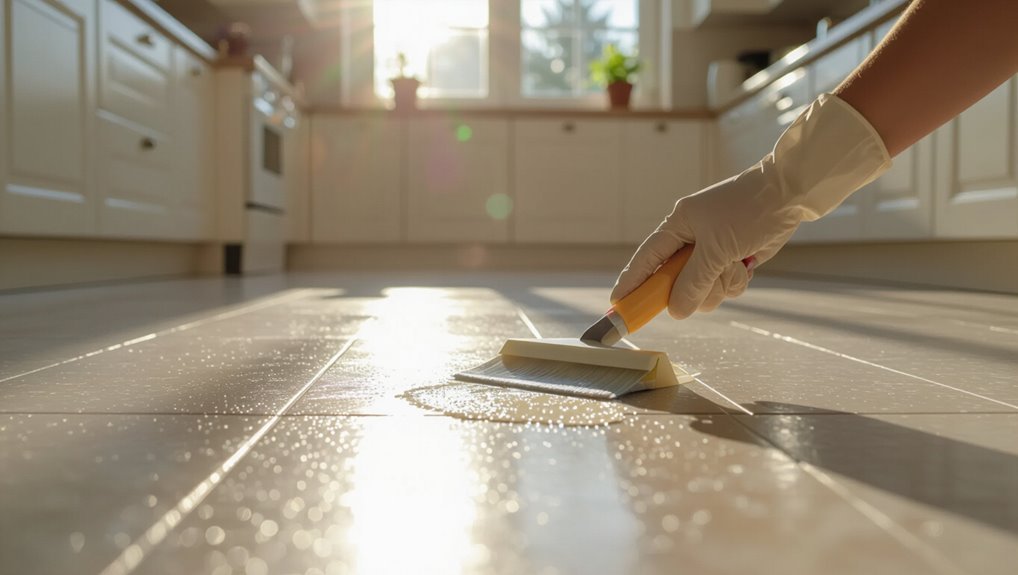
Start by gathering supplies: a plastic scraper or old credit card, soft cloths, warm soapy water, rubbing alcohol or acetone (nail polish remover) for tougher spots, and a mild floor cleaner.
Work small sections, scrape gently, dampen cloth with solvent, blot paint, then rinse and dry.
Use tested paint removal techniques and finish with linoleum care to restore shine and prevent damage.
How to Identify Water-Based vs Oil-Based Paint?
First, check the paint can or any leftover labels — water-based paints are usually labeled “latex” or “acrylic,” while oil-based ones may say “alkyd” or “enamel.”
If you don’t have a label, try a small solvent test on an inconspicuous spot: rubbing alcohol or nail polish remover softens water-based paint, while mineral spirits are needed for oil-based.
Always test gently and wipe up any residue to protect the linoleum.
Check Paint Labeling
Wondering whether that dried paint is water- or oil-based? Check the original can or leftover label first — labeling importance helps you choose the right remover.
Look for these clues:
- Brand and product name
- “Water-based,” “latex,” or “acrylic”
- “Oil-based,” “alkyd,” or solvent instructions
- Dry time and cleanup (soap vs mineral spirits)
These paint types labels guide your next steps.
Perform Solvent Test
If you’re unsure whether the dried paint is water- or oil-based, perform a simple solvent test to confirm before using any remover.
Dampen a cotton swab with water; if paint softens it’s water-based. If not, try mineral spirits or rubbing alcohol as solvent alternatives on an inconspicuous spot.
Don’t over-saturate; note which paint types react for proper remover choice.
How Paint Age & Thickness Affect Removal
How long the paint’s been on your linoleum changes how stubborn it is—old paint bonds harder and may need more effort.
Thicker, multi-layered spots usually require mechanical scraping before any solvent will work effectively.
Use the paint’s age and layer thickness to pick gentler methods for fresh/thin paint and stronger ones for old/heavy buildup.
Paint Age Impact
Because paint cures and hardens over time, older spots usually cling more tightly to linoleum than fresh splatters do.
You’ll face varied removal challenges depending on paint composition and age.
Consider these steps:
- Test a hidden area first.
- Soften with appropriate solvent.
- Gently scrape with plastic tools.
- Repeat, avoiding abrasive pressure to protect the floor.
Layer Thickness Effects
Older paint age influences removal, but layer thickness changes the tactics you’ll use. You’ll assess layer adhesion and paint composition to pick safe removal techniques while prioritizing surface protection. Thicker layers may need gentle scraping plus solvent; thin, brittle films respond to softening agents. Use tests on a small area and protect surrounding trim to avoid damage.
| Thickness | Likely Behavior | Recommended Action |
|---|---|---|
| Thin | Brittle | Soften |
| Medium | Flaking | Scrape |
| Thick | Cohesive | Layered removal |
Removal Technique Selection
Start by matching your removal method to both the paint’s age and thickness: newer, thicker coatings often peel in cohesive sheets and respond best to layered scraping plus a mild solvent, while older, thin films tend to be brittle and need softening agents to lift without chipping the linoleum.
- Assess age.
- Gauge thickness.
- Choose scraper or solvent.
- Prioritize linoleum care and safe paint removal.
Gather Tools and Supplies
Before you begin, gather a few key tools and supplies so the cleanup goes smoothly: a putty knife or plastic scraper, rubbing alcohol or mineral spirits (depending on paint type), a few clean rags, a soft-bristled brush, warm soapy water, and optional items like a heat gun or citrus-based solvent for stubborn spots.
You’ll also get gloves, tape for surface protection, and materials matching cleaning techniques.
Test Methods in an Inconspicuous Spot First
Pick a hidden corner or closet threshold as your test area so any damage stays out of sight.
Try a small patch with your chosen remover or tool, working gently to see how the linoleum reacts.
Wait the recommended time, then inspect for discoloration, softening, or finish loss before treating the main area.
Choose Test Area
Choose a small, out-of-the-way patch—like under a cabinet or inside a closet—so you can safely test any cleaning method without risking visible damage to the main floor.
You’ll focus on test area selection and paint type identification.
Try this checklist:
- Clean surface gently.
- Note paint color/finish.
- Apply tiny solvent.
- Inspect for damage.
Try Small Patch
Now that you’ve inspected a test area and noted the paint type, try a small patch of your chosen removal method in an inconspicuous spot—inside a closet or behind an appliance works well. You’ll verify patch testing and paint compatibility without risking visible damage. Record results:
| Method | Expected result |
|---|---|
| Solvent | Softens paint |
| Scrape | Removes residue |
Wait And Inspect
After you’ve applied your test patch, wait the recommended time for the removal method to work—usually 10–30 minutes for solvents and a few hours for stronger strippers—then inspect the spot closely under good light; this lets you see whether the paint softened, lifted, discolored the linoleum, or left a residue so you can decide whether to proceed, try a different method, or stop.
- Note paint types affected.
- Check for color loss.
- Test residue removal.
- Decide next removal methods.
Prepare the Floor and Protect Nearby Surfaces
Before you start scraping or applying solvents, clear the area and give yourself room to work—you don’t want dust, toys, or furniture getting in the way or trapping debris under your tools.
Sweep and vacuum for basic floor cleaning, then use drop cloths and painter’s tape to create reliable surface protection.
Keep a trash bin nearby and wear gloves and eye protection.
Warm Water & Soap: Soften Thin Dried Paint
Once you’ve cleared and protected the area, soften thin, dried paint on linoleum with warm water and mild dish soap.
After protecting the area, soften thin dried paint on linoleum using warm water and mild dish soap.
You’ll loosen residue without harsh chemicals, aiding paint removal and linoleum care.
- Mix warm water + a few drops of dish soap.
- Apply with a soft cloth.
- Let sit 5–10 minutes.
- Blot gently and repeat until tacky paint lifts.
Soft Scraping for Thin, Flaky Paint
Gently scrape away thin, flaky paint using a plastic putty knife or an old credit card to avoid gouging the linoleum; hold the tool at a low angle and work in the direction of the flooring pattern, lifting small sections at a time until the loosened paint comes off.
With soft scraping, assess paint types—latex, acrylic, or enamel—and stop if resistance increases, then re-soften before continuing.
Use a Plastic Scraper Without Scratching Linoleum
Pick a plastic scraper with a thin, flexible blade so you can lift paint without gouging the linoleum.
Hold the scraper at a low angle and work slowly, testing a hidden spot first to make sure the surface stays protected.
If the blade catches, switch to a softer edge or add a clean cloth under the scraper to prevent scratches.
Choose The Right Scraper
A plastic scraper is your best bet for removing dried paint without gouging linoleum; it’s stiff enough to lift flakes but soft enough to prevent scratches.
Choose based on scraper types, scraper materials, scraper sizes, scraper techniques, scraper safety, and scraper durability.
- Pick flexible blade
- Match size to spot
- Use gentle angle
- Inspect for nicks
Protect Flooring Surface
Before you scrape, protect the surrounding linoleum by placing a few layers of soft cloth or a thin foam pad under and around the work area so the scraper can’t slip and nick the floor.
Hold a plastic scraper at a low angle, use short controlled strokes, and check often. This prevents gouges, supports flooring safety, and follows basic linoleum care for a damage-free cleanup.
Use Rubbing Alcohol or Vinegar for Latex Paint
Soak a clean cloth with rubbing alcohol or white vinegar and press it onto the dried latex paint to soften it before scraping. Let it sit a few minutes, then gently lift softened spots with a plastic scraper.
Use these steps:
- Test in an inconspicuous area.
- Re-soak cloth as needed.
- Wipe residue with mild detergent.
- Rinse and dry thoroughly.
These cleaning solutions work well on latex paint.
Use a Hair Dryer to Loosen Stubborn Paint
If rubbing alcohol or vinegar doesn’t budge the paint, use a hair dryer to heat the stubborn spots gently without scorching the linoleum.
Move the dryer back and forth until the paint softens, then peel or lift the residue with a plastic scraper.
Protect nearby surfaces and trim with cloth or tape to prevent accidental heat damage.
Heat Paint Gently
Warm the dried paint with a hair dryer set to medium heat and hold it a few inches away, moving it steadily to soften the film so you can scrape it away more easily.
Use controlled heat application based on paint types, avoiding scorching.
Then:
- Test a small spot.
- Keep hair dryer moving.
- Hold a safe distance.
- Wear gloves and eye protection.
Peel Softened Residue
Once the paint has softened, gently lift an edge with a plastic scraper or your fingernail and peel the loosened film away, working slowly to avoid gouging the linoleum.
Use steady peel techniques, angling the scraper shallowly to follow the surface. If small bits remain, reheat briefly, then lift them out.
Finish with a damp cloth for residue removal and inspection.
Protect Nearby Surfaces
Before you heat stubborn paint, protect nearby surfaces by covering them with painter’s tape and drop cloths so heat and softened paint won’t damage trim, baseboards, or furniture.
Use a hair dryer cautiously, pairing surface protection with proven cleaning techniques.
Follow steps:
- Ventilate the room.
- Test heat on hidden area.
- Warm paint briefly.
- Scrape gently with a plastic tool.
Apply a Poultice for Concentrated Spots
Tackle stubborn, concentrated paint spots with a poultice—a thick paste that draws out dried paint from the linoleum without scrubbing.
Mix a gentle absorbent (baking soda or talc) with mild water-based cleaner to form paste.
Apply poultice application over concentrated paint, cover with plastic, tape edges, and leave for several hours.
Remove, rinse, and repeat until paint lifts.
Solvents for Oil-Based Paint: Options Overview
When water won’t touch oil-based paint, you’ll need a solvent designed to break its binders; common options include mineral spirits, turpentine, lacquer thinner, and citrus-based removers, each varying in strength, odor, and safety.
You’ll choose solvent types and match application methods to the job:
- Mineral spirits — moderate strength, wipe-on
- Turpentine — stronger, brush or dab
- Lacquer thinner — very strong, sparing use
- Citrus remover — gentler, soak or rub
Safely Use Oil-Based Solvents on Linoleum
If you’re using an oil-based solvent on linoleum, test a hidden spot first and work in a well-ventilated area with gloves and eye protection; solvents can dissolve finish, lift color, or warp seams if misused.
Use minimal solvent on a cloth, blot rather than rub, and replace cloths frequently.
Rinse thoroughly with mild detergent and water to maintain linoleum safety and finish.
Use Acetone or Nail Polish Remover Cautiously
Before using acetone or nail polish remover, test a small hidden spot to make sure the finish and color won’t be damaged.
Cover baseboards, nearby trim, and any furniture with cloth or tape to protect surrounding surfaces.
Work with good ventilation and apply the solvent sparingly to avoid spreading or soaking the linoleum.
Test On Hidden Area
Want to be sure the acetone won’t damage your linoleum? Do hidden area testing first. Pick an inconspicuous spot and proceed cautiously.
- Clean the spot.
- Apply a small acetone dab.
- Wait 5 minutes; blot.
- Inspect for color change or softening.
If damage appears, stop and try a gentler method; if not, proceed carefully with paint removal.
Protect Surrounding Surfaces
Because acetone can damage nearby finishes and fabrics, protect anything within splatter range before you start.
Lay drop cloths and tape edges, move rugs and furniture, and ventilate the room.
Use surface protection strategies like plastic sheeting and cardboard to catch drips.
Limit solvent to a small cloth, work slowly, and follow surrounding area precautions to avoid stains or finish loss.
When to Try a Commercial Paint Remover
If smaller scraping and household solvents haven’t budged the stain, it’s time to contemplate a commercial paint remover. You’ll consider commercial options carefully and follow safety precautions.
Check label compatibility, test a hidden spot, ventilate well, and wear gloves/eye protection.
- Read product instructions.
- Test discreet area.
- Use PPE and ventilation.
- Neutralize and clean residue.
Choosing a Low‑VOC Stripper for Indoor Use
When you need a stronger option indoors, pick a low‑VOC stripper designed for linoleum to minimize fumes and protect household air quality.
Look for eco friendly options labeled for vinyl or linoleum, test a small area, and follow manufacturer instructions.
Note safety precautions like keeping children and pets away and disposing of residues properly; don’t mix chemicals or skip labels.
Protect Yourself: Gloves, Ventilation, Masks
After you’ve chosen a low‑VOC stripper and read its label, protect yourself before applying anything to the floor.
Wear proper safety equipment and follow ventilation tips so fumes don’t build up.
Use:
- Nitrile gloves for skin protection
- A respirator rated for organic vapors
- Eye protection (goggles)
- Open windows and run fans to exhaust air
Avoid Chemicals That Damage Linoleum
Because harsh solvents can strip finish and discolor linoleum, choose cleaners and strippers specifically labeled safe for linoleum or vinyl. You’ll protect your floors and maintain linoleum care by avoiding acetone, lacquer thinner, and bleach. For paint prevention, spot-test any product first and use gentle, manufacturer-approved solutions to lift dried paint without harming the surface.
| Fear | Relief |
|---|---|
| Panic over stains | Confidence in safe care |
| Regret from damage | Pride in preserved floors |
Use a Magic Eraser for Gentle Abrasion
Grab a damp Magic Eraser and gently rub the paint with soft pressure at first so you don’t dull the linoleum.
If the stain won’t budge, increase to firmer pressure while watching for surface wear.
Always test the eraser on a hidden spot before working on visible areas.
Soft Versus Firm Pressure
When you’re removing dried paint from linoleum, start with soft pressure and a gentle tool like a Magic Eraser — it lifts surface paint without gouging the flooring.
You should try soft pressure techniques before escalating. If needed, apply controlled firm pressure advantages for stubborn spots.
- Test gentle wipes.
- Increase pressure gradually.
- Use circular motion.
- Rinse and inspect.
Test Hidden Area First
Why not try the Magic Eraser on an inconspicuous spot first?
You should test methods in a hidden corner or closet threshold to check colorfastness and finish reaction. Lightly dampen the eraser, rub gently, and inspect for dulling or residue.
If the inconspicuous area shows no damage, proceed cautiously across the stain, rechecking frequently to avoid harming the linoleum.
Lift Paint With a Soft‑Bristled Brush
Start by loosening the dried paint with a soft‑bristled brush, working gently so you don’t abrade the linoleum’s finish. Use light strokes, targeting edges and flakes; different paint types respond differently, so adjust pressure.
Try these steps:
- Sweep loose chips.
- Brush toward a towel.
- Dab residue with damp cloth.
- Repeat until clean, avoiding scrubbing seams.
Remove Paint From Seams and Adhesive Edges
Dig into seams and adhesive edges carefully, because paint trapped there can be stubborn and can lift the flooring if you’re too rough.
Use a plastic razor or dental pick to lift flakes, then apply a mild solvent sparingly for adhesive removal. Blot, don’t rub, and test first.
For seam cleaning, work from the outside in and finish with a damp cloth to remove residue.
Clean Paint From Baseboards and Trim Safely
When paint gets on baseboards and trim, you can remove it safely without damaging the finish by working gently, testing cleaners first, and using the right tools for the job.
Follow these steps for baseboard cleaning and trim protection:
Follow these simple steps to safely clean paint from baseboards and protect trim.
- Test a mild solvent on an inconspicuous spot.
- Soften paint with warm water or rubbing alcohol.
- Gently scrape with a plastic blade.
- Wipe and dry, then touch up paint.
Remove Paint From Grout Lines on Vinyl-Look Linoleum
If paint’s hardened in the grout lines of your vinyl-look linoleum, you’ll want to soften it first with a damp cloth and a mild solvent like rubbing alcohol or diluted acetone, testing in an inconspicuous spot.
Once the paint loosens, gently scrub the grout with a soft-bristled brush or a toothbrush to avoid damage.
Finish by wiping away residue with a clean, damp rag and drying the area to prevent any solvent or dirt buildup.
Hardened Paint Softening
1 simple trick will help loosen hardened paint trapped in grout lines on vinyl-look linoleum: soften it first so you can lift it without gouging the surface.
Use gentle solvents and heat, then pick carefully.
Steps:
- Test solvent small area.
- Apply a few minutes.
- Blot, don’t rub.
- Lift with plastic scraper.
These paint removal techniques support proper linoleum care.
Gentle Grout Scrubbing
Start by gently scrubbing the grout lines with a soft-bristled brush and a mild, pH-neutral cleaner so you loosen paint without damaging the vinyl-look linoleum.
Use gentle scrubbing techniques, working small sections and dragging bristles along the grout.
Select effective grout tools—narrow brushes or toothbrushes—for precision.
Rinse frequently, blot excess moisture, and repeat gently until paint lifts, avoiding aggressive scraping.
Residue Removal Techniques
After loosening paint from grout with gentle scrubbing, you’ll need targeted residue removal to get grout lines fully clean without harming the vinyl-look linoleum.
Use careful techniques for paint removal and linoleum care:
- Apply rubbing alcohol with a cotton swab.
- Gently pick loosened flakes with a plastic scraper.
- Rinse area with mild detergent.
- Dry and inspect, repeating if needed.
Spot-Treat Stubborn Oil-Based Stains With Degreaser
Tackle stubborn oil-based paint spots by applying a commercial degreaser specifically formulated for floors; it breaks down the oily binder without harming linoleum when used as directed.
Test a small area, wear gloves, and let the product dwell per instructions. Use a soft scrub pad and rinse thoroughly.
Monitor degreaser effectiveness on repeat applications to overcome oil based challenges without damaging the surface.
Remove Paint Drips From Textured Linoleum Patterns
First check how deep the texture is so you know whether paint sits on the surface or in the grooves.
Test a cleaning method on a hidden spot to make sure it won’t damage the finish.
Use gentle agitation with a soft brush or cloth to lift drips without scuffing the pattern.
Assess Pattern Depth
When you’re dealing with textured linoleum, the first thing to do is assess how deep the pattern grooves are, since paint trapped in deeper recesses will need different tools and techniques than surface smears.
Use pattern recognition and depth assessment to plan removal.
- Inspect visually
- Run a fingernail over grooves
- Note paint location
- Photograph for reference
Test A Hidden Spot
Before you start scraping or applying solvents, test a hidden spot to make sure your chosen method won’t damage the textured linoleum—pick an inconspicuous area, apply a small amount of your cleaner or remover, and let it sit for the recommended time to check for discoloration, softening, or finish loss.
Afterward, evaluate results to test effectiveness and assess damage before proceeding elsewhere.
Use Gentle Agitation
Gently work a soft-bristled brush, toothbrush, or foam pad over the paint drips to loosen them from the textured pattern without grinding the paint deeper into the crevices.
Then use gentle scrubbing and a solvent-safe cloth for safe removal. Follow these steps:
- Test solvent on hidden spot.
- Lightly agitate drips.
- Blot loosened paint.
- Rinse and dry area.
Treat Painted Sealed Linoleum Finishes Properly
If your linoleum has a painted, sealed finish, treat it like a delicate surface and avoid abrasive scraping that can damage the sealant; instead, loosen dried paint with a soft cloth and a mild solvent recommended for sealed floors.
You’ll test solvent in an inconspicuous spot, blot gently, and rinse.
Follow paint sealing instructions and routine linoleum care to preserve finish and prevent staining.
Handle Large Paint Spills: Full Step-by-Step Plan
When you’re faced with a large paint spill on linoleum, act quickly and methodically: contain the spread, protect unaffected areas with drop cloths, and gather the right tools and supplies (plastic scrapers, absorbent rags, bucket, mild detergent, solvent if appropriate, and gloves) so you can remove the bulk of paint before it dries into stubborn stains.
- Blot excess.
- Scrape gently.
- Apply solvent cautiously.
- Clean, rinse, dry.
Use paint removal techniques tailored to linoleum care.
Quick Fixes When You’re Short on Time
If you’re pressed for time, try a quick water-and-soap scrub first to lift fresh spots.
For stubborn bits, dab rubbing alcohol on a cloth and blot until the paint softens.
You can also hold a vinegar-soaked towel over the area to steam and loosen dried paint before wiping.
Quick Water And Soap
Grab a bucket, warm water, and mild dish soap—this quick combo is often enough to lift fresh or slightly tacky paint from linoleum without fuss.
Adjust water temperature and soap concentration for effectiveness.
Then:
- Damp cloth.
- Gentle scrub.
- Rinse frequently.
- Dry area.
You’ll avoid damage if you don’t over-saturate or scrub too hard.
Rubbing Alcohol Spot
Reach for rubbing alcohol to tackle small patches of dried paint—it’s fast, effective, and usually safe on linoleum when used carefully.
Dampen a cloth, blot paint, and rub gently until it lifts. Test a hidden spot first to confirm rubbing alcohol effectiveness.
For stubborn spots, consider stronger alternative solvents cautiously, ensuring proper ventilation and brief contact to protect the floor finish.
Vinegar Steam Trick
When you’re pressed for time, a quick vinegar steam can loosen dried paint without harsh chemicals: Heat equal parts water and white vinegar, hold a cloth above steam, then press onto paint to soften.
- Prep area.
- Use steam application gently.
- Scrape softened paint with a plastic scraper.
- Wipe residue; rinse.
You’ll notice vinegar effectiveness without damaging linoleum.
Cost: DIY Cleanup vs Professional Restoration
Although you can often tackle dried paint removal yourself for under $50 in supplies, hiring a professional typically runs from $150 to $600 or more depending on stain size and floor condition.
For a clear cost comparison, weigh time, tools, and risk of damage.
You can choose budget DIY or invest in restoration options when results or warranties matter most.
How Long Each Removal Method Typically Takes
If you’re tackling dried paint yourself, expect simple spot treatments (like scraping plus a solvent) to take 15–45 minutes per small area, while more thorough DIY methods—softening, scraping, repeated cleaning and buffing—can run 1–3 hours for moderately sized patches.
Professional jobs are faster per square foot but still usually require 1–4 hours on-site for a typical room, plus drying or curing time if they use restoratives or sealants.
- Small spot: 15–45 minutes — good method efficiency.
- Moderate patch: 1–3 hours — balance of time estimates and effort.
- Full room DIY: several hours — lower method efficiency per ft².
- Pro service: 1–4 hours onsite — best time estimates for speed.
Eco-Friendly Removal Options and Tips
You can remove dried paint with gentle natural solvents like white vinegar or citrus-based cleaners to avoid harsh chemicals.
Pair those with biodegradable scrubbing tools—think plant-fiber brushes or compostable cloths—to protect your floor and the environment.
And to cut future work, adopt simple preventive practices like using drop cloths and wiping spills promptly.
Gentle Natural Solvents
When paint’s stubborn but you want to avoid harsh chemicals, reach for gentle natural solvents like white vinegar, rubbing alcohol, and citrus-based cleaners; they soften dried paint without damaging linoleum or the indoor air.
Use these natural alternatives as eco friendly options, test a hidden spot, apply, wait, then gently rub.
- Vinegar
- Rubbing alcohol
- Citrus cleaner
- Test first
Biodegradable Scrubbing Tools
Reach for biodegradable scrubbing tools to remove dried paint without adding microplastics or harsh waste to your home; compostable brushes, loofahs, and cellulose scrub pads give you effective abrasion while breaking down safely after they’re worn out.
You can choose biodegradable alternatives made from natural fibers and eco friendly materials, scrub gently to protect linoleum, rinse thoroughly, and compost or dispose responsibly when worn.
Preventive Eco Practices
Although accidents happen, adopting simple preventative habits will cut down on dried paint and make eco-friendly cleanup easier.
Use sustainable cleaning steps and eco-friendly products to protect floors.
Try these actions:
- Lay recycled drop cloths.
- Keep lids closed.
- Clean spills immediately with vinegar solution.
- Store paints upright and labeled to avoid leaks.
Dispose of Paint Residue and Solvents Responsibly
Because leftover paint and solvents can harm the environment and pose safety risks, you should collect and dispose of them properly rather than rinsing them down drains or tossing them in regular trash.
Use labeled, sealed containers for safe solvent storage, follow local hazardous-waste guidelines, take leftovers to community drop-off sites, and choose eco-friendly disposal services.
Don’t mix chemicals or pour residues outside.
Troubleshooting: When Paint Won’t Budge
If paint won’t budge after the usual steps, don’t panic—you’ve got options to tackle stubborn spots without damaging the linoleum.
Use targeted approaches for paint removal challenges and try varied stubborn paint techniques:
Target stubborn paint with focused methods—gentle, persistent techniques often win without harming linoleum.
- Soak with warm soapy water, then scrape gently.
- Apply rubbing alcohol, wait, then rub.
- Use a plastic scraper and repeat.
- Try a commercial remover made for vinyl, following instructions.
Signs You’ve Damaged Linoleum and Next Steps
When you notice discoloration, gouges, a dull or sticky finish, or areas where the linoleum feels thin or frays, you’ve likely damaged the surface and should stop further DIY scrubs; continuing can worsen the harm.
You should document the damage, avoid harsh chemicals, consult a professional for assessment, and follow linoleum care recommendations to prevent recurrence.
Prioritize paint prevention for future projects.
Repair Minor Surface Damage After Removal
Assess the cleaned area closely to spot any remaining scratches, gouges, or thin spots that need attention.
Closely inspect the cleaned area for any remaining scratches, gouges, or thin spots needing repair.
You’ll perform surface repair to restore integrity and guarantee damage prevention going forward.
- Clean and dry the spot.
- Fill shallow gouges with linoleum filler.
- Sand gently level; wipe residue.
- Seal edges with compatible sealant to protect and blend.
Restore Shine With Linoleum‑Safe Polish
Bring back the floor’s original luster by applying a linoleum-safe polish designed to protect and enhance the surface. You’ll see linoleum polish benefits immediately: improved gloss, scratch masking, and easier cleaning. Use gentle pads and follow shine restoration techniques, working small sections and allowing full drying before traffic.
| Step | Purpose |
|---|---|
| Apply | Coat evenly |
| Buff | Increase gloss |
| Dry | Cure fully |
| Repeat | Build protection |
| Maintain | Extend shine |
Prevent Paint Drips During Future Projects
If you want to keep your linoleum spotless during painting projects, set up simple barriers and handle cans and brushes carefully.
Use these paint prevention tips for future project planning:
Use these paint-prevention tips to plan ahead and keep linoleum spotless during projects.
- Wipe brush rims and syringe excess back into cans.
- Keep lids handy and seal between coats.
- Use small trays to control drips.
- Work slowly near floor edges to avoid splatter.
Best Drop Cloths and Floor Masking Methods
Now that you’ve minimized drips at the source, protect the rest of the floor with proper coverings and masking techniques.
Use heavyweight canvas or reusable poly drop cloths for durability and drop cloths benefits like tear resistance and slip control.
For edges, apply low-tack painter’s tape and craft clean floor masking techniques: overlap seams, weight corners, and keep pathways covered to prevent tracked paint.
Checklist: Steps to Remove Dried Paint From Linoleum
Start by gathering everything you’ll need—safety gear, a plastic scraper or putty knife, soft cloths, a mild solvent (like isopropyl alcohol or a commercial paint remover rated for vinyl), warm soapy water, and a soft-bristled brush—so you can work methodically and avoid re-soiling the floor.
Gather safety gear, a plastic scraper, soft cloths, mild solvent, warm soapy water, and a soft brush to work carefully.
- Test solvent on hidden spot.
- Scrape gently by paint types.
- Blot residue with cloth.
- Rinse and dry; repeat if needed.
When to Stop and Call a Professional Restoration Service
When scraping, blotting, and rinsing don’t remove stubborn stains or you notice the linoleum surface lifting, it’s time to call a professional restoration service.
Don’t keep risking further paint damage or scrapes. You should stop DIY attempts if stains penetrate or adhesives fail.
Contact professionals for assessment, safe removal, and repair recommendations—professional help prevents costly replacement and preserves floor integrity.
Maintenance Tips to Keep Linoleum Looking New
Keep a simple routine to protect linoleum’s finish and you’ll prevent most stains and wear; sweep or vacuum weekly to remove grit, mop with a mild pH-neutral cleaner as needed, and blot spills immediately so they don’t set.
- Use soft pads under furniture for surface protection.
- Trim pet nails regularly.
- Place mats at entries for linoleum care.
- Avoid harsh chemicals and abrasive tools.
Final Recap: Safe, Effective Cleanup in Minutes
Although paint accidents can feel stressful, you can remove most dried spots from linoleum quickly and safely with the right approach.
Start with gentle scraping, test a mild solvent, and work slowly to avoid damage.
Gently scrape, try a mild solvent on an inconspicuous spot, and proceed slowly to prevent damage.
Follow paint removal tips like using soft cloths and ventilating the area.
Finish with a neutral cleaner to restore finish—simple linoleum care keeps floors fresh and protected.
Frequently Asked Questions
How Do I Remove Paint From Linoleum Appliances or Refrigerator Surfaces?
You can remove paint from appliance surfaces using gentle paint removal techniques: soften with warm soapy water, scrape with a plastic scraper, apply rubbing alcohol or citrus remover, then wipe, rinse, and dry—avoid abrasives to protect finishes.
Can Dried Paint Transfer From Shoes Onto Linoleum Later?
Yes — dried paint can transfer from shoes onto linoleum later; like ink bleeding through paper, grit and dried flakes rub off. You should do immediate shoe cleaning to prevent paint transfer and protect your floors.
Will Pet Urine Reactivate or Stain Removed Paint Residue?
Yes — pet urine can reactivate paint residue and cause pet reactions like odors or staining; you’ll need to neutralize urine, clean thoroughly, and remove any lingering paint residue to prevent discoloration and irritation for pets.
How Do I Prevent Paint Fumes From Affecting Indoor Plants?
Keep plants in another room or outdoors, cover them with breathable cloth, and create fume barriers using plastic sheeting at doorways; you’ll improve plant care by ventilating, using low-VOC paints, and running fans to direct fumes outside.
Can Paint Removal Void My Home Insurance or Warranty?
Yes — if your paint removal causes damage or violates policy terms, you could face insurance implications and warranty concerns; you should check your policies, follow manufacturer instructions, document work, and use professionals when required to avoid disputes.
Conclusion
You’ve got this—think of dried paint as a temporary blemish you’re about to politely retire. With the right test, a few gentle tools, and a little patience, you’ll ease stains away without scaring the floor. Stop and call a pro if the paint’s stubborn or the linoleum’s delicate. Keep up simple maintenance to prevent repeat offenses, and your floor will keep its fresh, cheerful look with minimal fuss.
