
How to Remove Dried Paint From Glass Without Scratches
You can remove dried paint from glass without scratching it by first identifying the paint type and protecting edges with tape, then softening the paint with a mild solvent like mineral spirits or a glass-safe remover; work in a ventilated area and blot instead of scrubbing. Use a plastic scraper or a single-edge razor at a shallow angle and short strokes, rewet stubborn spots, and finish with a microfiber wipe. Keep going and you’ll find step-by-step tools, tips, and safety notes.
Quick Answer: Safest Way to Remove Paint From Glass
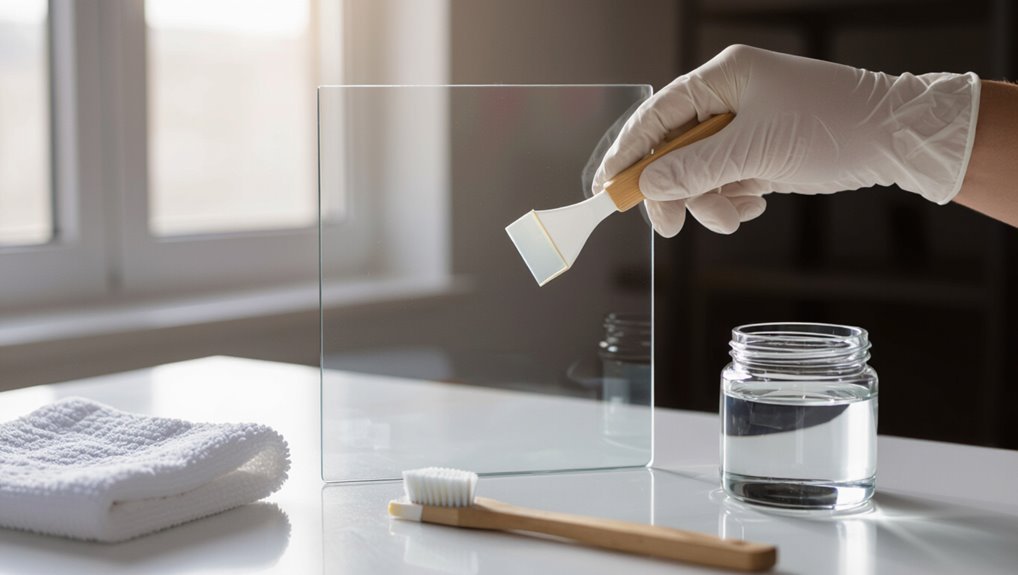
If you want the safest quick method, start with warm soapy water and a plastic scraper—this removes most fresh or softened dried paint without risking scratches or chemical damage.
You’ll test small areas, knowing different paint types respond differently. For stubborn spots, use a razor at a low angle or recommended glass treatments.
Rinse, dry, and repeat until the surface’s clarity is restored.
Who This Guide Is For and How to Use It
Now that you’ve got a fast-safe approach for most paint problems, let’s clarify who’ll benefit from this guide and how to use it.
You’ll learn practical steps for different paint types and simple surface preparation. Use the guide if you’re careful, want scratch-free results, or need quick cleanup.
- DIY homeowners
- Painters and contractors
- Renters and property managers
How to Identify Paint on Glass
When you’re figuring out what kind of paint you’re dealing with on glass, start by looking at texture, color, and how firmly it’s stuck: water-based paints (latex, acrylic) usually feel softer and may peel or feel tacky after a scrape, while oil-based and enamel paints dry hard and chip in flakes; spray paint often leaves a thin, even film.
Check edges, residue, and smell to distinguish paint types on glass surfaces.
When to Call a Professional for Paint Removal
If the paint job is large or unusually complex, you should consider hiring a pro to save time and avoid mistakes.
Call a professional when the glass is part of a fragile or decorative installation that could crack or lose finish during DIY removal.
They’ll have the right tools and techniques to protect delicate surfaces and finish the job safely.
Complex Or Large Paint Jobs
Because larger or older paint jobs can involve stubborn layers, delicate glass, or hazardous materials, you should consider professional removal when the job risks damage or your safety.
You’ll benefit from pros for complex paint techniques and large project strategies.
Consider hiring when you face:
- extensive glazing covered in paint
- multi-layer or lead-containing coatings
- tight deadlines or limited tools
Risky Or Fragile Surfaces
Larger jobs often bring up another concern: fragile or high-risk surfaces that demand extra care, such as antique leaded glass, thin decorative panes, or glass with historic finishes. You should perform a careful risk assessment and surface evaluation; call a pro if glazing is fragile, paint is stubborn, or damage risk is high.
| Situation | Action |
|---|---|
| Antique glass | Hire specialist |
| Thin panes | Avoid DIY |
| Historic finish | Consult expert |
Tools for Scratch-Free Paint Removal
When you need to remove dried paint from glass without scratching it, choose tools that give control and gentle contact: soft plastic scrapers, single-edge razor blades held at a low angle (for tempered glass), microfiber cloths, and non-abrasive pads.
Use proper paint removal techniques and follow glass maintenance tips.
Apply careful paint-removal methods and routine glass care to protect surfaces and preserve clarity.
- Start with scraping gently.
- Soften paint first.
- Clean residue with microfiber.
Protective Gear and Protecting Nearby Surfaces
Before you start scraping or applying solvents, put on protective gloves to keep your skin safe from cuts and chemicals.
You should also cover nearby surfaces with drop cloths or painter’s tape to prevent accidental damage.
Taking these simple precautions saves time and keeps the cleanup minimal.
Wear Protective Gloves
Put on a pair of chemical-resistant gloves before you start scraping or applying solvents to dried paint on glass; they’ll protect your skin from cuts, irritants, and harsh chemicals.
Use protective gear and follow basic safety precautions.
- Choose nitrile or neoprene gloves for solvent resistance.
- Inspect gloves for tears before use.
- Replace contaminated gloves immediately to avoid skin exposure.
Cover Surrounding Areas
Now that your hands are protected, shield the area around the glass to prevent damage or accidental mess.
Lay drop cloths or plastic sheeting to control paint coverage and catch debris.
Tape edges carefully to avoid adhesive residue on glass.
Wear eye protection and a mask for fumes.
Good surface preparation guarantees nearby trim, walls, and floors stay clean while you work efficiently.
How to Test a Small Area Safely
Wondering how to check a removal method without damaging the whole pane? You’ll try controlled test methods on a hidden corner using safe materials and gentle tools.
Follow these quick steps:
Follow these quick steps: test removers discreetly on a tiny spot first to ensure safety and results
- Pick a tiny inconspicuous spot.
- Apply the chosen remover with a cotton swab.
- Observe for scratches, haze, or residue before proceeding to larger areas.
Softening Paint With Warm Water
Check the paint’s thickness first so you’ll know how long it needs to soak.
Use warm, soapy water to soften the layer without harsh chemicals.
Once it’s softened, gently work at the edges with a plastic scraper or cloth to lift the paint.
Assess Paint Thickness
Start by running your hand lightly over the paint to judge its thickness and adhesion: thin, flaky layers will lift or powder under gentle pressure, while thick, tacky patches stay put and resist movement.
- Note paint characteristics: color, texture, brittleness.
- Match removal techniques to layer type.
- Plan tools and time based on adhesion and coverage.
Use Warm Soapy Water
If the paint you felt is thin or brittle, you can often loosen it with warm, soapy water before trying harsher methods. You’ll soak a soft cloth, let warmth and soap effectiveness soften the film, then wipe gently—warm water benefits aid penetration without scratching.
| Step | Action |
|---|---|
| 1 | Mix warm water + mild soap |
| 2 | Soak cloth |
| 3 | Blot area |
| 4 | Wipe gently |
Gently Loosen Edges
Soak a soft cloth in warm, soapy water and press it over the painted edges for several minutes to soften the film; this loosens the bond so you can lift the paint without scraping the glass.
- Test with soft tools first to avoid scratches.
- Match technique to paint types (latex, enamel, acrylic).
- Gently peel softened flakes with minimal force, rewetting as needed.
How to Use a Razor Blade Scraper Safely on Glass
Work carefully: a razor blade scraper can remove stubborn dried paint from glass quickly, but you’ve got to handle it deliberately to avoid scratching the surface or injuring yourself.
Wear gloves and eye protection, inspect the blade for nicks, and use razor blade techniques that include short, controlled strokes.
Maintain safe gripping with firm pressure and steady hands; replace dull blades promptly.
Blade Angle and Grip to Avoid Scratches
After you’ve checked the blade and gotten a secure grip, focus on the angle and how you hold the scraper to prevent scratches.
Use proper blade positioning and tested grip techniques so the blade skims paint without digging in.
Position the blade to skim paint, using a tested grip so it removes coating without gouging.
- Hold at 30–45° for control
- Use light, even pressure
- Keep wrist relaxed, move from elbow
Removing Latex Paint With Household Items
You can often lift dried latex paint from glass using common household items before resorting to a razor.
Try warm soapy water, vinegar, rubbing alcohol, or baking soda paste as DIY methods.
Use soft cloths and gentle scrubbing, follow eco-friendly alternatives, and avoid common mistakes.
Know paint removal myths, choose proper cleaning supplies, and apply paint removal techniques cautiously to prevent damage.
Lifting Oil-Based Paint Without Etching Glass
First check how long the oil-based paint has been on the glass, since older, cured paint will need stronger methods.
Pick a solvent that softens the paint without risking the glass or its coatings—test it in a hidden spot first.
Work with gloves, protected edges, and a barrier (like tape or a wrap) to keep solvent off seals and decorative finishes.
Assess Paint Age
When evaluating paint age, check for surface clues like cracking, flaking, or a hard, brittle feel—older oil-based paint typically shows more crazing and adhesion loss than newer layers.
You’ll use visual signs and simple tests to judge paint longevity across paint types. Consider these quick checks:
- Light scraping to test adhesion
- Tap for hollow sounds
- Edge inspection for layered buildup
Choose Solvent Carefully
Because oil-based paint bonds strongly, choosing the right solvent matters to lift it without etching the glass: pick a mild, glass-safe solvent—like mineral spirits or a commercial latex-remover labeled safe for glass—and test it on a hidden spot first to confirm it softens the paint without clouding or dulling the surface.
Consider solvent types and solvent effectiveness; start weakest, increase only if needed.
Protect Glass Surface
After you’ve confirmed a solvent won’t harm the glass, protect the surrounding surface and the pane itself before lifting oil-based paint. You’ll prevent scratches and chemical damage by prepping edges, masking trim, and cushioning hardware.
Follow simple glass care and maintenance tips:
- Apply painter’s tape along frames.
- Lay down drop cloths.
- Use soft pads on sills and handles.
Removing Spray Paint From Glass Surfaces
If spray paint lands on your glass, don’t panic—you can usually remove it without scratching the surface, but you’ll need the right tools and a bit of patience.
Begin with gentle glass cleaning: soap, water, and a microfiber cloth.
For stubborn spots, use a plastic scraper and a commercial glass-safe solvent, working slowly and testing an inconspicuous area first to avoid damage.
Safe Use of Acetone and Nail-Polish Remover
When you use acetone or nail-polish remover, pick a product labeled for use on glass and check the ingredients for additives that could harm seals or coatings.
Test a small hidden area first to make sure it won’t fog or strip nearby finishes.
Wear gloves, work in a ventilated space, and protect surrounding surfaces with cloth or tape.
Choose The Right Product
1 clear rule: test acetone or nail-polish remover on a hidden glass corner first, then use it sparingly with good ventilation and protective gloves.
Choose products by balancing paint removal techniques and product effectiveness.
Consider these quick tips:
- Use pure acetone for stubborn spots.
- Try non-acetone removers for delicate finishes.
- Prefer small bottles to limit exposure and waste.
Test On Hidden Area
Before you apply acetone or nail-polish remover across the whole pane, test a small hidden corner so you can spot any adverse reactions.
Try simple test methods: dab a cotton swab, wait a few minutes, then inspect.
Repeat on different glass types if pane sections vary.
If finish, tint, or sealant changes, stop and choose a gentler product or professional help.
Protect Skin And Surfaces
Keep skin and nearby surfaces safe by wearing nitrile gloves, eye protection, and long sleeves, and by covering countertops and floors with drop cloths or paper.
You’ll practice skin protection and surface safety when using acetone or remover. Follow these steps:
- Work in a ventilated area and keep windows open.
- Test remover on a hidden spot first.
- Wipe spills immediately with damp cloth.
How to Dissolve Paint Spots With Rubbing Alcohol
Rub some rubbing alcohol onto a clean cloth and dab it onto the dried paint spot to start loosening the film; isopropyl alcohol breaks down many water-based and some solvent-based paints without scratching glass. You’ll test rubbing alcohol effectiveness, use gentle paint spot techniques, wait, then wipe. Repeat until clear.
| Cloth | Dab | Wipe |
|---|---|---|
| Test | Wait | Remove |
Using White Vinegar for Mild Paint Residues
If rubbing alcohol didn’t do the trick or the paint is water-based and only lightly stuck, white vinegar offers a gentler option you can try.
You’ll appreciate vinegar benefits: it softens paint residue without harsh chemicals.
Apply warm vinegar, let sit briefly, then gently scrape with a plastic blade.
Warm vinegar, a short soak, then gently lift dried paint with a plastic scraper.
- Warm vinegar application
- Short dwell time
- Plastic scraper use
Commercial Paint Removers Safe for Glass
When choosing a commercial remover, check that the label lists glass as a compatible surface to avoid etching or damage.
Pick non‑abrasive, solvent‑based or citrus‑based formulas designed to soften paint without scrubbing.
Always follow the manufacturer’s application and safety steps—ventilate, wear gloves and eye protection, and test on a small area first.
Product Compatibility With Glass
Choose a remover designed for glass to avoid etching or fogging the surface. You’ll check product types and surface compatibility, note drying times, and pick gentle cleaning agents that aid residue removal while minimizing environmental impact.
- Test on a small glass area first; observe application methods and results.
- Prefer formulations labeled for glass surfaces.
- Rinse thoroughly after treatment.
Non-Abrasive Chemical Options
Because glass can be sensitive to harsh solvents, you’ll want non-abrasive commercial removers specifically formulated for glass or labeled as safe for painted windows and mirrors.
You can choose gentle paint solvents or milder chemical alternatives and look for eco friendly options to reduce fumes.
Read labels for safety precautions, follow manufacturer guidance, and test a small area to confirm compatibility before treating visible glass.
Application And Safety Steps
Prepare your work area and gather protective gear before applying any commercial paint remover to glass: ventilate the space, lay down drop cloths, wear chemical-resistant gloves and eye protection, and have a clean microfiber cloth or razor blade (if recommended) ready.
Follow application techniques and safety precautions precisely.
- Test remover on a corner first
- Apply small amounts, let dwell per instructions
- Remove residue gently and dispose safely
When Paint-Remover Gels Beat Liquids
When liquid removers run off vertical glass or evaporate too fast, gels give you control—sticking where you apply them and working longer on stubborn paint.
You’ll prefer gels for precise paint removal techniques on window panes, corners, and textured frames.
Gel advantages include reduced drips, longer dwell time, and less need for repeated applications, letting you tackle dried paint more efficiently without spreading mess.
How to Apply and Remove Paint-Remover Gels
Start by checking that the gel you pick is compatible with the paint type and won’t damage the glass or surrounding finishes.
Apply the gel in a thin, even layer with a disposable brush or spatula, working in a well-ventilated area and wearing gloves and eye protection.
After the recommended dwell time, gently lift the softened paint with a plastic scraper and wipe residue away with a clean cloth and appropriate solvent.
Choose Compatible Paint-Remover
Because different paints and glass types react differently, pick a remover formulated for the paint you’re tackling and safe for glass; gel formulas are great for vertical surfaces and give you more control, but verify the label for compatibility with annealed, tempered, or coated glass and for the paint family—latex, enamel, or oil-based—before you apply.
- Check compatible solvents for your paint types.
- Prefer gel for vertical panes.
- Avoid strong acids on coated glass.
Safe Application Techniques
With the right gel in hand and the glass type confirmed, plan your application to protect yourself and the surface:
wear chemical-resistant gloves and eye protection, mask off surrounding trim with painter’s tape, and lay drop cloths below to catch drips.
Apply a thin, even layer of paint-removal gel, wait manufacturer time, then gently lift softened paint with a plastic scraper.
Rinse, repeat, and finish with glass care.
Using Citrus Cleaners for Gentle Paint Removal
If you prefer a gentler, more natural option, citrus-based cleaners dissolve dried paint without harsh fumes or strong chemicals.
You’ll use citrus properties as natural solvents to soften spots, then wipe gently with a microfiber cloth. Test a small area first.
- Apply cleaner, wait a few minutes
- Blot and rub softly in one direction
- Rinse and dry to check progress
How and Why to Use a Plastic Scraper
Pick a plastic scraper that’s thin, stiff, and has a beveled edge so it lifts paint without gouging glass.
Use short, controlled strokes at a low angle and re-wet stubborn spots to let the paint loosen before you scrape.
Keep the blade flat and check frequently for chips or debris to prevent scratches.
Choose The Right Scraper
One good step is to reach for a plastic scraper first, because it removes dried paint without scratching glass the way metal blades can.
You’ll pick based on scraper types and scraper materials suited to delicate surfaces. Consider:
- Soft-edge scrapers for thin residues
- Stiffer plastic for thicker flakes
- Rounded edges to protect seals
Test a corner before full use.
Scraping Technique Basics
Start by holding the plastic scraper at a shallow angle—about 20–30 degrees—to let the edge lift paint without gouging the glass.
Use steady, controlled strokes, pushing rather than dragging to peel flakes away. Alternate directions to find the loosest edge.
These scraping techniques are simple, effective safe methods for removing dried paint while minimizing effort; pause to clear debris and reassess progress.
Preventing Glass Scratches
Using a plastic scraper helps you remove dried paint without risking the tiny chips and deep gouges a metal blade can cause, because its softer edge flexes over glass contours and won’t bite into the surface.
Hold it at a shallow angle and let it lift paint rather than forcing pressure, and you’ll protect the pane while still working efficiently.
- Use gentle cleaning solutions for glass care
- Follow scratch prevention maintenance tips
- Rinse and inspect for residue before finishing
How to Use Magic Erasers Without Scratching Glass
Magic Erasers can lift dried paint from glass quickly, but you’ll need to prep the surface and handle the sponge carefully to avoid scratches.
Wet the eraser, wring until damp, and test an inconspicuous corner. Use gentle, straight strokes—don’t scrub in circles.
Combine Magic Eraser Techniques with Glass Care Tips: protect frames, replace eraser when gritty, and rinse glass afterward to remove residue.
Poulticing Thick Paint With Cloths or Towels
If the eraser method leaves behind stubborn, thick patches, you can poultice those areas with damp cloths or towels to soften the paint for easier removal.
Use gentle pressure and patience, following poulticing techniques that protect glass and avoid scraping.
Apply gentle pressure and patience when poulticing—protect the glass and avoid scraping to prevent damage.
- Choose effective cloths: microfiber or cotton
- Saturate, wring, fold
- Reapply and wait before wiping
Steam Cleaning to Loosen Old Paint
You’ll use a handheld steamer or a pot with a concentrated steam nozzle to soften old paint—hold it a few inches from the glass and move slowly to avoid overheating one spot.
Prep the area by removing loose debris, protecting nearby surfaces with towels, and wearing gloves and eye protection.
Keep a window or fan running for ventilation and never let steam sit long enough to warp frames or seals.
Steam Application Technique
Steam cleaning loosens old, dried paint without scraping, using hot vapor to soften the bond between paint and glass so you can lift it away more easily.
Use steam equipment that fits the job and enjoy steam benefits like gentle loosening.
Follow this simple application rhythm:
- Hold nozzle steady, short bursts
- Keep 6–8 inches distance
- Wipe softened paint with a microfiber pad
Safety And Preparation
Before you begin, gear up and prep the area so you can work safely and efficiently: wear heat-resistant gloves, eye protection, and a mask to guard against steam, fumes, and loosened paint particles.
Clear the workspace of flammable materials and cover surrounding surfaces with drop cloths. Guarantee good ventilation and have a heat-resistant container nearby for any softened paint you remove.
Follow a concise preparation checklist, review safety precautions, test steam on a small spot, and keep a scraper with blunt edge handy.
Heat-Gun Tips for Stubborn Enamel Paint
If stubborn enamel paint won’t budge with scraping or solvents, try a heat gun to soften the finish so it peels away cleanly; hold the gun several inches back, move it steadily, and keep the nozzle angled to avoid overheating one spot.
- Use low heat first to test glass tolerance.
- Work small areas; peel softened paint gently.
- Keep a razor handy to lift edges.
heat gun techniques, enamel paint removal
When Sanding Nearby Surfaces Is Acceptable
When you’re working near glass, sanding is acceptable only when the surface being abraded is well away from the pane and you can contain dust and grit; wear eye protection and lay down drop cloths or masking to prevent particles from reaching the glass.
Know when to sand: choose gentle sanding techniques, use low-speed tools, keep work perpendicular to avoid fling, and vacuum frequently to protect the glass.
Cleaning Residue and Adhesive After Paint Removal
Once you’ve removed loose paint and kept dust off the glass, you’ll likely be left with stubborn residue—tacky adhesive from tape, paint edge film, or tiny particles that sanding missed.
Use gentle solvent and a plastic scraper, testing first.
Test a mild solvent and a plastic scraper first, working gently to avoid scratching the glass.
Try these residue removal techniques and adhesive cleaning methods:
- Rubbing alcohol with microfiber
- Citrus solvent, soft cloth
- Warm soapy water, gentle scouring pad
Polishing Fine Scratches From Glass Afterward
After removing residue, you may notice fine scratches that dull the glass; you can polish most of these out with the right tools and technique.
Use a cerium oxide compound or dedicated glass polishing kit, follow manufacturer steps, and work with a soft felt pad on a variable-speed polisher or by hand.
For minor scratch repair, progress from coarse to fine polish and clean thoroughly between stages.
Protecting Window Seals and Frames During Work
Because paint chips and solvents can easily damage seals and frame finishes, protect them before you start scraping or sanding: cover rubber gaskets and weatherstripping with painter’s tape, lay thin plastic or kraft paper over frames, and mask off any exposed metal or wood.
You’ll guarantee window seal protection and frame safety.
Tips:
- Use low-tack tape.
- Secure edges with clips.
- Replace damaged seals promptly.
Removing Paint From Double-Glazed Units Safely
Before you start, check the frame and seal for gaps or damage so you don’t make problems worse.
Use only gentle, nonabrasive solvents and test a small area to confirm they won’t harm the sealant.
Keep the glass edges protected with tape or cloth to stop solvents seeping into the unit.
Inspect Frame And Seal
When you’re removing paint from double-glazed units, inspect the window frame and seal carefully so you don’t damage the glazing or let moisture in.
Check frame inspection points and confirm seal integrity before you start. Look for gaps, soft spots, or loose beads.
- Check for cracked sealant
- Test for movement or play
- Note water stains or fogging
Use Gentle Solvents
Start by choosing a gentle, glazing-safe solvent so you can dissolve stray paint without harming seals or coatings.
Test on a hidden spot to verify compatibility with coatings.
Match solvent to paint types—water-based responds to mild detergent or rubbing alcohol; oil-based needs a citrus or mineral spirit substitute labeled safe for glazing.
Work slowly, blotting rather than scrubbing, and ventilate the area.
Protect Glass Edges
Many homeowners damage double-glazed units by letting paint sit on the seals and edges, so you’ll need to protect those areas before you remove dried paint.
Use protective tape and careful edge sealing to avoid moisture ingress. Don’t pry seals or use sharp blades.
Follow these steps:
- Mask seals with foam-backed protective tape
- Apply gentle edge sealing where needed
- Clean with soft, non-abrasive cloth
Best Practices for Large Window Panes
Large panes demand a steady plan: assess the paint type and thickness, gather scaffolding or stable ladders, and prep drop cloths so you can work safely and efficiently without rushing.
Use gentle paint removal techniques—scoring minimally, a razor at low angle, and solvent-soaked pads—then follow window cleaning tips: squeegee in overlapping strokes, finish edges carefully, and pause to reposition scaffolding rather than overreach.
Removing Paint Drips From Sills and Ledges
When you finish the panes, don’t neglect the sills and ledges where drips collect and harden; they’re more exposed to foot traffic and moisture, so they need prompt, careful attention.
Use safe paint removal techniques and follow glass care tips to protect finishes.
- Scrape gently with a plastic blade.
- Soften stubborn spots with warm soapy water.
- Wipe and dry thoroughly to prevent residue.
Removing Paint From Beveled or Patterned Glass
Beaded, beveled, or patterned glass has texture that can trap paint, so first you should closely assess the surface to see how deep and stubborn the spots are.
For delicate textures, start with the gentlest removal methods—soft cloths, mild solvent, or a plastic scraper—to avoid chipping or scratching.
Move slowly and test a small area before applying stronger techniques.
Assess Surface Texture
Because beveled or patterned glass traps paint in crevices and along angled edges, you’ll need a different approach than for smooth panes.
Do a surface texture analysis and note glass paint characteristics before proceeding.
Check these details:
- Crevice depth and edge angle
- Paint type and adhesion level
- Surrounding frame or seal condition
Use Gentle Removal Methods
Start gently: use soft tools and mild solvents first to avoid scratching bevels or forcing paint deeper into patterns.
You should test paint softeners on an inconspicuous area, then apply with a soft cloth or cotton swab.
Use gentle techniques: lift loosened paint with a plastic scraper, brush crevices with a soft toothbrush, and rinse thoroughly to prevent residue or etching.
Working on Antique or Specialty Glass Safely
Antique and specialty glass can be fragile or uniquely treated, so you’ll want to handle it with extra care and respect; use gentle methods, test solvents on an inconspicuous spot, and avoid abrasive scrubbing that can scratch or strip finishes.
- Work slowly, use soft tools, and keep the surface wet.
- Use mild solvent tested on antique glass first.
- If unsure, consult a conservator for specialty glass.
Eco-Friendly Paint-Removal Methods
When you’re protecting fragile or treated glass, you’ll likely want paint-removal options that are gentle on both the surface and the environment.
Use eco friendly solvents rated for glass, test small areas, and prefer biodegradable cleaners to reduce chemical runoff.
Choose glass-safe, biodegradable solvents, patch-test first, and opt for cleaners that minimize chemical runoff.
Try natural alternatives like vinegar, citrus-based gels, or baking soda pastes.
Adopt sustainable practices: minimal product, proper disposal, and protective gloves.
Common Beginner Mistakes That Cause Scratches
Don’t grab a metal scraper or rough pad just because they feel effective—wrong tool choices can easily score glass.
Pressing hard or using abrasive techniques will grind micro-scratches into the surface that spread over time.
I’ll show you safer alternatives that remove paint without wrecking the glass.
Wrong Tool Choices
Reach for the right tool—your choice can mean the difference between a clean window and a scratched one. Avoid wrong tool choices and common misconceptions about what’s safe.
Pick soft, nonabrasive options and steady technique. Consider:
- Plastic scraper over metal blades
- Soft cloths, not paper towels
- Gentle solvent, not forced scraping
Be cautious and deliberate to prevent damage.
Using Abrasive Techniques
After choosing the right soft tools, you still need to avoid abrasive techniques that commonly cause scratches—pressing hard with a metal blade, using scouring pads, or dragging grit across the glass will etch the surface.
Don’t experiment with abrasive materials or aggressive scraping techniques. Work gently, use proper razor-angle methods, soak paint first, and test a hidden spot to prevent permanent damage to the glass.
Troubleshooting When Paint Won’t Come Off
If the paint won’t budge, stay calm and work methodically: assess paint types and glass finishes before escalating.
Try targeted steps, note risks, and proceed slowly.
- Recheck solvent compatibility and test a corner.
- Use a razor at shallow angle for stubborn flakes.
- Seek professional advice for delicate or specialty glass finishes to avoid damage.
How Long to Wait Between Solvent Applications
You’ll usually wait a few minutes between solvent applications so the product has time to soften the paint.
Check the glass temperature—cold surfaces slow penetration and hot ones speed evaporation.
Also consider the solvent’s evaporation rate; fast-evaporating solvents may need quicker reapplication while slower ones need more soak time.
Wait Time Between Applications
Allow the solvent to sit just long enough to soften the dried paint but not so long that it risks damaging the glass or surrounding surfaces—typically 5–15 minutes depending on the product and paint thickness.
Use these quick guides for waiting techniques and application timing:
- Short solvent intervals for thin coats; watch drying periods.
- Longer rests with layering methods when paint consistency is thick.
- Reapply sparingly, monitor progress.
Check Surface Temperature
Check the glass temperature before reapplying solvent — cold glass slows solvent action while hot glass can evaporate it too quickly, so aim for a moderate, room-temperature surface.
You should practice surface monitoring: touch or use a thermometer, note temperature effects on dwell time, and wait until the glass feels neutral.
That guarantees each application works predictably without overworking the area.
Solvent Evaporation Rate
Once the glass is at a moderate temperature, watch how quickly your solvent dries so you know when to reapply.
Monitor solvent efficiency and evaporation dynamics to time applications. Follow these quick cues:
- If it beads, wait longer — solvent pooled, slow action.
- If it vanishes fast, reapply sooner to maintain softening.
- If tacky, proceed with gentle scraping; don’t over-saturate.
Check Window Coatings Before Using Solvents
Before you reach for a solvent, identify any coatings, tints, or specialty films on the glass—these can react badly to common paint removers.
Check manufacturer labels or test an inconspicuous spot to confirm window types and coating effects.
If coatings are present, use milder cleaners, consult manufacturer guidance, or contact a professional to avoid stripping anti-reflective, low-e, or tinted finishes.
Removing Paint From Frameless Shower Doors
If your frameless shower doors have dried paint on them, start with the gentlest methods to avoid damaging the glass, seals, and hardware.
You’ll protect finishes and practice good shower door maintenance while removing residue. Try these steps:
- Soft razor at low angle, steady hand
- Warm soapy water, soft cloth, patience
- Mild solvent spot-test, rinse thoroughly for paint residue prevention
Removing Paint From Mirrors Without Harming Backing
You can apply many of the same gentle techniques you used on frameless shower doors to mirrors, but you have to protect the reflective backing. Use soft scrapers, mild solvents, and test small areas. Focus on mirror care and backing protection to avoid silvering damage.
| Tool | Purpose |
|---|---|
| Plastic scraper | Remove flakes |
| Cotton swab | Apply solvent |
| Soft cloth | Wipe residue |
| Tape | Mask edges |
How to Remove Paint From Glass Tabletops Streak-Free
One surefire way to get paint off a glass tabletop streak-free is to work in small sections with the right tools and a steady hand: scrape softened paint with a plastic razor, dissolve residue with a mild solvent applied by cotton swab, then buff with a lint-free cloth using circular motions until the surface gleams.
Work in small sections: gently scrape softened paint, spot-dissolve with a mild solvent, then buff streak-free with a lint‑free cloth.
- Use plastic scraper, cotton swabs, lint-free cloth
- Test solvent on hidden spot
- Follow paint removal techniques and glass cleaning tips
Handling Paint on Safety and Tempered Glass
Because safety and tempered glass can crack or shatter under sudden stress, treat paints on them more gently than you’d on ordinary panes.
Use gentle solvents, soft scrapers, and minimal pressure.
Follow safety precautions: wear gloves and eye protection, test a small area, and work slowly.
For tempered glass care, avoid heat shocks, harsh chemicals, and abrupt force to prevent fractures.
Post-Removal Routine for Streak-Free Glass
After you’ve removed the paint, give the glass a final clean to eliminate residue and prevent streaks:
- Do a quick post removal inspection, checking edges and corners for missed spots.
- Wipe with a recommended cleaning solution diluted per instructions, using a microfiber cloth in S motions.
- Buff dry with a separate lint-free cloth to avoid streaks and trapped fibers, repeating if needed.
How to Prevent Paint Splatter in Future Projects
If you want to avoid having to scrape paint off glass again, take a few simple precautions before you start: cover nearby glass with painter’s tape and plastic sheeting, use drop cloths, and work from the top down.
For paint splatter prevention, choose proper brushes and a steady technique.
Follow basic surface protection tips and clean spills immediately to prevent drying and stubborn stains.
DIY Cost vs Professional Service: Quick Comparison
Taking a few preventative steps can save you time, but when dried paint does appear on glass you’ll have to decide whether to tackle the cleanup yourself or hire a pro.
Weigh DIY methods vs pro service on Cost effectiveness, Time investment, Skill level, Safety concerns, Long term benefits, Surface compatibility, Material choices, Environmental impact, and User satisfaction:
- DIY: cheaper, depends on skill level and tools.
- Pro: faster, better surface compatibility.
- Hybrid: you handle touch-ups; pros for stubborn spots.
Recommended Products to Keep for Touch-Ups
When you want quick touch-ups, keep a small kit on hand with the right tools and cleaners so you can remove fresh or flaky dried paint before it bonds to the glass. For paint touch ups, pack a razor scraper, microfiber cloths, clay bar, isopropyl alcohol, and solvent-safe pads. Product recommendations:
| Tool | Use | Tip |
|---|---|---|
| Razor | Lift flakes | Hold flat |
| Cloth | Buff | Use lint-free |
| Solvent | Clean residue | Test first |
Documenting Damage and Warranty Concerns on New Glass
After you’ve handled touch-ups, check new glass for chips, scratches, or bonding failures and record everything immediately.
You’ll want clear damage documentation and photos to protect your warranty implications. Keep concise notes, dates, and contacts, then notify suppliers promptly.
- Photograph every flaw from multiple angles
- Log observations with timestamps
- Email documented issues to installer and manufacturer
Quick Checklist for a Scratch-Free Paint Session
Plan your paint session with prevention in mind: protect glass surfaces, gather the right tools (soft-edged scrapers, painter’s tape, drop cloths, and a plastic razor for wet paint), and set up lighting so you can spot splatters early.
| Task | Tip |
|---|---|
| Paint preparation | Mix, test, and contain drips |
| Glass protection | Tape edges, cover panes |
| Cleanup | Remove wet paint promptly, use plastic scraper |
Where to Find Professional Help and Extra Resources
If you hit a stubborn paint spot or prefer a pro’s touch, knowing where to find help saves time and protects your glass.
You can consult professional services, watch online tutorials, or combine both. Check these options:
- Local window or glass repair pros for delicate jobs.
- DIY forums and online tutorials for step-by-step guides.
- Hardware stores offering tool demos and referrals.
Frequently Asked Questions
Can Paint Removers Affect Decorative Frit or Ceramic Coatings on Glass?
Yes — you should be cautious: removers can degrade frit durability and strip ceramic protection. You’ll test a hidden spot, use milder solvents, rinse thoroughly, and avoid abrasive tools to prevent damage to decorative coatings on glass.
Is It Safe to Use WD-40 on Painted Glass Spots?
You can use WD-40 cautiously on painted glass spots, but test first; it aids paint removal techniques while minimizing residue. You’ll protect fragile decorative frit and maintain glass surface protection by avoiding abrasive scrubbing.
How to Remove Paint From Glass With Led-Backlit Displays?
“Measure twice, cut once.” You’ll gently use paint removal techniques like solvent-soaked microfiber and a plastic scraper, testing first; you’ll protect edges with tape and use display protection methods to avoid damage to LED-backlit panels.
Will Paint-Removal Solvents Harm Window Tint Films?
Yes — some paint-removal solvents can damage window tint films. You should test paint removal techniques on a hidden area, use mild solvent alternatives, and prioritize methods that preserve window tint durability to avoid bubbling or discoloration.
Can Dried Paint Removal Void My Glass Manufacturer’s Warranty?
Yes — it can. Like walking a tightrope, you’ll risk warranty implications if you ignore manufacturer guidelines; follow their approved methods or seek written approval first, and document everything to avoid voiding coverage.
Conclusion
You’ve got the know-how to lift dried paint from glass without cutting into it—treat the surface like fine china, not a workbench. Start gentle, escalate carefully, and keep the right tools handy. If paint won’t budge or the glass is valuable, call a pro. Document any damage for warranties, and use the quick checklist before you begin next time. With patience and the right technique, your glass will stay clear and scratch-free.
