
Do You Paint the Trim or Walls First: Correct Painting Order Explained
You should usually paint the trim first and the walls second, because that gives cleaner edges and lets you cut in and roll without worrying about smudging freshly finished woodwork. Prep properly: sand, caulk, and prime trim, remove or mask hardware, then paint trim and let it dry before cutting in walls. Consider paint types and drying times—oil trim paint needs more care. Keep going to learn full sequencing, tips, and when pros make sense.
Should You Paint Trim or Walls First?
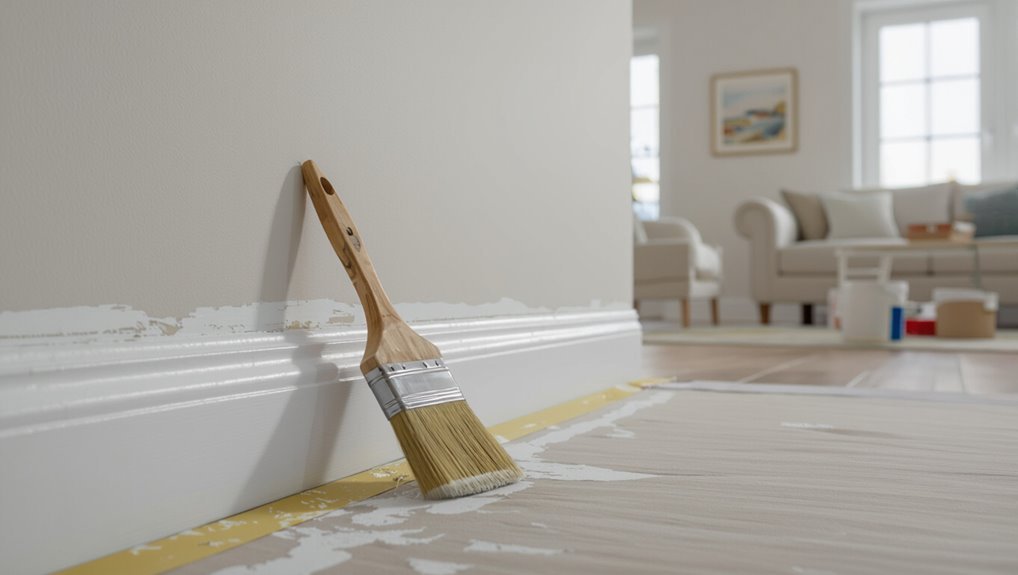
When you’re deciding whether to paint trim or walls first, think about the finish and the technique you’ll use: you’ll weigh color choice and paint finish, plan surface preparation, and pick application techniques.
Consider drying times, brush types, roller options, cleanup methods, safety precautions, and project planning. You’ll choose the sequence that minimizes touch-ups and protects freshly painted areas.
Quick Verdict and Step-by-Step Sequence
Yes—usually paint the walls first, then do the trim for the cleanest result.
You’ll follow a simple step-by-step sequence: prep, cut in, roll walls, let dry, then paint trim.
Below I’ll walk you through each step so you can get it right every time.
Quick Yes Or No
Want a quick verdict? Yes — generally paint trim first for cleaner edges, but it depends on paint application and project planning.
If you tape carefully and cut in confidently, walls-first can work.
Follow this step-by-step: prep surfaces, protect floors, paint trim, let dry, cut in wall edges, then roll walls.
Adjust sequence for complexity and drying times.
Walls Then Trim
Although painting walls before trim goes against traditional advice, it’s a solid option if you tape carefully and prefer faster coverage; you’ll save time and get large areas done quickly.
You choose color selection with intent, then touch up trim. Expect to manage edges for clean lines and anticipate how texture contrast between wall and trim will affect final appearance and light play.
Step-By-Step Sequence
If you chose walls-first to speed the job, here’s a compact quick verdict and a clear step-by-step sequence to follow so you get clean lines without redoing work.
You’ll save time by painting walls, then masking for trim, using proper painting techniques and testing color combinations.
- Paint walls, let dry, inspect for touch-ups.
- Mask edges, sand trim lightly.
- Paint trim, remove tape, clean up.
Why Painting Order Matters for Finish and Durability
Because paint layers interact physically and chemically, the order you apply them directly affects how the finish looks and how long it lasts.
You’ll boost paint durability and finish quality by prioritizing surface preparation, choosing compatible colors and paint consistency, and timing drying times.
Smart application techniques manage paint interactions and environmental factors, so you’ll achieve desired aesthetic outcomes without compromising longevity.
Key Factors That Decide Paint Order
When planning paint order, you’ll want to evaluate the room layout so you can minimize cutting in and avoid backtracking.
Check the trim condition next, since damaged or primed trim can change whether you paint trim or walls first.
Finally, factor in the paint type — drying time and finish will affect the best sequence.
Room Layout
Room layout shapes the practical sequence you’ll follow when painting a room, since doorways, windows, built-ins, and how furniture sits affect access and overlap.
You’ll plan based on room dimensions and where color contrast will be most visible, so you avoid awkward edges and rework.
- Paint high-traffic areas later for protection
- Tackle around fixed features first
- Sequence by sightlines and access
Trim Condition
Trim condition directly affects the order you’ll paint—peeling, gaps, or intricate profiles tell you whether to tackle trim before walls or after. You’ll inspect for damage, caulk gaps, and choose based on trim maintenance needs and trim styles. If detailed sanding or repairs are required, paint trim first; if minimal work, paint walls first.
| Condition | Action |
|---|---|
| Peeling | Repair first |
| Gaps | Caulk first |
| Intricate | Paint first |
| Good | Walls first |
Paint Type
Paint type plays a big role in deciding whether you should paint trim or walls first, because different formulations dry, cure, and overlap differently.
For example, fast-drying latex wall paint is forgiving over trim, while oil-based or high-gloss trim paints can be tacky longer and show brush marks if covered. You’ll consider paint finishes and paint brands, drying times, and compatibility.
- Choose finish by wear and sheen.
- Check brand instructions for recoat windows.
- Match solvents when crossing types.
How Paint Type Affects Whether You Paint Trim or Walls First
Because different paint formulations behave differently when rolled or brushed, the type of paint you choose often determines whether you should tackle the walls or the trim first.
For paint selection, consider drying time, sheen, and application method; faster-drying wall paint lets you paint walls first.
Prioritize trim preparation if using distinctive trim products so edges stay crisp and you avoid smudging.
Oil-Based Trim vs. Water-Based Wall Paint
When you pair oil-based trim with water-based wall paint, you’ll need to account for differences in adhesion, drying time, and finish: oil-based trim tends to level out smoothly and resists scuffs but takes longer to dry and can yellow over time, while water-based wall paints dry quickly, clean up with soap and water, and stay truer in color.
When pairing oil-based trim with water-based walls, account for adhesion, drying differences, finish, and color stability
- Note oil based advantages: durability, leveling, finish durability.
- Mind water based drawbacks: faster drying times complicate blending; color matching matters.
- Plan application techniques and cleanup process; consider environmental impact when choosing products.
Using Semi-Gloss Trim With Matte Walls
If you want your trim to stand out against matte walls, semi-gloss is the go-to choice because it highlights architectural details, resists scuffs, and cleans up easily.
You’ll leverage semi gloss sheen against matte finish for strong color contrast and texture interplay.
Consider durability comparison, maintenance considerations, cleaning tips, and light reflection to achieve aesthetic balance and clear visual hierarchy.
How Room Size Influences the Decision
If your room’s small, you’ll usually paint the trim first so you don’t accidentally splash wall color onto narrow edges.
In larger rooms it’s often easier to do the walls first and tackle trim afterward to keep cutting-in manageable.
Consider how much space you have to move ladders and drop cloths when you decide.
Small Rooms: Trim First
Because small rooms leave little margin for error, you’ll usually paint the trim first so you can control edges and avoid accidentally splashing wall paint on narrow baseboards or moulding.
You’ll also match paint finishes to trim durability and make color choices that enhance compact space.
Consider these tips:
- Use semi-gloss for easy cleaning.
- Tape precisely to protect walls.
- Start with lighter trim tones.
Large Rooms: Walls First
Tackle walls first in large rooms—starting with broad surfaces lets you roll quickly without worrying about brush marks on trim, and it’s easier to correct uneven coverage before you paint baseboards and moulding.
You’ll evaluate color selection and lighting effects across expansive wall design, account for texture considerations and paint finish, then plan furniture placement and accent features so trim complements completed walls.
High-Traffic Rooms: Recommended Order
When you’re painting high-traffic rooms, start with surfaces that interrupt daily movement least so you can keep the area usable; begin with ceilings and upper walls, then move to lower walls and trim, and finish with doors and hardware.
You’ll prioritize high traffic durability and maintain color consistency while sequencing work to minimize downtime.
- Protect walkways and focal areas
- Use durable finishes
- Touch up trim last
How to Plan Work Across Multiple Rooms
Start by mapping a room-by-room sequence so you tackle less-used areas first and finish with high-traffic rooms.
Stage your tools and paint near each work zone to cut down on trips and keep supplies clean. That way you’ll move efficiently and avoid mixing colors or dragging dust through finished spaces.
Room-by-Room Sequence
Although you can jump between rooms, it’s smarter to work in a logical sequence that minimizes traffic, drying disruptions, and repeated setup.
You’ll plan by priority: high-traffic, then bedrooms, then storage. Balance color coordination, paint finish, room ambiance and lighting impact.
Consider surface prep, texture contrast and design trends while honoring personal preference and paint selection.
- Start with busiest rooms
- Sequence by drying time
- Coordinate adjacent schemes
Tool And Paint Staging
1 smart staging plan makes painting across multiple rooms faster and less messy: group your brushes, rollers, trays, drop cloths, and touch-up cans by task—cutting-in, rolling, and trim work—so you can move from room to room without hunting supplies.
Plan stations near doorways, label cans, and keep paint supply organization visible. This boosts tool accessibility, reduces trips, and speeds workflow.
Pro Sequence for Single-Room Projects
For a smooth, efficient single-room paint job, follow a logical pro sequence that groups tasks by access and surface type so you won’t backtrack or rework areas later.
You’ll organize paint supplies, finalize color selection and finish types, complete room preparation with flooring protection and protective gear, optimize lighting considerations and ventilation strategies, respect drying times, then perform cleanup techniques.
- Cut trim before rolling walls
- Tape and protect fixtures
- Paint ceilings first, then walls, then trim
Pro Sequence for Whole-House Painting
When you’re tackling a whole-house paint job, plan to work room-by-room so you stay organized and keep progress clear.
Start with trim before rolling the walls to get crisp edges and avoid overpainting.
Protect floors and fixtures thoroughly to save time on cleanup and prevent damage.
Plan Room-by-Room
Start by mapping the house into a logical painting sequence that minimizes interruptions and backtracking: tackle rooms that connect directly in a flow (entry to hallway to living areas), paint ceilings before walls and trim, and save high-traffic or finished spaces for last so dust and foot traffic don’t ruin fresh work.
Plan room-by-room with project planning, time management, budget considerations, surface preparation, color coordination, tool selection, paint finishes, lighting effects, paint durability, and aesthetic appeal.
- Prioritize rooms by function and flow.
- Schedule prep and drying times to match time management and budget considerations.
- Match paint finishes to lighting effects and desired paint durability.
Sequence Trim Before Walls
One smart approach is to paint trim before walls so you can tape less, control edge bleed, and finish detailed work while you still have steady hands.
You’ll work from top to bottom, master trim techniques like back-brushing and cutting in, and let paint finishes cure before rolling walls.
This sequence speeds progress, reduces touchups, and yields sharper, professional-looking edges.
Protect Floors And Fixtures
Before you lay a drop cloth or roll out paper, clear the room of loose items and vacuum thoroughly so dust and grit won’t get trapped under protective coverings and scratch floors.
Use floor protection and fixture safeguarding to prevent paint drips. Prioritize surface preparation, workspace organization, and cleanup strategies for damage prevention.
- Tape edges tightly
- Secure protective coverings
- Isolate fixtures and vents
How to Sequence Doors, Baseboards, and Casings
Although you can paint in several orders, the most efficient sequence usually has you tackle doors, then casings, then baseboards, so you minimize touch-ups and wobble between levels.
Start with door painting and door hardware removal, choose door colors, then focus on casing preparation and casing materials.
Finish with baseboard techniques and baseboard styles, applying proper finish applications for consistent trim finishes across trim types.
When to Remove Trim for a Cleaner Job
You should remove trim when you need full access to edges for a flawless paint line and easier sanding.
If the trim is in good shape and removal would risk damage or extra work, leave it in place and mask carefully.
We’ll compare the pros and cons so you can pick the cleaner, more efficient approach for your job.
Remove Trim For Access
Take off baseboards, outlet covers, and window trim when you want crisp, paint-to-edge lines and fewer touch-ups later.
You’ll improve access benefits and use simple trim removal techniques to prevent damage, speed work, and guarantee even coverage.
Remove carefully, label pieces, and protect flooring; reinstall after paint cures for a seamless finish.
- Label each trim piece
- Protect floors and hardware
- Use proper tools
Leave Trim When Intact
Sometimes it’s smarter to leave trim in place—when it’s intact, well-sealed, and matches the new color—because you’ll save time and reduce the risk of damaging moldings or underlying surfaces. You’ll focus on prep: clean, sand lightly, and check trim maintenance to guarantee paint adhesion. Remove only if warped, rotten, or blocking access.
| Condition | Action |
|---|---|
| Intact | Leave |
| Damaged | Remove |
| Poor adhesion | Repair |
Preparing Trim Before Painting Walls
Before painting the walls, prep the trim so you get crisp lines and avoid touch-ups later. You’ll focus on trim preparation before wall cleaning to minimize mess and protect finishes.
Before painting walls, prep trim first for crisp lines and to prevent future touch-ups.
Sand, fill gaps, and prime trim where needed. Tape precisely and remove hardware. Work methodically so the trim’s ready when you start the wall coats.
- Sand and clean trim
- Caulk gaps and fill dents
- Apply primer to trim
Preparing Walls Before Painting Trim
Before you paint the trim, you’ll want to clean and repair the wall surfaces so the finish looks smooth and lasts.
Sand and prime the walls where needed to guarantee even coverage and adhesion.
Finally, mask the trim and fixtures carefully so you don’t get wall paint on them.
Clean And Repair Surfaces
Start by clearing dust, grease, and loose paint from the wall so your trim will sit against a smooth, stable surface.
Use surface preparation best practices: follow an inspection checklist, choose cleaning methods by surface types, and apply repair techniques like patching holes. Avoid major sanding surfaces here; select appropriate primer types after repairs.
- Patch cracks and holes promptly
- Clean with degreaser or mild detergent
- Match repair approach to surface type
Sand And Prime Walls
Sanding the repaired areas and priming the walls creates a smooth, uniform base so your trim will seat cleanly and the paint will adhere evenly.
You’ll use proper sanding techniques—start with medium grit, finish with fine—to feather repairs and remove gloss.
Choose primer selection based on surface: stain-blocking for repairs, high-adhesion for slick surfaces.
Let primer dry fully before painting trim.
Mask Trim And Fixtures
Masking trim and fixtures keeps crisp lines and protects surfaces so you won’t waste time cleaning up drips or repainting.
You’ll focus on surface cleaning, trim preparation, and fixture protection before paint selection. Use masking techniques that account for color contrast and edge finishing, and plan drying times to avoid smudges.
- Use low-tack tape for clean edges
- Cover outlets, lights, hinges
- Inspect seals, touch up gaps
Sanding and Priming: What to Do First
When you’ve repaired dents or scraped off loose paint, sand the surface lightly to feather edges and create a key for primer so the finish will stick evenly.
Use proper sanding techniques, focus on surface preparation and tool maintenance, then follow priming tips to improve paint adhesion.
Consider drying times, finish selection and color matching to guarantee a uniform, durable result before topcoating.
When to Use Stain-Blocking Primer on Trim
After you’ve sanded and primed surfaces for adhesion, check trim for stains that can bleed through topcoats—watermarks, knots, tannin from oak, smoke residue, or old wood filler are common culprits.
Use stain-blocking primer when stains threaten finish integrity; it offers stain blocking benefits and speeds trim preparation. Apply thin, even coats and let cure fully before topcoating.
- Test stubborn spots first
- Use shellac or oil-based primers
- Sand lightly between coats
Fix Caulk Lines and Gaps Before You Paint
Seal gaps and smooth caulk lines before you pick up a brush so your finish looks professional and lasts longer.
You’ll prep surfaces, remove old caulk, and choose appropriate caulk.
Use proper caulk application techniques—steady bead, smoothing tool, correct curing time—and practical gap filling methods like backer rod for wide joints.
Once cured, sand lightly and clean before priming and painting.
Masking and Taping When Painting Trim First
If you’re painting trim first, mask carefully so wall paint stays clean and edges stay sharp.
Use precise masking techniques during trim preparation to guarantee trim protection and proper tape application.
Mind paint adhesion and paint finishes by choosing the right brush selection.
After wall coverage, remove tape for clean edge clean up to preserve color consistency.
- Use low-tack tape
- Press edges firmly
- Remove tape warm
Taping and Masking When Painting Walls First
When you paint walls before trim, mask carefully to protect baseboards, window casings, and any freshly finished trim so your edges stay crisp and paint doesn’t bleed. Use precise tape techniques and simple masking tips: press tape edges, overlap paper, and remove while paint is tacky.
| Area | Tape Type | Note |
|---|---|---|
| Baseboard | Painter’s | Press edge |
| Window | Delicate | Overlap paper |
| Trim gap | Frog | Remove tacky |
Best Brushes for Trim Work
Choose the right brush and you’ll cut cleaner lines, cover faster, and spend less time touching up.
You’ll match brush types to trim styles and finish options, use painter’s tape sparingly, and apply trim techniques that prioritize edge control.
Learn basic brush maintenance and coordinate paint selection for smooth results.
- Angled sash brushes for crisp edges
- Synthetic filaments for water-based paints
- Natural bristles for oil-based finishes
Best Rollers and Tools for Fast Wall Coverage
For fast, even wall coverage you’ll want to match roller nap length to your surface and paint type so you get the right texture and hold.
Pick a sturdy frame and comfortable handle that let you work longer with less fatigue and wobble.
Consider specialty tools—extension poles, mini-rollers for corners, and edgers—to speed the job and keep edges sharp.
Roller Nap Length
Nap length matters because it directly affects coverage, texture, and speed: shorter naps (1/4″–3/8″) lay down smoother finishes on plaster or trim, while medium to long naps (1/2″–1″ or more) hold more paint and cover textured or rough walls faster.
You’ll choose roller nap to control paint absorption and finish. Consider:
- 1/4″–3/8″: smooth, low absorption
- 1/2″: versatile, balanced absorption
- 3/4″–1″: high absorption for rough surfaces
Frame And Handle
A sturdy frame and comfortable handle make a bigger difference to your speed than you might expect. You’ll focus on frame preparation and handle maintenance to reduce fatigue, guarantee smooth rolling, and cut rework. Choose balanced frames, ergonomic handles, and check connections before painting.
| Frame | Handle | Tip |
|---|---|---|
| Lightweight | Rubber grip | Check screws |
| Sturdy | Ergonomic | Lubricate joints |
| Balanced | Replaceable | Test fit |
Specialty Paint Tools
Now that your frame and handle are dialed in, pick rollers and tools that multiply your speed without sacrificing finish.
Choose roller covers, paint trays, and quality paint sprayers for coverage; use specialty brushes and edge tools for trim.
Prep with painter’s tape, masking film, drop cloths, caulking guns, and cleaning supplies to protect and finish efficiently.
- High-nap roller covers for texture
- Slim edge tools for corners
- Compact paint sprayers for flats
How to Cut In Around Trim Cleanly
Start by steadying your hand and brushing a narrow bead of paint along the trim edge; this “cutting in” creates a crisp boundary between wall and trim so you won’t need heavy touch-ups later.
Use proper cutting techniques: anchor your wrist, work in short strokes, and feather the paint.
Choose brush selection carefully—angled sash brushes for control and synthetic bristles for water-based paints.
How to Avoid Bleed-Through From Old Trim Paint
When old trim paint keeps bleeding through, you’ll want to stop it before you apply fresh coats by identifying the culprit—stain, tannin, or previous paint failure—and sealing it with the right primer; shellac- or oil-based primers usually block stubborn stains better than standard latex.
Use paint bleed prevention and smart trim paint techniques to guarantee lasting results.
- Spot-prime problem areas
- Sand glossy surfaces first
- Apply two thin primer coats
Drying and Curing Times That Affect Sequencing
Because paint doesn’t just look dry on the surface, you need to factor both drying and full curing into your sequence so coats and trim work don’t fail later.
You should check manufacturer drying times for each product, wait recommended intervals before sanding or taping, and respect curing processes that strengthen finish.
Rushing leads to smudges, adhesion loss, or uneven sheen—plan sequencing accordingly.
How Many Coats for Trim vs. Walls
When you plan coats, remember trim usually needs fewer because it’s smaller and often already primed.
Walls typically require more coats to get even coverage and hide previous colors. That difference can change your sequencing and drying schedule.
Trim Requires Fewer Coats
Most trim needs fewer coats than walls, so you’ll typically get away with one to two coats of paint on baseboards, door and window casings, and crown molding.
You’ll save time and improve trim longevity with quality primer and paint, and regular trim maintenance keeps finishes lasting.
- Use a semi-gloss for durability
- Sand and prime bare wood
- Spot-touch annually for best results
Walls Need More Coats
Walls usually need more coats than trim, so plan on two to three coats to achieve even coverage and color depth.
You’ll notice walls’ paint absorption varies by surface—priming helps—so additional coats boost walls durability and hide previous colors.
Trim often needs one coat plus touch-ups because smoother surfaces reflect light differently.
Inspect and add coats only where coverage or finish looks uneven.
Common Mistakes When Painting Trim First
Painting trim before the walls can feel like the safer route, but it often leads you into avoidable problems like mismatched sheen, accidental wall scuffs, and extra touch-ups.
You should mind trim painting techniques and trim color choices to avoid errors.
Mistakes include:
- Using wrong sheen or paint type for trim
- Poor edge protection causing wall marks
- Rushing prep or skipping primer
Common Mistakes When Painting Walls First
1 common misstep is tackling the walls first without protecting or planning for trim, because you’ll inevitably get paint on baseboards and casings, create jagged edges, and then spend more time cutting in or repainting trim than you saved.
You risk common pitfalls: unexpected drips, color mismatches, uneven finishes, poor adhesion from inadequate preparation, time wastage, and overlooked details that spoil the result.
How to Touch Up After Painting the Opposite Surface
When you finish one side—whether the walls or trim—you’ll often find small drips, scuffs, or imperfect edges on the opposite surface that need quick, targeted fixes; grab a small brush, matching paint, and a steady hand.
Then clean the area, feather the new paint into the old, and wipe away any excess before it dries to blend the touch-up seamlessly.
- Use thin layers and gradual paint blending.
- Sand tiny bumps, then apply spot primer.
- Match sheen and color, practicing touch up techniques.
Saving Time: Shortcuts That Don’t Harm Quality
You can save time without sacrificing quality by painting trim after the walls, which prevents accidental wall smudges and speeds cleanup.
Cut in before rolling so you’re not fussing with edges mid-roll and you get a cleaner line.
Use high-quality tape to protect surfaces and avoid rework from bleed-through.
Paint Trim After Walls
Start with the walls and then tackle the trim—this sequence saves time by letting you cut in loosely and fix any wall edges later with the trim coat.
You’ll work smarter: apply wall preparation tips, let paint dry, then use precise trim painting techniques for clean lines.
- Use quality brushes for crisp edges
- Sand and caulk trim seams
- Work in sections for drying control
Cut In Before Rolling
Cut in before you roll to cut overall time and keep edges sharp: painting the perimeter first lets you blend the brushed edges smoothly with the roller, so you won’t have to chase overlap or touch up skim lines later. Use cut in techniques for edge precision, steady your wrist, work in small sections, and roll immediately to feather the seam.
| Tool | Purpose | Tip |
|---|---|---|
| Angle brush | Precision | Light pressure |
| Roller | Coverage | Match nap |
| Basin | Load paint | Avoid drips |
| Ladder | Reach | Stabilize feet |
| Rag | Wipe edges | Clean spills |
Use High-Quality Tape
After cutting in and rolling while the edges are still wet, grab high-quality painter’s tape to lock in crisp lines and skip time-consuming touch-ups.
You’ll streamline tape application and guarantee clean tape removal by pressing edges firmly and pulling back at a 45° angle while paint is tacky.
Use tape designed for delicate surfaces to avoid peeling.
- Press edges firmly
- Remove at 45°
- Choose low-residue tape
How to Handle Window and Door Frames
When you tackle window and door frames, work from the inside edges outward so you control drips and get clean lines. Use a sash brush for corners and a small roller for flat surfaces.
Mask adjoining walls and glass, remove hardware if you can, and sand any rough spots before priming to guarantee adhesion and a professional finish.
Consider frame colors, trim styles, paint finishes, caulk application, frame maintenance, weather considerations, color coordination, and coordinate with window treatments.
Painting Around Outlets and Switches Safely
Before you paint, turn off the power at the breaker so you don’t risk a shock while working around outlets and switches.
Remove or loosen faceplates and cover openings with painter’s tape or removable outlet covers to keep paint out of the contacts.
Work carefully around the edges with a brush so you can replace the plates and restore power once the paint’s dry.
Turn Off Power
1 simple safety step you must take is to shut off power to the room before you paint around outlets or switches; that prevents shocks and lets you remove or mask covers without risking live wires.
You should follow safety precautions, label breakers, and avoid using power tools near circuits until power’s off.
- Turn off and test breaker
- Use a noncontact tester
- Lock or tag the panel
Protect Outlets And Switches
After you’ve shut off power and verified the circuit’s dead, protect outlets and switches so paint won’t get inside or on visible hardware.
Remove outlet covers or leave them on and tape edges for neat lines.
Use painter’s tape and thin plastic for switch protection, label taped plates if needed, and replace or reinstall outlet covers after paint dries to restore a clean, safe finish.
Dealing With Textured Walls and Trim Edges
Textured walls and crisp trim edges demand different approaches, so you’ll want to plan your sequence and tools to suit both surfaces.
You’ll tackle textured surfaces with a thick-nap roller and work trim detailing with a sash brush, painting in a logical order to avoid smudges and unsteady edges.
- Use roller for texture
- Cut in before rolling
- Brush trim last for control
Using Painter’s Tape Like a Pro
When you want sharp lines and easy cleanup, painter’s tape is your best ally—place it firmly along trim, windows, and baseboards, then press the edge down with a putty knife or your fingernail to seal gaps so paint won’t bleed underneath.
Use tape techniques like overlapping short runs, removing tape at a 45° angle while paint’s tacky, and back-rolling edges for clean edges.
How Humidity and Temperature Affect Drying and Results
You’ll notice temperature speeds or slows drying, so plan your paint sessions for milder days to avoid skinning or extended tackiness.
High humidity can prevent proper curing and cause drips or poor adhesion, while very low humidity can make finishes brittle.
Keep good ventilation to control both moisture and fumes for consistent results.
Temperature’s Impact On Drying
Because paint chemistry and moisture exchange speed up or slow down with the air temperature and humidity, you’ll see noticeably different drying times and finishes in different conditions.
You should plan for temperature effects when scheduling coats, since colder air slows curing and hotter air can skin over. Adjust tack checks, ventilation, and timing accordingly.
- Check surface temperature before painting
- Space coats longer in cool conditions
- Use climate control to stabilize drying times
Humidity And Paint Cure
If humidity’s high, paint takes longer to cure and can trap moisture, causing cloudiness, blistering, or poor adhesion.
If it’s very low, solvent-based paints can flash-dry and leave tacky, uneven films.
You should monitor humidity effects because they directly extend curing time and influence finish quality.
Adjust your schedule, choose compatible formulations, and avoid painting when extremes will compromise adhesion or appearance.
Ventilation For Consistent Results
Good ventilation is key to consistent drying because it controls how quickly humidity and solvent vapors leave the paint film. Without steady airflow you’ll get uneven cure times, sagging, or trapped moisture that ruins the finish.
Use ventilation tips to boost air circulation and monitor temperature for reliable results.
- Use fans to direct airflow across wet surfaces
- Open windows night and day when safe
- Avoid painting in high humidity
Child- and Pet-Safe Painting During Sequencing
When you’re sequencing paint work around children and pets, plan to isolate work zones, secure tools and materials, and choose low-VOC products so everyone stays safe and comfortable. Use child safe paints and pet friendly options, non toxic materials, ventilation safety, surface preparation, drying times, odor free paints, cleanup strategies, and proper paint storage.
| Task | Tip |
|---|---|
| Containment | Gates, sheets |
| Airflow | Fans, open windows |
| Storage | Locked, labeled |
| Cleanup | Wet wipes, dispose |
| Timing | Nap, away during dries |
Eco-Friendly Paints: Effects on Paint Order
Because eco-friendly paints often dry differently and have distinct application properties, you’ll need to adjust your painting sequence to get consistent coverage and adhesion.
Eco-friendly paints dry and apply differently, so tweak your painting sequence for even coverage and strong adhesion.
You should consider eco-friendly benefits and sustainable options without sacrificing paint durability or color selection; weigh health impacts and environmental considerations when choosing trim-first or walls-first approaches.
- Test drying times
- Match primer types
- Plan overlap strategy
Cost Differences Based on Painting Order
After you account for eco-friendly paint behavior, you’ll also want to contemplate how the order you paint affects overall cost.
You’ll perform a cost analysis comparing touch-ups, primer use, and labor time. Painting walls first may save on drop cloths; trim first can reduce masking time.
Use clear budgeting tips to estimate materials, labor hours, and potential rework to avoid surprises.
How to Manage Paint Sheen Transitions
If you’re switching between flat walls and semi-gloss trim, plan shifts so sheen differences look intentional rather than accidental: you’ll control paint sheen contrast with crisp lines and consistent lighting.
Tape, feather edges, and match sheen overlap to avoid glare. Use primers where needed and test small areas first.
- Use high-quality tape for sharp lines
- Overlap slightly for smooth finish shifts
- Test lighting before final coats
Troubleshooting Guide for Edge Problems
Edges give away a rushed paint job, so when you see drips, feathering, or uneven lines you should tackle them methodically: inspect the problem, sand or scrape loose paint, and decide whether spot-priming or re-cutting the line will fix it. Focus on edge touch ups, trim alignment, paint bleeding, wall texture, color shifts, finish consistency, edge precision, and paint adhesion.
| Issue | Fix |
|---|---|
| Bleed | Re-cut line |
| Drips | Sand & recoat |
| Texture mismatch | Feather & blend |
| Poor adhesion | Prime |
| Misaligned trim | Adjust/caulk |
Real-World Pros’ Workflow for Single Rooms
Set up your workspace like a pro: clear the room, protect floors and furniture, and lay out tools and materials in the order you’ll use them so you don’t backtrack.
Set up like a pro: clear the room, protect surfaces, and arrange tools in workflow order.
Work trim first for crisp lines, then cut in walls, roll, and touch up. Consider paint finish and color selection early to match sheen and prep.
- Tape edges precisely
- Sequence coats logically
- Clean as you go
Pro Workflow for Whole-House Sequencing
When you’re tackling an entire house, plan room-to-room flow so you paint in a logical circuit—start with the least-used spaces and move toward high-traffic areas to avoid tracking wet paint—and stage crews and materials to minimize backtracking.
Use a whole house strategy: sequence ceilings, walls, then trim per zone, schedule drying times, and assign crews to contiguous areas.
This efficient planning saves time and reduces touchups.
How to Decide When Hiring a Pro Is Smarter
Once you’ve mapped out a whole-house sequence and know how crews will move through rooms, decide whether a pro makes sense by weighing complexity, time, and risk.
After mapping the whole-house flow, weigh complexity, time, and risk to decide if a pro is worth it.
You’ll compare pro vs. DIY, run a cost analysis, and factor warranties, finish quality, and schedule constraints to choose smartly.
- Hidden prep or repairs
- Tight timelines or staging
- High-end finishes needing precision
Paint-Order Decision Checklist You Can Use Today
Start with a simple checklist you can run through in 10 minutes to decide if you should DIY or hire pros:
assess paint order preferences, evaluate project efficiency, check surface preparation needs, confirm paint quality, test color coordination, list tool selection, estimate drying times, note texture consideration, anticipate finish durability, and plan cleanup strategies.
Use answers to decide scope, time, and cost.
Quick Timeline: Step-by-Step for One Room
A clear, practical timeline helps you move efficiently through a one-room paint job: plan, prep, and finish with minimal rework.
Use preparation techniques like masking, patching, and priming. Allow for paint drying between coats and trim work.
- Tidy, mask, patch; prime porous spots.
- Paint walls first; wait full drying time.
- Cut trim, touch up, and clean tools.
Frequently Asked Questions
Can I Paint Trim and Walls the Same Day Safely?
Like a dance, yes — you can paint trim and walls the same day if you plan. You’ll stagger coats, respect trim types, pick compatible paint finishes, let tackiness clear, and avoid heavy overlap to prevent smudges.
Will Humidity Force Me to Change My Painting Schedule?
Yes — humidity effects will force you to adjust; high humidity slows drying times, so you’ll wait longer between coats and might reschedule to avoid condensation, while low humidity speeds drying but can cause tackiness or cracking.
Do Primer-Only Coats Count as Final Paint for Sequence Purposes?
No — primer-only coats don’t count as the final coat; you should treat them for primer benefits, sealing and adhesion, then apply your final coat later. Don’t skip the finish, or you’ll sacrifice durability and color.
Should Cabinets Be Painted Before Surrounding Trim and Walls?
You should paint cabinets before surrounding trim and walls to manage cabinet color coordination and avoid splatter; you’ll protect trim paint protection with tape and overlap techniques, then finish walls last for clean, professional edges.
How Do Paint Warranties Affect My Chosen Painting Order?
Contrasting risks and rewards, you’ll find warranties can favor specific sequences: follow manufacturer instructions and you’ll secure warranty coverage, which often boosts paint longevity; ignore guidance and you’ll risk voiding coverage and shorten lifespan.
Conclusion
When deciding paint order, aim for trim first if you’re detail-oriented, walls first if you want speed. Pros often paint trim first 70% of the time to guarantee crisp edges and fewer touch-ups, so you’ll likely get cleaner results doing the same. Consider paint type, drying time, and your skill level—if you’re unsure, hire a pro. Use the checklist and timeline to pick the best approach for your room and finish.
