
Is Eggshell the Same as Satin: Key Differences Explained Clearly
No — eggshell and satin aren’t the same. You’ll find eggshell has a low, soft sheen with slight texture that hides wall flaws and gives rooms a cozy, muted look, while satin has more gloss, reflects light, and shows details more crisply. Satin’s tougher and easier to clean, so it’s better for kitchens, baths, and hallways; eggshell suits living rooms and bedrooms. Keep going and you’ll get practical guidance for choosing between them.
What People Want When Searching “Eggshell vs Satin
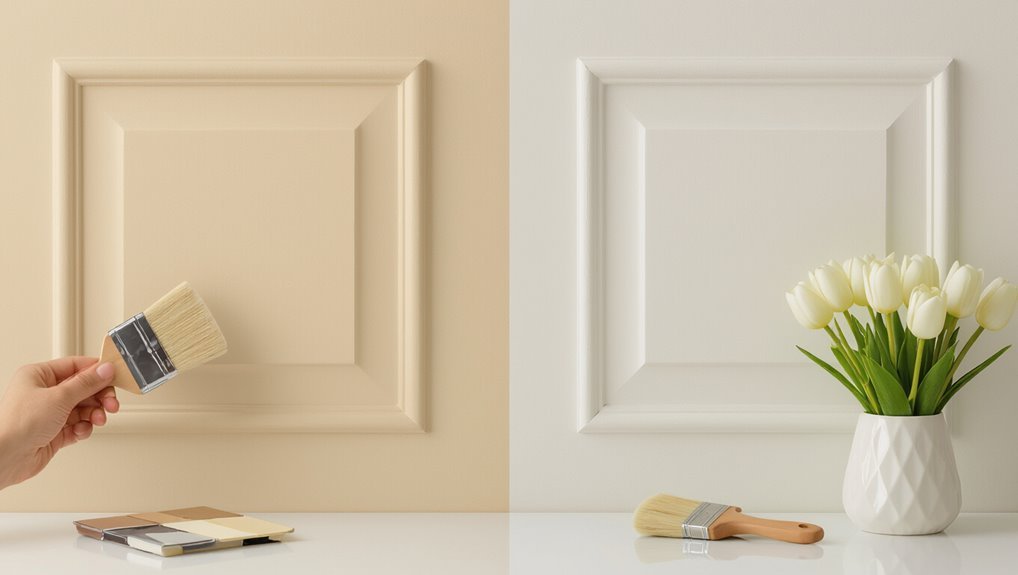
Wondering which finish fits your project? You want clear egg finish comparison points: durability, cleanability, and light reflection.
You’ll expect practical sheen preference analysis focused on room use, traffic, and surface flaws.
You want quick guidance to choose eggshell for subtle texture or satin for easier cleaning and brighter highlights, without confusing terminology—just straightforward criteria to pick the right finish.
Quick Answer: Is Eggshell the Same as Satin?
You want a quick, practical answer: no—eggshell and satin aren’t the same.
You’ll notice eggshell characteristics include low sheen, subtle texture, and moderate durability, while satin qualities offer higher luster, smoother finish, and easier cleaning.
Choose eggshell for understated, forgiving walls; pick satin when you want a bit more shine and washability.
Both suit different needs.
Why Eggshell and Satin Get Confused
You’ll often mix them up because their sheen levels are close, so both look subtly lustrous without being glossy.
They also offer comparable durability, which means you won’t lose much in wear resistance if you swap one for the other.
Finally, their overlapping uses—walls, trim, and high-traffic areas—make the choices feel interchangeable until you compare samples.
Similar Sheen Levels
Both eggshell and satin sit close on the sheen spectrum, so it’s easy to mistake one for the other at a glance.
You’ll notice subtle reflectivity differences in a quick sheen comparison, especially under varied light.
When choosing, factor in your finish preferences: eggshell hides imperfections slightly better, while satin gives a touch more luster that can brighten rooms without shouting.
Comparable Durability
Although they sit a hair apart on the sheen scale, eggshell and satin offer similar durability in everyday rooms, so you can pick based on look more than toughness.
You’ll weigh durability factors like washability and scuff resistance, and follow simple maintenance tips to keep finish consistent.
- High-traffic walls: satin preferred
- Low-traffic areas: eggshell fine
- Trim: satin for easier cleaning
Overlapping Uses
Because their sheen levels sit so close and their performance overlaps, people often use eggshell and satin interchangeably without noticing a problem.
You’ll pick either finish for similar rooms—living areas, bedrooms, hallways—because overlapping applications meet everyday needs.
Your choice often comes down to aesthetic preferences, subtle light reflection, and texture feel.
That practical flexibility explains why they’re easily confused.
What “Sheen” Means for Paint
Sheen tells you how glossy or flat a paint looks, with eggshell sitting lower on the scale and satin reflecting more light.
That reflection affects how textures and imperfections show up and how bright a room feels. Higher-sheen paints are also tougher to clean, so consider both look and durability when you choose.
Sheen Level Explained
Think of sheen as the paint’s finish: it describes how much light a surface reflects and how glossy or dull it looks to your eye.
You’ll use sheen characteristics to decide durability and washability; a sheen comparison helps choose between eggshell and satin.
Consider:
- Eggshell: low sheen, subtle texture.
- Satin: medium sheen, easier to clean.
- Trim: higher sheen, highlights edges.
Light Reflection Effects
1 key thing to know about paint finish is how it changes the way a surface reflects light—glossier finishes send light straight back and show more shine, while flatter ones scatter it and mute texture. You’ll notice light reflection and sheen impact affect mood and perceived space; choose based on atmosphere, not just color.
| Feeling | Finish |
|---|---|
| Warmth | Satin |
| Calm | Eggshell |
| Bright | Gloss |
| Soft | Matte |
Durability And Cleanability
Because finish affects more than looks, it also determines how well a painted surface stands up to life—satin and eggshell behave differently under wear and cleaning.
You’ll choose satin for tougher traffic and easier maintenance; eggshell offers milder surface protection but softer looks.
Consider these points and cleaning techniques:
- Satin: higher durability, scrub-resistant.
- Eggshell: gentler sheen, less forgiving.
- Touch-ups: easier on satin.
Sheen Scale: Flat → High Gloss
When you compare paint sheens on a scale from flat to high gloss, you’re really looking at how much light the surface reflects and how durable it will be; lower sheens hide imperfections but scuff more easily, while higher sheens show flaws but offer greater washability and toughness.
You’ll choose based on sheen characteristics and your aesthetic preferences, balancing light reflection, maintenance, and surface imperfection visibility.
Where Eggshell Sits on the Sheen Scale
Moving along the sheen scale, eggshell sits between flat/matte and satin, offering a low-luster finish that reflects a bit more light than flat but stays far subtler than satin.
You’ll notice eggshell characteristics that hide minor flaws yet clean reasonably well.
Compare to satin characteristics for context.
- Soft, low sheen
- Moderate durability
- Subtle light reflection
Where Satin Sits on the Sheen Scale
Satin sits higher on the sheen scale than eggshell, offering a noticeable, velvety glow that reflects more light and emphasizes wall details a bit more.
When you pick a satin finish, you’ll get improved durability and easier cleaning compared with eggshell.
In a practical sheen comparison, satin balances subtle shine with softness, making it ideal for moderate-traffic rooms where you want gentle luster without gloss.
How Eggshell and Satin Look Side‑by‑Side
When you place eggshell and satin next to each other, you’ll notice eggshell’s subtler texture versus satin’s smoother, slightly reflective finish.
You’ll also see satin often makes colors read a touch deeper and richer, while eggshell keeps tones more muted and matte.
Use this side-by-side view to decide whether texture or color depth matters more for your space.
Texture And Sheen
Look closely and you’ll notice eggshell and satin finish very differently: eggshell offers a soft, low-luster surface that hides imperfections, while satin gives a smoother, glossier look that reflects more light and emphasizes texture.
You’ll observe texture variations and altered sheen perception depending on angle.
Consider these visual cues:
- Eggshell: muted, subtle depth.
- Satin: gentle glow, clearer detail.
- Light: reveals flaws on satin.
Color Depth Comparison
Because finish affects how light interacts with pigment, you’ll see the same color read differently side‑by‑side: eggshell mutes and deepens tones, while satin brightens and slightly lightens them by reflecting more light. You’ll notice reduced color saturation and subtle hue variations—use swatches to compare.
| Finish | Saturation | Perceptual change |
|---|---|---|
| Eggshell | Lower | Deeper |
| Satin | Higher | Brighter |
| Both | Variable | Context-dependent |
How Light Changes Eggshell vs Satin Appearance
If you hold a swatch of eggshell and one of satin under the same lamp, you’ll see how their sheens react differently:
- Eggshell scatters light reflection, softening highlights and masking minor flaws.
- Satin directs more light, producing subtle glossy highlights that emphasize texture and deepen color changes.
- Move the light angle and you’ll notice satin shifts more noticeably, while eggshell stays more consistent and muted.
Durability: Eggshell vs Satin
While both finishes stand up to everyday wear, satin is generally tougher and more washable than eggshell.
So you’ll get better resistance to scrubbing, stains, and moisture in high-traffic areas.
When choosing, consider durability factors like cleaning frequency, room use, and surface prep.
Satin typically offers greater finish longevity; eggshell can still work well where gentle care and lower exposure to moisture prevail.
Scuff and Abrasion Resistance Compared
You’ll notice satin generally handles scuffs and abrasion better than eggshell because of its tougher, smoother finish.
Over time, eggshell can show more visible wear in high-traffic areas, while satin tends to retain a cleaner look.
That means maintenance and touch-ups are often easier and less frequent with satin, especially on walls that get bumped or rubbed.
Surface Durability Differences
Because satin has a higher sheen and harder finish, it resists scuffs and abrasion better than eggshell in high-traffic areas.
You’ll notice surface texture affects how dirt clings, and maintenance frequency changes with finish hardness. Choose satin where durability matters; pick eggshell for subtle looks in low-traffic spots.
- Hallways: satin, easy to wipe
- Bedrooms: eggshell, softer feel
- Kitchens: satin, tougher cleanup
Visible Wear Over Time
When you compare how finishes hold up over months and years, satin clearly shows fewer scuffs and abrasions than eggshell because its harder surface spreads impact and cleans more easily.
You’ll notice less visible wear on high-traffic walls painted with satin, boosting paint longevity.
Eggshell can look softer and show marks sooner, so choose satin where durability and resistance to abrasion matter most.
Maintenance And Touch-Ups
Although satin resists scuffs and wipes clean more readily, you’ll still want to match your touch-up technique to the finish: use a light hand and feather edges with satin to blend repairs, while eggshell needs gentler cleaning and more careful spot-painting to avoid shiny patches.
- Use gentle cleaners and low-abrasion cloths.
- Match sheen when doing touch up techniques.
- Adjust maintenance frequency by room traffic.
Which Finish Cleans Up Better?
Which finish cleans up better depends mostly on how much scrubbing you’ll need: satin handles frequent wiping and stains far better than eggshell.
You’ll want to match cleaning techniques to surface compatibility; use mild detergent and soft cloths on satin, gentler swipes on eggshell to avoid sheen loss.
For sticky messes, satin tolerates stronger scrubbing, while eggshell may need careful spot treatment.
Moisture and Mildew Resistance Compared
If your room gets humid or you’re dealing with occasional splashes, satin holds up better against moisture and mildew than eggshell does.
You’ll notice improved moisture resistance and easier mildew prevention with satin’s smoother surface.
Consider situations like:
- Bathroom walls exposed to steam.
- Kitchen splash zones near sinks.
- Laundry rooms with intermittent dampness.
Best Rooms for Eggshell Paint
Since satin fares better in humid spots like bathrooms and kitchens, eggshell works best in drier, lower-traffic areas where its softer, low-luster finish shows off color without highlighting wall imperfections.
You’ll prefer eggshell for bedrooms, living rooms, dining rooms, and home offices when you want a cozy ambiance and a soft finish that masks minor flaws while still feeling warm and refined.
Best Rooms for Satin Paint
When you want a durable, easy-to-clean finish that still has a bit of sheen, satin is ideal for high-traffic, moisture-prone spaces like kitchens, bathrooms, mudrooms, and children’s play areas.
For a durable, easy-to-clean finish with gentle sheen, choose satin for busy, moisture-prone spaces.
You’ll use satin on kitchen cabinets, bathroom walls, hallway accents, and living room or dining room trims; it works on bedroom ceilings, nursery walls, and a home office too.
- Kitchen cabinets
- Bathroom walls
- Hallway accents
Why Pros Use Satin on Trim and Doors
You’ll notice pros choose satin for trim and doors because it stands up to scuffs and cleans easily, so painted surfaces stay crisp longer.
The finish lays down smoothly, hiding minor imperfections while still giving a subtle sheen that catches light without shouting.
That balance of durability, washability, and gentle luster is why satin’s the go-to for high-touch areas.
Durability And Washability
Although eggshell hides minor wall imperfections better, pros choose satin for trim and doors because it stands up to scuffs, frequent cleaning, and heavy use.
You get better texture contrast and lower maintenance frequency on high-touch areas.
Picture real-world benefits:
- Wipes clean after muddy hands.
- Resists scuffs from chairs and toys.
- Survives repeated scrubbing without dulling.
Smooth, Subtle Sheen
Since satin already proves tougher for high-touch areas, its smooth, subtle sheen becomes a strong aesthetic reason pros pick it for trim and doors. You’ll get a smooth finish that hides flaws yet reflects light with a subtle glow, making details pop without glare. Compare options below:
| Surface | Look | Practicality |
|---|---|---|
| Trim | Refined | Easy clean |
| Doors | Warm sheen | Durable |
| Walls | Soft | Low maintenance |
Hiding Wall Flaws: Eggshell vs Satin
When you need paint that masks minor imperfections without drawing attention, eggshell is usually the better choice because its low sheen softens surface flaws.
In contrast, satin’s higher sheen can make bumps, roller marks, and patchy repairs more visible. You’ll choose based on flaw coverage and aesthetic preference.
- Eggshell: hides small dents.
- Satin: highlights texture.
- Prep matters.
Brushing, Rolling, and Spraying Eggshell vs Satin
If you want the smoothest, most even finish, choose your application method to match the sheen: brushing gives you control in corners and trim but can leave visible strokes on satin.
Rolling covers large flat areas quickly and works well with eggshell’s forgiving low sheen.
Spraying produces the most uniform coat for either sheen but needs careful masking to avoid overspray.
Use brushing techniques for trim, rolling methods for walls, spraying tips when speed matters; note application differences, weigh finish preferences, and follow project recommendations.
Touch‑Ups: Which Finish Blends Easier?
When you need to touch up a wall, eggshell usually feathers out more smoothly, so you’re less likely to see a patchy edge.
Satin can show a faint seam where the sheen catches light, so you’ll want to blend carefully.
Consider blending technique and lighting when choosing which finish to use for spot repairs.
Ease Of Feathering
Although both eggshell and satin are forgiving for small touch-ups, satin usually blends more seamlessly because its higher sheen masks slight differences in application and thickness.
You’ll use feathering techniques during paint application to soften edges and match texture. Practice light strokes and thin layers to avoid lap marks.
- Feathering direction
- Thin paint layers
- Blend with light pressure
Visible Seam Blending
Because satin reflects more light, it usually hides touch-up seams better than eggshell, so you’ll find repairs blend with less effort.
When you tackle visible seam techniques, satin lets you feather edges and match sheen without heavy layering.
Eggshell demands more careful color matching and thinner coats, creating greater blending challenges.
Plan touch-ups, use proper tools, and test small areas first.
Primer Needs for Eggshell and Satin
If you want durable, even coverage, you’ll need to choose the right primer for both eggshell and satin finishes.
Pick primer types based on substrate and desired adhesion; focus on surface preparation to remove grease and imperfections.
Follow this quick checklist:
- High-build primer for patched drywall.
- Stain-blocking primer for discoloration.
- Bonding primer for slick surfaces.
Drying and Curing: What to Expect
Drying and curing times vary with paint type, temperature, and humidity, so expect eggshell to feel dry sooner but satin to reach full hardness faster under the same conditions.
You’ll monitor drying time and the curing process, accounting for environmental factors like temperature impact and humidity levels. That helps you predict finish stability and plan light use or recoating without compromising durability.
Does Finish Change Perceived Color?
You’ll notice finish can change how a color looks on your wall because sheen alters how light reflects.
Eggshell’s low sheen softens and mutes tones, while satin’s higher sheen can make colors appear richer and slightly brighter.
Consider how natural and artificial light will hit the finish before you choose.
Finish Affects Color Perception
When light hits a painted surface, the finish alters how you perceive the color: eggshell scatters light softly, muting highlights and deepening tones, while satin reflects more light and can make colors look brighter and slightly richer.
You’ll notice the finish impact on color perception in everyday rooms:
- Soft, subdued eggshell in bedrooms
- Brighter, lively satin in kitchens
- Trim pop with satin sheen
Light Interaction With Sheen
Although the paint’s sheen might seem like a small detail, it changes how light behaves on the surface and consequently how you perceive color. You’ll notice sheen perception alters contrast: eggshell scatters light via light diffusion, softening tones; satin reflects more, brightening hues. Compare effects below.
| Finish | Light Behavior | Perceived Color |
|---|---|---|
| Eggshell | Diffuse | Softer |
| Satin | Specular | Brighter |
Choosing Pigments and Tones for Each Sheen
Pick pigments and tones with the final sheen in mind: eggshell softens contrast and mutes saturation, so you’ll want slightly bolder or warmer pigments to keep colors lively, while satin boosts depth and clarity, letting cooler or subtler hues read truer and more vibrant.
- Use pigment selection to compensate muted eggshell looks.
- Choose tone variations warmer for eggshell.
- Pick cooler, cleaner tones for satin.
Natural vs Artificial Light: Finish Effects
You’ve adjusted pigments and tones for the sheen. Now consider how light will change what you see: natural and artificial light interact differently with eggshell and satin, altering perceived color, contrast, and surface texture.
You’ll notice natural light effects soften imperfections on eggshell while revealing satin’s subtle sheen.
Artificial light effects can amplify satin’s gloss and cast sharper shadows, changing mood and perceived depth.
Cost Comparison: Eggshell vs Satin
Because finish choice affects both material and labor, comparing eggshell and satin on cost helps you plan realistically: You’ll use cost analysis to weigh price differences and labor time.
Consider typical scenarios:
- Eggshell: lower sheen, slightly cheaper material, faster touch-ups.
- Satin: higher material cost, more coats sometimes.
- Labor: satin can require more prep and application time.
Common Paint Products With Eggshell and Satin Sheens
You’ll see eggshell and satin most often in interior wall paints, where eggshell hides imperfections and satin offers a bit more durability.
For trim and molding, you’ll usually pick satin or a higher-sheen option for easier cleaning and crisper edges.
Outside, both sheens appear in exterior paint lines depending on the desired weather resistance and finish.
Interior Wall Paints
When you’re choosing interior wall paints, eggshell and satin finishes show up across many popular product lines, so it helps to know which formulations use each sheen.
Eggshell often appears in mid-price flat-to-low-luster interior paints, while satin is common in washable, higher-durability options like kitchen and bathroom paints.
You’ll balance interior aesthetics and paint application needs:
- Living rooms — eggshell for subtle depth.
- Hallways — satin for scuff resistance.
- Children’s rooms — satin for easy cleaning.
Trim And Molding
Trim and molding often benefit from a satin finish for its durability and easy cleaning, but eggshell can work on less-handled pieces where a softer look is preferred.
When you choose a trim application, consider traffic and cleaning needs. Use proper molding techniques to guarantee smooth lines and consistent sheen.
Satin hides scuffs better; eggshell offers subtle warmth on decorative trim.
Exterior Paint Options
If you’re picking exterior paints, start by matching sheen to the surface and climate: satin often appears on doors, window trim, and siding because it resists mildew and wipes clean, while eggshell works well on porch ceilings and decorative elements where a softer, low-glare finish is fine.
Consider finish selection, surface preparation, color matching, environmental impact, application techniques, product durability, and aesthetic appeal.
- Satin: durable, easy-clean.
- Eggshell: subtle, low-glare.
- Hybrid blends: balanced performance.
Are Eggshell or Satin Paints Greener or Safer?
Curious which finish is kinder to your health and the planet? You can pick low-VOC or zero-VOC eggshell or satin as eco friendly options; both reduce paint toxicity. Satin wipes cleaner but may need stronger cleaners. Choose certified low-tox brands and ventilate.
| Feature | Tip |
|---|---|
| VOCs | Pick low/zero-VOC |
| Cleaning | Satin eases wiping |
| Durability | Satin more durable |
| Health | Ventilate during painting |
Does Finish Choice Affect Resale Appeal?
Because buyers notice small details, your paint finish can influence resale appeal—subtle sheens like satin often read as more durable and easy to clean, while eggshell feels softer and more current in living spaces.
- Reflects resale trends toward low-maintenance surfaces.
- Matches buyer preferences for modern, neutral rooms.
- Balances perceived quality with subtle style to attract offers.
Mistakes People Make Choosing Eggshell vs Satin
While resale considerations push many toward practical sheens, people still stumble when choosing between eggshell and satin.
You’ll make mistakes by assuming sheen equals durability; that’s a common misconceptions trap.
You might ignore room use and lighting, misjudging finish suitability for high-traffic or damp areas.
Test in context, consider cleaning needs, and pick the sheen that fits function, not fashion.
How to Sample Finishes Before You Buy
Want to know how your chosen sheen will actually look and perform in a room?
Get sample swatches and do quick finish comparisons on actual wall sections. Try these steps:
- Paint 4″ squares of each finish on poster board.
- Tape boards to different walls and observe at various times.
- Compare under natural and artificial light, noting texture and washability.
How to Test Eggshell and Satin in Your Room
To see how eggshell and satin will behave in your actual space, paint adjacent test patches on the wall—about 12″ squares each—and inspect them from several distances and angles over a few days. Use simple Testing Techniques: note light reflection, texture, and cleanability to observe Visual Differences.
| Mood | Light | Feel |
|---|---|---|
| Calm | Soft | Smooth |
| Cozy | Warm | Subtle |
| Sharp | Bright | Sleek |
| Tired | Dim | Muted |
When to Mix Sheens in One Space
When you’re planning a room, think about traffic: use satin where surfaces get handled a lot and eggshell where walls see less wear.
For trim, satin’s durability and slight sheen make details pop, while eggshell keeps large wall areas soft and forgiving.
Mixing sheens lets you balance durability and appearance without overwhelming the space.
High-Traffic Versus Low-Traffic
Although both eggshell and satin work well in many rooms, you’ll want to match sheen to how much wear a surface gets: eggshell hides imperfections and looks softer in low-traffic areas, while satin stands up better to frequent touching and cleaning in high-traffic spots.
- Living room walls (low traffic spaces) — eggshell for warmth.
- Hallways and kitchens (high traffic areas) — satin for durability.
- Bedrooms — eggshell for a calm finish.
Trim Versus Wall
Mixing sheens helps you define a room’s lines: use a harder satin on trim and baseboards for easy cleaning and a subtle eggshell on walls to keep surfaces looking soft and forgiving.
Choose satin for high-contact trim styles to resist scuffs, and eggshell for varied wall textures to hide imperfections.
You’ll create contrast, clarify edges, and simplify upkeep without overpowering the scheme.
Pairing Eggshell Walls With Satin Trim
If you want a subtle, modern look, pair eggshell walls with satin trim to balance softness and durability.
You’ll use color coordination to keep tones cohesive while relying on texture contrast to define edges.
Consider simple choices that read clean and intentional.
- Soft neutral walls, crisp white trim
- Muted blues with warm satin
- High-contrast deep trim on pale walls
Maintenance Checklist for Eggshell Walls
Start by inspecting your eggshell walls regularly for scuffs, stains, and buildup—doing so helps you catch problems before they set in.
Inspect eggshell walls regularly for scuffs, stains, and buildup to catch issues early.
Use gentle eggshell maintenance tips: dust weekly, spot-clean with mild detergent, and avoid abrasive scrubbing.
For tougher marks, test cleaning techniques on an inconspicuous area.
Touch up paint promptly and keep humidity controlled to prevent deterioration.
Maintenance Checklist for Satin Surfaces
For satin surfaces, you’ll want a simple maintenance checklist to keep the subtle sheen looking fresh.
Start with daily dusting, use gentle cleaners for spots, and follow preventative care tips like avoiding abrasive tools and controlling humidity.
Stick to those habits and your satin finish will stay smooth and durable.
Daily Dusting Routine
While satin finishes resist grime better than flat paints, you’ll still want a quick daily dusting to keep their subtle sheen even and snag-free.
- Use a microfiber cloth for daily cleaning tips and gentle dusting techniques.
- Work top-down, wiping frames, trim, then walls in smooth strokes.
- Shake or wash cloths frequently to avoid redistributing dust and marks.
Gentle Cleaning Methods
After your quick daily dusting, you’ll want a gentler routine for spot-cleaning satin walls that preserves their soft sheen. Use a microfiber cloth, mild detergent, and lukewarm water; blot, don’t rub. This gentle cleaning extends finish life and aids surface protection.
| Task | Frequency | Tool |
|---|---|---|
| Spot-clean | As needed | Microfiber |
| Stain treat | Immediate | Mild soap |
| Rinse | After cleaning | Damp cloth |
Preventative Care Tips
Because satin hides imperfections less than flat finishes, keeping it looking fresh means regular, simple upkeep you can stick with.
Use preventative maintenance to avoid scuffs, dust frequently, and spot-clean with gentle cleaning techniques.
Follow this brief checklist:
- Wipe dust weekly with a microfiber cloth.
- Treat stains immediately using mild soap and water.
- Add felt pads to furniture legs and avoid abrasive tools.
Repair Scuffs on Eggshell Walls
Start by cleaning the scuff with a soft cloth and mild soap to remove dirt and oils that keep touch-ups from sticking.
Lightly sand glossy edges, then apply matching eggshell paint with a small brush or sponge. Use thin layers, feathering the edges.
These scuff repair techniques and wall touch up methods prevent noticeable patches and restore a uniform finish without overbrushing.
Repair Scuffs on Satin Surfaces
Tackle scuffs on satin surfaces by first wiping the area with a soft cloth and a mild detergent to remove dirt and oils that can prevent adhesion.
You’ll use gentle scuff repair techniques and appropriate cleaning solutions before touching up paint.
Follow these steps:
- Lightly sand and clean the scuff.
- Apply thin touch-up paint.
- Feather edges and let cure.
Best Cleaners and Methods Per Finish
Wondering which cleaners work best for eggshell versus satin?
You’ll use gentle cleaning techniques for eggshell—mild soap, microfiber cloths, light dabbing—to avoid sheen loss.
For satin, choose slightly stronger solutions and soft scrubbing for durability while testing in an inconspicuous spot.
Always consider finish compatibility before cleaning, avoid abrasive pads, and rinse thoroughly to prevent residue or damage.
What Pros Recommend When Choosing a Finish
Now that you know how cleaning needs differ between eggshell and satin, professionals recommend choosing a finish based on the room’s use, desired durability, and how much maintenance you’ll tolerate.
Use these finish selection tips and professional recommendations to decide quickly:
- High-traffic: choose satin for durability and easy cleaning.
- Low-traffic: pick eggshell for subtler sheen.
- Balance: use satin on trims, eggshell on walls.
Case Study: Rooms Where Eggshell Worked Best
You’ll see eggshell shine in rooms where a soft, welcoming look matters—like a living room that needs warmth without glare.
It also stands up well in high-traffic hallways where a bit of durability helps hide scuffs.
In bedrooms, eggshell gives a gentle, cozy glow that feels restful without being flat.
Living Room Warmth
When you want a cozy, lived-in look that still feels refined, eggshell finishes are a smart choice for living rooms; you’ll enjoy a cozy ambiance and balanced color harmony without glossy glare.
- Soft neutrals that hug furniture and rugs.
- Muted accents for layered, inviting depth.
- Gentle reflections that keep the room warm and relaxed.
Hallway Durability
Hallways take a beating from foot traffic and moving furniture, so eggshell finishes are a practical choice that balance durability with a soft, low-sheen look.
You’ll appreciate how eggshell resists scuffs while preserving hallway aesthetics; it cleans easily and hides imperfections.
In varied hallway lighting it won’t glare like satin, yet it still lifts color and endures daily wear without flashy shine.
Bedroom Soft Glow
Because bedrooms are spaces for rest, eggshell’s soft, low-luster finish helps you achieve a gentle, diffuse glow that feels calming without looking flat.
You’ll enjoy soft lighting and ambient warmth that flatter textiles and skin tones.
- Low sheen reduces glare, easing evening relaxation.
- Muted reflections blend with lamps and candles.
- Hides minor wall flaws while keeping a cozy look.
Case Study: Rooms Where Satin Worked Best
Satin paint shines in rooms where durability and easy cleaning matter most, so you’ll often find it chosen for kitchens, bathrooms, mudrooms, and children’s play areas.
You’ll notice paint texture hides minor scuffs and resists moisture; the sheen comparison shows satin reflects more light than eggshell, boosting perceived cleanliness without the high gloss of semi-gloss.
This makes maintenance straightforward and finishes consistent.
Quick Decision Guide: Pick Eggshell or Satin in 5 Questions
Not sure which finish to choose? Use this 5-question lens: durability needs, light level, surface flaws, cleaning frequency, and style mood.
Answering points you toward eggshell for subtle texture and common eggshell applications, or satin when you want easy-clean surfaces and visible satin advantages.
- High traffic or kids?
- Low light or flaws?
- Need easy maintenance?
When to Choose a Higher Sheen Than Satin
When you need maximum durability, sparkle, or stain resistance—for trim, doors, or busy kitchens—choose a higher sheen than satin. You’ll get higher sheen benefits and see how sheen impact aesthetics, highlighting details and easing cleaning. Use this quick reference:
| Surface | Benefit | Visual Effect |
|---|---|---|
| Trim | Durable | Crisp |
| Doors | Stain‑resistant | Glossy |
| Kitchens | Easy clean | Bright |
Side‑by‑Side Summary: Eggshell vs Satin at a Glance
Think of this as your quick cheat‑sheet: eggshell gives a soft, low‑luster finish that hides imperfections and suits living spaces, while satin offers more sheen, durability, and easier cleaning for high‑traffic areas—choose based on how much shine and washability you need.
- Eggshell characteristics: subtle sheen, hides flaws, cozy rooms.
- Satin characteristics: increased gloss, scrubbable, hallways and kitchens.
- Pick eggshell for texture, satin for practicality.
Frequently Asked Questions
Can Eggshell or Satin Finishes Be Used on Kitchen Cabinets?
Yes — you can use eggshell or satin on kitchen cabinets; you’ll get good cabinet durability with satin resisting scuffs better, while eggshell needs gentler finish maintenance, but both can be wiped and refreshed periodically.
Do Either Finish Hide Fingerprints on Dark-Colored Paints?
Think of a flashlight revealing flaws: you’ll find fingerprint visibility higher on satin than eggshell on dark paints, so sheen comparison favors eggshell for hiding prints, though neither completely conceals oily smudges.
Which Finish Is Better Over Textured Plaster or Stucco?
You’ll prefer satin over eggshell for textured plaster or stucco; its durability comparison favors satin’s tougher surface and easier cleaning, so maintenance needs are lower and it resists scrubbing and wear better on rough textures.
Can You Use Eggshell or Satin on Exterior Doors Safely?
Yes — you can use eggshell or satin on exterior doors, but you’ll want high-quality exterior durability coatings; satin gives higher finish sheen and better wear resistance, while eggshell hides flaws but resists moisture less.
How Do Finishes Affect VOC Levels During Application?
They affect VOC emissions during application: you’ll release more with solvent-based finishes and less with water-based ones, and higher finish durability often needs stronger solvents, so you’ll balance emissions versus longevity when choosing products.
Conclusion
So is eggshell the same as satin? No — eggshell gives a softer, low-sheen look while satin is shinier and tougher. You’ll pick eggshell for subtle sophistication and low-traffic rooms, satin for durability and easy cleaning in kitchens, bathrooms, or busy hallways. Which finish fits the life you live and the mood you want to set? Consider durability, light, and cleaning needs, then choose the sheen that matches your practical and aesthetic priorities.
