
How Many Paint Coats for Walls: Ideal Number Explained
You’ll usually need two coats for interior walls: the first lays a base and the second evens out coverage and durability. One coat can work with high-quality, high-hide paints on pristine drywall or matching shades, while three or more coats are common for big color changes, porous surfaces, or heavy stains. Finish and paint type also affect results, and proper priming can cut coats. Keep going to learn tips for prep, timing, and when to add that extra coat.
Quick Answer: How Many Coats Do You Actually Need
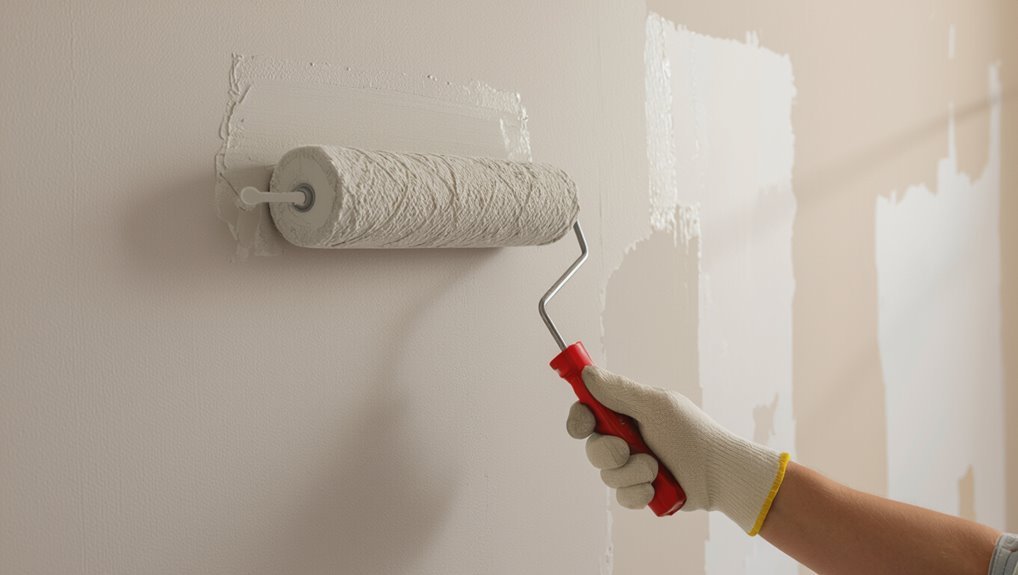
If you’re repainting a typical interior wall, plan on at least two coats: the first lays down a base and the second evens out coverage and color.
You’ll assess surface porosity, previous shade, and paint finishes to decide if a third coat’s needed.
Prioritize color selection, quality primer, and proper drying between coats so your finish looks uniform and durable.
One Coat vs Two Coats vs Three+ : Quick Decision Guide
Decide between one, two, or three+ coats by weighing coverage and tint—darker or heavily pigmented paints often need more layers.
Check the surface condition, since rough or stained walls usually require extra coats for a smooth, even finish.
Also factor in your time and budget, because more coats mean more drying time and higher labor or material costs.
Coverage And Tint
When choosing between one, two, or three-plus coats, consider the paint’s coverage rating and how much the new color differs from the old one; a high-quality paint with strong pigmentation can often cover in one coat on similar shades, while drastic color changes or low-VOC formulations usually need two or more coats to hide the underlying hue and achieve an even finish.
| Scenario | Coverage factors | Tint variations |
|---|---|---|
| Similar shade | High coverage | One coat |
| Light to dark | Medium | Two coats |
| Dark to light | Low | Three+ coats |
| Strong pigments | Very high | One-two coats |
Surface Condition
Usually you’ll pick the number of coats based on how smooth, stained, or damaged the wall is—pristine drywall with a uniform texture can often get away with one high-quality coat.
Slightly imperfect surfaces and minor stains will usually need two, and walls with heavy stains, patchwork, or rough texture typically demand three or more coats (or a primer plus two topcoats) to hide flaws and guarantee an even finish.
You should assess wall texture, perform surface preparation like sanding and priming, and choose coats accordingly to secure consistent coverage and durability.
Time And Budget
Surface condition helps you pick how many coats to apply, but time and money often seal the decision.
You’ll weigh time management against desired finish: one coat saves hours, two gives reliable coverage, three+ fixes problem areas or drastic color changes.
Factor budget considerations for paint and labor — more coats raise cost and time, so choose the fewest coats that achieve a durable, even result.
How Paint Type (Latex vs Oil) Changes Coat Count
Whether you pick latex or oil affects how many coats you’ll need because their coverage and drying times differ.
Latex generally covers well and dries fast, letting you apply a second coat the same day, while oil often gives richer coverage but needs longer to dry between coats.
Consider the trade-off between fewer coats with slower-drying oil and quicker recoats with latex when planning your project.
Latex Vs. Oil Coverage
Latex and oil-based paints behave differently, so you’ll often need a different number of coats depending on which you pick.
For coverage, latex usually builds opacity faster and benefits from latex durability, so you may need fewer coats on smooth, primed walls.
Oil provides deeper sheen and oil longevity, often covering flaws with one coat but sometimes requiring an extra for uniform color on porous or repaired surfaces.
Drying Time Differences
Because oil and water-based formulas dry at different rates, you’ll often plan coat counts around their drying windows rather than just coverage.
You’ll adjust drying techniques: latex needs quicker recoats, oil requires longer cure.
Consider humidity effects and temperature considerations since cold or damp slows drying.
Account for paint absorption on porous walls—more coats may be needed if absorption reduces film build.
How Paint Finish (Matte, Eggshell, Satin, Gloss) Affects Coverage
Although finishes don’t change the pigment, they do affect how much paint you’ll need: flat or matte finishes hide imperfections and often cover well in fewer coats, while glossier finishes reflect light and can highlight flaws, sometimes requiring extra coats or careful surface prep to get an even look.
You’ll evaluate paint finish effects and use a coverage comparison to choose finish and coat count wisely.
Why Paint Color Choice Changes How Many Coats You Need
The color you pick affects how many coats you’ll need because different hues and pigments hide the old surface differently.
Some pigments are more opaque and cover in one or two coats, while others—especially bright or deep shades—may require extra layers.
Also remember your basecoat color can either help or force you to add more coats to achieve the desired shade.
Hue Coverage Impact
When you pick a bold or very light hue, expect coverage to change noticeably: darker colors and vivid pigments usually need more coats to hide the old color or achieve uniformity, while some light neutrals can cover in fewer passes.
- Consider hue intensity and color saturation.
- Watch light reflection and shade variation.
- Assess color depth for visual impact.
- Aim for hue harmony and tone balance.
Pigment Opacity Differences
Because pigments differ in how much light they block, your color choice directly affects how many coats you’ll need to get full, even coverage.
Dark, heavily saturated hues often conceal better due to low pigment transparency, so you may need fewer coats.
Pale or high paint saturation pastels with more transparent pigments usually demand extra layers to avoid streaks and guarantee uniform color.
Basecoat Color Influence
If your wall already wears a deep or vibrant basecoat, you’ll usually need fewer fresh coats to reach full coverage because the underlying color helps block light and reduces contrast with the new paint.
You’ll assess basecoat impact and color saturation to decide coats.
Consider:
- Matching hue
- Contrast level
- Paint opacity
- Primer necessity
Primer Basics: When Primer Cuts Down on Coats
Although a fresh coat of paint can be tempting, starting with the right primer often saves you coats in the long run. A quality primer blocks stains, evens porosity, and improves paint adhesion so your topcoat covers with fewer passes.
You’ll consider primer types, primer applications, primer benefits, and primer effects when choosing primer selection. Factor in primer drying time to reduce overall coats.
When One Coat of Paint Is Enough
When can you get away with a single coat? You can if walls have even paint absorption, a similar existing shade, and a high-quality, highly pigmented paint that delivers strong color saturation.
Prep is minimal but clean. Use in low-traffic rooms or on fresh primer.
- Uniform surface
- Matching base color
- High pigment paint
- Low wear area
When Two Coats Are Necessary
If your primer and paint aren’t compatible, you’ll often need a second coat to get proper adhesion and an even finish.
Painting over dark colors usually requires two coats to fully hide the old hue unless you use a high-hide primer.
And when you’re patching or touching up repairs, a second coat helps blend textures and colors so the wall looks seamless.
Primer Compatibility With Paint
Because primer creates the base that paint bonds to, choosing a compatible primer can determine whether you need one or two paint coats.
You’ll match primer types to finish and substrate so paint adhesion’s ideal, reducing coats.
Consider:
- Oil-based primer for raw wood and stains.
- Latex primer for drywall.
- Bonding primer for slick surfaces.
- Tinted primer for better coverage.
Coverage Over Dark Colors
Matching primer to substrate helps reduce the number of paint coats you’ll need, but covering dark colors often still requires two coats. You’ll face dark color challenges; use undercoat importance and color contrast techniques to block bleed-through. Choose finish selection strategies—eggshell hides better than flat for mid-tones.
| Tip | Benefit |
|---|---|
| Quality primer | Better hide |
| Thin coats | Even coverage |
| Color test | Predict outcome |
Touch-Up And Repair Needs
When you repair gouges, nail holes, or scuffed areas, you’ll usually need two coats to blend the patch seamlessly with the surrounding wall.
Use proper touch up techniques and repair tips to sand, prime, and feather edges before repainting. Apply a first thin coat, let it dry, then a second to match sheen and coverage.
- Sand smooth
- Prime patch
- Thin first coat
- Finish coat
When You Should Plan for Three or More Coats
There are a few common situations where you should plan on three or more coats of paint: drastic color changes (especially light over dark), porous or heavily textured surfaces, and paint types that have poor coverage like some deep reds and blues. When evaluating three coat situations, you’re examining surfaces for absorption, texture, and pigment depth to decide on primes and extra coats.
| Surface | Issue | Solution |
|---|---|---|
| Porous | Absorbs paint | Primer + 3 coats |
| Textured | Shadowing | Extra coat |
| Deep red | Poor coverage | Multiple coats |
How Existing Wall Color Affects Required Coats
Although paint itself doesn’t vanish, the color already on your walls strongly determines how many new coats you’ll need; dark or saturated hues usually demand more coverage than pale neutrals.
You’ll assess color impact and wall type to decide coats. Consider:
- Deep colors require 2–3 coats.
- Pale neutrals often need 1–2 coats.
- Bold accents may need extra coats.
- Similar shades reduce coats.
How Wall Surface Condition Changes Coverage Needs
Because surface flaws change how paint soaks in and hides, you’ll often need extra coats on rough, porous, or repaired walls to get an even finish.
Assess surface texture and wall imperfections to anticipate coverage variation. Consider repair needs, paint absorption, application technique, and existing finish.
Factor environmental factors and wall material; smooth finishes usually need fewer coats, while varied textures demand more precise layering.
Stains, Marks, and Odor: When You Must Seal First
If your walls have smoke stains, lingering odors, or watermarks, you’ll want to seal them before painting to stop bleed-through and smells from returning.
Use an odor-blocking primer for smoke and specialized stain sealers for ink, grease, or tannin marks.
For water damage or mold-prone areas, apply a mildew-resistant sealer to lock out moisture and protect the new finish.
Smoke And Odor Blockers
Smoke and nicotine stains, pet smells, and lingering kitchen odors can bleed through new paint and ruin a fresh finish, so you’ll want to seal them before you start coating the walls.
Use odor blocking primers and smoke sealing products to lock in contaminants and prevent bleed-through. Choose oil-based or shellac primers for stubborn sources.
- Identify odor source
- Clean thoroughly
- Apply primer
- Reinspect
Stain And Mark Sealing
Once you’ve blocked odors and sealed nicotine or pet-related bleed-through, check your walls for visible stains and marks that can show through new paint.
For proper surface preparation, perform stain removal, apply odor sealing primers, and use burnishing techniques on scuffed areas.
Consider moisture barriers only if needed, match color to hide repaired spots, and choose application methods that guarantee mark prevention and uniform coverage.
Water And Mold Prevention
When you’re preparing walls that’ve had water damage or visible mold, you must stop moisture and microbial growth before painting; sealing first prevents stains, odors, and future paint failure.
- Use a sealer with mold resistance for treated areas.
- Fix leaks and improve moisture management first.
- Clean and dry surfaces thoroughly before priming.
- Choose mildew-resistant paint and ventilate during application.
Choose the Right Primer: Bonding, Stain‑Blocking, or Tinting
Picking the right primer makes the rest of your painting project much easier, so decide if you need bonding, stain‑blocking, or tinting before you start.
Choose bonding primer for slick or glossy surfaces, stain‑blocking for nicotine, water, or tannin stains, and tinting primers to enhance color depth.
Compare primer types and application methods to match substrate and finish needs efficiently.
Prime Problem Surfaces: A Step‑by‑Step Guide
If you’re tackling walls with stains, repairs, or tricky surfaces, prepping them with the right primer keeps your finish even and durable.
Start with wall inspection, choose primer types for stain prevention and color matching, then follow sealing techniques.
Proper primer application improves paint adhesion and highlights texture consideration.
Proper primer application boosts paint adhesion and brings texture into focus for a more consistent, professional finish.
Primer benefits include long-term protection.
- Surface preparation
- Sealing techniques
- Primer application
- Paint adhesion
How Paint Quality and Pigment Load Influence Coat Count
Because higher-quality paints carry more pigment and binders, you’ll often need fewer coats to achieve full, even coverage.
You’ll notice pigment richness and tint strength boost color saturation and coverage efficiency, cutting layers.
Formulation differences affect finish durability and paint longevity, while sheen variations change perceived depth.
Good application techniques control layering effects, so you get lasting, uniform results with minimal coats.
Does Paint Tinting Reduce or Increase Coats?
When you add tint to paint, it usually increases coverage efficiency so you’ll often need fewer coats — darker or more saturated colors hide the underlying surface better than pale tints.
You’ll notice tint effects change opacity, requiring fewer passes for full coverage.
Consider these points:
- Darker tints improve hide.
- High pigment tint boosts coat efficiency.
- Pale tints may need extra coats.
- Test samples first.
Tools (Roller, Brush, Sprayer): How They Affect Paint Coverage and Coats
When you pick a roller, you’ll cover large flat areas faster and with more even coats than a brush, meaning you may need fewer passes.
A sprayer can lay down the thinnest, most uniform film but often requires extra coats to build opacity and can overspray if you’re not careful.
Use a brush for cutting in and touch-ups where control matters most.
Roller Coverage Efficiency
A good roller can cut the number of coats you need by spreading paint more evenly and efficiently than a brush, so you’ll get better coverage with fewer passes.
Choose the right nap length for your wall texture—short naps for smooth surfaces, medium for lightly textured, and long naps for rough or porous walls—to maximize coverage and minimize waste.
- Match roller nap to texture; control paint absorption.
- Use proper roller techniques to balance paint thickness.
- Adjust application speed and roller pressure for even coverage factors.
- Monitor texture effects to reduce extra coats.
Sprayer Versus Brush
Deciding between a sprayer and a brush changes how much paint you’ll need and how many coats you’ll apply: sprayers lay down a thin, even film that can cut coats but often require more overlap and masking, while brushes deposit thicker paint in targeted areas and can hide minor surface flaws with fewer passes.
Use sprayer benefits for speed and smoothness; apply brush techniques for edges, touch-ups, and control.
Application Technique That Minimizes Extra Coats
Start by prepping and painting in a way that reduces the need for extra coats: clean and repair surfaces, use a quality primer matched to your wall condition, and apply paint with consistent technique—cutting in edges with a brush, rolling in a “W” pattern, and maintaining a wet edge so coverage stays even.
- Use proper surface prep and primer application.
- Favor spray technique for large areas.
- Combine roller method with precise brush strokes.
- Avoid over-thinning; guarantee coat consistency and edge blending.
Drying Time and Recoating Windows: Planning Your Schedule
Plan your painting schedule around key dry time factors like paint type, coat thickness, and humidity so you won’t be caught waiting.
Check the manufacturer’s ideal recoat intervals and stick to them to avoid tackiness or poor adhesion.
Remember that temperature and ventilation can speed or slow drying, so adjust timing accordingly.
Dry Time Factors
Because drying and recoat windows hinge on more than just the paint label, you’ll want to factor in temperature, humidity, ventilation, and the type of paint when scheduling your work.
Use proper drying techniques and surface preparation, monitor environmental factors like humidity effects and temperature variations, and apply timing strategies during paint application.
- Ventilation importance
- Humidity effects
- Temperature variations
- Drying techniques
Optimal Recoat Intervals
When you schedule recoats, aim for the manufacturer’s recommended window but adjust it for conditions—if humidity’s high or temperatures are low, wait longer; if the room’s warm and well-ventilated, you can often recoat sooner.
Monitor ideal drying by touch and visual cues, consider paint absorption of the substrate, and plan coat layering with sensible recoat timing to avoid trapping moisture or causing uneven finish.
Environmental Impact on Drying
Although paint labels give general drying and recoat times, environmental factors like temperature, humidity, and airflow will change how quickly a coat sets.
So you should adjust your schedule accordingly. You’ll monitor drying conditions and moisture levels to plan recoats, prevent tackiness, and guarantee adhesion.
- Check temperature range
- Measure humidity
- Increase airflow
- Allow extra cure time
How Humidity and Temperature Change Coverage and Drying
If you paint in high humidity or cold temperatures, your paint will take longer to dry, feel tacky, and may not develop a proper film—conditions that can increase the number of coats needed and reduce coverage.
You’ll notice humidity effects and temperature influence on flow, leveling, and opacity.
Work when conditions match paint specs, use slow-dry formulas if necessary, and allow extra curing time to avoid recoat failures.
Test Coverage With a Sample Patch Before You Commit
Want to be sure about coverage before you commit? You should apply a test patch on a hidden sample area to judge opacity, color, and drying.
Let it cure fully, then inspect for streaks or soak-in.
- Choose an inconspicuous wall spot.
- Paint a thin test patch.
- Wait full dry time.
- Note adhesion, sheen, and coverage.
Estimate Paint Needed by Coat Count and Room Size
Start by measuring the room’s square footage and multiply by the number of coats you plan to apply, because coverage needs scale with both area and coat count. This gives you the total square footage your paint must cover so you can convert that into gallons using the paint’s listed spread rate.
Factor room dimensions, wall material, surface texture, paint absorption, primer necessity, color depth, finish sheen, light reflection, and coverage variation to estimate final paint quantity.
Spot‑Check Method: Decide Whether to Add Another Coat
Once the paint feels dry to the touch, do a quick spot-check to see if the coverage is even or if thin areas need another coat.
Hold a flashlight or stand at a low angle so the light skims the surface — this reveals streaks, patchiness, or missed spots.
If the inspection shows uneven opacity, plan a targeted second coat where it’s needed.
Dryness And Coverage
After the paint feels dry to the touch, do a quick spot-check to judge coverage: use proper drying techniques and wait for ideal conditions so your assessment’s accurate.
Inspect for thin areas, sheen variations, missed spots, and texture inconsistencies. If any show through, add another coat.
Prioritize drying time over rushing.
- Thin areas
- Sheen variation
- Missed spots
- Texture inconsistencies
Light Inspection Angle
Angle your light and eyes low across the wall to reveal flaws a head-on glance misses. You’ll spot thin spots, streaks, or texture differences using simple light reflection techniques.
Move a flashlight or lamp along the surface while tilting your head; the contrast shows where another coat’s needed. Remember wall sheen effects can hide flaws from straight-on views, so inspect from multiple angles.
How to Avoid Visible Lap Marks and Streaks Between Coats
To prevent visible lap marks and streaks between coats, keep a wet edge as you work so each pass blends seamlessly into the next; that means loading your brush or roller evenly, maintaining consistent pressure, and working in manageable sections so paint doesn’t start to dry before you finish.
- Load tools evenly for lap mark prevention.
- Use consistent pressure for streak reduction.
- Work small, overlapping sections.
- Blend edges before paint skins over.
Touch‑Up vs Full Repaint: Choose the Right Approach
Wondering whether you should touch up a few spots or repaint the whole room? You’ll weigh damage extent, color match, and finish. Use targeted touch up techniques for small scuffs; use full repaint strategies for widespread wear. Compare pros/cons below to decide.
| When to Touch Up | When to Repaint |
|---|---|
| Small chips | Faded walls |
| Local stains | Multiple colors |
Save Time and Money When Choosing Coat Count
Picking the right number of coats can shave hours and dollars off your project while still giving you a durable, even finish.
Picking the right number of coats saves time and money while still delivering a durable, even finish.
You’ll balance time efficiency and quality by evaluating surface condition, paint opacity, and desired durability. Aim for minimal coats that still hide flaws and resist wear to maximize cost savings.
- Prime where needed
- Test one coat
- Add second only if required
- Use quality tools
Handling Trim and Accent Walls Differently
When you’re tackling trim and accent walls, treat them as separate projects: trim needs crisp, durable coverage while accent walls often prioritize color depth and texture.
Focus on trim techniques like sanding, primer, and semi-gloss for durability, applying thin even coats.
For accent differences, use richer pigments, test depth on samples, and consider a third coat only if color saturation or texture demands it.
Planning Coat Count: DIY vs Professional Jobs
After you’ve treated trim and accent walls as their own tasks, decide how many coats you’ll need based on whether you’re doing the job yourself or hiring pros.
Consider DIY differences vs Professional tips:
Project scope, Cost analysis, Skill level, Time commitment, Finish preference, Surface preparation, Equipment choices, Color selection.
- Scope
- Budget
- Skill
- Timeline
Quick Checklist to Document Your Paint Plan for Consistent Results
Start with a simple checklist you can follow room to room so you’ll get consistent results every time: note paint application steps, record surface preparation details, confirm color matching samples, list paint tools, pick finish selection, log environmental conditions, set budget considerations, outline drying techniques, add maintenance planning, and schedule quality assurance checks.
Use this documented plan to keep expectations clear and results consistent.
Common Mistakes to Avoid When Choosing How Many Coats
Because too few or too many coats can wreck your finish and waste time, it’s essential you avoid common errors when deciding how many layers to apply.
- Neglecting surface preparation, primer type, or coverage assessment.
- Ignoring wall texture, lighting conditions, or color selection.
- Rushing drying conditions and application technique.
- Overlooking paint quality, finish choice, environmental factors, and expense management.
Frequently Asked Questions
Can Wallpaper Be Painted Directly Without Extra Coats or Primer?
You can sometimes paint wallpaper directly, but you’ll usually need primer for reliable paint adhesion and to protect wallpaper durability; unsealed or textured papers may peel, so prep, patching, and a bonding primer work best.
How Do VOC Levels Affect Drying and Coat Recommendations?
By golly, you’ll notice VOC regulations slow drying time, so you’ll wait longer between coats and often need an extra one; lower-VOC paints cure slower indoors, so factor ventilation and manufacturer recommendations into your plan.
Will Painting Over Textured Popcorn Ceilings Need More Coats?
Yes — you’ll likely need more coats on a textured ceiling because uneven surfaces reduce paint adhesion; you’ll want thicker or additional coats and possibly a primer to seal and improve adhesion before applying your finish coats.
How Do Seasonal Temperature Swings Months After Painting Affect Finish?
Think of your painted wall as a ship weathering seasons; temperature fluctuations can make the finish expand, contract, crack, or dull, and if you care for it, you’ll boost finish longevity with quality paint and stable humidity control.
Can Paint Sheen Differences Between Walls and Ceiling Cause Touch‑Up Issues?
Yes — sheen variation between walls and ceiling can make touch ups noticeable; you’ll need careful touch up techniques, matching sheen, lighting, feathering edges, and using same paint batch so repaired areas blend and avoid glossy/dull contrasts.
Conclusion
In short, aim for two coats as your go-to — it’s the safe bet that’ll cover most colors, finishes, and surface quirks. If you’re switching from dark to light, using low-quality paint, or painting trim, add a third coat. Don’t cut corners or you’ll end up putting lipstick on a pig; prep, prime, and follow drying times for consistent results. Document your plan so you won’t have to redo work later.
