
How to Paint Dry Wall: Beginner-Friendly Instructions
You can paint drywall like a pro by prepping, priming, and applying even coats with the right tools. Start by patching, sanding, and cleaning surfaces, then tape trim and protect floors. Use a quality primer on bare drywall or stains, choose a latex paint and desired sheen, and apply thin, overlapping coats with a roller and brush, keeping a wet edge. Let each coat dry fully before re-coating, and stick around to learn tips for color selection, timing, and cleanup.
How to Paint Drywall: Quick Overview and Result
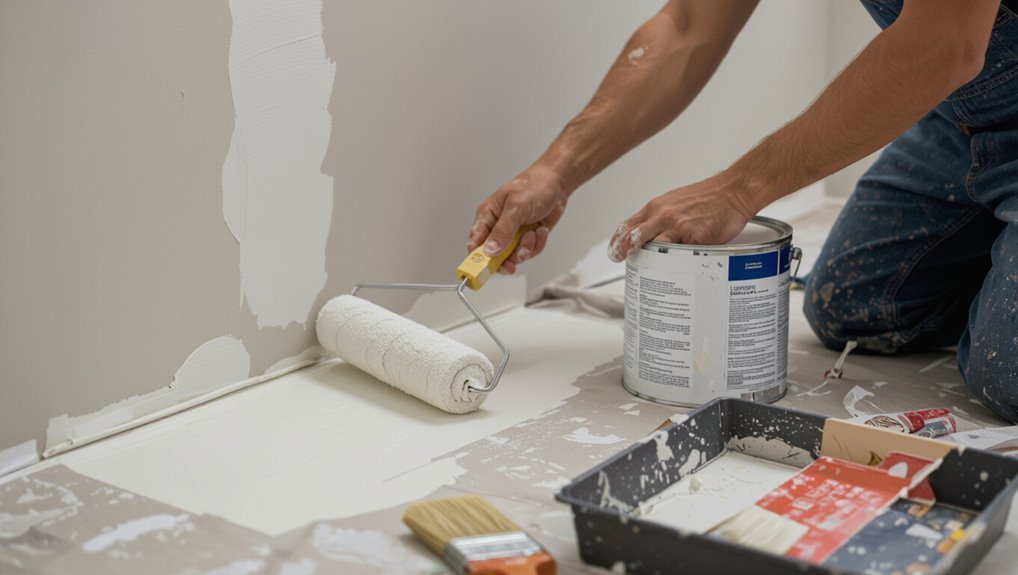
Start by prepping the room: remove outlet covers, patch and sand any dents, and clean the surface so paint adheres evenly.
You’ll choose drywall painting techniques that suit texture and coverage, apply primer, then two even coats for durable finish.
Consider paint color psychology to set mood and light; test samples, dry fully, and inspect for touch-ups to guarantee professional results.
Tools You Need to Paint Drywall
Before you start, gather the essential painting tools—rollers, brushes, trays, and drop cloths—so you won’t stop mid-job.
You’ll also need surface-prep supplies like sandpaper, putty, primer, and a good scraper to fix imperfections.
Having everything ready saves time and gives you a professional-looking finish.
Essential Painting Tools
A few basic tools will make painting drywall faster and give you a professional-looking result, so gather the right roller, brush, tray, tape, and sandpaper before you begin. Keep brush maintenance simple and practice proper paint storage to extend life.
| Tool | Purpose | Tip |
|---|---|---|
| Roller | Coverage | Use nap matched to texture |
| Brush | Detail | Clean after use |
| Tape | Edges | Press firmly |
| Tray | Hold paint | Pour carefully |
Surface Preparation Supplies
Several simple supplies will make prepping drywall quick and secure: drop cloths to protect floors, joint compound and a putty knife for holes and seams, sanding blocks or pole sanders to smooth surfaces, and a stiff brush or vacuum to remove dust.
You’ll also need painter’s tape, a damp sponge for surface cleaning, a moisture testing pen, and a good work light to inspect and finish prep.
Choosing Paint Type and Finish for Drywall
When you pick paint for drywall, focus on two things: the paint base (latex vs. oil) and the finish (flat to high-gloss), since they affect coverage, durability, and ease of cleanup.
Choose latex for lower paint toxicity and easy cleanup; oil for tougher surfaces.
Consider finish for washability and paint durability.
- Low VOC
- Scrubbability
- Sheen level
- Room use
- Surface prep
How Much Paint and Primer to Buy
Now that you’ve picked the paint type and finish, figure out how much paint and primer you’ll actually need so you don’t run out mid-job or overbuy.
Measure wall square footage, subtract windows/doors, then use coverage rates on cans to calculate paint quantity.
Choose primer selection based on drywall porosity and stain blocking.
Buy a little extra (10%) for touch-ups.
Check Your Drywall: Assess Condition Before Painting
Before you paint, inspect the drywall for dents, cracks, and loose tape so you know what repairs you’ll need.
Run your hand over the surface and look for soft spots or discoloration that could signal moisture problems.
If you find damage or damp areas, fix the issues and let the wall fully dry before priming and painting.
Inspect For Damage
Start by walking the room and scanning each wall and ceiling for dents, cracks, holes, water stains, and loose tape—you’re looking for anything that will show through paint or cause it to fail.
Use drywall inspection tips to spot common drywall issues so you can repair before priming.
- Dents
- Cracks
- Nail pops
- Holes
- Loose tape
Check For Moisture
If your drywall feels cool or looks discolored, check for moisture before you paint—wet or damp drywall won’t hold primer or paint and can hide mold growth.
Use a moisture detection meter or press a clear plastic bag against suspect areas for 24 hours to spot condensation.
Measure humidity levels in the room, fix leaks, and fully dry surfaces before priming or painting to guarantee adhesion and safety.
Patch Small Holes and Dents in Drywall
Grab a putty knife and some lightweight spackling—patching small holes and dents in drywall is quick and straightforward.
You’ll follow basic drywall repair techniques: clean, fill, sand, and prime. Choose suitable patching materials and sand smooth before painting.
Follow basic drywall repair steps—clean, fill, sand, and prime—using proper patching materials for a smooth paint-ready finish.
- Clean the area
- Apply spackling
- Smooth with knife
- Sand lightly
- Prime spot for paint
Repair Larger Drywall Damage and Cracks
When walls have larger holes or long cracks, you’ll need heavier-duty repairs than simple spackling. You’ll cut back damaged drywall, fit a patch or backing, and use drywall patching techniques and crack repair methods to secure and finish the area. Follow mesh tape or patch plates, apply joint compound in layers, and let each dry thoroughly before priming and painting.
| Step | Tool | Result |
|---|---|---|
| Cut | Utility knife | Clean edges |
| Backing | Wood strip | Support |
| Tape | Mesh | Reinforce |
| Compound | Trowel | Fill |
| Prime | Brush | Ready paint |
Sand Repairs Smoothly for Invisible Seams
After the joint compound dries, you’ll feather the edges so the repair blends with the surrounding wall.
Use a sanding block and light pressure to avoid gouging the surface and to keep the seam invisible.
Check your work by wiping away dust and viewing from different angles before priming.
Feather Edges Smoothly
Smooth the joint compound so the repaired area blends seamlessly with the surrounding drywall by feathering the edges with a fine-grit sanding block and light, even strokes; aim to remove the high ridges without creating shallow valleys, keeping the surface uniformly flat and ready for primer.
Use feathering techniques and consider blending colors when patching for consistent appearance.
- Check edge connections
- Sand gradually
- Keep block flat
- Wipe dust away
- Inspect in raking light
Sand With Light Pressure
Now that your feathered edges are even, pick up a fine-grit sanding block and sand with light, consistent pressure so you remove only the high spots without gouging the compound.
Work in small, circular strokes, blending repairs into surrounding drywall textures.
Use gentle sanding techniques, check progress by touch and sight, and wipe dust frequently to guarantee seams disappear before priming and painting.
Clean Walls and Remove Dust Before Painting
Before you start cutting in or rolling, make sure the walls are completely free of dust, grease, and cobwebs so paint will adhere evenly.
Before cutting in or rolling, thoroughly remove dust, grease, and cobwebs so paint adheres evenly.
You’ll use simple wall cleaning techniques and dust removal methods: wipe with mild detergent, rinse, vacuum baseboards, dry thoroughly, and tack-rag before painting.
- Vacuum surfaces
- Wash with mild soap
- Rinse and dry
- Use a tack cloth
- Remove cobwebs
Remove Loose Paint or Old Texture From Drywall
After cleaning, check the walls for any loose, flaking paint or old textured coatings that could cause new paint to fail.
Scrape away loose paint and chip off old texture using a putty knife or scraper.
Sand edges smooth, vacuum dust, and wipe with a damp cloth.
Repair deep gouges with joint compound, let it dry, then sand before priming and painting.
Treat Stains and Water Marks on Drywall
If water stains or discoloration mar your drywall, address them before priming so the marks don’t bleed through the new paint.
Locate the source of water damage, fix leaks, then dry thoroughly.
Use a cleaners or bleach solution for stain removal, rinse, and sand any raised fibers.
Patch damaged paper, let cure, and inspect for lingering stains.
- Find leak source
- Dry area completely
- Clean stains
- Sand lightly
- Patch and cure
When and Why to Use Primer on Drywall
Once your stains are fixed and the surface is smooth, you’ll want to prime the drywall to lock in repairs and create an even base for paint.
You should prime when patches, bare drywall, or stains are present.
Primer benefits include sealing, improving adhesion, and reducing uneven sheen.
For effective primer application, use even coats, let each dry fully, and sand lightly between coats if needed.
Choosing the Right Primer for Drywall
You’ll want to pick a primer based on the surface and the finish you want, since latex, oil-based, and shellac primers each behave differently.
Consider sheen and coverage too—higher-hide primers reduce the number of coats you’ll need and flatter the final look.
I’ll walk you through which types suit new, patched, or stained drywall and how sheen affects durability and touch-ups.
Primer Types Overview
Primer choice matters: picking the right type for drywall sets the stage for even coverage, adhesion, and durability.
You’ll pick primer types based on surface condition, stains, moisture, and desired finish.
Primer benefits include sealing, uniform absorption, and improved topcoat longevity.
Choose latex for general use, oil for stains, shellac for heavy stains, and specialty primers for moisture or adhesion.
- Latex
- Oil
- Shellac
- Bonding
- Stain-blocking
Sheen And Coverage
When you pick a primer, consider both sheen and coverage because they affect how evenly paint lays down and how many coats you’ll need.
For sheen selection, choose matte for flaws, eggshell for balance, or satin for easy cleaning.
Use coverage techniques like rolling in overlapping passes, tipping edges, and applying a second coat only where the primer looks thin to guarantee uniform color and adhesion.
How to Apply Primer for Even Coverage
Start by taping off trim and covering floors so you can work quickly and prevent accidental drips; an organized setup makes getting even primer coverage much easier.
Use consistent strokes, overlap passes, thin coats, and proper drying times. These primer application techniques focus on achieving ideal coverage without texture buildup.
- Work top to bottom
- Maintain wet edge
- Thin, even coats
- Smooth roller pressure
- Wait between coats
Protect Trim, Floors, and Fixtures Before Painting
Before you load a roller, tape off trim and cover floors and fixtures so paint can’t sneak onto them; doing this carefully saves time on cleanup and keeps your finished job crisp.
Use painter’s tape, caulk gaps, and plastic edge guards as trim protection methods.
For floors, choose rosin paper, heavyweight kraft, or plastic sheeting among floor covering options, securing edges to prevent slips and paint seepage.
Set Up a Painting Workspace: Drop Cloths, Staging, Lighting
Before you start rolling, spread heavy-duty drop cloths to protect floors and move or cover furniture so paint splatters can’t cause damage.
Set up staging—ladders or a stable platform—so you can reach high spots safely and work efficiently.
Position bright, shadow-free lighting to spot missed areas and guarantee even coverage.
Protect Floors And Furniture
Covering floors and furniture carefully saves you time and stress down the line: lay down overlapping drop cloths or plastic sheeting, move small items out of the room, and group larger pieces to one side or wrap them in breathable cloth to keep dust and paint off.
Use proper floor protection and furniture covering.
- Secure edges with painter’s tape
- Protect high-traffic paths
- Lift rugs off the floor
- Pad sharp corners
- Store hardware nearby
Optimize Lighting And Staging
Good lighting and a tidy staging area make painting faster and produce better results, so arrange drop cloths, move or raise furniture, and position lamps or temporary work lights to eliminate shadows and glare.
Use simple lighting techniques—angled lights and diffusers—to reveal imperfections.
Follow staging essentials: clear walkways, accessible tools, and a stable ladder.
Keep cords out of the way for safety and efficiency.
Cutting In: Brush Techniques for Clean Edges
When you cut in, steady your hand and load the brush just enough so paint flows smoothly without dripping, because that control is what gives you sharp, consistent edges along trim and corners.
You’ll choose brush sizes for corners and flats, practice steady wrist motion, and prioritize edge control to finish neat lines.
- Use angled sash brushes
- Lightly tap excess paint
- Start away from corner
- Feather toward trim
- Keep steady strokes
Loading and Using a Roller Without Splatter
Pick the right roller nap for your wall texture so you get even coverage without extra paint.
Load the roller evenly in the tray and roll off excess to prevent drips.
Use steady, controlled strokes and a light touch at the edges to keep splatter to a minimum.
Choose The Right Roller
Although rollers look simple, choosing and loading the right one makes the job faster and keeps paint from splattering.
So start with the proper nap for your wall texture and a high-quality cover that holds paint evenly. You’ll pick roller materials and roller sizes based on finish and texture.
Consider:
- Smooth nap for flat walls
- Medium nap for slight texture
- Thick nap for rough surfaces
- Foam for gloss
- Durable synthetic covers
Load Roller Properly
Load the roller evenly so you get smooth coverage without splatter: dip it about one-third of the way into the tray, roll it back and forth along the tray’s ribbed area to distribute paint, and then roll gently on the tray’s flat section to remove excess.
Check paint consistency — thin slightly if too heavy.
Use steady roller techniques and controlled pressure to maintain even coverage.
Roll Without Excess Splatter
One simple habit cuts most roller splatter: control how much paint stays on the nap and how you start each stroke. You’ll press lightly, roll smoothly, and avoid overloading.
Use proper roller techniques for even coverage while minimizing mess.
- Wring excess on tray ridge
- Start with a light touch
- Maintain steady speed
- Overlap each pass
- Clean roller edges between uses
Paint Large Drywall Walls Efficiently in One Day
Start by prepping the room so you can move fast and stay focused: clear furniture, cover floors and trim, and tape seams where paint might bleed.
Choose drywall texture options that suit light and repair needs.
Use efficient painting techniques: cut in edges, work in manageable sections, roll with a damp-roller for even coverage, maintain wet edges, and schedule quick drying coats to finish in one day.
Painting Drywall Ceilings Without Drips
When you paint a drywall ceiling without drips, work methodically and keep tools and technique tuned to prevent runs: use drip free techniques, hold the roller lightly, and maintain a wet edge for smooth ceiling painting.
Follow these steps:
- Load roller evenly
- Use short, controlled strokes
- Angle roller away from you
- Check for excess paint
- Keep movement steady
Paint Cleanly Around Windows and Doors
Because trim and glass show every mistake, paint cleanly around windows and doors by taping precisely, cutting in with a steady hand, and using just enough paint to avoid drips.
Work in small sections, wipe away any smudges immediately, and remove tape while the paint is still slightly tacky for a crisp edge.
Use proper tape techniques and focused brush selection—angled sash brushes for control—and feather edges for seamless results.
Painting Textured Drywall vs. Smooth Drywall
When you’re choosing how to prep textured versus smooth drywall, the surface dictates the steps: textured walls may need gentle cleaning and spot priming while smooth walls often just need light sanding and a wipe.
You’ll use different tools and techniques too — a nap roller or brush for textured surfaces to reach crevices, and a shorter-nap roller plus smooth, even strokes for flat walls.
Adjust paint thickness and application speed so you get consistent coverage without obscuring texture or leaving roller marks.
Texture Preparation Differences
Although textured and smooth drywall both get painted, preparing them requires different tools and techniques to get an even, durable finish. You’ll assess texture types, repair imperfections, and choose suitable primers before any paint.
Follow these prep steps:
- Clean surfaces thoroughly
- Patch gouges and sand smooth
- Prime based on texture type
- Use flexible joint compound
- Test adhesion and drying times
Paint Application Techniques
Start by choosing the right tools and stroke patterns for the surface you’re painting: textured drywall needs thicker nap rollers and a stippling or crosshatch technique to get paint into crevices, while smooth drywall takes a shorter nap roller and long, even strokes for a uniform finish. Use proper paint layering techniques and roll application methods to avoid drips.
| Surface | Roller Nap | Technique |
|---|---|---|
| Textured | Thick | Stippling |
| Smooth | Short | Long strokes |
| Trim | Foam | Brushing |
| Repair | Variable | Feathering |
Get Consistent Color Across Multiple Coats
Because paint soaks in differently and lighting can reveal subtle shifts, keeping color consistent across coats means controlling surface prep, product choice, and application technique from the first stroke.
You’ll focus on color consistency and layering techniques:
- Prime stained or porous areas
- Use same batch/finish of paint
- Stir cans thoroughly
- Apply even pressure and overlap
- Feather edges for seamless blend
How Long to Wait Between Paint Coats
Once your first coat’s even and dry to the touch, you need to wait the proper time before applying the next one to avoid lifting, visible brush marks, or uneven sheen.
Check the manufacturer’s drying times; typically wait 2–4 hours for latex, 6–8 for oil-based.
Maintain consistent coat intervals, guarantee surface feel is dry—not tacky—and sand lightly if rough before recoating.
Spot and Fix Brush or Roller Marks
You’ll want to inspect the wall for visible brush or roller marks so you can target trouble spots quickly.
Sand and smooth any imperfections with fine-grit paper, then wipe away dust before touching up.
Recoat those areas using the proper technique—light pressure, even strokes, and the right roller nap—to blend the repair with the surrounding finish.
Identify Brush Or Roller Marks
When light glances across a freshly painted wall, it’ll reveal any brush or roller marks as streaks, ridges, or uneven texture that contrast with the surrounding finish.
You inspect at shallow angles, noting direction, sheen differences, and raised edges caused by poor brush techniques or inconsistent roller application.
Look for:
- Streaks following stroke direction
- Rolled lap lines
- Varied gloss patches
- Raised ridges
- Thinly covered spots
Sand And Smooth Imperfections
After spotting brush or roller marks during your inspection, it’s time to sand and smooth those imperfections so the finish reads uniform. Use gentle sanding techniques, a light hand, and targeted smoothing methods with fine grit. Feather edges, wipe dust, and repeat until seamless.
| Tool | Grit | Action |
|---|---|---|
| Sandblock | 120–220 | Light passes |
| Sponge | Fine | Blend edges |
| Cloth | Microfiber | Remove dust |
Recoat With Proper Technique
Begin by evaluating the problem areas under good light so you can recoat only where brush or roller marks remain; target those spots with thin, even passes of paint to blend into the surrounding finish.
Use careful recoat techniques and consistent paint application to avoid overlap lines.
- Feather edges
- Thin coats
- Match sheen
- Stroke direction
- Maintain wet edge
Blend New Paint Into Existing Drywall Walls
Blending new paint into existing drywall takes a few careful steps to make the repair vanish into the wall. You’ll use blending techniques and precise color matching, feathering edges, sanding lightly, and applying thin coats until seamless. Test a small patch, let it dry, then evaluate under room lighting.
| Step | Action |
|---|---|
| 1 | Sand |
| 2 | Prime |
| 3 | Thin coats |
| 4 | Feather |
| 5 | Inspect |
Handle Tricky Spots: Corners, Seams, and Joints
When you tackle corners, seams, and joints, work deliberately—these areas show mistakes first—so keep tools light and movements controlled.
You’ll use corner techniques and careful joint sealing to get crisp lines and even texture. Feather edges, wipe excess compound, and sand gently. Focus on steady pressure and short strokes.
Use corner techniques and careful joint sealing: feather edges, wipe excess compound, sand gently with steady pressure and short strokes.
- Use angled brush
- Tape sparingly
- Smooth compound
- Sand with care
- Inspect seams
Paint High Walls Safely: Ladders and Scaffolds
Set up ladders and scaffolds with care so you can paint high walls steadily and safely.
Choose scaffold options that fit room size and height, and inspect parts before use.
Follow ladder safety: firm footing, correct angle, secure locks, and never overreach.
Wear non-slip shoes, keep tools on a belt or platform, and work with a partner for stability and spotting.
Paint Baseboards and Trim After Drywall Painting
Now that the walls are done, you’ll prep the baseboards and trim by cleaning, sanding any rough spots, and taping edges to protect the wall.
Use a steady brush or angled sash brush for smooth, consistent strokes and thin coats to avoid drips.
Finish with light sanding between coats and remove tape before the final coat fully cures for crisp lines.
Prep Trim And Tape
Before you roll on a second coat or remove any protective sheeting, prep the trim and tape so your baseboards and casings get a clean, professional finish.
Inspect trim styles, fill gaps with caulk, and choose proper tape techniques for straight lines. Clean dust, sand rough spots, and press tape firmly.
- Clean
- Caulk gaps
- Sand
- Apply tape
- Inspect alignment
Paint Technique And Finish
Once the walls are dry and your tape’s pulled clean, paint the baseboards and trim with steady, controlled strokes to get a crisp, professional edge.
Work from top to bottom, cutting in edges with an angled brush, then roll small sections if needed.
Consider paint texture and finish options—eggshell for subtle sheen, semi-gloss for durability—clean lines matter.
Clean Brushes, Rollers, and Trays Properly
Keep your brushes, rollers, and trays clean right after you finish painting so dried paint doesn’t ruin them or your next job.
You should rinse water-based paint until clear, use solvent for oil-based, comb bristles, spin rollers to remove excess, and wipe trays thoroughly. Proper brush care and roller maintenance extend tool life and guarantee crisp future finishes.
- Rinse promptly
- Use correct solvent
- Comb bristles
- Spin rollers dry
- Wipe trays clean
Store Leftover Paint and Label Cans Correctly
When you’re done painting, press the lid on tight and wipe any rim buildup so the can seals properly.
Label each can with the paint color, finish, and the date you opened it. That way you’ll grab the right paint for touch-ups without guessing later.
Properly Seal Paint Cans
If you’ve got leftover paint, seal the can tightly and label it clearly so you can reuse it later without surprises.
For proper paint can sealing and proper storage, press the lid evenly, tap around the rim, and store upright in a cool, dry spot.
Keep away from heat and freezing.
Markdown list to emphasize key points:
- Tighten lid evenly
- Tap rim with a mallet
- Store upright
- Cool, dry spot
- Avoid heat and freeze
Label Contents And Date
1. Label each leftover can with color name, room, and date you opened it so you can match drywall benefits and future painting techniques.
Write down sheen and mixer notes, then seal and store cans upright in a cool, dry spot.
When revisiting touch-ups, you’ll save time and avoid mismatched shades by checking your labeled info before you start.
Estimate Project Time and Schedule Work
Start by breaking the job into clear tasks—prep, priming, painting coats, trim work, and cleanup—and estimate how long each will take based on room size and your experience.
Use that to set a realistic project duration and a flexible work schedule you can follow.
- Prioritize prep
- Allow drying time
- Schedule breaks
- Sequence rooms logically
- Buffer for touch-ups
Calculate Project Cost and Budget-Saving Tips
When you calculate project cost, break expenses into materials, tools, labor (yours or hired), and contingency so you can see where to cut or reallocate funds.
Use budget planning to list paint, primer, tape, rollers, and unexpected repairs.
Do a cost comparison between brands, buy combo packs, borrow tools, and schedule bulk purchases to lower per-unit prices and keep overall spending tidy.
Avoid Common DIY Painting Mistakes on Drywall
Although drywall looks simple, DIY painting mistakes can ruin your finish fast, so you’ll want to avoid common pitfalls like skipping proper prep, using the wrong primer or sheen, overloading rollers, and neglecting patching or sanding.
Drywall seems simple, but poor prep, wrong primer or sheen, overloaded rollers, and skipped sanding will ruin the finish.
You’ll learn painting techniques to prevent common errors and get smooth walls.
Tips:
- Prep surfaces thoroughly
- Choose correct primer
- Match sheen to room
- Thin coats
- Sand between coats
Troubleshoot Paint Adhesion and Peeling
If your paint’s peeling or won’t stick, you can usually fix it by identifying the cause—moisture, poor surface prep, incompatible products, or painting over glossy finishes without deglossing.
Check for damp, repair and prime bare or chalky areas, sand glossy spots, and use compatible primer and paint.
Address adhesion issues promptly to prevent peeling paint from spreading and wasting effort.
Fix Color Mistakes and Uneven Coverage
Because color mistakes and patchy coverage are easy to fix, you don’t need to panic—start by identifying whether the issue is wrong hue, poor mixing, or thin application.
Then decide whether to touch up, recoat, or fully repaint for a seamless finish. Use color correction and texture blending:
- Feather edges of drips
- Thin coats, let dry
- Stir and match paint
- Sand glossy spots
- Use same roller nap
Get a Professional-Looking Finish on a Budget
When you want a pro-level result without spending much, focus on smart prep, consistent materials, and technique—clean and patch the wall, use the same primer and paint batch, and roll with even pressure and overlapping passes so you avoid lap marks and texture mismatches.
Use budget techniques: buy quality rollers, stretch drop cloths, and test a small area.
These cost effective finishes come from patience and steady strokes.
When to Call a Professional Painter
Stretching your budget with smart prep and steady strokes works great for many jobs, but there are times you’ll want a pro’s help.
Know when to call a professional painter: complex trim, high ceilings, extensive repairs, tight timelines, or warranty needs.
Use hiring tips: check references, licenses, clear estimates, insurance, and written guarantees before you commit.
Repaint for Durability in High-Traffic Rooms
If a room gets constant foot traffic, repainting with durable products and techniques will save you time and money down the road. Choose high traffic durability paints and sensible paint finish options like satin or semi-gloss. Clean, patch, prime, and apply two coats.
| Area | Finish | Tip |
|---|---|---|
| Hallway | Satin | Washable |
| Kids’ room | Semi-gloss | Scuff-resistant |
| Entry | Eggshell | Touch-up friendly |
Maintain Painted Drywall Long Term
1 simple routine will keep your painted drywall looking fresh for years: regular cleaning, prompt touch-ups, and seasonal inspections.
You’ll follow drywall maintenance tips to prevent stains, scuffs, and moisture damage, extending long term care. Check seams, re-caulk gaps, and address mold immediately to avoid larger repairs.
- Wipe smudges weekly
- Touch up chips fast
- Inspect for moisture
- Re-caulk joints
- Use mild cleaner
Choose Eco-Friendly Paints and Follow Safety Tips
Because the paint you choose affects your health and the planet, pick low-VOC or zero-VOC formulas and look for labels like Green Seal or GREENGUARD to guarantee low emissions.
Also consider paints made from natural ingredients (like clay or milk-based) and check product data sheets for VOC levels, additives, and proper disposal instructions so you can protect indoor air quality while reducing environmental impact.
Choose eco-friendly options, wear masks, gloves, ventilate rooms, store and dispose properly, and follow safety precautions to avoid fumes, spills, and contamination.
Frequently Asked Questions
Can I Paint Drywall in Extreme Humidity or Cold Temperatures?
You shouldn’t paint drywall in extreme humidity or cold temperatures; humidity effects and temperature considerations matter because paint won’t dry properly, can blister or fail adhesion, so wait for stable, moderate conditions before you start.
How Do I Paint Over Wallpapered Drywall Without Stripping It?
You can, but don’t relax yet—you’ll need to prep carefully. Score and prime the wallpapered drywall, use a high-quality primer to improve paint adhesion, skim any seams, and apply paint; wallpaper removal usually gives better results.
Are There Special Paints for Rooms With Mold-Prone Conditions?
Yes — you can use mold resistant paints and moisture barriers; you’ll choose mildew-resistant primers, antimicrobial topcoats, and breathable moisture-barrier systems to prevent growth, but you’ll also fix leaks and control humidity for best results.
Can I Use Tinted Primer to Speed up Color Coverage?
Yes — you can use tinted primer to speed up color coverage, and it’ll reduce needed topcoats; just match tint depth to your final shade, let it dry fully, and choose a quality primer for best results.
How Long Until I Can Hang Pictures on Newly Painted Drywall?
You can hang pictures after the paint’s fully cured; drying time for latex is usually 2–4 weeks, though surface dries sooner. For smaller frames you can wait 24–48 hours, but heavier picture hanging needs full cure.
Conclusion
You’ve got the basics—like a trusty map for a small quest. With the right tools, primer, and paint finish, you’ll turn rough drywall into a smooth, lasting backdrop for your life. Tackle repairs, pick durable paints for busy rooms, and keep things clean to extend the finish. If a job feels epic, call a pro. Paint thoughtfully, stay safe, and enjoy the fresh start—your room’s about to feel like new.
