
How Long Does Acrylic Latex Paint Last: Shelf Life and Durability Explained
Unopened acrylic-latex paint will usually stay usable about 2–10 years if you keep cans cool, dry, and sealed; opened cans typically last 1–3 years when tightly resealed and stored properly. Watch for lumps, foul odors, mold, or separation—those mean toss it. Proper surface prep and stable storage extend on-wall performance, while sun, abrasion, and cheap formulas shorten it. Keep labels and dates so you’ll know when to act, and keep going to learn practical tips.
How Long Does Unopened Acrylic Latex Paint Last? (Quick Ranges)
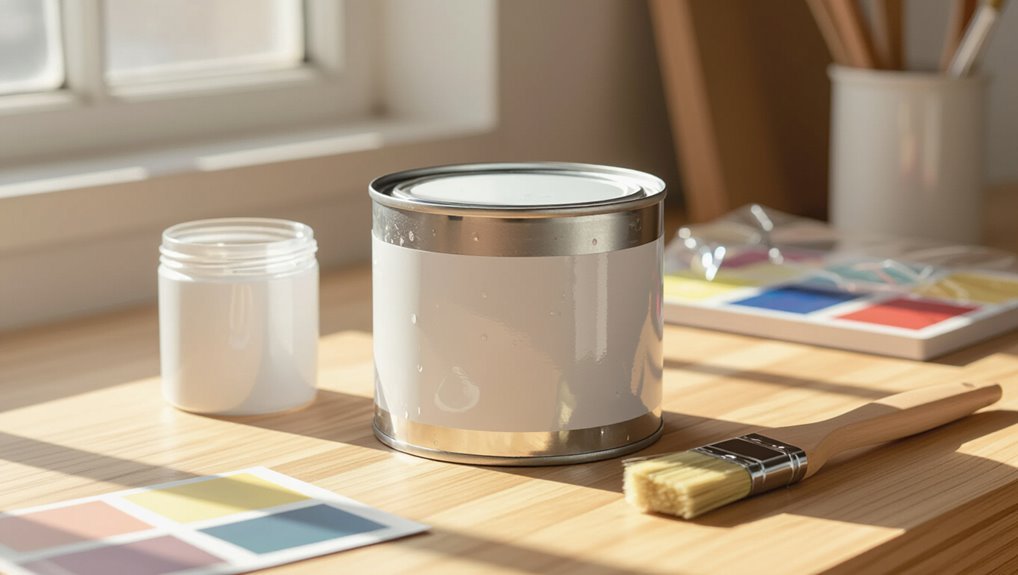
unopened acrylic latex paint typically stays good for about 2–10 years, depending on storage and quality.
You can expect factory-sealed cans to maintain paint longevity if kept cool, dry, and upright.
Factory-sealed cans last longer when stored cool, dry, and upright — simple care preserves paint life.
Follow preservation tips: avoid temperature swings, seal lids tightly, store off concrete, and rotate stock by date.
Check cans for bulging or rust before use.
How Long Does Opened Acrylic Latex Paint Last? (Expectations)
Once you break the seal, opened acrylic latex paint will usually stay usable for about 1–3 years if you reseal it tightly and store it cool and dry; expect the shorter end of that range for cheaper paints or if the can’s been contaminated.
To maximize paint longevity, wipe rims, replace lids snugly, label date opened, avoid freezing, and follow basic storage tips to prevent skinning and odors.
Shelf Life vs. Service Life : What’s the Difference?
Although shelf life tells you how long the paint remains usable in the can, service life describes how long a dried paint film will perform on your walls or trim before it needs recoating or replacement.
You’ll use shelf life to decide whether to keep or discard leftover cans. Service life helps you plan maintenance — expect wear from sunlight, cleaning, and abrasion, so schedule repainting accordingly.
What Storage Conditions Shorten Acrylic Latex Paint Life?
If you store acrylic latex paint where temperatures swing wildly, you’ll speed up breakdown and separation.
Letting cans sit partially open or with damaged seals lets air and contaminants in, which promotes skinning and spoilage.
Keep paint in a cool, stable spot with tightly sealed containers to extend its usable life.
Extreme Temperature Swings
When you store acrylic latex paint where temperatures swing wildly between hot and cold, the repeated expansion and contraction stresses the can and its contents, breaking down pigments and binders and encouraging separation or gelation.
You’ll see reduced adhesion and color shift from temperature fluctuations, and humidity effects amplify mold risk and clumping.
Keep paint in a stable, moderate environment to preserve quality.
Poor Container Sealing
Because a loose lid or rusty seam lets air, dust, and moisture into the can, poor sealing quickly degrades acrylic latex paint.
You’ll spot thickened skin, drying at the edges, or a watery layer on top as solvents evaporate and binders break down.
You should inspect container integrity, wipe rims, use airtight sealing techniques like plastic wrap under the lid, and store upright to prolong usability.
Signs a Can of Acrylic Latex Paint Has Gone Bad
You’ll notice a few clear signs when acrylic latex paint has gone bad.
If the texture is lumpy or slimy, the can gives off a foul or sour odor, or you see mold growth or severe separation that won’t remix, it’s no longer usable.
Toss contaminated or irreparably separated paint rather than risking a poor finish or health issues.
Canned Paint Texture Changes
If paint feels lumpy, stringy, or separates into watery and pasty layers, those texture changes are clear signs it’s past its prime.
Check canned paint texture for clumps, rubbery globs, or a film on top.
You’ll notice stubborn lumps that won’t re-emulsify and uneven paint consistency changes when stirring.
Discard cans showing these irreversible texture failures.
Foul Or Sour Odor
A sharp, sour smell coming from a paint can is one of the clearest signs it’s gone bad.
Trust your nose: odor detection helps protect you. Don’t use it; fumes can indicate bacterial breakdown and compromise paint safety.
- Pungent, sour stench when opened.
- Headache or nausea after brief sniffing.
- Persistent odor that won’t dissipate.
Visible Mold Or Separation
When you open a can and see fuzzy growth or a distinct separation into watery and chunky layers, the paint’s quality has deteriorated and it’s unsafe to use.
Don’t try to salvage cans with visible mold growth or persistent paint separation by stirring. These signs mean contamination or binder failure; dispose of the can safely, clean tools thoroughly, and replace the paint to avoid health risks and poor performance.
How to Test Old Acrylic Latex Paint Before Use
Start by inspecting the can and paint surface: shake the can, open it, and look for separation, a watery layer, dark clumps, or a foul odor—these signs tell you whether the paint’s chemistry has broken down.
Then test paint consistency and perform adhesion tests on scrap wood or drywall.
- Brush test for smoothness
- Roll test for coverage
- Tape test for adhesion
How to Extend Unopened and Opened Acrylic Latex Paint Life
If you want your unopened cans to stay usable for years and your opened ones to last through multiple touch-ups, store them right and limit exposure to air and temperature swings. Use airtight seals, cool dry spots, and label dates. Follow paint preservation tips and simple storage techniques.
| Action | Benefit |
|---|---|
| Seal lid | Reduce air |
| Cool storage | Slow degradation |
| Label/date | Track age |
Surface Prep That Improves Long-Term Paint Durability
Because proper surface prep removes contaminants and creates a stable base, your acrylic latex paint will adhere better and resist peeling, cracking, and premature wear.
Proper surface prep removes contaminants and creates a stable base, letting acrylic latex paint adhere and resist peeling.
Use effective surface cleaning techniques and understand primer benefits to boost longevity.
Follow these steps:
- Clean: wash, degloss, and remove mildew.
- Repair: fill cracks and sand smooth.
- Prime: apply appropriate primer for adhesion and sealing.
How Finish and Pigments Affect On-Wall Service Life
While the base chemistry matters, the paint’s finish and pigments play a big role in how long a wall stays attractive and intact: higher-sheen finishes resist scrubbing and stains better but show surface imperfections, while flat sheens hide flaws yet wear faster.
Similarly, some pigments—especially certain organic reds, yellows, and blues—fade quicker under UV exposure, so choosing durable pigments and the right sheen for the room will extend on-wall service life.
Choose finish types and prioritize pigment quality to match traffic, sunlight, and maintenance needs, and you’ll maximize longevity without over- or under-specifying the coating.
Common Mistakes That Shorten Paint Longevity (And Fixes)
You can undo a lot of premature paint failure by fixing a few common mistakes: bad storage, skipped surface prep, and over-thinning.
Store cans tightly sealed in a cool, dry place off the floor.
Always clean and prime surfaces before painting, and stick to manufacturer thinning guidelines.
Do those three things and your acrylic latex will last longer and perform better on the wall.
Improper Storage Conditions
If paint isn’t stored correctly, its quality can decline fast—skinny lids, temperature swings, and moisture let contaminants in, cause separation, or thicken the finish.
You can prevent damage by controlling storage and monitoring temperature effects and humidity impact.
- Seal cans tightly and store upright.
- Keep paint in a stable, cool area (avoid freezes/heat).
- Use desiccants or raised shelving to reduce moisture.
Skipping Surface Preparation
Because paint only sticks well to a clean, sound surface, skipping prep is the single biggest shortcut that shortens a job’s life. You’ll see problems—peeling, blistering, and poor adhesion—sooner rather than later.
You must remove surface contaminants, sand glossy areas, and prime bare spots so paint adhesion lasts. Neglecting these steps forces premature repair and repainting.
Over-Thinning The Paint
When you thin acrylic latex too much thinking it’ll spread nicer, you actually weaken its film, reduce hide, and invite premature wear; the paint will sag, require extra coats, and lose durability much sooner than an undiluted mix.
- You’ll see over thinning effects: poor coverage and faster breakdown.
- Viscosity changes cause sagging and running.
- Fix: follow manufacturer ratios, thin minimally, and test a sample.
When to Discard Acrylic Latex Paint : Disposal and Recycling Options
Although you can often revive slightly thickened acrylic latex paint, there comes a point where it’s safer and more responsible to discard it—especially if it’s foul-smelling, moldy, or has separated beyond remixing.
Check local disposal methods for hazardous-waste drop-offs, solidify small amounts with kitty litter, never pour down drains, and explore recycling options or paint-exchange programs so you handle waste legally and minimize environmental harm.
Frequently Asked Questions
Can Acrylic Latex Paint Be Used in High-Humidity Bathrooms Without Special Ventilation?
You can, but you shouldn’t; in high-humidity bathroom conditions acrylic latex paint resists moisture better than flat paints, yet it still needs adequate ventilation or a mildew-resistant formula, or you’ll risk peeling, staining, and mold growth.
Can Expired Paint Be Used as a Primer or Undercoat?
Can expired paint be used as a primer or undercoat? You shouldn’t; expired paint safety is risky, and primer effectiveness drops. You’ll get poor adhesion, uneven coverage, and possible odor—so it’s better to replace rather than reuse.
Does Tinting or Colorant Addition Shorten Unopened Paint Shelf Life?
Yes — tinting effects can shorten unopened paint shelf life because added colorant stability varies; you’ll introduce extra pigments and solvents that may upset preservatives, so store tinted cans properly and use them sooner than untinted ones.
How Do Additives (Fungicides, Mildewcides) Affect Paint Durability Over Years?
They help: fungicides and mildewcides (additive types) slow biological breakdown, so you’ll see improved longevity. You’ll still need proper surface prep, ventilation, and storage—these longevity factors determine how long improved durability actually lasts.
Can Acrylic Latex Paint Be Safely Shipped or Transported Long Distances?
Yes — you can safely ship acrylic latex paint long distances if you follow paint shipping regulations and transportation safety guidelines, secure lids, use leak-proof containers, label hazardous materials properly, and avoid extreme temperatures during transit.
Conclusion
You’ll want to treat acrylic latex like a picky roommate: unopened cans last a few years if stored cool and dry, opened ones last months to a couple years if you reseal them perfectly. Shelf life isn’t the same as on-wall service life — proper prep, the right finish, and pigment quality can make paint practically immortal or painfully short-lived. Toss rotten paint, recycle what you can, and don’t be lazy about storage.
