
What Paint Sheen for Exterior? Best Choices Explained
You’ll usually want a satin exterior for most homes because it balances durability, washability, and hides minor flaws, while flat works well on stucco or brick to mask texture, and semi‑gloss suits trim, fascia, and metal for easy cleaning. High‑gloss is best for doors and accents where maximum shine and durability matter. Consider siding material, UV exposure, and prep quality when choosing, and keep going to see specific surface recommendations and tips.
Quick Answer: Best Exterior Sheen for Most Homes
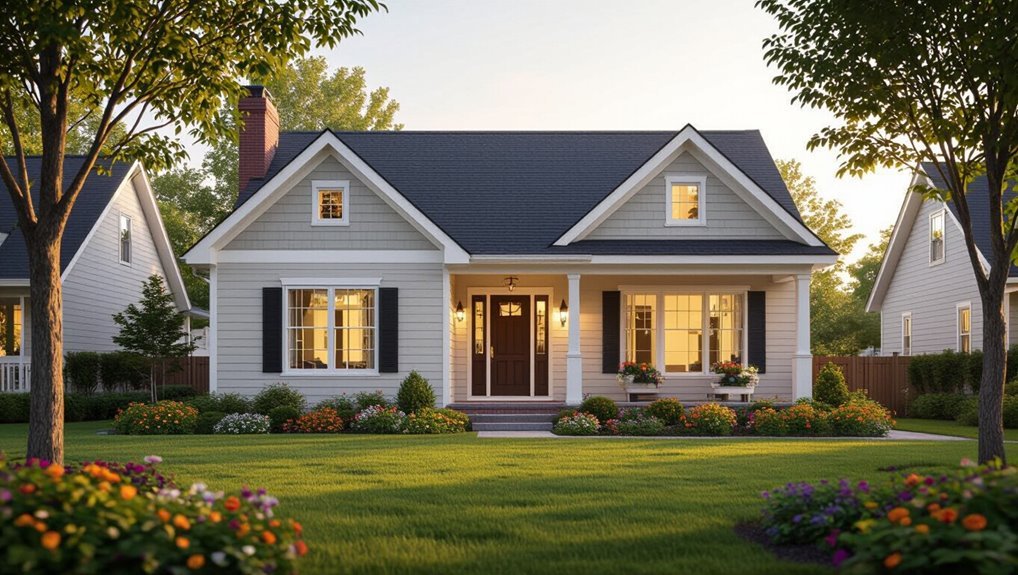
If you want a simple rule, choose an exterior satin (sometimes called low-luster) for most homes: it offers a durable, washable finish with enough sheen to hide minor surface imperfections without looking shiny.
You’ll get balanced sheen longevity and improved aesthetic appeal without overdoing gloss. Satin handles weather, cleans easily, and flatters textures, so pick it for a practical, attractive exterior.
Why Sheen Matters: Durability, Gloss, and Maintenance
Choosing the right sheen affects how much gloss you see, how tough the finish is, and how often you’ll need to clean.
You’ll learn how different gloss levels change appearance and resist wear on siding, trim, and metal. That’ll help you pick a sheen that balances surface durability with easy maintenance.
Gloss Levels Explained
Because gloss level changes how paint handles weather, cleaning, and appearance, it’s one of the most important decisions for exterior finishes.
You’ll weigh finishes from flat to high gloss in a clear sheen comparison: flat hides imperfections, satin balances durability and sheen, semi-gloss cleans well, and high gloss shines.
Choose based on aesthetic appeal, maintenance needs, and the visual emphasis you want.
Surface Durability Factors
Now that you know how gloss levels affect appearance and cleaning, let’s look at how sheen itself impacts a surface’s durability and long-term maintenance.
You’ll find higher sheens resist scuffs and shed water better, protecting surface texture and paint film.
Lower sheens hide imperfections but absorb grime.
Choose sheen based on exposure, environmental factors, and the substrate to balance longevity and aesthetics.
Cleaning And Maintenance
While higher-sheen paints shed dirt and stand up to scrubbing, lower sheens tend to trap grime and show wear more quickly.
So you’ll want to match sheen to how often you’ll clean and what cleaning methods you’ll use.
- Choose sheen by expected cleaning techniques.
- Plan maintenance schedules by exposure.
- Use gentle scrub for satin/semi-gloss.
- Recoat sooner for flatter finishes.
Sheen Types at a Glance: Flat, Eggshell, Satin, Semi-Gloss, High-Gloss
You’ll compare how flat, eggshell, satin, semi-gloss, and high-gloss differ in appearance and light reflection.
We’ll cover which sheens hold up to weather and how easy they’re to clean or touch up.
Then you’ll see which surfaces—like siding, trim, or doors—are best matched to each sheen.
Finish Characteristics Compared
Because each sheen reflects light and wears differently, choosing the right finish matters for how your exterior will look and hold up over time.
You’ll weigh finish comparisons and sheen preferences by appearance, surface hide, cleanability, and gloss level. Compare these traits to match style and function:
- Flat — subtle, hides flaws.
- Eggshell — soft sheen, balanced.
- Satin — slight glow, forgiving.
- Semi-gloss/High-gloss — pronounced shine, highlights details.
Durability And Maintenance
When you pick a sheen, think about how much wear and cleaning the surface will see—each level of gloss changes durability and how easy it is to maintain. You’ll favor higher gloss for scrubability and weather resistance; lower gloss hides imperfections and preserves surface texture. Choose based on traffic, exposure, and cleaning frequency.
| Sheen | Maintenance |
|---|---|
| Flat | Low |
| Satin | Moderate |
Best Uses By Surface
After weighing durability and cleaning needs, match the sheen to the material you’re painting: each gloss level suits different exterior surfaces and conditions.
Use surface recommendations and sheen comparisons to pick right. Consider these quick tips:
- Flat/eggshell for stucco, brick — hides flaws, low washability.
- Satin for siding — balanced durability.
- Semi-gloss for trim — easy cleaning.
- High-gloss for doors, accents — maximum durability and shine.
Flat vs. Eggshell vs. Satin: Visual Differences and Trade-Offs
Choosing between flat, eggshell, and satin comes down to how much texture and sheen you want and how much wear the surface will see.
You’ll weigh flat finish benefits like hiding imperfections, eggshell advantages for subtle warmth, and satin applications where durability matters.
Consider aesthetic differences, sheen comparisons, light reflection and color impact, plus maintenance requirements to match look with longevity.
Semi-Gloss and High-Gloss: When Shine Helps
Semi-gloss and high-gloss paints kick up the sheen and durability compared with lower finishes, so you’ll want them where moisture, scuffs, and frequent cleaning are likely—trim, doors, and exposed siding are common candidates.
- You get semi gloss benefits: easier cleaning, stain resistance.
- High gloss applications shine on doors and metal.
- Use for high-traffic trim and railings.
- Expect more surface prep and visible imperfections.
How Siding Material Should Guide Your Sheen Choice
Think about the siding material before you pick a sheen, because vinyl, wood, brick, masonry, and metal each behave differently.
You’ll often choose lower sheens for textured brick and masonry to hide imperfections, while wood grain can benefit from a satin that shows depth without glaring.
Vinyl and metal usually suit semi-gloss or gloss for durability and easier cleaning.
Vinyl Vs. Sheen Choice
While vinyl siding is durable and low‑maintenance, its smooth surface and thermal expansion mean you should usually avoid very high sheens. Glossy finishes can highlight waves, seams, and color variations as the panels expand and contract.
- Choose satin for vinyl longevity and good sheen compatibility.
- Use low‑luster to hide imperfections.
- Reserve semi‑gloss for trim only.
- Test samples in sunlight.
Wood Grain And Finish
Grain matters: the texture and cut of your wood siding should steer your sheen choice because higher gloss levels will emphasize every ridge, knot, and brushing mark, while flatter sheens help the grain read as natural and even. Choose finish types that suit wood grain, follow application techniques, and use maintenance tips to protect texture.
| Gloss | Effect | Tip |
|---|---|---|
| High | Highlights grain | Spot repair |
| Satin | Balanced | Clean yearly |
| Flat | Subtle | Refinish often |
Brick, Masonry, Metal
Surface material dictates sheen: brick, masonry, and metal each respond differently to gloss levels, so pick a finish that suits their texture and exposure.
- For brick texture, choose low sheen to hide imperfections and keep color depth.
- For painted masonry colors, use satin for washability without highlighting flaws.
- For metal finish, pick semi-gloss for durability and water runoff.
- Match sheen to exposure and maintenance needs.
Best Exterior Sheen for Wood Siding and Cedar Shakes
Looking for the right sheen for wood siding or cedar shakes? You’ll favor satin or low-luster finishes for wood siding and semi-transparent stains for cedar shakes—balancing moisture resistance with aesthetic appeal.
Prioritize products with UV protection for color retention. Consider environmental factors like sun and humidity, follow proper application techniques, and choose product recommendations rated for exterior wood to guarantee longevity.
Best Exterior Sheen for Vinyl Siding and Fiber Cement
If you’ve chosen satin or semi-transparent options for wood, you’ll find different needs for vinyl siding and fiber cement; these materials take and show finish differently.
- Choose satin or low-sheen for vinyl siding to hide imperfections.
- Use satin for fiber cement—durable, easy to clean.
- Avoid high gloss; it highlights seams on vinyl siding.
- Pick exterior acrylic formulas compatible with fiber cement and vinyl siding.
Best Exterior Sheen for Stucco, Masonry, and Brick
For stucco, masonry, and brick you’ll often want a matte finish because it hides texture and surface imperfections.
If you need more washability and impact resistance, a durable satin offers a good balance without looking too glossy.
Choose based on how much weathering and cleaning the surface will face.
Matte Finish Benefits
Although it hides surface imperfections better than glossier sheens, a matte finish still gives stucco, masonry, and brick a rich, uniform look that many homeowners prefer.
You’ll get excellent stain-hiding and a soft, non-reflective appearance that suits textured exteriors.
- matte finish advantages: hides flaws
- boosts aesthetic appeal subtly
- minimizes glare, highlights texture
- eases touch-up without sheen mismatch
Durable Satin Options
Matte finishes hide imperfections and soften texture, but sometimes you want a bit more durability and washability without a shiny look—satin fills that gap.
For stucco, masonry, and brick, choose durable satin options that resist dirt and mildew while revealing minimal sheen.
You’ll appreciate satin finish benefits: easier cleaning, longer life, and subtle depth that preserves texture without glare.
Best Exterior Sheen for Trim, Fascia, and Soffits
When you want crisp, long-lasting edges, choose a trim sheen that balances durability with ease of touch-up; semi-gloss is the usual go-to because it resists dirt and moisture yet still cleans up without sacrificing definition.
- Match trim finishes to architectural styles for cohesive aesthetic appeal.
- Pick fascia colors and soffit materials for weather resistance and functionality factors.
- Consider maintenance requirements and installation techniques.
- Watch design trends but prioritize longevity.
Best Exterior Sheen for Doors, Shutters, and Accents
Because doors, shutters, and small exterior accents attract the eye and take more handling and weather exposure than large wall surfaces, you’ll want a finish that highlights color while standing up to scuffs, rain, and sun.
Choose semi-gloss or high-gloss for door accents and shutter finishes to boost weather resistance, ease cleaning, and accentuate color coordination with walls and trim for a cohesive, durable look.
How Climate and Sunlight Affect Sheen Performance
When you pick a sheen for exterior paint, consider how UV exposure will fade color and break down binders over time.
You’ll also want to account for humidity, since high moisture can make gloss look cloudy and low humidity can speed drying and lead to film defects.
Finally, temperature swings cause expansion and contraction that can crack or craze the finish, so choose a sheen and formulation suited to your climate.
UV Exposure Effects
Although UV rays are invisible, they aggressively break down paint binders and pigments over time.
So you’ll see color fading, chalking, and loss of film integrity sooner on sun‑exposed surfaces.
- Choose protective coatings to limit UV damage and improve color retention.
- Higher sheen resists finish degradation and boosts weather resistance.
- Expect faster fading effects on horizontal surfaces with direct sunlight exposure.
- Regular maintenance extends surface longevity and preserves appearance.
Humidity And Sheen
Sun and UV exposure aren’t the only climate factors that shape how a paint’s sheen holds up—humidity plays a big role too.
You’ll notice humidity effects during drying: high moisture slows cure, causing uneven gloss and reduced sheen performance.
Low humidity can make paint skin over too fast, trapping solvents.
Choose formulations labeled for humid climates and follow manufacturer drying-time guidance to preserve finish.
Temperature Swings Impact
If temperatures swing wildly between day and night, your exterior sheen won’t stay consistent—thermal expansion and contraction stress the paint film, causing microcracks, loss of adhesion, and a dulled or patchy appearance over time.
- Expect faster wear where temperature fluctuations are extreme.
- Pick flexible formulations to preserve sheen performance.
- Use lighter sheens in hot, sun-exposed areas.
- Schedule maintenance after seasonal extremes.
Choosing Sheen When Moisture and Mildew Are Risks
When moisture and mildew are concerns, you should favor higher-sheen exterior paints because they resist water, shed dirt, and clean up more easily than flat finishes.
You’ll gain better moisture resistance and mildew prevention from satin or semi-gloss, which repel staining and allow routine washing.
Choose quality formulations with fungicide additives, prep surfaces properly, and inspect seals to keep coatings effective over time.
When to Choose a Sheen That Hides Imperfections
Because exterior surfaces often show every bump and brushstroke, you’ll want a lower-sheen paint when hiding imperfections is a priority.
For exterior work, choose lower-sheen paint—it conceals bumps and brushstrokes for a smoother appearance.
It offers better imperfection camouflage and simplifies sheen selection.
Consider situations and trade-offs:
- Weathered siding with minor dents
- Old stucco with texture variances
- Faded trim hiding brush marks
- New repairs needing uniform look
When to Prioritize Washability and Impact Resistance
When you’re painting high-traffic areas, you’ll want a sheen that’s easy to clean so scuffs and dirt don’t build up.
For weather-exposed surfaces, pick a finish that resists moisture and holds up to repeated washing.
And in impact-prone locations, choose a tougher sheen that can withstand knocks without showing damage.
High-Traffic Areas
If you expect heavy use or frequent contact in an exterior spot, pick a sheen that resists scuffs and cleans up easily; high-traffic areas need durability as much as good looks.
You’ll want high traffic durability and practical sheen selection tips to guide choices. Consider:
- Semi-gloss for trim and railings
- Satin for siding and doors
- Eggshell for sheltered walls
- Durable acrylic for play areas
Weather-Exposed Surfaces
Although sun, rain, and wind vary by season, you should prioritize washability and impact resistance on truly exposed surfaces so coatings keep their color and deflect wear. Favor high weather resistance, careful surface preparation, and proper application techniques to boost paint longevity, ease maintenance frequency, and reduce environmental impact. Sheen selection and color matching matter.
| Sheen | Prep | Maintenance |
|---|---|---|
| Satin | Clean | Low |
| Semi-gloss | Prime | Moderate |
Impact-Prone Locations
Because high-traffic spots get the most abuse, you should choose a durable, easy-to-clean sheen that stands up to scuffs and repeated washing.
- Use satin or semi-gloss for enhanced impact resistance and simple cleaning.
- Target doors, trims, and railings where knocks occur.
- Prep surfaces thoroughly to resist dirt and moisture from weather exposure.
- Recoat sooner in busy areas to maintain protection and appearance.
How Paint Color Affects Perceived Sheen and Fading
When you pick a paint color, it doesn’t just change your home’s look—darker and more saturated hues will show sheen differently and tend to fade faster in sunlight than lighter, muted tones.
You’ll use color psychology to set mood, while sheen perception alters gloss and texture.
Choose colors with UV-resistant formulas, test samples in daylight, and expect maintenance differences based on pigment and exposure.
Matching Exterior Sheen Across Different Surfaces
If you’re aiming for a cohesive exterior, matching sheen across siding, trim, doors, and metalwork matters as much as color choice.
You should consider sheen compatibility and manage each surface change so light reads consistently. Balance durability with visual unity, and test small areas.
Consider sheen compatibility, manage transitions so light reads evenly, balance durability with visual unity, and test small areas.
- Siding: low to medium sheen
- Trim: higher sheen for contrast
- Doors: satin or semi-gloss
- Metalwork: semi-gloss for protection
How Primer and Surface Prep Affect Sheen Results
You’ll find that the right primer boosts adhesion and helps the sheen lay down evenly, so pick one formulated for your substrate.
Proper surface prep—cleaning, sanding, and repairing—keeps texture consistent so light reflects uniformly.
Skipping either step often causes patchy gloss and uneven appearance across your exterior.
Primer Bonding And Sheen
Because primer creates the foundation for your topcoat, getting bonding and surface prep right directly determines the final sheen and its longevity.
- You’ll boost primer adhesion by choosing compatible primers for substrate.
- Proper bonding reduces gloss loss and uneven sheen impact over time.
- Use high-quality primers to seal porous areas and stabilize topcoat.
- Inspect for missed spots; consistent primer equals predictable sheen and durability.
Surface Prep And Uniformity
Primer bonding sets the stage, but the way you prep the surface determines whether that sheen reads smooth and even or blotchy and dull.
You’ll clean, sand, and repair defects so primer adheres evenly; proper surface preparation prevents flashiness or dull patches.
Follow manufacturer’s guidelines, use compatible primers, and spot-check under different light to achieve a consistent, uniform finish.
Touch-Ups and Repainting: Which Sheens Hide Repairs Best
Wondering which exterior sheen will make your touch-ups virtually disappear? You’ll use precise touch up techniques and careful sheen selection to match finish and light reflection.
Match age, clean area, feather edges, and use same batch when possible.
- Matte: forgives texture differences.
- Satin: balances hide and washability.
- Semi-gloss: shows imperfections.
- Gloss: highlights repairs.
Cleaning and Maintenance by Sheen: Practical Tips
When you choose an exterior sheen, you’re also choosing how often and how thoroughly you’ll need to clean and maintain that surface; each level of gloss affects dirt pickup, stain resistance, and the cleaners you should use.
You’ll adapt cleaning techniques: use gentle soap and soft brushes on flat, stronger detergents for satin/gloss.
Set maintenance schedules based on exposure, inspecting yearly and deep-cleaning every 1–3 years.
Cost, Lifespan, and Return on Different Sheens
Different sheens carry distinct upfront costs and long-term value, so factor both paint price and expected lifespan into your choice.
- Do a cost comparison: budget for higher-sheen coatings if they resist wear.
- Use lifespan analysis to estimate repaint intervals by sheen and exposure.
- Weigh return value: fewer repaints save labor and materials.
- Match sheen to surface for best longevity and savings.
Common Mistakes Homeowners Make Choosing Sheen
Comparing costs and lifespans helps you pick a sheen that saves money, but many homeowners still pick the wrong finish for their needs.
You’ll fall for sheen misconceptions when you choose by looks alone, ignore durability, or copy trends.
Define clear selection criteria—surface type, weather exposure, maintenance—and test samples.
That stops costly repainting and guarantees the right exterior performance.
Simple Five-Step Flow to Pick an Exterior Sheen
Start by narrowing your choices to five sensible sheens—flat, matte, satin, semi-gloss, and gloss—then walk through each step: assess the surface and exposure, weigh durability versus appearance, test samples in real conditions, factor maintenance and cost, and finalize the finish that meets your criteria.
Use these sheen selection tips and exterior finish considerations as you proceed.
- Inspect substrate
- Compare pros/cons
- Trial samples
- Confirm budget
When to Consult a Pro About Sheen and Finish
Once you’ve narrowed options and tested samples, call in a pro when conditions or goals go beyond routine decisions—like historic trim, mixed materials, severe exposure, or tricky color matching that affects resale.
You’ll want a sheen consultation if surface complexity, warranty requirements, or local codes demand expertise.
Get professional advice to align durability, maintenance, and appearance with budget and long-term goals before committing.
Quick Checklist to Finalize Your Exterior Sheen Choice
To finalize your exterior sheen choice, run through a short, practical checklist that balances appearance, durability, and maintenance:
- Assess weather exposure and exterior finish factors for longevity.
- Match sheen selection tips to architectural style and color depth.
- Consider maintenance frequency—glossier = easier wipe-downs, matte hides flaws.
- Test samples on-site to confirm color, reflectivity, and compatibility before buying.
Product Examples: Recommended Sheens for Common Use Cases
When you pick sheens for specific areas, think about trade-offs between durability, hiding power, and cleanability so each surface gets the best finish for its use; choose satin for siding, semi-gloss for trim, and flat for textured masonry.
Use product recommendations from trusted brands, compare sheen comparisons for weather resistance and touch-up ease, and match finish to exposure and maintenance needs.
Frequently Asked Questions
Can Sheen Affect Paint VOCS or Odor During Application?
Yes — you’ll notice sheen types can influence odor levels during application because glossier finishes often contain more resins and solvents, so you’ll smell stronger fumes; low-sheen or water-based options usually emit milder odors.
Do Different Sheens Require Different Caulking or Sealants?
Yes—you’ll need caulk compatibility and thoughtful sealant selection because different sheens use varied binders and flexibility; pick compatible, paintable, low-VOC caulks and sealants so the finish adheres, stretches, and cleans uniformly.
Will Solar Reflective Sheens Reduce Cooling Costs?
Sure — yes, solar reflective sheens can cut heat, so you won’t fry indoors; they’ll deliver solar reflectivity benefits and measurable energy efficiency impacts, lowering cooling loads and costs when applied on sun‑exposed exterior surfaces.
How Does Sheen Influence Paint Adhesion on Chalky Surfaces?
Sheen affects adhesion: you’ll need thorough chalky surface preparation because higher sheens resist penetration, improving sheen durability comparison yet risking poor bond on unprepared chalk. Clean, prime, and sand to guarantee proper adhesion and longevity.
Are Specialty Textured Sheens Available for Historic Restorations?
Yes — you can choose specialty textured sheens for historic preservation projects, and they recreate period-appropriate textured finishes while providing modern durability; you’ll find options matched to substrate, color, and conservation requirements.
Conclusion
You’re standing at your home’s crossroads, like Odysseus choosing a safe harbor—pick a sheen that balances beauty and weatherproofing. Trust satin or eggshell for walls, semi-gloss for trim, and high-gloss for accents that sing. Consider wear, cleanup, and sunlight; if unsure, call a pro. With the right finish, your house won’t just endure the seasons—it’ll welcome them, looking refreshed and steadfast for years to come.
