
How to Treat Mold on Walls: Safe Removal and Prevention Methods
You can safely treat mold on walls by first isolating the area, wearing an N95, gloves and goggles, and stopping moisture at its source. Gently clean nonporous painted surfaces with a fungicidal cleaner or vinegar, dry thoroughly, and remove and replace soaked drywall or insulation. Improve ventilation and control humidity to prevent return. Protect children, elderly and pets during work, and call a pro for large or persistent problems—keep going to get detailed steps and checklists.
What This Guide Covers and Who It’s For
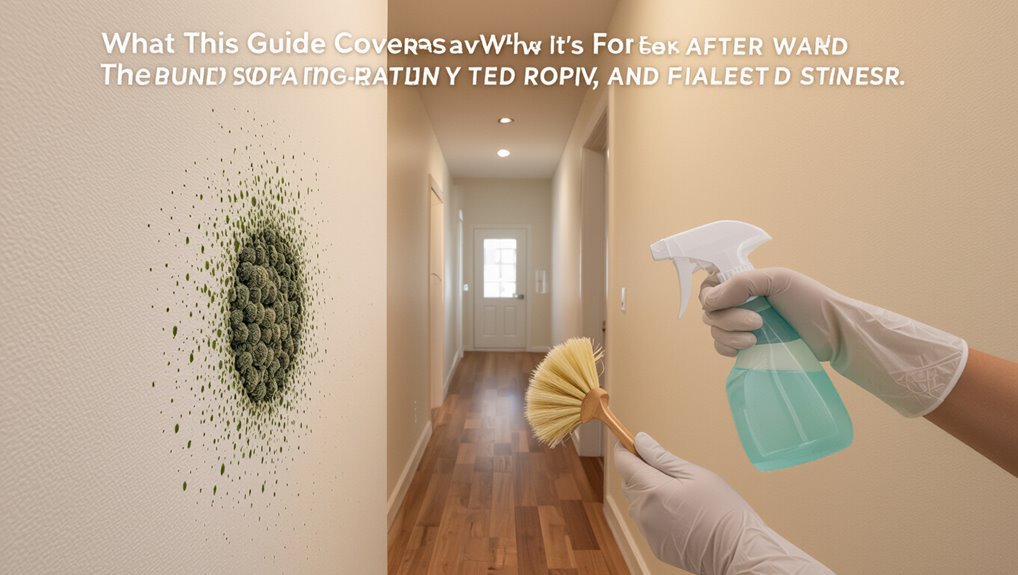
This guide explains practical, safe steps for identifying, evaluating, and removing mold on interior walls, and tells you when to call a professional.
You’ll learn to spot common mold types, assess health and structural risks, and distinguish facts from mold myths.
It’s meant for homeowners and renters tackling visible wall mold who want safe, responsible guidance and clear criteria for seeking expert help.
Quick Steps to Remove Small Wall Mold Safely
Start by protecting yourself and the room: open windows for ventilation, wear an N95 respirator, gloves, and goggles, and lay down plastic sheeting to catch debris.
Use gentle mold removal techniques: scrub nonporous surfaces with a sponge and approved cleaning solutions, avoid overwetting, and dispose of contaminated cloths.
Dry thoroughly and monitor for recurrence; repair moisture sources promptly.
Is It Mold, Dirt, or Paint Discoloration?
Before you start cleaning, you’ll want to check visual clues like color, pattern, and whether the spot looks fuzzy or powdery.
Use a quick smell and texture test — mold often smells musty and feels slimy or velvety, while dirt wipes away and paint issues are usually smooth and dry.
Also look for surface damage such as bubbling paint, staining that spreads, or soft drywall, which can point to underlying mold rather than simple discoloration.
Visual Clues To Inspect
When you inspect a suspected stain, look for telltale patterns, texture, and location that separate mold from mere dirt or paint discoloration.
Use visual inspection to spot mold characteristics: clustered growth patterns, fuzzy texture, or spread near moisture sources.
Note material types, indoor climate, and seasonal changes. That helps decide cleaning techniques, prevention strategies, and assess health risks quickly.
Smell And Texture Tests
Visual cues give you a strong lead, but smell and touch will often confirm whether you’re dealing with mold, simple grime, or paint issues.
Use odor detection: a musty, damp smell points to mold.
Then do a gentle texture assessment: mold feels powdery, fuzzy, or slimy; dirt wipes away and paint discoloration stays smooth.
Test small areas before acting.
Surface Damage Indicators
If you want to tell whether that spot on your wall is mold, dirt, or just paint discoloration, focus on how the surface reacts: mold often grows in irregular clusters with a raised, fuzzy, or powdery texture and can stain porous materials deeply.
Dirt usually wipes or brushes off without leaving a stain, and paint issues stay smooth, following the original finish and sometimes flaking or peeling rather than forming a textured growth.
- Check texture
- Try a wipe
- Note spreading
Use mold assessment during wall inspection to decide whether to clean, test, or repaint.
Common Wall Mold Types and How They Look
Mold on walls comes in a few distinct types you’ll spot by color, texture, and where it grows, and knowing these traits helps you identify and treat it quickly.
You’ll learn mold types and visual differences: black or green blotches, fuzzy white patches, or slimy orange streaks.
Note wall discoloration, growth patterns and color variations to match common species in this identification guide and select treatment options.
Health Symptoms From Wall Mold Exposure
If you’ve been around wall mold, you might notice respiratory symptoms like coughing, wheezing, or a tight chest.
You can also get skin rashes, redness, or itchy eyes from spores or mold fragments.
Pay attention to these signs so you can address the mold and protect your health.
Respiratory Symptoms
How might wall mold affect your breathing? You may notice symptoms from mold exposure that harm your respiratory health.
Watch for sudden changes and seek help if they persist.
- Coughing or wheeze that worsens indoors
- Increased asthma attacks or shortness of breath
- Chronic nasal congestion or throat irritation
Skin And Eye Irritation
Visible spores and dampness can irritate your skin and eyes, causing redness, itching, or a gritty feeling that gets worse the longer you’re exposed. You should wash affected areas, avoid rubbing, and improve ventilation. Recognize skin irritation causes and eye irritation symptoms early to reduce risk and seek medical care for severe or persistent reactions.
| Symptom | Action | When to see doctor |
|---|---|---|
| Redness | Rinse with water | Severe/persistent |
| Itchiness | Gentle soap | Spreading rash |
When to Call a Mold Remediation Pro
Wondering whether you can handle that patch of mold yourself or need a pro? You should seek a professional assessment when visible mold covers large areas, persistent odors suggest hidden growth, or occupants have worsening health.
Look for mold remediation signs like extensive staining, structural damage, or repeated recurrence.
Watch for extensive staining, structural damage, or repeated recurrence—clear signs you need professional mold remediation.
- Large affected area
- Health symptoms worsening
- Repeated recurrence
Decide DIY vs. Professional Remediation
Start by evaluating how extensive the mold is and whether it’s confined to a small patch you can safely clean or has spread through walls or vents.
Think about your family’s health and safety—if anyone has allergies, asthma, or a weakened immune system, you’ll want professional-level precautions.
Finally, weigh the upfront cost of a pro against your time, protective gear, and the expertise needed to prevent recurrence.
Assess Severity And Spread
How widespread is the mold, and can you safely remove it yourself?
Use inspection techniques to map mold growth, note moisture sources and environmental factors, and evaluate wall materials.
Choose cleaning methods or call pros based on extent and potential health impacts.
Prioritize prevention strategies after removal.
- Small, isolated stains
- Extensive or porous-wall growth
- Hidden spread or repeated recurrence
Consider Health And Safety
Once you’ve mapped the mold and judged its extent, weigh health and safety before deciding to tackle cleanup yourself or hire professionals.
If mold exposure could affect asthma, allergies, or immune issues, don’t risk it.
Consider health risks, required safety precautions, and appropriate protective measures like respirators, gloves, and containment.
Hire trained remediators for widespread or toxic mold.
Compare Costs And Expertise
Decide whether you’ll handle cleanup yourself or hire pros by weighing the price against the expertise each option brings.
You should do a clear cost comparison and assess expertise levels to match mold severity.
DIY saves money on small spots; pros reduce risk for widespread contamination.
Consider liability, time, and guarantees.
- Small mold: DIY
- Large or toxic: Professional
- Uncertain: Get inspection
Safety Gear Before You Touch Wall Mold
Because mold can release spores and irritants when disturbed, you should suit up before you touch the wall.
Wear protective equipment: N95 or P100 respirator, goggles, gloves, and disposable coveralls.
Follow safety precautions for mold safety and cleanup safety, emphasizing personal protection and safe handling.
Follow mold cleanup safety guidelines: prioritize personal protection and handle contaminated materials carefully to prevent exposure.
Include gear essentials to limit exposure and support containment measures while you work.
Prepare the Room and Contain Spores
Before you start scrubbing, seal off the room with plastic sheeting and tape to keep spores contained.
Close vents, windows, and doors and turn off fans or HVAC to reduce airflow and the chance of spread.
Work from the cleanest side toward the contaminated area to limit cross-contamination.
Seal Off The Area
Start by isolating the work zone so spores don’t spread to the rest of your home: shut doors, close vents, and cover doorways with plastic sheeting secured with painter’s tape.
For mold containment and area preparation, set up a clear perimeter, protect nearby items, and limit access.
- Tape seams tightly
- Use weighted edges
- Post warning signs
Reduce Airflow And Spread
With the perimeter sealed, take steps to reduce airflow so spores stay put: turn off HVAC systems, close windows, and switch ceiling fans off. You’ll improve mold containment and air quality by limiting movement, using HEPA vacuums, and practicing HVAC maintenance. Balance humidity control and moisture regulation with targeted ventilation solutions to stabilize indoor climate.
| Action | Purpose |
|---|---|
| Close vents | Airflow management |
| Seal doors | Mold containment |
| HEPA vacuum | Air quality |
| Dehumidifier | Humidity control |
| Inspect HVAC | HVAC maintenance |
Tools and Cleaners That Actually Kill Mold
Not all cleaners or tools actually kill mold, so you’ll need products that contain proven fungicides and the right equipment to apply them safely and effectively.
Choose mold cleaning supplies and effective mold solutions labeled for killing and inhibiting regrowth. Use proper PPE, follow instructions, and ventilate.
- NIOSH-rated respirator
- EPA-registered fungicidal cleaner
- Stiff brush and disposable wipes
Remove Mold From Painted, Non‑Porous Walls
Tackle mold on painted, non‑porous walls by wiping it away with a fungicidal cleaner and a stiff brush or sponge—these surfaces don’t absorb moisture, so you can remove growth without stripping paint if you work promptly and gently.
Use mold identification techniques to confirm surface mold, test small areas, and consult cleaning solution comparisons to pick effective, paint‑safe products; rinse and dry thoroughly.
Safely Remove Mold From Drywall and Plaster
Because drywall and plaster soak up moisture, you’ll need a gentler, more cautious approach than you’d use on painted, non‑porous walls: isolate the area, dry it, and remove only the damaged material to stop mold from returning.
Use mold identification techniques, wear PPE, and follow drywall repair methods after removal.
- Contain and ventilate
- Cut damp sections
- Replace and patch promptly
Removing Mold From Wallpaper and Textured Walls
Before you start, check what type of wallpaper you have—vinyl, fabric, or paper-backed—because that will determine whether you can clean it or need to replace it.
Use gentle, tested cleaning methods for textured surfaces, like low-sudsing cleaners and soft brushes, and always spot-test in an inconspicuous area.
If mold has penetrated the paper or adhesive, you’ll likely have to remove and replace the wallpaper to stop regrowth.
Assess Wallpaper Material
1 key step when removing mold from wallpaper and textured walls is to identify the material—vinyl, paper, fabric, or painted plaster—because each reacts differently to cleaning solutions and moisture.
You’ll assess wallpaper types and expected mold resistance, note seams, backing, and adhesive condition, and decide if removal is safer than repair.
- vinyl: higher mold resistance
- paper: fragile
- fabric: absorbs moisture
Safe Cleaning Techniques
When you’re ready to clean mold from wallpaper or textured walls, work methodically and gently to avoid damaging the surface or spreading spores.
Start by isolating the area, improving ventilation, and wearing proper PPE (gloves, goggles, and an N95 respirator).
Use eco-friendly cleaners or household remedies for light growth, follow inspection techniques, apply DIY solutions carefully, guarantee effective ventilation and moisture control, dispose of materials safely, and choose mold-resistant products as preventive measures against mold-friendly materials.
Treat Mold on Wood Trim and Baseboards
Wood trim and baseboards often hide mold in seams and paint pores, so you’ll want to tackle them carefully to avoid spreading spores or damaging the finish.
Use mold identification techniques to confirm growth, then apply gentle wood treatment methods. Wear gloves, ventilate, and test a hidden spot.
Confirm mold first, then treat wood gently—gloves, ventilation, and a hidden-spot test before full cleaning.
- Vacuum with HEPA
- Clean with diluted detergent
- Seal or repaint after drying
Cleaning Moldy Grout and Tile Without Damage
Though grout and tile look forgiving, mold can hide in pores and joints and keep spreading if you don’t act carefully.
You should use gentle grout cleaning methods: soft brush, mild detergent, and diluted cleaners applied briefly. Rinse thoroughly and dry.
Seal grout after it’s clean.
Use tile protection techniques like proper ventilation and mats to prevent recurrence and avoid abrasive scrubbing that damages surfaces.
Bleach vs. Vinegar vs. Commercial Cleaners
1 clear fact: you’ll face three common options for killing wall mold—bleach, vinegar, and commercial cleaners—and each works differently.
You should weigh mold effectiveness comparison and cleaning solution safety before deciding.
Consider pros and cons:
- Bleach: quick surface kill, harsh fumes.
- Vinegar: mild, less toxic, slower.
- Commercial cleaners: targeted formulas, follow label precautions.
Clean Up and Dispose of Moldy Materials Safely
Before you start scrubbing, contain the area and remove any porous materials you can’t fully clean—carpets, ceiling tiles, drywall, and soft furnishings—to prevent mold spores from spreading.
Bag and seal contaminated items for proper mold disposal, labeling if required.
Wear PPE, use approved cleaners for safe cleaning, and dispose of waste per local regulations.
Document actions and ventilate afterward.
Control Dust and Spores During Cleanup
When you clean mold, minimize airborne particles by working gently and using a HEPA-filter vacuum or wet wiping to keep spores down.
Seal the work area with plastic sheeting and tape to contain dust and prevent spread to other rooms.
Wear PPE and change filters or dispose of contaminated materials carefully before you leave the space.
Minimize Airborne Particles
Keep particles down while you clean so spores don’t spread through your home. You’ll protect air quality and reduce health impacts by using careful cleaning techniques and dust control.
Use PPE, limit indoor humidity, and employ filtration methods.
- Run HEPA vacuums and air purifiers
- Improve ventilation systems and moisture barriers
- Wet-clean surfaces to trap mold spores, part of prevention strategies
Contain Work Area
Start by sealing off the room with plastic sheeting and tape so spores and dust can’t migrate to the rest of the house.
Wear PPE, turn off HVAC to prevent spread, and use a portable HEPA air filtration unit near the work area.
Create a one-way entry with a zipper door, keep tools inside, and dispose of contaminated materials in sealed bags for proper mold containment.
Drying, Dehumidifying, and Post‑Clean Steps
After you’ve removed visible mold and cleaned the affected area, dry the wall thoroughly and lower indoor humidity to stop regrowth; use fans and a dehumidifier aimed at the wall until moisture readings are normal.
Check dehumidifier settings and eliminate moisture sources.
Then verify dryness, sanitize touch points, and monitor.
- Verify moisture with a meter
- Adjust dehumidifier settings
- Inspect for recurring moisture sources
When to Replace Materials Instead of Cleaning
When mold has penetrated porous materials or covers more than a small area, you’ll need to replace those materials rather than keep cleaning.
Porous items like drywall, ceiling tiles, insulation, and carpeting often trap mold roots and moisture that cleaners can’t fully remove.
After a mold assessment, consider material durability, cost, and recurrence risk.
Replace compromised items to guarantee healthy indoor air and prevent regrowth.
Finding and Fixing Hidden Moisture Behind Walls
Watch for musty smells, peeling paint, warped drywall, or discoloration—those are common signs of hidden moisture behind walls.
Use a moisture meter, thermal camera, or remove a small inspection panel to pinpoint leaks.
Once you locate the source, stop the water entry and dry the cavity thoroughly before repairing or replacing damaged materials.
Signs Of Hidden Moisture
How can you tell if moisture is hiding behind your walls? Watch for musty smells, bubbling paint, or warped drywall; use moisture detection tools and note unusual humidity levels.
Perform wall inspections, plumbing checks, and ventilation assessment to rule out hidden leaks and condensation issues. Check potential water sources promptly.
- Musty odor
- Paint bubbling
- Soft or warped drywall
Locating Leak Sources
If you suspect hidden moisture behind a wall, start by tracing likely water paths from obvious sources—plumbing fixtures, rooflines, and windows—to pinpoint the leak’s origin.
You’ll perform leak detection with targeted plumbing inspection, roof assessment, appliance checks, and window sealing review.
Then address gutter maintenance and drainage solutions and control interior humidity for lasting humidity control and mold prevention.
Simple Ventilation Fixes That Stop Mold Growth
Because damp, stagnant air feeds mold, improving ventilation is one of the simplest and most effective fixes you can make; you’ll cut humidity levels and discourage spores.
Try these focused steps:
- Install or upgrade exhaust fans in kitchens and baths.
- Use window or through-wall fans to cycle air.
- Consider HVAC settings and ventilation types to balance airflow without raising humidity.
How Insulation and Vapor Barriers Affect Mold
When you seal gaps and add the right insulation, you keep wall cavities closer to indoor temperatures and reduce the chance that moisture will condense and feed mold; conversely, missing or improperly installed insulation creates cold spots where dampness collects.
You should evaluate insulation types and vapor barrier effectiveness for moisture control, balance airflow management with temperature regulation, and optimize energy efficiency to limit mold risks.
Routine Maintenance to Prevent Wall Mold
Although routine upkeep often feels like a chore, staying on top of simple tasks will keep mold from getting a foothold on your walls.
You should use mold resistant materials, prioritize humidity control, and check vulnerable areas regularly.
- Inspect bathrooms and basements monthly
- Clean vents, gutters, and drains
- Replace damaged drywall or trim promptly
Monitor for Regrowth and When to Re‑Treat
Set a regular inspection schedule—check treated areas every 1–3 months for the first year, then seasonally after that.
Look for telltale signs of recurrence like musty odors, discoloration, or fuzzy spots near previous mold sites.
If you spot any of these signs, re-treat promptly and address underlying moisture sources.
Regular Inspection Schedule
Because mold can return even after a thorough cleanup, you should establish a consistent inspection schedule to catch regrowth early and decide if re‑treatment’s needed.
Track mold inspection frequency and use inspection checklists to standardize reviews.
Check high‑risk areas monthly, whole rooms quarterly, and after water events.
- Monthly high‑risk spots
- Quarterly full walkthroughs
- Post‑incident follow‑ups
Signs Of Recurrence
If you notice dark spots returning, a musty smell reappearing, or paint and wallpaper starting to bubble, those are clear signs mold’s coming back and you should act promptly.
Check for lingering mold spores, review environmental factors and moisture sources, adjust cleaning frequency for different surface types, monitor air quality, use targeted inspection methods, and reapply preventive measures when recurrence indicators appear.
DIY Costs vs. Hiring a Remediation Pro
Deciding whether to tackle mold removal yourself or hire a remediation pro comes down to balancing cost, risk, and the scope of the job.
You’ll weigh DIY expenses against professional costs, remediation pricing, and project scope to assess financial implications and budget considerations for long term savings.
Consider these cost comparisons:
- Small, low-risk jobs: DIY
- Moderate scope: hybrid approach
- Large or hazardous: pro
How to Choose a Qualified Remediation Contractor
When you’re facing a large or complex mold problem, choosing the right remediation contractor matters—so prioritize credentials, experience, and clear communication.
Check contractor credentials and industry certifications, review remediation experience and client testimonials, and confirm safety practices.
Request detailed project estimates, ask about service guarantees, and evaluate communication skills.
Choose someone transparent, insured, and responsive to protect your home and health.
What Happens During Professional Remediation
Start by getting a clear plan: a qualified remediation team will inspect the affected areas, identify the mold type and moisture source, and outline containment, removal, and drying steps before any work begins.
You’ll see a thorough mold assessment, containment, and specific remediation techniques. They’ll also monitor air and moisture until safe.
- Containment
- Removal
- Drying
Insurance Tips for Mold Damage Claims
After remediation begins, you’ll also want to contact your insurer promptly and document everything: take dated photos, keep invoices and the remediation plan, and get written estimates from contractors.
Follow mold insurance claim process steps, note coverage limits and policy exclusions, track restoration costs and damage assessment reports, use careful contractor selection, save documentation tips, weigh preventive measures and financial implications before finalizing settlements.
Eco‑Friendly Treatments for Wall Mold
You can tackle wall mold without harsh chemicals by using natural antimicrobial solutions like tea tree oil or grapefruit seed extract.
Simple home remedies—undiluted white vinegar for nonporous surfaces and a baking soda spray for scrubbing—are effective and safe when used correctly.
Pair treatments with preventive moisture control, such as fixing leaks and improving ventilation, to stop mold from coming back.
Natural Antimicrobial Solutions
Looking for eco-friendly ways to tackle mold on your walls? You can use natural antimicrobial solutions safely.
Try targeted treatments and spot-test first. Consider:
- Tea tree and eucalyptus essential oils diluted in water for small patches.
- Herbal remedies like rosemary or thyme sprays for mildew prevention.
- Hydrogen peroxide for porous areas, applied carefully and dabbed dry.
Always ventilate and wear gloves.
Vinegar And Baking Soda
While vinegar and baking soda won’t replace professional remediation for extensive infestations, they make effective, low-toxicity options for treating small patches of mold on walls; vinegar’s acidity helps kill many mold species, and baking soda scrubs away spores and neutralizes odors without harmful fumes.
You’ll spray white vinegar, let it sit, scrub with a baking soda paste, rinse, and dry the area thoroughly.
Preventive Moisture Control
Vinegar and baking soda can clean small mold spots, but they’ll only take you so far if moisture keeps coming back.
You should control humidity levels, identify moisture sources, and adjust ventilation systems. Consider building materials, insulation types, and drainage solutions to prevent recurrence.
Account for seasonal changes and landscaping impacts to divert water.
- Inspect gutters
- Improve airflow
- Replace porous materials
Do Mold‑Resistant Paints and Coatings Help?
Can mold‑resistant paints and coatings actually keep mold from growing on your walls? They help by offering mold resistant benefits and improving paint durability, creating a less hospitable surface for spores.
You should still fix moisture sources, clean existing mold, and use proper ventilation. These coatings delay growth and simplify cleaning but aren’t a substitute for addressing humidity or leaks.
How Seasons Affect Indoor Wall Mold Risk
Because seasonal changes drive indoor temperature and humidity shifts, they strongly influence where and when mold shows up on your walls.
Seasonal temperature and humidity shifts determine where and when mold appears on your walls.
You should track humidity levels and temperature fluctuations tied to weather patterns and plan seasonal maintenance.
- winter preparation: reduce indoor humidity, seal drafts
- spring cleaning: check damp spots, dry surfaces
- summer ventilation and fall inspections prevent regrowth
Special Tips for Basements, Bathrooms, and Kitchens
When rooms stay damp and poorly ventilated, mold finds the perfect place to take hold, so you’ll need tailored strategies for basements, bathrooms, and kitchens that focus on moisture control, airflow, and quick cleanup. Use dehumidifiers for Basement humidity, improve Bathroom ventilation, keep up Kitchen cleaning, and install Mold resistant materials.
| Area | Tip |
|---|---|
| Basement | Dehumidifier |
| Bathroom | Exhaust fan |
| Kitchen | Wipe spills |
Protect Children, Elderly, and Pets During Cleanup
If you’re cleaning mold, keep children, elderly family members, and pets out of the room and upwind of any fumes or dust so they don’t breathe spores or disinfectants; set up a temporary barrier and a supervised safe area nearby until the space is fully dry and ventilated.
Use these Cleanup strategies:
Use these cleanup strategies: protect children, elderly, and pets; wear PPE, monitor air, and provide emotional support.
- Child safety, Elderly precautions, Pet protection with Supervision guidelines.
- Protective equipment, Safe materials, monitor Air quality.
- Offer Emotional support, Stress management for family.
Why Mold Keeps Coming Back : Quick Fixes
Keeping vulnerable household members safe during cleanup is only part of the battle; you’ll also want to stop mold from coming back.
Check the mold lifecycle: spores spread, settle, and grow when humidity and moisture sources persist. Fix leaks, improve ventilation, dry materials quickly, and discard porous items you can’t fully dry.
Regular inspections prevent recurrence and spot hidden damp before mold returns.
Removal & Prevention Checklist (Step‑By‑Step)
Start with a simple checklist you can follow step by step so you remove existing mold safely and prevent it from returning.
Start with a simple, step-by-step checklist to safely remove mold and prevent it from returning.
You’ll use mold identification techniques, choose effective cleaning solutions, and fix moisture sources.
Follow these actions:
- Inspect and document affected areas.
- Clean with recommended solutions and protective gear.
- Repair leaks, improve ventilation, and monitor for recurrence.
Frequently Asked Questions
Can Mold Spores Spread Through HVAC Systems and How to Disinfect Ducts?
Yes — mold spores can travel through HVAC systems; you should schedule regular HVAC maintenance, arrange professional duct cleaning when mold’s suspected, use HEPA filtration, and disinfect components to protect air quality and reduce spread.
Are DIY Home Mold Tests Reliable Compared to Lab Testing?
Think of DIY accuracy as a flashlight: it’ll reveal shapes but not full details. You’ll get rough testing methods and clues, but they’re less precise than lab testing, so don’t rely solely on DIY results.
Can Mold Inside Walls Affect Electrical Wiring or Outlets?
Yes — mold growth inside walls can corrode wiring, damage insulation, and create electrical hazards, so you should shut power, inspect outlets and junctions, and hire a pro to address both mold and compromised electrical components safely.
How Do Landlords and Tenants Handle Responsibility for Mold Remediation?
Like a tightrope, you’ll balance duties: landlords usually handle major remediation and mold liability agreements, while tenants must follow tenant notification procedures, report issues promptly, and fix minor causes — you’re both responsible to cooperate.
Are There Health Tests to Prove Mold-Related Illness for Insurance Claims?
Yes — you can get medical and environmental tests to support mold-related illness claims; you’ll document mold symptoms, obtain clinician reports and lab results, and submit those for insurance coverage consideration, though approvals vary by policy.
Conclusion
You’ve learned practical, safe steps to remove and prevent wall mold so you can protect your home and health. Tackle small patches promptly, use proper protection, and fix moisture sources—treat prevention like tending a garden, not a one‑time chore. Keep an eye on basements, bathrooms, and kitchens, and bring in pros for large infestations. With steady care and quick action, mold won’t keep coming back to unsettle your space.
