
How Do You Get Wax Off a Painted Wall Without Damage
You can safely remove wax from a painted wall by letting it harden or gently softening it, then lifting it with plastic tools and blotting cloths so you don’t smear or abrade the paint. Freeze with an ice pack to chip brittle wax, or use low heat (hair dryer through a cloth) to blot softened wax with a lint‑free towel. Finish with a mild, pH‑neutral cleaner and test a hidden spot first — keep going and you’ll find step‑by‑step tips and finish fixes.
How to Remove Wax From Painted Walls Without Damage
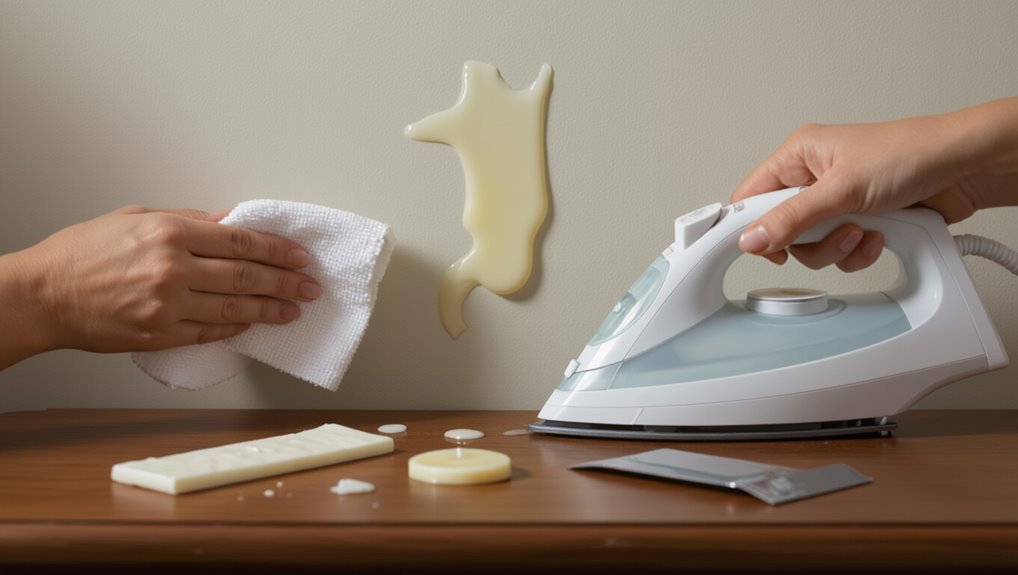
Start by letting the wax cool and harden so you won’t smear it further; you can speed this with an ice pack wrapped in a cloth.
Once solid, gently lift flakes with a plastic scraper, then soften residue with low heat or a damp cloth.
Use mild soap, test hidden areas first, and follow these wax removal tips to preserve paint protection and avoid sanding or harsh solvents.
Quick Answer : The Safest Method
Start by testing an inconspicuous spot to make sure your paint won’t be damaged.
If the test’s fine, soften the wax gently with a warm (not hot) hair dryer and blot it up with a soft cloth.
Repeat the warming and blotting until the residue’s gone.
Test Paint First
Wondering if that cleaner will strip your paint? You should test in an inconspicuous spot first, checking how the paint finish reacts to your chosen solvent or soap.
Try different wax types if unsure — candle, furniture, or colored wax — since each can behave differently.
Wait a few minutes, blot gently, and inspect for softening, color loss, or sheen changes before treating the main area.
Gentle Warm Removal
One simple, safe way to remove wax is to soften it with gentle heat and wipe it away—hold a hair dryer on low, keeping it several inches from the paint so you don’t overheat the finish, warm the wax until it becomes pliable, then blot with a soft cloth or paper towel, repeating until the bulk of the wax lifts.
| Step | Tip |
|---|---|
| 1 | Use gentle techniques |
| 2 | Low heat only |
| 3 | Keep distance |
| 4 | Blot, don’t smear |
| 5 | Repeat warm application |
What Type of Search Intent This Article Satisfies
When you search for “how to get wax off a painted wall,” you’re usually after information—step-by-step methods, safety tips, and what supplies to use.
You might also have transactional intent if you’re looking to buy a specific cleaner, scraper, or heat tool recommended in the guide.
This article addresses both by explaining techniques and pointing out products that can make the job easier.
Informational Search Intent
This article satisfies informational search intent by giving you clear, practical answers about removing wax from painted walls—what causes stains, safe materials and methods to try, and when to call a pro—so you can decide the best next step without risking paint damage.
You’ll learn proven wax removal techniques, brief troubleshooting steps, and wall paint care tips so you can act confidently and avoid common mistakes.
Transactional Search Intent
Although you’re mainly looking for how-to guidance, this article also serves transactional search intent by helping you decide which products or services to buy to remove wax safely from painted walls.
You’ll learn to choose cleaners and tools that balance candle safety with paint longevity, compare costs and pros/cons, and pick professional services or DIY supplies that minimize damage while restoring appearance.
How to Assess Your Paint Finish Before You Start
Before you start scraping or applying solvents, take a close look at the paint finish so you know what you’re dealing with.
You’ll identify paint types (latex, oil, enamel) and note sheen level—flat, eggshell, satin, semi-gloss, gloss.
This finish assessment tells you how delicate the surface is, how resistant it’s to solvents or abrasion, and guides your removal method to avoid damage.
Test Paint in a Hidden Spot (Fast and Safe)
Since every paint reacts differently, you should always test your removal method in a hidden spot first to avoid surprises.
Always trial your paint-removal method in a hidden area first to avoid unexpected damage.
You’ll use quick hidden tests to confirm paint safety before proceeding.
Check for discoloration, softening, sheen change, residue, and time reaction.
- discoloration
- softening
- sheen change
- residue
- time reaction
Tools and Household Items You Need for Safe Wax Removal
Now that you’ve checked a hidden spot to see how the paint reacts, gather the right tools so you can remove wax safely and efficiently. You’ll need soft cloths, plastic scrapers, cotton, mild soap, and tested household cleaning solutions for gentle wax removal techniques. Stay calm and methodical to protect the finish.
| Tool | Feeling |
|---|---|
| Soft cloths | Reassuring |
| Plastic scraper | Confident |
Why Avoiding Heat and Harsh Scrubbing Matters
Because heat can melt wax into the paint and vigorous scrubbing can abrade the finish, you should avoid using hair dryers, hot irons, or harsh brushes when removing wax; instead, work gently with cool or room-temperature methods so you don’t spread the wax or damage the paint.
- Prevent heat damage by never applying direct heat
- Use soft cloths
- Test methods on hidden spots
- Favor gentle scrubbing techniques
- Work slowly and patiently
Remove Fresh, Soft Candle Wax Gently
If the wax is still soft, gently warm it with a hair dryer on low to soften it further without touching the paint.
You’ll want to blot the softened wax with a clean, lint-free cloth or paper towel, pressing gently to lift as much as possible.
Repeat warming and blotting until the wax is gone, avoiding scrubbing that could damage the finish.
Softening Wax With Heat
1 simple way to lift fresh, soft candle wax without damaging paint is to warm it gently so it becomes pliable.
You’ll use safe heat sources and respect wax characteristics to avoid melting paint. Then you can remove softened wax carefully.
- hair dryer on low
- warm towel (not hot)
- heat gun at distance
- indirect sun
- warm iron through cloth
Blotting And Lifting
Once the wax has softened, blot and lift it right away to prevent stains and keep paint intact. You’ll press a clean, absorbent cloth, lift gently, and repeat until residue’s gone. These wax removal techniques prioritize paint preservation tips: don’t scrub or use solvents.
| Action | Result |
|---|---|
| Blot | Removes wax |
| Lift | Protects paint |
Freeze and Remove Hardened Wax
You can freeze hardened wax to make removal much easier: press an ice pack or a bag of ice against the stain for several minutes until the wax becomes brittle.
Then gently chip it away with a plastic scraper or a credit card to avoid damaging the paint.
Consider wax types and removal techniques:
- Test in an inconspicuous spot
- Use short bursts of cold
- Work from edges inward
- Keep scraper flat
- Clean residue with mild soap
Lift Wax With Gentle Scraping That Won’t Nick Paint
Gently scrape the softened wax with a plastic putty knife or an old credit card, angling the edge flat against the wall so you lift layers without gouging the paint.
Work slowly, removing thin flakes and checking progress. Use light pressure, alternate angles, and discard wax buildup frequently.
These wax scraping techniques protect finish integrity and follow paint preservation tips to avoid chipping or abrasion.
When and How to Soften Wax Safely With a Hairdryer
If the wax is hard and lifting flakes risks chipping the paint, warm it with a hairdryer before scraping so it softens and comes off in thin layers.
Use careful wax softening techniques and follow hairdryer precautions:
- Keep dryer moving
- Use low heat
- Hold several inches away
- Test a small spot
- Blot softened wax gently with cloth
Use a Plastic Putty Knife the Right Way
Pick a soft plastic putty knife so you won’t scratch the paint.
Hold the blade at a very shallow angle and gently nudge under the softened wax.
If the wax resists, warm it a bit more rather than forcing the tool.
Choose A Soft Plastic
Reach for a soft plastic putty knife rather than a metal one to avoid gouging paint or nicking the wall; a flexible, non-marring edge lets you lift wax without scraping the finish.
Choose from soft plastic options and compare plastic knife types for firmness, size, and edge shape. Consider:
- Thin flexible blade
- Wide scraper
- Rounded tip
- Tapered edge
- Non-slip handle
Angle Blade Gently
With a soft plastic putty knife in hand, angle the blade shallowly against the wall so it slides under the wax without gouging the paint.
You’ll use a steady, controlled motion, keeping wrist low for angle safety. Work small sections, lifting softened wax as you go.
Maintain light pressure and the correct blade technique to avoid scratching, repeating until residue is gone.
Use Cloth and Blotting to Pick Up Wax Residue
Start by laying a clean, absorbent cloth over the softened wax and gently press to lift as much residue as you can; don’t rub, as that will smear wax into the paint.
You’ll use careful wax cleaning techniques and follow wall protection tips while blotting.
- Use cotton or microfiber
- Work outward from center
- Replace dampened cloths
- Test hidden spot first
- Be patient and repeat
Which Mild Household Cleaners Are Safe on Painted Walls
When you’re choosing a cleaner for painted walls, pick mild, pH-neutral solutions that won’t strip or dull the finish. You’ll want mild cleaners that preserve wall safety and color; test in an inconspicuous spot first. Use gentle microfiber or sponge application and avoid abrasive scrubbing.
| Cleaner | Use |
|---|---|
| pH-neutral cleaner | Light stains |
| Mild vinegar mix | Grease spot |
| Rinse water | Remove residue |
| Isopropyl 70% | Spot sanitize |
Remove Waxy Stains With Dish Soap and Warm Water
Scrub gently with a few drops of dish soap mixed into warm water to lift wax without harming the paint.
Gently scrub with a few drops of dish soap in warm water to lift wax without damaging paint.
You’ll blot excess, wipe in small circles, and rinse frequently to avoid residue.
Test a hidden spot first.
Finish by drying to prevent streaks.
- Use a soft cloth
- Don’t soak the wall
- Replace solution as needed
- Avoid scrubbing paint off
- Work patiently
Use White Vinegar to Clean Residual Wax Without Stripping Paint
One simple, effective trick is to use a diluted white vinegar solution to dissolve leftover wax without harming most paints; mix equal parts distilled white vinegar and warm water, dampen a soft cloth (not soaked), and gently wipe the area in small circular motions, testing a hidden spot first to make sure the paint won’t react.
| vinegar benefits | cleaning tips |
|---|---|
| gentle | safe |
| cheap | effective |
| natural | quick |
Use Rubbing Alcohol Safely on Painted Surfaces
Before using rubbing alcohol, test an inconspicuous spot to make sure the paint won’t soften or fade.
If it’s safe, apply a small amount of 70% isopropyl alcohol to a soft cloth and gently blot the wax residue—don’t rub hard.
Work slowly and recheck the test area often to avoid damaging the finish.
Test Inconspicuous Area
Because painted finishes can react unpredictably, test rubbing alcohol on a hidden spot first to make sure it won’t dull or lift the paint.
You should confirm paint protection remains intact before treating visible areas.
Try this quick checklist:
- Choose a hidden corner
- Apply small alcohol amount
- Wait five minutes
- Inspect for dulling
- Compare to wax alternatives
Use Isopropyl Gently
If your spot test shows the paint holds up, you can move on to using isopropyl alcohol—but do it gently.
Dampen a soft cloth, not the wall, and blot the waxed area with light pressure. Rinse the cloth often, avoid scrubbing, and limit isopropyl application to short passes.
Finish by wiping with a damp microfiber cloth to guarantee wax safety and prevent paint damage.
How to Handle Wax Mixed With Soot or Candle Dye
When wax comes mixed with soot or candle dye, you’ll need a slightly different approach than for clean wax—these contaminants can stain paint and smear if you don’t act carefully.
Use targeted wax removal techniques and consider candle dye effects.
- Test hidden spot first
- Gently lift cooled wax
- Blot soot, don’t rub
- Use mild solvent sparingly
- Rinse and dry promptly
Remove Wax From Textured or Sprayed Paint Finishes
When dealing with textured or sprayed paint, always test a hidden spot first to make sure your method won’t damage the finish.
Gently warm the wax with a hair dryer and blot it up rather than scraping.
Avoid abrasive tools that can catch on texture and pull paint off.
Test Hidden Area First
Want to be sure your cleaning won’t damage the finish? Test a hidden area first to check wax characteristics and how painting techniques reacted.
Try small steps, note results, and proceed only if safe.
- Choose inconspicuous spot
- Use same cleaner you’ll apply
- Wait for full dry
- Inspect texture match
- Record method for repeatability
Use Gentle Heat
If your hidden-spot test showed the paint can handle mild warmth, you can use gentle heat to loosen wax from textured or sprayed finishes without scraping.
Aim a hairdryer on low, keeping it 6–8 inches away and moving continuously to avoid softening paint. Use a soft cloth to blot loosened wax.
Controlled heat application speeds wax removal while protecting the finish.
Avoid Abrasive Tools
Because textured and sprayed paints can chip or abrade easily, skip scrapers, steel wool, and coarse scrub brushes—those tools do more harm than good.
You’ll focus on gentle methods to avoid damaging protective coatings and avoiding scratches.
- Soft microfiber cloths
- Mild dish soap solution
- Low heat from a hair dryer
- Plastic spatula edge
- Test patch first
Treat Wax on Semi‑Gloss and High‑Gloss Paint
Semi‑gloss and high‑gloss finishes are tougher and less porous than flat paint, so you can be more assertive when removing candle wax without damaging the sheen.
Use heat (hair dryer) to soften wax, then lift with a plastic scraper and a soft cloth.
Soften candle wax with a hair dryer, then lift gently using a plastic scraper and a soft cloth.
Test mild solvent on a hidden spot.
Follow wax removal techniques that balance effectiveness with paint protection.
Treat Wax on Flat or Matte Paint Without Altering Sheen
Start by blotting up as much softened wax as you can with a clean, white cloth so you don’t spread residue.
If blotting isn’t enough, gently warm the wax with a hair dryer on low to loosen it—don’t overheat the paint.
Before using any solvent, test a small, hidden spot to make sure it won’t change the matte finish.
Blotting Excess Wax
Gently blot up as much softened wax as you can without rubbing, since friction can spread residue and change the paint’s flat finish.
You’ll want to use careful wax removal techniques and safe candle wax solutions to protect sheen.
Then follow these steps:
- Use clean, white paper towels
- Press don’t rub
- Replace towels often
- Avoid colored cloths
- Dispose gently
Gentle Heat Application
1 simple tool can make wax removal safer: controlled, low heat. You warm the wax gently with a hair dryer on low, testing heat settings to avoid softening paint or altering sheen.
Hold several inches away, move constantly, and blot softened wax with a clean cloth. Different wax types respond differently, so proceed slowly and stop if the paint changes.
Mild Solvent Test
If gentle heat didn’t lift all the wax or you’re worried about damaging flat or matte paint, try a mild solvent test next.
You’ll confirm paint compatibility before proceeding. Dab a cotton swab with mild solvent options and test in an unseen spot. If safe, gently dissolve wax; if not, stop and try mechanical removal.
- rubbing alcohol
- mineral spirits
- dish soap mix
- white vinegar
- test patch
Remove Wax From Painted Trim and Baseboards
Trim and baseboards collect wax drips in tight corners, but you can remove them without damaging the paint by working carefully and using the right tools.
Test a small area to confirm compatibility with different paint finishes and wax types.
Gently soften wax with a hair dryer, scrape with a plastic putty knife, then clean residue with mild detergent and a soft cloth, drying thoroughly.
Remove Wax Near Wallpaper or Delicate Wall Coverings
When wax lands on wallpaper or other delicate coverings, treat it gently to avoid tearing, staining, or loosening the adhesive; you’ll want to soften and lift the wax rather than scrub.
Use careful wax removal techniques and respect wall covering considerations:
- Test a small hidden spot first
- Warm wax, don’t overheat
- Blot with paper, don’t rub
- Use minimal solvent
- Replace damaged paper promptly
Remove Wax From Painted Ceilings Safely
When wax drips on your painted ceiling, let it cool and firm up before touching it so you don’t smear or stretch the stain.
Use a soft, flat tool to gently lift the hardened wax, working from the edges toward the center.
Finish with a mild, non-abrasive cleaner and a soft cloth to remove residue without damaging the paint.
Cool, Firm Wax Removal
Let the wax harden completely before you start—cool, firm wax lifts much more cleanly from painted ceilings than soft, smeared residue.
You’ll test wax types and paint compatibility first, then gently chip away excess.
Follow these quick steps:
- Use a plastic scraper
- Work from edges inward
- Keep tools flat
- Avoid sharp metal
- Vacuum crumbs afterward
Gentle Cleaning Techniques
A gentle approach protects your paint while removing residual wax: test a small hidden area first, then use a soft cloth dampened with warm water and a mild dish soap to blot—don’t rub—working from the outer edges toward the center until the stain lifts. Use eco friendly solutions and alternative methods like gentle steam or vinegar mixes to avoid damage.
| Comfort | Relief |
|---|---|
| Soft | Hope |
| Calm | Clean |
How to Protect Flooring and Furniture Before You Clean
Before you start scraping or heating wax off your painted wall, protect the floor and nearby furniture so melted wax and cleaning solutions don’t cause new damage.
Use simple coverings and barriers to contain mess and make cleanup easy:
- Lay drop cloths or cardboard for flooring protection
- Tape seams to prevent seepage
- Move small items away
- Drape furniture covering over sofas
- Keep a trash bin nearby
Prevent Paint Discoloration When Removing Colored Wax
When removing colored wax, choose a solvent that’s safe for your paint and only use a little at first.
Always test the solvent in an inconspicuous spot to make sure it won’t strip or stain the finish.
Rinse and neutralize the area immediately after treatment to stop any lingering chemical action.
Choose The Right Solvent
If colored wax has stained your painted wall, pick a solvent that removes the pigment without damaging the finish; test it on a hidden spot first so you won’t be surprised by discoloration.
Choose by matching solvent types to wax characteristics, and proceed cautiously.
- Rubbing alcohol for light dyes
- Mineral spirits for hardened wax
- Dish soap for oily residue
- Vinegar for mild stains
- Commercial wax remover for stubborn color
Test Inconspicuous Spot
Now that you’ve picked a solvent, check it on an out-of-sight area—like behind furniture or inside a closet—so you can see how the paint reacts without risking visible damage.
Dab a small amount, wait, then inspect for discoloration or sheen change. This quick test protects your finish and guides your wax removal techniques while following paint preservation tips to avoid surprises on prominent walls.
Rinse And Neutralize Immediately
Because colored wax can leave dyes that bond quickly with paint, you should rinse and neutralize the area right after removal to stop staining.
You’ll protect finish and follow proper wax removal techniques and painted surface care steps. Do these immediately:
- Blot excess gently
- Rinse with cool water
- Apply mild detergent solution
- Neutralize with diluted vinegar
- Pat dry and air dry
Lift Stubborn Wax Spots With a Commercial, Paint‑Safe Remover
Reach for a commercial, paint‑safe wax remover when scraping and household solvents won’t budge stubborn spots.
Test commercial products in an inconspicuous area first, then apply per instructions. You’ll let the formula soften residue, gently blot with a soft cloth, and avoid scrubbing.
Rinse the area promptly to neutralize any residue. Choose paint safe options to protect finish and color.
Choose a Commercial Product That’s Safe for Paint
Pick a product labeled specifically as “paint-safe” or “for finished surfaces” so you don’t risk discoloring or stripping the finish.
You’ll want commercial wax removers marketed as paint safe options. Choose one, test a hidden spot, then proceed gently.
- compatibility with your paint
- non-abrasive formula
- residue-free finish
- quick spot test
- clear usage instructions
Read Product Labels for Paint Compatibility
Start by scanning the label for explicit mentions of paint types and “paint-safe” certification so you know whether the product is suited to your finish.
Check compatibility with gloss, satin, eggshell, or flat paints, and whether ingredients affect paint durability.
Look for warnings about solvents, recommended test spots, and any claims about wax prevention to guarantee safe, effective removal without harming the finish.
When to Stop and Call a Professional Restorer
If you see visible paint damage or the stain won’t budge after gentle cleaning, stop and consider professional help.
You should also call a restorer if the wax has soaked into the wall causing odors or if there are signs of structural issues like bubbling, soft spots, or peeling.
Don’t keep working on problems that need specialized repair or could get worse without expert care.
When Damage Is Visible
When you can see peeling paint, deep stains, or texture changes after removing wax, stop and consider a pro—these signs mean the surface paint or drywall may be compromised and DIY fixes could make it worse.
You should request a damage assessment and discuss paint repair options.
Consider hiring a restorer if you notice:
- cracked paint
- soft drywall
- persistent discoloration
- uneven texture
- large affected area
Persistent Stains Remain
Although you’ve used heat, gentle solvents, and careful scrubbing, persistent stains that soak into the paint or drywall mean it’s time to stop and call a professional restorer.
You should avoid further DIY attempts that could worsen finish damage. A restorer assesses substrate, recommends stain prevention steps, and performs safe cleaning or repainting.
Follow their wall maintenance advice to prevent recurrence.
Structural Or Odor Issues
Persistent stains can signal deeper trouble, and you should stop DIY work if the wall shows structural damage or a lingering odor after cleaning.
Call a pro when you notice compromised structural integrity, persistent smell, mold growth, extensive paint blistering, or crumbling drywall.
Professionals handle thorough odor removal, repairs, and safe restoration so you won’t worsen hidden damage or inhale contaminants.
Repair Small Paint Chips Caused by Wax Removal
Small paint chips from wax removal are easy to fix yourself with just a few tools and the right touch.
You’ll clean the area, sand lightly, and apply a thin layer of primer if bare drywall shows.
Use a small brush or spatula for paint chip repair, feathering edges to blend.
Let dry fully before evaluating; repeat thin coats as needed to avoid wax damage recurrence.
Match Paint Color for Spot Touch‑Ups
Before you touch up the spot, check whether your wall has a flat, eggshell, satin, or semi-gloss finish so the repaired area will reflect light the same way.
Take a small paint chip from an inconspicuous spot or a scrap and use a paint store’s color-matching service to get the closest formula.
When you apply the touch-up, feather the edges into the surrounding paint to blend the repair and avoid a noticeable patch.
Identify Existing Paint Finish
When you’re matching paint for spot touch-ups, start by determining the finish—flat, eggshell, satin, semi-gloss, or gloss—since sheen affects how the repair will blend with the surrounding wall.
You’ll compare paint types and finish characteristics to match sheen, not just color.
- Check light reflection
- Rub test with cloth
- Use fingernail scratch
- Inspect under angled light
- Note room usage and durability
Use Paint Chip Matching
Now that you’ve identified the finish, match the color using paint chips to get a nearly invisible spot repair.
Take chips to a paint store or compare under good light, selecting the closest shade. Test a small sample on a hidden area, let it dry, and evaluate.
Accurate paint color matching guarantees touch-ups complement your wax removal techniques without drawing attention.
Blend With Feathering
After matching your paint, feather the edges so your touch-up disappears into the surrounding wall—work outward from the center of the repaired spot using a small brush or a damp sponge to lightly thin the paint until the blend is seamless.
Use feathering techniques and blending methods to match texture and sheen.
- Thin coats
- Light pressure
- Cross-hatch strokes
- Feather outward
- Mist finish
Prevent Future Wax Drips and Spills on Painted Walls
Because a little prevention goes a long way, take a few simple steps to stop wax drips before they happen: use sturdy holders, trim wicks, and keep candles level.
Follow wax prevention tips like placing candles away from drafty areas and traffic paths.
Mindful candle placement on trays or mats catches accidental drips, and supervise burning candles to prevent spills on painted walls.
Remove Wax From Painted Furniture : Key Differences
Preventing wax on painted walls helps, but furniture brings different challenges when wax lands on painted surfaces.
You’ll act gently to avoid finish damage, testing methods on hidden spots, and consider furniture care when choosing wax alternatives.
Follow simple steps:
- Cool and gently chip wax
- Use low heat and soft cloth
- Test cleaning product first
- Avoid abrasive scrapers
- Refinish small areas if needed
Document Damage for Renters or Insurance Claims
Anyone can document wax damage clearly to support a renter or insurance claim.
You should photograph affected areas from several angles, include close-ups and a wider context shot, note date/time, and keep receipts for cleaning or repair.
Write a short, factual description and save all emails and texts.
Proper documenting damage speeds processing of insurance claims and renter disputes.
Common Mistakes That Damage Paint During Wax Removal
Documenting damage helps when you need proof, but cleaning up wax yourself can accidentally worsen the problem if you’re not careful.
You’ll want to follow proper wax removal techniques and paint protection tips to avoid common errors.
Don’t:
- Scrape aggressively with metal tools
- Use hot heat without testing
- Apply harsh solvents directly
- Rub painted areas hard
- Ignore primer or finish type
How Long Different Methods Usually Take
While the exact time depends on the wax type and paint finish, most removal methods fall into predictable ranges, so you can pick the approach that fits your schedule.
While timing varies by wax and finish, most removal methods fit predictable ranges—pick the approach that suits your schedule.
Quick softening with a hair dryer takes minutes; scraping plus cleaning may take 10–30 minutes.
Solvent methods and repeated gentle lifts can take longer.
Use method efficiency and time comparison to choose wisely.
Prioritize Methods by Safety and Simplicity
Because preserving your paint and avoiding hazards matters most, start with the safest, simplest options before trying stronger treatments.
You’ll prioritize safety precautions and simple techniques, progressing only if needed. Try gentle steps first, monitor results, then escalate carefully.
Follow this checklist:
- Cool and scrape gently
- Soft cloth wiping
- Mild soap solution
- Hairdryer on low
- Reseal and touch up
Handle Antique or Lead‑Based Painted Surfaces Safely
If your home was built before 1978 or the paint looks old and flaky, assume it could contain lead and take extra precautions: don’t scrape or sand; avoid solvents that disturb paint.
For antique care, work gently—soft cloths, low-heat methods, minimal moisture.
Wear gloves, a respirator rated for lead, and contain debris.
Consult a professional for testing or removal to guarantee proper lead safety.
Remove Residue and Neutralize Wax Odors
Scrape up any remaining wax gently with a plastic scraper or old credit card.
Then blot the area with a soft cloth dampened in mild dish soap and warm water to lift oily film.
Blot the area with a soft cloth dampened in mild dish soap and warm water to lift oily film.
After that, dry and address wax residue and odor neutralization:
- Rinse with clean water
- Apply baking soda paste
- Vinegar spray for odors
- Air out room
- Repeat if needed
Test for Sheen Change After Cleaning
Once the wall’s surface is dry, check for any change in sheen by comparing the cleaned spot to an adjacent, untouched area; hold a flashlight at an angle to reveal differences and step back to view from a normal distance.
You’ll perform a quick sheen assessment to confirm paint compatibility with your cleaning method.
If you notice dulling or gloss shifts, pause and reassess before proceeding.
Restore Uniform Sheen After a Spot Clean
Now that you’ve confirmed how the cleaned area compares to the surrounding wall, restore an even sheen so the repair blends in.
You’ll perform gentle sheen restoration as part of routine wall maintenance.
Try these steps to match finish and minimize touch-up visibility:
- Feather edges with a soft cloth
- Use matching paint or clear topcoat
- Lightly buff with a microfiber
- Compare under natural light
- Recoat thinly if needed
Printable Wax‑Removal Checklist
1 checklist lets you move through wax removal quickly and confidently.
Use a printable checklist that lists wax types, tools (scraper, cloth, solvent), test spot, temperature method, gentle scraping, residue cleaning, and finish-specific steps for different wall finishes.
Use a printable checklist: wax types, tools, test spot, temperature method, gentle scraping, residue cleaning, finish-specific steps.
Include safety notes, drying time, and final inspection.
Tick boxes keep you organized and prevent overworking the paint.
Teach Household Members Safe Candle Use Near Painted Walls
Because candles can drip wax and produce soot, teach everyone in your home where and how to use them safely near painted walls:
- Keep candles far from walls and curtains for wall protection.
- Use sturdy holders to catch drips.
- Trim wicks to prevent soot.
- Never leave burning candles unattended.
- Place candles on nonflammable, level surfaces.
Practice candle safety and model safe habits consistently.
Where to Find More Resources and Step‑By‑Step Video Demos
Looking for clear, visual guidance? You can find step‑by‑step video demos on DIY channels, manufacturer sites, and home‑improvement blogs showing wax removal tools in action.
Look for short clips that show paint-safe techniques and follow candle safety tips. Bookmark reputable sources, read comments for troubleshooting, and subscribe to channels that cite products and temperatures to avoid damage.
Frequently Asked Questions
Can I Use Wd‑40 to Remove Wax From Painted Walls?
You can use WD‑40 cautiously for wax removal methods, but test first on an inconspicuous spot. You’ll dissolve wax quickly, yet you must wipe and rinse thoroughly to avoid harming paint and guarantee paint protection.
Will Toothpaste Remove Wax Without Affecting Paint?
Sure — toothpaste might lift soft wax, but don’t expect miracles. You’ll find toothpaste effectiveness is limited, and you’ll want to test paint compatibility first; it can mildly abrade or discolor some finishes, so proceed cautiously and spot-test.
Is Boiling Water Safe for Softening Wax on Walls?
Boiling water isn’t safe; you’ll risk paint damage and warping. For wax application methods and different wall paint types, use warm (not boiling) water with mild soap, or a plastic scraper and gentle heat from a hairdryer.
Can Baking Soda Scrub off Wax Without Damaging Finish?
Yes — baking soda effectiveness is gentle enough you can scrub wax without harming most surface finish, but don’t scrub hard. Use a damp paste, soft cloth, test a hidden spot first, and rinse well afterward.
How to Remove Wax From Walls in Cold Climates Without Heat?
You’ll freeze wax with ice packs, gently chip and scrape with a plastic spatula, then soften residues using a cloth dampened with mild soapy water or rubbing alcohol; these wax removal techniques are practical cold climate solutions you’ll trust.
Conclusion
You’ve learned to lift wax gently, like peeling a whisper from painted skin—cool it, lift flakes, soften residue with a gentle solvent, and always test first. Move slowly, keep a clean cloth and mild soap handy, and mend any sheen differences so the wall looks whole again. Teach others safe candle habits to prevent repeat visits. With patience and the right steps, your walls will once more wear an even, undisturbed finish.
