
Can You Paint Walls in Apartments: Rules and Tips Explained
You can usually paint apartment walls, but you should check your lease and get written landlord permission when required to avoid deposit disputes. Pick reversible options like removable wallpaper or single accent walls and use low-VOC, durable paints. Test swatches and document agreements, colors, photos, and receipts so you can restore conditions if asked. Budget for supplies and possible professional help for large jobs. Keep clear records and follow landlord rules to protect your security deposit—learn practical steps and templates next.
Can You Legally Paint Apartment Walls?
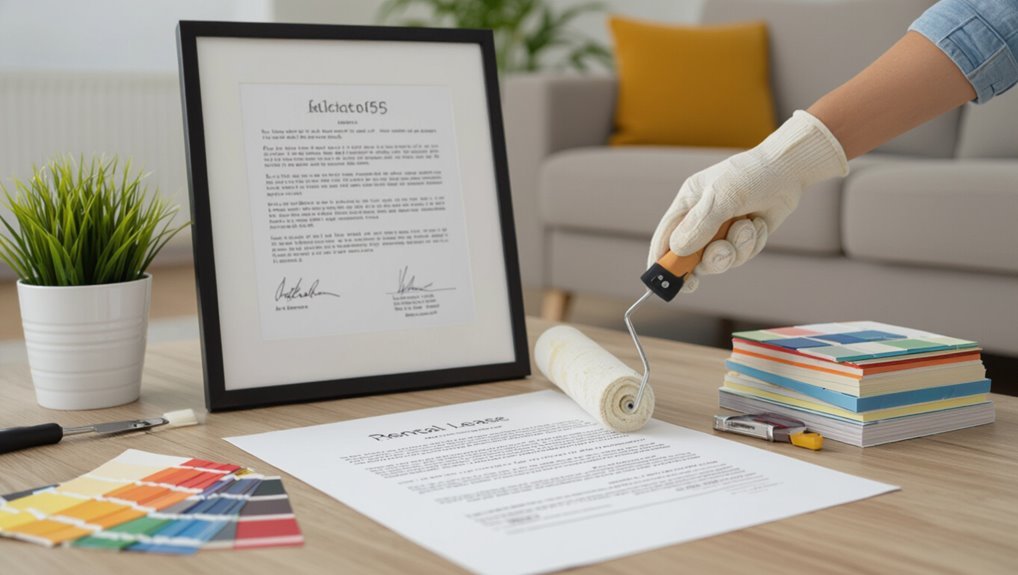
Can you legally paint apartment walls? You should check your lease and local tenant rights before altering paint.
Many landlords allow minor changes if you follow clear painting guidelines: get written permission, use neutral colors, repair on move-out, and hire pros for major work.
If denied, document requests and consider mediation or local tenancy resources to protect your rights.
Quick Answer and What To Do First
Wondering what to do first? Check your lease and talk to your landlord to confirm painting permissions before buying paint.
Measure walls, pick durable finishes, and test small swatches to see actual color.
Prioritize neutral color choices if you want easy approval and smoother move-out.
Document any agreement in writing, including who restores the original paint and timelines.
How Lease Agreements Typically Treat Painting and Alterations
Check your lease for specific clauses that restrict painting or other alterations, since many agreements either ban changes or require landlord approval.
If permission’s needed, you’ll typically have to get written approval and follow any conditions they set.
Also note that unauthorized painting can cost you part or all of your security deposit to restore the unit.
Lease Clause Restrictions
Because your lease is the legal roadmap for what you can and can’t change, it usually spells out painting and alteration rules in clear, specific clauses.
Read lease agreement clauses closely so you know limits on colors, surface changes, and restoration duties. Those clauses define tenant responsibilities, fines for unauthorized work, and required restoration to original condition when you move out—so follow them carefully.
Permission And Approvals
After you’ve read the lease clauses on painting and restoration, the next step is getting clear on permission and approvals.
You should request written consent before altering walls, outline colors and methods, and agree who restores finishes.
Use lease negotiations to secure allowances or pre-approval, and keep landlord communication documented.
If denied, respect the decision or negotiate alternatives like removable paint or renter-friendly options.
Security Deposit Implications
When you paint or make other visible alterations, your security deposit can become the landlord’s leverage for covering repainting or repairs.
So get clear on who’s responsible for returning the unit to its original condition and whether normal wear and tear applies.
Read your lease for security deposit considerations, document preexisting conditions, get written permission for color changes, and agree in writing how painting impact will be handled to avoid disputes.
When You Must Get Written Landlord Permission
If your lease or building rules mention paint, you’ll need written permission before making any color changes or significant wall alterations.
You should submit a written request and follow landlord policies when any of these apply:
- Bold or non-neutral color choices visible from outside.
- Permanent alterations like textured finishes or paneling.
- Painting shared areas or surfaces affecting fire/safety ratings.
How To Ask for Permission (Email Template)
When you email your landlord, clearly state what walls you want to paint and why.
Offer a restoration plan that explains how you’ll return the space to its original condition if needed.
Include one or two sample color choices (with brand/name and swatch codes) so they can approve quickly.
State Your Intentions
Want your request to get a quick yes? State your intentions clearly: use intent clarity and strong communication strategies so your landlord trusts the plan.
Outline what you’ll paint, timeline, and materials.
- Color and exact walls
- Start/end dates
- Paint type and safety
Keep the email brief, polite, and specific to speed approval.
Offer Restoration Plan
After you’ve clearly stated what you’ll paint and the timeline, reassure your landlord by offering a concise restoration plan that shows you’ll return the unit to its original condition. Explain restoration techniques, estimated costs, and paint removal steps. Include a simple table:
| Task | Responsibility |
|---|---|
| Prep | You |
| Repaint/Removal | You |
| Final Inspection | Landlord/You |
Provide Sample Colors
Include 3–5 specific paint swatches in your email so your landlord can visualize the change; list brand, color name, and sample codes (e.g., Sherwin‑Williams SW 7008) and attach photos or links to the exact swatches you’ll use.
Use color psychology and trending shades to justify choices.
Provide samples:
- Living room: warm neutral
- Bedroom: calming blue
- Accent: muted terracotta
What Landlords Commonly Allow Without Approval
While policies vary, landlords typically let you make minor, reversible changes without asking—things like painting a single accent wall in a neutral tone, hanging picture hooks, or using removable wallpaper and command strips. You should still respect landlord preferences and meet tenant responsibilities like patching holes and restoring original paint when moving out.
| Allowed | Typical Limits | Notes |
|---|---|---|
| Accent wall | Neutral colors | Check lease |
| Hooks | Small holes | Use anchors |
| Removable wallpaper | Temporary | Test surface |
| Command strips | Weight limit | Remove cleanly |
| Touch-ups | Matching paint | Keep receipts |
Painting Rules by Rental Type: Studio, Condo, Duplex
If you live in a studio, you’ll often face stricter color and finish limits since every change affects the whole space.
In condos, you’ll need to check HOA rules and get written approval for anything that alters shared systems or exterior-facing walls.
Duplexes can be a mix—confirm whether your unit’s lease or the neighboring owner’s agreement restricts paint choices before you start.
Studio Painting Limits
Because studios pack living, sleeping, and cooking into one room, painting rules tend to be stricter than in larger rentals. You’ll often face limits on color changes, finishes, and surface prep.
You’ll balance studio aesthetics and color psychology while following landlord rules. Consider:
- Accent wall only
- Low-VOC paints
- Repaint to original shade before moving out
Duplex And Condo Rules
Moving from a studio’s tight rules to duplexes and condos, you’ll find a wider range of painting policies tied to ownership structure and HOA or landlord agreements.
For duplex considerations, ask the owner about shared walls, exterior color rules, and neighbor impact.
For condo policies, check your HOA covenant, get written approval for colors, and confirm restoration requirements before you paint.
Building & HOA Painting Restrictions
When you rent in a building governed by an HOA or management company, you’ll often face specific rules about paint colors, finishes, and whether you can alter exterior or common-area walls.
These rules protect uniformity and property values but can limit personal choices. Check building regulations and HOA guidelines, then visualize limits:
- Neutral hallway palette
- Matching exterior trims
- Approved finish samples
Ask for written approval before painting.
How Local Laws and Tenant Rights Influence Repainting
You should always check whether your lease or local laws require landlord permission before painting.
Know that security deposit deductions can cover restoring walls, so ask about acceptable colors and filing requirements.
Also review local painting regulations—like lead-paint rules or permitting—to avoid fines or liability.
Landlord Permission Requirements
Because local laws and lease terms set the boundaries, you should always check both before repainting an apartment—some cities require landlord consent for any alterations, while others protect tenant rights to make cosmetic changes with notice or restoration on move-out.
Follow landlord policies and communicate clearly:
- Ask in writing.
- Propose colors and timeline.
- Offer to restore or document condition.
Security Deposit Deductions
If local law limits what landlords can charge for wear and tear, you should know how repainting affects your deposit before you start—many jurisdictions distinguish normal paint fading from tenant-caused damage and bar deductions for routine touch-ups.
You should document preexisting conditions, get written permission for color changes, and understand security deposit rules so painting consequences won’t be unfairly withheld at move-out.
Local Painting Regulations
How do local laws shape what you can paint and who pays for it? You must follow painting guidelines and respect tenant rights; rules vary by city.
Check lease and local code, get written permission, and document colors.
- City ordinances
- Lease clauses
- Deposit protections
Knowing obligations helps you avoid disputes, fines, or withheld deposits.
What To Expect in a Landlord’s Response and Negotiation Tips
When you ask to paint, expect a range of responses from quick approval to firm denial, depending on your lease, the landlord’s policies, and the building’s condition.
Stay ready to explain your plan, offer to restore the original color, or propose a security deposit to ease their concerns.
Use clear landlord communication and concise negotiation strategies: be polite, present samples, set timelines, and offer written agreements to protect both sides.
Common Landlord Objections and How To Address Them
Because landlords juggle maintenance, resale value, and building rules, you’ll usually face a few predictable objections when asking to paint: concerns about damage, nonstandard colors, paint quality, and future repainting costs.
Address landlord concerns with clear negotiation strategies:
- Promise professional prep/cleanup.
- Offer neutral or approved swatches.
- Commit to repainting to original color on move-out.
Choosing Paint Colors Smartly to Protect Your Deposit
Want to keep your deposit while still personalizing your space? Pick colors with color psychology in mind: calming shades sell better than bold experimental hues.
Favor neutral tones for main walls and add removable accents—peel-and-stick wallpaper or framed art—to inject personality.
Test swatches under different lighting, document original paint with photos, and agree with your landlord in writing to avoid disputes when you move out.
Best Paint Types for Rental Walls: Sheen, VOCs, Durability
Although you may have strong color preferences, choosing the right paint type matters more for rentals: pick a durable, low-VOC formula with a forgiving sheen so you can clean scuffs, meet landlord rules, and avoid headaches at move-out.
Consider these quick guides:
- Eggshell — subtle sheen options, easy touch-ups.
- Satin — balanced paint finishes, good durability ratings.
- Semi-gloss — low VOC levels, best for trim.
Temporary Paint Solutions: Removable, Peel-and-Stick, and Chalk
If you want color without risking your deposit, removable wallpaper and peel-and-stick panels give you bold results that come off cleanly.
You can also use chalk paint techniques on furniture or small accent areas for a matte, erasable finish that’s renter-friendly.
Try samples first to make sure adhesion and removal work on your specific walls.
Removable Wallpaper Options
Several easy, temporary options let you change apartment walls without risking your deposit: peel-and-stick wallpaper, removable paint films, and chalk-based coatings.
You can use removable wallpaper for bold, temporary designs that peel off cleanly.
Visualize options:
- Large floral peel-and-stick panels
- Geometric removable film strips
- Faux brick temporary wallpaper tiles
Choose based on texture and ease.
Chalk Paint Techniques
Try chalk paint when you want a temporary, low-commitment finish that’s easy to apply and remove. You’ll love chalk paint benefits: matte texture, quick drying, minimal prep. For chalk paint applications, use it on trim, furniture, accent walls, or sample patches. Quick table:
| Surface | Prep | Durability |
|---|---|---|
| Trim | Light sand | Moderate |
| Furniture | Clean | High |
| Walls | Primer optional | Temporary |
| Samples | None | Very temporary |
Prep Work Renters Can Do That’s Typically OK
1 smart step you can take before painting is focus on prep that’s reversible and landlord-friendly.
Use renter friendly tips and simple prep techniques:
- Clean walls with mild detergent to remove grime.
- Use painter’s tape on trim and outlets for crisp lines.
- Lay drop cloths to protect floors and fixtures.
These actions keep changes temporary and minimize landlord concerns.
How To Patch and Repair Holes Before Repainting
Start by evaluating the damage so you know what materials and tools you’ll need: small nail holes, larger anchor holes, and dents each require different fixes. Clean, sand, and prioritize surface preparation. Use appropriate hole filling—spackle for small, patch kits for large. Finish by sanding smooth and priming.
| Tool | Repair | Dry time |
|---|---|---|
| Spackle | Small holes | 30 min |
| Patch kit | Large holes | 24 hr |
| Sandpaper | Smooth | 10 min |
Painting Techniques That Minimize Damage and Cleanup
When you paint with the right tools and a few protective habits, you’ll cut down on damage and make cleanup fast:
- Lay drop cloths, tape edges precisely, and use small trays for spills.
- Try sponge painting for controlled texture — dab, don’t swipe, to avoid splatter.
- Use color blocking with painter’s tape for clean lines; peel tape slowly to prevent peeling.
How To Paint Trim, Doors, and Ceilings in a Rental
Painting trim, doors, and ceilings in a rental calls for a careful, tenant-friendly approach: use low-VOC paints, test primers, and limit changes to removable surfaces.
For trim painting techniques, tape precisely, cut edges with a sash brush, and use thin coats.
Choose neutral ceiling color choices to keep approvals simple, roll from center outward, and protect floors and hardware.
Repainting Back to Original: Exact-Match Color Strategies
Want to make the wall look exactly like it did when you moved in? Use precise color matching: take paint samples, photograph in daylight, and visit a store.
Want the wall to match move-in condition? Sample, photograph in daylight, and get an exact paint match.
Follow this simple checklist:
- Match sheen and brand.
- Test tiny swatches on the wall.
- Blend edges after drying.
You’ll restore the original appearance and avoid noticeable patches at move-out.
Documenting Changes to Avoid Disputes at Move-Out
If you document every alteration—photos, dated notes, and receipts—you’ll have clear evidence to counter disputes at move-out. Keep a simple log, back up images, and share records with your landlord before move out inspections. Use consistent timestamps and labels to prove condition and authorize repairs.
| Date | Item | Proof |
|---|---|---|
| 03/12 | Paint touch-up | Photo |
| 04/01 | Patch repair | Receipt |
| 04/15 | Final check | Timestamp |
How Painting Can Affect Your Security Deposit
Keeping detailed records of any paint work helps protect your deposit, because landlords will look for changes that exceed normal wear and tear. You should photograph, save receipts, and note dates so you can contest unfair deductions.
Document paint work—photos, receipts, dates—to prove normal wear and contest unfair deposit deductions.
Common painting consequences include color mismatch or damaged walls. Imagine:
- Fresh, even coat
- Patchy spots
- Drips and trim damage — all affect security deposit.
When It’s Better to Hire a Pro Versus DIY in Rentals
When you weigh time, skill and risk, deciding between hiring a pro and tackling a rental paint job yourself becomes straightforward: choose DIY for quick touch-ups and low-risk color changes, but call a professional for large surfaces, tricky ceilings, textured walls, or when the lease forbids mistakes that could cost your deposit.
You’ll favor DIY Pros for speed; Hiring Professionals protect deposits and deliver flawless results.
Cost Checklist: Paint, Supplies, Labor, and Time
Before you start, figure out what you’ll spend on paint and primer so you know if the project fits your budget.
Add supplies like rollers, tape, and drop cloths, and factor in any labor costs if you’re hiring help.
Finally, estimate how much time the whole job will take so you can plan around move-in/out deadlines or landlord rules.
Paint And Primer Costs
Budgeting for paint and primer means more than just picking colors—you’ll need to account for product quality, coverage, and the supplies and labor that turn cans into finished walls.
Consider paint quality and budget considerations when estimating costs:
- Premium paint: better coverage, higher price.
- Primer: essential for tough surfaces.
- Touch-ups: small cans for longevity.
Supplies, Labor, Time
Supplies, labor, and time can make or break your paint project, so you’ll want a clear checklist before you start.
List paint, primer, brushes, rollers, tape, drop cloths, and patching supplies.
Estimate hours for prep, cutting in, and coats, then use painting techniques to speed work.
Get multiple quotes for labor and refine cost estimation to avoid surprises.
Frequently Asked Questions
Can I Paint Murals or Large-Scale Artwork on Apartment Walls?
You can, but you’ll need permission and to follow murals guidelines from your landlord; you’ll protect surfaces, use removable or low-impact methods, and balance artistic expression with lease terms, neighbor concerns, and proper cleanup or restoration.
Are There Rules for Painting Shared Spaces Like Hallways or Stairwells?
Yes — you’ll need permission: shared space regulations often require landlord or HOA approval, and you’re responsible for damages; tenant responsibilities include getting written consent, following design rules, and restoring areas when your project’s done.
Will Painting Affect My Renter’s Insurance Coverage or Claims?
Generally, no — painting usually won’t void renter’s liability coverage, and it rarely affects insurance claims unless you cause damage or violate lease terms. You should document changes and notify your insurer and landlord to avoid disputes.
Can I Use Textured or Specialty Finishes (Metallic, Plaster) in Rentals?
Think Michelangelo in miniature: you can use textured finishes or specialty paints if your landlord agrees, you follow installation and removal rules, and you document everything—otherwise stick to reversible, low-damage options to avoid disputes.
Are There Restrictions on Painting Exterior-Facing Walls or Balconies?
Yes — you’ll often face exterior color restrictions and need landlord approval for balcony painting; you’ll also follow balcony maintenance considerations like waterproofing, safety compliance, and approved materials, or the landlord may require professional work.
Conclusion
So, can you paint apartment walls? Often yes — but check your lease, ask first, and get permission in writing. Think of painting like secret archaeology: uncovering the apartment’s true potential without erasing its original story. Document everything, restore colors if required, and weigh DIY vs. pro costs. Do that, and you’ll protect your deposit while crafting a space that feels like yours — responsibly, cleverly, and with a little curiosity.
