
What Is the Difference Between Flat and Matte Paint? Explained
You’ll pick flat paint when you want a non-reflective, velvety finish that hides flaws best and soaks up light, ideal for low-traffic rooms and ceilings; it’s less durable with repeated cleaning. Matte gives a similar soft look but picks up a touch more light and texture, stands up better to gentle wiping, and works well in living spaces where you want style with slightly more resilience. Keep going to see pros, prep tips, and maintenance advice.
Flat or Matte Paint: Quick Answer
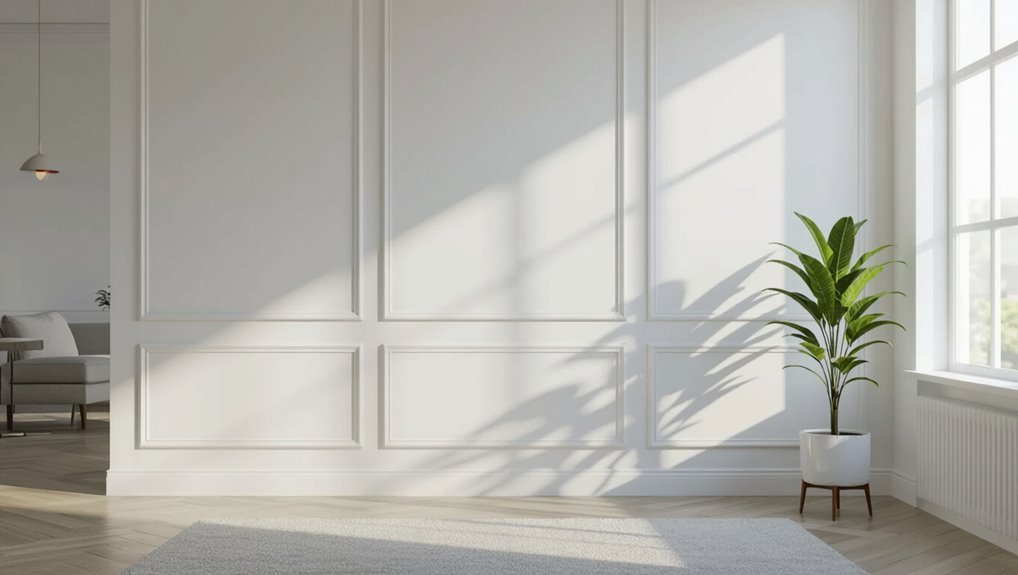
Flat and matte paint are fundamentally the same: both give a non-reflective, smooth finish that hides surface imperfections, so you’ll often see the terms used interchangeably.
You’ll choose between brands by durability, cleaning needs, and available color options.
Use gentle application techniques—consistent brush or roller strokes and thin, even coats—to avoid lap marks and guarantee uniform, long-lasting coverage.
What Flat Paint Is and Key Traits
Flat paint gives you a low-sheen finish that doesn’t reflect light.
It’s great at hiding surface imperfections, so walls look smoother without extensive prep. You’ll also find touch-ups blend in well, making maintenance simple.
Low Sheen Finish
Although it doesn’t reflect much light, a low-sheen finish gives walls a soft, velvety look that hides imperfections better than glossier paints.
You’ll appreciate low sheen benefits like subtle depth, easier cleaning, and modest durability.
Use it in living rooms, hallways, and trim where low sheen applications balance elegance with practicality.
It’s forgiving yet slightly more resilient than flat.
Surface Imperfections Hiding
When you want walls that hide bumps, cracks, and brush marks, choose flat paint: it’s a non-reflective, low-luster finish that masks surface flaws by scattering light instead of bouncing it back.
You’ll notice improved concealment of uneven surface texture because flat paint increases light absorption rather than reflection, so minor imperfections become far less visible without drawing attention to the wall.
Durable Touch-Ups
1 key thing to know about durable touch-ups is that flat paint tends to hide repairs better than shinier finishes, but it isn’t as forgiving for cleaning or repeated scrubbing.
You’ll face durability concerns when high-traffic areas need frequent wiping.
Use subtle maintenance tips: keep touch-up paint handy, blend edges quickly, and limit abrasive cleaners to preserve finish and match.
What Matte Paint Is and Key Traits
Matte paint gives walls a soft, non-reflective finish that hides minor surface imperfections and creates a smooth, contemporary look.
Matte paint creates a soft, non-reflective finish that conceals imperfections for a smooth, contemporary look
You’ll appreciate matte finish characteristics and matte paint benefits for relaxed, elegant rooms. It’s forgiving, low-glare, and pairs well with textured decor.
- Hides flaws better than glossier options
- Subtle, modern aesthetic
- Easier touch-ups without obvious seams
Sheen and Light: Flat vs Matte Paint
When you compare flat and matte paints, you’ll notice flat reflects less light while matte gives a subtle soft sheen.
That difference affects how visible surface imperfections are—flat hides flaws best, while matte can gently reveal texture.
Consider using flat in low-traffic, flaw-prone areas and matte where you want a bit more depth without high shine.
Light Reflection Differences
Because flat and matte finishes handle light differently, you’ll notice changes in room brightness and perceived texture depending on which you choose.
You’ll see that flat paints increase light absorption, muting glare, while matte offers subtle diffusion for softer highlights.
Consider these practical effects for aesthetic choices:
- Flat: lowers reflected glare.
- Matte: softens specular highlights.
- Lighting: affects tone and depth.
Surface Imperfections Visibility
Light behavior doesn’t just change brightness—it also alters how surface flaws look. You’ll notice flat paint masks imperfection types better by scattering light, while matte still hides flaws but can reveal rough surface texture under strong angles. Choose based on lighting.
| Finish | Visibility |
|---|---|
| Flat | Low |
| Matte | Medium |
| Gloss | High |
| Satin | Moderate |
Best Room Applications
If you want a calm, forgiving finish in low-traffic spaces, flat paint works best; it absorbs glare and hides flaws, so bedrooms and ceilings benefit from its soft look.
You’ll choose matte for living room scenes, accent walls, or children’s spaces when you want modern aesthetics or vintage charm and strong color psychology.
- bedroom tranquility and calm
- artistic expression on feature walls
- durable, forgiving kid-friendly finishes
Durability and Cleanability Compared
When you compare durability and cleanability, matte and flat paints show clear differences: matte finishes resist scuffs and stand up better to gentle wiping, while flat paints tend to absorb dirt and can wear away with repeated cleaning.
For a clear durability comparison, choose matte in higher-traffic areas and use appropriate cleaning techniques—soft cloths, mild detergents, and light pressure—to preserve finish.
Which Finish Hides Flaws Better
When you’re choosing between flat and matte, think about how well each finish hides imperfections.
Flat paint usually masks bumps and nail holes better, while matte still shows some surface texture.
Consider the room and lighting, since brighter light will make texture more noticeable.
Hides Imperfections Best
Because flat paint absorbs light instead of reflecting it, it does the best job of hiding surface flaws.
So you’ll notice fewer bumps, scratches, and patchy areas compared with matte or shinier finishes. You should consider texture contrast and careful application techniques to maximize concealment.
- Choose flat in high-traffic rooms
- Prep surfaces thoroughly
- Use consistent strokes and thin coats
Surface Texture Visibility
Although both flat and matte finishes can mask some irregularities, flat paint usually hides surface texture better because it soaks up light rather than reflecting it, making bumps and minor blemishes less noticeable.
When you do a texture comparison, you’ll see flat minimizes surface reflections and disguises imperfections, while matte offers slightly more sheen.
Best Rooms for Flat Paint
If you want a soft, forgiving finish that hides wall imperfections, flat paint works best in low-traffic, low-moisture rooms like bedrooms, formal living rooms, and ceilings.
You’ll control color selection, texture options, lighting effects, and room ambiance while keeping maintenance minimal.
Consider these spots:
- Bedrooms for restful, even tones
- Formal living rooms for subtle elegance
- Ceilings to minimize flaws and glare
Best Rooms for Matte Paint
Matte paint works great in low-traffic living spaces where you want a soft, sophisticated look without worrying about scuffs.
You’ll also find matte is ideal for ceilings because it hides imperfections and keeps glare down.
In bedrooms, matte creates a cozy, restful atmosphere that’s easy on the eyes.
Low-Traffic Living Spaces
Many homeowners pick matte paint for low-traffic living spaces because it hides imperfections, creates a soft, cozy feel, and lets furniture and art take center stage.
You’ll appreciate how matte supports living room aesthetics and simplifies color selection.
Consider these spots for matte finishes:
- Formal sitting areas
- Reading nooks
- Home offices with light use
Ceilings And Bedrooms
Ceilings and bedrooms are ideal places to use matte paint because it reduces glare, hides surface flaws, and creates a calm, cozy atmosphere that helps you relax.
You’ll boost ceiling aesthetics without highlighting imperfections, and matte finishes deepen bedroom ambiance for restful nights.
Matte also minimizes reflections from lights, so you can create a soft, uniform look that feels intimate and finished.
Best Sheens for Trim, Doors, and Ceilings
When you want trim, doors, and ceilings to stand out or hold up to wear, choosing the right sheen matters—each surface benefits from a different level of gloss because of durability and how light reflects.
You’ll pick based on trim colors, door finishes, ceiling styles, paint textures, sheen preferences, and maintenance tips.
- Semi-gloss for trim
- Satin for doors
- Flat/eggshell for ceilings
How to Paint Flat Finishes: Prep and Tools
You’ve chosen flat paint for areas where low sheen and subtle texture matter, so proper prep and the right tools will make the finish look its best.
Focus on surface preparation: clean, repair, and sand lightly.
For painting techniques, use a high-quality nap roller and angled brush.
Prioritize tool selection that minimizes marks, and apply thin, even coats for smooth finish application.
How to Paint Matte Finishes: Prep and Tools
Start by treating matte surfaces like a slightly more forgiving cousin of flat: clean the area, fill any dents or nail holes, and sand smooth where needed so the low-sheen finish won’t highlight imperfections.
You’ll use preparation techniques, essential tools, and application methods tailored for matte paints. Consider finish comparison when choosing products.
- Use degreaser and fine sandpaper
- Select a high-quality roller and brush
- Apply thin, even coats
How Sheen Changes Color Perception
Although sheen is often thought of as just shine, it actively changes how you see color by altering light reflection and surface texture.
You’ll notice gloss makes hues appear brighter and more saturated, while matte mutes and softens tones.
Understanding sheen impact helps you choose finishes that match color psychology goals—calming, cozy, or vibrant—so your space communicates the desired mood.
Cost, Touch-Ups, and Repainting Frequency
1 clear difference between flat and matte finishes shows up in cost and upkeep: flat paint usually costs a bit less per gallon but hides imperfections better, while matte (often marketed as “eggshell” or “low-luster”) can be pricier and may need more careful touch-ups.
You’ll want:
- cost comparison: choose based on budget and room use.
- touch up techniques: blend edges, keep sample cans.
- repainting schedule & maintenance tips: high-traffic areas sooner.
Quick Decision Checklist: Pick Flat or Matte
Need a quick answer? Use this checklist for color selection and finish comparison to choose flat or matte based on room use, lighting, and maintenance.
| Room | Lighting | Recommended Finish |
|---|---|---|
| Bedroom | Low | Matte |
| Hallway | Variable | Flat |
| Kitchen | Bright | Matte |
| Living room | Moderate | Flat |
Frequently Asked Questions
Are Flat and Matte Paint VOC Levels Different?
Yes — they can differ: you’ll find varying VOC emissions between flat and matte paints, affecting health impact; you’ll choose application techniques accordingly, and you’ll weigh durability comparison when selecting the lower‑VOC, longer‑lasting option.
Can I Mix Flat and Matte Paints for Custom Sheens?
Yes — you can mix flat and matte paints to create subtle sheen variations; testing ratios and stirring thoroughly are essential, and using proper mixing techniques prevents texture issues, so you’ll achieve consistent custom sheens reliably.
Do Flat or Matte Paints Require Special Primers?
Yes — you should use primers matching primer compatibility and finish: high-quality universal or alkyd primers work well with flat or matte paints. You’ll guarantee proper surface preparation, adhesion, stain blocking, and a uniform final appearance.
Which Finish Is Better for Exterior Surfaces?
Think of armor: you’ll usually pick matte for exterior surfaces since its durability comparison favors better weather resistance and easier cleaning; flat hides imperfections but chips sooner, so matte’s resilience typically serves outdoors best.
How Do Flat and Matte Paints Affect Room Acoustics?
Flat and matte paints minimally affect room acoustics; you’ll get slight acoustic absorption from matte textures, but most sound reflection remains, so they won’t replace proper absorbers like panels, carpets, or heavy drapes for noise control.
Conclusion
Choose matte when you want a soft, low-reflective finish that hides wall flaws and feels cozy; pick flat only if you prioritize the absolute least sheen and won’t need frequent cleaning. You might worry matte still stains — it can, but modern high-quality matte paints are surprisingly durable and scrub-resistant compared with older formulas. With sensible prep, the right tools, and a premium matte product, you’ll get the look you want without sacrificing longevity.
