
When to Peel Tape After Painting for Clean Sharp Lines
You should peel painter’s tape when the paint is tacky — not wet and not fully cured — so edges pull clean without lifting or smudging. Wait until edges feel set, then pull slowly back on itself at a 45° angle with steady tension. With water‑based paints and smooth surfaces you can remove tape sooner; oil‑based or textured surfaces need longer. Score high‑tack tape on delicate surfaces. Keep going for tips on timing, fixes, and surface prep.
Quick Answer: When to Peel Painter’s Tape?
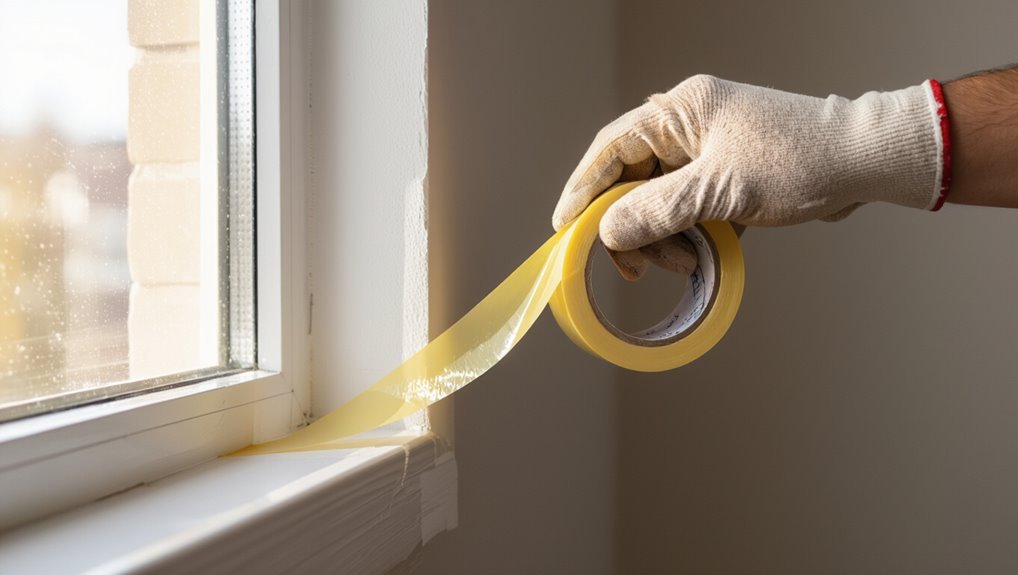
How soon should you peel painter’s tape?
You should remove tape removal gently when paint’s surface’s tack lessens but before full curing, preventing tears and lifting.
You’ll aim for a balance: wait until paint adhesion has set enough to pull intact, yet not so long that the tape bonds.
Peel slowly at a 45-degree angle to protect edges and lines.
Timing Checklist: Wet, Tacky, Dry, Cured
Because paint goes through distinct stages, you’ll want to match tape removal to the film’s condition—wet, tacky, dry, or fully cured.
Match tape removal to the paint stage—wet, tacky, dry, or fully cured—for best results.
For wet paint, remove tape immediately to avoid lifting; with tacky surfaces, wait until edges hold.
Dry tape removal usually works after hours, while fully cured paint may need careful cutting.
Consider tape types and paint finishes when timing removal.
Peeling Painter’s Tape at the Tacky Stage
When the paint is tacky, you should peel the tape to get the sharpest edges without lifting dried paint.
Angle the tape back on itself and pull slowly along the surface for a clean release.
Timing is key—too soon smudges, too late flakes—so aim for that tacky window.
Peel While Tacky
If the paint’s surface still feels tacky but the edges have set, peel the tape gently back on itself at a 45-degree angle to get the cleanest line without lifting wet paint.
You should choose tape selection that matches drying time and surface; good tape minimizes paint adhesion problems.
Work slowly, keep steady tension, and stop if you see lifting so you can adjust.
Angle And Pull Technique
After you’ve confirmed the paint has set at the edges but is still tacky, angle the tape back over itself at about 45 degrees and pull slowly and steadily; this keeps the blade of the tape cutting through the paint film instead of lifting it.
Use consistent angle techniques and steady pull methods, keeping tension low and speed uniform so the paint peels cleanly without jagged edges.
Timing For Clean Lines
Because the tape should come off while the paint is still slightly tacky, peel it as soon as the edges feel set but the center hasn’t fully hardened; this timing helps you get crisp, paint-to-tape lines without tearing or lifting.
You’ll reduce paint bleeding by removing tape before full cure, balancing tape adhesion so it releases cleanly—steady, slow pull at a low angle preserves sharp edges.
When to Wait: Removing Tape After Full Cure
When paint needs its full cure to reach maximum hardness and adhesion, you should wait before pulling off the tape so you don’t risk lifting edges or leaving sticky residue.
Monitor cure time, understand tape adhesion versus paint interaction, and keep environmental conditions stable.
Remove tape slowly at a low angle after recommended cure to protect sharp lines and prevent film separation or tack transfer.
How Paint Type Changes Painter’s Tape Timing
If you’re using water-based paints like latex or acrylic, you can usually remove painter’s tape sooner because they dry faster and form less aggressive bonds to tape.
Oil-based and alkyd paints, however, cure slowly and often demand longer tape dwell times to avoid lifting or tearing the film.
Check paint adhesion before peeling, choose tape compatibility with the paint type, and test a small edge.
How Surface And Tape Type Affect Removal Timing
Paint type matters, but the surface you’re working on and the tape you choose matter just as much for removal timing.
Paint choice matters, but surface texture and tape selection are equally crucial for when and how to remove it.
You’ll adjust peel timing based on tape adhesion and surface texture:
- Smooth drywall — lower tape adhesion, peel sooner.
- Textured walls — higher adhesion, wait longer.
- Delicate surfaces — use low‑tack tape, remove quickly.
- Metal or glass — strong adhesion; score edges before peeling.
How To Remove Tape For Razor‑Sharp Edges
Although timing and tape choice set you up for success, the final peel determines how crisp your line looks. So pull the tape back slowly at a 45-degree angle while the paint is just dry to the touch.
You’ll test tape adhesion on a scrap, confirm paint compatibility, lift steadily toward the painted side, and avoid jerks to preserve the edge for a razor-sharp finish.
Tools And Tricks To Prevent Paint Pull‑Up
1 simple habit and a handful of tools will drastically cut paint pull‑up when you remove tape. You’ll focus on improving paint adhesion and smart tape selection.
Use these reliable items and steps:
- Clean surface with degreaser.
- Use low‑tack painter’s tape.
- Score edge with a blade.
- Peel at 45° while warm.
These cut lifting and protect edges.
Fixes For Jagged, Bleeding, Or Fuzzy Edges
Even with clean surfaces and careful taping, you’ll sometimes end up with jagged edges, bleeding, or fuzzy edges—and that’s fixable.
You can sand and recoat to tidy fuzzy lines, use a razor to trim raised paint, and apply a thin glaze or sealant for edge control.
Review tape application, paint types, and surface preparation, and practice gentle removal techniques to prevent repeat bleeding paint.
Quick Tips For Multi‑Color Edges And Stripes
When you’re painting multi‑color edges or stripes, plan your sequence and tape lines so each color has clean drying time before you mask for the next; that means painting the lightest or most fragile color first, letting it fully cure, then using low‑tack tape and a crisp edge technique to add the next hue.
- Use low‑tack tape.
- Seal edges with basecoat.
- Wait full cure.
- Peel slowly for clean stripe patterns and multi color techniques.
Common Tape‑Line Mistakes And How To Avoid Them
If your tape lines keep bleeding or tearing paint, it’s usually down to surface prep, tape choice, or pull timing—fix those three and you’ll avoid most mistakes. You should learn tape application, spot common errors, focus on line precision, surface adhesion, edge definition, tape types, and removal techniques to prevent paint bleeding.
| Mistake | Fix |
|---|---|
| Poor adhesion | Clean surface |
| Wrong tape | Match tape types |
| Late removal | Pull timely |
| Wet paint | Score edge |
| Thick coat | Thin coats |
Surface Prep And Storing Painter’s Tape For Future Jobs
Before you tape, make sure the surface is clean, dry, and free of dust or grease so the tape sticks properly.
Use smooth, even pressure when applying tape and press the edges down to prevent paint bleed.
After the job, store unused tape in a cool, dry place away from sunlight and seal the roll in plastic to keep it fresh for your next project.
Surface Cleaning Essentials
Because a clean surface lets tape stick properly, start by wiping walls, trim, and baseboards with a damp cloth to remove dust, grease, and cobwebs.
Use surface preparation and simple cleaning techniques so tape adheres and paint lines stay sharp.
- Degrease high-touch areas
- Remove loose paint
- Dry thoroughly
- Keep tape dry and dust-free before storing
Tape Application Tips
When you prep the surface and store tape correctly, your painter’s tape will stick cleanly and come off without tearing paint or leaving residue.
Check surface compatibility—wipe, dry, and repair imperfections so tape adhesion is reliable.
Apply tape with steady pressure, avoiding stretching. Press edges down firmly to prevent bleed.
Label unused rolls and keep them dry for future jobs.
Storing Tape Properly
If you want your painter’s tape to perform reliably on the next job, store it clean, dry, and out of direct sunlight so the adhesive doesn’t harden or yellow.
You’ll extend tape longevity with proper tape storage. Follow steps:
- Keep rolls upright in a sealed container.
- Avoid extreme temperatures.
- Label by open date.
- Inspect before use and discard if tacky or brittle.
Frequently Asked Questions
Can I Reuse Painter’s Tape After Removing It From a Project?
You can sometimes reuse painter’s tape if its tape adhesion remains strong, but you’ll shorten tape longevity. Test a small strip first; if adhesive’s compromised or dusty, don’t reuse it—discard and use fresh tape for best results.
Will Painter’s Tape Damage Wallpaper or Textured Surfaces?
Yes — but carefully: think of tape as a cautious climber, testing grip. You’ll balance tape adhesion against surface compatibility; on delicate wallpaper or textured walls, weaker adhesives or short-term use prevent tears and residue.
Can I Use Painter’s Tape Outdoors in Direct Sunlight?
Yes—you can use painter’s tape outdoors in direct sunlight, but tape adhesion can weaken from heat, UV, and outdoor conditions; you’ll want high-UV, outdoor-rated tape, press it firmly, and remove it before prolonged sun exposure.
How Long Can I Leave Paint-Covered Tape Before Disposal?
You can leave paint-covered tape up to several weeks if tape adhesion holds and paint durability’s solid, but longer risks residue and fading; check edges regularly, remove if lifting or brittleness appears to avoid cleanup headaches.
Are There Eco-Friendly Alternatives to Standard Painter’s Tape?
Yes — you can choose biodegradable options and support sustainable brands; you’ll find paper-based masking, low-residue natural rubber tapes, and compostable adhesive rolls from eco-friendly manufacturers that reduce waste and minimize harmful residues.
Conclusion
You’ll get the sharpest lines by removing painter’s tape while paint is still slightly tacky—usually 30–60 minutes after application—so you don’t pull dried paint away or leave jagged edges. Notably, studies show painters who remove tape within an hour report 40% fewer touch-ups, proving timing really matters. Prep surfaces, choose the right tape, and peel slowly at a 45° angle for clean, professional results every time.
