
How to Remove Dried Paint From Vinyl Safely and Easily
Start by identifying the paint type—latex softens with rubbing alcohol, oil/enamel won’t—then test a mild solvent on a hidden vinyl spot to check for damage. Gently lift softened paint with a plastic scraper or soft brush, using soapy water or isopropyl alcohol sparingly and rinsing thoroughly. Stop if the vinyl dulls or feels sticky. After removal, restore with a vinyl cleaner/restorer and protect seams; keep going to learn safer, step-by-step options.
Quick Steps: Safest First Actions to Remove Dried Paint From Vinyl
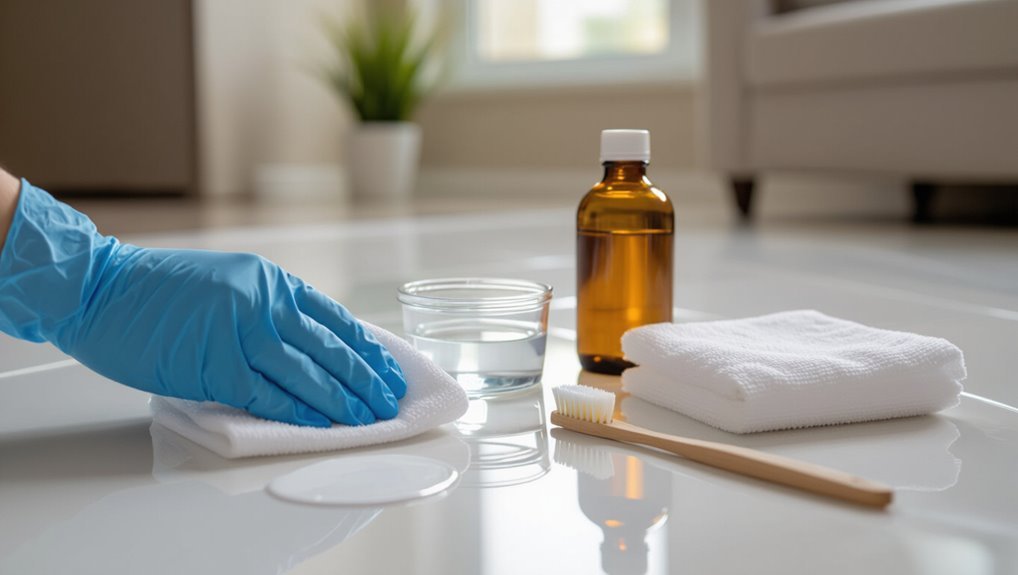
Start by evaluating the paint type and how long it’s been dry—water-based paints soften with moisture, while oil- or enamel-based paints need solvents.
Then test your chosen cleaner on an inconspicuous spot. You’ll gently lift flakes with a plastic scraper, dab with appropriate cleaner, blot—don’t rub—and rinse.
Follow paint removal techniques and vinyl care tips to avoid damage and repeat cautiously if needed.
How to Tell If the Paint Is Latex, Oil-Based, or Enamel
Wondering whether the paint is latex, oil-based, or enamel? You can use simple paint identification methods: rub a cotton swab with rubbing alcohol—latex softens, oil/enamel won’t.
Check sheen and odor: oil-based/enamel are glossier and smell stronger.
Inspect can labels or test a small scrape: flexible, water-soluble indicates latex; brittle, solvent-resistant suggests oil-based or enamel—those paint type characteristics guide removal.
Estimate Paint Age and Why It Matters for Removal
Because paint changes over time, you should estimate how long it’s been on the vinyl before you begin removal: you’ll judge paint characteristics (brittle, tacky, cracked) to predict removal challenges and choose methods. Visual cues and feel help.
| Age clue | What you see/feel |
|---|---|
| Fresh | Smooth, tacky |
| Weeks | Slightly firm |
| Months | Brittle, flaky |
| Years | Deeply cracked |
Test a Hidden Vinyl Spot Safely Before Cleaning
After estimating the paint’s age and texture, check a hidden area of the vinyl to make sure your chosen cleaner won’t harm the surface.
You should perform hidden spot testing for safe cleaning before broadly applying solvents. Use a small cotton swab, wait minutes, inspect for discoloration, and wash residue away.
Repeat with alternatives if needed.
- Choose an inconspicuous area
- Test with a swab
- Wait and observe
- Rinse residue
- Note results
Use Gentle Scraping and Soft Tools on Vinyl
When removing dried paint from vinyl, use nonmetallic scrapers so you don’t gouge the surface.
Pair them with soft-bristle brushes to loosen paint without abrading the vinyl.
Protect nearby areas with drop cloths or tape to avoid spreading residue or causing accidental damage.
Choose Nonmetallic Scrapers
Start with soft, nonmetallic scrapers to avoid gouging vinyl and making repair necessary. You’ll choose scraper types made from nonmetallic materials that lift paint without scratching.
Use firm, controlled strokes and test an inconspicuous spot first.
- Plastic putty knife
- Nylon razor
- Silicone scraper
- Flexible plastic card
- Rubber-edged tool
Use Soft Bristle Brushes
Reach for a soft-bristle brush to loosen dried paint without scratching the vinyl; its gentle fibers lift flakes and loosen edges so you can scrape less aggressively.
Use soft bristle brushes in short, controlled strokes, working outward from the paint edge. Rinse bristles often, avoid harsh pressure, and combine with mild solvent or soapy water as part of careful vinyl care to prevent damage.
Protect Surrounding Surfaces
Before you lift a scraper, cover the area around the paint with drop cloths or painter’s tape so solvent, flakes, and accidental tool slips won’t harm nearby surfaces.
Use vinyl protection methods and surface shielding techniques, and work gently with plastic scrapers and soft cloths.
- Use painter’s tape
- Lay drop cloths
- Test a small area
- Use plastic scrapers
- Wipe with soft cloth
Remove Dried Latex (Water-Based) Paint Step‑by‑Step
First check how old and thick the latex paint is so you know whether it’ll peel off or need a solvent.
Test a small, hidden spot with a mild solvent (like soapy water or rubbing alcohol) to make sure it won’t damage the vinyl.
If the test’s good, gently scrape with a plastic scraper and work from the edges toward the center.
Assess Paint Age
When you’re tackling dried latex on vinyl, the first thing to do is figure out how old and cured the paint is—newer paint softens and lifts more easily, while paint that’s been sitting for weeks or months often needs stronger methods.
Assess age to choose proper removal techniques and understand paint types.
- Inspect surface hardness
- Note cracking or flaking
- Time since application
- Thickness of layers
- Prior treatments
Test Solvent Compatibility
Since vinyl reacts differently to solvents, you’ll test compatibility on a hidden spot before treating visible areas.
Choose mild options—soapy water, rubbing alcohol, or a citrus-based remover—based on solvent selection.
Apply a small amount, wait five minutes, blot dry, and inspect for discoloration, softening, or tackiness.
Record results and proceed only with solvents that pass compatibility testing.
Gentle Scrape Techniques
Now that you’ve confirmed a safe solvent, you can remove dried latex paint with careful scraping to avoid gouging the vinyl.
Use gentle scraping and steady pressure for safe scraping and proper vinyl care. Work slowly, lift softened edges, and stop if vinyl resists. Finish with mild cleaner and soft cloth.
- Use a plastic scraper
- Soften paint first
- Hold scraper flat
- Scrape toward paint
- Rinse area
Remove Dried Oil-Based and Enamel Paint Step‑by‑Step
Start by gathering the right tools: gloves, a stiff plastic scraper, mineral spirits or paint thinner, clean rags, a soft-bristle brush, and a ventilated workspace or respirator.
Test solvent on an inconspicuous spot. Apply solvent sparingly, let soften, gently scrape, wipe residue, then wash with mild soap and water.
Follow paint removal techniques and vinyl care tips to avoid damage.
Household Solvents Safe for Most Vinyl Surfaces
When you need to remove paint without damaging vinyl, choose mild, household solvents that soften finishes without attacking the plastic—examples include isopropyl alcohol (70–90%), denatured alcohol, and acetone-free nail polish remover.
Use mild household solvents—like 70–90% isopropyl, denatured alcohol, or acetone-free remover—to lift paint without harming vinyl.
You’ll practice good vinyl care by testing hidden spots and using gentle wipes.
Common solvent types to try:
- Isopropyl alcohol
- Denatured alcohol
- Acetone-free remover
- Mild dish soap solution
- Rubbing alcohol pads
When to Use Commercial Paint Removers on Vinyl
Why would you reach for a commercial paint remover on vinyl? Use one when household solvents fail, paint is stubborn, or large areas need treatment.
Check commercial product effectiveness ratings and test a small, hidden spot to confirm vinyl surface compatibility.
Follow label instructions, wear protective gear, and rinse thoroughly.
Stop immediately if vinyl softens or discolors.
Remove Paint From Textured or Patterned Vinyl Without Harm
Because textured or patterned vinyl traps paint in crevices, you’ll need gentler, more precise techniques to lift it without damaging the finish.
Use soft tools, test solvents, and patience to remove paint from textured vinyl and patterned vinyl surfaces.
- Test in an inconspicuous spot
- Use a soft-bristled brush
- Apply mild solvent sparingly
- Work from edges inward
- Rinse and dry gently
Protect Vinyl Seams, Trim, and Nearby Surfaces While Cleaning
Start by protecting the seams so cleaner or scraped paint doesn’t seep into gaps and cause damage.
Use painter’s tape along seams and cover adjacent trim with plastic or drop cloths to shield nearby surfaces.
Work carefully so you’re removing paint without risking staining or gouging surrounding areas.
Protect Seams First
Before you tackle dried paint, protect the vinyl seams, trim, and surrounding surfaces so your cleaning won’t cause new damage.
You’ll focus on seam protection and basic vinyl care: prevent chemicals from seeping into joins, mask edges, and keep tools off fragile areas.
- Apply painter’s tape along seams
- Use low-adhesion film
- Cover trim with cloth
- Work with soft tools
- Test solvents elsewhere
Shield Adjacent Trim
Once seams and edges are masked, take steps to shield nearby trim and surfaces from tools, solvents, and paint flakes.
Use drop cloths, cardboard, or foam pads and secure edges with painter’s tape.
Apply paint shielding techniques like plastic sheeting for large areas and felt strips along joints.
Choose trim protection methods that prevent scratches and chemical exposure while you work carefully and methodically.
Remove Stubborn Paint Residue and Ghosting on Vinyl
If paint has left a stubborn haze or faint discoloration—often called ghosting—you can usually lift it without damaging the vinyl by using targeted cleaning and gentle abrasion.
Focus on paint adhesion points and respecting the vinyl texture to avoid sanding through.
Concentrate on where paint grips and preserve the vinyl’s texture—avoid aggressive sanding that strips the surface.
- Test a small area first
- Use mild detergent and warm water
- Try isopropyl alcohol gently
- Use a soft-bristle brush
- Finish with a microfiber wipe
Restore Vinyl Color and Shine After Paint Removal
Once you’ve removed the paint, you’ll want to clean off any residue to prevent hazy patches and trapped dirt.
Then even out the color with a gentle vinyl restorer or color-matching product so the surface looks consistent.
Finish by reapplying a protective sealant or UV-safe conditioner to bring back shine and protect against future fading.
Clean Surface Residue
Scrub gently to lift any remaining residue and bring back your vinyl’s original color and shine.
Use mild cleaning solutions and a soft cloth; rinse and blot dry. For vinyl maintenance, remove streaks and tackiness without abrasive scrubs.
- Test solution on a hidden spot
- Use circular motions
- Rinse thoroughly
- Blot, don’t rub
- Dry fully before use
Restore Color Evenly
After removing paint and rinsing the area, you’ll want to even out the vinyl’s color and restore its shine with targeted treatments that won’t harm the material.
Use mild cleaner and a soft cloth to assess tone, then apply a manufacturer-safe vinyl restorer sparingly.
Test first, buff gently, and repeat as needed.
These color restoration techniques are simple vinyl maintenance tips that preserve appearance.
Reapply Protective Finish
Having evened out the color and shine, you’ll next reapply a protective finish to lock in that restored look and guard against future fading or stains.
Choose compatible protective coatings and follow manufacturer instructions for curing; this completes vinyl maintenance and preserves color.
Apply thin coats, dry between layers, and test a hidden spot first.
- Clean surface
- Pick compatible coating
- Apply thin coats
- Allow full cure
- Inspect finish
Signs You’re Damaging Vinyl : When to Stop
1 clear sign you’re hurting vinyl is when it starts to lose its original texture or color—if the surface looks dull, feels sticky, rough, or shows visible thinning, stop immediately and reassess your method. Prioritize Vinyl care and Damage prevention: act gently, test solvents, and pause at any change.
| Cue | Action | Severity |
|---|---|---|
| Dull | Stop | High |
| Sticky | Test | Medium |
| Thin | Pause | High |
When to Call a Professional or Consider Vinyl Replacement
If you notice persistent discoloration, deep gouges, or the vinyl keeps reacting poorly despite gentle cleaning, it’s time to call a professional or consider replacement.
Do a vinyl condition assessment and use professional consultation tips to decide next steps.
- Get a damage estimate
- Ask about repair vs. replace
- Verify credentials
- Request timeline
- Compare warranties
Prevent Paint Spills and Easy Cleanup Tips
Because preventing spills is far easier than removing dried paint, plan ahead and set up simple safeguards before you open any cans. Use paint prevention techniques like drop cloths, taped edges, and pour spouts. Keep a small bucket of soapy water for efficient cleanup strategies. Wipe drips immediately, label tools, and work methodically to avoid accidents.
| Tool | Purpose | Tip |
|---|---|---|
| Drop cloth | Protect floor | Secure edges |
| Tape | Clean lines | Press firmly |
| Bucket | Quick rinses | Change water |
Frequently Asked Questions
Can I Use a Pressure Washer on Vinyl to Remove Dried Paint?
You can, but you shouldn’t blast high pressure; pressure washer safety matters because excessive force can cause vinyl surface damage. Use low pressure, a wide fan nozzle, test a hidden spot, and keep the nozzle several feet away.
Will Hairdryers or Heat Guns Safely Soften Paint on Vinyl?
Yes — gentle heat application from a hairdryer can soften paint without warping vinyl; you shouldn’t use high-temperature heat guns close-up, though, because they can melt or deform vinyl, so protect surface and move continuously.
Can Nail Polish Remover (Acetone) Remove Paint Without Harming Vinyl?
Yes, acetone can remove some paint, but it can damage vinyl finish and soften material. You should test a hidden area first, use gentle paint removal techniques, follow vinyl care tips, and avoid prolonged exposure.
Are Citrus-Based Cleaners Effective and Safe on Vinyl Paint Stains?
Yes — you can try citrus-based cleaners: citrus benefits include gentle solvent power, but you’ll test first and dilute to protect vinyl safety; avoid prolonged soaking, scrub lightly, and rinse thoroughly to prevent damage.
How Long Should I Wait After Painting Vinyl Before It’s Fully Cured?
You should wait about 7–30 days for paint curing on vinyl; light handling’s okay after 24–48 hours, but full cure and ideal vinyl care take up to a month depending on paint type and environmental conditions.
Conclusion
You can remove dried paint from vinyl without ruining it if you take it slow and pick the right cleaner for the paint type. Even if you worry the vinyl’s texture or color will be lost, start with the gentlest methods—soft scrape, mild soap, rubbing alcohol—and only step up if needed. Test a hidden spot, stop at any sign of damage, and you’ll usually rescue the surface yourself; call a pro for stubborn or extensive cases.
